Professional Inverter MIG Welding Machine - Advanced Technology for Superior Welding Performance

Get a Free Quote

Our representative will contact you soon.
Email
Mobile/Whatsapp
Name
Company Name
Message
0/1000

inverter mig welding machine

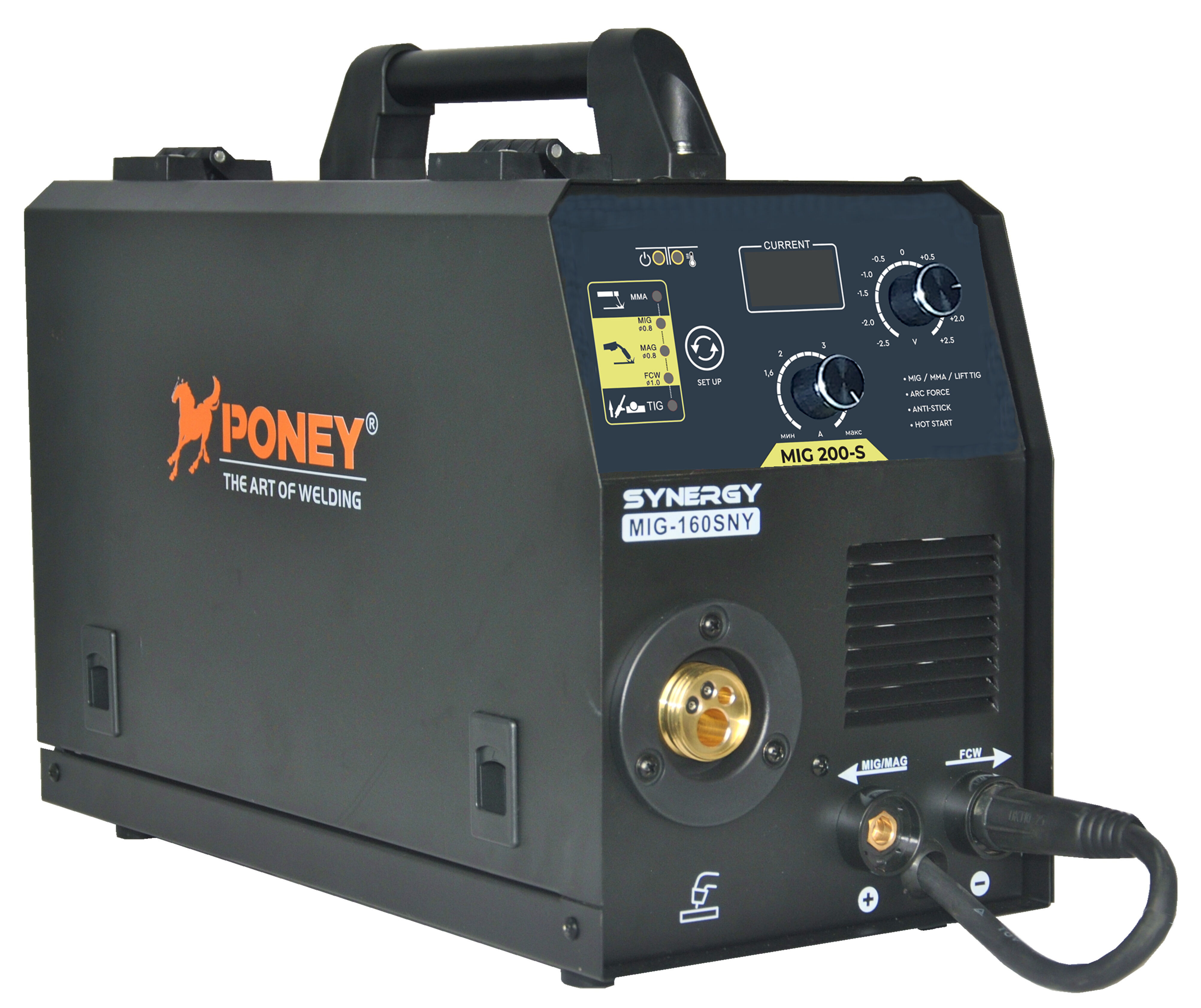
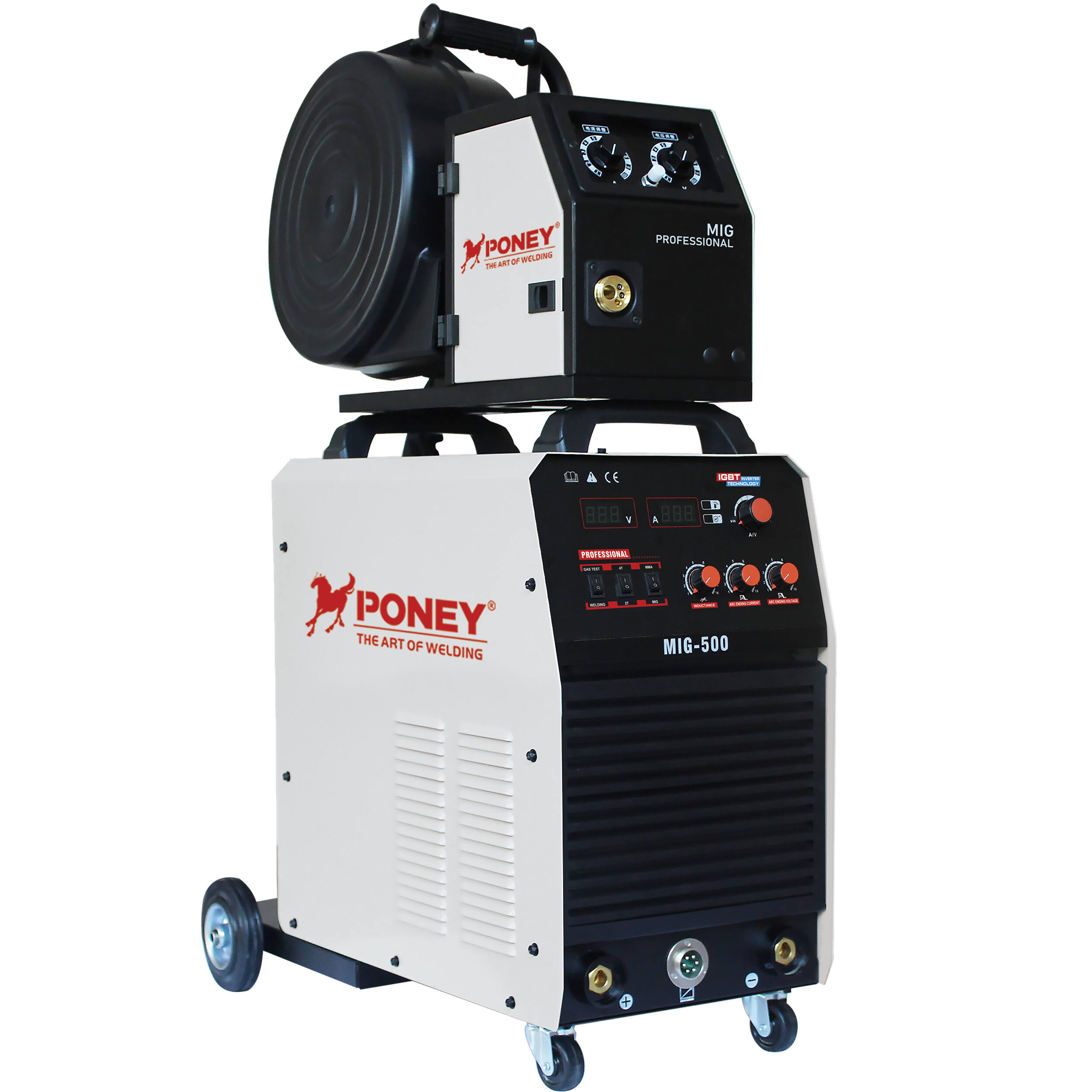
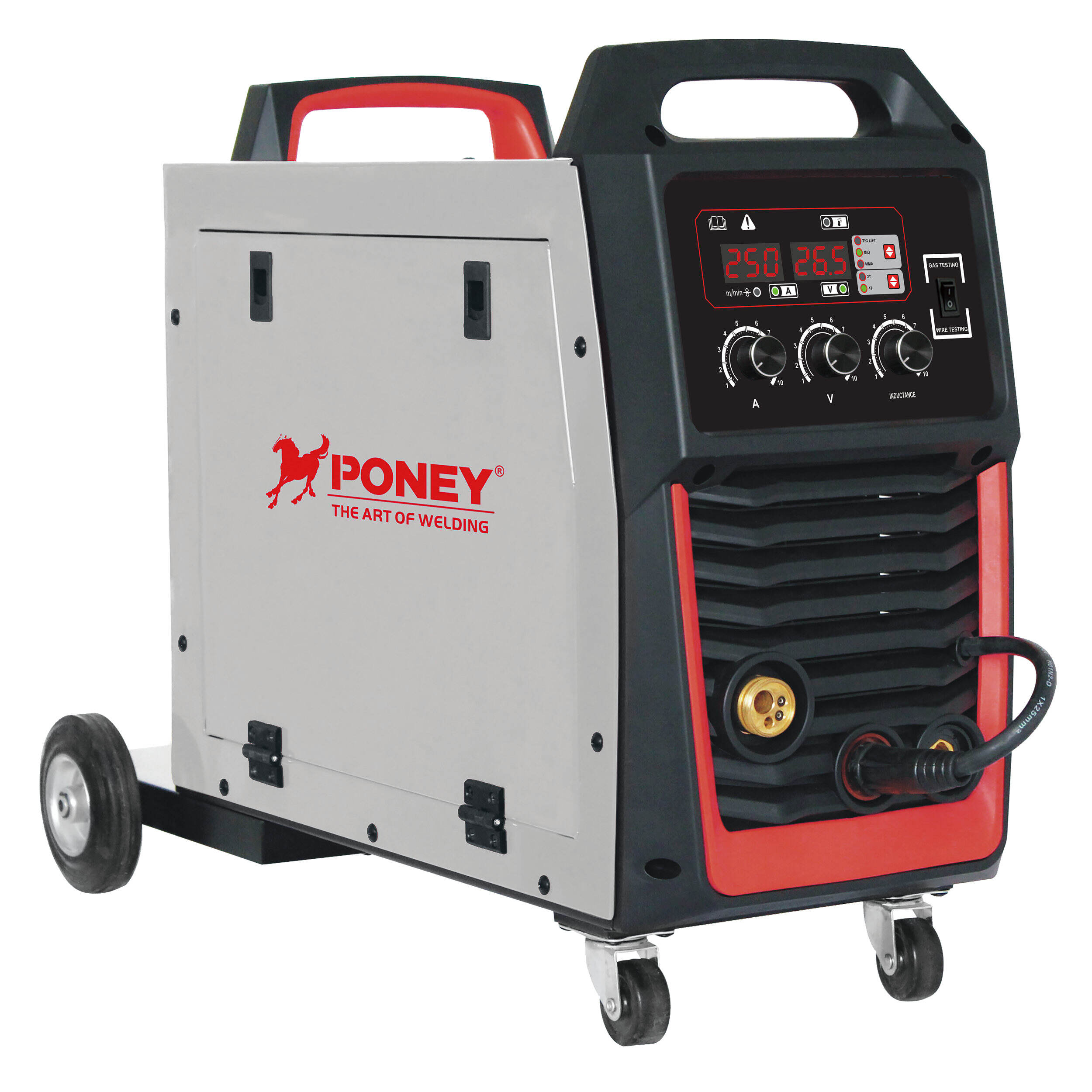
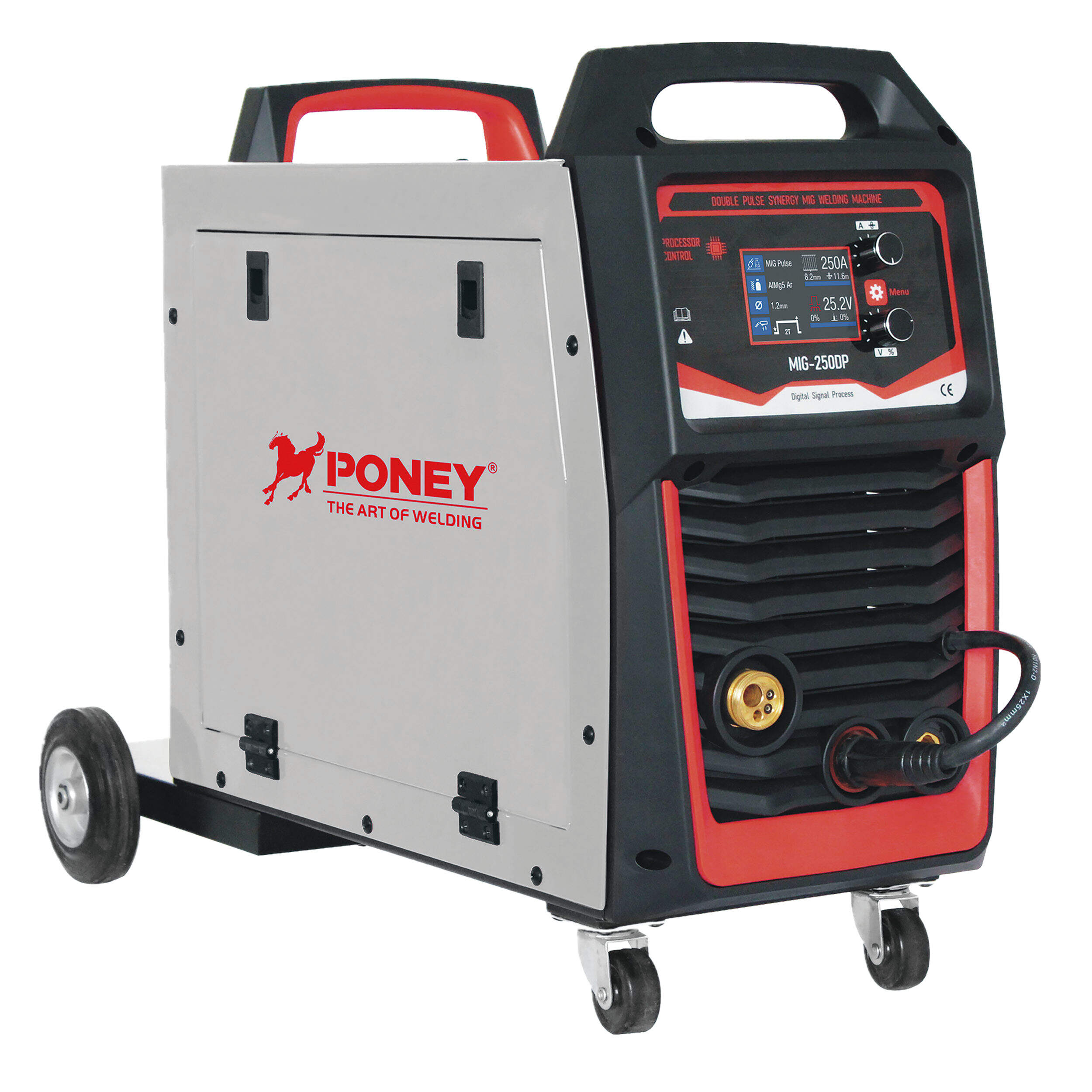
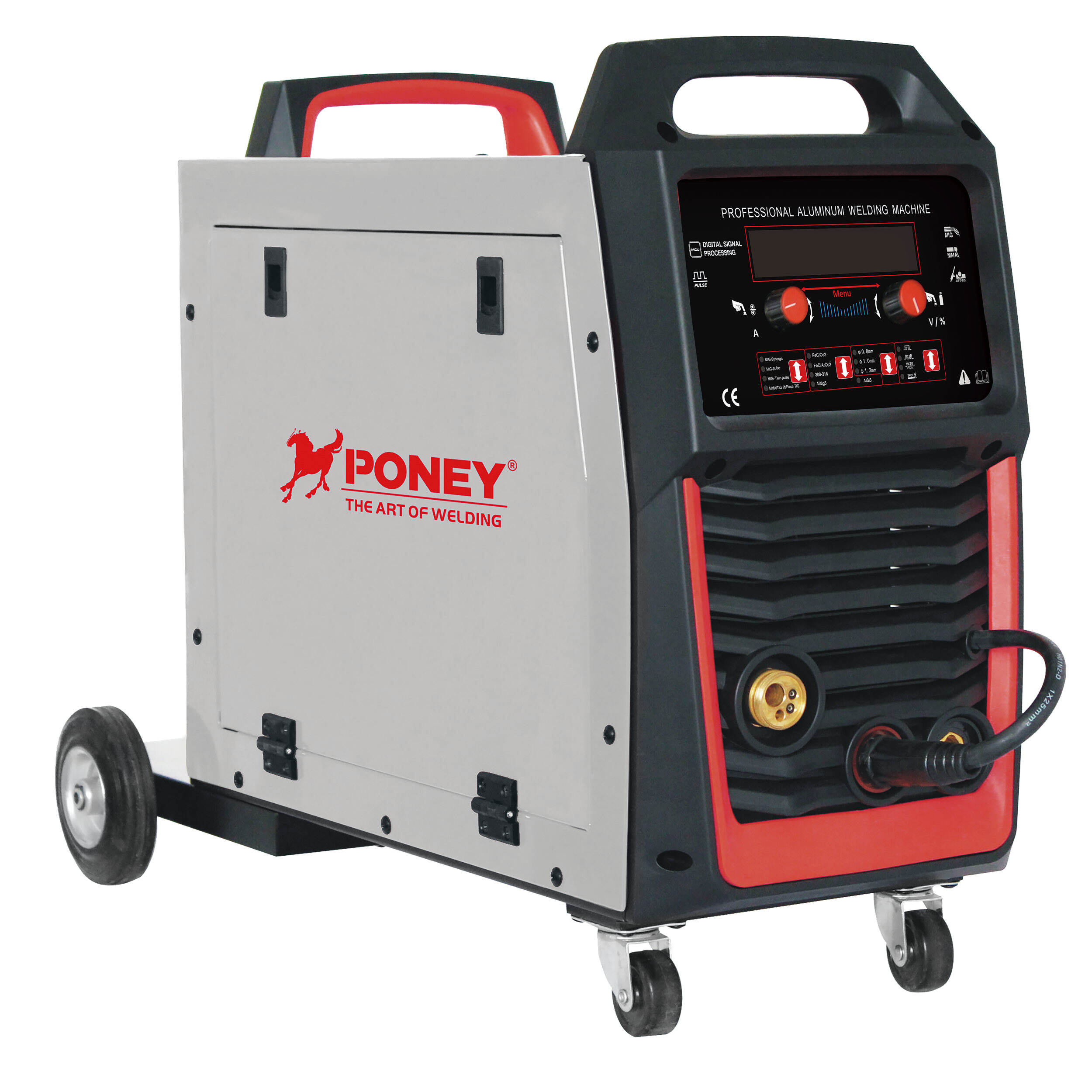
The inverter mig welding machine represents a revolutionary advancement in welding technology, combining cutting-edge electronics with traditional metal inert gas welding principles. This sophisticated equipment utilizes advanced inverter technology to convert standard AC power into high-frequency DC output, delivering exceptional arc stability and precise control over welding parameters. Unlike conventional transformer-based welders, the inverter mig welding machine employs solid-state electronic components that operate at frequencies between 20-100 kHz, resulting in significantly improved performance characteristics. The primary function of this equipment centers on creating strong, clean welds across various metal types including steel, aluminum, and stainless steel. The machine feeds continuous wire electrode through a welding gun while simultaneously supplying protective gas to shield the weld pool from atmospheric contamination. Key technological features include digital display panels for precise parameter adjustment, synergic welding programs that automatically optimize settings based on material thickness and wire diameter, and pulse welding capabilities for enhanced penetration control. Modern inverter mig welding machines incorporate advanced microprocessor control systems that monitor arc conditions in real-time, automatically adjusting voltage and current to maintain optimal welding performance. The equipment typically offers multiple welding modes including standard MIG, flux-cored welding, and lift TIG functionality, making it incredibly versatile for diverse applications. These machines find extensive use in automotive repair, structural fabrication, shipbuilding, pipeline construction, and general manufacturing operations. Professional workshops, industrial facilities, and hobbyist garages all benefit from the superior capabilities of inverter mig welding machines. The compact design and lightweight construction make these units highly portable, enabling welders to work efficiently in confined spaces or remote locations where traditional heavy welding equipment would be impractical.

New Product Releases

The inverter mig welding machine delivers numerous practical benefits that directly impact productivity, cost-effectiveness, and welding quality for users across all skill levels. Energy efficiency stands as a primary advantage, with these machines consuming 30-50% less electricity compared to traditional transformer welders while producing equivalent or superior results. This reduction in power consumption translates to lower operational costs and reduced environmental impact, making the investment financially attractive for both commercial operations and individual users. The lightweight design represents another significant benefit, with most inverter units weighing 40-60% less than conventional welders of similar output capacity. This portability enhancement allows welders to transport equipment easily between job sites, work in elevated positions without strain, and access tight spaces where heavier machines cannot reach. Superior arc characteristics provide users with smoother welding experiences, reducing spatter generation by up to 70% and minimizing post-weld cleanup requirements. The stable arc performance ensures consistent penetration and bead appearance, even when welding thin materials that traditionally challenge less sophisticated equipment. Digital control systems offer precise parameter adjustment capabilities, enabling users to fine-tune voltage, current, and wire feed speed with exceptional accuracy. This precision control results in stronger welds, reduced material waste, and improved overall project quality. The fast response time of inverter technology means welders can strike arcs instantly and maintain stable welding conditions even during rapid parameter changes or when working with varying material thicknesses. Versatility represents another key advantage, as modern inverter mig welding machines accommodate multiple welding processes within a single unit, eliminating the need for separate equipment purchases. The robust construction and advanced thermal protection systems ensure reliable operation even in demanding industrial environments, reducing downtime and maintenance costs. Additionally, many models feature user-friendly interfaces with preset programs that automatically optimize settings for common welding scenarios, making professional-quality results achievable for operators with limited experience while still providing the advanced control that expert welders require for specialized applications.

Tips And Tricks

PONEY Upholds Tradition of Excellence

26

Jan

PONEY Upholds Tradition of Excellence

View More
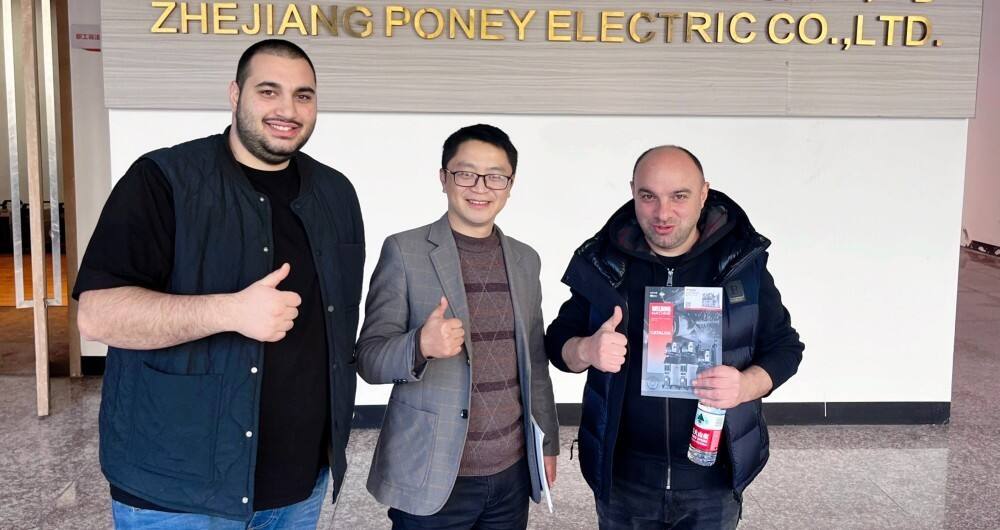
PONEY Welcomes Core Procurement Delegation from Georgia, Signing Cooperation to Open a New Chapter

26

Jan

PONEY Welcomes Core Procurement Delegation from Georgia, Signing Cooperation to Open a New Chapter

View More
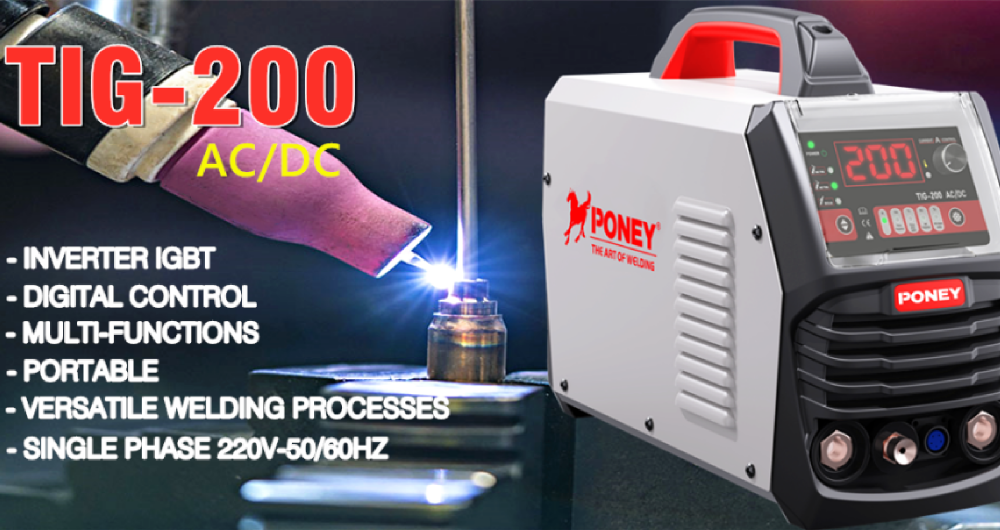
Ingenuity Forges a New Chapter! PONEY's New Product Launch Conference Concludes Successfully, with Two Flagship Welding Machines Stealing the Show

26

Jan

Ingenuity Forges a New Chapter! PONEY's New Product Launch Conference Concludes Successfully, with Two Flagship Welding Machines Stealing the Show

View More

Get a Free Quote

Our representative will contact you soon.
Email
Mobile/Whatsapp
Name
Company Name
Message
0/1000

inverter mig welding machine

Advanced Inverter Technology for Superior Performance

Advanced Inverter Technology for Superior Performance

The sophisticated inverter technology integrated into modern mig welding machines represents a quantum leap forward in welding equipment design and functionality. This revolutionary approach replaces traditional heavy iron transformers with lightweight, high-frequency electronic circuits that operate at frequencies between 20,000 and 100,000 Hz. The inverter mig welding machine converts incoming AC power through a complex process involving rectification, high-frequency switching, and step-down transformation to deliver precisely controlled DC output. This technological advancement provides unprecedented control over welding parameters, allowing operators to achieve consistent, high-quality results across diverse applications. The electronic control system continuously monitors arc conditions thousands of times per second, making real-time adjustments to maintain optimal welding performance regardless of varying conditions such as material thickness changes, joint configuration differences, or operator technique variations. The high switching frequency enables the use of much smaller transformers and filter components, dramatically reducing overall machine weight while improving efficiency ratings to over 85% compared to 60% for traditional transformer-based units. This efficiency improvement translates directly into lower operating costs and reduced heat generation, extending component life and improving workplace comfort. The precise electronic control also enables advanced features such as pulse welding, where current alternates between high peak values for penetration and low background levels for cooling, resulting in superior control over heat input and distortion reduction. The inverter technology facilitates synergic welding programs that automatically coordinate voltage, current, and wire feed speed based on selected material type and thickness, simplifying operation for less experienced welders while maintaining the flexibility that professionals demand. Furthermore, the fast response characteristics of inverter circuits enable excellent arc starting capabilities and superior performance when welding thin materials or working in challenging positions where arc stability becomes critical.
Exceptional Portability and Workspace Efficiency

Exceptional Portability and Workspace Efficiency

The remarkable portability of the inverter mig welding machine fundamentally transforms how welding operations can be planned and executed across various industries and applications. Traditional transformer-based welding equipment often weighs between 80-150 pounds for equivalent output capacity, while modern inverter units typically weigh between 25-60 pounds, representing a weight reduction of up to 70% without sacrificing welding capability. This dramatic size and weight reduction stems from the elimination of heavy iron core transformers and the compact nature of electronic switching circuits used in inverter technology. The enhanced portability enables welders to access previously challenging work locations such as elevated platforms, confined spaces in ship hulls, tight automotive repair situations, and remote construction sites where transporting heavy equipment would be impractical or impossible. The compact footprint of inverter mig welding machines optimizes workshop space utilization, allowing smaller fabrication shops to house professional-grade equipment without sacrificing valuable floor space for other operations. Many models feature integrated carrying handles, shoulder straps, or wheeled transport cases that further enhance mobility and reduce physical strain during equipment relocation. The reduced weight also enables easier mounting on welding carts or mobile workstations, creating flexible welding setups that can be quickly repositioned as project requirements change. For field service technicians and mobile repair operations, the portability advantage becomes even more significant, as lighter equipment reduces vehicle payload requirements and enables service calls that would otherwise require multiple trips or specialized transport equipment. The compact design also contributes to improved heat dissipation through better airflow around critical components, reducing thermal stress and extending equipment life. Additionally, the smaller size makes storage more convenient, whether in workshop environments, service vehicles, or temporary job site facilities where space constraints often challenge traditional welding operations.
Versatile Multi-Process Welding Capabilities

Versatile Multi-Process Welding Capabilities

The exceptional versatility of the inverter mig welding machine provides users with comprehensive welding solutions that eliminate the need for multiple specialized machines, delivering significant cost savings and operational efficiency improvements. Modern inverter units typically incorporate multiple welding processes within a single compact package, including standard MIG welding, flux-cored arc welding (FCAW), lift TIG welding, and stick welding capabilities. This multi-process functionality enables welders to tackle diverse projects using appropriate techniques for specific materials, joint configurations, and environmental conditions without equipment changes. The MIG welding mode excels in high-production applications where speed and consistency are paramount, such as automotive manufacturing, structural fabrication, and sheet metal work. The flux-cored welding capability proves invaluable for outdoor applications and situations where external gas shielding is impractical, such as field repairs, construction sites with windy conditions, or remote locations where gas cylinder transport presents logistical challenges. The integrated TIG function enables precision welding of thin materials, exotic alloys, and applications requiring exceptional weld quality and appearance, such as aerospace components, food processing equipment, and architectural metalwork. The stick welding mode provides reliability for heavy structural work, maintenance operations, and situations where deep penetration is essential. Advanced inverter mig welding machines feature intelligent process switching that automatically adjusts internal circuitry and control algorithms when changing between welding modes, optimizing performance characteristics for each specific process. The synergic control systems adapt to different welding processes by coordinating appropriate parameter relationships, such as the complex interactions between voltage, current, and travel speed required for optimal MIG performance versus the different parameter priorities needed for effective TIG welding. This versatility proves particularly valuable for small fabrication shops, maintenance departments, and educational institutions where diverse welding requirements must be met within budget constraints that would otherwise limit equipment acquisition to single-process machines with limited application ranges.

Get a Free Quote

Our representative will contact you soon.
Email
Mobile/Whatsapp
Name
Company Name
Message
0/1000