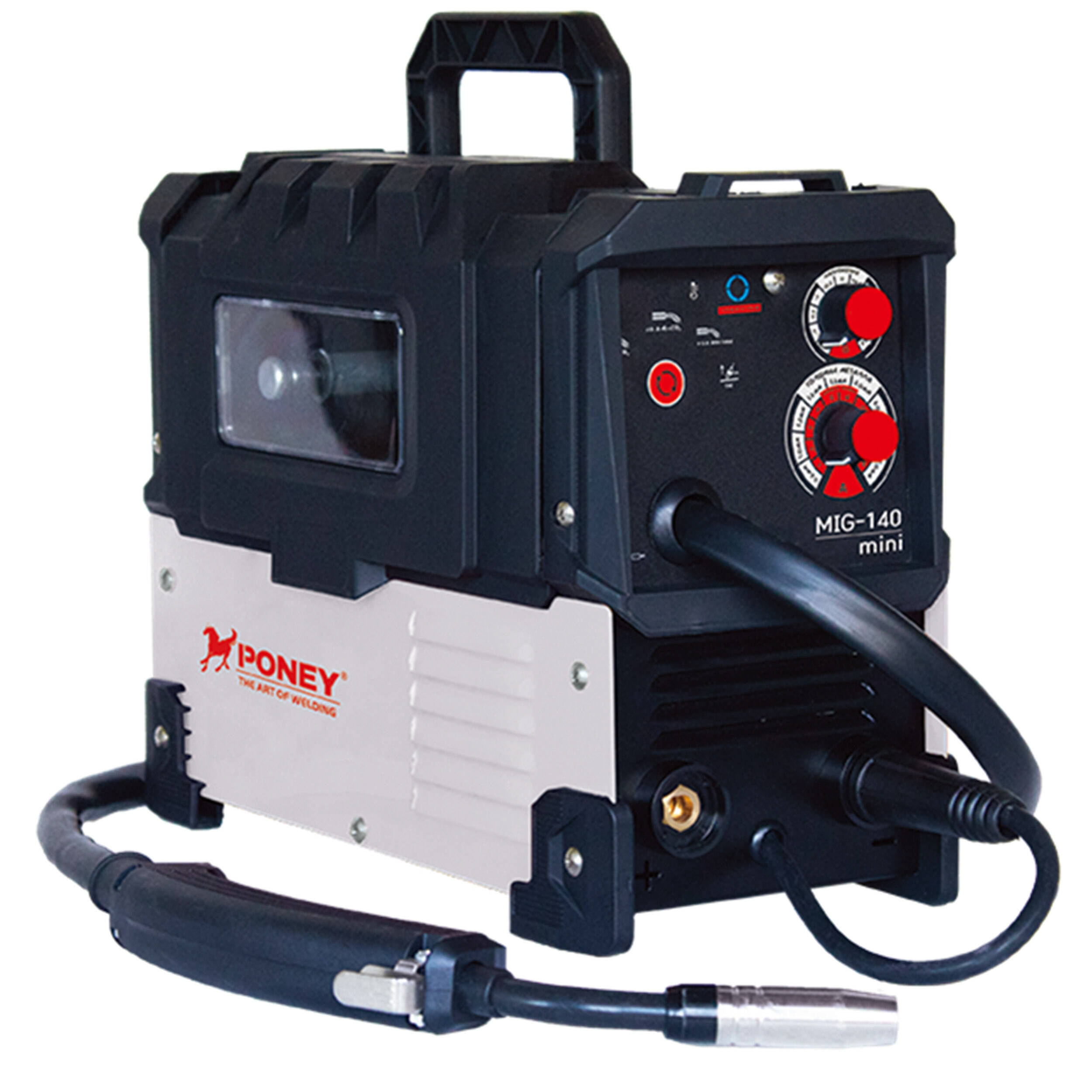
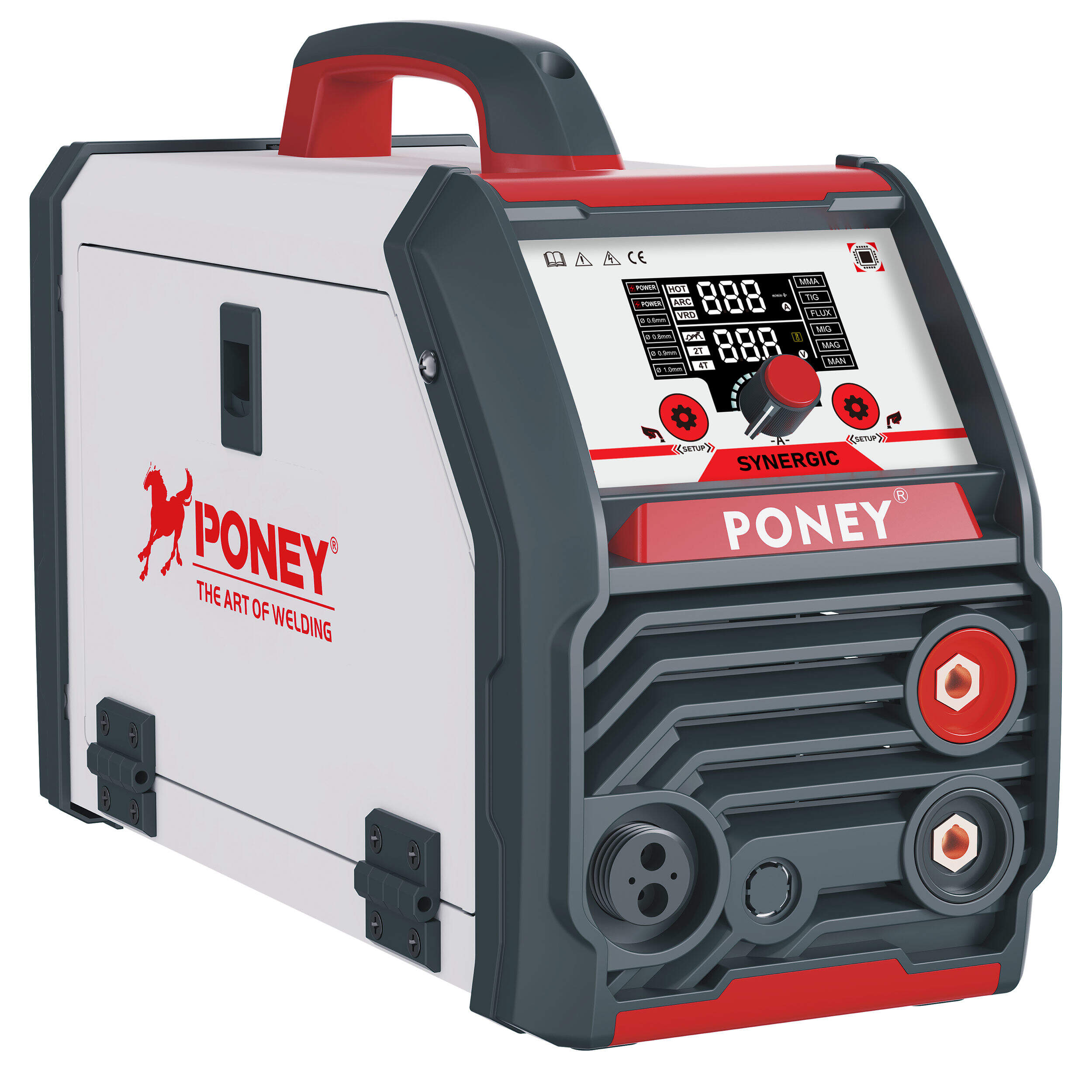
Professional Inverter Pulse MIG Welder - Advanced Welding Technology for Superior Results

Get a Free Quote

Our representative will contact you soon.
Email
Mobile/Whatsapp
Name
Company Name
Message
0/1000

inverter pulse mig welder

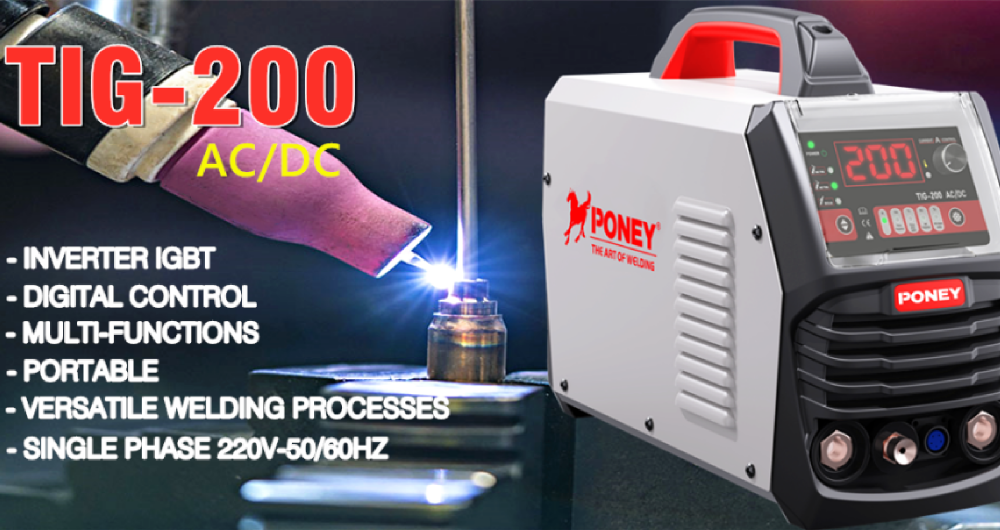
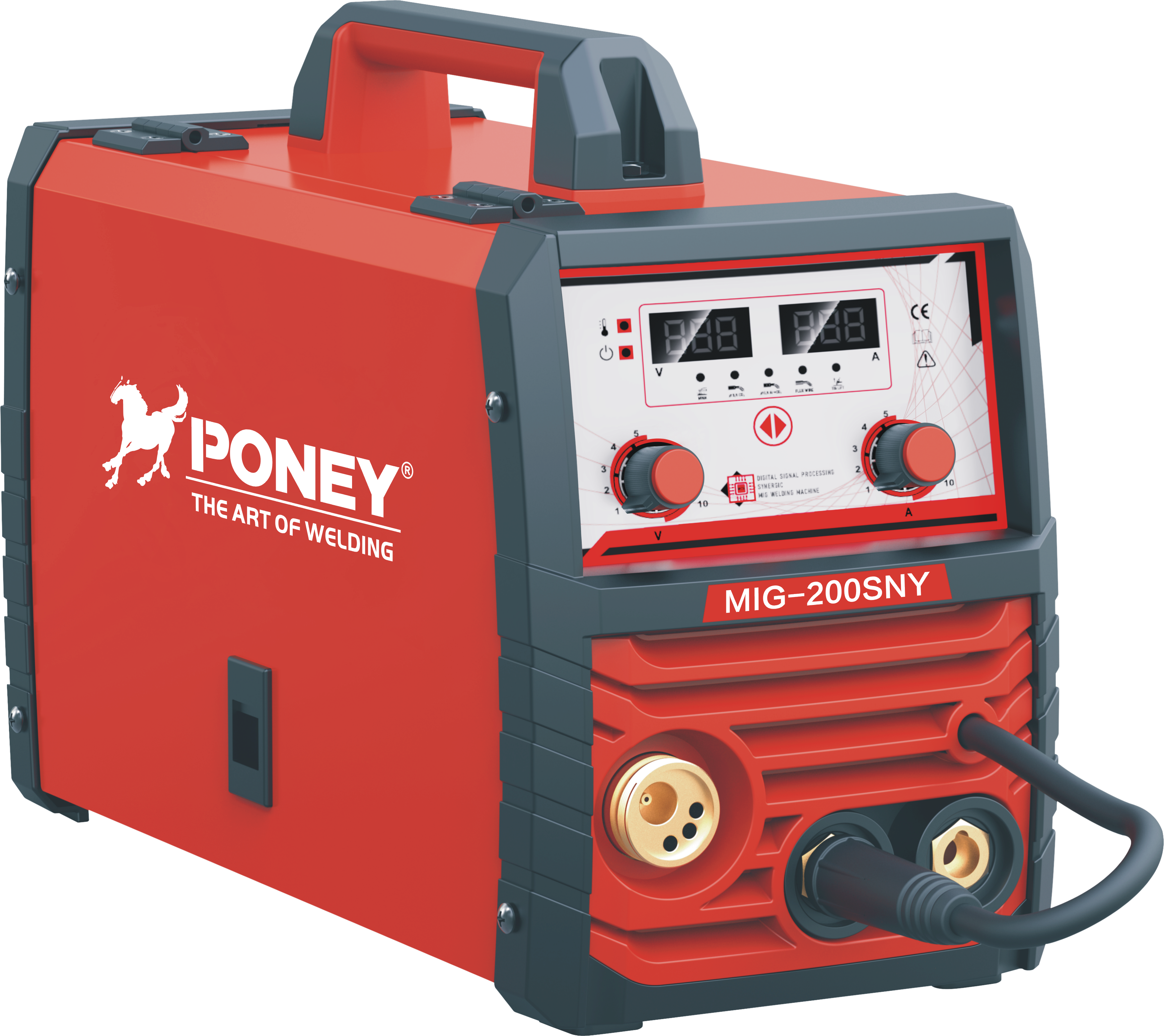
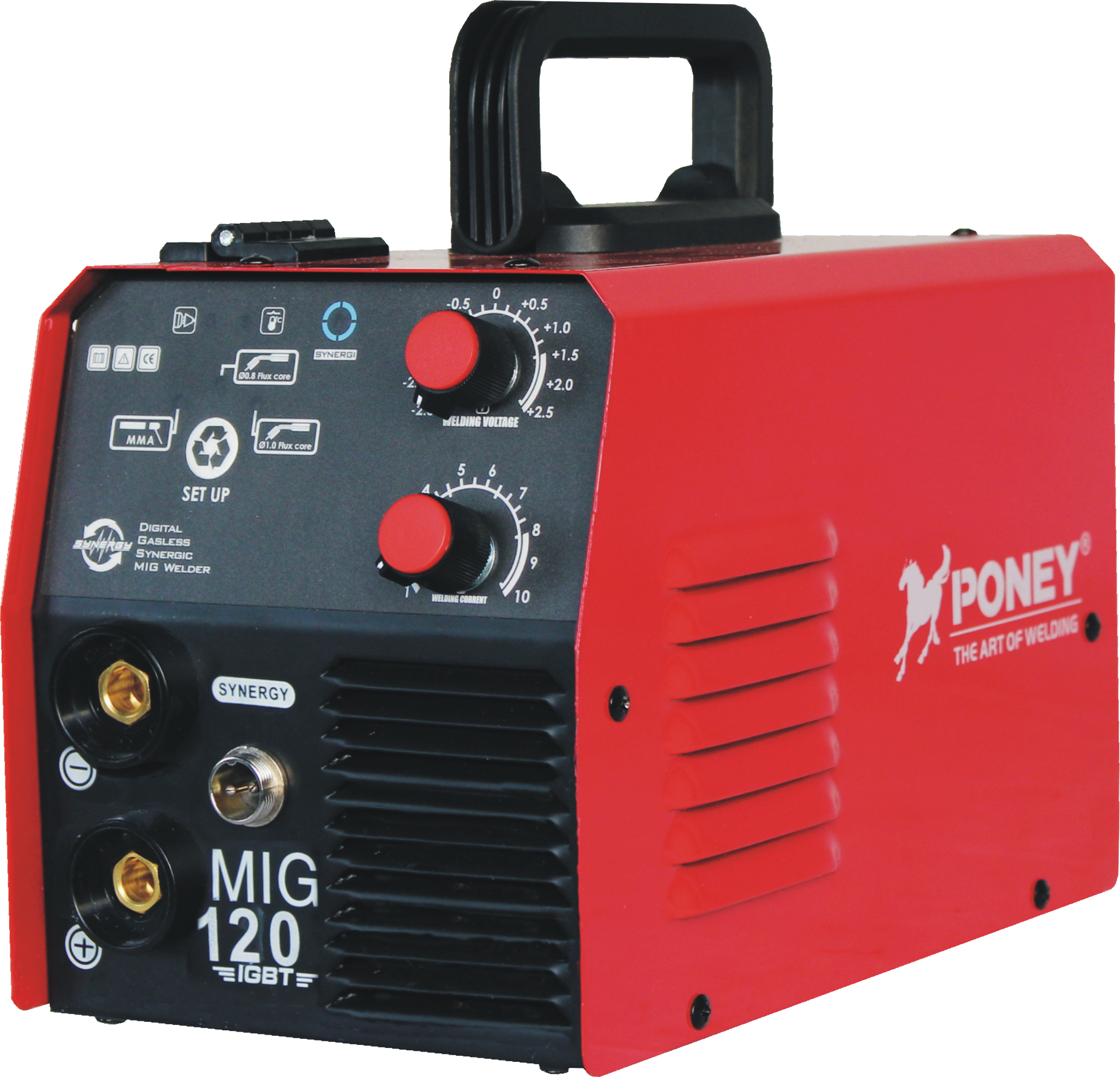
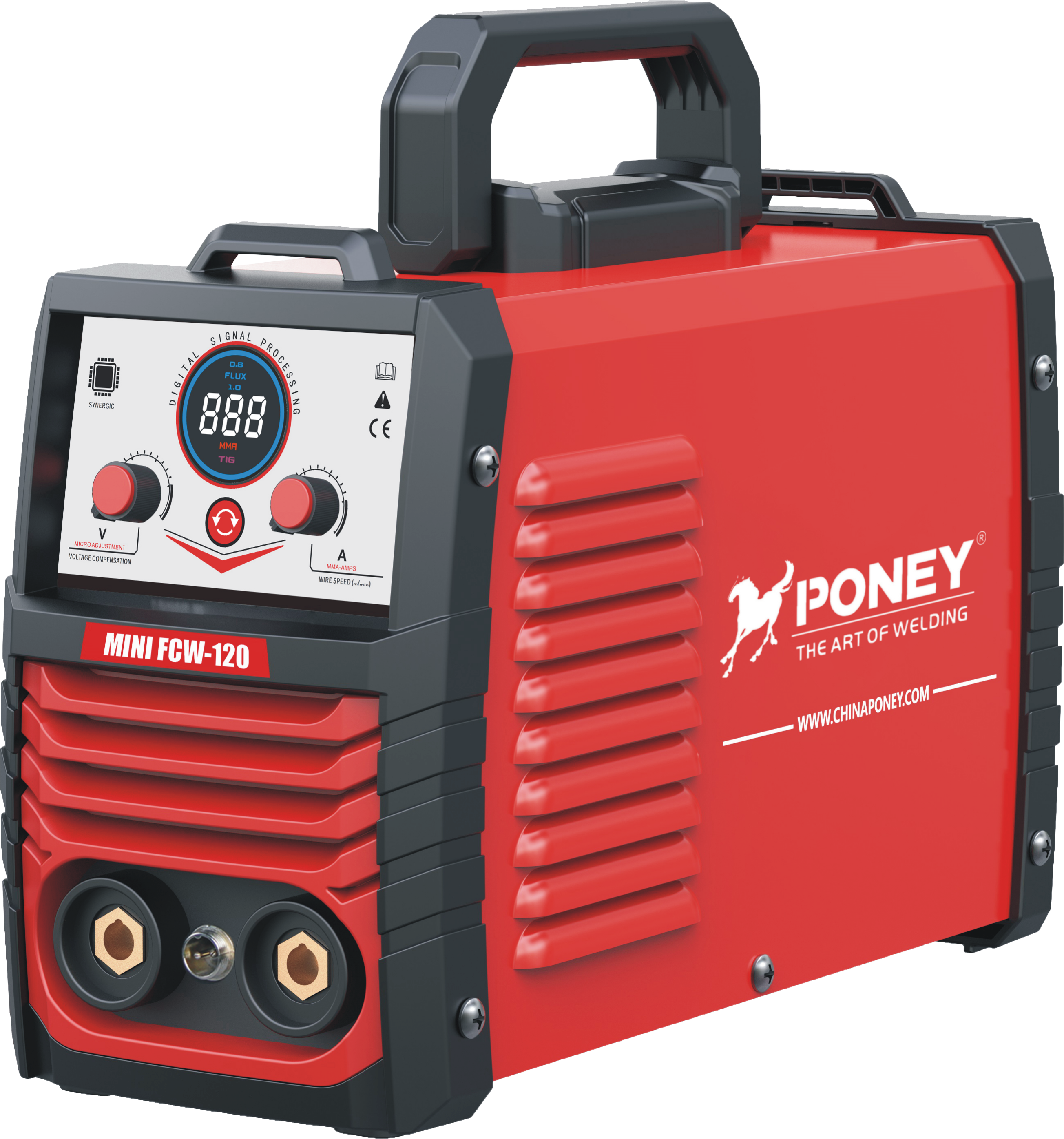
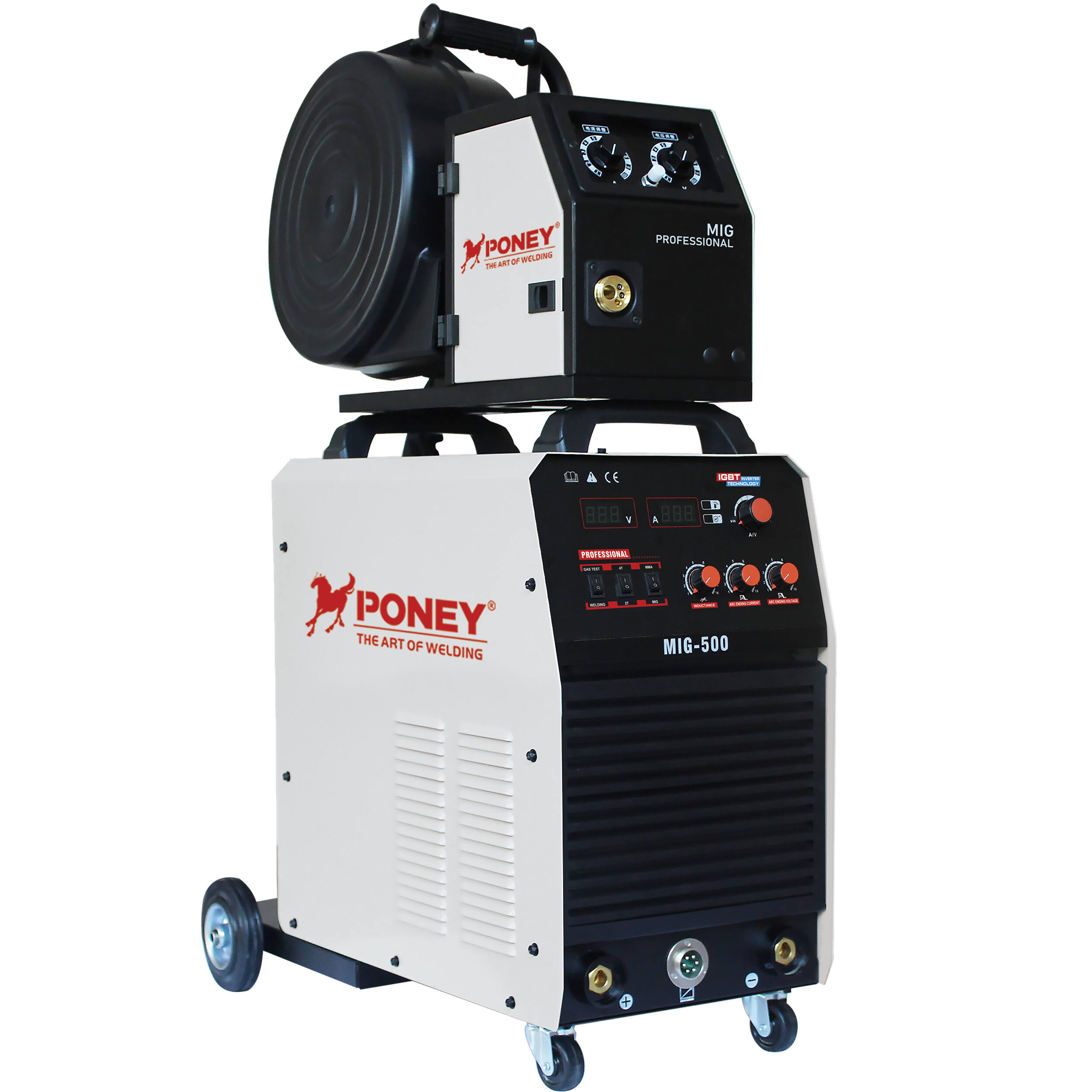
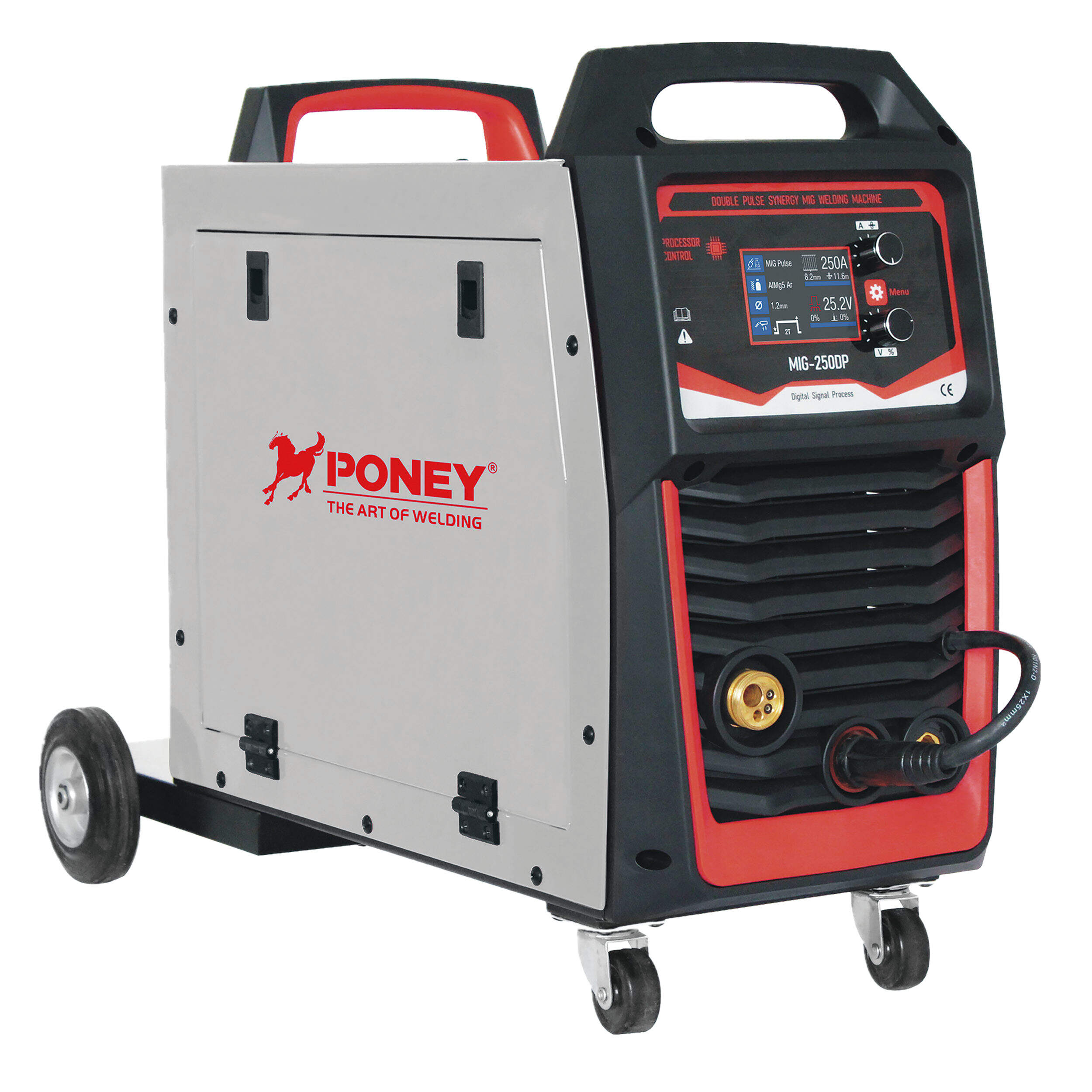
An inverter pulse mig welder represents a revolutionary advancement in metal joining technology, combining the reliability of traditional MIG welding with sophisticated electronic control systems. This cutting-edge equipment utilizes inverter technology to convert standard AC power into high-frequency DC current, enabling precise control over welding parameters and delivering exceptional arc stability. The inverter pulse mig welder incorporates pulsed current functionality that alternates between high peak current and low background current levels, creating a controlled metal transfer process that minimizes heat input while maintaining strong penetration. The main functions of this advanced welding system include automated wire feeding, digital parameter control, and real-time arc monitoring capabilities. Users can adjust voltage, current, wire speed, and pulse frequency through intuitive digital interfaces, ensuring optimal settings for various materials and thicknesses. The technological features encompass advanced switching circuits operating at frequencies exceeding 20kHz, which dramatically reduce transformer size and overall equipment weight compared to conventional welders. Digital signal processing algorithms continuously monitor arc conditions and automatically compensate for variations in welding conditions. The inverter pulse mig welder supports multiple welding modes including standard MIG, pulsed MIG, and synergic welding programs that automatically optimize parameters based on material selection. Applications span across automotive manufacturing, structural fabrication, shipbuilding, aerospace components, and general metalworking projects. The equipment excels in welding aluminum, stainless steel, mild steel, and exotic alloys with thicknesses ranging from thin sheet metal to heavy structural sections. Professional workshops, production facilities, and skilled craftsmen rely on inverter pulse mig welder technology for critical joints requiring superior quality and consistency. The versatility extends to both indoor and outdoor applications, with portable models enabling field welding operations while maintaining professional-grade performance standards.

Popular Products

The inverter pulse mig welder delivers numerous practical benefits that directly impact welding quality, productivity, and operational costs for users across various industries. Energy efficiency stands as a primary advantage, with inverter technology consuming up to 40% less electricity compared to traditional transformer-based welders while maintaining superior performance levels. This reduced power consumption translates into lower operating costs and enables operation from smaller generators during mobile applications. The compact design and lightweight construction make transportation and positioning significantly easier, with most inverter pulse mig welder units weighing 50-70% less than conventional alternatives. Operators appreciate the enhanced portability when moving between job sites or repositioning equipment within workshops. Arc stability represents another crucial benefit, as the precise current control eliminates fluctuations that cause irregular bead appearance and inconsistent penetration. The pulsed current feature reduces overall heat input by up to 30%, minimizing distortion in thin materials while maintaining adequate fusion in the joint area. This controlled heat management enables welding of heat-sensitive materials without compromising structural integrity. Spatter reduction is dramatically improved through optimized current waveforms, resulting in cleaner welds that require minimal post-welding cleanup and reducing consumable waste. The digital control interface provides precise parameter adjustment capabilities, allowing operators to fine-tune settings for specific applications and achieve repeatable results across multiple projects. Faster travel speeds become possible due to improved arc characteristics, increasing productivity while maintaining weld quality standards. The inverter pulse mig welder accommodates a broader range of materials and thicknesses with a single machine, eliminating the need for multiple welding systems and reducing equipment investment costs. Maintenance requirements are significantly reduced due to fewer moving parts and solid-state electronics that resist wear and environmental damage. The consistent power output ensures reliable performance regardless of input voltage fluctuations, maintaining weld quality even in challenging electrical conditions. Training time for new operators is reduced through simplified controls and preset programs that automatically optimize parameters for common applications.

Practical Tips

PONEY Upholds Tradition of Excellence

26

Jan

PONEY Upholds Tradition of Excellence

View More
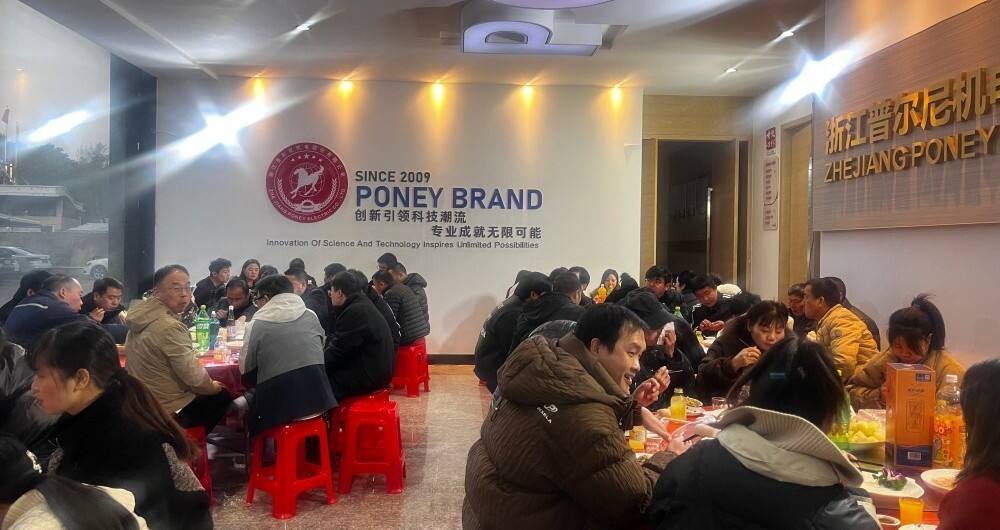
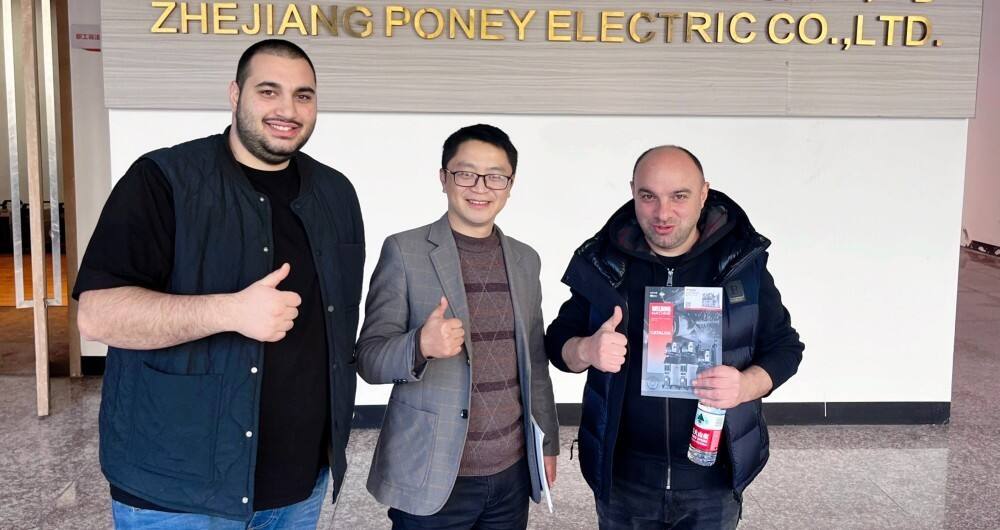
PONEY Welcomes Core Procurement Delegation from Georgia, Signing Cooperation to Open a New Chapter

26

Jan

PONEY Welcomes Core Procurement Delegation from Georgia, Signing Cooperation to Open a New Chapter

View More
Ingenuity Forges a New Chapter! PONEY's New Product Launch Conference Concludes Successfully, with Two Flagship Welding Machines Stealing the Show

26

Jan

Ingenuity Forges a New Chapter! PONEY's New Product Launch Conference Concludes Successfully, with Two Flagship Welding Machines Stealing the Show

View More

Get a Free Quote

Our representative will contact you soon.
Email
Mobile/Whatsapp
Name
Company Name
Message
0/1000

inverter pulse mig welder

Advanced Pulse Technology for Superior Metal Transfer Control

Advanced Pulse Technology for Superior Metal Transfer Control

The sophisticated pulse technology integrated into the inverter pulse mig welder revolutionizes metal transfer mechanisms by precisely controlling droplet formation and transfer frequency. This advanced system operates by alternating between high peak current pulses that create controlled droplet detachment and lower background current levels that maintain arc stability without excessive heat buildup. The pulse frequency can be adjusted from 50 to 500 Hz, enabling operators to optimize transfer characteristics for specific materials, joint configurations, and positional welding requirements. During the peak current phase, sufficient electromagnetic force develops to detach a single molten droplet from the wire tip, ensuring one drop per pulse for consistent transfer patterns. The background current maintains the arc while allowing the molten pool to solidify partially, reducing overall heat input and enabling welding of thin materials without burn-through risks. This controlled transfer eliminates the chaotic globular transfer mode that occurs in conventional MIG welding at lower current levels, resulting in significantly reduced spatter generation and improved bead appearance. The inverter pulse mig welder automatically calculates optimal pulse parameters based on wire diameter, material type, and shielding gas composition, removing guesswork from the setup process. Operators benefit from improved gap bridging capabilities as the controlled droplet transfer maintains consistent arc length even with irregular joint fit-up conditions. The reduced heat input enables welding in all positions without excessive reinforcement or undercut formation, expanding application possibilities for complex fabrications. Aluminum welding particularly benefits from pulse technology as it prevents wire feeding issues and reduces porosity formation through better gas coverage and controlled penetration. The precise current control eliminates the need for complex gas mixtures, allowing use of pure argon for most applications while maintaining excellent arc characteristics. Productivity increases substantially as higher travel speeds become achievable without sacrificing penetration or bead profile quality, making the inverter pulse mig welder ideal for high-volume production environments where consistency and speed are paramount.
Inverter Technology for Enhanced Efficiency and Portability

Inverter Technology for Enhanced Efficiency and Portability

The inverter technology foundation of the inverter pulse mig welder transforms welding power delivery through high-frequency switching circuits that dramatically improve efficiency, reduce size, and enhance performance characteristics compared to traditional transformer-based systems. Operating at switching frequencies between 20-100 kHz, the inverter converts incoming AC power to DC, then switches it at high frequency before stepping down through a compact transformer to welding voltage levels. This high-frequency operation enables transformer cores to be 80% smaller while maintaining equivalent power output, resulting in overall unit weights of 15-25 kg compared to 60-100 kg for conventional welders of similar capacity. The compact design facilitates easy transportation between job sites and enables mounting in confined spaces where traditional equipment cannot fit. Power factor correction circuits integrated within the inverter pulse mig welder ensure efficient power utilization, reducing harmonic distortion and minimizing impact on electrical supply systems. The wide input voltage tolerance, typically 185-265V, enables operation across various power grid conditions without performance degradation or parameter drift. Advanced switching algorithms provide precise current control with response times measured in microseconds, enabling rapid adjustment to changing arc conditions and maintaining stable welding characteristics. The inverter topology eliminates the large electromagnetic components that generate significant magnetic fields, reducing interference with electronic devices and improving operator comfort during extended welding sessions. Thermal management systems incorporated into inverter pulse mig welder designs utilize efficient heat sinks and variable-speed cooling fans that adjust based on duty cycle requirements, extending component life and maintaining consistent performance. The digital nature of inverter control enables sophisticated feedback systems that monitor arc voltage, current, and wire speed simultaneously, automatically compensating for variations to maintain preset welding conditions. Energy efficiency improvements of 30-40% compared to conventional welders translate into reduced operating costs and enable operation from smaller generator sets during portable applications. The inverter pulse mig welder delivers consistent arc starting characteristics regardless of ambient temperature or input voltage variations, ensuring reliable performance across diverse operating conditions and geographical locations.
Digital Control Systems for Precision and User-Friendly Operation

Digital Control Systems for Precision and User-Friendly Operation

The advanced digital control systems integrated into the inverter pulse mig welder provide unprecedented precision in parameter adjustment and monitoring, transforming welding from a primarily skill-dependent process to a technology-assisted operation that delivers consistent results regardless of operator experience level. High-resolution digital displays present real-time feedback on voltage, current, wire speed, and gas flow rates, enabling operators to monitor welding conditions continuously and make informed adjustments during the welding process. Microprocessor-based control algorithms store hundreds of pre-programmed welding procedures for common material combinations, automatically setting optimal parameters when users select material type, thickness, and joint configuration through intuitive menu systems. The synergic control feature of the inverter pulse mig welder maintains optimal relationships between wire speed and voltage as operators adjust penetration levels, eliminating the need for manual coordination of multiple parameters and reducing setup time significantly. Memory functions allow storage of custom parameter sets for recurring applications, enabling rapid recall of proven settings for specific projects or customer requirements. Digital communication interfaces support data logging capabilities that record welding parameters, arc-on time, and consumable usage for quality documentation and process analysis purposes. The inverter pulse mig welder incorporates adaptive control algorithms that continuously analyze arc characteristics and automatically adjust parameters to compensate for changes in contact tip wear, gas flow variations, or material surface conditions. User-configurable alarm systems monitor critical parameters and alert operators to conditions that could compromise weld quality, such as low gas pressure, improper wire speed, or excessive heat buildup. The digital control platform enables remote monitoring and adjustment capabilities through wireless connectivity options, allowing supervisors to oversee multiple welding stations simultaneously and ensure consistent quality across production operations. Diagnostic systems continuously monitor internal component health and provide predictive maintenance alerts before failures occur, minimizing unexpected downtime and reducing repair costs. The inverter pulse mig welder features multiple operator skill level settings that adjust available parameter ranges and control complexity, enabling novice welders to achieve professional results while providing experienced operators with full access to advanced features. Multilingual display options and standardized symbols ensure operator comprehension regardless of language barriers, supporting global deployment of welding equipment across international manufacturing operations.

Get a Free Quote

Our representative will contact you soon.
Email
Mobile/Whatsapp
Name
Company Name
Message
0/1000