EN
EN

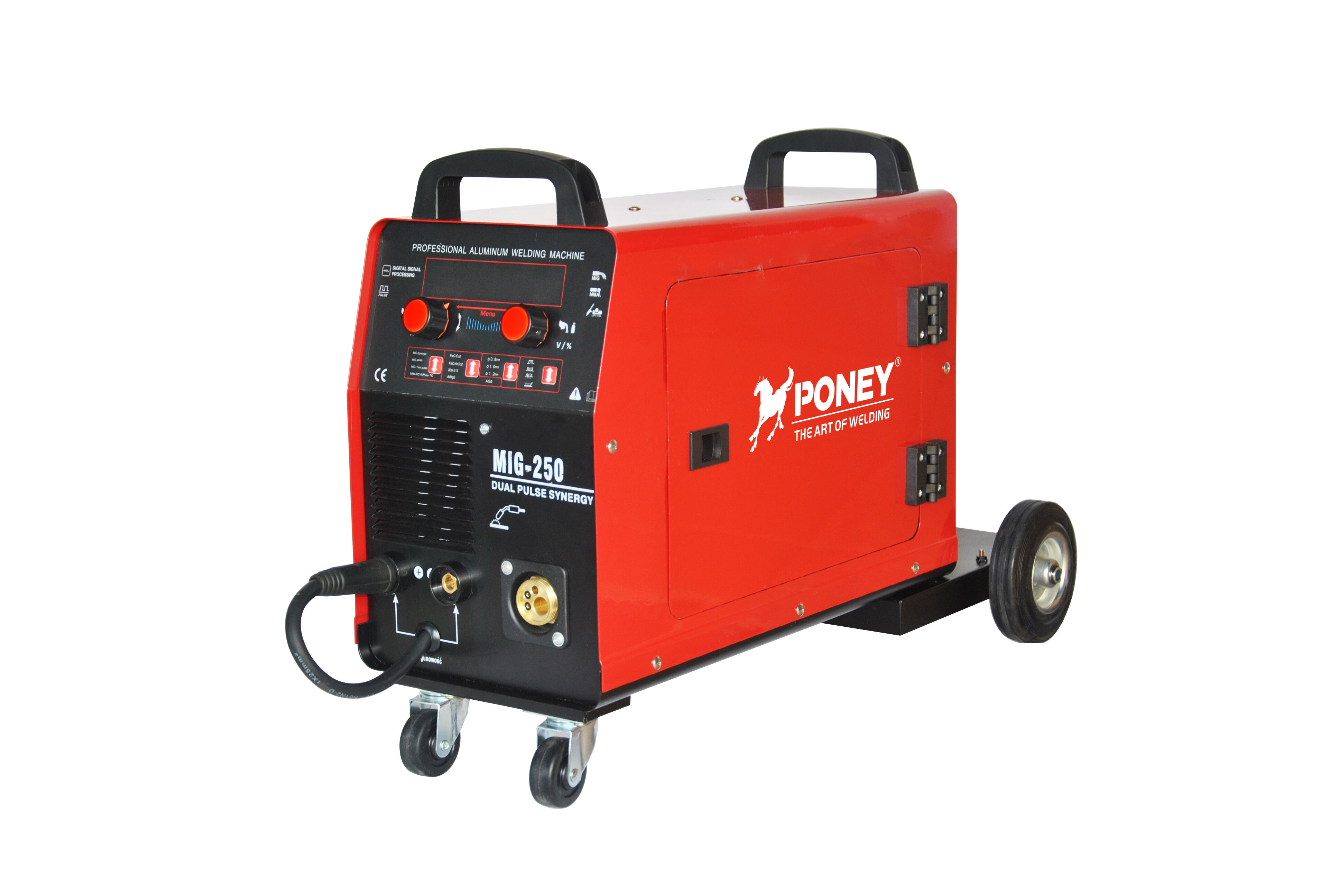
Razumijevanje kako dizajn mašine za zavarivanje utječe na operativnu dosljednost ključno je za proizvođače koji traže pouzdane rezultate proizvodnje. Interna arhitektura, odabir komponenti i inženjerski načeli ugrađeni u mašinu za zavarivanje izravno određuju njegovu sposobnost održavanja stabilnih parametara performansi tijekom dužih radnih razdoblja. Ove odluke o dizajnu utječu na sve, od stabilnosti luka i upravljanja toplinom do dugovječnosti komponente i zahtjeva za održavanjem.
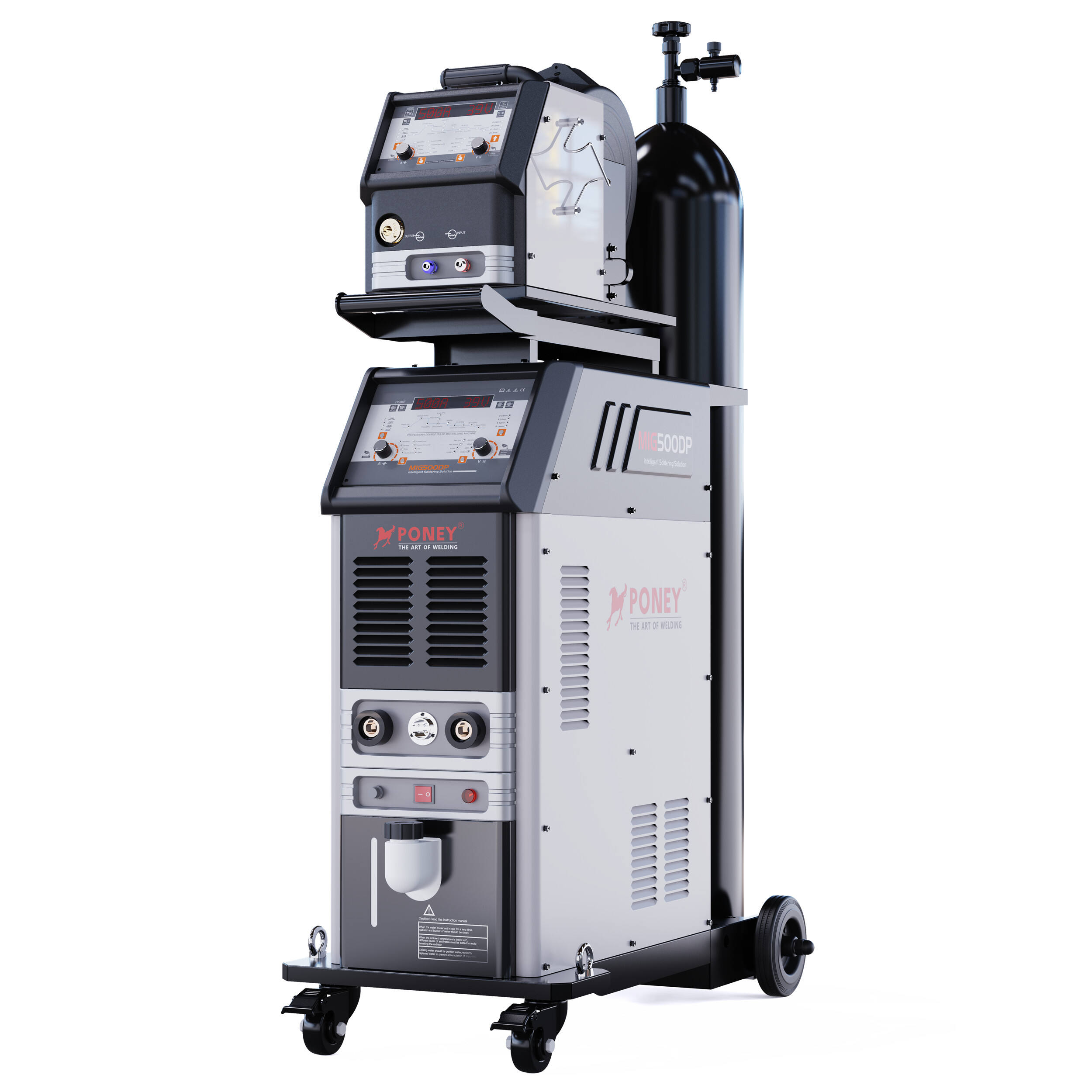
Operativna dosljednost u aplikacijama zavarivanja ovisi o više međusobno povezanih dizajna koji rade zajedno kako bi se postizali predvidljivi rezultati. Kad mašina za zavarivanje ima dosljednu učinkovitost, ona održava jedinstvene karakteristike luka, stabilne izlazne parametre i pouzdane mehanizme za hranjenje bez obzira na okolišne uvjete ili produžena razdoblja korištenja. Ova dosljednost proizlazi iz namjernih odabra projektiranja tijekom inženjerske faze, gdje proizvođači moraju uravnotežiti zahtjeve za performansama s dugoročnim razmatranjima pouzdanosti.
U skladu s člankom 4. stavkom 2.
Arhitektura za razvod topline
Sistem upravljanja toplinom unutar mašine za zavarivanje predstavlja jedan od najkritičnijih elemenata dizajna koji utječu na dugoročnu konzistenciju. Napredne mašine za zavarivanje imaju sofisticirane sustave hlađenja koji sprečavaju razgradnju dijelova zbog prekomjerne nakupljanja toplote tijekom dužeg rada. Ti sustavi obično imaju strateški postavljene toplinske dimnike, prisilnu cirkulaciju zraka i u nekim slučajevima, krugove za hlađenje tekućine koji održavaju optimalne radne temperature na svim kritičnim komponentama.
Učinkovit toplinski dizajn osigurava da snažna elektronika, transformatori i upravljački krugovi rade unutar određenih raspona temperature. Kada komponente rade na povišenim temperaturama iznad svojih projektnih granica, njihove električne osobine počinju se mijenjati, što dovodi do nekonzistentnih izlaza zavarivanja. Dobro dizajnirana mašina za zavarivanje uključuje sustave za nadzor topline koji automatski prilagođavaju parametre rada kako bi se održao dosljedan učinak čak i kada se temperatura okoliša mijenja.
U slučaju da se u slučaju zavarivanja ne primjenjuje sustav za varenje, zavod za varenje mora imati svojstveni sustav za varenje. U skladu s člankom 3. stavkom 2. točkom (a) Uredbe (EZ) br. 765/2008 i člankom 3. stavkom (b) Uredbe (EZ) br. 765/2008 i člankom 4. stavkom (b) Uredbe (EZ) br. 765/2008 i člankom 4. stavkom (c) Uredbe (EZ) br. 765/2008 i Ovaj toplinski ciklus uzrokuje širenje i kontrakciju materijala, što potencijalno dovodi do kvarova u vezivanju, pomicanja komponenti i na kraju nepristrasnog učinka zavarivanja tijekom vremena.
U skladu s člankom 6. stavkom 2.
Inženjeri moraju pažljivo odabrati komponente koje imaju odgovarajuće temperaturne vrijednosti koje premašuju očekivane radne uvjete. Visokokvalitetne mašine za zavarivanje koriste komponente namijenjene industrijskim temperaturnim rasponima, osiguravajući da kritični elementi poput kondenzatora, poluprovodnika i upravljačkih kola zadržavaju svoje određene karakteristike tijekom cijelog njihovog radnog vijeka. Ova filozofija odabira komponenti izravno utječe na sposobnost stroja da pruži dosljedne parametre zavarivanja.
U skladu s člankom 3. stavkom 1. točkom (a) ovog članka, za sve komponente koje su osjetljive na temperaturu, uključujući transistore snage i upravljačke integrirane krugove, potrebno je pažljivo upravljati toplinom kako bi se spriječilo pomicanje parametara. Kada se te komponente rade na temperaturama koje se približavaju njihovim maksimalnim vrijednostima, njihove električne osobine počinju se mijenjati, što utječe na konzistenciju izlaza mašine za zavarivanje. U skladu s člankom 3. stavkom 2. točkom (a) ovog članka, za sve komponente koji su opremljeni s sustavom za upravljanje toplinskim sustavom, potrebno je utvrditi razinu i razinu toplinske energije u sustavu za upravljanje toplinskim sustavom.
Sredstva za upravljanje energijom
Četvrtina i regulacija
Moderne konstrukcije mašina za zavarivanje koriste arhitekturu prekidača napajanja koja pruža preciznu kontrolu parametara zavarivanja. U skladu s člankom 3. stavkom 1. stroj za zavarivanje može zadržati svoje karakteristike proizvodnje tijekom dužeg razdoblja. Dizajn visokog frekvencijskog prekidača nudi superiorne mogućnosti regulacije, omogućavajući strožu kontrolu parametara struje i napona zavarivanja.
U skladu s člankom 3. stavkom 2. točkom (a) ovog članka, za sve vrste zavodova za spajanje, koji se upotrebljavaju u proizvodnji električne energije, za koje se primjenjuje odrednica o iznosu energije, za koje se primjenjuje odrednica o iznosu energije, za koje se primjenjuje odrednica o iz Napredni dizajn uključuje više povratnih petlja koji nadgledaju uvjete ulaza i izlaza, automatski prilagođavajući parametre prekidača kako bi nadoknadili starenje komponenti, promjene temperature i fluktuacije ulazne snage.
Izbor topologije napajanja značajno utječe na dugoročnu konzistentnost. Dizajn koji smanjuje stres komponenti pomoću tehnika mekog prebacivanja i optimalne upotrebe magnetnih komponenti ima tendenciju da zadrži svoje karakteristike performansi duže od onih koji rade na granicama stresa. Ova filozofija dizajna produžava životni vijek komponente, a istodobno očuva sposobnost mašine za zavarivanje da pruža dosljedne rezultate tijekom cijelog svog radnog vijeka.
Kompenzacija ulazne snage
U projektiranju mašina za zavarivanje moraju se uzeti u obzir varijacije ulazne snage koje se obično javljaju u industrijskim okruženjima. U sofisticiranim konstrukcijama uključeni su širok raspon ulaznog napona i krugovi za korekciju faktora snage koji osiguravaju dosljednu učinkovitost zavarivanja bez obzira na kvalitetu ulazne snage. Ova svojstva postaju posebno važna u postrojenjima s različitim električnim opterećenjima ili nestabilnim sustavima distribucije energije.
Uvozni filtriranje i kondicioniranje sustava unutar konstrukcije mašine za zavarivanje spriječava poremećaje u struji da utječu na konzistenciju zavarivanja. Dobro dizajnirane strojeve uključuju zaštitu od viška napetosti, regulaciju napona i harmonično filtriranje koje izoliraju proces zavarivanja od vanjskih električnih poremećaja. Izolacija osigurava da parametri zavarivanja ostanu stabilni čak i pri radu u električno bučnim uvjetima.
Arhitektura i dosljednost sustava kontrole
Uvođenje digitalne kontrole
Prelazak s analognih na digitalne sustave upravljanja u projektiranju mašina za zavarivanje značajno je poboljšao mogućnosti operativne dosljednosti. Digitalni sustavi kontrole pružaju preciznu kontrolu parametara, ponovljivost i sposobnost implementacije složenih algoritama kontrole koji se prilagođavaju promjenama u radnim uvjetima. Ti sustavi mogu sa velikom preciznošću pohranjivati parametre zavarivanja i dosljedno ih reproducirati tijekom više sjednica zavarivanja.
Mikroprocesorski sustavi kontrole omogućuju projektiranje mašina za zavarivanje s naprednim značajkama kao što su sinergijska kontrola, pulzno zavarivanje i prilagodljivo podešavanje parametara. Ova svojstva pomažu u održavanju dosljednih rezultata zavarivanja automatskim podešavanjem parametara stroja na temelju otkrivenih uvjeta zavarivanja. Digitalna priroda tih upravljača eliminira pomak parametara koji se obično povezuje s analognim sustavima upravljanja.
Moderni sustavi kontrole mašina za zavarivanje uključuju dijagnostičke mogućnosti koje nadgledaju rad sustava i otkrivaju potencijalne probleme prije nego što utječu na konzistenciju zavarivanja. U skladu s člankom 3. stavkom 2. točkom (a) Uredbe (EU) br. 528/2012 te s člankom 3. stavkom (b) Uredbe (EU) br. 528/2012 te s člankom 3. stavkom (b) Uredbe (EU) br. 528/2012 te s člankom 3. stavkom (c) Uredbe (EU) br. 5
Senzori i povratna informacija
Napredni dizajn mašina za zavarivanje sadrži više senzora koji pružaju povratne informacije o uvjetima zavarivanja i performansama mašine u realnom vremenu. Ovi senzori prate parametre kao što su napon luka, struja zavarivanja, brzina dovodnje žice i protoki plina, pružajući kontrolnom sustavu sveobuhvatne informacije potrebne za održavanje dosljednih uvjeta zavarivanja.
Integracija senzora okoliša omogućuje projektiranju mašina za zavarivanje kako bi se kompenzirali faktori kao što su promjena temperature okoliša, vlažnosti i tlaka plina. Ova kompenzacija okoliša osigurava da parametri zavarivanja ostanu optimizirani bez obzira na vanjske uvjete koji bi inače mogli utjecati na konzistentnost zavarivanja. Inteligentna integracija senzora omogućuje mašini za zavarivanje automatsko prilagođavanje svojih radnih parametara kako bi se održali dosljedni rezultati.
Dizajn mehaničkih dijelova i dugotrajnost
Tehnologija sustava za napajanje žice
Mechanical design of wire feed systems significantly impacts welding consistency over extended operational periods. Mehanički dizajn sustava za napajanje žice značajno utječe na konzistentnost zavarivanja tijekom produženih radnih razdoblja. Visokokvalitetni modeli zavarivača imaju precizno dizajnirane pogonske valjce, vodilne sustave i kontrole napetosti koji održavaju dosljedne karakteristike hranjenja žice tijekom cijelog životnog vijeka. Te mehaničke komponente moraju izdržati kontinuirano djelovanje uz istovremeno očuvanje njihove dimenzijske točnosti i površinske završetke.
U slučaju da se u slučaju izbijanja motora za spajanje koristi algoritam za upravljanje, to je algoritam za odabir motora za spajanje koji određuje koliko se konstantna brzina za napajanje žice može održavati pod različitim uvjetima opterećenja. Napredni dizajn koristi servo-kontrolisane pogonske sustave s povratnom informacijom kodera koji osiguravaju preciznu brzinu za hranjenje žice bez obzira na promjene otpora žice ili mehaničko uništavanje. Ova preciznost u hranjenju žice izravno se prevodi u konzistentne karakteristike zavarivačkih zrna.
U skladu s člankom 3. stavkom 1. točkom (a) Uredbe (EZ) br. 765/2008 i člankom 3. točkom (b) Uredbe (EZ) br. 765/2008 i člankom 3. točkom (c) Uredbe (EZ) br. 765/2008 i člankom 3. točkom (c) Uredbe (EZ) br. 765/2008 i Dizajn mašina za varenje koje uključuju tvrde vodiljke, precizne ležajeve i vrhove za kontakt otporne na habanje može zadržati točnost hranjenja duže od dizajna koji koriste standardne materijale. Ova filozofija odabira materijala izravno utječe na sposobnost stroja da pruži dosljedne rezultate zavarivanja tijekom vremena.
Dizajn sustava isporuke plina
Za održavanje kvalitete zavarivanja neophodna je dostava plina u stalnom vremenu, a projektiranje mašina zavarivanja mora osigurati stabilne protoke plina i pritisak tijekom dužeg rada. Napredni modeli uključuju regulator pritiska, mjeru protoka i sustave za praćenje koji održavaju optimalne uvjete za zaštitu plina bez obzira na promjene pritiska u napajanju ili promjene okolne temperature.
U slučaju da se u slučaju izloženosti u slučaju izloženosti u slučaju izloženosti u slučaju izloženosti u slučaju izloženosti u slučaju izloženosti u slučaju izloženosti u slučaju izloženosti u slučaju izloženosti u slučaju izloženosti u slučaju izloženosti u slučaju izloženosti u slučaju Visokokvalitetni modeli imaju odgovarajuće veličine plinova, minimalne pribornice i neprocurljive veze koje očuvaju karakteristike protoka plina tijekom cijelog trajanja rada stroja.
Često se javljaju pitanja
Koje posebne karakteristike konstrukcije najviše doprinose konzistentnosti mašine za zavarivanje?
Najvažniji elementi konstrukcije za konzistentnost mašine za zavarivanje uključuju robusne sustave upravljanja toplinom, napajanja s visokim frekvencijama s preciznom regulacijom, digitalne sustave kontrole s kompenzacijom okoliša i precizno konstruirane mehaničke komponente. Ti elementi surađuju kako bi se održali stabilni parametri zavarivanja unatoč promjenama u uvjetima rada, starenju dijelova i čimbenicima okoliša.
Kako kvalitet sastavnih dijelova u projektiranju mašina za zavarivanje utječe na dugoročnu učinkovitost?
Kvalitet komponente izravno određuje koliko dobro mašina za zavarivanje zadržava svoje karakteristike tijekom vremena. U skladu s člankom 3. stavkom 1. točkom (a) ovog članka, proizvođači mogu upotrebljavati proizvod za proizvodnju električne energije u skladu s člankom 3. točkom (a) ovog članka. Komponente industrijske klase osiguravaju da kritični sustavi poput snažne elektronike, upravljačkih kola i mehaničkih sastava održavaju svoje određene performanse tijekom dužih radnih razdoblja.
Može li projektovanje mašine za zavarivanje spriječiti smanjenje performansi u teškim uvjetima?
Da, pravilna konstrukcija mašine za zavarivanje može značajno ublažiti smanjenje performansi u izazovnim uvjetima. Dizajn koji uključuje zapečaćene kućišta, napredne filtre, senzore okoliša i prilagođene algoritme kontrole može održavati dosljednu radnost unatoč prašini, temperaturnim promjenama, vlažnosti i električnim smetnjama. Međutim, razina zaštite ovisi o određenim izborima projektiranja tijekom inženjerske faze.
Koju ulogu softver igra u održavanju konzistencije mašine za zavarivanje?
Softver igra ključnu ulogu u dosljednosti modernih mašina za zavarivanje primjenom složenih algoritama kontrole, kompenzacije okoliša, predviđenih značajki održavanja i prilagodljive prilagodbe parametara. Napredni softver može automatski otkriti i ispraviti starenje dijelova, promjene u okolišu i promjene u radu. Digitalni sustavi upravljanja sofisticiranim softverom pružaju superiornu konzistentnost u usporedbi s čisto analognim dizajnima, nudeći preciznu kontrolu parametara i ponavljavost koja se poboljšava tijekom radnog vijeka stroja.
Sadržaj
- U skladu s člankom 4. stavkom 2.
- Sredstva za upravljanje energijom
- Arhitektura i dosljednost sustava kontrole
- Dizajn mehaničkih dijelova i dugotrajnost
-
Često se javljaju pitanja
- Koje posebne karakteristike konstrukcije najviše doprinose konzistentnosti mašine za zavarivanje?
- Kako kvalitet sastavnih dijelova u projektiranju mašina za zavarivanje utječe na dugoročnu učinkovitost?
- Može li projektovanje mašine za zavarivanje spriječiti smanjenje performansi u teškim uvjetima?
- Koju ulogu softver igra u održavanju konzistencije mašine za zavarivanje?