EN
EN

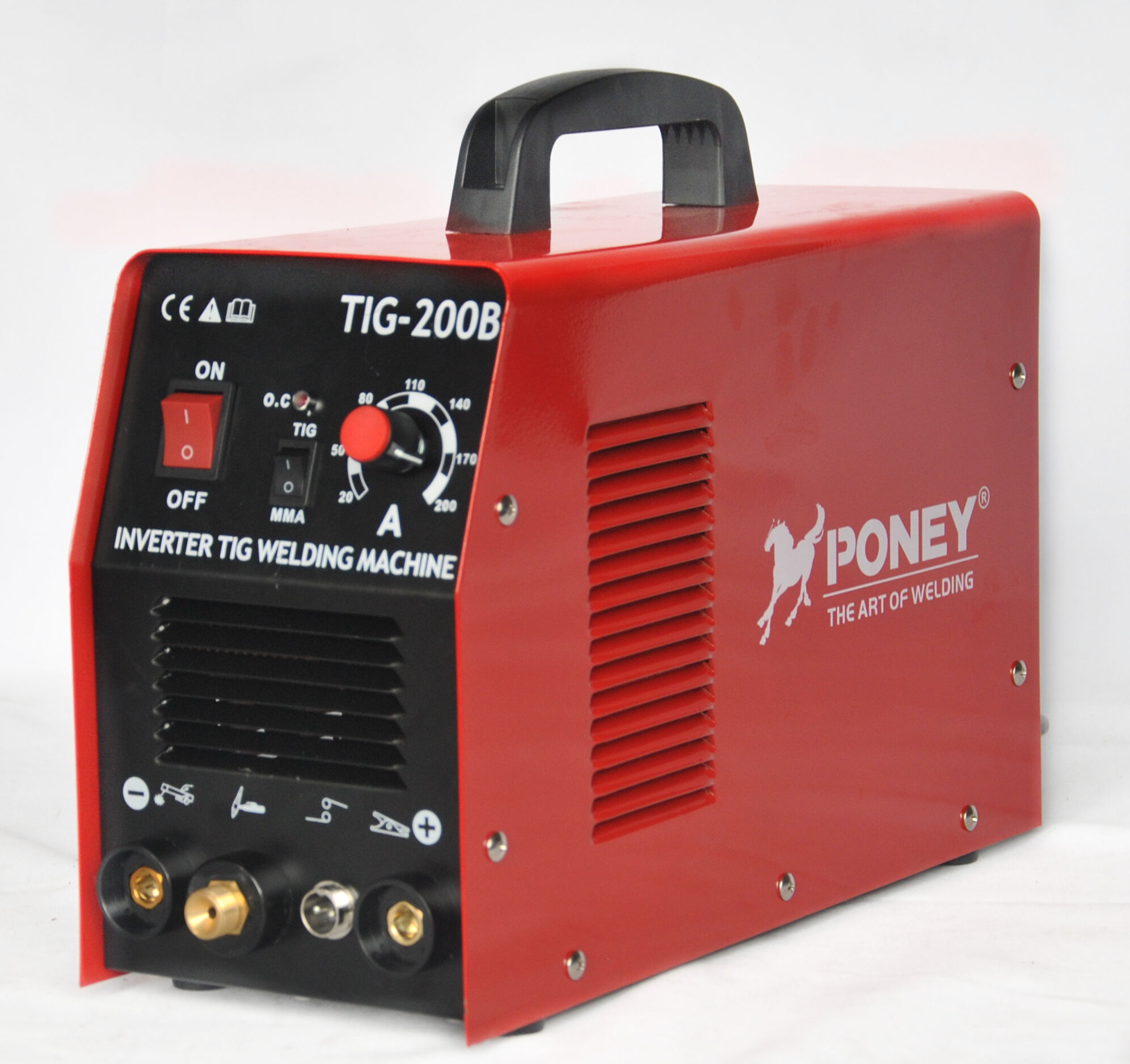
U skladu s člankom 3. stavkom 1. točkom (a) Uredbe (EZ) br. Kada organizacije procjenjuju zamjenu svoje tradicionalne opreme za zavarivanje, razlike u performansama između tih tehnologija se protežu daleko izvan jednostavnih mjera potrošnje energije, utječući na sve, od stabilnosti luka do udobnosti operatora i učinkovitosti proizvodnje.
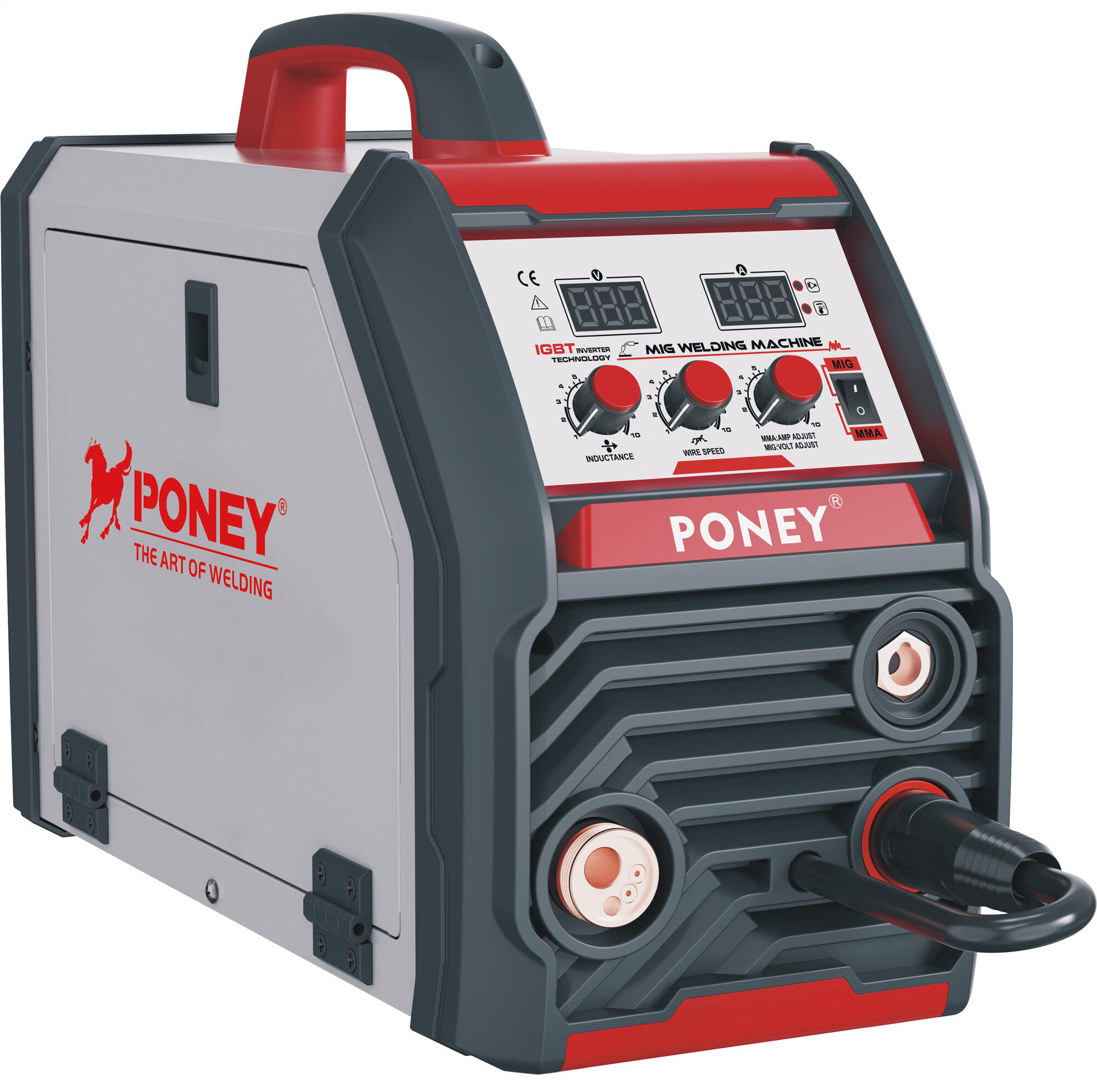
Razumijevanje tih razlika u performansama postaje ključno za stručnjake za zavarivanje i upravitelje postrojenja koji moraju opravdati ulaganja u opremu i osigurati da njihovi poslovi zadrže konkurentne prednosti. U skladu s člankom 3. stavkom 1. stavkom 2. točkom (a) Uredbe (EU) br. 600/2014 Komisija je odlučila o uvođenju mjera za utvrđivanje mjera za utvrđivanje mjera za utvrđivanje mjera za utvrđivanje mjera za utvrđivanje mjera za utvrđivanje mjera za utvrđivanje mjera za
U skladu s člankom 4. stavkom 2.
Uvozni električni ugljik
Vrtnici koji se baziraju na transformatorima obično rade na faktorima snage u rasponu od 0,6 do 0,75, što znači da uzimaju znatno više struje iz električnih sustava nego što je njihova stvarna snaga zavarivanja potrebna. Kada se ti sustavi zamjene tehnologijom zavarivača inverterima, faktor snage dramatično se poboljšava na 0,85-0,95, smanjujući ukupno električno opterećenje i povezan opterećenje infrastrukture.
Smanjenje ulazne struje postaje posebno izraženo u aplikacijama s velikim radnim ciklusom. Tradicionalni zavarivači mogu zahtijevati 60-80 ampera ulazne struje za isporuku 200 ampera izlazne snage zavarivanja, dok su moderne jedinice zavarivača na inverterima obično potrebne samo 35-45 ampera za istu izlazni stupanj. U skladu s člankom 107. stavkom 1.
Inverterski sistemi zavarivača također pokazuju superiornu učinkovitost tijekom fluktuacija napona. U skladu s člankom 3. stavkom 2. točkom (a) ovog članka, u skladu s člankom 3. stavkom 3. točkom (b) ovog članka, u skladu s člankom 3. točkom (c) ovog članka, u skladu s člankom 3. točkom (a) ovog članka, u skladu s člankom 3. točkom (b) ovog članka, u skladu
U skladu s člankom 6. stavkom 2.
U skladu s člankom 3. stavkom 1. točkom (a) Uredbe (EZ) br. 765/2008 Komisija je odlučila da se odluka o uvođenju mjera odredi u skladu s člankom 3. stavkom 1. točkom (a) Uredbe (EZ) br. 765/2008 i člankom 3. točkom (b) Uredbe (EZ) br. 7 U skladu s člankom 3. stavkom 2. točkom (a) ovog članka, pripremljena je električna energija za spajanje u skladu s člankom 3. točkom (a) ovog članka. Moderni inverteri postižu razinu učinkovitosti od 85-90%, što dramatično smanjuje proizvodnju otpadne toplote.
U skladu s člankom 3. stavkom 2. točkom (a) Uredbe (EZ) br. 765/2008 Komisija je odlučila o uvođenju mjera za smanjenje emisija CO2 u skladu s člankom 3. stavkom 2. točkom (a) Uredbe (EZ) br. 765/2008. U radionicama koje su ranije zahtijevale znatnu ventilaciju ili klimatizaciju kako bi se upravljalo nakupljanjem toplote od starih zavarivača često se nalaze ove zahtjeve za hlađenjem smanjeni za 40-50% nakon prelaska na tehnologiju zavarivača inverterom. Smanjena proizvodnja topline također produžava radni vijek elektronske opreme u blizini i poboljšava opće uvjete na radnom mjestu.
Zahtjevi za sustav hlađenja unutar samih zavarivača također se znatno razlikuju. Starijim transformatorima potrebni su snažni sustavi hlađenja za upravljanje stalnim nakupljanjem topline, dok inverterska jedinica za zavarivanje često sadrži učinkovitije dizajne za upravljanje toplinom koji smanjuju buku ventilatora i produžuju životni vijek komponenti kroz niže radne temperature.
U slučaju da se radi o izdanju, potrebno je provjeriti da li je izdanje u skladu s člankom 5. stavkom 1.
Uređaj za upravljanje
Kada se stariji zavarivači zamjenjuju inverterskim sustavima zavarivača, operateri odmah primjećuju poboljšanja u stabilnosti luka i reaktivnosti kontrole. Tradicionalni zavarivači na bazi transformatora pokazuju fluktuacije napona luka i varijacije struje koje mogu utjecati na konzistentnost prodiranja i izgled perlice. Visokofrekventna kontrola prekida koja je svojstvena inverter tehnologiji omogućuje mnogo precizniju regulaciju struje.
Razlike u vremenu odgovora postaju posebno očite tijekom dinamičkih uvjeta zavarivanja. Stariji zavarivači mogu zahtijevati 50-100 milisekundi za prilagođavanje izlaza kada se promijeni dužina luka, dok inverterski zavarivački sustavi obično reagiraju u roku od 5-10 milisekundi. Ovaj brz odgovor održava dosljedne karakteristike luka čak i tijekom izazovnih položaja zavarivanja ili pri radu s materijalima koji imaju različitu toplinsku provodljivost.
Napredni modeli zavarivača pretvarača također nude programirane karakteristike luka koje su bile nemoguće s starom tehnologijom. Operatori mogu prilagoditi parametre kao što su sila luka, intenzitet vrućeg pokretanja i osjetljivost na neštiklivanje kako bi se poklopili s specifičnim zahtjevima materijala i tehnikama zavarivanja, stvarajući mogućnosti za bolju kontrolu kvalitete koje stari sustavi jednostavno ne mogu pružiti.
Kompatibilnost materijala i svestranost
Razlike u performansama značajno se proširuju u kompatibilnost materijala kada organizacije zamjene starim zavarivačima sa modernom tehnologijom zavarivača invertera. Tradicionalni sustavi često su se borili s tankim materijalima zbog svojih ograničenih mogućnosti kontrole niske struje, često uzrokujući izgaranje na materijalima tanjim od 2-3 milimetra.
U skladu s člankom 3. stavkom 1. Precizna regulacija struje omogućuje zavarivanje materijala tankih do 0,5 milimetra uz održavanje snage za zavarivanje debljine do 12-15 milimetara u jednom prolasku. Ova svestranost eliminira potrebu za više specijaliziranih zavarivača u mnogim primjenama.
Povećana kompatibilnost materijala također se proširuje na egzotične legure i specijalizirane primjene. Stari zavarivači često su proizvodili nedosljedne rezultate pri radu s aluminijumom, nehrđajućim čelikom ili legurama od čelika visoke čvrstoće zbog njihovih ograničenih mogućnosti podešavanja parametara. Moderna inverter svarač ova tehnologija pruža fleksibilnost parametara potrebnu za optimalne rezultate u ovim izazovnim materijalima.
U skladu s člankom 4. stavkom 1.
Razmatranja veličine i težine
U skladu s člankom 3. stavkom 1. točkom (a) Uredbe (EU) br. 528/2012 i člankom 3. točkom (b) Uredbe (EU) br. 528/2012 Tradicionalni spajači na bazi transformatora težine od 40-80 kg zamijenjeni su inverterskim jedinicama težine od 15-25 kg, a istodobno pružaju jednake ili bolje performanse zavarivanja.
Ova smanjenje težine omogućuje primjene koje su ranije bile nepraktične s starom opremom. Svajanje na terenu, radovi održavanja u zatvorenim prostorima i projekti na više lokacija postaju znatno lakši za upravljanje kada operatori mogu lako transportirati svoje sustave zavarivača invertera. Smanjena fizička opterećenja također poboljšavaju produktivnost operatora i smanjuju rizike od ozljeda na radnom mjestu povezanih s rukovanjem opremom.
Kompaktna konstrukcija sustava za spajanje na pretvaračima također optimalno koristi prostor u radionici. U skladu s člankom 3. stavkom 1. stavkom 2. točkom (a) Uredbe (EZ) br. 1225/2009 Komisija je odlučila da se u skladu s člankom 3. stavkom 2. točkom (b) Uredbe (EZ) br. 1225/2009 primjenjuje odredba o uvođenju mjera za smanjenje emisija CO2 u skladu s člankom
Mogućnosti višestrukih procesa
Stari zavarivači obično su pružali mogućnosti jednog procesa, zahtijevajući odvojenu opremu za različite primjene zavarivanja. Kad se zamjene savremenom tehnologijom zavarivača inverterima, mnoge operacije otkrivaju da mogu konsolidirati više procesa u jednu jedinicu. Savremeni inverterski sustavi često kombinuju MIG, TIG i mogućnosti zavarivanja štapovima unutar jedne platforme.
U skladu s člankom 3. stavkom 1. Operatori mogu prelaziti između postupaka zavarivanja bez promjene opreme, što smanjuje vrijeme postavljanja i poboljšava učinkovitost radnog toka. Sposobnost upravljanja različitim zahtjevima za zavarivanje s jednim sustavom zavarivača na pretvarač također smanjuje zahtjeve za inventarom opreme i pojednostavljuje raspored održavanja.
Mogućnosti prebacivanja procesa također omogućuju sofisticiranije slijedeća zavarivanja. Operatori mogu započeti spajanje sa TIG za precizne korenje, nastaviti s MIG za učinkovite punjenje i završiti sa zavarivanjem štapovima za specifične zahtjeve za završetkom, sve koristeći istu platformu zavarivača invertera.
U skladu s člankom 4. stavkom 2.
U skladu s člankom 4. stavkom 2.
Razlike u održavanju između stare i inverterske tehnologije zavarivača postaju vidljive u prvoj godini rada. U skladu s člankom 3. stavkom 1. točkom (a) ovog članka, za sve vrste toplog goriva, koji se upotrebljavaju u proizvodnji električne energije, potrebno je utvrditi razina toplog goriva u proizvodnji električne energije.
U skladu s člankom 3. stavkom 1. točkom (a) Uredbe (EZ) br. 765/2008 i člankom 3. točkom (b) Uredbe (EZ) br. 765/2008 i člankom 4. točkom (c) Uredbe (EZ) br. 765/2008 i člankom 4. točkom (c) Uredbe (EZ) br. 765/2008 i Dok stari zavarivači mogu zahtijevati veliko održavanje svakih 6-12 mjeseci u aplikacijama visokog zadatka, inverterni sustavi često rade 18-24 mjeseca između značajnih zahtjeva za servis.
Dijagnostičke mogućnosti ugrađene u moderne sustave zavarivača inverterima također poboljšavaju učinkovitost održavanja. Digitalni kodovi pogrešaka i funkcije praćenja performansi omogućuju predviđanje pristupa održavanju koji sprečavaju neočekivane kvarove i optimiziraju raspored usluge. Stari zavarivači rijetko su pružali takve dijagnostičke informacije, često zahtijevajući reaktivne pristupe održavanja koji su povećali troškove zastoja.
Ekološka otpornost i trajnost
Razlike u performansi okoliša postaju kritični čimbeniki kada se stari zavarivači zamjenjuju tehnologijom zavarivača invertera u zahtjevnim industrijskim okruženjima. Tradicionalni sustavi s velikim zahtjevima za ventilacijom često su nakupljali više kontaminacije i doživjeli ubrzano uništavanje u prašnim ili korozivnim uvjetima.
Moderni projektovi zavarivača s inverterom uključuju bolju zaštitu okoliša kroz zapečaćenu elektroniku i poboljšane sisteme filtracije. Smanjena proizvodnja topline također smanjuje stres toplinske ciklusa koji doprinosi degradaciji komponenti u starim sustavima. Ova poboljšanja rezultiraju dosljednijim performansama tijekom dužeg razdoblja u izazovnim okruženjima.
U skladu s člankom 3. stavkom 1. stavkom 2. točkom (a) Uredbe (EZ) br. 765/2008 i člankom 3. stavkom 2. točkom (b) Uredbe (EZ) br. 765/2008 i člankom 3. točkom (c) Uredbe (EZ) br. 765/2008 i člankom 3. točkom (c) Uredbe (EZ) Ova prednost izdržljivosti postaje posebno važna u mobilnim aplikacijama ili instalacijama koje su podložne vibracijama konstrukcije.
Često se javljaju pitanja
U skladu s člankom 3. stavkom 2. točkom (a) Uredbe (EZ) br. 765/2008
U skladu s člankom 3. stavkom 1. točkom (a) Uredbe (EU) br. 528/2012 Komisija je odlučila da se u skladu s člankom 3. točkom (b) Uredbe (EU) br. 528/2012 primjenjuje Uredba (EZ) br. 725/2009 na proizvod koji je proizveden u skladu s ovom Uredbom. U skladu s člankom 3. stavkom 1. U primjenama s velikim zadatkom često se ostvaruju uštede na gornjem kraju ovog raspona zbog kumulativnog učinka poboljšanog faktora snage i učinkovitosti.
U slučaju da je to potrebno, potrebno je utvrditi da je to potrebno za sve vrste toplog goriva.
Iako osnovne tehnike zavarivanja ostaju iste, operatori imaju koristi od obuke o naprednim mogućnostima podešavanja parametara i digitalnim sučelima uobičajenim u sustavima zavarivača invertera. Poboljšane karakteristike luka i širi raspon parametara zapravo olakšavaju mnoge poslove zavarivanja, ali operatori bi trebali znati kako optimizirati ove značajke za svoje posebne primjene.
U skladu s člankom 3. stavkom 2. točkom (a) ovog članka, za sve vrste zavodova za spajanje koje se upotrebljavaju u proizvodnji električnih goriva, za koje se primjenjuje sljedeća metoda:
U skladu s člankom 3. stavkom 1. U skladu s člankom 1. stavkom 2. stavkom 2. točkom (a) Uredbe (EU) br. 528/2012 Komisija je odlučila o uvođenju mjera za smanjenje troškova u skladu s člankom 2. stavkom 2. točkom (a) Uredbe (EU) br. 525/2012.
U slučaju da se ne primjenjuje primjena ovog članka, može li se upotrebljavati i druga vrsta sustava za spajanje?
Većina standardnih zavarivačkih kablova, baklja i pribora dizajniranih za odgovarajuće ampere mogu se koristiti s sustavima zavarivača na pretvarač. Međutim, poboljšane karakteristike performansi tehnologije pretvarača mogu opravdati nadogradnju pribora kako bi se u potpunosti iskoristile prednosti nove opreme, posebno za zahtjevne primjene koje zahtijevaju preciznu kontrolu ili produžene radne cikluse.
Sadržaj
- U skladu s člankom 4. stavkom 2.
- U slučaju da se radi o izdanju, potrebno je provjeriti da li je izdanje u skladu s člankom 5. stavkom 1.
- U skladu s člankom 4. stavkom 1.
- U skladu s člankom 4. stavkom 2.
-
Često se javljaju pitanja
- U skladu s člankom 3. stavkom 2. točkom (a) Uredbe (EZ) br. 765/2008
- U slučaju da je to potrebno, potrebno je utvrditi da je to potrebno za sve vrste toplog goriva.
- U skladu s člankom 3. stavkom 2. točkom (a) ovog članka, za sve vrste zavodova za spajanje koje se upotrebljavaju u proizvodnji električnih goriva, za koje se primjenjuje sljedeća metoda:
- U slučaju da se ne primjenjuje primjena ovog članka, može li se upotrebljavati i druga vrsta sustava za spajanje?