EN
EN

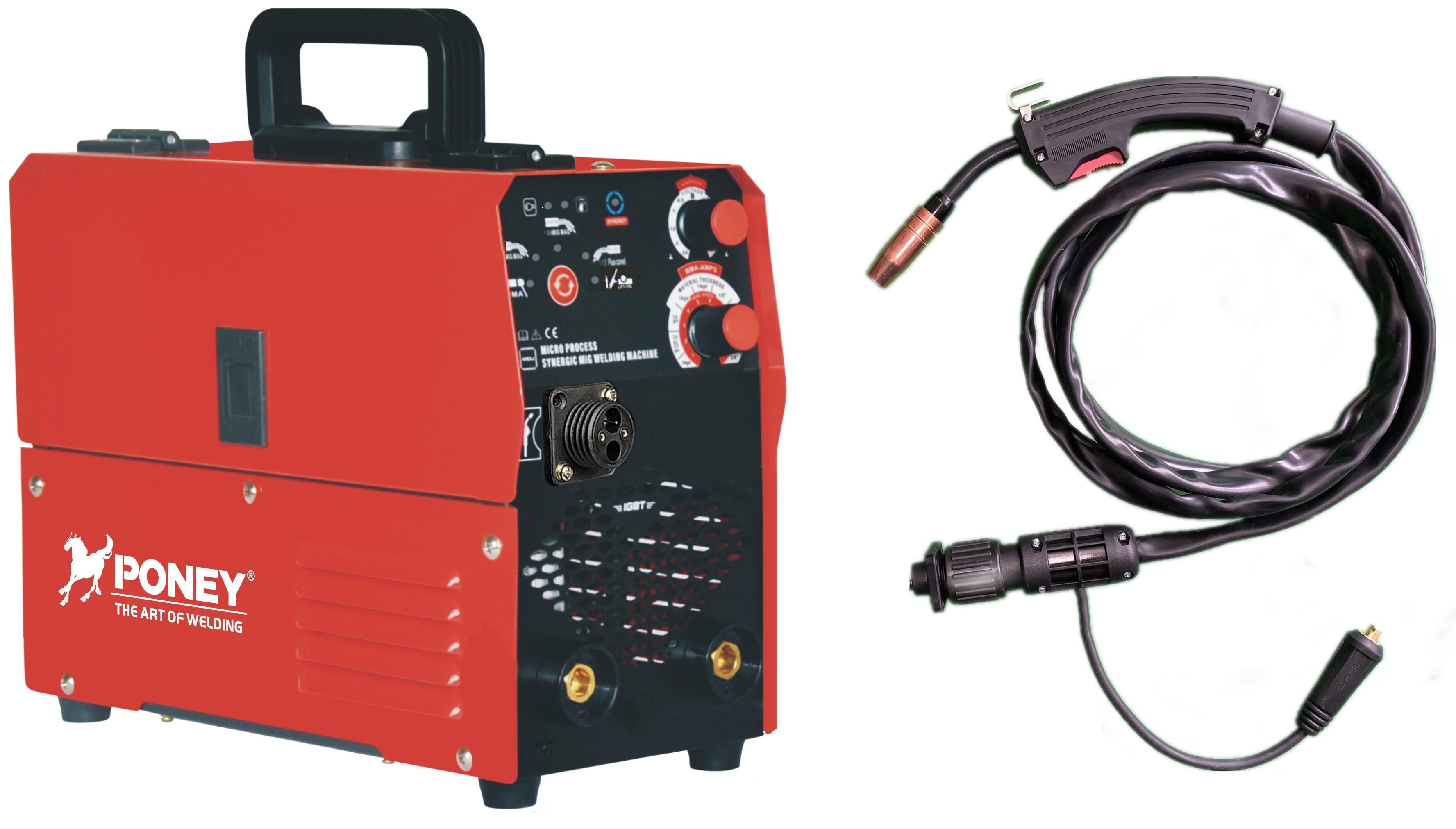
Բարձր ծավալային արտադրական միջավայրերում ամենամեծ համաստեղություն և հավաստիություն է պահանջվում յուրաքանչյուր սարքավորման կողմից, իսկ եռակցման մեքենաները՝ որպես կրիտիկական բաղադրիչներ, ուղղակիորեն ազդում են արտադրողականության, որակի և շահագործման արդյունավետության վրա: Այս բարդ պայմաններում եռակցման մեքենայի աշխատանքային բնութագրերը կախված են բազմաթիվ փոխկապակցված գործոններից, որոնք արտադրողները պետք է համապատասխանաբար հաշվի առնեն արտադրական գործընթացների նախագծման ժամանակ:
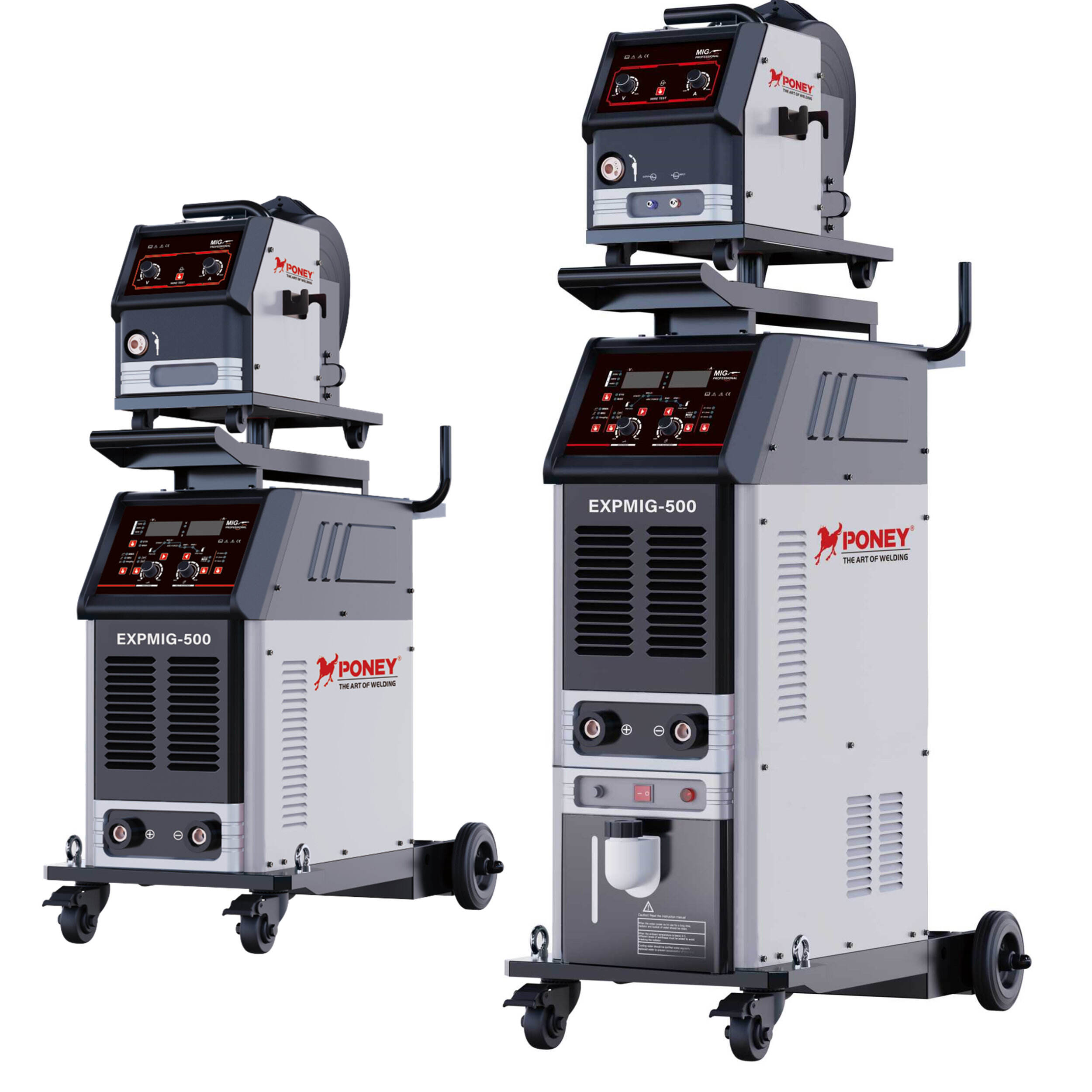
Այս աշխատանքային բնութագրերի ձևավորող գործոնների հասկացումը հնարավորություն է տալիս արտադրական մենեջերներին օպտիմալացնել իրենց եռակցման գործողությունները, նվազեցնել անջատումները և պահպանել համաստեղությունը արտադրանքի որակում՝ միաժամանակ հասնելով ագրեսիվ արտադրական նպատակներին: Բարձր ծավալային եռակցման միջավայրերի բարդությունը ստեղծում է եզակի մարտահրավերներ, որոնք պահանջում են մասնագիտացված մոտեցում սարքավորումների ընտրության, կոնֆիգուրացիայի և շահագործման պարամետրերի նկատմամբ:
Էլեկտրամատակարարման ճարտարապետություն և կայունություն
Ինվերտորային տեխնոլոգիայի ազդեցությունը արտադրության համաստեղության վրա
Ժամանակակից ինվերտորային համակարգերով սարքավորված եռակցման մեքենաները բարձր ծավալների համար ապահովում են ավելի բարձր կատարողականություն, քան ավանդական տրանսֆորմատորային սարքավորումները: Ինվերտորային եռակցման մեքենաների միացման հաճախականության բնութագրերը ապահովում են ավելի ճշգրիտ աղեղի կառավարում և ավելի արագ պատասխանման ժամանակ, ինչը հանգեցնում է համասեռ եռակցման ներթափանցման և երկարատև արտադրական ցիկլերի ընթացքում ցանկացած սփրեյի առաջացման նվազեցման: Այս տեխնոլոգիան հնարավորություն է տալիս արտադրողներին պահպանել ճշգրիտ որակի սահմանափակումներ, նույնիսկ երբ մեկ շիֆտի ընթացքում կատարվում են հազարավոր եռակցումներ:
Ընդհանուր առմամբ համակարգի կայունության բարելավմանը նպաստում են նաև առաջադեմ ինվերտորային դիզայներում ներդրված հզորության գործակցի ճշգրտման հնարավորությունները՝ նվազեցնելով հարմոնիկները և բարելավելով էլեկտրական էֆեկտիվությունը: Արտադրական համալիրները օգուտ են քաղում նվազած շահագործման ծախսերից և էլեկտրական ենթակառուցվածքի վրա գործադրվող նվազած լարվածությունից՝ իրենց ամբողջ գործունեության ընթացքում օգտագործելով ինվերտորային եռակցման մեքենաներ:
Ժամանակակից ինվերտորային եռակցման սարքերում ներդրված ջերմաստիճանի համապատասխանեցման հատկանիշները ավտոմատաբար ճշգրտում են ելքային պարամետրերը, երբ ներքին բաղադրիչները տաքանում են երկարատև օգտագործման ընթացքում, ինչը երաշխավորում է հաստատուն աշխատանքային բնութագրեր երկարատև արտադրական ցիկլերի ընթացքում:
Աշխատանքային ցիկլի պահանջներ և ջերմային կառավարում
Բարձր ծավալային արտադրական գծերը պահանջում են եռակցման սարքեր, որոնց աշխատանքային ցիկլը մոտենում է 100 %-ի՝ առավելագույն հզորության մակարդակում, որպեսզի նվազեցվեն ընդհատումները և պահպանվի հաստատուն արտադրողականությունը: Արդյունաբերական եռակցման սարքերի մեջ ներդրված ջերմային կառավարման համակարգերը պետք է արդյունավետ կերպով рассеять այն ջերմությունը, որը առաջանում է անընդհատ շահագործման ընթացքում, ինչպես նաև պաշտպանել կրիտիկական բաղադրիչները ջերմային լարվածությունից:
Առաջադեմ սառեցման համակարգերը, որոնք ներառում են ստիպված օդի շրջանառություն, ջերմահաղորդիչների օպտիմալացում և ջերմային մոնիտորինգ, հիմք են հանդիսանում անընդհատ բարձր աշխատանքային ցիկլով աշխատելու համար: Արտադրության ղեկավարները պետք է գնահատեն եռակցման սարքերի սառեցման հզորությունը իրենց կոնկրետ շահագործման պահանջների համատեքստում՝ ջերմային պայմանների պատճառով աշխատանքային բնութագրերի վատթարացումը կանխելու համար:
Արտադրական միջավայրերում շրջակա միջավայրի ջերմաստիճանի տատանումները կարող են կտրուկ ազդել եռակցման սարքի աշխատանքի վրա, ինչը դարձնում է շրջակա միջավայրի ջերմաստիճանի համապատասխանեցման հատկագիծը անհրաժեշտ այն դեպքում, երբ անհրաժեշտ է պահպանել հաստատուն ելքային բնութագրեր տարվա և օրվա ընթացքում ջերմաստիճանի փոփոխությունների դեպքում:
Լարի մատակարարման համակարգի ճշգրտություն և հավաստիություն
Շարժիչի շարժիչի աշխատանքային բնութագրերը անընդհատ շահագործման դեպքում
Լարի մատակարարման շարժիչավոր համակարգը ՄԻԳ և ֆլյուս-կոր եռակցման կիրառումներում համարվում է կրիտիկական աշխատանքային գործոն, որտեղ լարի հաստատուն արագությունը ուղղակիորեն ազդում է եռակցման որակի և ներթափանցման բնութագրերի վրա: Բարձր ծավալային արտադրական միջավայրերը շարժիչի ճշգրտության նկատմամբ դնում են առանձնահատուկ պահանջներ, ինչը պահանջում է այնպիսի համակարգեր, որոնք կարող են պահպանել արագության ճշգրտությունը ստիպված լինելով մնալ ստույգ սահմաններում միլիոնավոր շահագործման ցիկլերի ընթացքում:
Սերվոկառավարվող լարի մատակարարման համակարգերը առաջատար են սովորական մշտադիտարկվող հոսանքի շարժիչների վարձատրությունից՝ ապահովելով իրական ժամանակում արագության հետադարձ կապ և բեռնվածության փոփոխությունների ավտոմատ համակերպում: Այս բարելավված կառավարման հնարավորությունը հատկապես կարևոր է տարբեր հաստության նյութերի եռակցման կամ անհամաչափ միացման պայմաններով միացված մասերի մշակման ժամանակ:
Լարի մատակարարման մեխանիզմների մեխանիկական դիզայնը պետք է հաշվի առնի բարձր ծավալներով արտադրության ընթացքում բնորոշ կրկնվող լարվածության ցիկլերը՝ միաժամանակ պահպանելով ճնշման և դիրքավորման հաստատուն բնութագրերը: caրագորդ եռակցման մեքենաները օգտագործում են կարծրացված շարժիչ գլաններ և ճշգրիտ մեքենայացված լարի մատակարարման ճանապարհներ՝ երաշխավորելու համար երկարատև արտադրական շրջանների ընթացքում հուսալի լարի մատակարարում:
Լարի մատակարարման ճանապարհի օպտիմալացում
Շարժական լարի երկարությունը և տեղադրումը գերազանց կարևոր ազդեցություն են ունենում բարձր ծավալների համար նախատեսված համակարգերում լարի մատակարարման աշխատանքի վրա. երկար լարերի օգտագործումը ավելացնում է շփման ուժը և կարող է առաջացնել մատակարարման անհամաչափություններ: Արտադրական գծերի դասավորությունը պետք է նվազագույնի հասցնի լարերի երկարությունը՝ միաժամանակ ապահովելով բավարար ճկունություն օպերատորի շարժման և մշակվող մասերի դիրքավորման համար:
Լարի անցքերի ներքին տրամագիծը և մակերևույթի մշակումը ուղղակիորեն ազդում են մատակարարման դիմադրության վրա, հատկապես երբ օգտագործվում են փոքր տրամագծով լարեր կամ ալյումինե համաձուլվածքներ: Բարձրորակ լարային եռակցման սարքավորումները ունեն օպտիմալացված անցքերի դիզայն՝ հարթ ներքին մակերևույթներով և համապատասխան չափսերով, որոնք նվազագույնի են հասցնում մատակարարման դիմադրությունը լարի բոլոր տեսակների և տրամագծերի համար:
Լարի փաթեթների ամրացման համակարգերը պետք է ապահովեն կայուն լարի մատակարարում՝ առանց լարի մատակարարման համաչափության վրա ազդող լարման փոփոխականությունների ստեղծման: Փաթեթի ճիշտ դիրքավորումը և պտտման բնութագրերը դառնում են կարևորագույն գործոններ բարձր ծավալների արտադրական ցիկլերի ընթացքում լարի մատակարարման համաչափ աշխատանքը պահպանելու համար:
Աղեղի բնութագրեր և գործընթացի կառավարում
Շարժանկարի կառավարման տեխնոլոգիաներ
Զարգացած շարժանկարի կառավարման համակարգերը թույլ են տալիս եռակցման սարքերին օպտիմալացնել աղեղի բնութագրերը բարձր ծավալային արտադրության ընթացքում հաճախ հանդիպող նյութերի համադրությունների և միացման կոնֆիգուրացիաների համար: Պուլսային եռակցման հնարավորությունները ապահովում են ջերմային մուտքի և մետաղի տեղափոխման բնութագրերի վրա բարելավված կառավարում, ինչը հանգեցնում է եռակցման որակի բարելավմանը և բարակ սեկցիաների կիրառման դեպքում դեֆորմացիայի նվազեցմանը:
Հիշողության համակարգում հալման մեքենա բազմաթիվ եռակցման ընթացակարգեր ծրագրավորելու և պահելու հնարավորությունը թույլ է տալիս արագ անցում կատարել տարբեր արտադրական պահանջների միջև՝ միաժամանակ պահպանելով համապատասխան որակի ստանդարտները: Այս ծրագրավորելիությունը դառնում է անհրաժեշտ, երբ արտադրական գծերը մշակում են բազմաթիվ արտադրանքի տարատեսակներ կամ նյութերի տեխնիկական սպեցիֆիկացիաներ:
Ադապտիվ կառավարման հատկանիշներ, որոնք իրական ժամանակում ստացված հետադարձ կապի հիման վրա ինքնաբերաբար ճշգրտում են լուսային աղեղի բնութագրերը, օգնում են պահպանել համասեռ ներթափանցում և կապարի պրոֆիլի բնութագրեր՝ նույնիսկ այն դեպքում, երբ մատերիալի պատրաստումը կամ միացման պայմանները մի փոքր տարբերվում են իդեալական սպեցիֆիկացիաներից:
Գազային պաշտպանության համակարգի ինտեգրում
Ճիշտ գազի հոսքի կառավարումը և բաշխումը կարևոր ազդեցություն ունեն վերջավոր ծավալների համար նախատեսված կառուցվածքներում կառուցվածքային մեքենաների աշխատանքի վրա, որտեղ համասեռ գազային պաշտպանությունը անհրաժեշտ է շարունակական կառուցվածքային որակի ստանդարտները պահպանելու համար: Ժամանակակից կառուցվածքային մեքենաներում ինտեգրված գազի կառավարման համակարգերը ապահովում են ճշգրիտ հոսքի կարգավորում և ինքնաբերաբար մաքրման ցիկլեր, որոնք օպտիմալացնում են գազի օգտագործումը՝ միաժամանակ երաշխավորելով բավարար պաշտպանություն:
Առաջադեմ կառուցվածքային մեքենաներում ներդրված նախնական և հետին հոսքի ժամանակային կառավարման համակարգերը օգնում են պաշտպանել կառուցվածքային գոտին աղեղի սկզբնավորման և կրատերի լցման հաջորդականությունների ընթացքում, նվազեցնելով պորոսային և օքսիդացման սխալների հնարավորությունը, որոնք կարող են վնասել արտադրական որակի ստանդարտները:
Գազերի խառնման հնարավորությունները թույլ են տալիս կարգավորել պաշտպանիչ գազերի կազմը՝ համապատասխանեցնելով այն կոնկրետ նյութերի համադրություններին, ինչը բարելավում է աղեղի կայունության, ներթափանցման բնութագրերի և ավարտված կարերի մեխանիկական հատկությունների վրա վերահսկողությունը:
Շրջակա միջավայրի գործոններ և շահագործման պայմաններ
Էլեկտրական ենթակառուցվածքի պահանջներ
Էլեկտրական մատակարարման որակը և կայունությունը ուղղակիորեն ազդում են կարի մեքենաների աշխատանքի վրա բարձր ծավալային արտադրության միջավայրում, որտեղ միաժամանակ կարող են աշխատել մի քանի մեքենա: Լարման թավալումները, հարմոնիկ աղավաղումները և փուլերի անհավասարակշռությունը կարող են կտրուկ ազդել աղեղի կայունության և արտադրական ցիկլերի ընթացքում կարերի որակի համասեռության վրա:
Հզորության կարգավորման սարքավորումները և հատուկ էլեկտրական շղթաները օգնում են ապահովել կառուցվածքային սարքերի առանձնացումը այլ արտադրական սարքավորումների կողմից ստեղծված էլեկտրական խանգարումներից, ինչը երաշխավորում է ամենօրյա արտադրական ցիկլերի ընթացքում հաստատուն աշխատանքային բնութագրեր: Ճիշտ էլեկտրական համակարգի նախագծումը նաև կանխում է հզորության որակի խնդիրները, որոնք կարող են առաջացնել զգայուն կառուցվածքային սարքերի էլեկտրոնային բաղադրիչների վաղաժամկետ վնասվելը:
Հիմքի համակարգի ամբողջականությունը կարևորագույն է բարձր ծավալային կառուցվածքային գործողություններում, որտեղ մի քանի կառուցվածքային սարքեր օգտագործում են ընդհանուր հիմքի միացումներ: Վատ հիմքի միացումը կարող է առաջացնել աղեղի անկայունություն, անհամասեռ ներթափանցում և սփրեյի ավելացում, ինչը ուղղակիորեն ազդում է արտադրության արդյունավետության և որակի ստանդարտների վրա:
Աղտոտման վերահսկում և սպասարկման հասանելիություն
Արդյունաբերական արտադրական միջավայրերը դաշնային մեքենաները ենթարկում են տարբեր աղտոտիչների, ներառյալ մետաղական փոշին, մաքրման մասնիկներին եւ օդային մնացորդներին, որոնք կարող են ազդել սառեցման համակարգի արդյունավետության եւ էլեկտրական բաղադրիչների հուսալիության վրա: Արդյունավետ ֆիլտրման համակարգերը եւ փակված փակվածության նախագծերը պաշտպանում են կարեւոր բաղադրիչները՝ պահպանելով բավարար սառեցման օդի հոսքը:
Հաճախակի պահպանման ընթացակարգերի մատչելիությունը զգալիորեն ազդում է լվացքի մեքենայի գործողության վրա մեծ ծավալների արտադրության ծրագրերում: Սարքավորումների նախագծերը, որոնք հեշտացնում են բաղադրիչների արագ ստուգումը, մաքրումը եւ փոխարինումը, օգնում են նվազագույնի հասցնել պահպանության հետ կապված անջատման ժամանակը ՝ ապահովելով հետեւողական կատարողական հատկանիշներ:
Ժամանակակից լվացքի մեքենաների մեջ տեղադրված կանխատեսելի պահպանման հնարավորությունները նախազգուշացնում են հնարավոր բաղադրիչների վատթարացման մասին, ինչը թույլ է տալիս պլանավորված պահպանման գործողություններ իրականացնել, որոնք կանխում են անսպասելի խափանումները արտադրության կարեւոր ժամանակահատվածներում:
Օպերատորի ինտերֆեյս եւ արտադրության ինտեգրումը
Օգտագործողի ինտերֆեյսի դիզայնը բարձր ծավալային գործողությունների համար
Կառավարողի ինտերֆեյսի դիզայնը կառավարման մեքենաների մոտ կարևոր ազդեցություն ունի արտադրական արդյունավետության և որակի համապատասխանության վրա բարձր ծավալային միջավայրերում, որտեղ կառավարողները կարող են անհրաժեշտ լինել արագ ճշգրտումներ կատարել կամ անցնել տարբեր եռակցման ընթացակարգերի: Ինտուիտիվ կառավարման դասավորությունները և պարզ պարամետրերի ցուցադրումը նվազեցնում են կառավարողի սխալները և նվազեցնում արտադրական շարքերի միջև սարքավորման ժամանակը:
Թվային էկրանները և ծրագրավորելի հիշողության համակարգերը հնարավորություն են տալիս կառավարողներին արագ մուտք գործել պահված եռակցման ընթացակարգերին և ստուգել պարամետրերի սահմանափակումները՝ առանց երկար ձեռքով ճշգրտումների: Այս հնարավորությունը հատկապես արժեքավոր է, երբ արտադրական գծերը մշակում են բազմաթիվ ապրանքային տարբերակներ, որոնք պահանջում են տարբեր եռակցման սպեցիֆիկացիաներ:
Հեռակառավարման ինտերֆեյսները հնարավորություն են տալիս կառավարողներին ճշգրտել եռակցման պարամետրերը՝ առանց ընդհատելու արտադրական հոսքը, ինչը թույլ է տալիս իրական ժամանակում օպտիմալացնել եռակցման որակը և ներթափանցման բնութագրերը՝ հիմնված ավարտված եռակցումների տեսային ստուգման վրա:
Տվյալների հավաքագրում և գործընթացի մոնիտորինգ
Ժամանակակից եռակցման սարքավորումները, որոնք equipped են տվյալների գրանցման հնարավորությամբ, տրամադրում են արժեքավոր տեղեկություններ գործընթացի համապատասխանության և սարքավորումների աշխատանքի միտումների մասին, ինչը օգնում է արտադրության ղեկավարներին օպտիմալացնել բարձր ծավալային գործընթացները: Եռակցման պարամետրերի իրական ժամանակում մոնիտորինգը հնարավորություն է տալիս անմիջապես հայտնաբերել գործընթացի շեղումները, որոնք կարող են ազդել որակի ստանդարտների վրա:
Արտադրամասի կատարման համակարգերի (MES) հետ ինտեգրման հնարավորությունները թույլ են տալիս եռակցման սարքավորումներին մատակարարել գործընթացի տվյալներ որակի փաստաթղթերի և հետագծելիության պահանջների համար, որոնք տարածված են բարձր ծավալային արտադրության միջավայրում: Այս կապը աջակցում է շարունակական բարելավման նախաձեռնություններին և կարգավորող մարմինների հետ համատեղվող գործունեություններին:
Զարգացած եռակցման սարքավորումների մեջ ներդրված զգուշացման համակարգերը և ախտորոշման հնարավորությունները օգնում են օպերատորներին և սպասարկման անձնակազմին արագ հայտնաբերել ու վերացնել խնդիրները, որոնք կարող են ազդել արտադրության արդյունավետության կամ եռակցման որակի համապատասխանության վրա:
Հաճախադեպ տրվող հարցեր
Ինչպե՞ս է կառուցվածքային մեքենայի շահագործման ցիկլը ազդում բարձր ծավալային արտադրության արդյունավետության վրա
Շահագործման ցիկլը ուղղակիորեն որոշում է, թե որքան երկար ժամանակ կարող է շահագործվել կառուցվածքային մեքենան առանց ջերմային անջատման: Բարձր ծավալային արտադրության համար անհրաժեշտ են կառուցվածքային մեքենաներ՝ 80–100 % շահագործման ցիկլով նշված ելքի դեպքում, որպեսզի նվազեցվեն ընդհատումները և երկարատև արտադրական շիֆտերի ընթացքում պահպանվի հաստատուն արտադրողականությունը:
Ի՞նչ դեր է խաղում լարի մատակարարման համասեռությունը ավտոմատացված կառուցվածքային գործողություններում
Լարի մատակարարման համասեռությունը կարևորագույնն է ավտոմատացված համակարգերում միատեսակ կառուցվածքային ներթափանցման և կառուցվածքային շերտի պրոֆիլի բնութագրերը պահպանելու համար: Լարի մատակարարման արագության տատանումները ուղղակիորեն ազդում են ջերմային մուտքի և մետաղի տեղափոխման բնութագրերի վրա, ինչը դարձնում է ճշգրիտ լարի մատակարարման համակարգերը անհրաժեշտ բարձր ծավալային որակի վերահսկման համար:
Ինչու՞ են ինվերտերային կառուցվածքային մեքենաները ավելի լավ աշխատում բարձր ծավալային կիրառումներում
Ինվերտորային տեխնոլոգիան ապահովում է բարձրակարգ աղեղի կառավարում, ավելի արագ պատասխանման ժամանակներ և լավացված էլեկտրական էֆեկտիվություն՝ համեմատած սովորական տրանսֆորմատորային սարքերի հետ: Այս բնութագրերը հանգեցնում են ավելի համասեռ եռակցման որակի, շահագործման ծախսերի նվազեցման և երկարատև արտադրական ցիկլերի ընթացքում ավելի լավ կայուն աշխատանքի:
Ինչպե՞ս են շրջակա միջավայրի գործոնները ազդում եռակցման սարքերի աշխատանքի վրա արտադրական պայմաններում:
Շրջակա միջավայրի գործոնները, այդ թվում՝ ջերմաստիճանի տատանումները, էլեկտրական մատակարարման որակը և աղտոտվածության մակարդակը, կարևոր ազդեցություն են ունենում եռակցման սարքերի աշխատանքի վրա: Բարձր ծավալային արտադրական միջավայրերում համասեռ աշխատանքի պահպանման համար անհրաժեշտ են շրջակա միջավայրի ճիշտ կառավարումը, էլեկտրական մատակարարման կայունացումը և աղտոտվածությունից պաշտպանությունը:
Բովանդակության ցուցակ
- Էլեկտրամատակարարման ճարտարապետություն և կայունություն
- Լարի մատակարարման համակարգի ճշգրտություն և հավաստիություն
- Աղեղի բնութագրեր և գործընթացի կառավարում
- Շրջակա միջավայրի գործոններ և շահագործման պայմաններ
- Օպերատորի ինտերֆեյս եւ արտադրության ինտեգրումը
-
Հաճախադեպ տրվող հարցեր
- Ինչպե՞ս է կառուցվածքային մեքենայի շահագործման ցիկլը ազդում բարձր ծավալային արտադրության արդյունավետության վրա
- Ի՞նչ դեր է խաղում լարի մատակարարման համասեռությունը ավտոմատացված կառուցվածքային գործողություններում
- Ինչու՞ են ինվերտերային կառուցվածքային մեքենաները ավելի լավ աշխատում բարձր ծավալային կիրառումներում
- Ինչպե՞ս են շրջակա միջավայրի գործոնները ազդում եռակցման սարքերի աշխատանքի վրա արտադրական պայմաններում: