Professional Inverter TIG Welder - Advanced Welding Technology with Superior Control and Portability

Get a Free Quote

Our representative will contact you soon.
Email
Mobile/Whatsapp
Name
Company Name
Message
0/1000

inverter tig welder

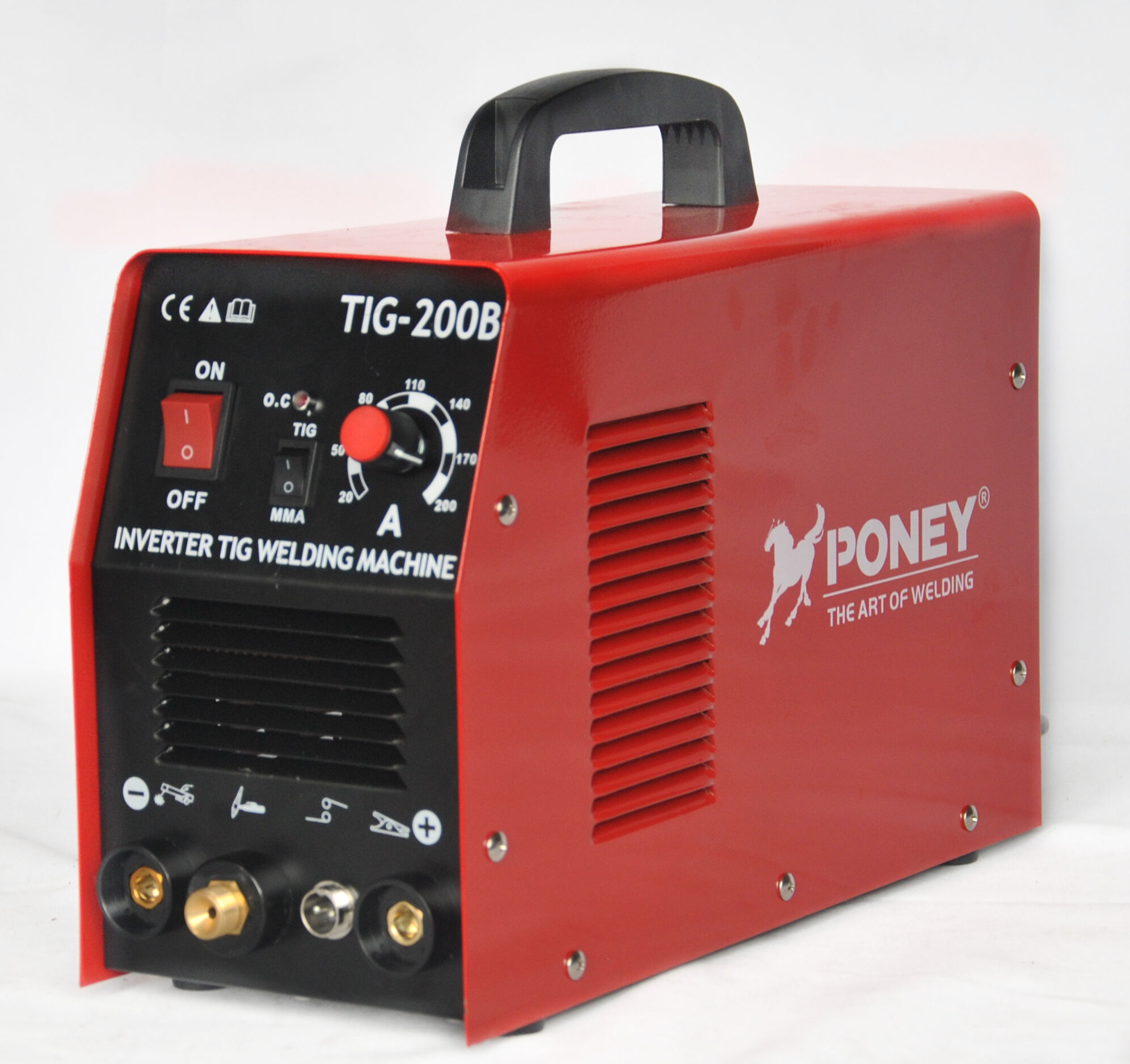
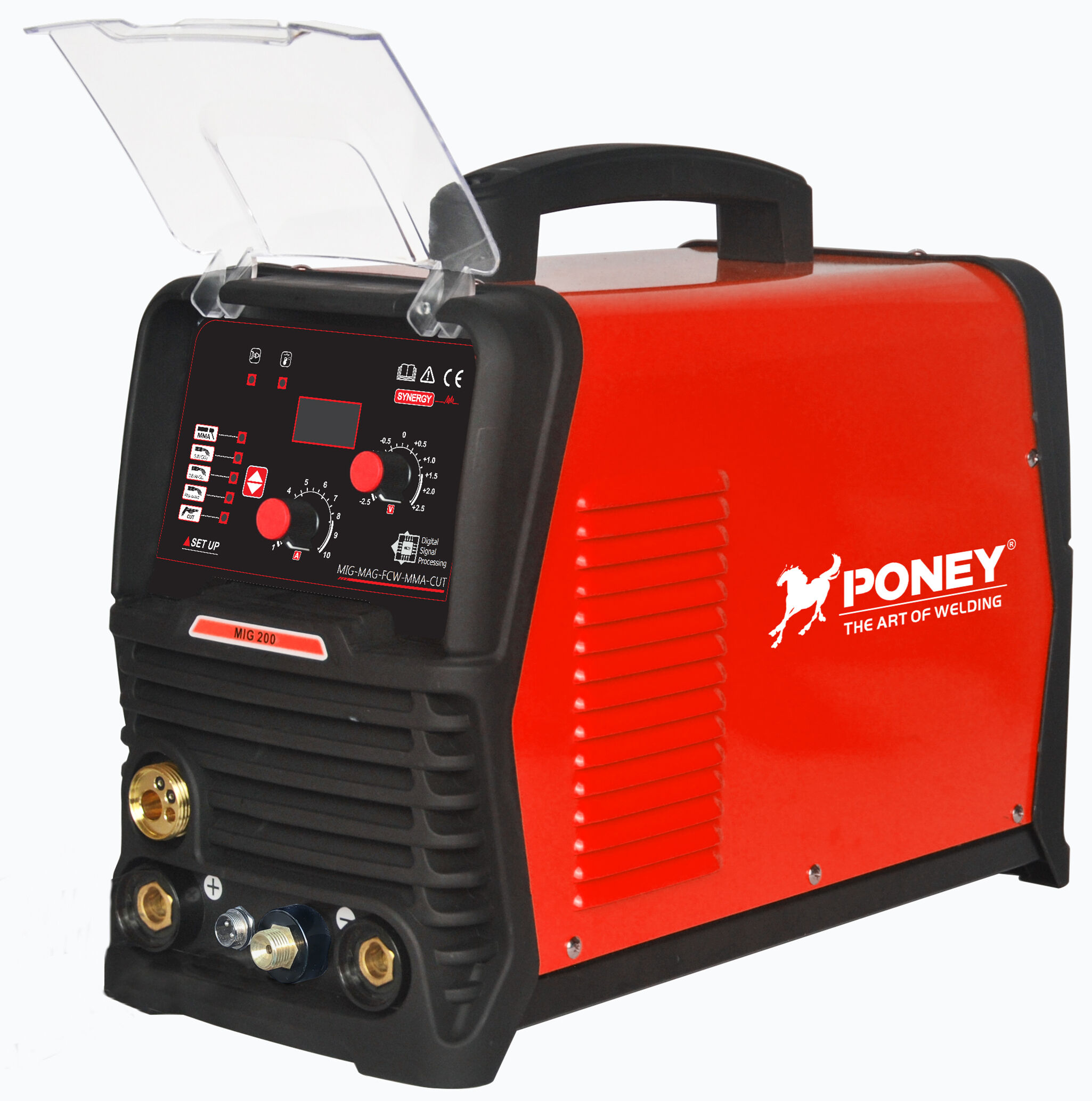
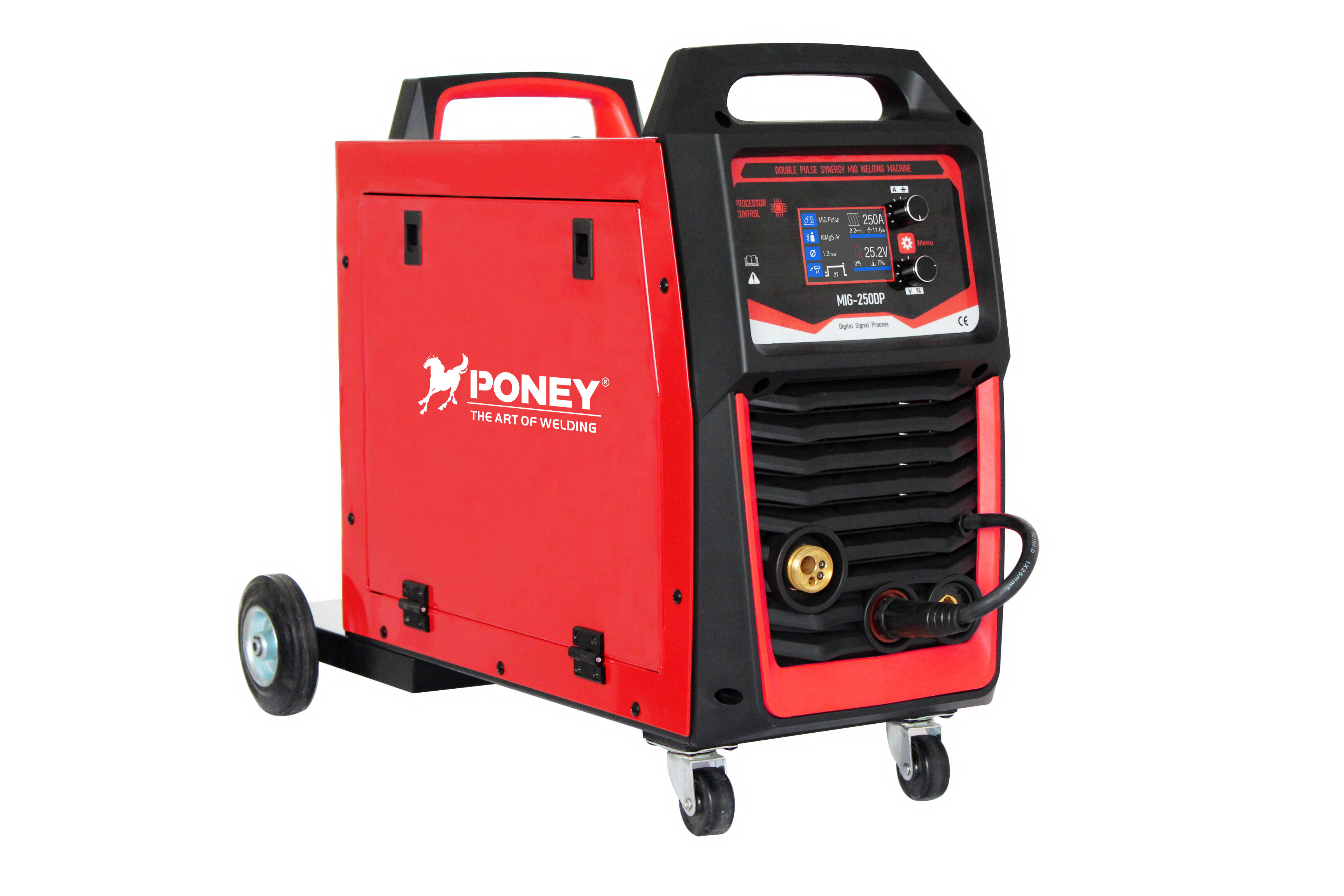
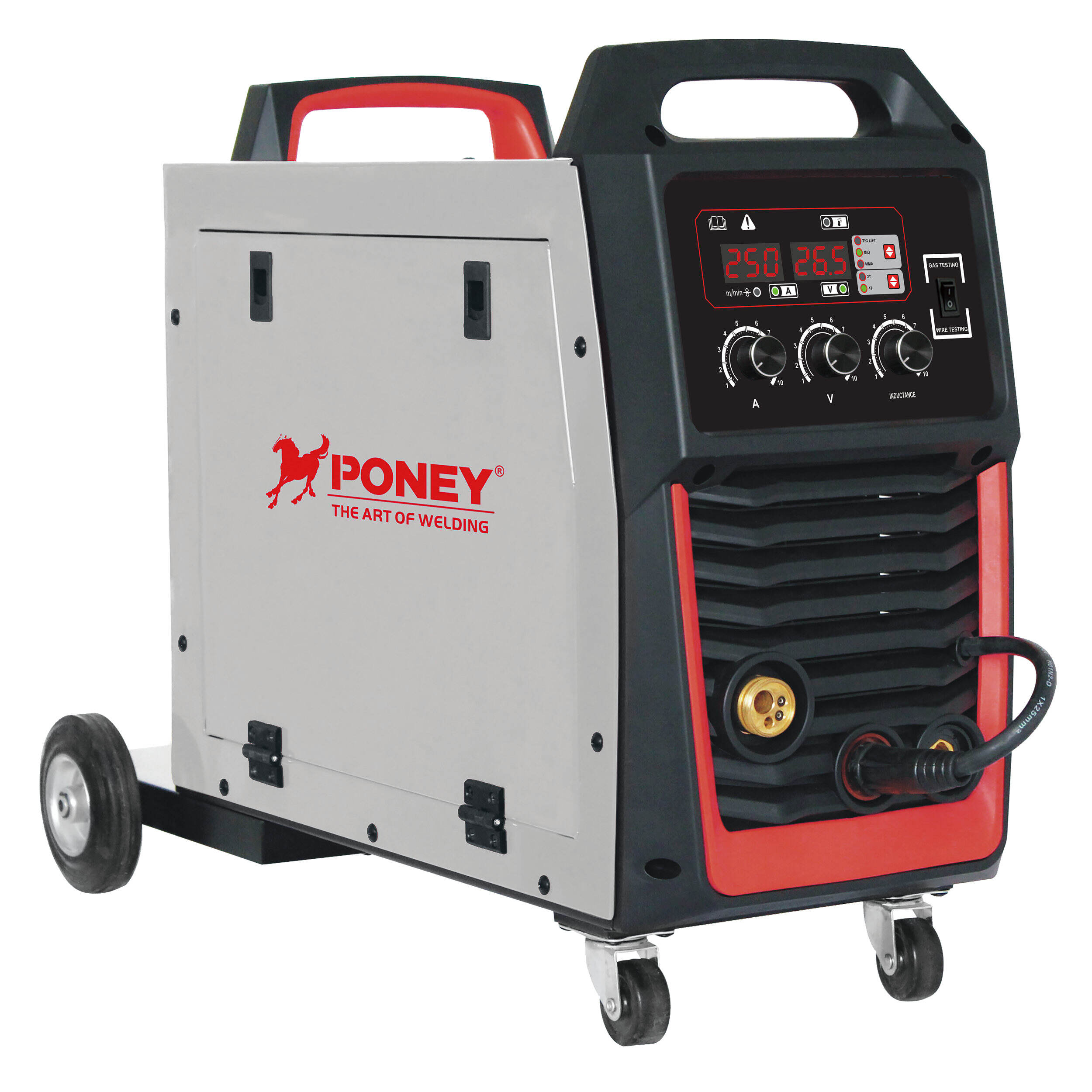
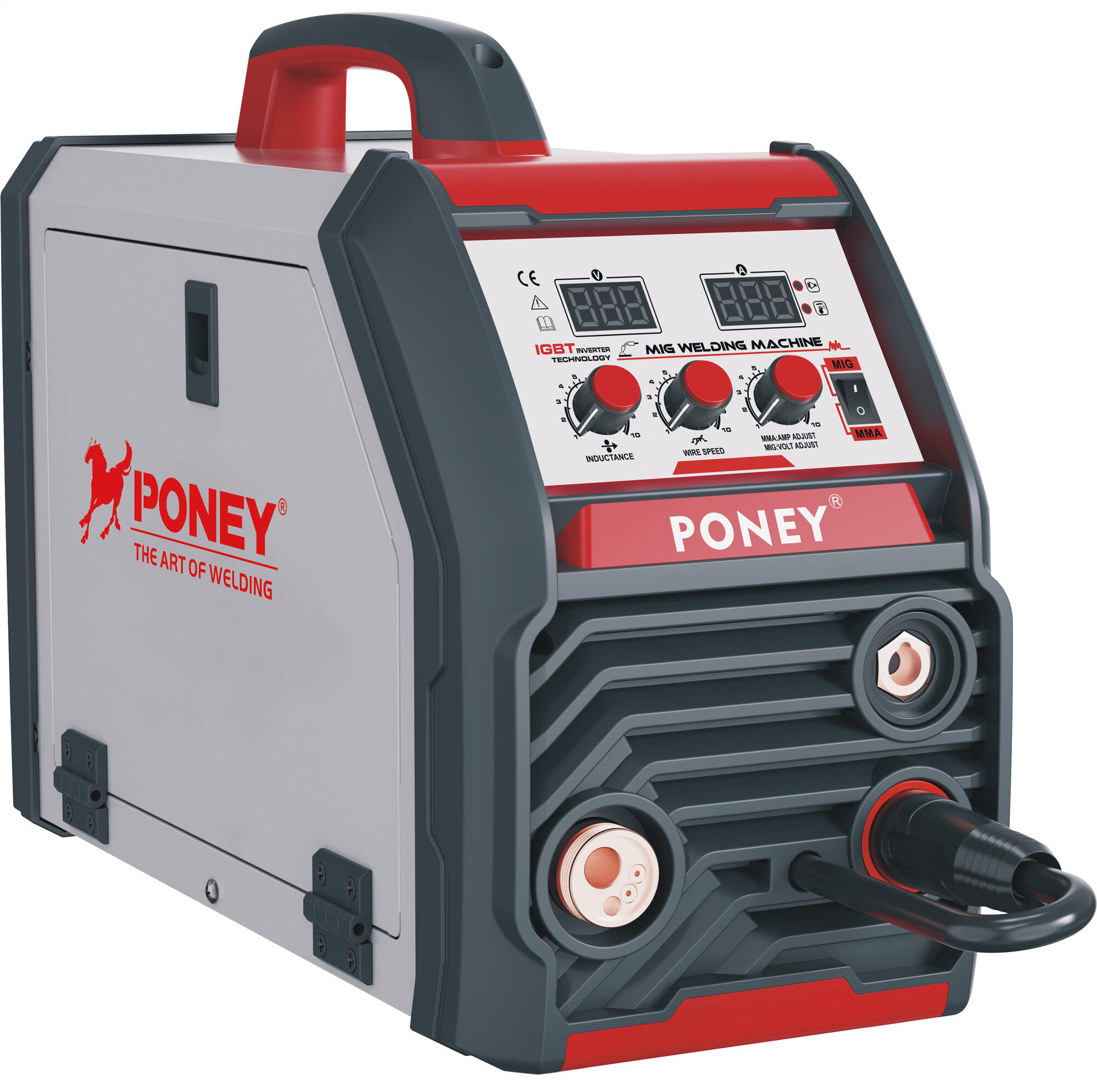
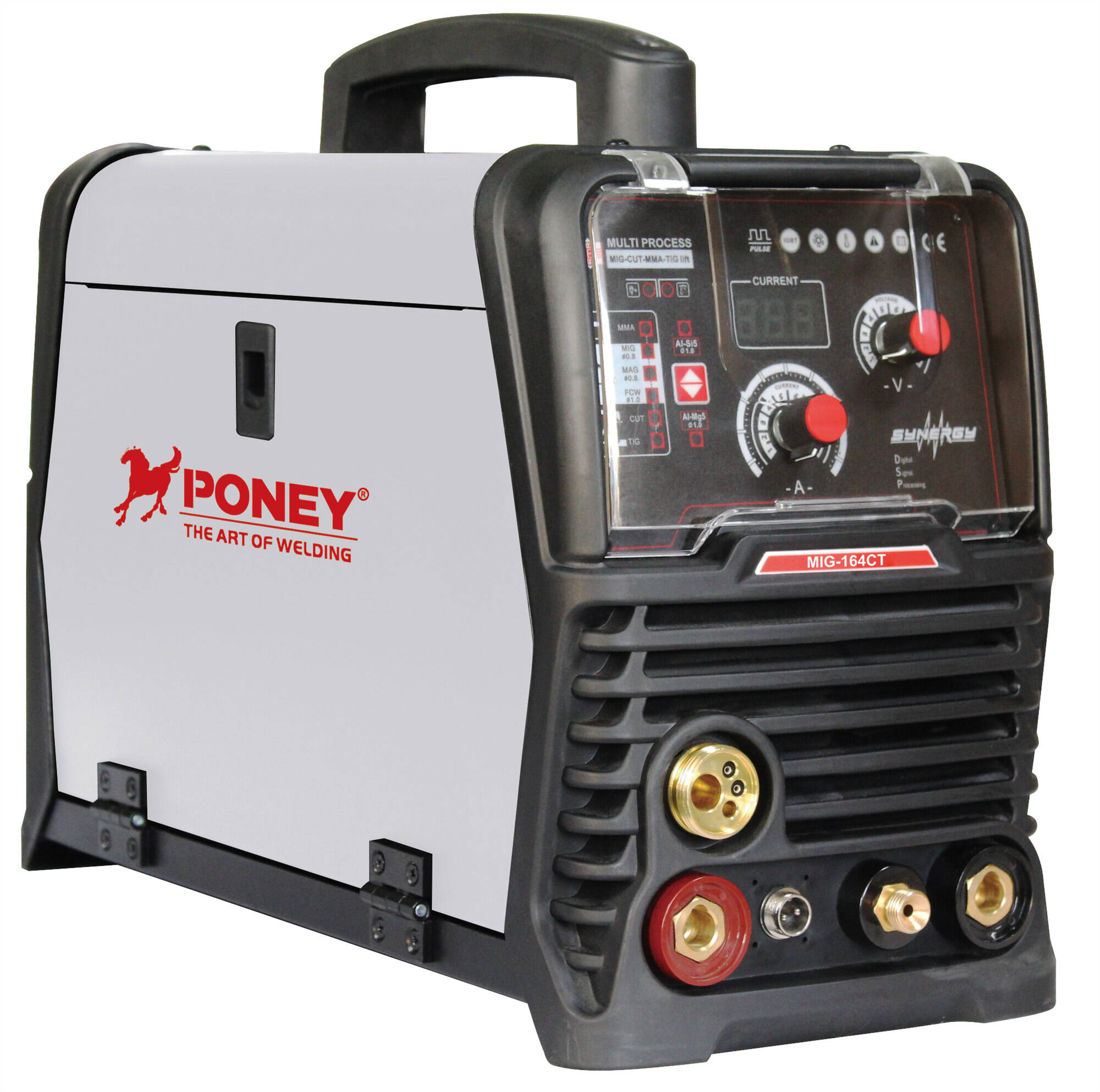
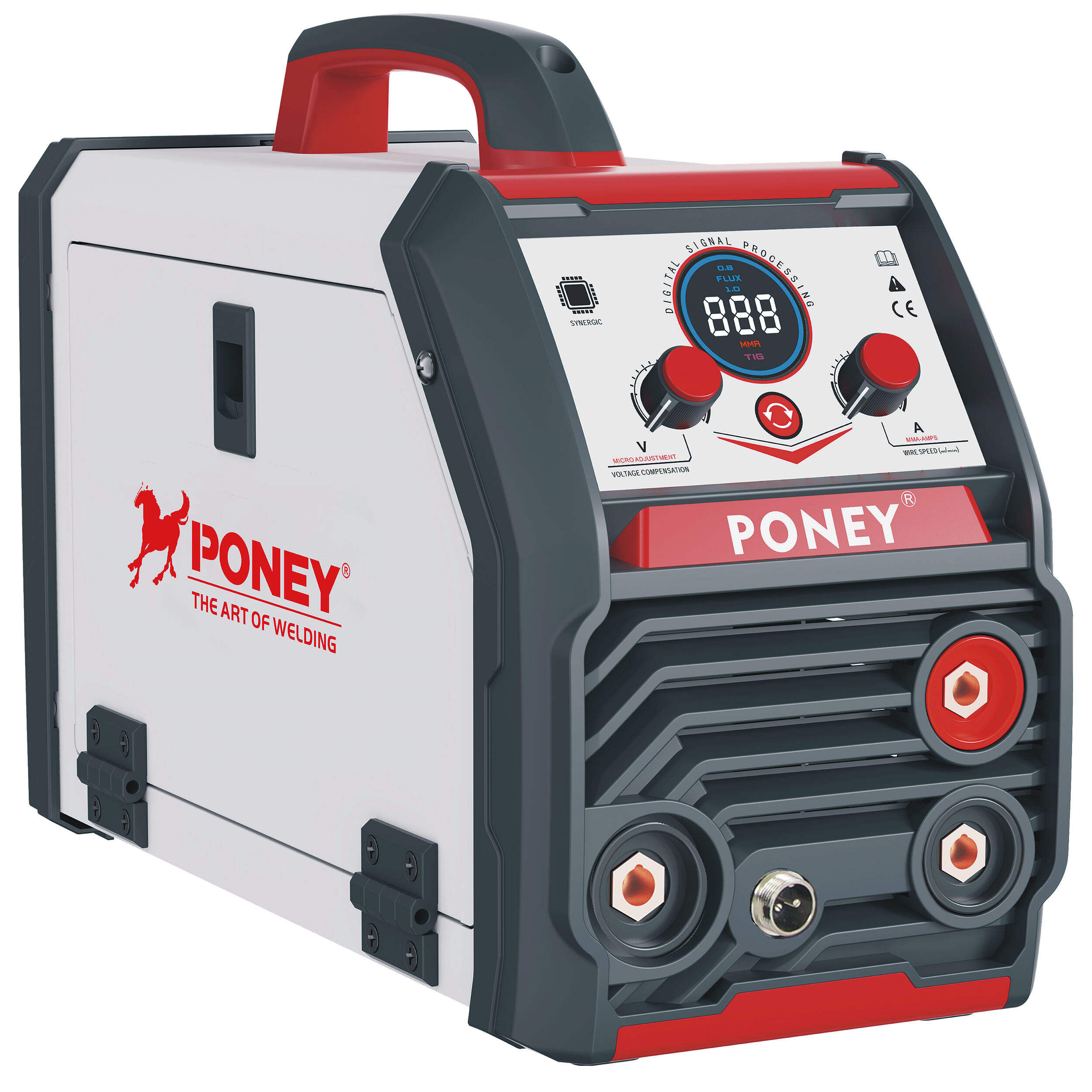
An inverter tig welder represents a significant advancement in welding technology, combining precision control with modern electronic engineering to deliver superior welding performance. This sophisticated welding equipment utilizes advanced inverter technology to convert standard AC power into high-frequency DC output, providing welders with exceptional arc stability and control. The inverter tig welder stands out from traditional transformer-based units through its lightweight design, energy efficiency, and precise current regulation capabilities. The core functionality revolves around tungsten inert gas welding, where a non-consumable tungsten electrode creates an electric arc within a protective gas atmosphere. This process enables operators to produce clean, high-quality welds on various metals including stainless steel, aluminum, copper, and exotic alloys. The inverter technology within these units employs sophisticated switching circuits that operate at frequencies typically ranging from 20kHz to 100kHz, allowing for compact transformer designs and improved power conversion efficiency. Modern inverter tig welders feature digital displays, programmable settings, and memory functions that store preferred welding parameters for different materials and thicknesses. The technological architecture includes advanced current waveform control, enabling operators to adjust arc characteristics for specific applications. These units often incorporate features such as pulse welding capabilities, slope-in and slope-out functions, and pre-flow and post-flow gas timing controls. The inverter tig welder finds extensive applications across industries including aerospace, automotive, pharmaceutical equipment manufacturing, food processing equipment fabrication, and artistic metalwork. Professional fabricators rely on these machines for critical applications requiring exceptional weld quality and repeatability. The versatility extends to both thin gauge materials and heavy structural components, making the inverter tig welder an indispensable tool for modern manufacturing operations and specialized repair work.

Popular Products

The inverter tig welder delivers substantial benefits that revolutionize welding operations across professional and industrial applications. Weight reduction stands as one of the most immediately noticeable advantages, with modern inverter units weighing 40-60% less than comparable transformer-based welders. This portability enhancement allows operators to transport equipment easily between job sites and work in confined spaces where heavy machinery proves impractical. Energy efficiency represents another compelling benefit, as inverter technology reduces power consumption by up to 30% compared to conventional welding equipment. This efficiency translates directly into lower operating costs and reduced environmental impact, making the inverter tig welder an economically sound investment for businesses focused on operational sustainability. The superior arc stability provided by inverter technology enables welders to achieve consistent results across varying conditions and material types. This stability stems from the precise current control capabilities inherent in inverter circuits, which maintain steady output despite fluctuations in input power or arc length variations. Operators experience enhanced control over heat input, allowing for welding on thin materials without burn-through while maintaining adequate penetration on thicker sections. The inverter tig welder excels in producing high-quality welds with minimal spatter and reduced post-weld cleanup requirements. This cleanliness factor proves particularly valuable in applications where appearance matters or where contamination must be minimized. The technology enables precise control over welding parameters, including current ramping, pulse frequency, and balance control for AC welding. These advanced features allow welders to optimize their technique for specific materials and joint configurations, resulting in stronger, more aesthetically pleasing welds. Duty cycle improvements in inverter units allow for extended welding periods without overheating concerns, increasing productivity in high-volume applications. The digital interfaces common in inverter tig welders provide intuitive parameter adjustment and monitoring capabilities, reducing setup time and improving welding consistency. These machines often include preset programs for common materials, simplifying operation for less experienced welders while maintaining professional results.

Practical Tips

PONEY Upholds Tradition of Excellence

26

Jan

PONEY Upholds Tradition of Excellence

View More
PONEY Welcomes Core Procurement Delegation from Georgia, Signing Cooperation to Open a New Chapter

26

Jan

PONEY Welcomes Core Procurement Delegation from Georgia, Signing Cooperation to Open a New Chapter

View More
Ingenuity Forges a New Chapter! PONEY's New Product Launch Conference Concludes Successfully, with Two Flagship Welding Machines Stealing the Show

26

Jan

Ingenuity Forges a New Chapter! PONEY's New Product Launch Conference Concludes Successfully, with Two Flagship Welding Machines Stealing the Show

View More

Get a Free Quote

Our representative will contact you soon.
Email
Mobile/Whatsapp
Name
Company Name
Message
0/1000

inverter tig welder

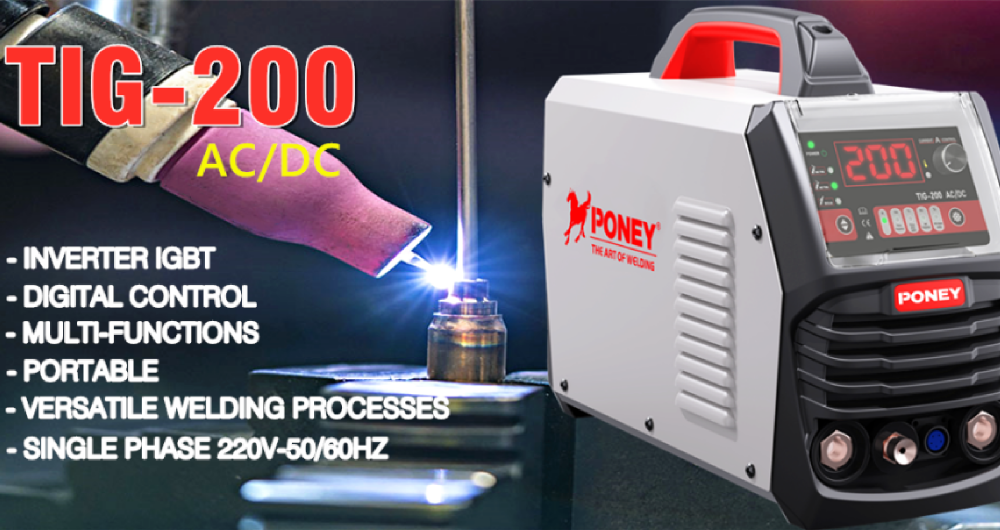
Advanced Digital Control Systems

Advanced Digital Control Systems

The inverter tig welder incorporates sophisticated digital control systems that fundamentally transform the welding experience through precision engineering and user-friendly interfaces. These advanced control systems utilize microprocessor technology to monitor and adjust welding parameters in real-time, ensuring optimal performance across diverse welding conditions. The digital architecture enables precise current regulation with accuracy levels typically within 1% of set values, providing welders with unprecedented control over heat input and arc characteristics. This level of precision proves essential when working with sensitive materials or critical applications where weld quality cannot be compromised. The control systems feature programmable memory banks that store custom welding programs, allowing operators to recall preferred settings instantly for recurring jobs or specific material combinations. This functionality eliminates time-consuming parameter adjustments and reduces the potential for human error in setup procedures. Modern inverter tig welders incorporate adaptive control algorithms that automatically compensate for variables such as arc length changes, material thickness variations, and ambient temperature fluctuations. These intelligent systems maintain consistent weld quality even when working conditions change, providing reliability that traditional welding equipment cannot match. The digital interfaces typically include large, backlit displays that remain visible in various lighting conditions, presenting clear information about current settings, actual output values, and system status indicators. Many units feature rotary encoders or touch-screen controls that allow rapid parameter adjustment without interrupting the welding process. The control systems often include diagnostic capabilities that monitor equipment performance and alert operators to maintenance requirements or potential issues before they affect weld quality. This predictive maintenance approach reduces downtime and extends equipment lifespan. Advanced models incorporate connectivity features that enable remote monitoring and parameter adjustment through wireless interfaces, supporting Industry 4.0 initiatives in modern manufacturing environments. The digital control systems also provide data logging capabilities, recording welding parameters and arc-on time for quality assurance and process documentation purposes.
Superior Portability and Compact Design

Superior Portability and Compact Design

The revolutionary portability of the inverter tig welder transforms welding operations by delivering professional-grade performance in an exceptionally compact and lightweight package. Traditional transformer-based welding equipment often weighs 60-100 pounds or more, creating significant challenges for mobile welding operations and multi-location projects. In contrast, modern inverter tig welders typically weigh between 15-35 pounds while maintaining equivalent or superior welding capabilities, representing a paradigm shift in equipment mobility. This dramatic weight reduction stems from the high-frequency inverter technology that eliminates the need for large, heavy iron core transformers. The compact design enables welders to access confined spaces, work on elevated platforms, and transport equipment using standard carrying cases or backpack-style carriers. Professional welders particularly appreciate this portability when performing field repairs, maintenance work, or installation projects in remote locations. The space-saving characteristics prove invaluable in crowded workshops, mobile service vehicles, and temporary job sites where equipment storage presents challenges. Many inverter tig welders feature ergonomic handles, balanced weight distribution, and protective carrying cases that further enhance portability without compromising durability. The compact footprint allows multiple units to be stored in the space previously required for a single transformer-based welder, supporting businesses that need multiple welding stations or backup equipment. Despite their reduced size, these units maintain robust construction with adequate ventilation and protective housing to withstand demanding industrial environments. The portability advantage extends beyond physical transport to include faster setup and breakdown times, increasing productive welding hours per day. Mobile welding services benefit tremendously from this portability, as operators can easily carry complete welding systems to customer locations without requiring additional personnel or specialized transport equipment. The compact design also facilitates integration into automated welding systems and robotic applications where space constraints often limit equipment options. This combination of professional performance and exceptional portability positions the inverter tig welder as an indispensable tool for modern welding operations that demand flexibility and efficiency.
Enhanced Energy Efficiency and Cost Savings

Enhanced Energy Efficiency and Cost Savings

The inverter tig welder delivers exceptional energy efficiency that translates into substantial cost savings and environmental benefits for welding operations of all sizes. Traditional welding equipment operates with power factor ratings typically ranging from 0.6 to 0.7, meaning significant portions of consumed electricity do not contribute to actual welding output. Inverter technology achieves power factor ratings of 0.9 or higher, dramatically improving electrical efficiency and reducing waste. This improvement results in 20-35% lower electricity consumption compared to conventional welding equipment, creating immediate operational cost reductions that compound over time. The high-frequency switching design inherent in inverter circuits minimizes energy losses during power conversion, with modern units achieving efficiency ratings exceeding 85% compared to 60-70% for transformer-based systems. These efficiency gains prove particularly significant for high-volume welding operations where energy costs represent substantial operational expenses. The inverter tig welder contributes to reduced facility electrical load requirements, potentially eliminating the need for electrical service upgrades when expanding welding capabilities. This characteristic proves especially valuable for businesses operating in older facilities with limited electrical capacity or those seeking to minimize infrastructure investments. The improved power factor and reduced current draw help minimize voltage drop issues in facilities with long electrical runs or marginal electrical systems. Many inverter tig welders incorporate power management features that automatically reduce standby power consumption during idle periods, further enhancing energy efficiency. The reduced heat generation associated with higher efficiency operation decreases cooling requirements in welding areas, providing additional energy savings through reduced air conditioning loads. Environmental benefits extend beyond energy consumption to include reduced carbon footprint and compliance with increasingly stringent energy efficiency regulations. The longer operational lifespan typical of inverter technology, combined with reduced maintenance requirements, provides additional cost savings through decreased equipment replacement frequency and lower maintenance expenses. These economic advantages make the inverter tig welder an attractive investment for businesses focused on operational efficiency and sustainable practices while maintaining or improving welding quality and productivity.

Get a Free Quote

Our representative will contact you soon.
Email
Mobile/Whatsapp
Name
Company Name
Message
0/1000