EN
EN

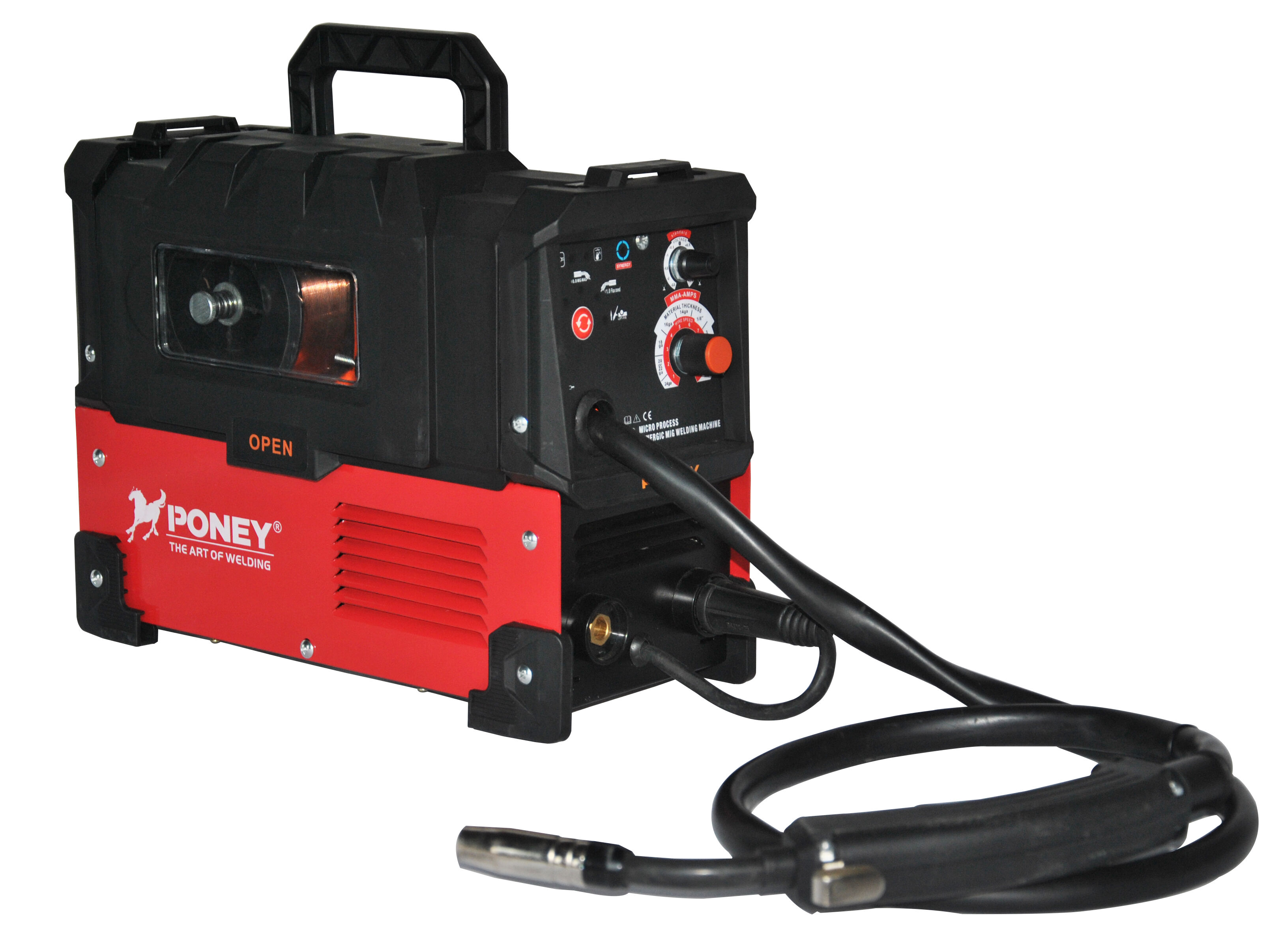
Tính thích ứng của công nghệ máy hàn biến tần trên nhiều quy trình hàn khác nhau bắt nguồn từ khả năng chuyển đổi điện năng tinh vi và hệ thống điều khiển điện tử tiên tiến của nó. Khác với các máy hàn dựa trên biến áp truyền thống, máy hàn biến tần sử dụng công nghệ chuyển mạch tần số cao, cho phép kiểm soát chính xác các đặc tính đầu ra điện, nhờ đó trở nên vốn dĩ linh hoạt để thực hiện nhiều ứng dụng hàn khác nhau, bao gồm các quy trình hàn MIG, TIG và hàn que.
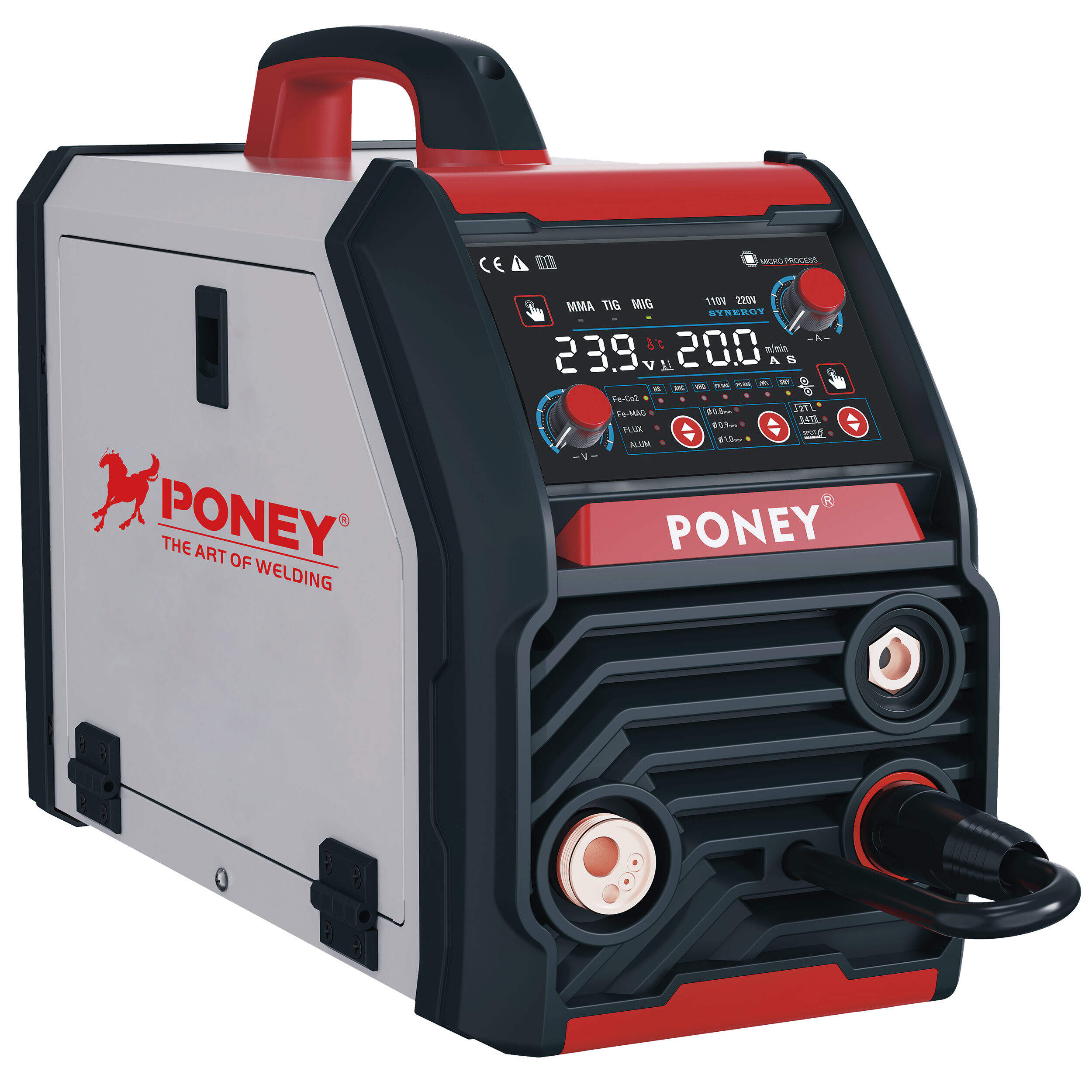
Nền tảng công nghệ này cho phép các hệ thống máy hàn biến tần điều chỉnh động điện áp, dòng điện và đặc tính dạng sóng theo thời gian thực, đáp ứng các yêu cầu cụ thể của từng quy trình hàn và loại vật liệu. Kiến trúc điều khiển điện tử cung cấp cho nhà sản xuất và chuyên gia hàn một nền tảng duy nhất có khả năng xử lý đa dạng các thách thức trong hàn — từ công việc hàn TIG nhôm tinh tế đến các ứng dụng kết cấu thép chịu tải nặng.
Kiến trúc Điều khiển Điện tử Cho phép Đa dạng Quy trình
Công nghệ Chuyển đổi Năng lượng Tần số Cao
Khả năng thích ứng cốt lõi của công nghệ máy hàn biến tần nằm ở hệ thống chuyển đổi năng lượng tần số cao, hoạt động trong dải tần từ 20 kHz đến 100 kHz. Khả năng chuyển mạch nhanh này cho phép máy hàn biến tần chuyển đổi nguồn điện xoay chiều đầu vào thành dòng điện một chiều đầu ra được điều khiển chính xác với tổn thất năng lượng tối thiểu. Việc vận hành ở tần số cao cho phép sử dụng các biến áp và cuộn cảm nhỏ hơn, giảm trọng lượng tổng thể của hệ thống trong khi vẫn duy trì khả năng kiểm soát vượt trội đối với các thông số hàn.
Kiến trúc điện tử này tạo nền tảng cho khả năng thích ứng quy trình vì nó có thể tạo ra các đặc tính đầu ra khác nhau theo yêu cầu của các phương pháp hàn khác nhau. Đối với hàn MIG, máy hàn biến tần cung cấp đầu ra điện áp không đổi với độ ổn định hồ quang xuất sắc; trong khi đối với ứng dụng hàn TIG, nó cung cấp khả năng điều khiển dòng điện chính xác cùng các điều khiển tần số xoay chiều và cân bằng có thể điều chỉnh nhằm phục vụ hàn nhôm.
Tích hợp Xử lý Tín hiệu Kỹ thuật số
Các hệ thống máy hàn biến tần hiện đại tích hợp khả năng xử lý tín hiệu số tiên tiến, liên tục giám sát và điều chỉnh các thông số hàn theo thời gian thực. Những hệ thống điều khiển bằng vi xử lý này có thể lưu trữ nhiều chương trình hàn và tự động chuyển đổi giữa các chế độ quy trình khác nhau dựa trên lựa chọn của người dùng hoặc dữ liệu từ cảm biến phát hiện vật liệu. Điều khiển số cho phép định hình dạng sóng chính xác, giúp máy hàn biến tần tối ưu hóa đặc tính hồ quang cho từng loại vật liệu và cấu hình mối hàn cụ thể.
Việc tích hợp các vòng phản hồi số cho phép máy hàn biến tần duy trì hiệu suất ổn định trong mọi điều kiện điện áp đầu vào và yêu cầu tải thay đổi. Sự ổn định này rất quan trọng đối với khả năng thích ứng quy trình, bởi vì các phương pháp hàn khác nhau đặt ra những yêu cầu khác nhau lên hệ thống nguồn điện — từ yêu cầu trạng thái ổn định trong hàn MIG đến các yêu cầu xung động phức tạp trong các quy trình TIG nâng cao.
Tính linh hoạt của đặc tính đầu ra trên các phương pháp hàn
Chế độ Dòng điện Không đổi và Điện áp Không đổi
Tính thích ứng của công nghệ máy hàn biến tần về cơ bản được đảm bảo nhờ khả năng hoạt động ở cả hai chế độ dòng điện không đổi và điện áp không đổi, với khả năng chuyển đổi liền mạch giữa các đặc tính vận hành này. Ở chế độ dòng điện không đổi, máy hàn biến tần máy hàn duy trì đầu ra ampe ổn định bất kể sự thay đổi về chiều dài hồ quang, do đó rất phù hợp cho các ứng dụng hàn TIG và hàn que, nơi kiểm soát chiều dài hồ quang là yếu tố then chốt đảm bảo chất lượng mối hàn.
Đối với các quy trình hàn MIG và hàn lõi thuốc, máy hàn biến tần chuyển sang chế độ điện áp không đổi, duy trì đầu ra điện áp ổn định trong khi cho phép dòng điện thay đổi dựa trên tốc độ cấp dây và chiều dài hồ quang. Khả năng vận hành kép này loại bỏ nhu cầu sử dụng các nguồn điện riêng biệt cho từng quy trình hàn khác nhau, mang lại lợi ích đáng kể về việc tích hợp thiết bị cho các xưởng hàn phải đáp ứng đa dạng yêu cầu gia công.
Khả năng Kiểm soát Sóng dạng Nâng cao
Các hệ thống điều khiển điện tử trong công nghệ máy hàn biến tần cho phép điều khiển tinh vi dạng sóng, từ đó nâng cao khả năng thích ứng quy trình đối với các vật liệu và ứng dụng khác nhau. Đối với hàn TIG nhôm, máy hàn biến tần có thể tạo ra dạng sóng xoay chiều (AC) chính xác với tần số và độ cân bằng có thể điều chỉnh, nhằm tối ưu hóa tác dụng làm sạch và đặc tính thâm nhập. Khả năng điều chỉnh hình dạng dạng sóng — bao gồm sóng vuông, sóng sin và các dạng sóng tùy chỉnh — cho phép người vận hành tinh chỉnh các đặc tính hồ quang để đáp ứng những thách thức hàn cụ thể.
Khả năng hàn xung giúp mở rộng thêm tính linh hoạt của các hệ thống máy hàn biến tần trong nhiều quy trình và vật liệu khác nhau. Điều khiển điện tử có thể tạo ra các mẫu xung chính xác với khả năng điều khiển độc lập đối với dòng điện đỉnh, dòng điện nền, tần số xung và chu kỳ làm việc. Sự linh hoạt này cho phép máy hàn biến tần xử lý các vật liệu mỏng đòi hỏi kiểm soát lượng nhiệt đưa vào, cũng như hàn ở tư thế không thuận lợi (out-of-position welding), nơi việc kiểm soát chính xác vũng hàn là yếu tố then chốt.
Tương thích vật liệu và Tối ưu hóa quy trình
Khả năng hàn đa kim loại
Tính thích ứng của công nghệ máy hàn biến tần trên các loại vật liệu khác nhau bắt nguồn từ khả năng cung cấp các đặc tính điện tối ưu cho từng loại kim loại và dải độ dày cụ thể. Đối với hàn thép, máy hàn biến tần mang lại đặc tính hồ quang ổn định cùng khả năng kiểm soát độ thấu sâu xuất sắc; trong khi hàn nhôm đòi hỏi khả năng đầu ra xoay chiều (AC) chuyên biệt — chỉ các hệ thống máy hàn biến tần tiên tiến mới có thể đáp ứng. Điều khiển điện tử cho phép thiết lập các thông số riêng theo từng loại vật liệu, tự động điều chỉnh điện áp, dòng điện và đặc tính dạng sóng dựa trên lựa chọn vật liệu.
Việc hàn thép không gỉ được hưởng lợi từ khả năng kiểm soát chính xác lượng nhiệt đầu vào có sẵn trong các hệ thống máy hàn biến tần, giúp ngăn ngừa hiện tượng kết tủa cacbua và duy trì khả năng chống ăn mòn. Khả năng kiểm soát lượng nhiệt đầu vào thông qua phương pháp hàn xung và điều khiển dòng điện chính xác khiến máy hàn biến tần trở nên phù hợp cho các ứng dụng quan trọng, nơi các tính chất kim loại học phải được bảo toàn. Tính linh hoạt về vật liệu này loại bỏ nhu cầu sử dụng thiết bị hàn chuyên dụng cho từng loại hợp kim khác nhau.
Khả năng thích ứng với dải độ dày
Công nghệ máy hàn biến tần thể hiện khả năng thích ứng xuất sắc trên các dải độ dày vật liệu khác nhau nhờ dải đầu ra rộng và khả năng điều khiển chính xác. Đối với vật liệu mỏng, máy hàn biến tần có thể hoạt động ở dòng điện thấp với đặc tính khởi động hồ quang tuyệt vời, ngăn ngừa hiện tượng thủng lỗ trong khi vẫn đảm bảo độ ngấu hàn phù hợp. Điều khiển điện tử cho phép điều chỉnh dòng điện tăng/giảm chính xác và kiểm soát độ dốc, hỗ trợ quá trình hàn các vật liệu mỏng tới 0,5 mm mà không gây biến dạng.
Việc hàn các chi tiết dày được hưởng lợi từ khả năng cung cấp dòng điện cao của hệ thống máy hàn biến tần, trong đó nhiều thiết bị có thể đạt trên 300 ampe nhằm thực hiện hàn ngấu sâu. Điều khiển điện tử duy trì sự ổn định của hồ quang ngay cả ở mức dòng điện cao, đảm bảo chất lượng mối hàn đồng đều trong các ứng dụng hàn chi tiết dày. Dải làm việc rộng của công nghệ máy hàn biến tần khiến nó phù hợp cho mọi ứng dụng — từ lắp ráp điện tử chính xác đến chế tạo kết cấu nặng.
Các tính năng tích hợp hỗ trợ tính linh hoạt của quy trình
Các hệ thống điều khiển đồng bộ
Các hệ thống máy hàn biến tần tiên tiến tích hợp công nghệ điều khiển đồng bộ, tự động tối ưu hóa các thông số hàn dựa trên loại vật liệu, độ dày và phương pháp hàn được chọn. Công nghệ điều khiển thông minh này loại bỏ việc phỏng đoán khi lựa chọn thông số và đảm bảo kết quả hàn tối ưu trên nhiều phương pháp và vật liệu khác nhau. Các chương trình đồng bộ lưu trữ các tập hợp thông số đã được tối ưu hóa thông qua thử nghiệm rộng rãi, mang lại kết quả nhất quán ngay cả đối với những người vận hành có kinh nghiệm hạn chế trong các phương pháp hàn cụ thể.
Điều khiển phối hợp trong các hệ thống máy hàn biến tần liên tục điều chỉnh các thông số thứ cấp như độ tự cảm, điều khiển độ dốc và thời gian tiền khí/chậm khí dựa trên việc lựa chọn các thông số sơ cấp. Cách tiếp cận tích hợp này đảm bảo rằng mọi khía cạnh của quá trình hàn đều được tối ưu hóa đồng thời, từ đó phát huy tối đa lợi ích về khả năng thích ứng của công nghệ máy hàn biến tần trong các ứng dụng và trình độ kỹ năng khác nhau.
Khả năng lưu trữ và lập trình
Các hệ thống máy hàn biến tần hiện đại được trang bị khả năng lưu trữ bộ nhớ rộng rãi, cho phép lưu các chương trình hàn tùy chỉnh dành riêng cho từng ứng dụng và vật liệu cụ thể. Khả năng lập trình này giúp người vận hành hàn xây dựng các tập thông số tối ưu cho các công việc lặp lại và nhanh chóng gọi lại các thiết lập này khi cần. Chức năng bộ nhớ hỗ trợ khả năng thích ứng quy trình bằng cách cho phép máy hàn biến tần duy trì hiệu suất ổn định xuyên suốt các ca làm việc và giữa các người vận hành khác nhau.
Các khả năng lập trình mở rộng đến điều khiển trình tự, trong đó máy hàn biến tần có thể tự động thực hiện các chuỗi hàn phức tạp với các thông số khác nhau trong suốt chu kỳ hàn. Chức năng nâng cao này cho phép tối ưu hóa cho các ứng dụng như hàn lớp lót (root pass) tiếp theo là các lớp điền đầy (fill passes), mỗi lớp yêu cầu mức độ đầu vào nhiệt và đặc tính thâm nhập khác nhau, trong khi vẫn sử dụng cùng một hệ thống máy hàn biến tần.
Câu hỏi thường gặp
Một máy hàn biến tần đơn lẻ có thể thực hiện hiệu quả cả quy trình hàn TIG và MIG không?
Có, các hệ thống máy hàn biến tần đa quy trình được thiết kế đặc biệt để xử lý cả hai quy trình hàn TIG và MIG một cách hiệu quả ngang nhau. Kiến trúc điều khiển điện tử tự động chuyển đổi giữa chế độ dòng điện không đổi dành cho hàn TIG và chế độ điện áp không đổi dành cho hàn MIG, đồng thời cung cấp khả năng điều khiển dạng sóng chuyên biệt cần thiết cho từng quy trình. Khả năng kép này loại bỏ nhu cầu sử dụng các máy hàn riêng biệt và mang lại khoản tiết kiệm đáng kể về chi phí cũng như diện tích lắp đặt cho các cơ sở hàn.
Điều gì khiến công nghệ máy hàn biến tần vượt trội hơn so với các máy hàn truyền thống khi hàn các độ dày khác nhau?
Công nghệ máy hàn biến tần mang lại khả năng thích ứng xuất sắc với nhiều độ dày vật liệu nhờ kiểm soát điện tử chính xác và dải đầu ra rộng. Hệ thống điều khiển kỹ thuật số có thể cung cấp dòng điện đầu ra thấp cực kỳ ổn định cho vật liệu mỏng, đồng thời vẫn đảm bảo đặc tính khởi động hồ quang xuất sắc. Đối với các chi tiết dày, máy hàn biến tần cung cấp dòng điện đầu ra cao với độ ổn định hồ quang nhất quán. Kiểm soát điện tử cũng cho phép triển khai các tính năng như tăng/giảm dòng điện theo thời gian (ramping) và hàn xung (pulse welding), từ đó tối ưu hóa lượng nhiệt đưa vào phù hợp với yêu cầu cụ thể về độ dày.
Hệ thống điều khiển điện tử trong máy hàn biến tần thích ứng như thế nào với các vị trí hàn khác nhau?
Các hệ thống điều khiển điện tử trong công nghệ máy hàn biến tần bao gồm các chương trình chuyên biệt cho các vị trí hàn khác nhau, tự động điều chỉnh các thông số như lực hồ quang, độ tự cảm và đặc tính dòng điện nhằm tối ưu hóa hiệu suất. Đối với hàn trần và hàn đứng, máy hàn biến tần có thể giảm lượng nhiệt đưa vào và điều chỉnh đặc tính hồ quang để cải thiện khả năng kiểm soát vũng hàn và giảm nguy cơ chảy xệ. Điều khiển thích ứng đảm bảo chất lượng mối hàn đồng đều bất kể vị trí hàn, giúp máy hàn biến tần phù hợp với các công việc gia công phức tạp yêu cầu hàn ở nhiều vị trí.
Tần số chuyển mạch cao đóng vai trò gì trong việc giúp máy hàn biến tần thích ứng với các quy trình hàn khác nhau?
Việc chuyển mạch tần số cao trong công nghệ máy hàn biến tần cho phép phản ứng nhanh chóng với các điều kiện hàn thay đổi và kiểm soát chính xác các đặc tính đầu ra. Khả năng chuyển mạch nhanh cho phép hệ thống điều khiển điện tử thực hiện các điều chỉnh tức thời đối với điện áp và dòng điện đầu ra, phản ứng ngay lập tức trước những thay đổi về chiều dài hồ quang, độ dày vật liệu hoặc tốc độ hàn. Khả năng phản ứng nhanh này là yếu tố thiết yếu nhằm duy trì các điều kiện hàn tối ưu trên nhiều quy trình và ứng dụng khác nhau, đảm bảo rằng máy hàn biến tần có thể thích nghi với các yêu cầu thay đổi trong vòng vài mili giây, thay vì thời gian phản ứng chậm hơn của các hệ thống dựa trên biến áp truyền thống.
Mục lục
- Kiến trúc Điều khiển Điện tử Cho phép Đa dạng Quy trình
- Tính linh hoạt của đặc tính đầu ra trên các phương pháp hàn
- Tương thích vật liệu và Tối ưu hóa quy trình
- Các tính năng tích hợp hỗ trợ tính linh hoạt của quy trình
-
Câu hỏi thường gặp
- Một máy hàn biến tần đơn lẻ có thể thực hiện hiệu quả cả quy trình hàn TIG và MIG không?
- Điều gì khiến công nghệ máy hàn biến tần vượt trội hơn so với các máy hàn truyền thống khi hàn các độ dày khác nhau?
- Hệ thống điều khiển điện tử trong máy hàn biến tần thích ứng như thế nào với các vị trí hàn khác nhau?
- Tần số chuyển mạch cao đóng vai trò gì trong việc giúp máy hàn biến tần thích ứng với các quy trình hàn khác nhau?