EN
EN

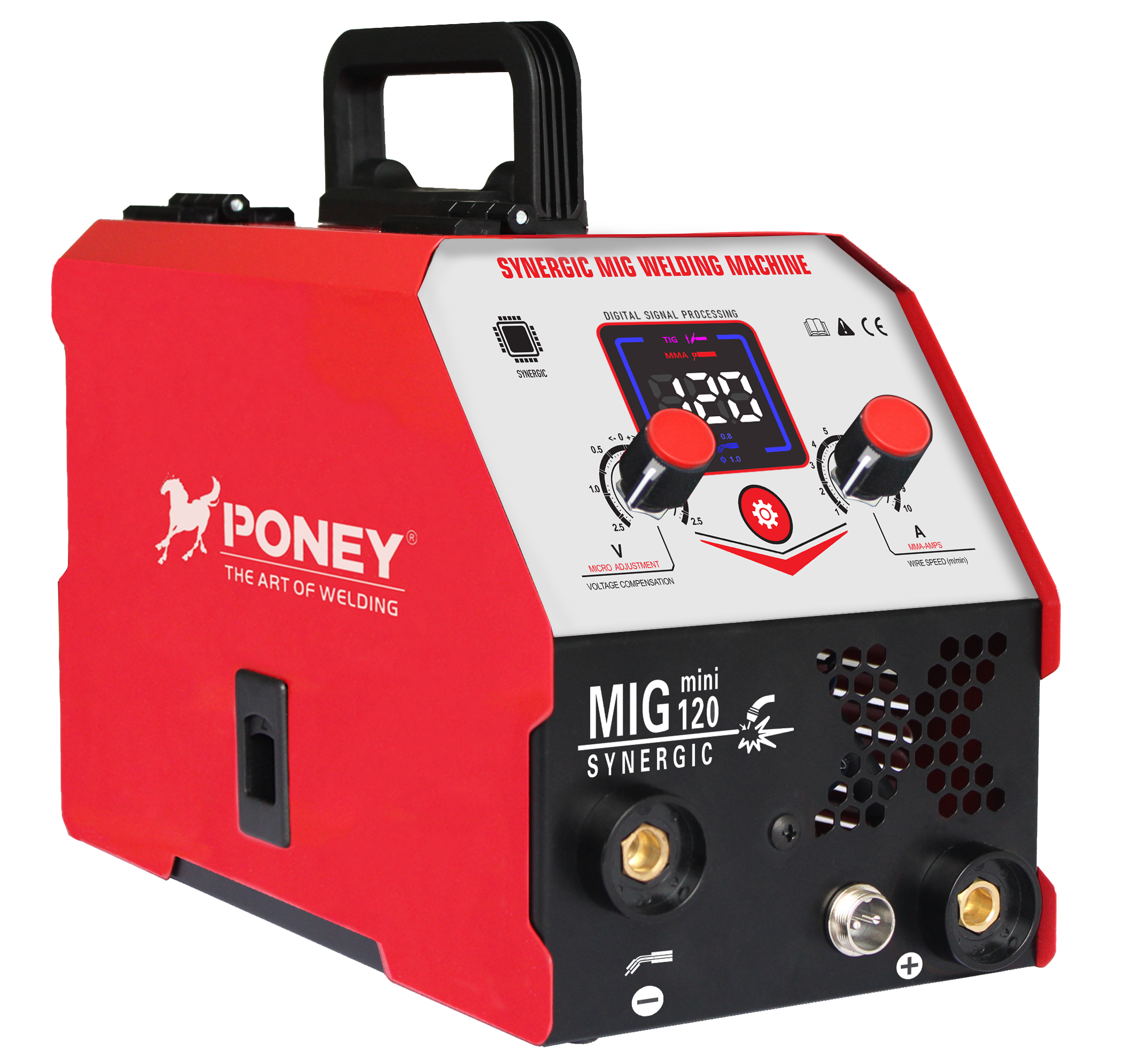
A mig welding machine must deliver reliable, consistent results over hours of continuous operation to meet industrial production demands. When a mig welding machine operates for extended periods, maintaining arc stability, wire feed accuracy, and thermal management becomes critical to weld quality and operational efficiency. Understanding how a mig welding machine preserves consistency under these demanding conditions helps manufacturers, fabrication shops, and maintenance teams optimize performance and minimize downtime.
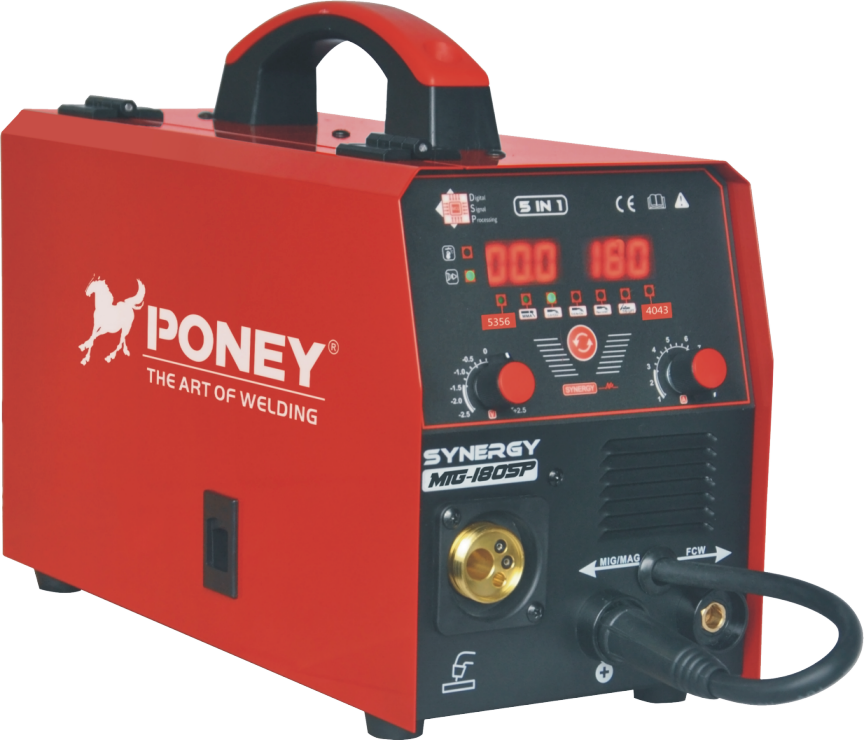
Extended operation places unique stress on every component of a mig welding machine. Wire speed must remain steady, voltage regulation must stay precise, and heat dissipation must prevent thermal drift that would degrade arc quality. A well-engineered mig welding machine incorporates design features, feedback systems, and material specifications specifically intended to handle this sustained workload while maintaining repeatability and weld integrity across thousands of cycles.
Arc Stability and Voltage Regulation in a MIG Welding Machine
Maintaining Constant Arc Voltage During Long Runs
A mig welding machine depends on stable arc voltage to produce uniform penetration and bead appearance. During extended operation, minor voltage fluctuations can accumulate, causing inconsistent melting rates and weld defects. A mig welding machine with advanced voltage regulation automatically compensates for wire feed variations, contact tip wear, and changes in the workpiece conductivity. This feedback mechanism ensures that the mig welding machine delivers the same arc energy at hour one as it does at hour eight, preserving the structural integrity of every weld.
Thermal Drift Prevention and Voltage Consistency
Heat buildup inside a mig welding machine during continuous welding can shift internal circuit resistance, affecting output voltage. Premium mig welding machine models include thermal compensation circuits that adjust for these temperature changes, preventing voltage creep. Water-cooled or forced-air cooling systems in advanced mig welding machine designs actively remove excess heat from power electronics, keeping the mig welding machine operating at nominal specifications. This thermal management allows a mig welding machine to maintain consistent output for industrial production runs lasting eight, ten, or twelve hours without performance degradation.
Wire Feed Reliability and Precision in Extended-Duration Welding
Constant Wire Speed and Pressure Control
Wire feed consistency is foundational to mig welding machine performance during extended operation. A mig welding machine with precision wire drive systems uses motor encoders and mechanical tension settings to deliver exactly the same wire speed throughout a long production run. Inconsistent wire feed causes erratic arc behavior, irregular bead width, and incomplete fusion that weakens the final weld. A properly maintained mig welding machine calibrates its wire feeder before extended runs to ensure that deposition rate remains constant even as the spool depletes and wire composition changes slightly between coils.
Contact Tip and Liner Maintenance for Sustained Performance
The contact tip and liner are wear items that directly affect how a mig welding machine delivers wire to the arc. As a mig welding machine operates for extended periods, spatter buildup, metal transfer debris, and normal erosion can gradually increase friction and resistance to wire flow. A mig welding machine operator should inspect and replace the contact tip at regular intervals during long production runs to prevent wire feed interruptions. Using a high-quality mig welding machine with a durable liner material extends service intervals and reduces the risk of mid-run stoppages that compromise production schedules and weld traceability.
Thermal Management and Component Longevity During Continuous Operation
Cooling Systems and Heat Dissipation Strategy
Industrial mig welding machine duty cycles require effective thermal management to prevent component failure and performance loss. A mig welding machine equipped with water cooling circulates coolant through the power supply and torch cable, removing heat at the source before it can accumulate. Air-cooled mig welding machine designs use high-volume fans to push air through internal heatsinks, maintaining safe operating temperatures even during back-to-back welding sessions. The choice between water-cooled and air-cooled mig welding machine architecture depends on duty cycle intensity, shop floor environment, and maintenance capability, but both approaches allow the mig welding machine to sustain output without thermal throttling.
Internal Component Protection and Material Selection
A mig welding machine designed for extended operation uses heavy-duty components and materials that resist thermal stress and electrical degradation. Transformer cores in robust mig welding machine models employ copper windings and silicon steel laminations that handle continuous current flow without excessive heating. Capacitors, resistors, and other passive components in a high-quality mig welding machine are rated for extended duty and sourced from suppliers with strict thermal and reliability standards. This material investment means a mig welding machine can operate reliably for thousands of hours without requiring component replacement or complete power supply failure.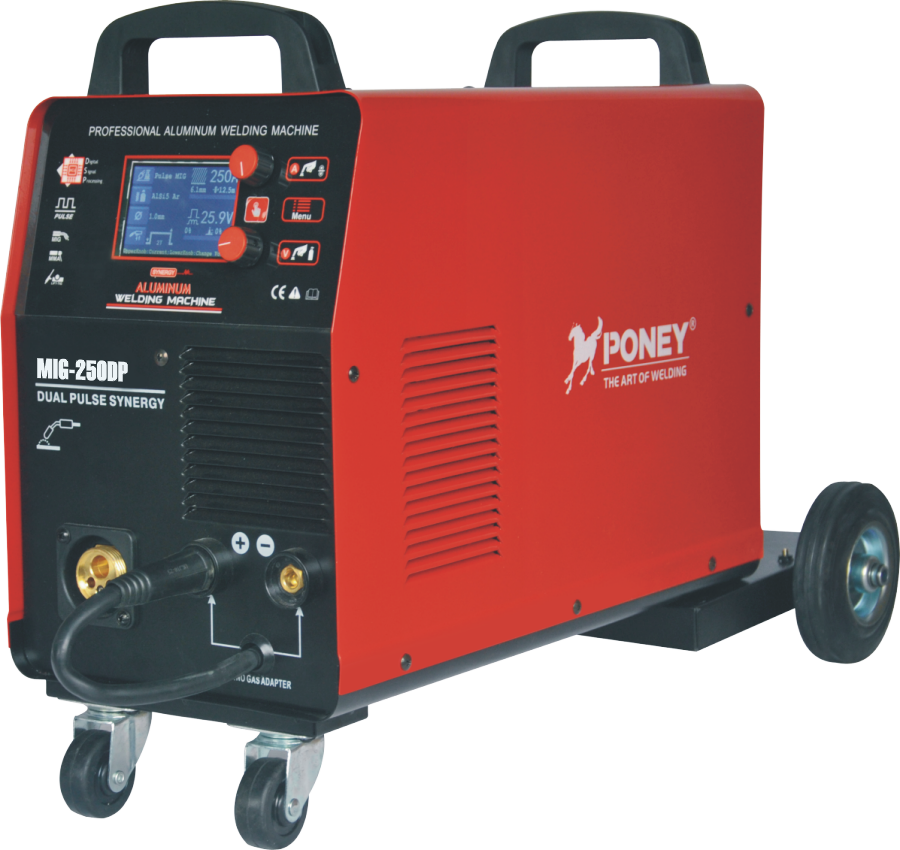
FAQ
Does a mig welding machine lose performance over a twelve-hour shift?
A properly maintained mig welding machine with adequate cooling should maintain consistent output throughout a twelve-hour shift. Minor arc variations may occur, but a well-designed mig welding machine with voltage feedback and thermal compensation actively corrects these deviations. Regular maintenance—including contact tip cleaning and wire feeder inspection—prevents drift that would otherwise accumulate across the shift. If a mig welding machine shows noticeable performance drop after four to six hours, it likely requires service or component replacement.
What maintenance practices keep a mig welding machine consistent during extended operation?
Effective maintenance for a mig welding machine during extended runs includes changing the contact tip every four to eight hours, inspecting the liner for debris, checking wire spool tension, and verifying cooling system flow. A mig welding machine should be calibrated before each production shift to ensure wire speed, voltage, and arc length match job specifications. Keeping the mig welding machine torch and gun tip clean of spatter and maintaining proper work distance settings preserves the electrical path and arc stability. Temperature monitoring of the mig welding machine power supply helps identify cooling system issues before thermal problems develop.
Can a smaller mig welding machine handle the same extended duty as an industrial-grade unit?
A smaller mig welding machine may technically function during extended operation but often lacks the thermal capacity and component robustness of industrial-grade models. An undersized mig welding machine can overheat, triggering thermal cutouts that interrupt production and compromise weld consistency. Industrial-grade mig welding machine models are engineered with larger transformers, superior cooling, and heavier-duty internal components specifically to handle sustained duty cycles. For production environments demanding eight-plus-hour runs, investing in a properly sized mig welding machine prevents performance loss, downtime, and quality issues that smaller units cannot reliably prevent.