EN
EN

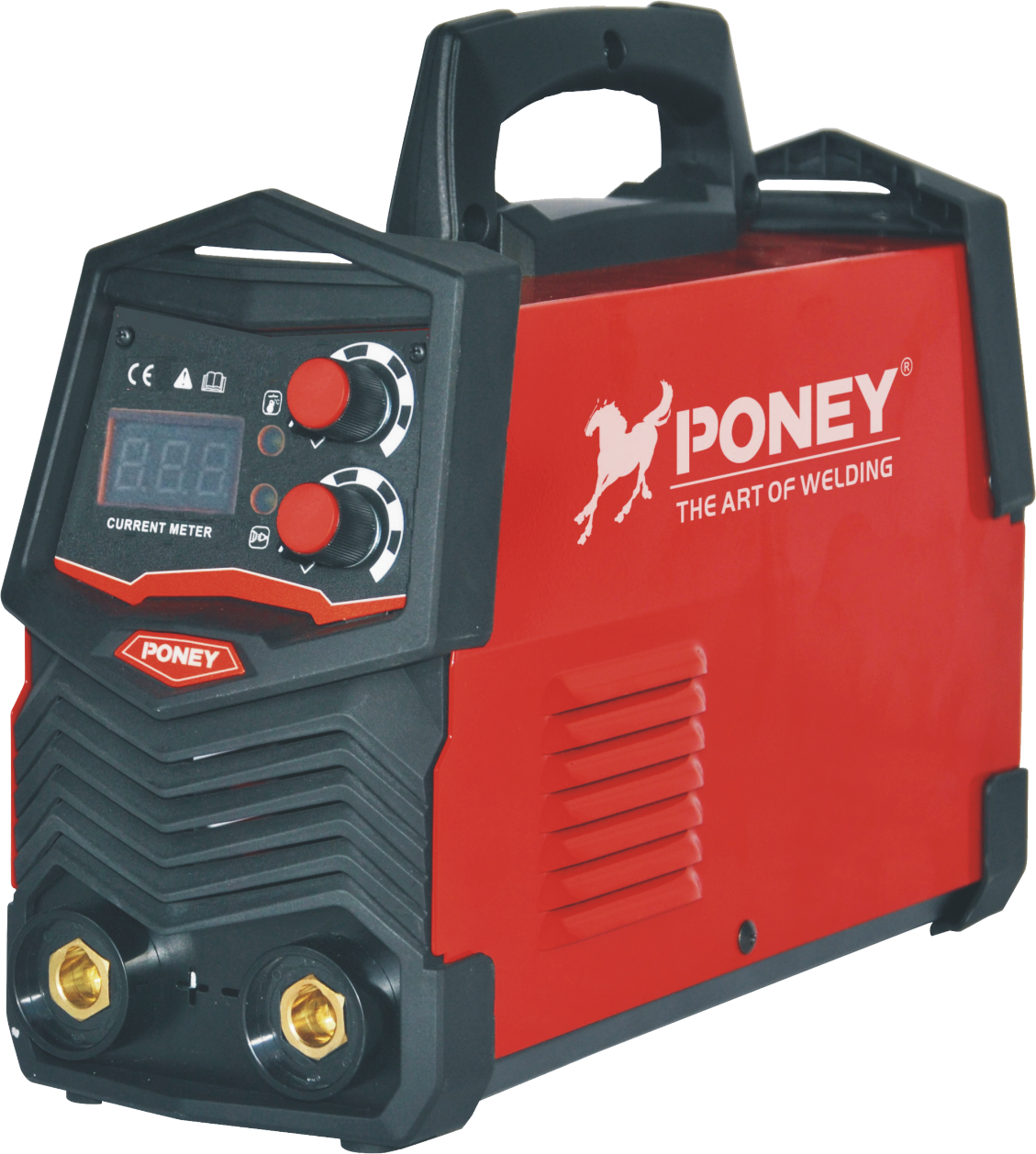
Environmental conditions play a critical role in determining how effectively soldado processes deliver consistent, high-quality welding outcomes. When soldado operations occur in varying atmospheric settings, factors such as temperature, humidity, air pressure, and contaminant presence directly affect the stability of the arc, the behavior of molten metal, and the integrity of the final weld joint. Understanding these environmental influences allows welding professionals to anticipate challenges, adjust soldado parameters accordingly, and implement protective measures that preserve soldado performance across diverse operating environments.
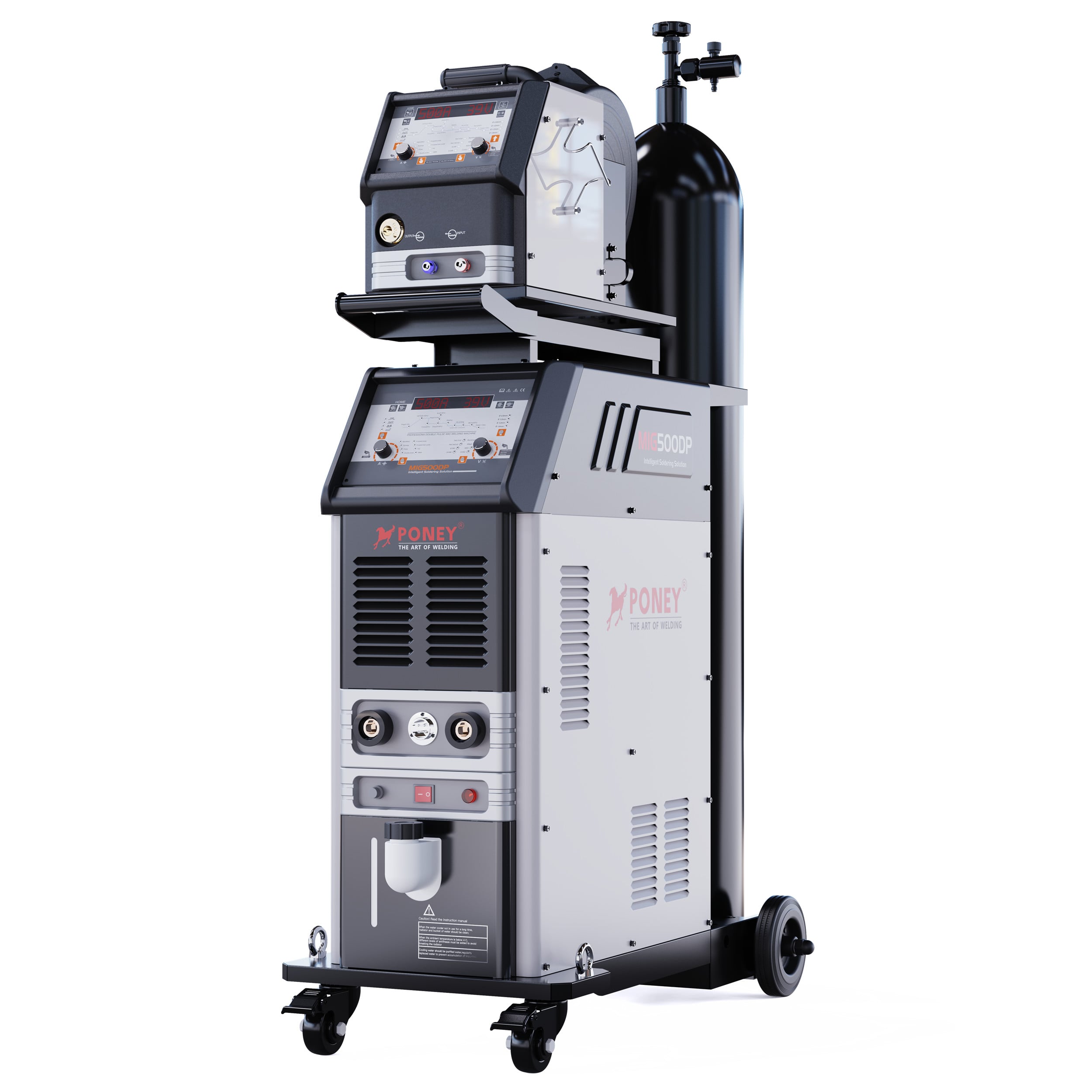
The relationship between environmental variables and soldado outcomes extends beyond simple comfort or convenience. Each atmospheric condition introduces specific physical and chemical interactions that alter how soldado equipment functions, how filler materials behave during deposition, and how the weld pool solidifies. For industrial applications where soldado quality determines structural safety, corrosion resistance, and long-term durability, controlling or compensating for environmental factors becomes essential to achieving repeatable soldado results that meet stringent quality standards.
Temperature Variations and Soldado Arc Stability
How Ambient Temperature Affects Soldado Electrical Characteristics
Ambient temperature directly influences soldado arc initiation and maintenance by affecting the electrical conductivity of the surrounding air and the thermal state of base materials. In cold environments, soldado equipment may require longer preheating periods to establish stable arc conditions, as lower temperatures reduce ionization efficiency and increase the electrical resistance between the electrode and workpiece. Cold base metals also draw heat away from the soldado weld pool more rapidly, leading to faster cooling rates that can produce brittle microstructures or incomplete fusion if soldado parameters are not adjusted to compensate for the thermal sink effect.
Conversely, elevated ambient temperatures affect soldado performance by altering the thermal balance within the weld zone. High environmental temperatures reduce the temperature gradient between the soldado arc and surrounding atmosphere, which can extend the time the weld pool remains molten and increase the risk of excessive penetration or burn-through on thin materials. Soldado operators working in hot climates must account for reduced cooling rates by modifying travel speed or adjusting current settings to prevent overheating. Additionally, high temperatures can accelerate oxidation of soldado filler materials and base metals during the welding process, necessitating more aggressive shielding gas coverage or flux protection to maintain soldado weld quality.
Thermal Expansion Effects on Soldado Joint Fit-Up
Environmental temperature fluctuations also affect soldado joint preparation and fit-up accuracy through thermal expansion and contraction of base materials. When soldado welding occurs outdoors or in facilities without climate control, significant temperature swings between day and night or across seasons cause dimensional changes in fabricated components. These thermal movements can open or close soldado joint gaps, alter alignment, and introduce residual stresses that complicate the welding process. For precision soldado applications requiring tight tolerances, temperature-induced dimensional variations must be anticipated during fabrication planning, with allowances made for thermal effects on soldado joint geometry.
Material-specific thermal expansion coefficients further complicate soldado operations when dissimilar metals are joined in varying temperature environments. The differential expansion between base materials with different coefficients creates mechanical stresses at the soldado interface that can lead to distortion, cracking, or joint failure if not properly managed. Soldado welding procedures for dissimilar metal combinations must account for environmental temperature ranges and specify appropriate preheating, interpass temperature control, and post-weld stress relief measures to accommodate thermal expansion mismatches throughout the soldado fabrication sequence.
Humidity and Moisture Impact on Soldado Quality
Hydrogen Contamination Risks in Soldado Processes
Atmospheric humidity represents one of the most significant environmental threats to soldado weld integrity due to the introduction of hydrogen into the weld metal. When soldado operations occur in high-humidity conditions, moisture from the air can decompose in the intense heat of the soldado arc, releasing hydrogen that dissolves into the molten weld pool. This hydrogen remains in solution until the soldado weld begins to cool and solidify, at which point it can become trapped in the microstructure, leading to hydrogen-induced cracking, porosity, and reduced mechanical properties that compromise soldado joint performance.
The severity of hydrogen contamination in soldado welds depends on both the absolute humidity level and the hygroscopic nature of soldado consumables. Flux-coated electrodes and soldado filler materials that absorb moisture from humid air become significant hydrogen sources during welding, even when atmospheric humidity appears moderate. This makes proper storage and handling of soldado consumables critical in humid environments, with industry standards typically requiring soldado electrodes to be stored in heated cabinets and dried according to manufacturer specifications before use. For soldado applications on hydrogen-sensitive materials such as high-strength steels, controlling moisture exposure becomes essential to preventing delayed cracking failures that may not manifest until hours or days after soldado completion.
Surface Contamination and Soldado Arc Behavior
High humidity environments also promote surface contamination on base materials awaiting soldado welding through accelerated oxidation and the formation of hygroscopic salt deposits in coastal or industrial atmospheres. These surface contaminants interfere with soldado arc stability by introducing variable electrical resistance and generating gas pockets that disrupt soldado metal transfer. Rust, mill scale, and moisture films on soldado joint surfaces must be removed through mechanical cleaning or chemical treatment before welding to ensure consistent soldado arc characteristics and prevent defects such as porosity, incomplete fusion, or irregular soldado bead profiles.
The interaction between humidity and soldado shielding effectiveness further complicates quality control in moisture-laden environments. Water vapor can infiltrate soldado shielding gas coverage, displacing protective gases and allowing atmospheric oxygen and nitrogen to contaminate the weld pool. This effect becomes particularly problematic in soldado processes relying on inert gas shielding, where even small amounts of moisture intrusion can oxidize reactive metals or create nitride inclusions that degrade soldado mechanical properties. Maintaining dry, moisture-free soldado shielding gas supplies and using increased flow rates in humid conditions helps preserve soldado weld pool protection, though excessive flow can induce turbulence that paradoxically reduces shielding effectiveness.
Atmospheric Pressure and Contaminant Considerations
Altitude Effects on Soldado Arc Characteristics
Atmospheric pressure variations, particularly at elevated altitudes, significantly alter soldado arc physics and shielding gas behavior. As altitude increases and atmospheric pressure decreases, the reduced air density affects soldado arc ionization, making arc initiation more difficult and reducing arc stiffness during soldado welding. Lower pressure environments also cause soldado shielding gases to expand more rapidly upon release, which can create turbulent flow patterns that compromise weld pool protection. Soldado operators working at high-altitude locations must compensate for these pressure effects by adjusting gas flow rates, modifying soldado electrical parameters, and potentially using different shielding gas mixtures optimized for low-pressure conditions.
The reduced atmospheric pressure at altitude also affects soldado weld pool dynamics by altering the boiling points of alloying elements and the vapor pressure of molten metal. These thermodynamic changes can increase soldado spatter generation, promote porosity formation, and alter the soldado weld bead profile compared to sea-level operations. For critical soldado applications performed at varying altitudes, qualification testing should replicate the actual atmospheric pressure conditions to ensure soldado procedure specifications account for pressure-related performance variations. Some soldado equipment manufacturers provide altitude adjustment features or recommend specific parameter modifications to maintain soldado weld quality across different elevation ranges.
Airborne Particulates and Soldado Contamination Control
Industrial environments often contain airborne particulates, chemical vapors, and other contaminants that can adversely affect soldado welding outcomes. Dust particles settling on soldado joint surfaces or becoming entrained in the shielding gas stream introduce inclusions and defects that compromise soldado weld integrity. Manufacturing facilities with grinding operations, sandblasting activities, or dusty material handling near soldado workstations must implement contamination control measures such as physical barriers, ventilation systems, or scheduling soldado operations during periods of minimal particulate generation to protect soldado weld quality.
Chemical fumes and vapors present additional environmental challenges for soldado processes, particularly when welding materials that have been exposed to oils, solvents, or coating residues. These contaminants can generate toxic fumes when heated by the soldado arc, create porosity through gas evolution, or interfere with soldado arc stability through variable electrical conductivity. Thorough soldado joint preparation, including degreasing and removal of all coating materials, becomes essential in contaminated environments. For soldado applications in petrochemical facilities, refineries, or areas with potential hydrocarbon exposure, specialized cleaning protocols and atmospheric monitoring ensure soldado operations proceed without contamination-related quality or safety issues.
FAQ
What temperature range is optimal for soldado welding operations?
Most soldado welding processes perform optimally in ambient temperatures between 50°F and 90°F, where thermal balance remains stable and soldado equipment operates within designed parameters. Outside this range, soldado procedures should incorporate preheating requirements for cold conditions or cooling periods for hot environments to maintain consistent soldado weld quality and prevent temperature-related defects.
How does high humidity specifically affect soldado electrode storage requirements?
High humidity causes soldado electrodes to absorb atmospheric moisture, which introduces hydrogen into soldado welds and increases cracking risk. Proper soldado electrode storage requires maintaining consumables in heated cabinets at temperatures specified by manufacturers, typically between 100°F and 300°F depending on soldado electrode type, with low-hydrogen soldado electrodes requiring the most stringent moisture control to preserve their hydrogen-resistant properties.
Can soldado welding be performed successfully at high altitudes without parameter adjustments?
Soldado welding at high altitudes without parameter adjustments often produces substandard results due to reduced atmospheric pressure effects on soldado arc stability and shielding gas behavior. Successful soldado operations above 3,000 feet elevation typically require modifications to gas flow rates, electrical settings, and sometimes shielding gas composition to compensate for lower air density and maintain soldado weld quality equivalent to sea-level performance.