EN
EN

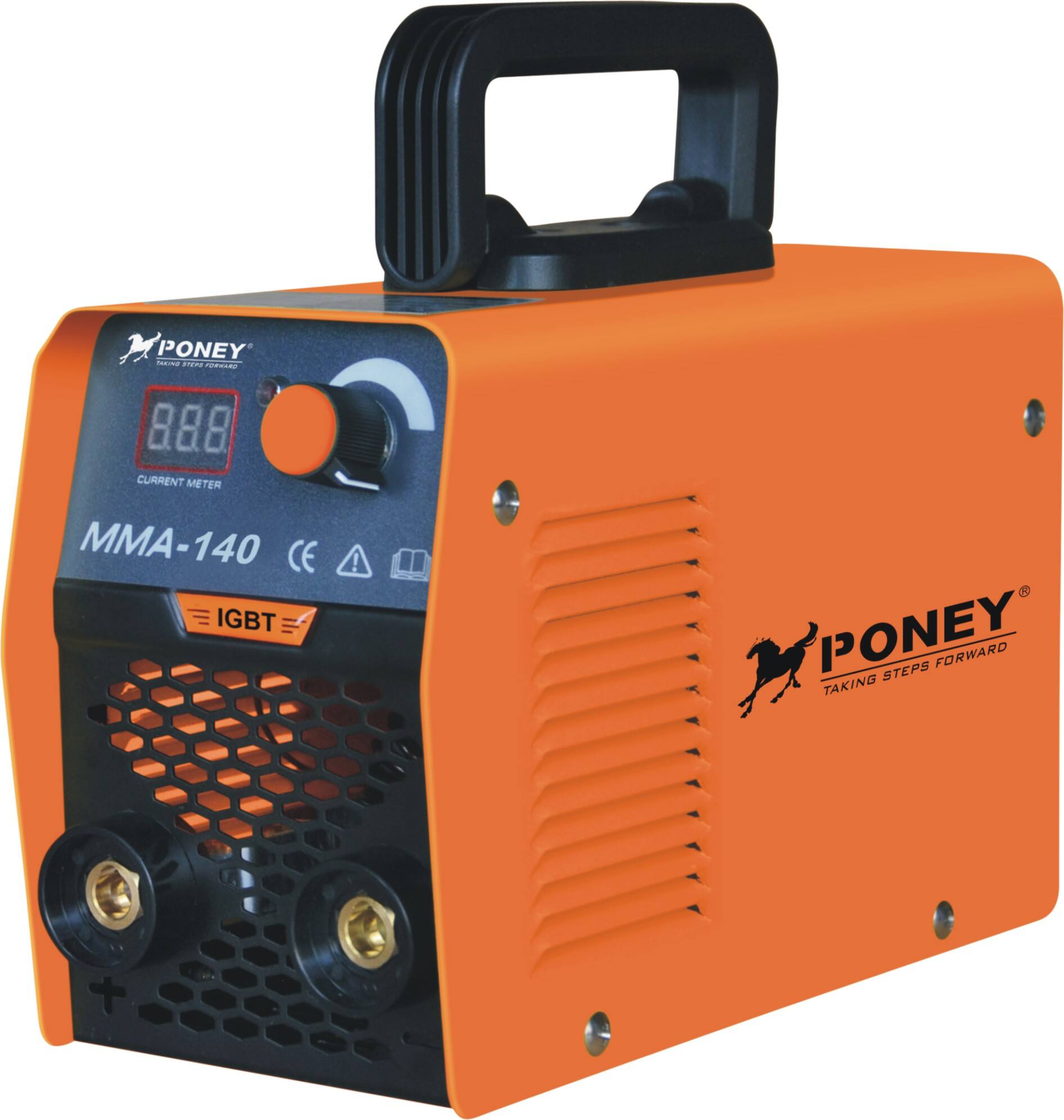
Modern welding operations demand unprecedented levels of consistency and precision, yet traditional welding equipment often struggles to maintain stable parameters throughout extended work sessions. The emergence of advanced inverter welder technology has fundamentally altered how professionals approach weld quality control, introducing digital precision that was previously unattainable with conventional transformer-based systems. This technological evolution represents more than just equipment advancement—it signifies a paradigm shift in how welding consistency is defined, measured, and achieved across industrial applications.
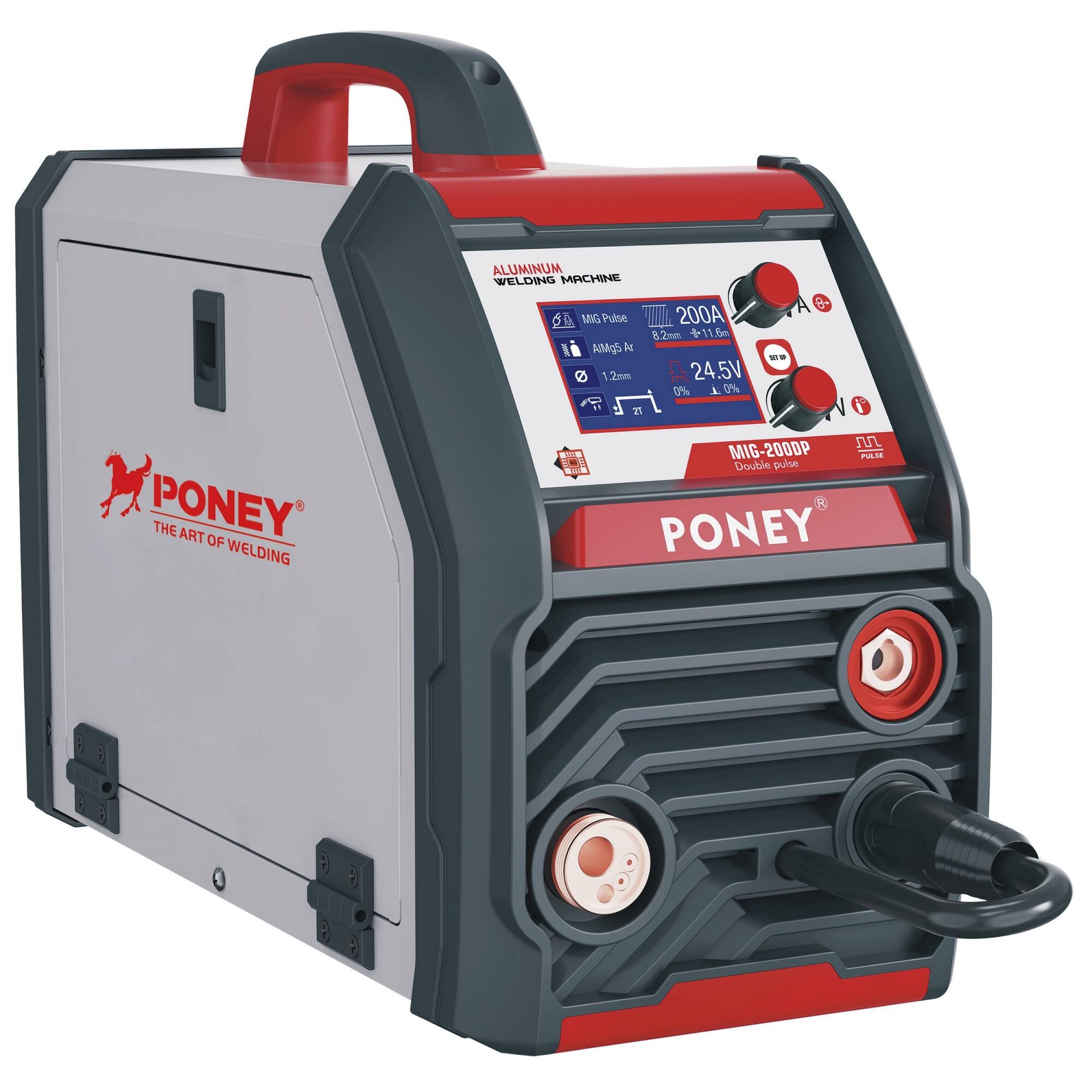
The precision control capabilities inherent in modern inverter welder systems have established new benchmarks for what constitutes acceptable weld consistency in professional environments. Unlike their predecessors, these sophisticated machines deliver real-time parameter adjustments with millisecond response times, enabling welders to maintain optimal arc characteristics even when facing varying material conditions or joint configurations. This enhanced control precision directly translates to reduced rework rates, improved structural integrity, and ultimately, elevated expectations for what consistent welding performance should deliver across diverse industrial applications.
Digital Control Architecture and Precision Mechanisms
Advanced Microprocessor Integration
The heart of every modern inverter welder lies in its sophisticated microprocessor-controlled architecture, which enables precise monitoring and adjustment of welding parameters in real-time. These digital control systems continuously analyze arc voltage, current flow, and wire feed speed, making instantaneous corrections that maintain optimal welding conditions throughout the entire process. The microprocessor integration allows for complex algorithm implementation that can predict and compensate for variables such as material thickness changes, joint geometry variations, and environmental factors that traditionally caused inconsistent weld quality.
The precision achieved through digital control extends beyond simple parameter maintenance to include adaptive response capabilities that learn from welding conditions. Modern inverter welder systems can detect arc instability patterns and automatically adjust output characteristics to maintain smooth, consistent penetration across varying joint configurations. This intelligent control mechanism eliminates the human error factor that often contributed to weld inconsistency in traditional systems, establishing a new standard for repeatable welding performance.
Synergic Control Technology Implementation
Synergic control represents a quantum leap in inverter welder precision, automatically coordinating multiple welding parameters to maintain optimal arc characteristics regardless of operator skill level. This technology pre-programs ideal parameter combinations for specific material types and thicknesses, ensuring that voltage, current, and wire feed speed remain perfectly synchronized throughout the welding process. The result is unprecedented consistency that eliminates the guesswork traditionally associated with manual parameter adjustment.
The implementation of synergic control in professional inverter welder systems has redefined expectations for weld consistency by providing predictable, repeatable results across different operators and working conditions. This technology ensures that whether a novice or expert operator handles the equipment, the fundamental weld characteristics remain consistent, dramatically reducing the variability that previously plagued welding operations. The precision offered by synergic systems has become particularly valuable in automated and semi-automated welding applications where consistency is paramount.
Arc Stability and Dynamic Response Characteristics
High-Frequency Switching Technology
The high-frequency switching capabilities of modern inverter welder systems enable unprecedented arc stability through rapid power conversion cycles that occur thousands of times per second. This continuous power regulation ensures that arc characteristics remain stable even when welding conditions change rapidly, such as when transitioning between different material thicknesses or joint configurations. The high-frequency switching technology provides the foundation for consistent arc length maintenance and stable penetration profiles that were impossible to achieve with traditional welding equipment.
The dynamic response characteristics enabled by high-frequency switching technology allow inverter welder systems to react to arc disturbances within milliseconds, preventing the formation of defects that commonly occur with slower-responding equipment. This rapid response capability ensures that spatter levels remain minimal, penetration depth stays consistent, and bead appearance maintains uniformity across extended welding sequences. The precision offered by this technology has elevated industry standards for what constitutes acceptable weld consistency.
Adaptive Arc Control Mechanisms
Adaptive arc control represents the pinnacle of inverter welder precision technology, continuously monitoring arc behavior and making real-time adjustments to maintain optimal welding conditions. These sophisticated systems analyze hundreds of arc parameters per second, detecting subtle changes in arc length, stability, and penetration characteristics that would be imperceptible to human operators. The adaptive control mechanisms can compensate for factors such as contact tip wear, wire feed irregularities, and shielding gas flow variations that traditionally caused weld inconsistency.
The implementation of adaptive arc control in professional inverter welder systems has fundamentally changed expectations for weld consistency by providing self-correcting capabilities that maintain optimal performance without operator intervention. This technology ensures that welding quality remains constant throughout extended production runs, eliminating the quality degradation that typically occurred as consumables wore or environmental conditions changed during traditional welding operations.
Material Response Optimization and Consistency Enhancement
Material-Specific Parameter Optimization
Modern inverter welder systems incorporate extensive material databases that automatically optimize welding parameters based on specific alloy compositions and thickness requirements. This sophisticated material recognition capability ensures that each weld receives precisely the right combination of heat input, penetration profile, and cooling characteristics to achieve optimal metallurgical properties. The material-specific optimization eliminates the trial-and-error approach that previously characterized welding setup procedures, replacing it with scientifically-determined parameter sets that guarantee consistent results.
The precision offered by material-specific optimization extends beyond basic parameter selection to include heat-affected zone control and distortion minimization strategies. Advanced inverter welder systems can calculate optimal travel speeds, interpass temperatures, and cooling rates for specific material combinations, ensuring that weld consistency extends beyond surface appearance to include fundamental structural integrity characteristics. This comprehensive approach to material response optimization has established new standards for what constitutes professional welding consistency.
Thermal Management and Heat Distribution Control
The thermal management capabilities of advanced inverter welder systems enable precise control over heat distribution patterns, ensuring consistent penetration profiles and minimal distortion across complex joint geometries. These systems can modulate heat input in real-time, adjusting power delivery to maintain optimal weld pool characteristics regardless of varying heat sink effects or joint accessibility constraints. The precision thermal control eliminates hot spots and cold zones that traditionally caused inconsistent mechanical properties within individual welds.
Sophisticated heat distribution control algorithms integrated into modern inverter welder systems analyze joint geometry and material properties to predict optimal thermal cycling patterns. This predictive capability enables pre-emptive adjustments that maintain consistent weld pool behavior even when welding complex assemblies with varying cross-sectional areas or heat dissipation characteristics. The thermal precision achieved through these advanced control systems has redefined industry expectations for weld consistency across challenging geometries and material combinations.
Quality Control Integration and Performance Monitoring
Real-Time Weld Quality Assessment
Integration of real-time quality assessment capabilities in modern inverter welder systems provides immediate feedback on weld consistency parameters, enabling instant corrections before defects can propagate. These sophisticated monitoring systems analyze arc behavior, penetration indicators, and bead formation characteristics continuously, alerting operators to potential quality deviations before they become visible defects. The real-time assessment capability eliminates the delayed feedback that previously allowed inconsistent welds to continue undetected.
The precision offered by integrated quality control systems extends beyond defect detection to include predictive quality modeling that anticipates potential consistency issues based on parameter drift patterns. Advanced inverter welder systems can identify subtle changes in arc characteristics that precede quality degradation, enabling proactive adjustments that maintain consistent weld properties throughout extended production sequences. This predictive capability has elevated expectations for continuous quality assurance in professional welding operations.
Data Logging and Consistency Tracking
Comprehensive data logging capabilities integrated into professional inverter welder systems provide detailed records of all welding parameters, enabling thorough analysis of consistency trends and quality patterns. These systems capture thousands of data points per minute, creating detailed documentation of actual welding conditions that can be analyzed to identify factors contributing to quality variations. The extensive data collection capability enables evidence-based improvements to welding procedures and consistency optimization strategies.
The precision tracking capabilities of modern inverter welder systems extend beyond simple parameter recording to include statistical analysis of consistency metrics and trend identification. Advanced systems can generate automated reports showing consistency performance over time, identifying patterns that indicate equipment maintenance needs or procedural adjustments that could improve weld uniformity. This comprehensive monitoring approach has established new standards for quality documentation and continuous improvement in professional welding operations.
FAQ
How does inverter welder control precision specifically improve weld consistency compared to traditional welding equipment?
Inverter welder control precision improves weld consistency through digital microprocessor control that maintains stable welding parameters within extremely tight tolerances throughout the entire welding process. Unlike traditional transformer-based systems that experience parameter drift due to thermal cycling and component aging, inverter welders provide consistent arc characteristics through high-frequency switching technology and real-time parameter adjustment capabilities. This precision control eliminates the variability that typically caused inconsistent penetration, spatter levels, and bead appearance in conventional welding systems.
What role does synergic control technology play in reshaping consistency expectations for professional welding applications?
Synergic control technology automatically coordinates all welding parameters to maintain optimal arc characteristics regardless of operator skill level or varying working conditions. This intelligent parameter management eliminates the human error factor that traditionally contributed to weld inconsistency, ensuring that voltage, current, wire feed speed, and gas flow remain perfectly synchronized throughout the welding process. The result is predictable, repeatable weld quality that has established new industry standards for what constitutes acceptable consistency in professional applications.
How do adaptive arc control mechanisms in modern inverter welders maintain consistency across varying material conditions?
Adaptive arc control mechanisms continuously monitor hundreds of welding parameters per second and make real-time adjustments to compensate for changing conditions such as joint geometry variations, material thickness changes, and consumable wear. These sophisticated systems can detect and correct arc disturbances within milliseconds, preventing the formation of defects that would compromise weld consistency. The adaptive capability ensures that welding quality remains constant even when facing challenging conditions that would cause traditional equipment to produce inconsistent results.
What impact does real-time quality monitoring have on achieving consistent welding performance with inverter welder systems?
Real-time quality monitoring provides immediate feedback on weld consistency parameters, enabling instant corrections before defects can develop or propagate throughout the weld sequence. These monitoring systems analyze arc behavior, penetration indicators, and bead formation characteristics continuously, alerting operators to potential quality deviations and automatically adjusting parameters to maintain optimal conditions. This immediate feedback capability eliminates the delayed quality assessment that previously allowed inconsistent welds to continue undetected, establishing a new standard for proactive quality control in professional welding operations.
Table of Contents
- Digital Control Architecture and Precision Mechanisms
- Arc Stability and Dynamic Response Characteristics
- Material Response Optimization and Consistency Enhancement
- Quality Control Integration and Performance Monitoring
-
FAQ
- How does inverter welder control precision specifically improve weld consistency compared to traditional welding equipment?
- What role does synergic control technology play in reshaping consistency expectations for professional welding applications?
- How do adaptive arc control mechanisms in modern inverter welders maintain consistency across varying material conditions?
- What impact does real-time quality monitoring have on achieving consistent welding performance with inverter welder systems?