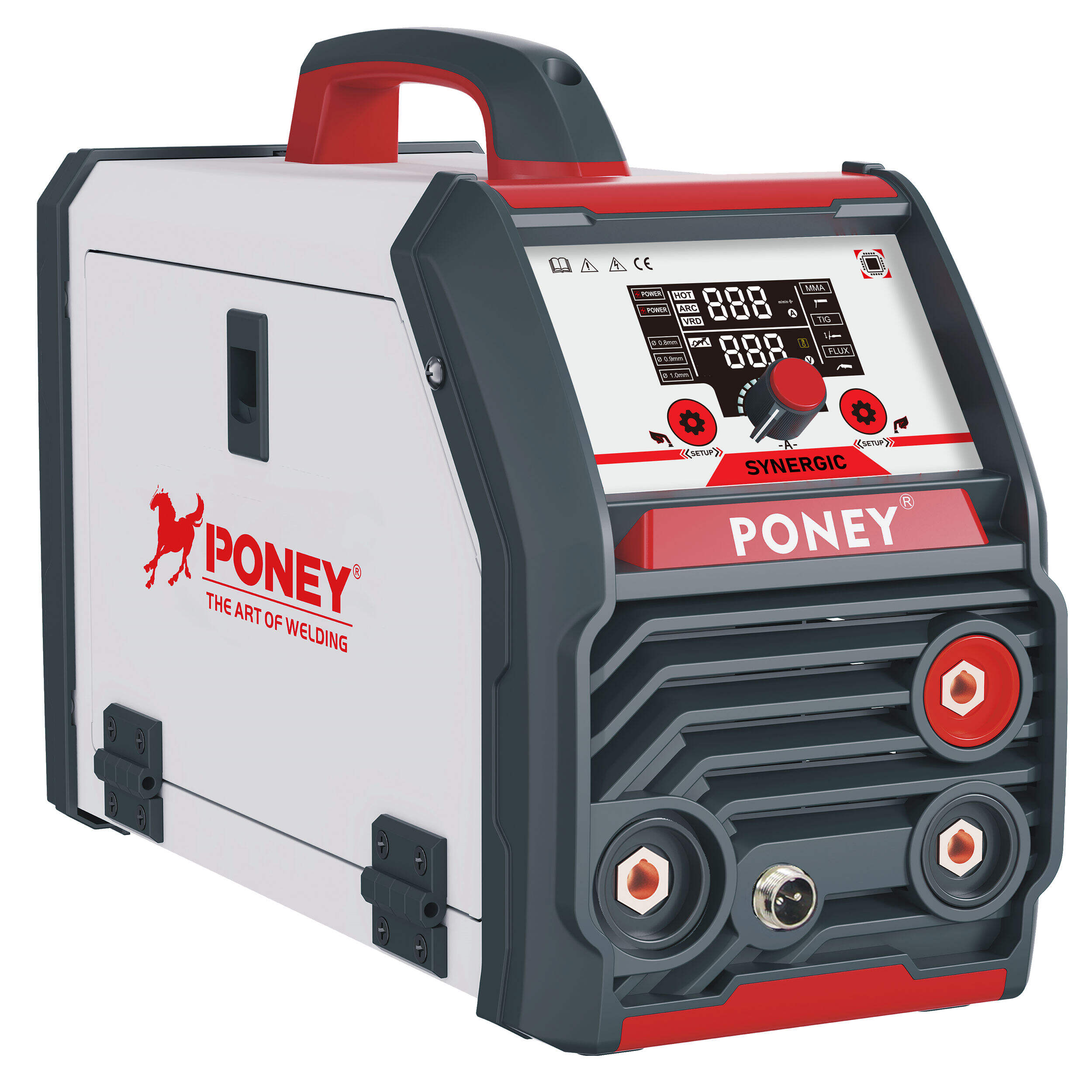
Professional Industrial Welder Manufacturer - Premium Welding Equipment Solutions

Get a Free Quote

Our representative will contact you soon.
Email
Mobile/Whatsapp
Name
Company Name
Message
0/1000

industrial welder manufacturer

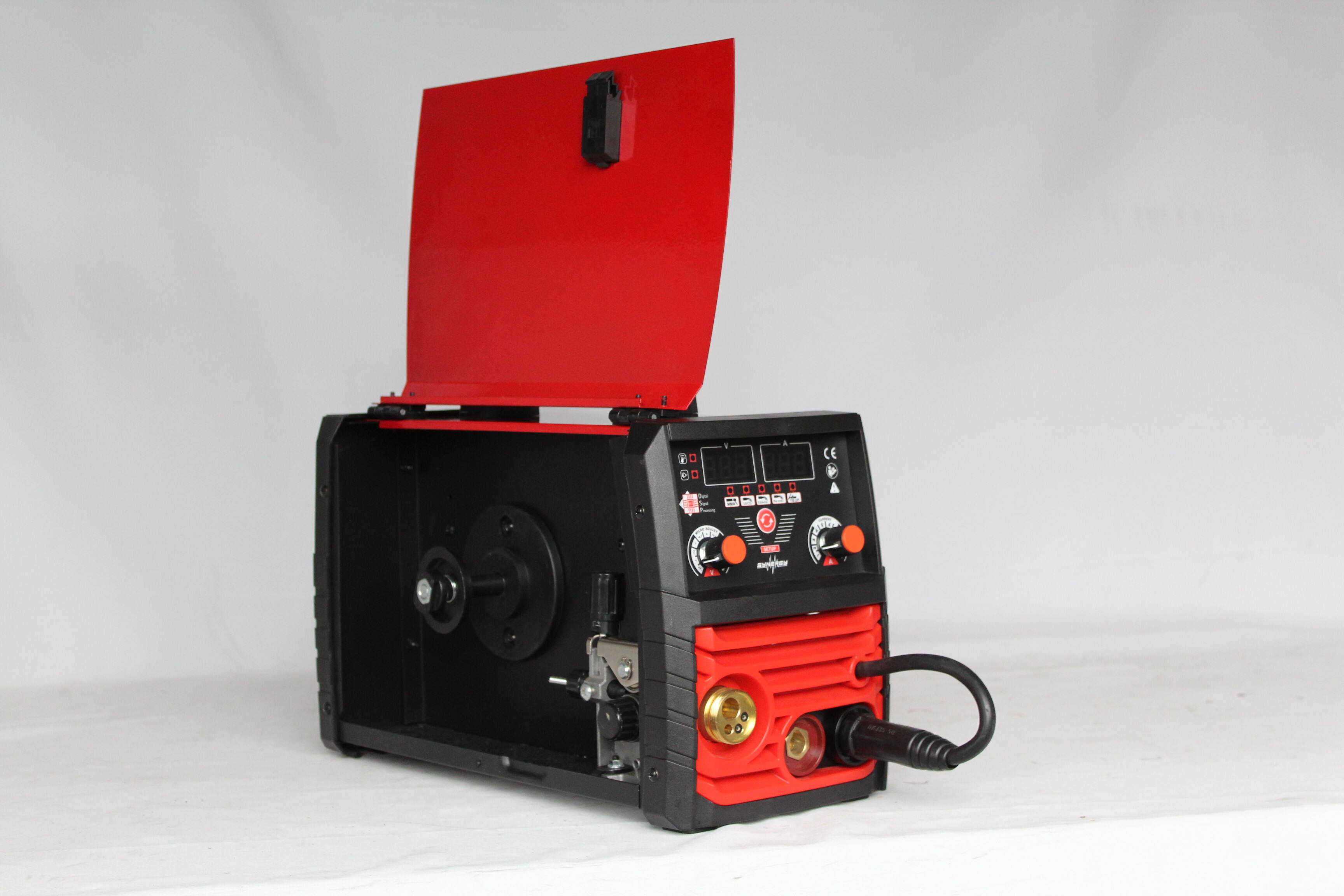
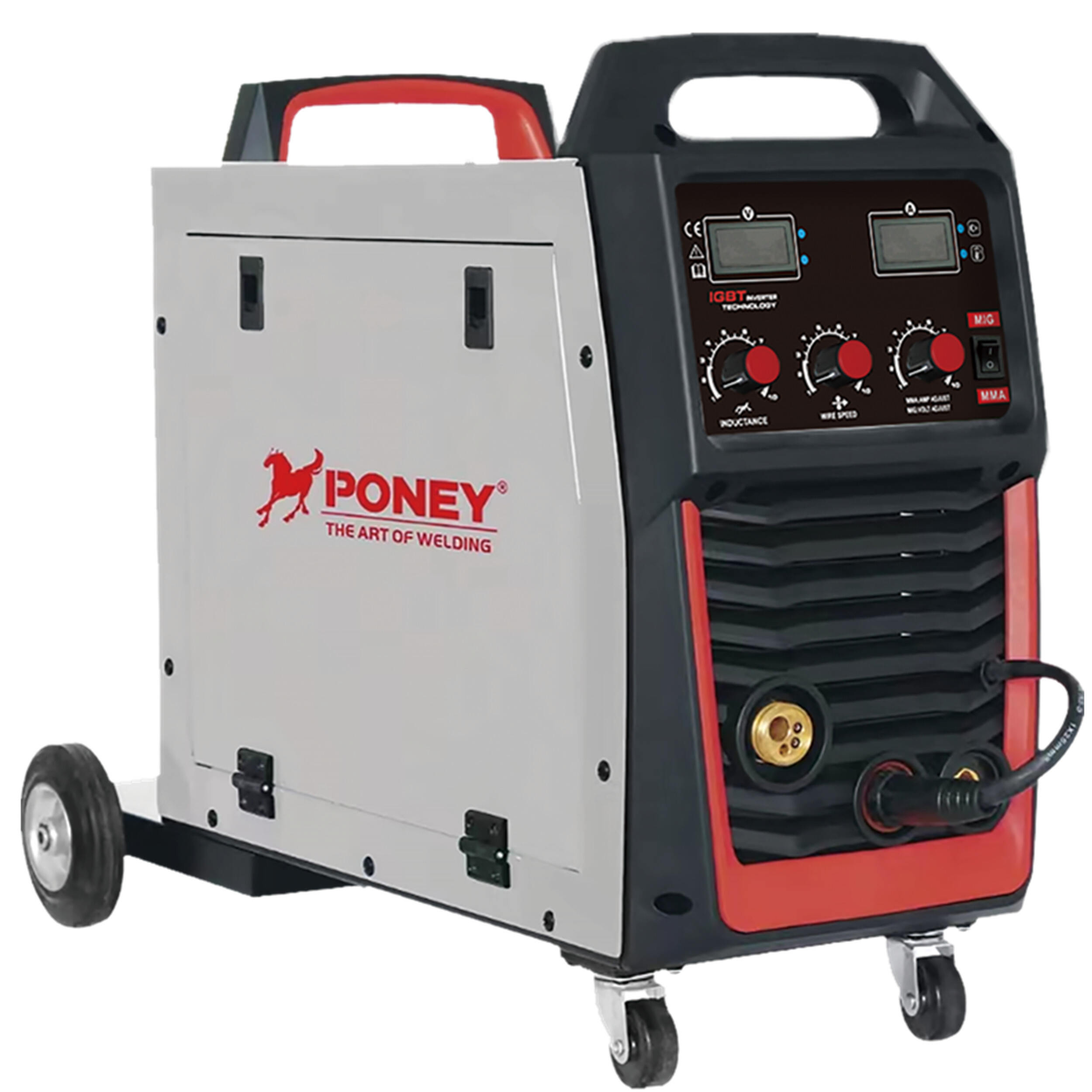
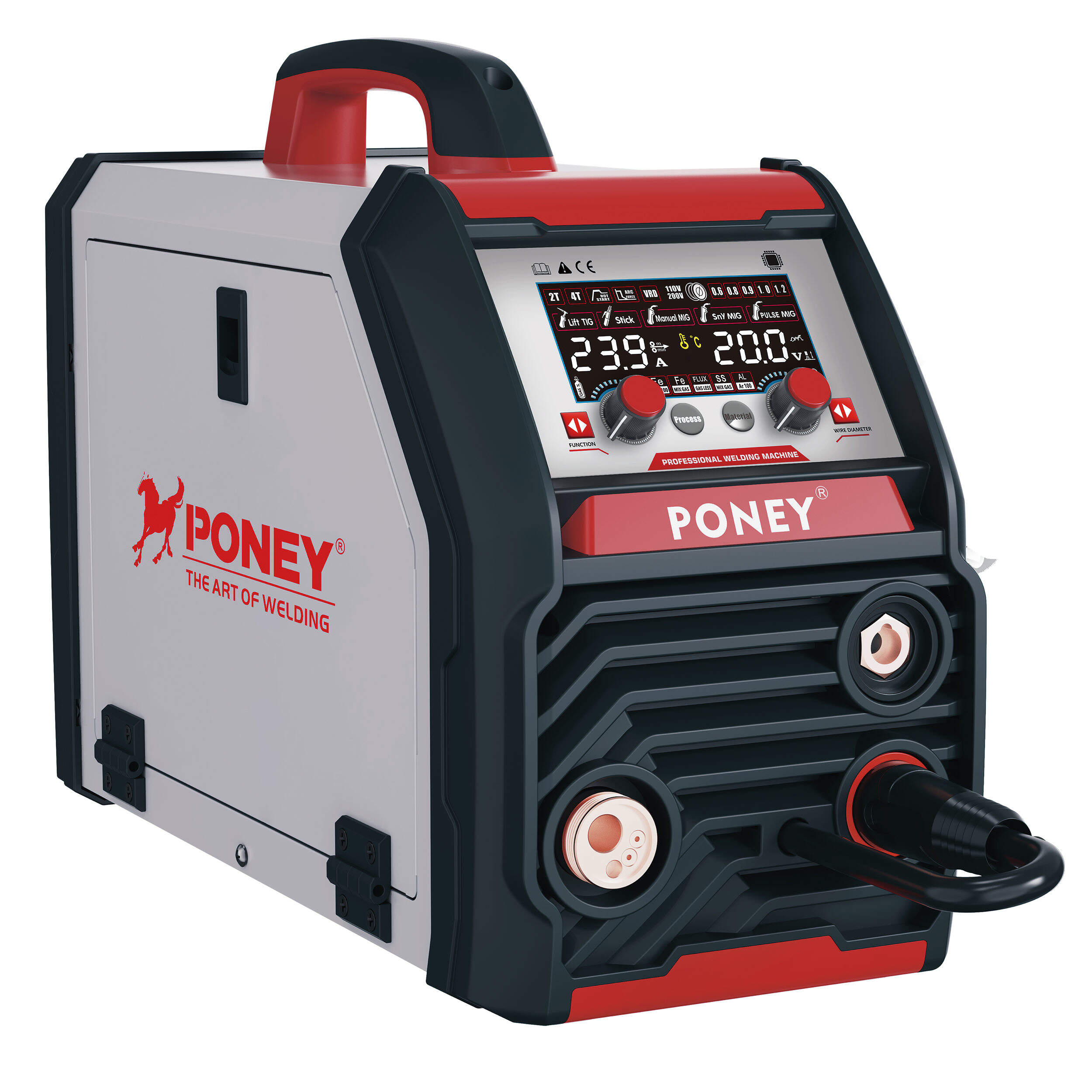
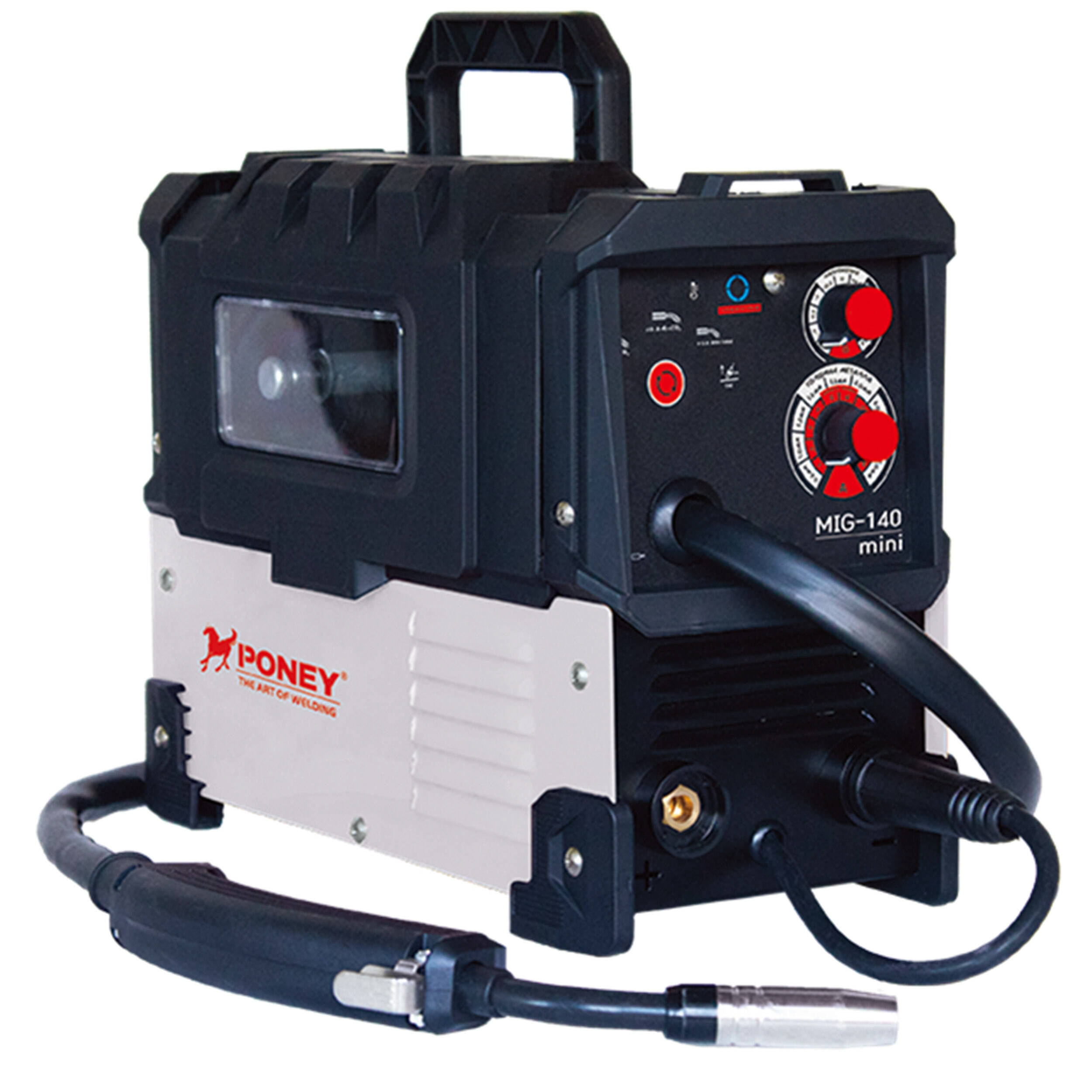
An industrial welder manufacturer represents a specialized company dedicated to designing, producing, and distributing high-performance welding equipment for commercial and industrial applications. These manufacturers focus on creating robust welding solutions that meet the demanding requirements of heavy-duty operations across various sectors. The primary function of an industrial welder manufacturer involves engineering welding machines capable of handling continuous operation, high-amperage welding processes, and challenging environmental conditions. Their equipment typically supports multiple welding processes including MIG, TIG, stick welding, and flux-cored arc welding, providing versatility for different project requirements. Advanced technological features distinguish professional-grade equipment from consumer models, incorporating sophisticated control systems, digital displays, precise arc control, and enhanced safety mechanisms. Modern industrial welder manufacturers integrate cutting-edge inverter technology, enabling superior energy efficiency, reduced weight, and improved portability without compromising power output. These companies serve diverse applications spanning construction, shipbuilding, pipeline installation, structural steel fabrication, automotive manufacturing, aerospace production, and heavy equipment repair. The equipment produced by an industrial welder manufacturer must withstand harsh operating conditions, including extreme temperatures, dusty environments, and continuous use schedules. Quality control processes ensure consistent performance, reliability, and compliance with international safety standards. Many manufacturers offer comprehensive support services including technical training, maintenance programs, and replacement parts availability. The industrial welder manufacturer typically maintains extensive research and development departments, continuously innovating to improve welding quality, reduce operating costs, and enhance user safety. Their products often feature advanced cooling systems, overload protection, and diagnostic capabilities that minimize downtime and maintenance requirements. Professional welding operations depend on equipment that delivers consistent arc characteristics, precise heat control, and reliable performance throughout extended use periods, making the choice of industrial welder manufacturer crucial for operational success.

New Product Releases

Choosing equipment from a reputable industrial welder manufacturer provides numerous practical benefits that directly impact operational efficiency and project outcomes. First, these manufacturers design their equipment to deliver consistent, high-quality welds that meet stringent industry standards, reducing rework and material waste while ensuring structural integrity. The reliability factor proves essential for businesses requiring uninterrupted production schedules, as professional-grade welders experience fewer breakdowns and maintain performance levels over extended periods. Energy efficiency represents another significant advantage, with modern industrial welding equipment consuming less power while delivering superior output, resulting in reduced operational costs and environmental impact. An established industrial welder manufacturer typically offers comprehensive warranty coverage and responsive customer support, providing peace of mind and minimizing equipment downtime. The durability of professional welding equipment translates into lower total cost of ownership, as these machines withstand harsh conditions and heavy use without frequent repairs or replacements. Advanced safety features integrated by leading manufacturers protect operators from electrical hazards, harmful fumes, and arc radiation, reducing workplace accidents and associated costs. The versatility of industrial welding equipment allows businesses to handle diverse projects with a single machine, eliminating the need for multiple specialized tools and reducing capital investment. Technical support and training programs provided by established manufacturers help operators maximize equipment potential and maintain optimal performance standards. Precision control systems found in professional welding equipment enable consistent results across different materials and thicknesses, improving product quality and customer satisfaction. The resale value of equipment from recognized industrial welder manufacturers remains higher than generic alternatives, protecting investment value over time. Access to genuine replacement parts and certified service technicians ensures long-term equipment viability and performance maintenance. Modern industrial welders incorporate smart technology features that monitor performance, predict maintenance needs, and optimize welding parameters automatically, reducing skill requirements and improving productivity. The reputation and certification compliance of established manufacturers facilitate easier project approval and regulatory compliance in regulated industries. Finally, the continuous innovation and technology advancement from leading manufacturers ensure access to latest welding techniques and improved efficiency methods.

Practical Tips

PONEY Upholds Tradition of Excellence

26

Jan

PONEY Upholds Tradition of Excellence

View More
PONEY Welcomes Core Procurement Delegation from Georgia, Signing Cooperation to Open a New Chapter

26

Jan

PONEY Welcomes Core Procurement Delegation from Georgia, Signing Cooperation to Open a New Chapter

View More
Ingenuity Forges a New Chapter! PONEY's New Product Launch Conference Concludes Successfully, with Two Flagship Welding Machines Stealing the Show

26

Jan

Ingenuity Forges a New Chapter! PONEY's New Product Launch Conference Concludes Successfully, with Two Flagship Welding Machines Stealing the Show

View More

Get a Free Quote

Our representative will contact you soon.
Email
Mobile/Whatsapp
Name
Company Name
Message
0/1000

industrial welder manufacturer

Advanced Inverter Technology and Precision Control Systems

Advanced Inverter Technology and Precision Control Systems

Leading industrial welder manufacturers have revolutionized welding operations through the integration of advanced inverter technology and sophisticated precision control systems that deliver unmatched performance and reliability. This technological advancement represents a significant leap from traditional transformer-based welding systems, offering superior efficiency, reduced weight, and enhanced portability without sacrificing power output capabilities. The inverter technology employed by professional industrial welder manufacturers converts incoming AC power to DC, then uses high-frequency switching to create a more stable and controllable welding arc. This process enables precise adjustment of welding parameters, including voltage, amperage, and arc characteristics, allowing operators to achieve optimal results across various materials and thicknesses. The precision control systems incorporated into modern industrial welding equipment feature digital displays that provide real-time feedback on welding parameters, enabling operators to monitor and adjust settings with unprecedented accuracy. These systems often include preset programs for different welding applications, automatic parameter adjustment based on material type, and memory functions that store frequently used settings for quick access. The benefits of this technology extend beyond mere convenience, directly impacting weld quality, consistency, and overall productivity. The stable arc characteristics produced by inverter-based systems result in cleaner welds with reduced spatter, minimizing post-weld cleanup and improving finished product appearance. Energy efficiency represents another crucial advantage, with inverter technology consuming significantly less power compared to traditional welding systems while delivering comparable or superior performance. This efficiency translates into reduced operational costs and environmental impact, making it an attractive option for businesses focused on sustainability. The compact design enabled by inverter technology allows for more portable welding solutions without compromising power output, facilitating on-site welding operations and improving workflow flexibility. Additionally, the precise control capabilities reduce material waste and rework, contributing to cost savings and improved project timelines. The reliability and consistency of advanced control systems minimize operator skill requirements while ensuring consistent results, making it easier to train new personnel and maintain quality standards across different operators.
Comprehensive Safety Features and Operator Protection Systems

Comprehensive Safety Features and Operator Protection Systems

Safety represents a paramount concern in industrial welding operations, and leading industrial welder manufacturers have developed comprehensive safety features and operator protection systems that significantly reduce workplace hazards and ensure compliance with occupational safety standards. These safety systems encompass multiple layers of protection designed to address various risks associated with industrial welding, including electrical hazards, harmful fumes, intense arc radiation, and potential equipment malfunctions. Modern welding equipment from reputable manufacturers incorporates advanced electrical safety systems including ground fault circuit interrupters, overload protection, and automatic shutdown mechanisms that activate when dangerous conditions are detected. These systems continuously monitor electrical parameters and immediately disconnect power when irregularities occur, preventing electrical shock and equipment damage. Arc radiation protection features include automatic arc detection systems that trigger protective responses, reducing operator exposure to harmful ultraviolet and infrared radiation that can cause serious eye and skin injuries. Many industrial welders now feature integrated fume extraction systems or compatibility with external ventilation equipment, helping maintain air quality and reducing operator exposure to potentially harmful welding fumes and gases. Temperature monitoring and thermal protection systems prevent overheating by automatically reducing power output or shutting down equipment when safe operating temperatures are exceeded, protecting both the equipment and surrounding environment from fire hazards. User interface safety features include intuitive controls with clear labeling, safety lockouts that prevent accidental parameter changes, and emergency stop functions easily accessible to operators. Advanced diagnostic systems continuously monitor equipment performance and alert operators to potential issues before they become safety hazards, enabling proactive maintenance and preventing dangerous failures. Some manufacturers integrate smart safety features that automatically adjust welding parameters based on environmental conditions, material type, and operator skill level, reducing the risk of accidents caused by improper settings. Training and certification programs offered by established industrial welder manufacturers ensure operators understand proper safety procedures and equipment operation, further reducing accident risk. The investment in comprehensive safety features not only protects personnel but also reduces liability exposure, insurance costs, and potential regulatory violations that could result in significant financial penalties and operational disruptions.
Exceptional Durability and Long-Term Performance Reliability

Exceptional Durability and Long-Term Performance Reliability

The exceptional durability and long-term performance reliability of equipment from established industrial welder manufacturers represents a critical factor in operational success and total cost of ownership for businesses dependent on consistent welding capabilities. Professional-grade welding equipment undergoes rigorous design and testing processes to ensure it can withstand the demanding conditions typically encountered in industrial environments, including extreme temperatures, humidity, dust exposure, and continuous operation schedules. The construction quality employed by leading manufacturers utilizes premium materials, reinforced components, and advanced manufacturing techniques that result in equipment capable of operating reliably for decades with proper maintenance. Heavy-duty cooling systems integrated into industrial welding equipment prevent overheating during extended use periods, incorporating high-capacity fans, efficient heat sinks, and optimized airflow designs that maintain optimal operating temperatures even under maximum load conditions. Robust housing and protective enclosures shield sensitive electronic components from environmental hazards, including moisture, dust, and physical impact, ensuring consistent performance across various working conditions. The reliability factor proves especially crucial for businesses operating in remote locations or critical applications where equipment failure could result in significant project delays and financial losses. Preventive maintenance features built into modern industrial welders include diagnostic systems that monitor component health, predictive maintenance alerts that notify operators of upcoming service requirements, and modular component designs that facilitate quick repairs and part replacements. Quality control processes implemented by reputable manufacturers ensure consistent production standards, with each unit undergoing comprehensive testing before shipment to verify performance specifications and reliability standards. The use of premium components, including industrial-grade transformers, high-quality contactors, and certified electronic control systems, contributes to extended service life and reduced maintenance requirements. Field-proven designs based on extensive real-world testing and customer feedback enable manufacturers to identify and address potential reliability issues before they affect production equipment. Service support networks maintained by established manufacturers provide access to trained technicians, genuine replacement parts, and technical expertise necessary for maintaining peak performance throughout the equipment lifespan. The long-term reliability of professional welding equipment translates into predictable operational costs, reduced downtime, and improved project scheduling reliability, making it an essential consideration for businesses seeking to optimize their welding operations and maximize return on investment.

Get a Free Quote

Our representative will contact you soon.
Email
Mobile/Whatsapp
Name
Company Name
Message
0/1000