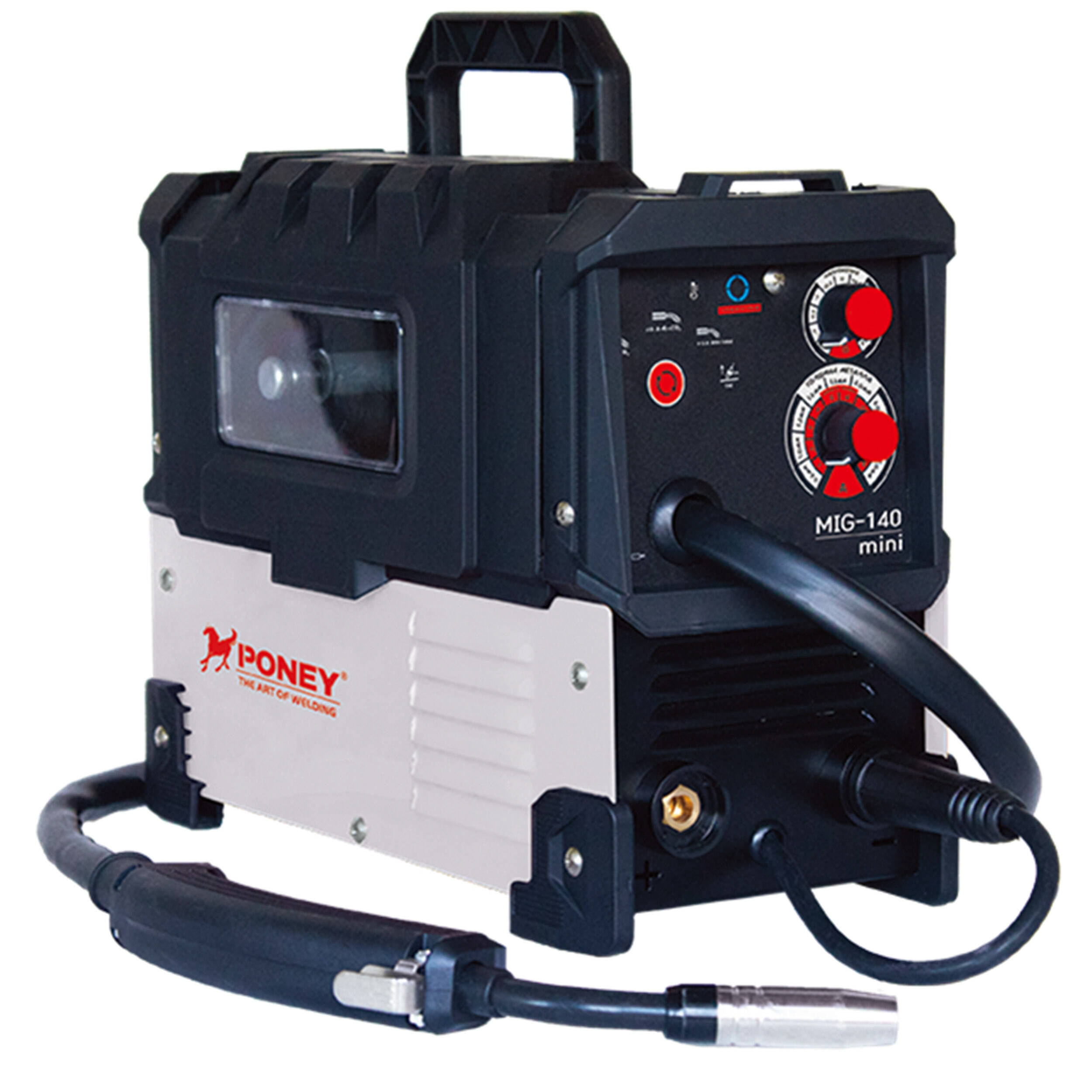
Professional Aluminum Pulse MIG Welder - Advanced Welding Technology for Superior Results

Get a Free Quote

Our representative will contact you soon.
Email
Mobile/Whatsapp
Name
Company Name
Message
0/1000

aluminum pulse mig welder

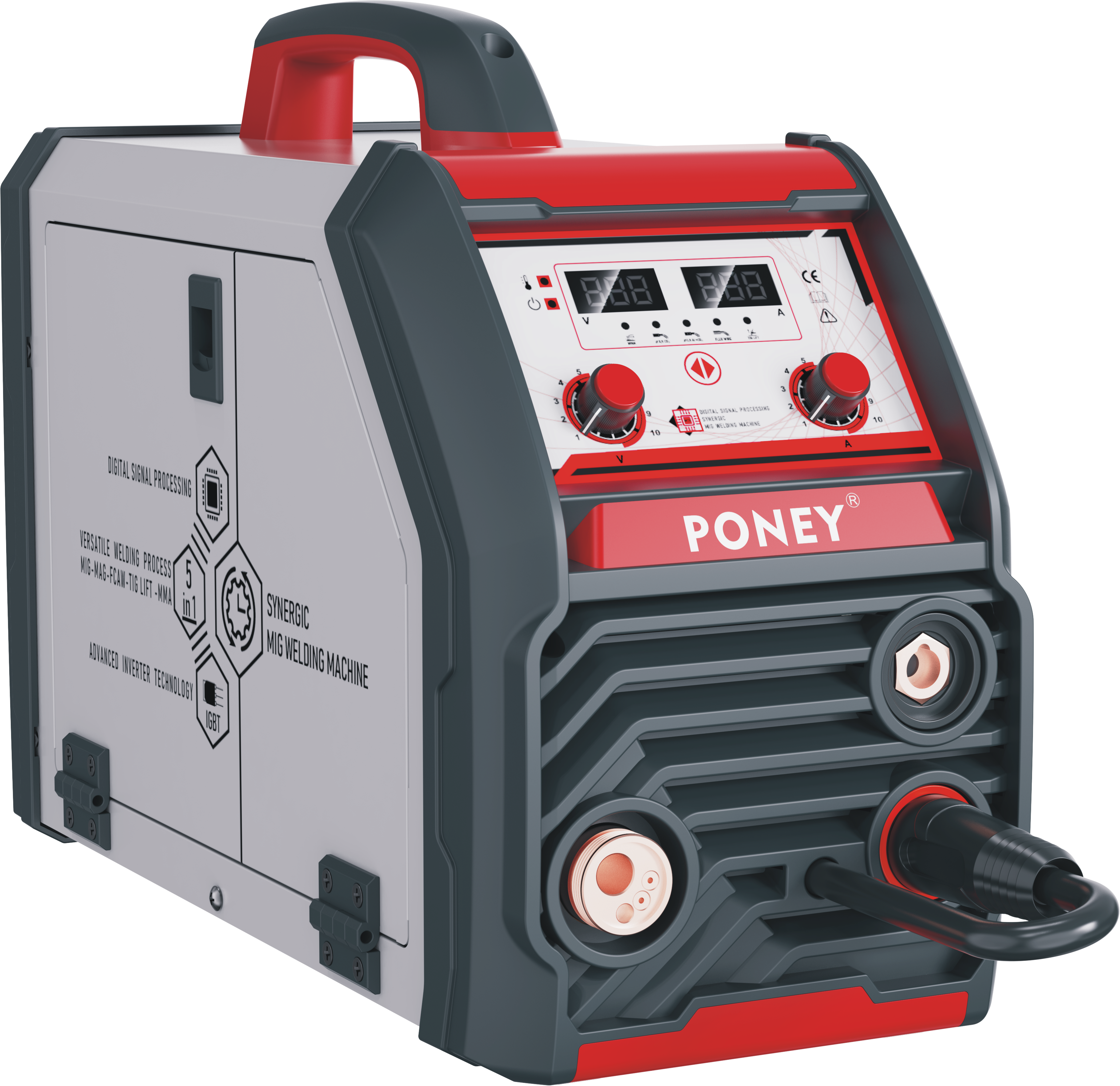
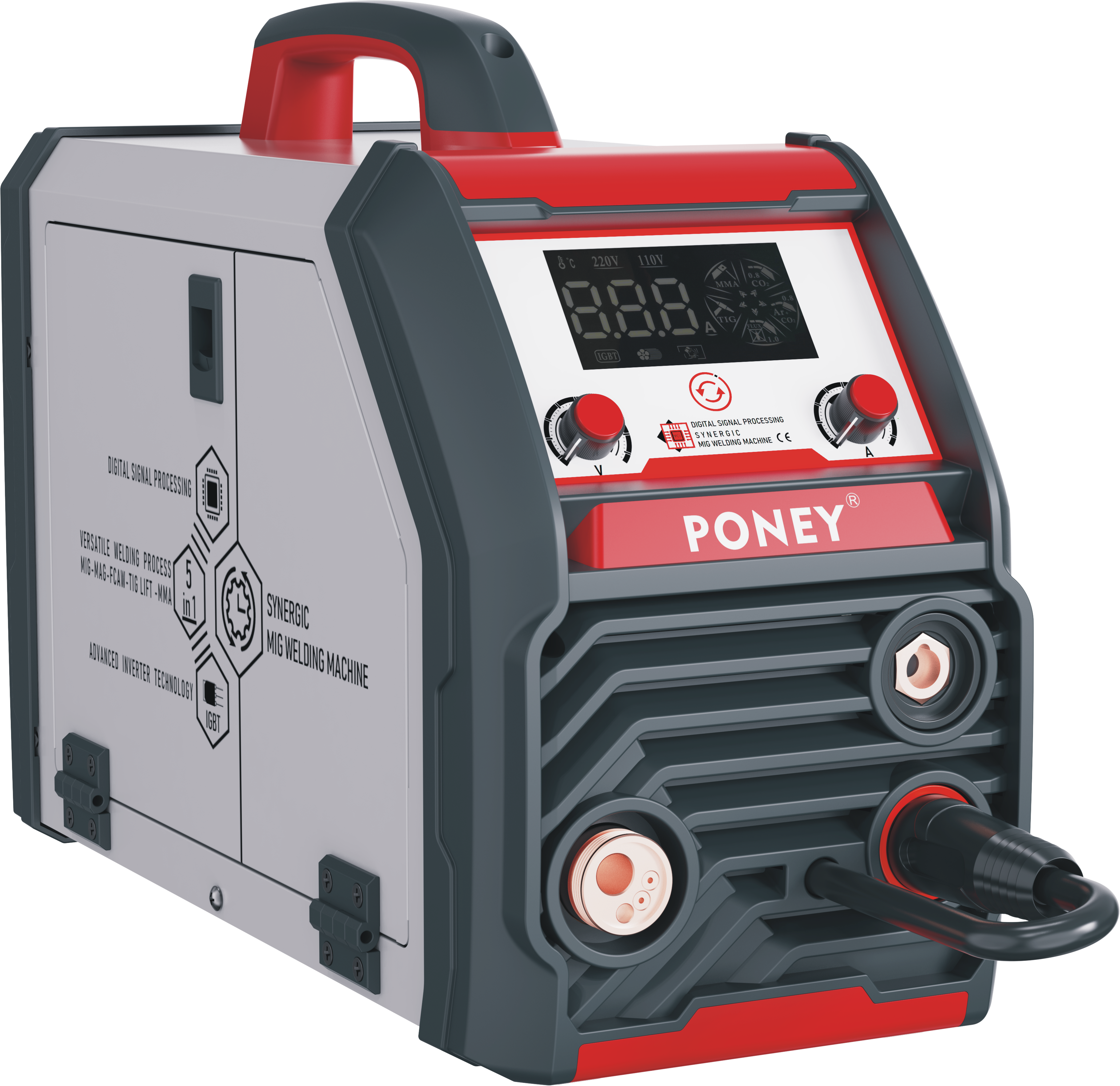
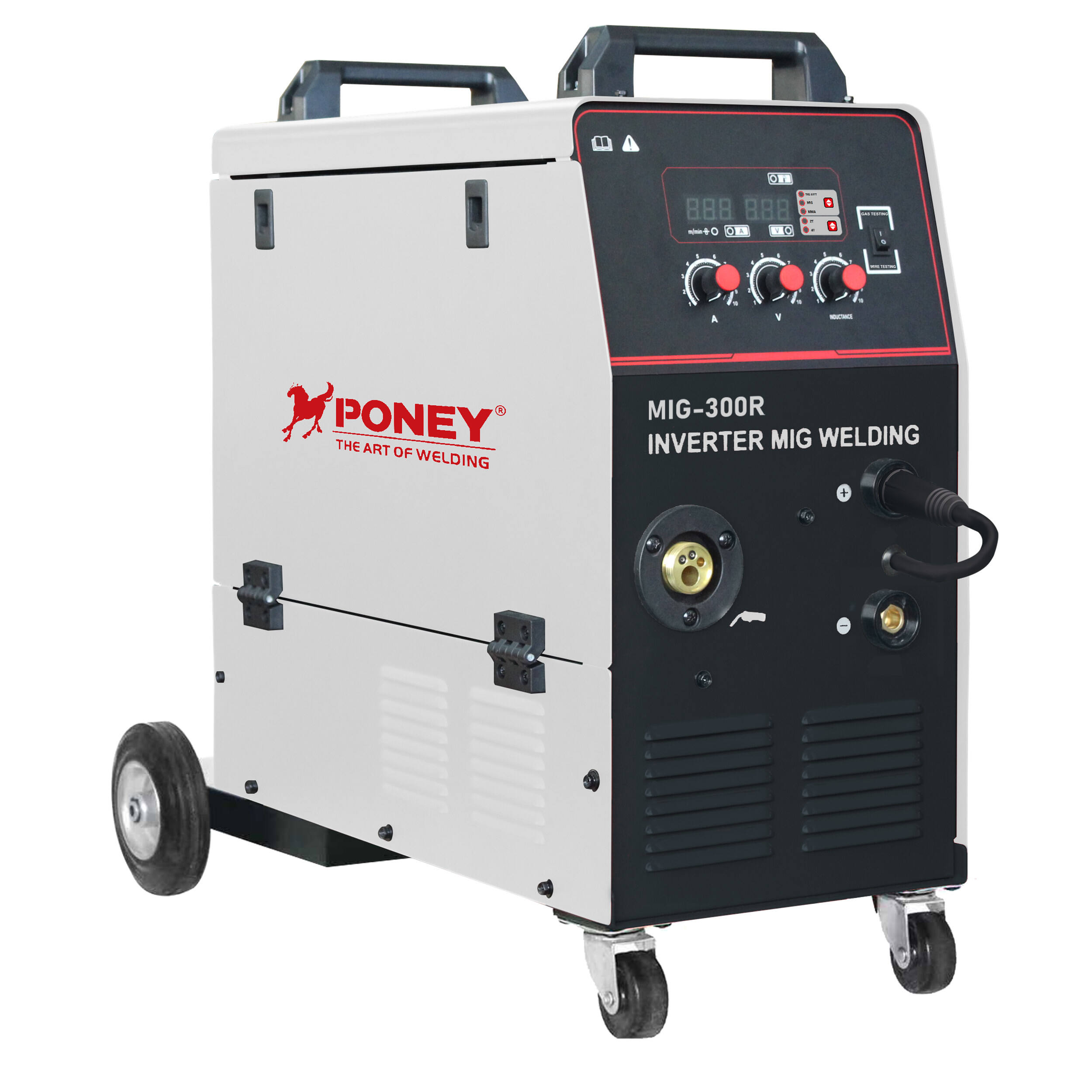
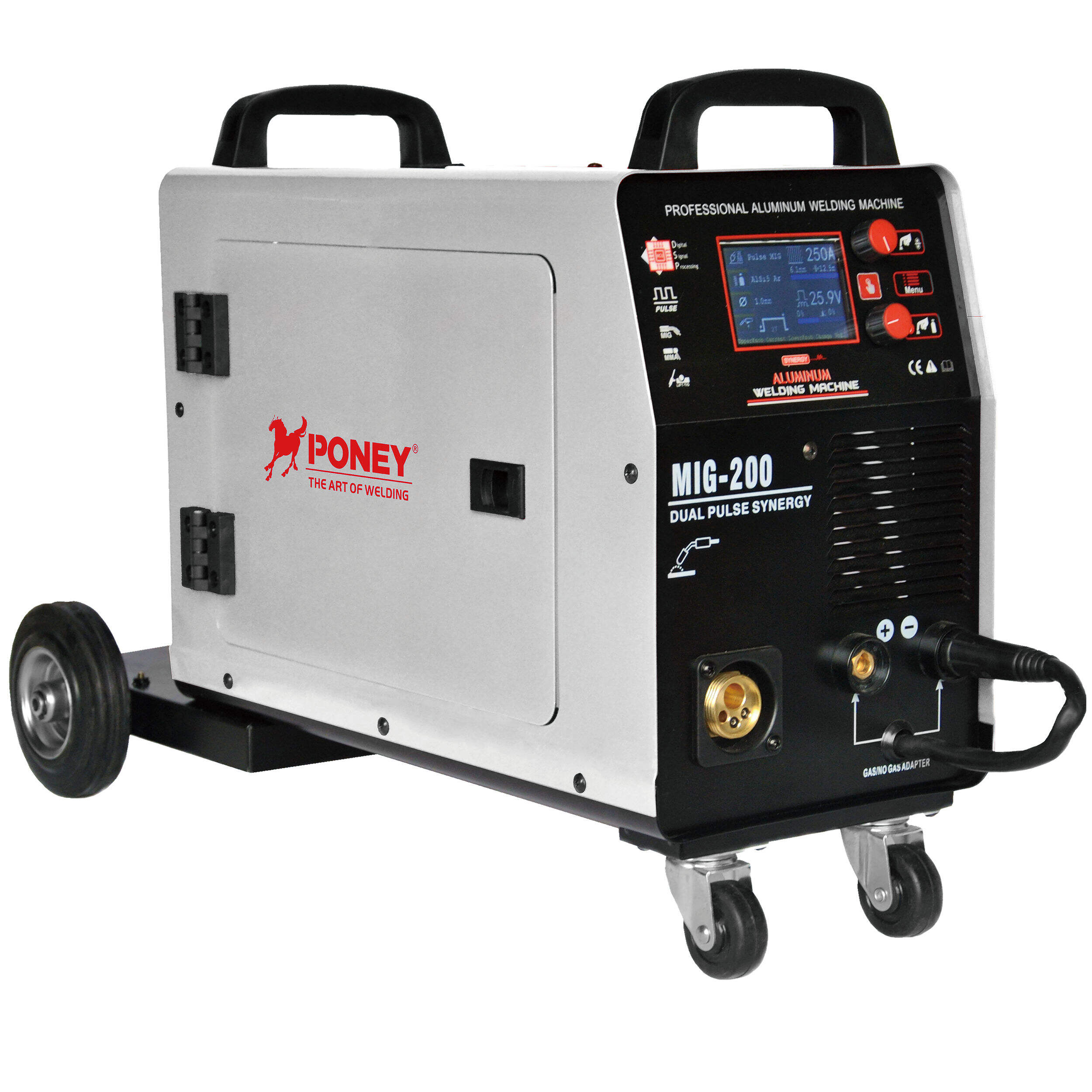
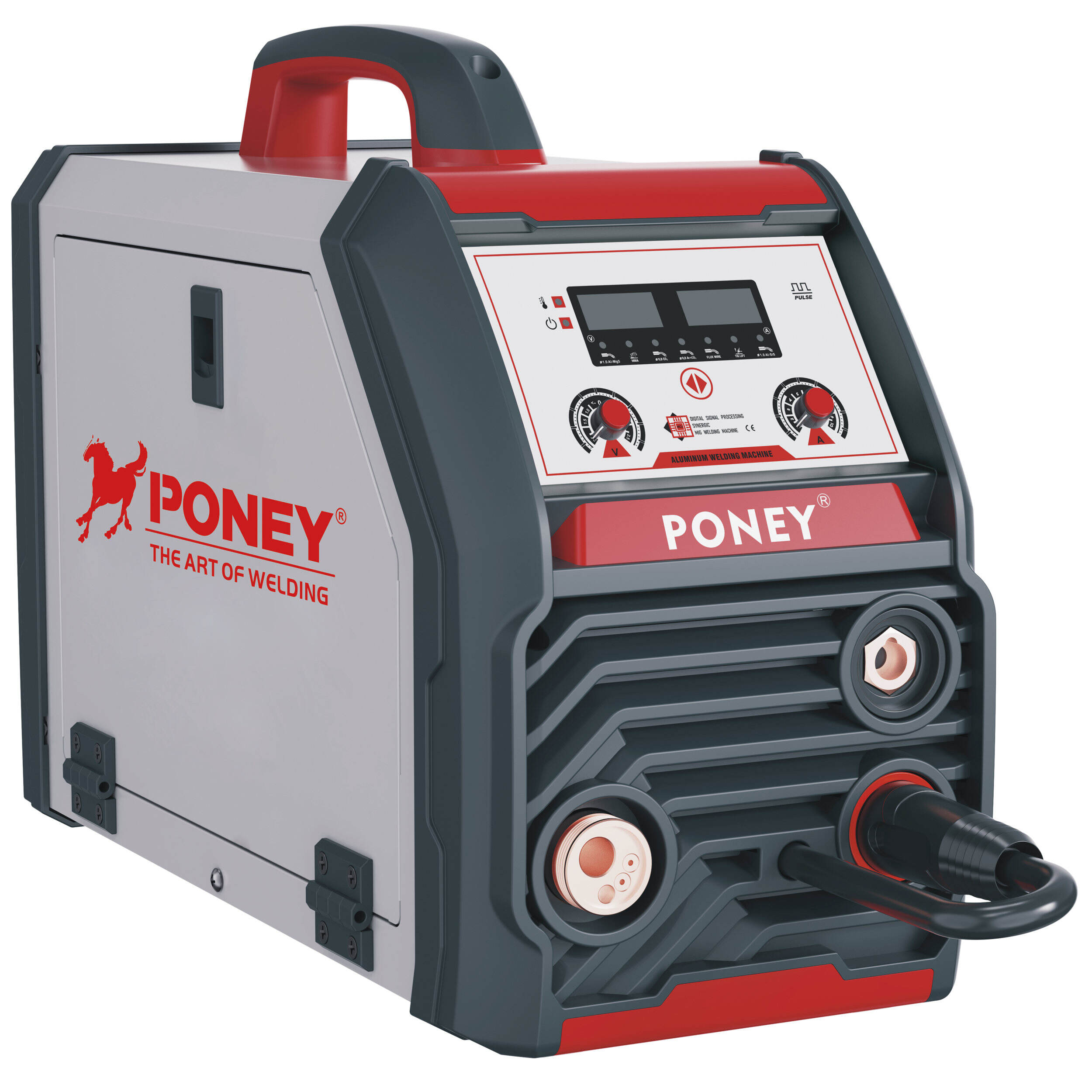
The aluminum pulse mig welder represents a sophisticated welding technology designed specifically for working with aluminum materials. This advanced welding system combines traditional MIG welding principles with pulse technology to create superior welds on aluminum components. The aluminum pulse mig welder operates by delivering controlled electrical pulses that alternate between high peak currents and low background currents, creating a spray transfer mode that works exceptionally well with aluminum alloys. The main functions of an aluminum pulse mig welder include precise heat control, reduced spatter production, and enhanced penetration control. The pulsed current waveform allows welders to achieve consistent arc stability while minimizing heat input, which is crucial when working with aluminum's high thermal conductivity. The technological features of modern aluminum pulse mig welders include advanced inverter technology, digital controls, and synergic programs that automatically adjust welding parameters based on material thickness and wire diameter. Many units feature specialized aluminum welding programs that optimize pulse frequency, peak current, and background current for different aluminum alloys. The aluminum pulse mig welder also incorporates advanced wire feeding systems designed to handle soft aluminum wires without causing feeding issues. Applications for aluminum pulse mig welders span across multiple industries including automotive manufacturing, aerospace fabrication, marine construction, and architectural metalwork. These welders excel in joining aluminum sheets, plates, and structural components where quality and appearance are paramount. The automotive industry relies heavily on aluminum pulse mig welders for manufacturing lightweight vehicle components, while the aerospace sector uses them for aircraft frame construction and repair work. Marine applications benefit from the corrosion-resistant welds produced by aluminum pulse mig welders, making them ideal for boat hulls and deck structures. The versatility of the aluminum pulse mig welder makes it suitable for both thin sheet metal work and thicker structural applications, providing consistent results across varying material thicknesses.

New Products

The aluminum pulse mig welder offers numerous practical advantages that make it an essential tool for professional welders and fabricators. The primary benefit lies in its ability to produce clean, high-quality welds with minimal post-weld cleanup requirements. The pulsed current technology significantly reduces spatter formation, which means less time spent grinding and cleaning finished welds, directly translating to increased productivity and cost savings. The aluminum pulse mig welder provides superior arc stability compared to conventional MIG welders, allowing operators to maintain consistent weld quality even in challenging positions or when welding thin materials. This stability results from the controlled energy delivery that prevents burn-through while ensuring adequate penetration. Heat management represents another crucial advantage of the aluminum pulse mig welder. The pulsed current waveform delivers energy in controlled bursts, allowing the base material to cool between pulses, which minimizes warping and distortion in heat-sensitive aluminum components. This feature proves particularly valuable when welding thin aluminum sheets or complex geometries where dimensional accuracy is critical. The aluminum pulse mig welder also excels in versatility, handling a wide range of aluminum thicknesses from thin gauge materials to heavy structural components without requiring extensive parameter adjustments. The synergic controls automatically optimize welding parameters based on material specifications, reducing setup time and eliminating guesswork for operators. Economic benefits include reduced consumable costs due to lower spatter rates and improved deposition efficiency. The aluminum pulse mig welder typically achieves higher travel speeds than conventional welders, increasing overall productivity while maintaining weld quality. The improved penetration characteristics reduce the need for multiple passes on thicker materials, saving both time and filler metal. Operator comfort and safety improve with aluminum pulse mig welders due to reduced fume generation and lower noise levels compared to traditional welding processes. The stable arc produces less ultraviolet radiation fluctuation, creating a more comfortable working environment. Training requirements are minimized thanks to user-friendly interfaces and preset programs that guide operators through optimal parameter selection. The aluminum pulse mig welder also demonstrates excellent performance in out-of-position welding, maintaining stable arc characteristics in vertical and overhead positions where conventional MIG welding might struggle.

Practical Tips

PONEY Upholds Tradition of Excellence

26

Jan

PONEY Upholds Tradition of Excellence

View More
PONEY Welcomes Core Procurement Delegation from Georgia, Signing Cooperation to Open a New Chapter

26

Jan

PONEY Welcomes Core Procurement Delegation from Georgia, Signing Cooperation to Open a New Chapter

View More
Ingenuity Forges a New Chapter! PONEY's New Product Launch Conference Concludes Successfully, with Two Flagship Welding Machines Stealing the Show

26

Jan

Ingenuity Forges a New Chapter! PONEY's New Product Launch Conference Concludes Successfully, with Two Flagship Welding Machines Stealing the Show

View More

Get a Free Quote

Our representative will contact you soon.
Email
Mobile/Whatsapp
Name
Company Name
Message
0/1000

aluminum pulse mig welder

Advanced Pulse Technology for Superior Weld Quality

Advanced Pulse Technology for Superior Weld Quality

The advanced pulse technology integrated into the aluminum pulse mig welder revolutionizes aluminum welding by delivering precisely controlled electrical pulses that create optimal welding conditions. This sophisticated technology alternates between high peak currents and low background currents at frequencies ranging from 30 to 500 Hz, creating a controlled spray transfer that virtually eliminates spatter while ensuring deep penetration and excellent fusion characteristics. The pulse technology in the aluminum pulse mig welder works by maintaining the arc during the low background current phase while transferring metal during the high peak current pulse, resulting in one droplet transfer per pulse cycle. This controlled transfer mechanism prevents the irregular droplet transfer associated with conventional MIG welding, which often leads to spatter and inconsistent bead appearance. The aluminum pulse mig welder utilizes advanced waveform control algorithms that optimize pulse parameters based on wire diameter, welding current, and material thickness, ensuring consistent results regardless of operator skill level. The pulse frequency can be adjusted to match the specific requirements of different aluminum alloys, with higher frequencies typically used for thin materials and lower frequencies for thicker sections. This technology also enables the aluminum pulse mig welder to operate at lower average currents while maintaining the same penetration characteristics as conventional high-current welding, resulting in reduced heat input and minimized distortion. The precise energy control offered by pulse technology makes the aluminum pulse mig welder ideal for welding heat-sensitive components where maintaining material properties is crucial. Additionally, the controlled metal transfer reduces oxidation during the welding process, producing cleaner welds with better mechanical properties and improved corrosion resistance. The pulse technology also enhances the aluminum pulse mig welder's ability to bridge gaps and handle fit-up variations, making it more forgiving of joint preparation inconsistencies while maintaining structural integrity.
Intelligent Synergic Control System

Intelligent Synergic Control System

The intelligent synergic control system represents a breakthrough feature in modern aluminum pulse mig welders, providing automated parameter optimization that simplifies operation while ensuring consistent, high-quality results. This sophisticated system automatically calculates and adjusts all welding parameters including voltage, wire feed speed, pulse frequency, and gas flow based on operator inputs of material thickness and wire diameter. The synergic control in the aluminum pulse mig welder eliminates the traditional trial-and-error approach to parameter selection, reducing setup time and minimizing wasted materials during the tuning process. The system stores multiple welding programs specifically optimized for different aluminum alloys, including 1100, 3003, 5052, 5083, 5356, and 6061 series, each with tailored parameters that account for the unique characteristics of these materials. The aluminum pulse mig welder's synergic system continuously monitors arc conditions and makes real-time adjustments to maintain optimal performance, compensating for variables such as contact tip wear, gas flow fluctuations, and power supply variations. Advanced models feature adaptive control that learns from operator preferences and welding conditions, gradually refining parameters to match specific application requirements. The synergic control also incorporates comprehensive job memory functions, allowing operators to save and recall custom parameter sets for recurring applications, further enhancing productivity and consistency. The aluminum pulse mig welder's intelligent system includes diagnostic capabilities that monitor consumable condition, gas supply status, and equipment performance, providing early warning alerts for maintenance requirements. The user interface typically features color displays with graphical parameter representation, making it easy for operators to understand and modify settings when necessary. The synergic control system also enables the aluminum pulse mig welder to automatically adjust for different welding positions, optimizing parameters for flat, horizontal, vertical, and overhead welding to maintain consistent penetration and bead profile regardless of joint orientation.
Enhanced Wire Feeding System for Aluminum Applications

Enhanced Wire Feeding System for Aluminum Applications

The enhanced wire feeding system in aluminum pulse mig welders addresses the unique challenges associated with feeding soft aluminum wire, incorporating specialized components and design features that ensure consistent, trouble-free operation. Aluminum welding wire is significantly softer than steel wire and prone to tangling, binding, and feeding irregularities that can disrupt the welding process and compromise weld quality. The aluminum pulse mig welder features a four-roll drive system with specially designed grooves that provide gentle yet secure grip on the aluminum wire without causing deformation or surface damage. The drive rolls typically feature a U-groove or V-groove profile optimized for aluminum wire diameters, ensuring consistent feeding pressure and preventing wire crushing that could lead to feeding problems. The aluminum pulse mig welder incorporates a push-pull wire feeding system for longer cable applications, combining a standard wire feeder with a remote pull unit located near the welding gun to maintain consistent wire speed and prevent wire buckling in the cable liner. The liner system uses specialized materials such as Teflon or nylon that provide smooth, low-friction surfaces to minimize wire feeding resistance and prevent aluminum particles from building up inside the liner. The aluminum pulse mig welder's wire feeding system also includes advanced speed control algorithms that maintain precise wire feed rates even under varying arc load conditions, ensuring consistent metal deposition rates and preventing wire stubbing or burn-back issues. The system features adjustable wire feed tension controls that allow operators to optimize feeding pressure for different wire sizes and types, accommodating both standard and specialized aluminum alloys. Many aluminum pulse mig welders include wire feed monitoring systems that detect feeding irregularities and automatically adjust parameters or alert operators to potential issues before they affect weld quality. The enhanced feeding system also incorporates specialized contact tips designed for aluminum applications, featuring larger internal diameters and smoother bore finishes that reduce wire friction and extend tip life while maintaining accurate wire positioning for consistent arc starting and stability.

Get a Free Quote

Our representative will contact you soon.
Email
Mobile/Whatsapp
Name
Company Name
Message
0/1000