Professional Plasma Cutting Tables - Precision Metal Fabrication Solutions

Get a Free Quote

Our representative will contact you soon.
Email
Mobile/Whatsapp
Name
Company Name
Message
0/1000

plasma cutting tables

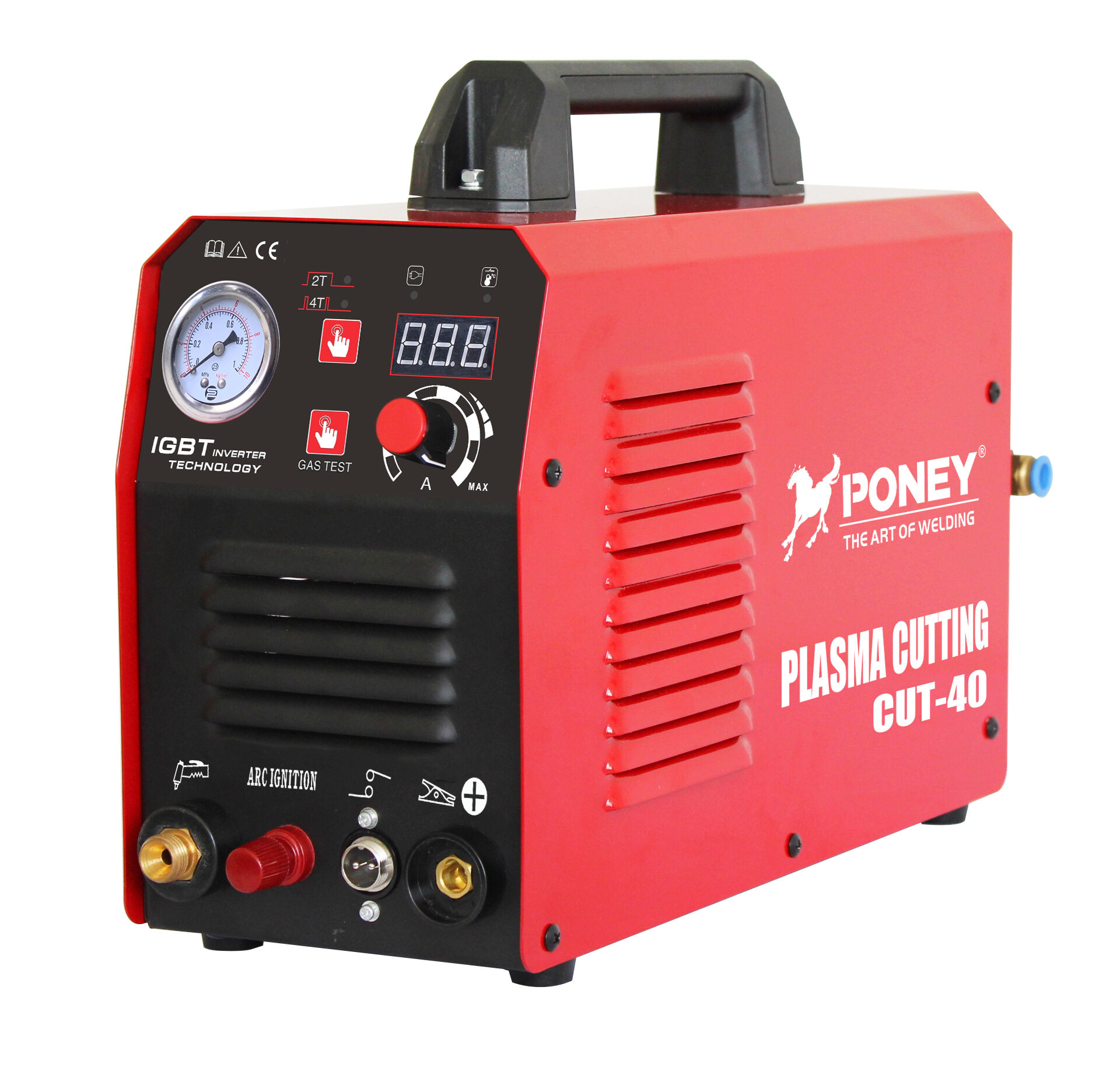
Plasma cutting tables represent a sophisticated manufacturing solution that combines precision cutting technology with robust worksurface design to deliver exceptional metalworking capabilities. These specialized workstations integrate plasma arc cutting systems with engineered table surfaces, creating a comprehensive platform for processing various metal materials with remarkable accuracy and efficiency. The primary function of plasma cutting tables centers on providing a stable, controlled environment where plasma torches can execute precise cuts through conductive materials including steel, aluminum, copper, and stainless steel. The technological foundation relies on creating an electrical arc between an electrode and the workpiece, generating plasma temperatures exceeding 20,000 degrees Celsius to melt and blow away material along predetermined cut paths. Modern plasma cutting tables incorporate advanced CNC control systems that enable automated cutting operations, allowing operators to input digital designs and execute complex geometries with consistent repeatability. The table surface typically features a grid-like construction with removable slats or water-filled chambers that support the workpiece while allowing cut-off pieces to fall away safely. Water tables offer additional benefits by reducing heat distortion, minimizing harmful fumes, and extending consumable life through temperature control. These systems accommodate various material thicknesses, from thin gauge sheets to heavy plates measuring several inches thick, making them versatile tools for diverse industrial applications. Integration capabilities allow plasma cutting tables to work seamlessly with CAD software, enabling direct transfer of design files to cutting programs. Safety features include enclosed cutting areas, fume extraction systems, and emergency stop controls that protect operators while maintaining productivity. The combination of automated positioning, precise torch control, and optimized cutting parameters ensures consistent edge quality and dimensional accuracy across production runs, establishing plasma cutting tables as essential equipment for modern fabrication facilities.

Popular Products

Plasma cutting tables deliver substantial operational benefits that directly impact manufacturing efficiency and profitability for businesses across various industries. The speed advantage stands out immediately, as these systems cut through metal materials significantly faster than traditional mechanical cutting methods. A plasma cutting table can slice through one-inch steel at rates exceeding 20 inches per minute, dramatically reducing production time compared to sawing or shearing operations. This velocity translates into higher throughput and faster project completion, allowing businesses to meet tight deadlines and increase their competitive edge in the marketplace. Cost effectiveness represents another major advantage, as plasma cutting tables eliminate many expenses associated with conventional cutting methods. The process requires no expensive tooling, dies, or blades that need regular replacement, reducing ongoing operational costs. Additionally, the minimal material waste generated by narrow kerf widths maximizes raw material utilization, providing substantial savings on expensive metals. Labor efficiency improves significantly with automated plasma cutting tables, as one operator can manage multiple cutting operations simultaneously while the CNC system handles precise positioning and cutting execution. This capability allows skilled workers to focus on setup, programming, and quality control rather than manual cutting tasks. Versatility emerges as a critical advantage, enabling plasma cutting tables to process various metal types and thicknesses without requiring different tooling or extensive reconfiguration. From thin decorative panels to thick structural components, these systems adapt to diverse cutting requirements with simple program changes. Precision capabilities ensure consistent cut quality with minimal edge preparation required for most applications. The clean, smooth cuts produced by properly configured plasma cutting tables often eliminate secondary finishing operations, streamlining production workflows. Maintenance requirements remain relatively low compared to mechanical cutting equipment, as plasma systems have fewer moving parts and consumables that require regular attention. The digital integration capabilities of modern plasma cutting tables enable seamless connection with design software, inventory management systems, and production scheduling platforms, creating an integrated manufacturing environment. Environmental benefits include reduced noise levels compared to mechanical cutting methods and the ability to capture and filter harmful fumes when properly equipped with ventilation systems. These advantages combine to create a compelling value proposition for manufacturers seeking to improve productivity, reduce costs, and enhance their competitive position in today's demanding marketplace.

Latest News

PONEY Upholds Tradition of Excellence

26

Jan

PONEY Upholds Tradition of Excellence

View More
PONEY Welcomes Core Procurement Delegation from Georgia, Signing Cooperation to Open a New Chapter

26

Jan

PONEY Welcomes Core Procurement Delegation from Georgia, Signing Cooperation to Open a New Chapter

View More
Ingenuity Forges a New Chapter! PONEY's New Product Launch Conference Concludes Successfully, with Two Flagship Welding Machines Stealing the Show

26

Jan

Ingenuity Forges a New Chapter! PONEY's New Product Launch Conference Concludes Successfully, with Two Flagship Welding Machines Stealing the Show

View More

Get a Free Quote

Our representative will contact you soon.
Email
Mobile/Whatsapp
Name
Company Name
Message
0/1000

plasma cutting tables

Advanced CNC Control Systems for Precision Manufacturing

Advanced CNC Control Systems for Precision Manufacturing

The integration of sophisticated Computer Numerical Control systems represents the technological heart of modern plasma cutting tables, transforming these workstations into precision manufacturing centers capable of executing complex cutting operations with exceptional accuracy and repeatability. These advanced control systems utilize powerful processors and specialized software to interpret digital design files, automatically generating optimized cutting paths that maximize material utilization while maintaining precise dimensional tolerances. The CNC controller manages every aspect of the cutting process, from initial material positioning through final cut completion, ensuring consistent results regardless of operator skill level. Multi-axis control capabilities enable the system to manipulate both the cutting torch and workpiece positioning, allowing for beveled cuts, complex geometries, and three-dimensional cutting operations that would be impossible with manual methods. Real-time monitoring systems continuously track cutting parameters including arc voltage, cutting speed, and torch height, making automatic adjustments to maintain optimal cutting conditions throughout the entire operation. This intelligent control prevents common cutting defects such as excessive dross formation, beveled edges, or incomplete penetration that can occur with manual cutting techniques. The programming interface typically features intuitive software that allows operators to import CAD files directly, eliminating time-consuming manual programming and reducing the potential for human error. Nesting software automatically arranges multiple parts on the material sheet to minimize waste, calculating the most efficient cutting sequence to reduce torch travel time and maximize productivity. Advanced features include pierce point optimization, lead-in and lead-out programming, and automatic tool path compensation that accounts for kerf width to ensure accurate final dimensions. The system stores cutting programs for future use, enabling rapid setup for repeat jobs and maintaining consistent quality across production runs. Diagnostic capabilities provide detailed feedback on system performance, tracking consumable life, maintenance schedules, and production statistics that help optimize operational efficiency. Remote monitoring capabilities allow supervisors to track cutting progress and receive alerts for maintenance requirements or operational issues, enabling proactive management of production schedules. These sophisticated control systems transform plasma cutting tables from simple cutting tools into comprehensive manufacturing solutions that deliver the precision, efficiency, and reliability required for competitive modern manufacturing operations.
Versatile Material Processing Capabilities

Versatile Material Processing Capabilities

The exceptional material versatility of plasma cutting tables establishes them as indispensable tools for manufacturers working with diverse metal types, thicknesses, and applications across multiple industries. Unlike mechanical cutting methods that require specific tooling for different materials, plasma cutting tables utilize the fundamental properties of electrical conductivity to process virtually any conductive metal with remarkable efficiency and precision. Steel processing represents the most common application, with capabilities extending from thin gauge automotive panels measuring just 16 gauge up to massive structural plates exceeding four inches in thickness. The plasma arc easily penetrates carbon steel, providing clean cuts with minimal heat-affected zones that preserve material properties near the cut edge. Stainless steel cutting showcases the system's ability to handle challenging materials that resist traditional cutting methods, delivering smooth edges with reduced oxidation compared to flame cutting alternatives. Aluminum processing benefits tremendously from plasma cutting technology, as the high-energy arc easily overcomes aluminum's high thermal conductivity and oxide layer formation that complicates other cutting processes. The speed advantages become particularly pronounced when cutting aluminum, with plasma systems achieving cutting rates several times faster than mechanical methods while producing superior edge quality. Copper and brass cutting capabilities expand the application range to electrical components, plumbing fixtures, and decorative applications where precision and finish quality are paramount. Exotic alloys including Inconel, Hastelloy, and other high-performance materials used in aerospace and chemical processing applications can be processed effectively with properly configured plasma cutting tables. The thickness range accommodation spans from delicate 20-gauge sheet metal up to plates measuring six inches or more, depending on the plasma system power rating and configuration. Each material type benefits from optimized cutting parameters stored in the control system's extensive database, ensuring consistent results without extensive operator expertise in metallurgy or cutting science. The ability to switch between materials requires only program selection and minor consumable changes, eliminating the downtime associated with tooling changes in mechanical systems. Bevel cutting capabilities enable the processing of materials requiring angled edges for welding preparation or architectural applications, expanding the range of finished products possible with a single machine setup. This comprehensive material processing versatility enables manufacturers to consolidate multiple cutting operations into a single workstation, reducing equipment investment, floor space requirements, and operator training needs while maintaining the highest standards of cut quality and dimensional accuracy.
Enhanced Safety Features and Operational Protection

Enhanced Safety Features and Operational Protection

Modern plasma cutting tables incorporate comprehensive safety systems designed to protect operators, equipment, and the surrounding work environment while maintaining peak operational efficiency and regulatory compliance. The enclosed cutting environment represents the primary safety barrier, utilizing protective curtains or solid barriers that contain the intense light, sparks, and fumes generated during plasma cutting operations. These enclosures feature specially designed viewing windows with appropriate filter ratings that allow operators to monitor cutting progress without exposure to harmful ultraviolet and infrared radiation that can cause eye damage or skin burns. Automatic torch height control systems maintain optimal cutting distances while preventing torch collisions with the workpiece or cutting table surface, protecting expensive consumable components from damage and eliminating potential safety hazards from improper torch positioning. Emergency stop systems provide immediate shutdown capability through strategically placed buttons and safety switches that operators can activate quickly in emergency situations, instantly de-energizing all cutting circuits and stopping all mechanical motion. Fume extraction systems capture and filter harmful gases and particulates generated during the cutting process, maintaining air quality within acceptable occupational exposure limits and protecting operator health. These ventilation systems typically include multi-stage filtration that removes both visible particles and invisible toxic gases, with monitoring systems that alert operators to filter replacement requirements or system malfunctions. Fire suppression integration capabilities allow plasma cutting tables to connect with facility fire protection systems, providing automatic shutdown and suppression activation in case of fire detection. Ground fault circuit protection prevents electrical hazards by immediately disconnecting power when electrical leakage is detected, protecting operators from shock hazards and preventing equipment damage. Plasma gas handling systems include pressure relief valves, leak detection sensors, and automatic shutoff valves that prevent dangerous gas accumulations and maintain safe operating pressures throughout the cutting system. Workpiece clamping and support systems prevent material movement during cutting operations, eliminating the safety risks associated with shifting materials and ensuring consistent cut quality. Training and certification programs help operators understand proper safety procedures, emergency responses, and maintenance requirements, creating a culture of safety awareness that reduces accident rates and improves overall workplace safety. Documentation and compliance features help facilities maintain required safety records, inspection schedules, and regulatory compliance, ensuring that plasma cutting table operations meet all applicable occupational safety and health standards while protecting both workers and business operations from liability and regulatory violations.

Get a Free Quote

Our representative will contact you soon.
Email
Mobile/Whatsapp
Name
Company Name
Message
0/1000