Complete Guide to MIG Welder Types: Features, Benefits & Applications | Professional Welding Equipment

Get a Free Quote

Our representative will contact you soon.
Email
Mobile/Whatsapp
Name
Company Name
Message
0/1000

mig welder types

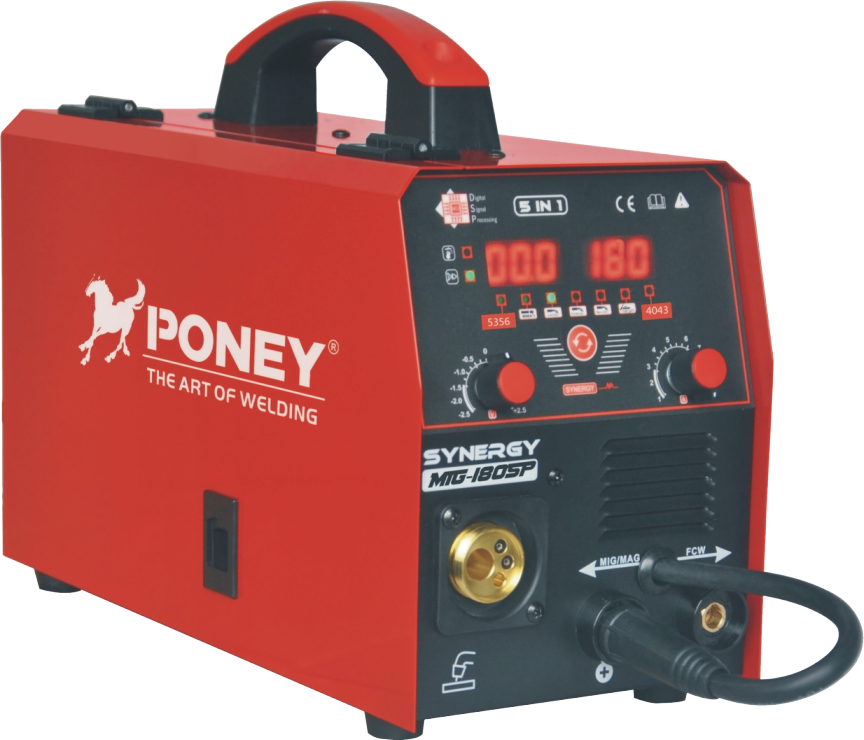
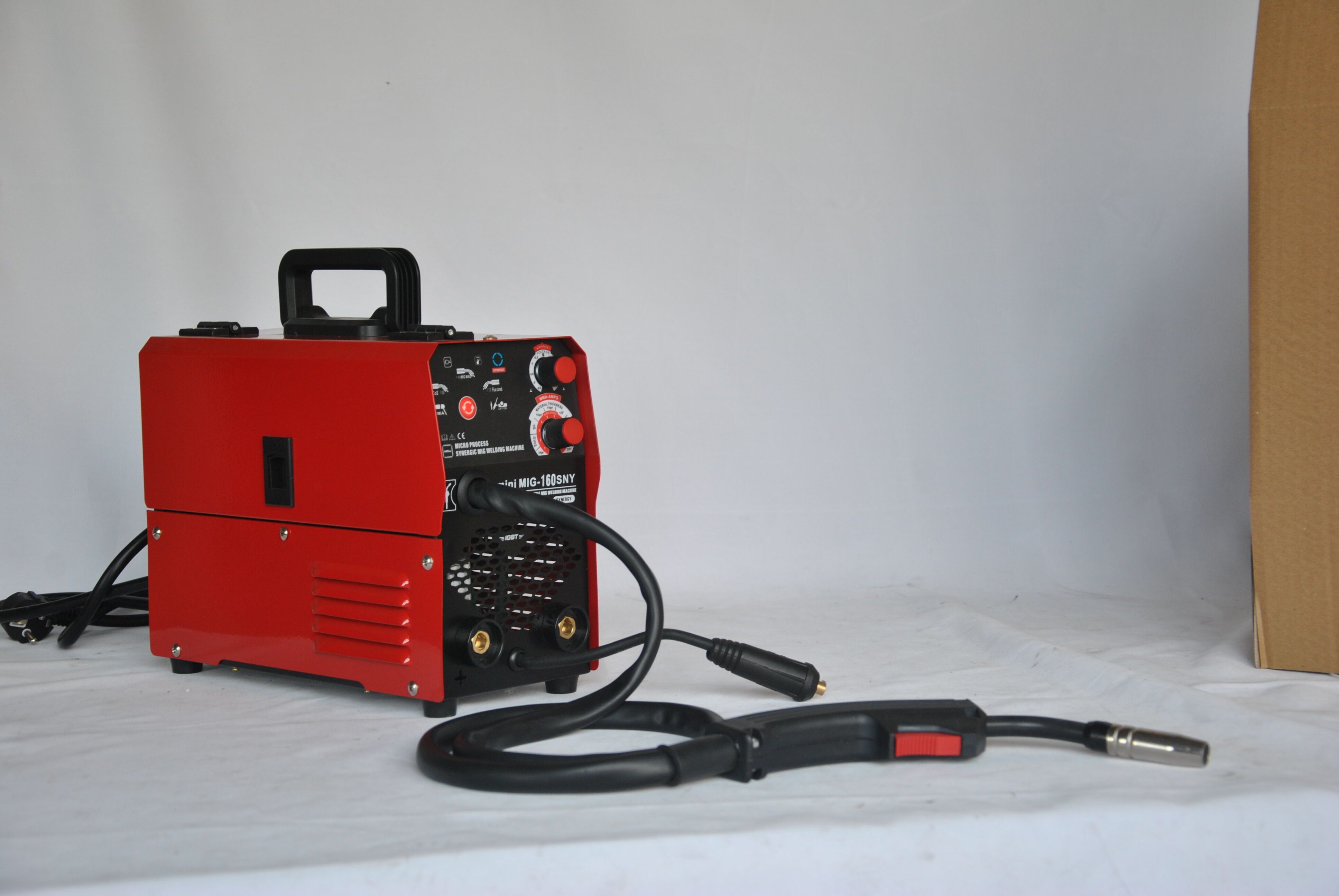
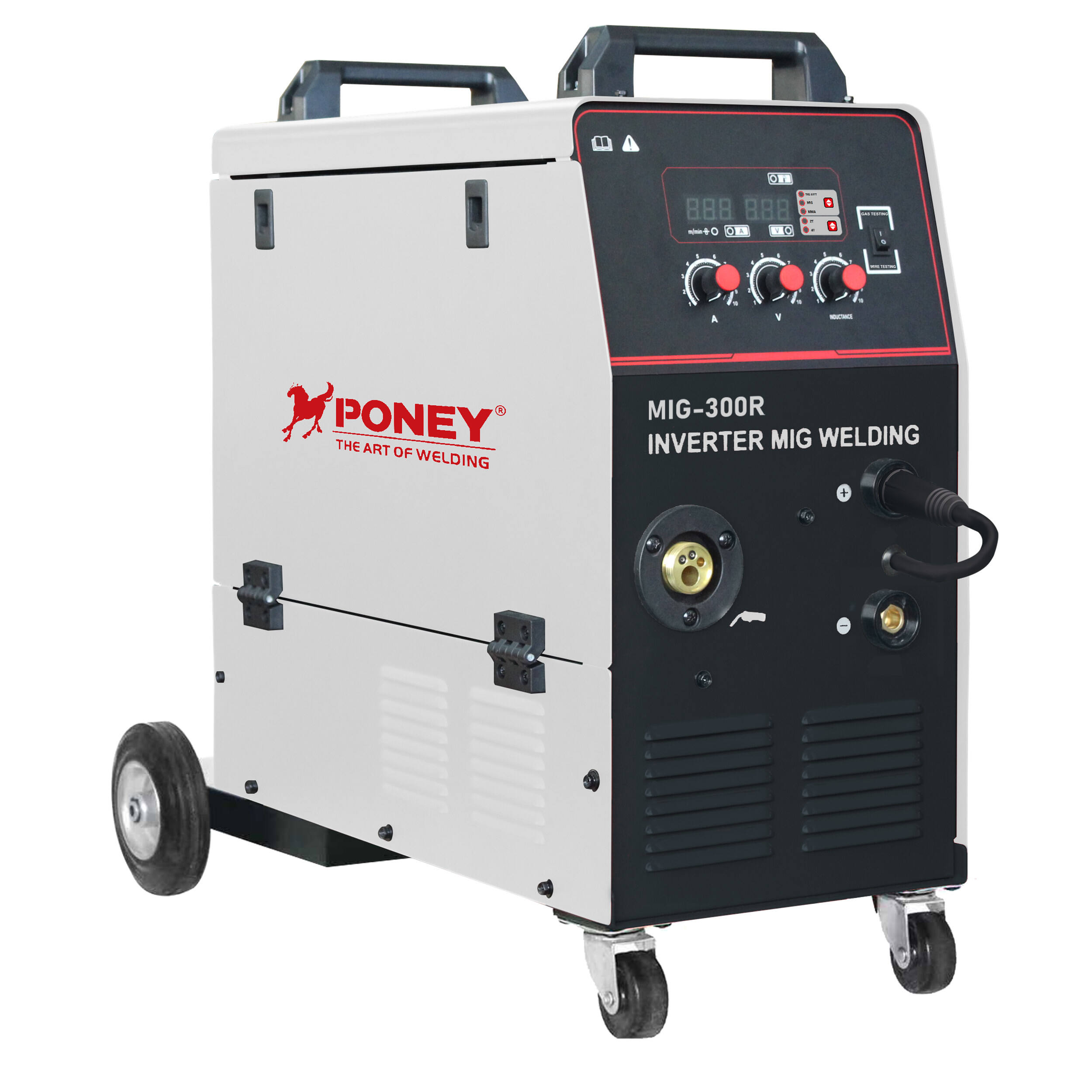
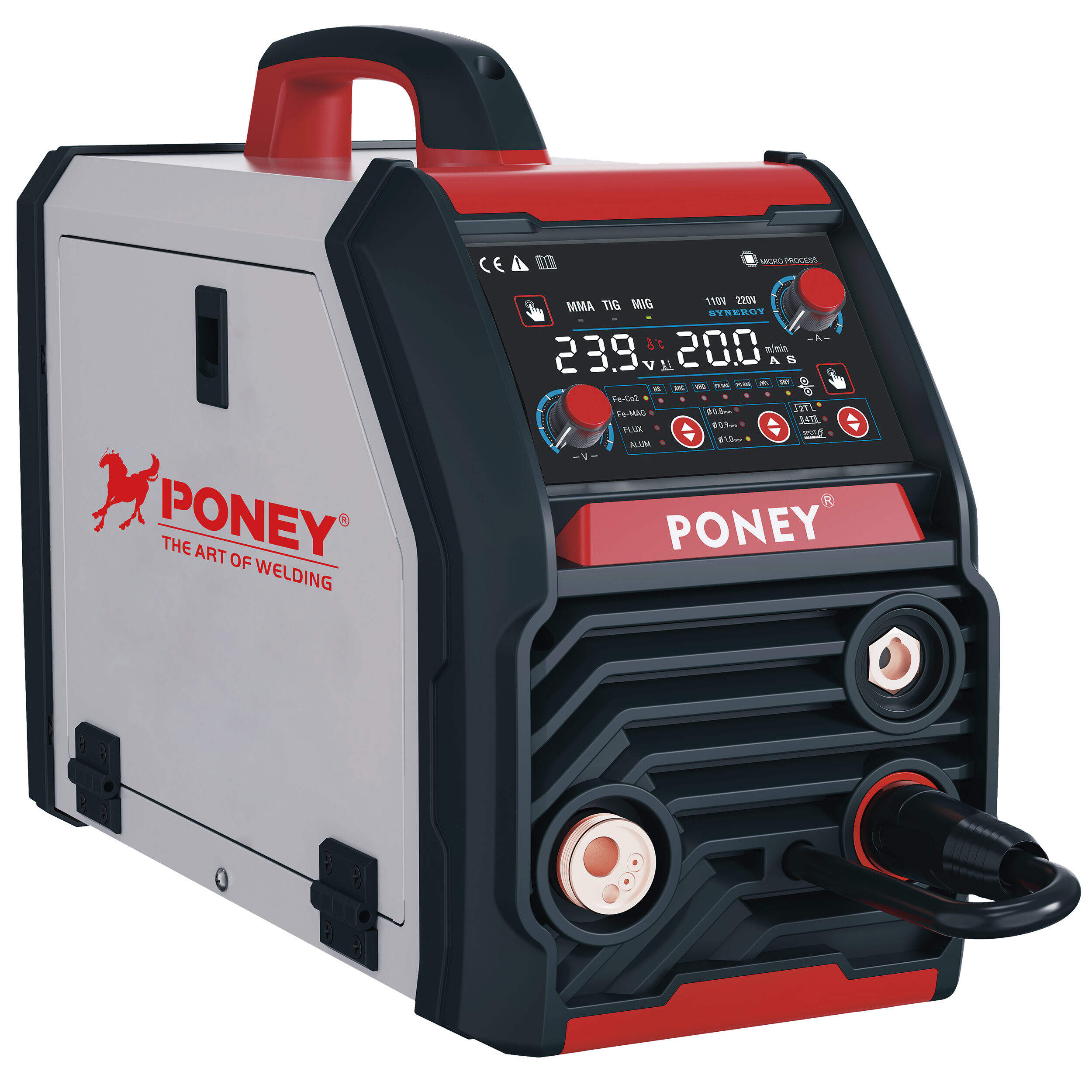
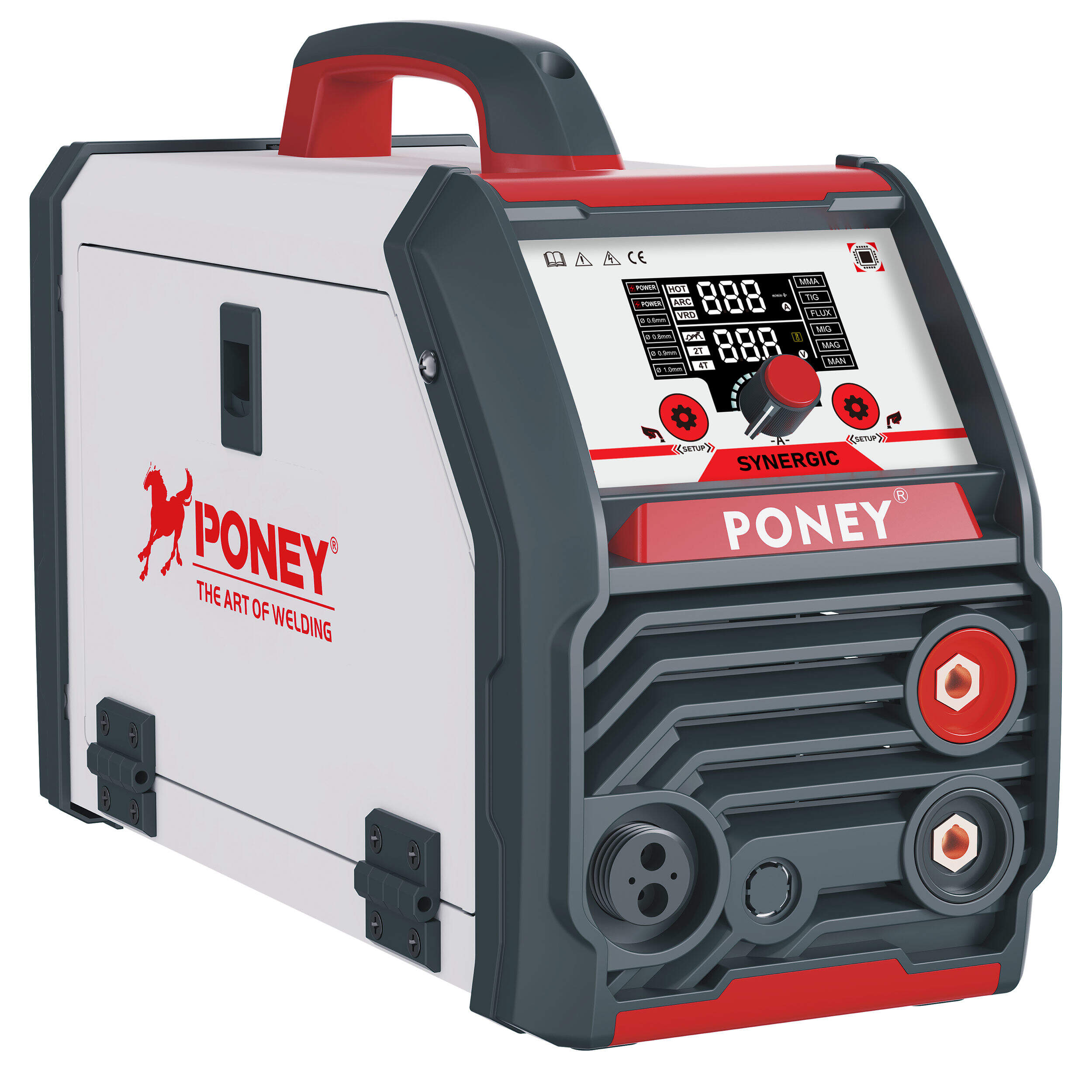
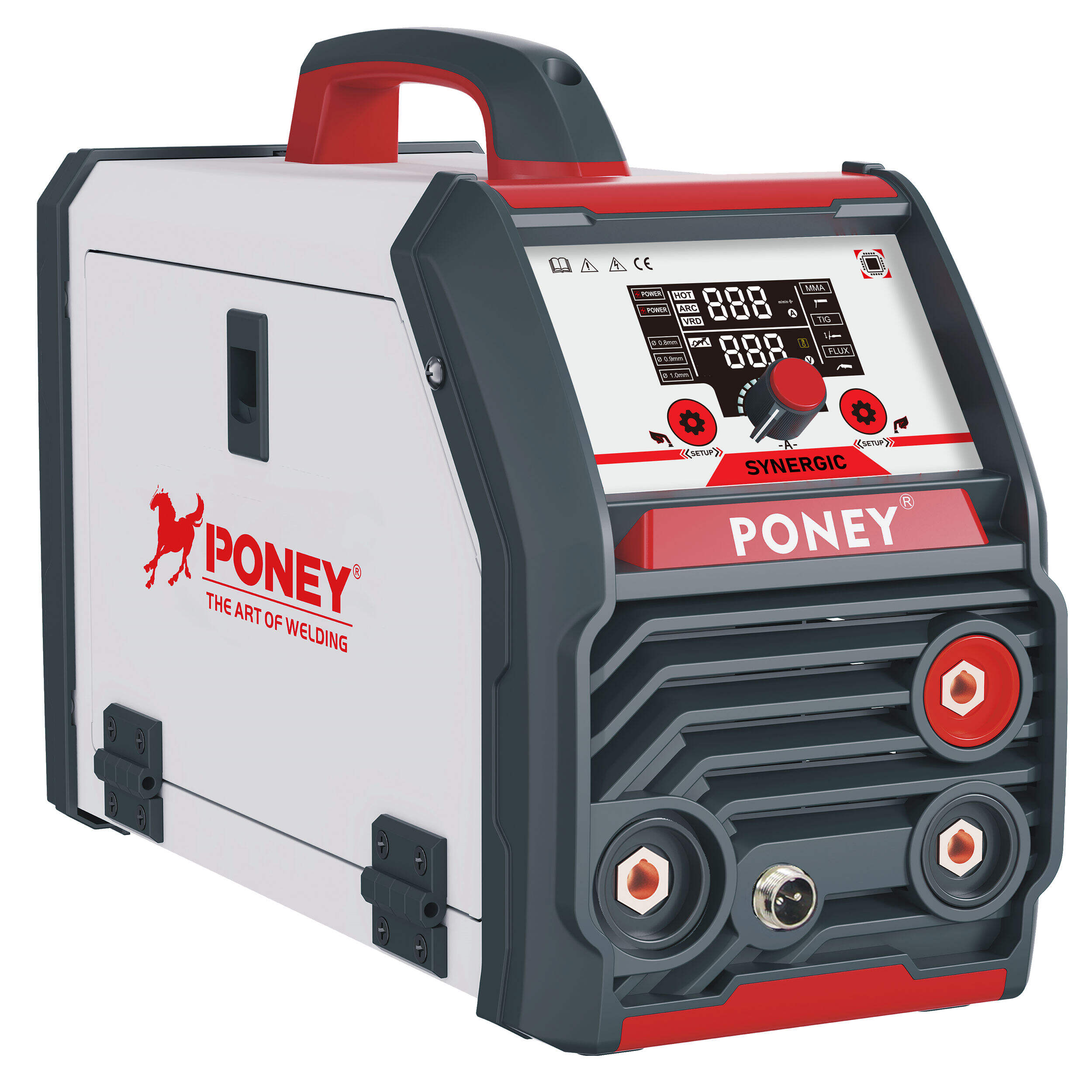
MIG welder types encompass a diverse range of metal inert gas welding machines designed to meet various industrial and hobbyist applications. These sophisticated welding systems utilize a continuous wire electrode fed through a welding gun, combined with an inert gas shield to protect the weld pool from atmospheric contamination. The primary function of mig welder types involves creating strong, clean welds on multiple metal surfaces including steel, aluminum, and stainless steel. Modern mig welder types feature advanced technological capabilities such as digital displays, programmable settings, and automatic voltage regulation systems. These welding machines operate by establishing an electric arc between the consumable wire electrode and the workpiece, melting both materials to form a permanent metallurgical bond. The gas shielding system, typically using argon, carbon dioxide, or mixed gases, prevents oxidation and ensures superior weld quality. Professional mig welder types offer variable voltage and wire feed speed controls, allowing operators to fine-tune parameters for different material thicknesses and joint configurations. Contemporary models incorporate inverter technology, reducing overall weight while improving energy efficiency and arc stability. Many mig welder types feature dual voltage capabilities, operating on both 110V and 220V power sources for enhanced versatility. Advanced units include synergic control systems that automatically adjust welding parameters based on material type and thickness selections. Industrial mig welder types often incorporate water-cooling systems for extended duty cycles and consistent performance during heavy-use applications. The technological evolution of mig welder types has introduced features like pulse welding modes, which reduce heat input and minimize distortion on thin materials. Safety features integrated into modern mig welder types include thermal overload protection, voltage fluctuation safeguards, and comprehensive diagnostic systems. These welding machines find extensive applications across automotive repair, construction, manufacturing, shipbuilding, and artistic metalworking industries.

Popular Products

MIG welder types offer numerous practical advantages that make them essential tools for professional welders and DIY enthusiasts alike. These welding machines provide exceptional versatility, enabling operators to work with various metal types and thicknesses using a single piece of equipment. The continuous wire feed mechanism eliminates frequent electrode changes, significantly increasing productivity and reducing downtime compared to traditional stick welding methods. Modern mig welder types deliver superior weld quality with minimal spatter, creating clean, aesthetically pleasing joints that require less post-weld cleanup. The automated wire feeding system allows for faster welding speeds, making these machines ideal for production environments where efficiency directly impacts profitability. Users benefit from the ease of operation that mig welder types provide, as the learning curve remains relatively gentle compared to other welding processes. The gas shielding system ensures consistent arc stability, resulting in uniform penetration and stronger welds across different materials. Advanced mig welder types feature intuitive controls with preset programs for common applications, enabling even novice operators to achieve professional results quickly. These welding systems offer excellent control over heat input, preventing burn-through on thin materials while ensuring adequate penetration on thicker sections. The portability of many mig welder types allows for on-site welding operations, eliminating the need to transport heavy workpieces to fixed welding stations. Energy efficiency represents another significant advantage, as modern inverter-based mig welder types consume less power while maintaining superior performance characteristics. The ability to weld in all positions makes these machines suitable for complex projects requiring overhead, vertical, and horizontal welding techniques. Maintenance requirements for mig welder types remain minimal, with most units requiring only basic cleaning and occasional consumable replacements. The cost-effectiveness of mig welder types becomes apparent through reduced material waste, faster completion times, and lower operating expenses compared to alternative welding methods. These machines excel in high-volume production scenarios where consistent quality and speed are paramount.

Practical Tips

PONEY Upholds Tradition of Excellence

26

Jan

PONEY Upholds Tradition of Excellence

View More
PONEY Welcomes Core Procurement Delegation from Georgia, Signing Cooperation to Open a New Chapter

26

Jan

PONEY Welcomes Core Procurement Delegation from Georgia, Signing Cooperation to Open a New Chapter

View More
Ingenuity Forges a New Chapter! PONEY's New Product Launch Conference Concludes Successfully, with Two Flagship Welding Machines Stealing the Show

26

Jan

Ingenuity Forges a New Chapter! PONEY's New Product Launch Conference Concludes Successfully, with Two Flagship Welding Machines Stealing the Show

View More

Get a Free Quote

Our representative will contact you soon.
Email
Mobile/Whatsapp
Name
Company Name
Message
0/1000

mig welder types

Advanced Digital Control Systems with Precision Parameter Management

Advanced Digital Control Systems with Precision Parameter Management

Modern mig welder types incorporate sophisticated digital control systems that revolutionize welding precision and operator experience. These advanced control interfaces feature high-resolution LCD displays providing real-time monitoring of critical welding parameters including voltage, amperage, wire feed speed, and gas flow rates. The digital systems allow operators to store multiple welding programs tailored for specific materials and thicknesses, enabling quick setup transitions between different projects. Synergic control technology automatically calculates optimal welding parameters when operators input material type and thickness, eliminating guesswork and ensuring consistent results regardless of operator experience level. The precision parameter management extends to fine-tuning capabilities, where experienced welders can adjust settings in incremental steps to achieve perfect arc characteristics for specialized applications. Many mig welder types feature memory banks storing hundreds of welding procedures, complete with recommended gas mixtures and consumable specifications. The digital interfaces provide comprehensive diagnostic information, alerting operators to potential issues before they affect weld quality or equipment performance. Advanced models include connectivity options allowing remote monitoring and parameter adjustment through smartphone applications or computer interfaces. The control systems incorporate adaptive algorithms that automatically compensate for voltage fluctuations and environmental conditions, maintaining stable arc performance throughout extended welding sessions. Error detection and prevention systems built into these mig welder types identify common operator mistakes and provide corrective guidance through visual and audio alerts. The digital controls enable precise documentation of welding procedures, essential for quality assurance in industrial applications where traceability is critical. Temperature monitoring systems prevent overheating by adjusting duty cycles automatically, protecting internal components while maintaining productivity. These sophisticated control systems represent a significant advancement in welding technology, making professional-grade welding capabilities accessible to operators at all skill levels while ensuring consistent, high-quality results across diverse applications.
Multi-Process Welding Capabilities with Versatile Material Compatibility

Multi-Process Welding Capabilities with Versatile Material Compatibility

Contemporary mig welder types excel through their multi-process welding capabilities, offering unprecedented versatility for diverse metalworking applications. These advanced systems seamlessly integrate MIG, flux-cored, and often TIG welding processes within a single machine platform, eliminating the need for multiple specialized units. The multi-process functionality enables operators to tackle complex projects involving different materials and joint configurations without equipment changes. Material compatibility spans across carbon steel, stainless steel, aluminum, and exotic alloys, with each process optimized for specific material characteristics and thickness ranges. The flux-cored welding capability particularly benefits outdoor applications where wind conditions might compromise gas shielding effectiveness. Modern mig welder types incorporate automatic process switching with dedicated control panels for each welding method, maintaining optimal parameters when transitioning between processes. The aluminum welding capability utilizes specialized spool gun attachments and push-pull wire feeding systems to overcome the challenges associated with soft aluminum wire handling. Advanced material recognition systems identify workpiece composition and automatically recommend appropriate welding processes and parameters. The versatility extends to accommodating various wire diameters and types, from fine 0.6mm wires for thin sheet metal to heavy 1.6mm wires for structural applications. Specialized programs within these mig welder types address specific industry requirements such as automotive body repair, heavy construction, pipeline installation, and artistic metalworking. The multi-process design incorporates independent gas delivery systems optimized for different welding methods, ensuring proper shielding regardless of the selected process. Quality control features monitor process parameters continuously, alerting operators to deviations that might compromise weld integrity. These versatile mig welder types reduce equipment investment costs while maximizing workshop capabilities, making them ideal for fabrication shops, maintenance facilities, and educational institutions requiring comprehensive welding solutions.
Enhanced Portability Design with Robust Industrial Performance

Enhanced Portability Design with Robust Industrial Performance

Modern mig welder types achieve an optimal balance between portability and industrial-grade performance through innovative engineering and advanced materials. These welding systems utilize lightweight inverter technology that significantly reduces overall unit weight while maintaining powerful welding capabilities suitable for demanding industrial applications. The compact design philosophy incorporates ergonomic considerations, featuring integrated handles, balanced weight distribution, and protective casings that withstand harsh working environments. Portable mig welder types often include wheeled cart systems with secure equipment mounting, enabling easy transportation between job sites while protecting sensitive electronic components. The rugged construction employs industrial-grade materials resistant to impact, vibration, and environmental factors commonly encountered in construction and field welding scenarios. Advanced thermal management systems within portable units ensure consistent performance despite compact dimensions, utilizing efficient cooling fans and optimized airflow designs. Battery-powered options among mig welder types provide ultimate mobility for remote locations without electrical infrastructure, incorporating high-capacity lithium-ion systems with extended runtime capabilities. The portability enhancement includes quick-connect systems for gas cylinders, ground cables, and welding guns, minimizing setup time at new work locations. Weather-resistant designs protect internal electronics from moisture and dust infiltration, essential for outdoor construction and maintenance applications. Portable mig welder types maintain full industrial functionality including high duty cycles, precise parameter control, and professional weld quality despite their mobility-focused design. Integrated storage compartments accommodate essential consumables, spare parts, and accessories, creating self-contained welding systems ideal for mobile service operations. The enhanced portability extends to power connectivity options, with many units accepting various input voltages and frequencies to accommodate international electrical standards. Transportation accessories include custom carrying cases, protective covers, and mounting systems for service vehicles, ensuring equipment security during transit. These portable yet powerful mig welder types revolutionize field welding operations by bringing full workshop capabilities to remote job sites, emergency repairs, and on-location fabrication projects while maintaining the performance standards expected from stationary industrial welding equipment.

Get a Free Quote

Our representative will contact you soon.
Email
Mobile/Whatsapp
Name
Company Name
Message
0/1000