Szeroki zakres zastosowań i zgodność z materiałami
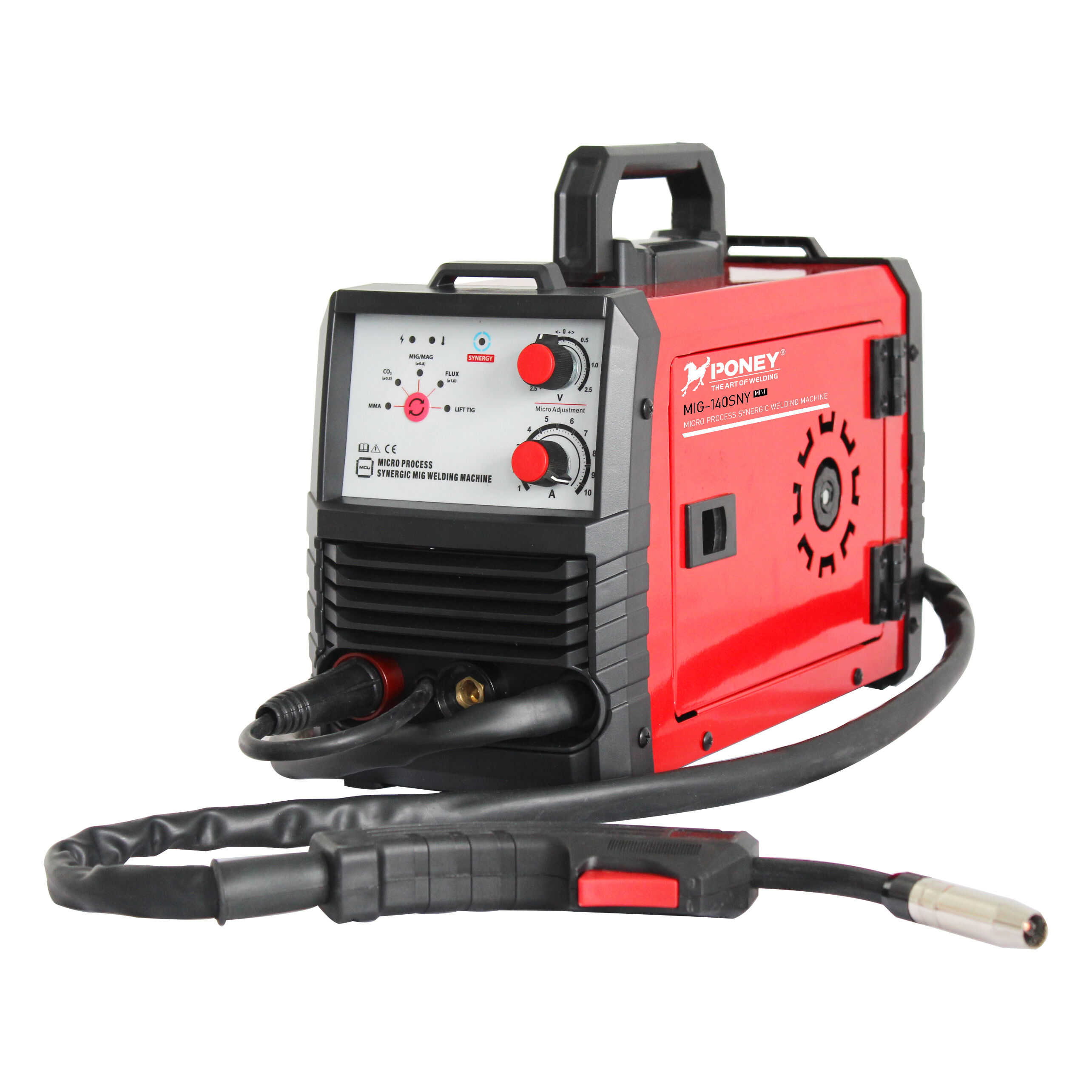
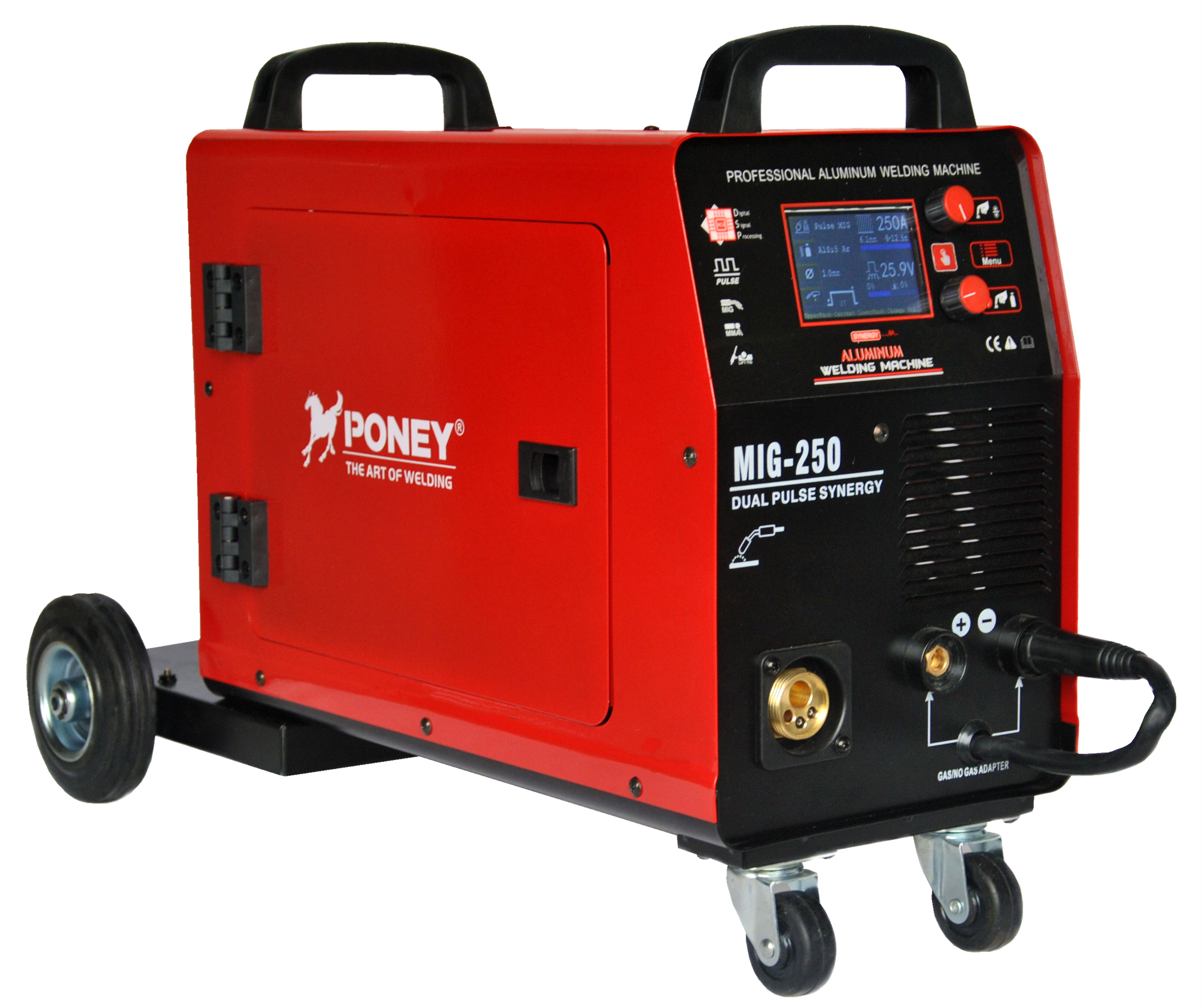
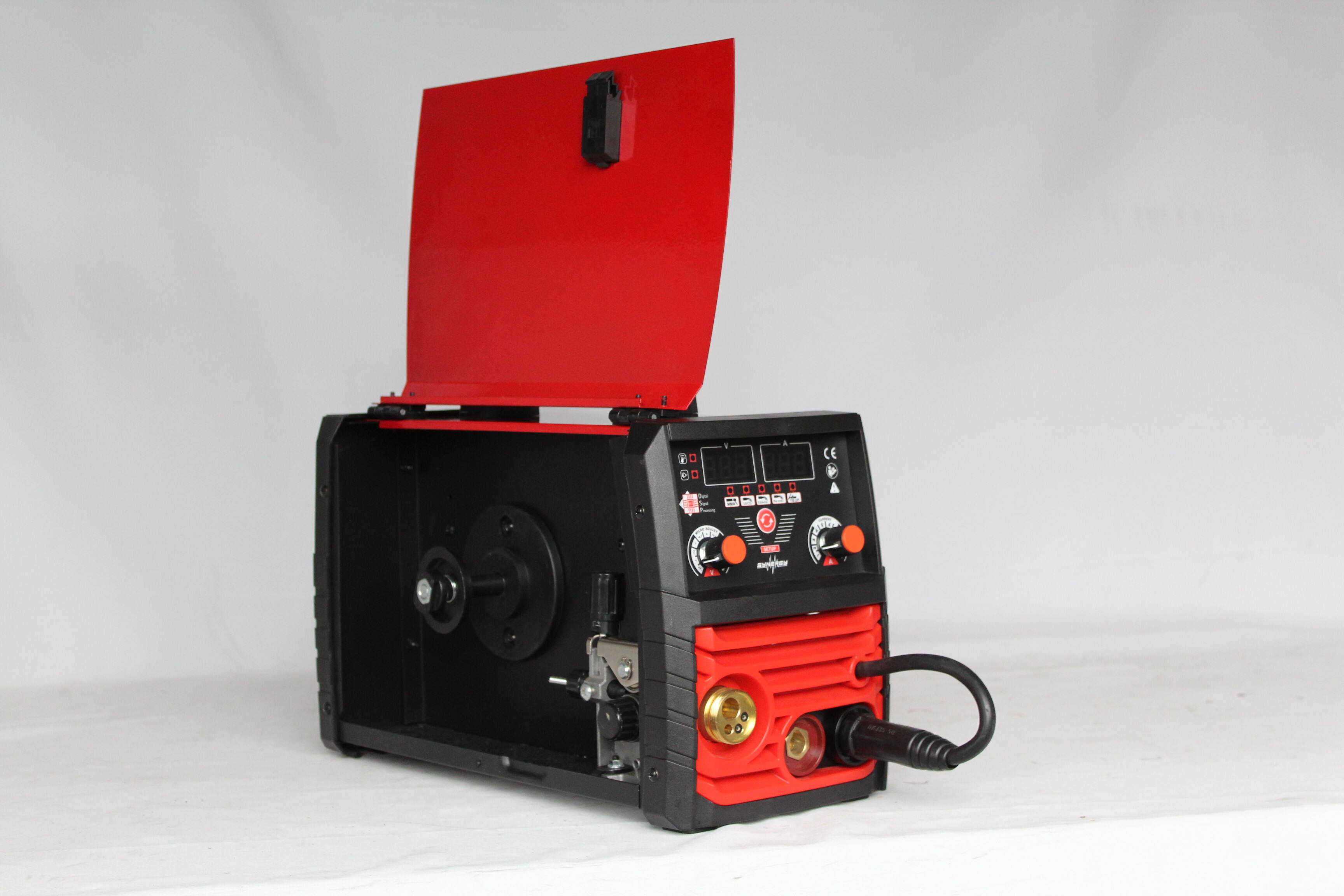
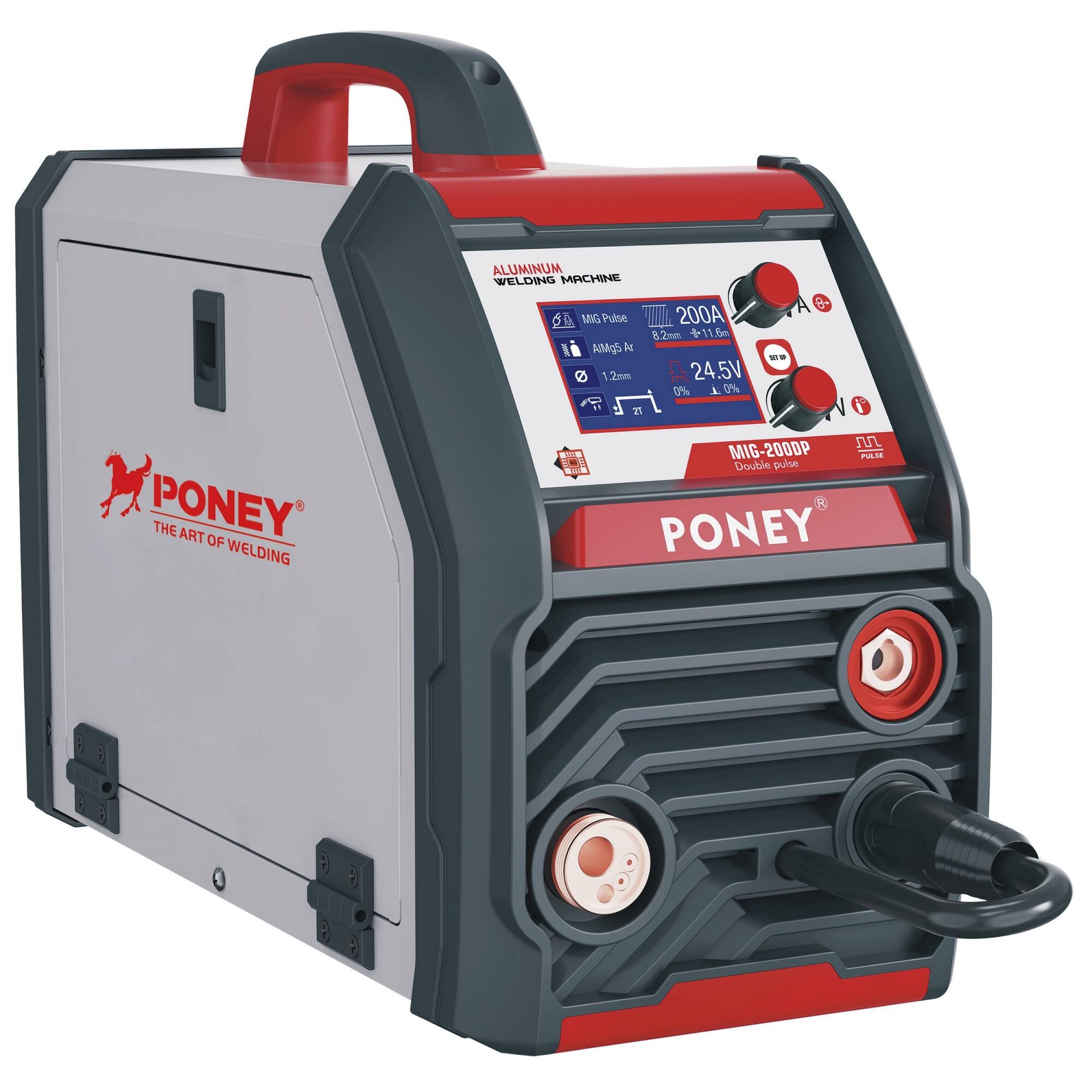
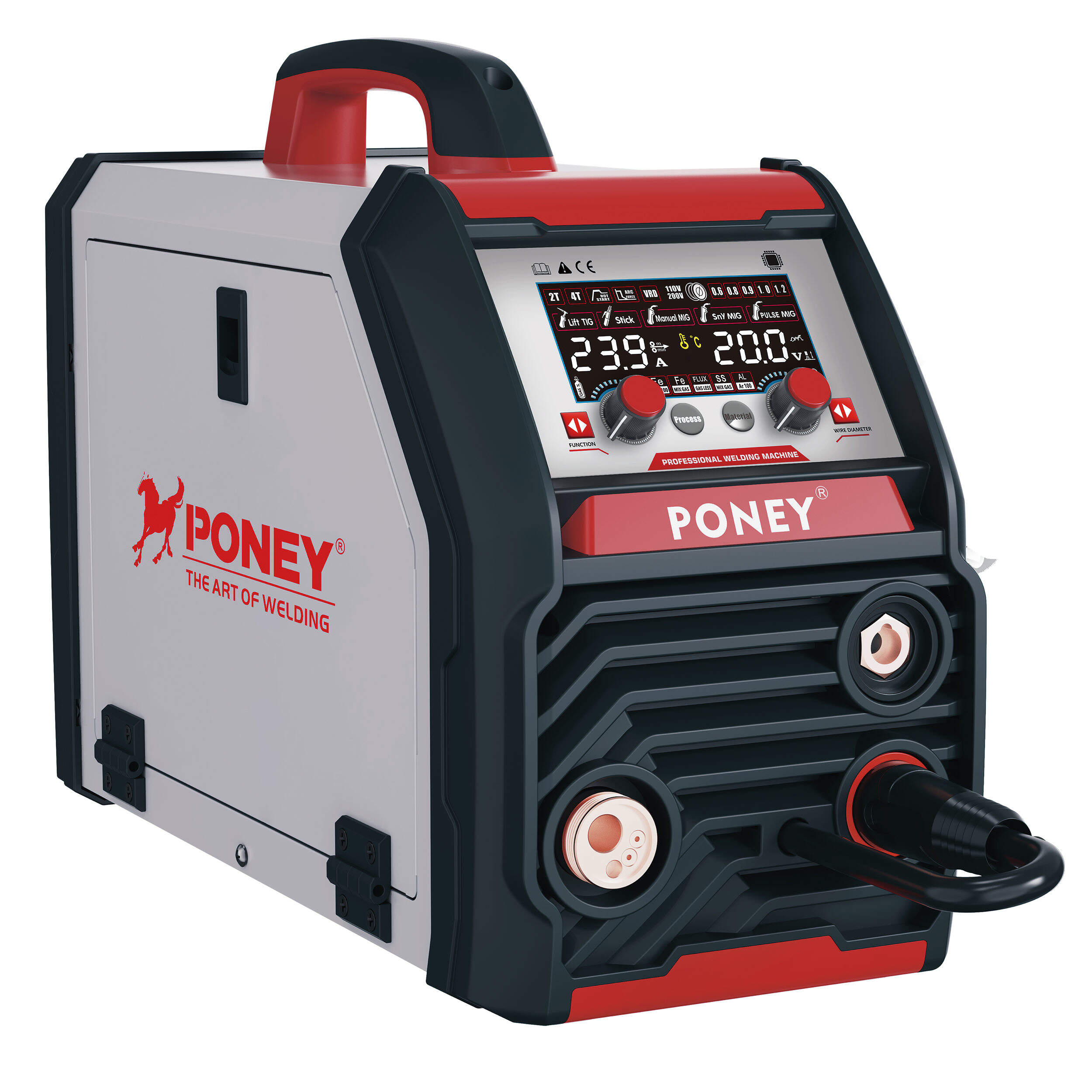
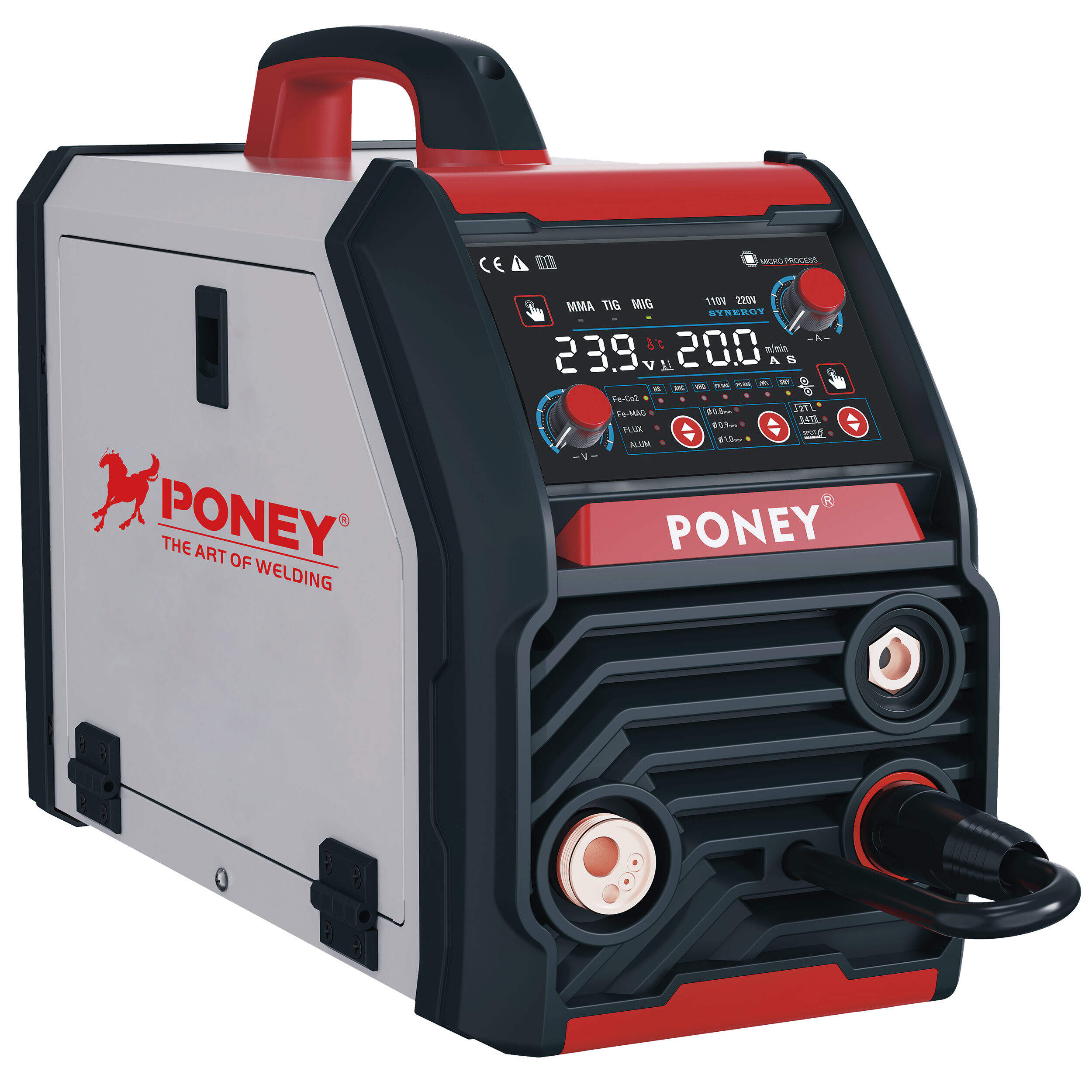
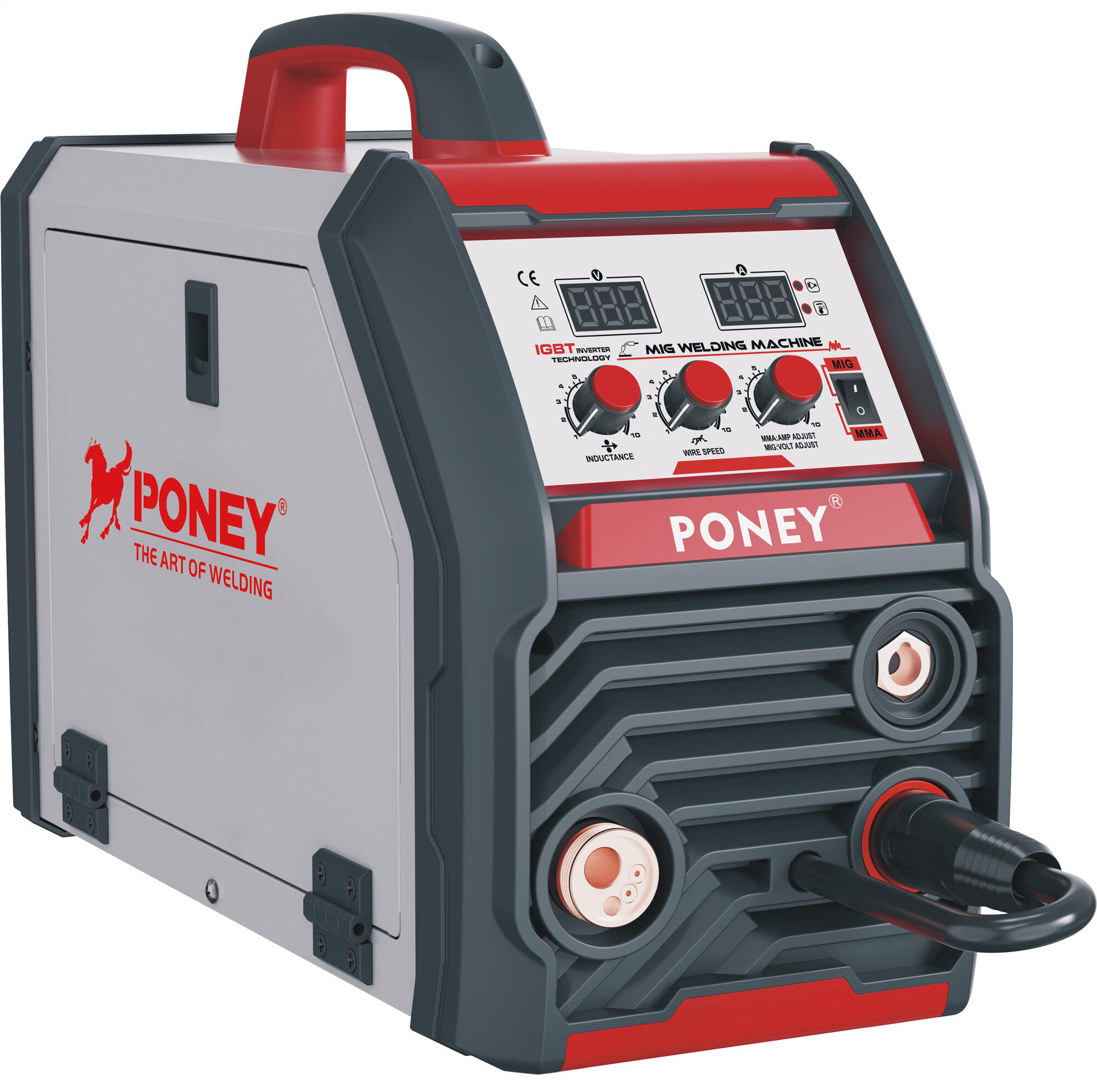
Tani spawarka MIG wyróżnia się wszechstronnymi możliwościami zastosowania, umożliwiając realizację różnorodnych projektów metalowych w wielu branżach i na różnych poziomach umiejętności. Ta elastyczność wynika z regulowanych parametrów, które pozwalają na spawanie różnych typów metali, ich grubości oraz konfiguracji połączeń przy odpowiednich modyfikacjach techniki. Najczęstszym zastosowaniem jest spawanie stali węglowej, przy czym tania spawarka MIG tworzy wytrzymałych i czystych połączeń na materiałach od cienkich blach do elementów konstrukcyjnych. Urządzenie radzi sobie z zadaniami naprawy pojazdów samochodowych, takimi jak układy wydechowe, blachy nadwozia czy modyfikacje ramy, zapewniając rezultaty o jakości profesjonalnej. Kompatybilność ze stalinami nierdzewnymi rozszerza zakres zastosowań na wyposażenie gastronomiczne, elementy architektoniczne oraz projekty dekoracyjne, gdzie kluczowe są odporność na korozję i jakość wykończenia. Możliwość spawania aluminium – przy użyciu odpowiedniego drutu i gazu osłonowego – otwiera możliwości w zastosowaniach morskich, naprawie pojazdów rekreacyjnych oraz lekkich projektach konstrukcyjnych. Konstrukcja palnika spawalniczego pozwala na stosowanie różnych średnic drutu, co umożliwia jego zoptymalizowanie pod kątem określonej grubości materiału i wymagań dotyczących wnikania. Możliwości spawania w różnych pozycjach obejmują spawanie w pozycji płaskiej, poziomej, pionowej i górnej, choć niektóre pozycje mogą wymagać dostosowania techniki w celu uzyskania optymalnych rezultatów. Typy połączeń obejmują połączenia czołowe, nakładkowe, teowe oraz narożne, co pokrywa większość wymagań konstrukcyjnych i fabrykacyjnych. Tania spawarka MIG okazuje się szczególnie przydatna w artystycznym przetwarzaniu metali, umożliwiając rzeźbiarzom i rzemieślnikom tworzenie złożonych zestawów z wytrzymałymi i estetycznymi połączeniami. Zastosowania edukacyjne korzystają z tolerancyjnego charakteru tego procesu, który pozwala uczniom rozwijać umiejętności, uzyskując jednocześnie akceptowalne rezultaty w fazie nauki. Zastosowania naprawcze obejmują sprzęt rolniczy, maszyny przemysłowe oraz przedmioty użytku domowego, gdzie spawanie stanowi opłacalne rozwiązanie. Możliwość pracy ciągłej wspiera środowiska produkcyjne, w których kluczowe są wydajność i spójność. Zakres grubości materiałów zwykle obejmuje cienkie blachy aż po umiarkowane elementy konstrukcyjne, co pokrywa większość typowych wymagań warsztatowych. Ta wszechstranność eliminuje potrzebę stosowania wielu różnych procesów spawalniczych w wielu warsztatach, upraszczając wymagania sprzętowe przy jednoczesnym zachowaniu możliwości realizacji różnorodnych projektów.
 EN
EN