Professional Electric Welder Equipment - Advanced Inverter Technology & Multi-Process Welding Solutions

Get a Free Quote

Our representative will contact you soon.
Email
Mobile/Whatsapp
Name
Company Name
Message
0/1000

electric welder equipment

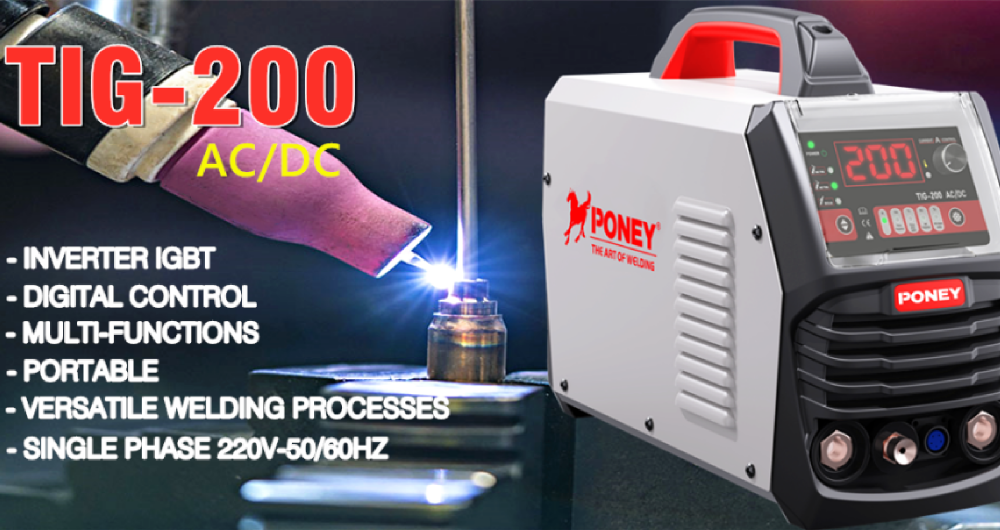
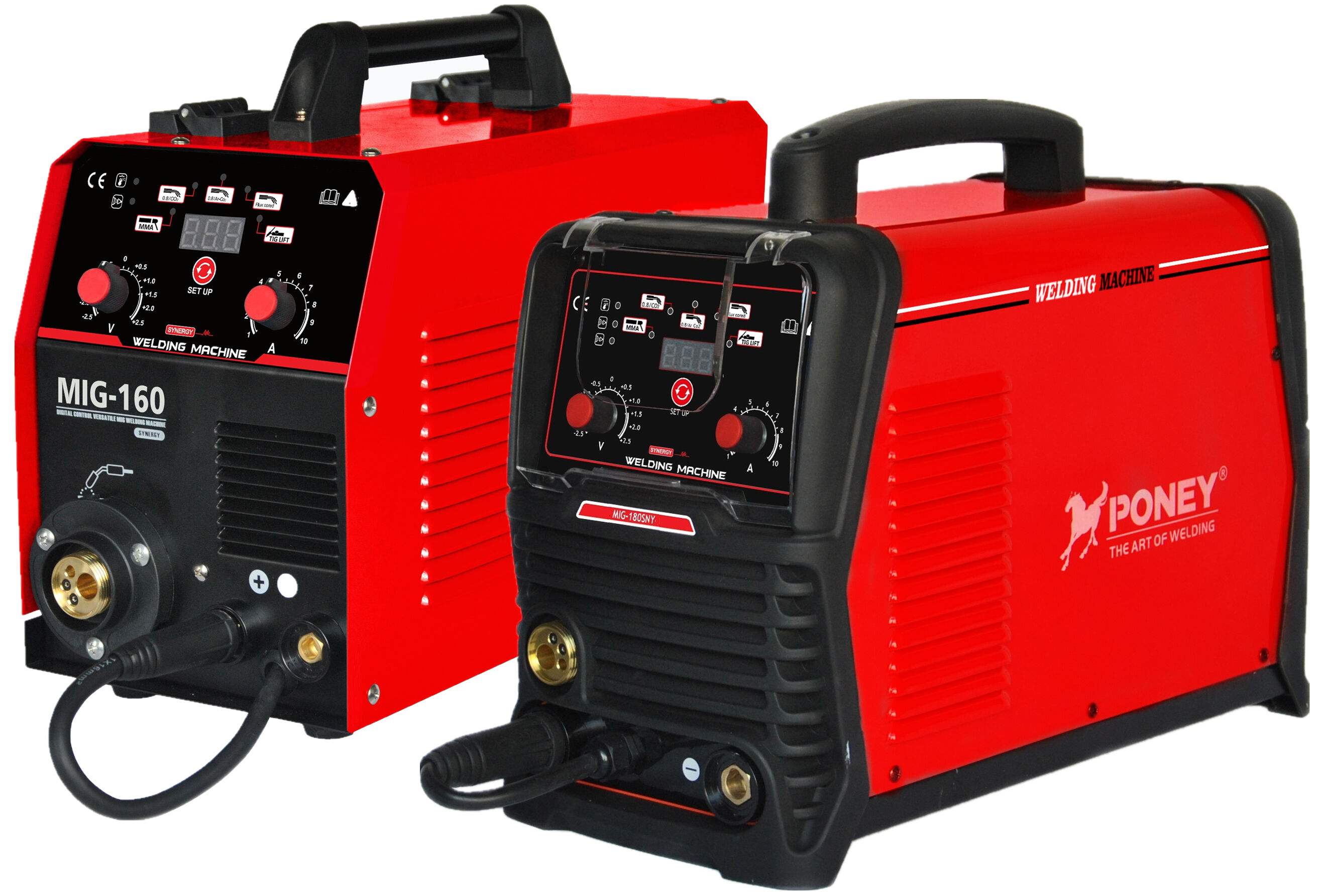
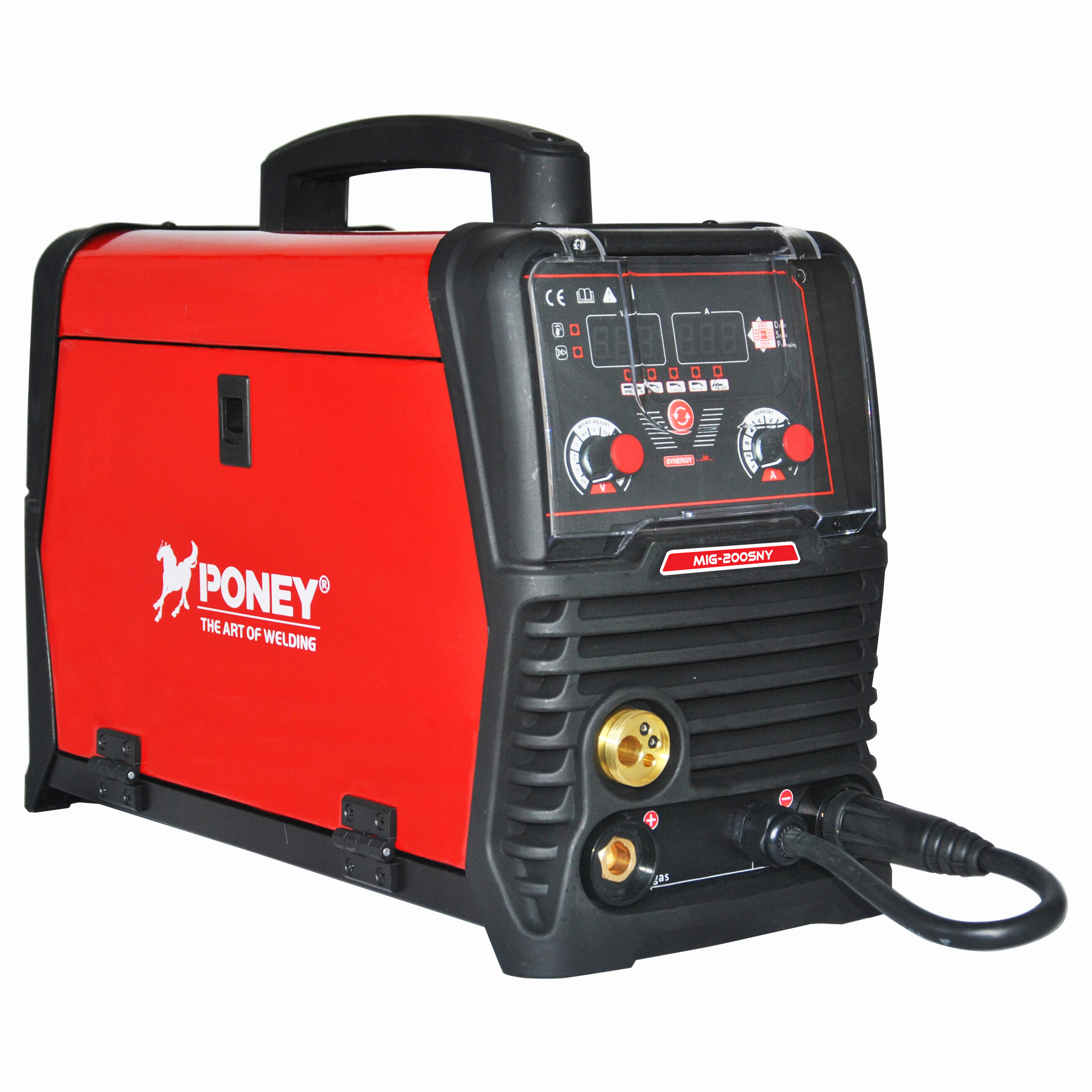
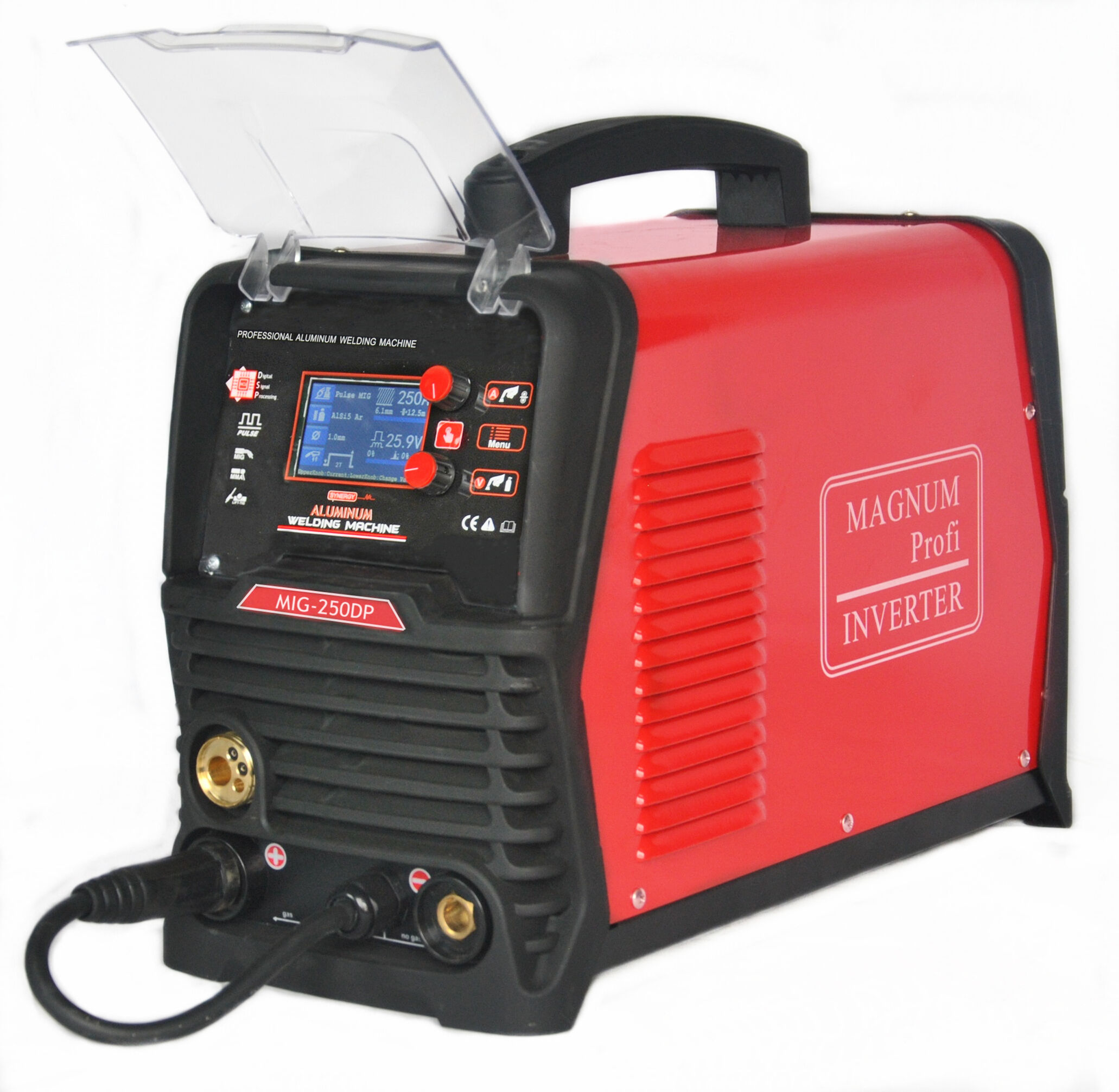
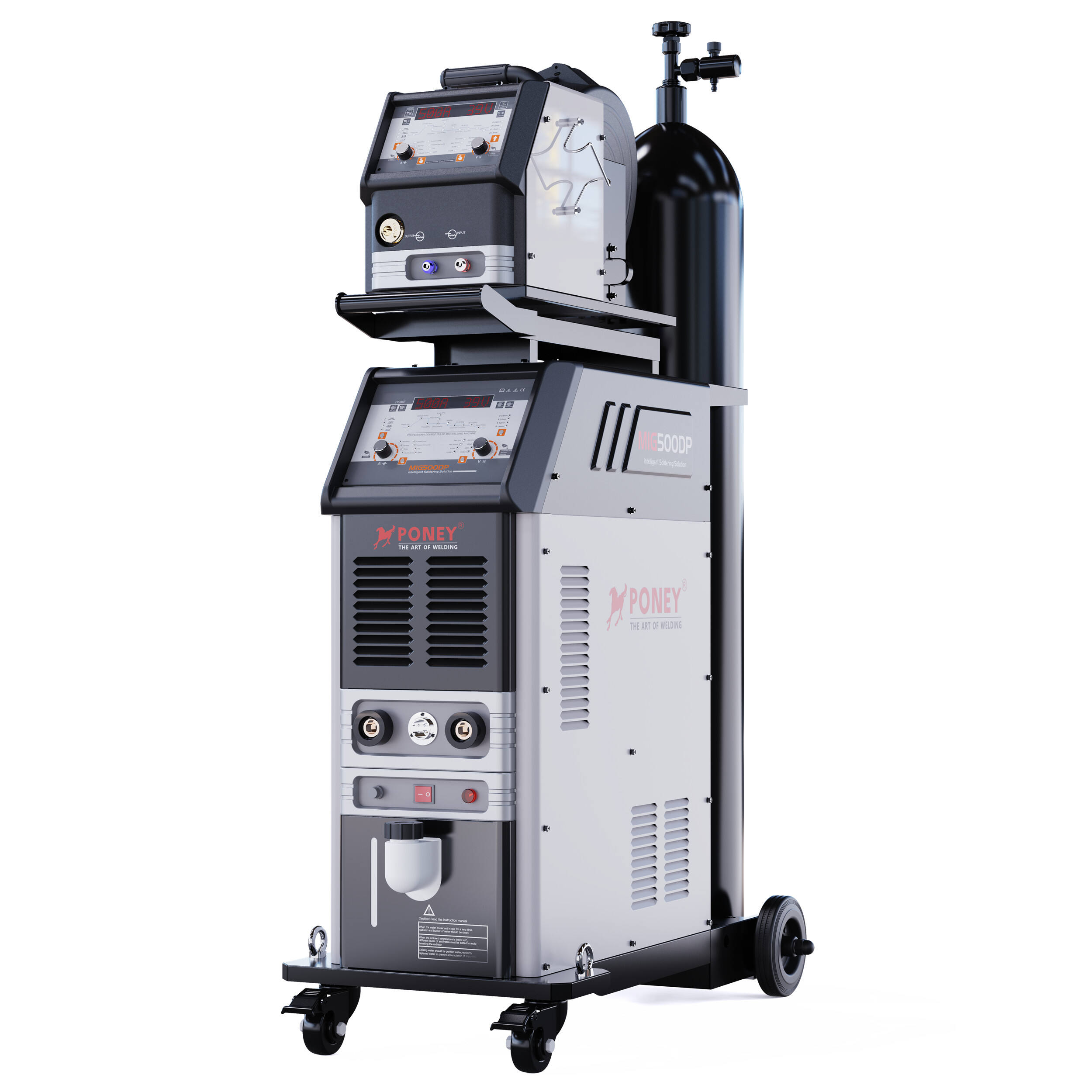
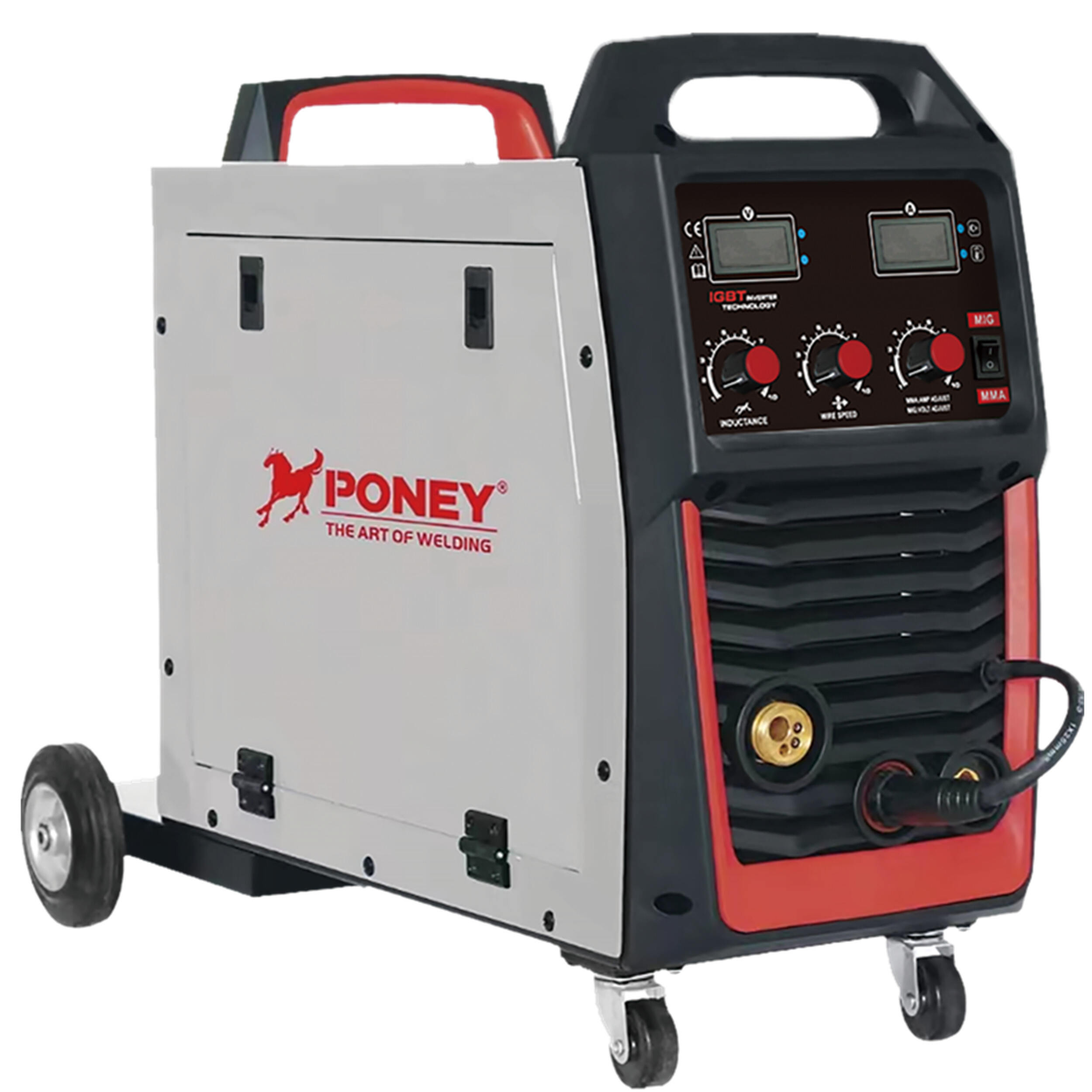
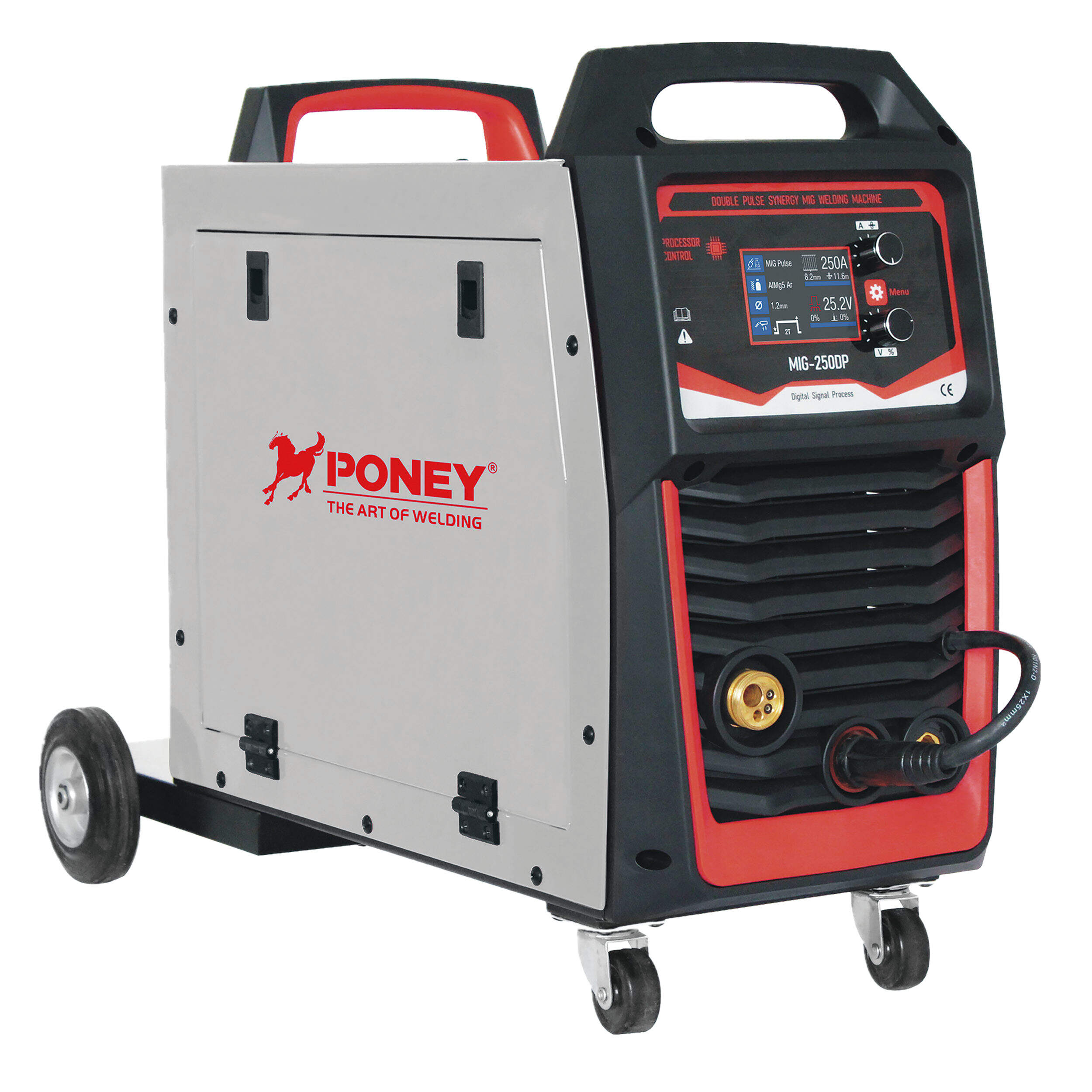
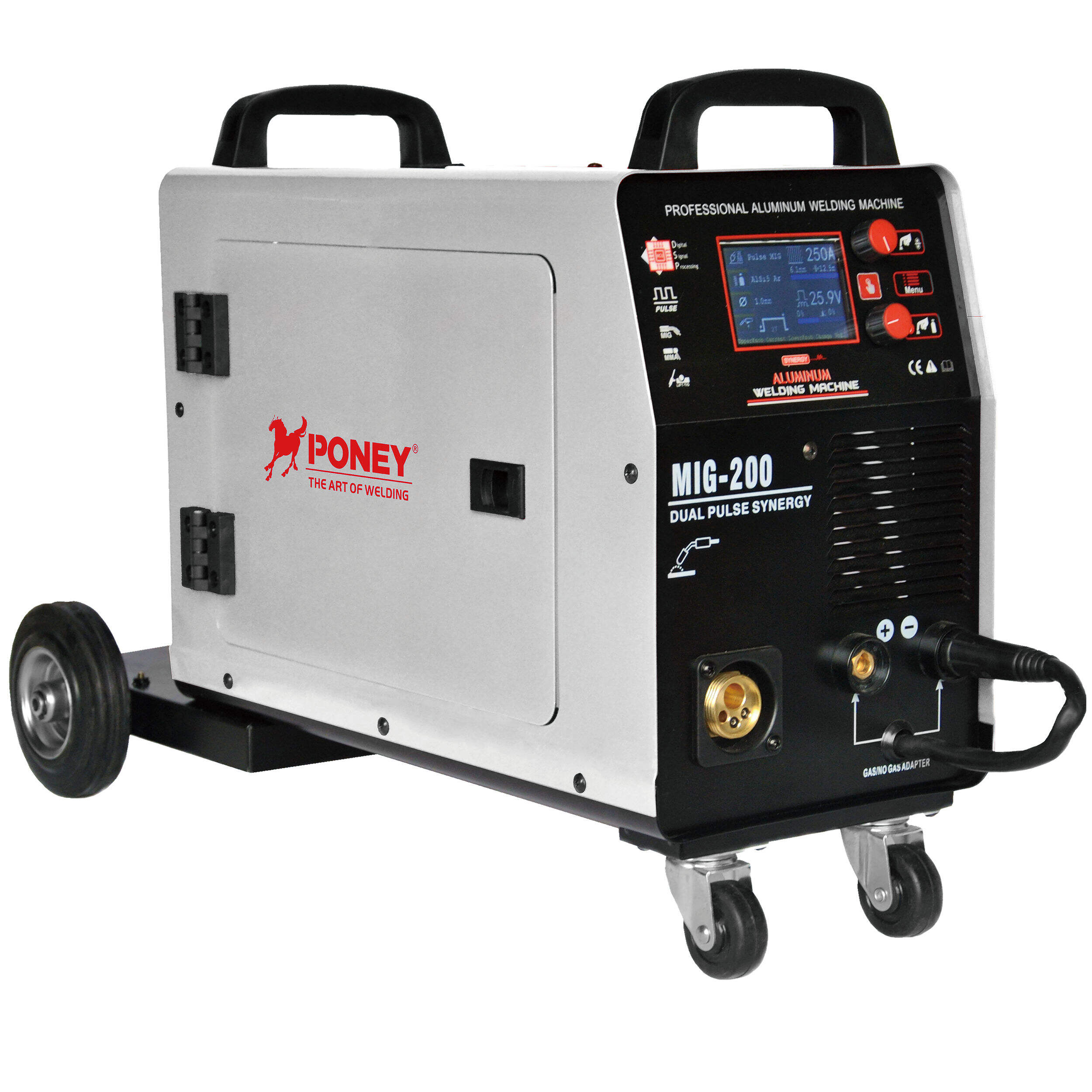
Electric welder equipment represents a cornerstone technology in modern metalworking and fabrication industries. These sophisticated machines convert electrical energy into heat through controlled electrical arcs, enabling precise joining of metal components. Electric welder equipment operates by creating an electrical circuit between an electrode and the workpiece, generating temperatures exceeding 6,000 degrees Fahrenheit to melt and fuse materials together. The fundamental principle involves establishing a sustained arc that produces intense heat, allowing operators to create strong, permanent bonds between metal surfaces. Modern electric welder equipment incorporates advanced inverter technology, delivering consistent power output while maintaining energy efficiency. These systems feature digital displays, programmable settings, and automatic arc starting mechanisms that simplify operation for both novice and experienced welders. The equipment typically includes transformer-based or inverter-based power supplies, electrode holders, ground clamps, and protective accessories. Electric welder equipment supports multiple welding processes including stick welding, TIG welding, and MIG welding, making it versatile for various applications. Professional-grade models offer adjustable amperage controls, enabling precise heat management for different material thicknesses and welding techniques. The technology has evolved from basic transformer units to sophisticated computerized systems that monitor arc characteristics and automatically adjust parameters for optimal results. Modern electric welder equipment features thermal protection circuits, overcurrent protection, and voltage regulation systems that ensure safe operation and equipment longevity. These machines accommodate various electrode types and sizes, supporting work on steel, aluminum, stainless steel, and specialized alloys. Industrial electric welder equipment often includes remote control capabilities, allowing operators to adjust settings without interrupting their work flow. The equipment's portability ranges from lightweight portable units for field work to heavy-duty stationary installations for production environments.

New Product Recommendations

Electric welder equipment delivers exceptional versatility that makes it indispensable for countless applications. Users can tackle projects ranging from delicate electronic component repairs to heavy structural fabrication with the same machine. The equipment adapts seamlessly to different materials, thicknesses, and joint configurations, eliminating the need for multiple specialized tools. This flexibility translates directly into cost savings and improved productivity for businesses and individual craftsmen alike. The precision control offered by modern electric welder equipment enables operators to achieve professional-quality results consistently. Digital controls allow fine-tuning of amperage, voltage, and arc characteristics to match specific project requirements. This level of control reduces material waste, minimizes rework, and ensures strong, reliable welds that meet industry standards. Operators can create clean, aesthetically pleasing joints that require minimal finishing work. Energy efficiency stands as another compelling advantage of contemporary electric welder equipment. Advanced inverter technology reduces power consumption by up to 40 percent compared to traditional transformer-based units. This efficiency translates into lower operating costs and reduced environmental impact. The equipment generates less heat during operation, creating more comfortable working conditions and extending component life. Portability features make electric welder equipment suitable for both workshop and field applications. Lightweight designs and compact form factors allow easy transportation to remote job sites. Many models operate on standard household current, eliminating the need for specialized power installations. Battery-powered variants provide complete freedom from electrical constraints for outdoor or emergency applications. The durability and reliability of electric welder equipment ensure long-term value for users. Robust construction withstands demanding industrial environments, while solid-state components require minimal maintenance. Quality units deliver years of consistent performance with proper care and routine upkeep. This reliability reduces downtime and repair costs, maximizing return on investment. Safety features integrated into modern electric welder equipment protect operators and equipment from hazards. Thermal overload protection prevents damage from excessive heat buildup. Arc force controls maintain stable arcs even in challenging conditions. Automatic shutoff systems respond to fault conditions instantly, preventing accidents and equipment damage.

Tips And Tricks

PONEY Upholds Tradition of Excellence

26

Jan

PONEY Upholds Tradition of Excellence

View More
PONEY Welcomes Core Procurement Delegation from Georgia, Signing Cooperation to Open a New Chapter

26

Jan

PONEY Welcomes Core Procurement Delegation from Georgia, Signing Cooperation to Open a New Chapter

View More
Ingenuity Forges a New Chapter! PONEY's New Product Launch Conference Concludes Successfully, with Two Flagship Welding Machines Stealing the Show

26

Jan

Ingenuity Forges a New Chapter! PONEY's New Product Launch Conference Concludes Successfully, with Two Flagship Welding Machines Stealing the Show

View More

Get a Free Quote

Our representative will contact you soon.
Email
Mobile/Whatsapp
Name
Company Name
Message
0/1000

electric welder equipment

Advanced Inverter Technology for Superior Performance

Advanced Inverter Technology for Superior Performance

The revolutionary inverter technology integrated into modern electric welder equipment represents a quantum leap forward in welding capabilities and efficiency. Unlike traditional transformer-based systems that rely on heavy, bulky components, inverter technology utilizes high-frequency switching circuits to convert incoming AC power into precisely controlled DC output. This sophisticated electronic control system enables electric welder equipment to deliver exceptionally stable arc characteristics while dramatically reducing overall weight and size. The inverter design allows manufacturers to pack professional-grade welding capabilities into compact, portable units that weigh significantly less than their conventional counterparts. This technological advancement makes electric welder equipment more accessible to hobbyists, small business owners, and professional contractors who need reliable performance without compromising portability. The precise electronic control inherent in inverter-based electric welder equipment enables rapid arc starting, stable arc maintenance, and superior penetration characteristics across various material types and thicknesses. Operators experience smoother, more predictable welding performance that reduces spatter, improves bead appearance, and minimizes post-weld cleanup requirements. The technology automatically compensates for voltage fluctuations and varying arc lengths, maintaining consistent heat input throughout the welding process. This consistency proves particularly valuable when working on critical structural applications where weld quality directly impacts safety and performance. Energy efficiency represents another significant benefit of inverter technology in electric welder equipment, with power consumption reductions of 30 to 50 percent compared to traditional designs. The improved efficiency reduces operating costs and enables operation from smaller generators or limited power sources. The reduced power draw also minimizes heat generation within the equipment, extending component life and reducing cooling requirements.
Multi-Process Capability for Maximum Versatility

Multi-Process Capability for Maximum Versatility

Contemporary electric welder equipment incorporates multi-process functionality that transforms a single machine into a complete welding solution capable of handling diverse projects and materials. This comprehensive capability allows operators to perform stick welding for heavy structural work, TIG welding for precision applications requiring superior control and aesthetics, and MIG welding for high-productivity fabrication tasks. The seamless transition between welding processes eliminates the need for multiple machines, reducing equipment costs, storage requirements, and setup complexity. Professional fabricators and maintenance technicians particularly value this versatility when working on varied projects that demand different welding approaches. The multi-process design of advanced electric welder equipment includes specialized circuits and controls optimized for each welding method, ensuring peak performance regardless of the selected process. Stick welding capabilities excel in outdoor conditions and on contaminated surfaces where other processes might struggle. The robust arc characteristics and deep penetration make it ideal for structural steel, pipe welding, and repair applications. TIG welding functionality provides exceptional precision and control for aluminum, stainless steel, and exotic alloys where appearance and metallurgical properties are critical. The clean, spatter-free process produces superior cosmetic results and precise heat input control. MIG welding features boost productivity through higher deposition rates and easier operation, making it perfect for production welding, sheet metal work, and general fabrication. The multi-process capability extends beyond basic functionality to include specialized features tailored for specific applications. Pulse welding modes reduce heat input for thin materials, while high-penetration settings handle thick sections effectively. AC welding capabilities support aluminum TIG welding with proper electrode selection and shielding gas. The equipment automatically adjusts output characteristics when switching between processes, ensuring optimal arc starting and stability. This intelligent adaptation eliminates guesswork and reduces operator training requirements while maintaining professional results across all welding processes.
Enhanced Safety Systems and User Protection Features

Enhanced Safety Systems and User Protection Features

Modern electric welder equipment incorporates comprehensive safety systems designed to protect both operators and equipment from the inherent hazards associated with arc welding processes. These sophisticated protection mechanisms monitor multiple parameters continuously, responding instantly to potentially dangerous conditions. Thermal overload protection represents a fundamental safety feature that prevents equipment damage and fire hazards by monitoring internal temperatures and automatically shutting down the system when safe operating limits are exceeded. This protection extends equipment life while preventing costly repairs and dangerous situations. Overcurrent protection circuits safeguard against electrical faults that could damage sensitive components or create shock hazards. These systems detect abnormal current flows and interrupt the circuit within milliseconds, preventing equipment damage and protecting operators from electrical hazards. Voltage regulation systems maintain safe output levels regardless of input power variations, ensuring consistent performance while protecting both equipment and workpiece from damage. Arc force control technology enhances operator safety by maintaining stable arcs even when welding conditions vary, reducing the likelihood of arc instability that can cause spatter, electrode sticking, and operator frustration. Hot start features facilitate easy arc initiation without requiring excessive current that might damage thin materials or create safety hazards. Anti-stick functionality prevents electrode adhesion to the workpiece, eliminating the need for forceful removal that could damage equipment or cause operator injury. Many advanced electric welder equipment models include digital monitoring systems that display real-time operating parameters, allowing operators to maintain awareness of system status and identify potential issues before they become dangerous. Automatic duty cycle monitoring prevents overheating by tracking actual usage patterns and providing warnings when rest periods are required. Ground fault protection circuits detect improper grounding conditions that could create shock hazards, automatically shutting down the system until proper connections are established. These comprehensive safety features work together to create a protective environment that allows operators to focus on producing quality welds while minimizing risk exposure.

Get a Free Quote

Our representative will contact you soon.
Email
Mobile/Whatsapp
Name
Company Name
Message
0/1000