EN
EN

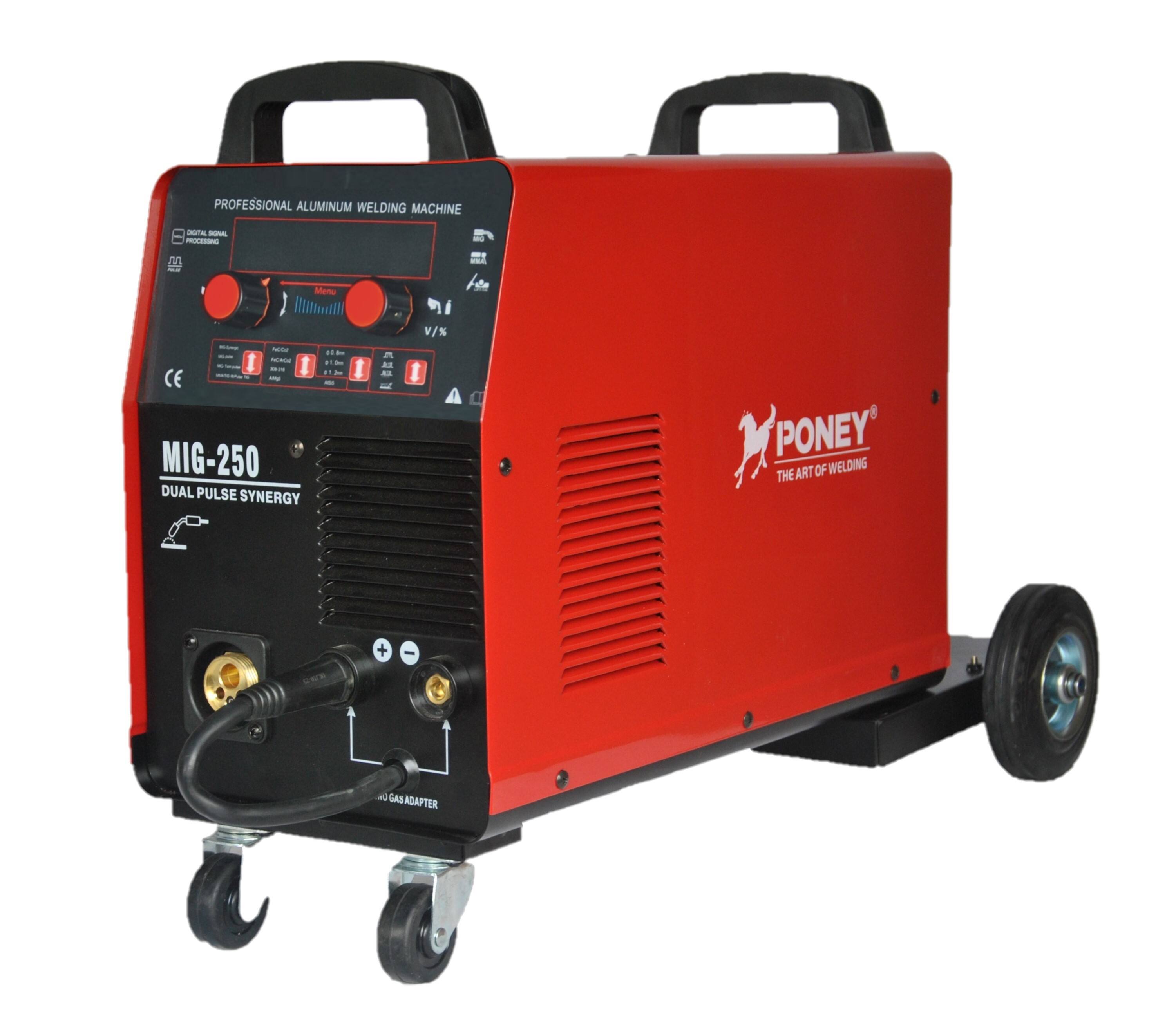
The energy efficiency of welding operations has become a critical factor for manufacturers seeking to optimize production costs and reduce environmental impact. An inverter welder represents a significant technological advancement that directly influences energy consumption patterns during continuous welding tasks, offering substantial improvements over traditional transformer-based welding systems. Understanding how this technology affects energy efficiency requires examining the fundamental differences in power conversion, heat generation, and operational characteristics that distinguish modern inverter welding equipment from conventional alternatives.
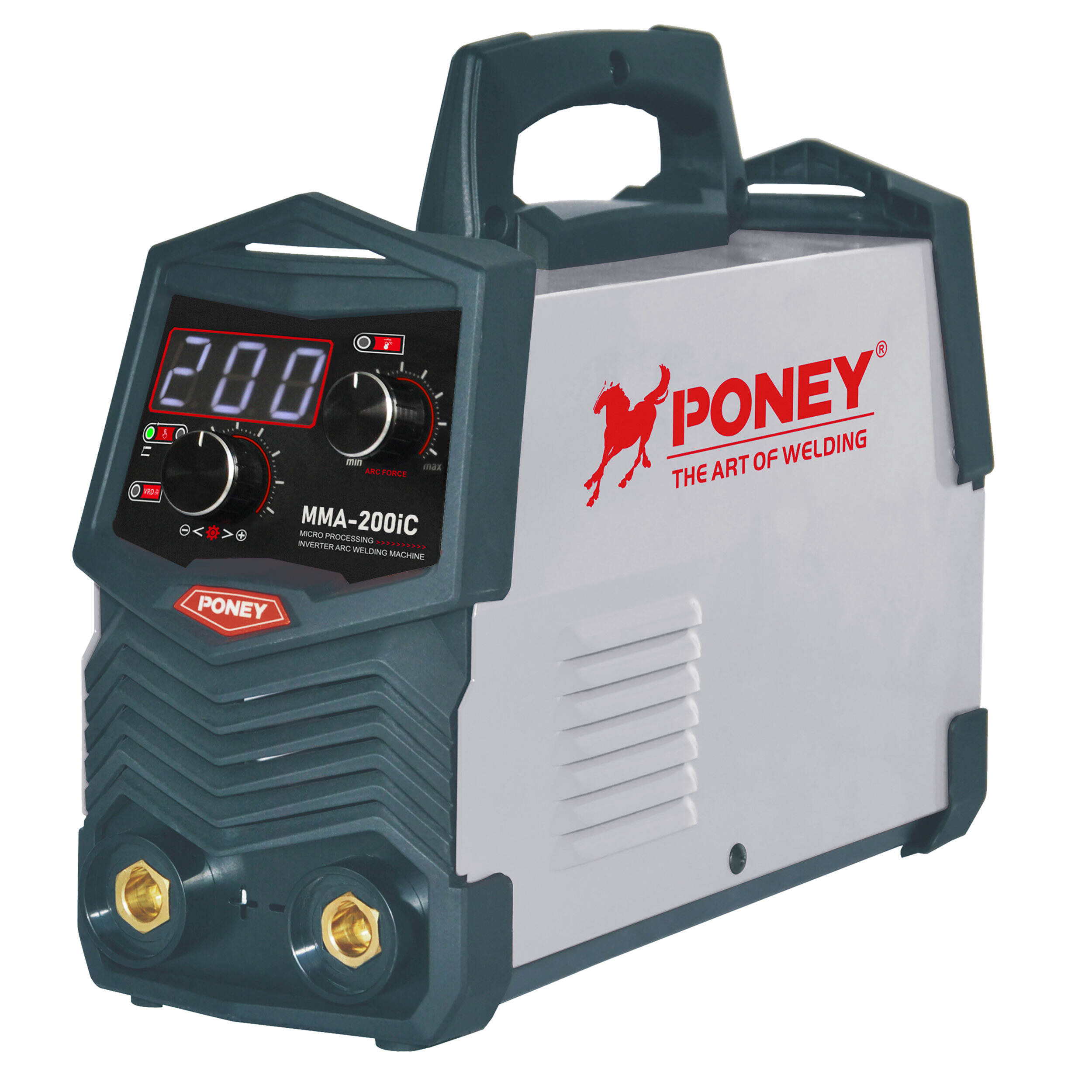
Continuous welding operations demand consistent power delivery while minimizing energy waste, making the choice of welding technology particularly important for high-volume production environments. The inverter welder achieves superior energy efficiency through advanced power electronics that convert incoming AC power to high-frequency AC before stepping down to the required welding voltage, resulting in significantly reduced energy losses compared to traditional linear transformer systems. This technological approach enables more precise control over power delivery while generating less heat waste, ultimately translating to lower operating costs and improved productivity in extended welding applications.
Power Conversion Technology and Energy Efficiency Fundamentals
High-Frequency Switching Mechanism
The core advantage of an inverter welder lies in its high-frequency switching power supply design, which operates at frequencies between 20 kHz to 100 kHz compared to the 50-60 Hz frequency of traditional transformer-based systems. This high-frequency operation allows the inverter welder to use smaller, more efficient transformers that reduce energy losses during power conversion. The switching mechanism enables precise control of power delivery, automatically adjusting output to match welding requirements while minimizing unnecessary energy consumption during continuous operations.
The electronic switching components in an inverter welder respond instantaneously to load changes, maintaining optimal energy transfer efficiency even when welding parameters vary during continuous tasks. This dynamic response capability prevents the energy waste typically associated with traditional welders that maintain constant power consumption regardless of actual welding demands. The result is a more intelligent power management system that adapts energy delivery to match real-time welding conditions.
Reduced Heat Generation and Thermal Efficiency
Energy efficiency in continuous welding tasks is significantly influenced by heat generation within the welding equipment itself. An inverter welder generates substantially less internal heat compared to transformer-based alternatives, reducing cooling requirements and minimizing energy losses through thermal dissipation. This improved thermal efficiency means more electrical energy is converted to useful welding power rather than being wasted as heat.
The compact design and efficient heat management of inverter welders eliminate the need for large cooling systems that consume additional energy during continuous operations. Traditional welders often require substantial cooling fans or ventilation systems to manage heat buildup, adding to overall energy consumption. The inverter welder design inherently produces less heat, reducing auxiliary power requirements and contributing to overall system efficiency during extended welding sessions.
Continuous Operation Performance Characteristics
Power Factor Optimization
The power factor performance of an inverter welder significantly influences energy efficiency during continuous welding tasks, with modern inverter systems achieving power factors of 0.9 or higher compared to 0.6-0.8 typical of transformer-based welders. This improved power factor means the inverter welder draws less reactive power from the electrical supply, reducing overall energy consumption and minimizing demand charges from utility companies. The efficient power utilization becomes particularly important during continuous operations where energy costs accumulate rapidly.
High power factor operation also reduces strain on electrical distribution systems, allowing facilities to operate more welding equipment on existing electrical infrastructure without requiring costly upgrades. The inverter welder achieves this efficiency through active power factor correction circuits that ensure electrical energy is utilized productively rather than being returned to the power grid as unused reactive power.
Arc Stability and Energy Utilization
Arc stability directly impacts energy efficiency in continuous welding applications, as unstable arcs waste energy through spatter, re-work, and inconsistent penetration. The inverter welder provides superior arc stability through precise current control and rapid response to arc length variations, ensuring consistent energy transfer to the workpiece. This stability reduces energy waste associated with arc interruptions, restarts, and welding defects that require repair.
The digital control systems in modern inverter welders monitor arc conditions continuously, making real-time adjustments to maintain optimal energy transfer efficiency. This intelligent control prevents energy waste during arc initiation and maintains consistent power delivery throughout continuous welding sequences, resulting in more predictable energy consumption patterns and improved overall efficiency.
Comparative Energy Consumption Analysis
No-Load Power Consumption
One of the most significant energy efficiency advantages of an inverter welder becomes apparent during idle periods within continuous welding tasks. Traditional transformer-based welders consume substantial power even when not actively welding, typically drawing 10-15% of their rated power during no-load conditions. The inverter welder reduces no-load consumption to less than 5% of rated power, significantly lowering energy costs during the inevitable pauses and setup periods that occur during continuous welding operations.
This dramatic reduction in standby power consumption becomes particularly valuable in production environments where multiple welding stations operate simultaneously, with some units idle while others are actively welding. The cumulative energy savings from reduced no-load consumption can represent substantial cost reductions over the course of continuous production shifts, making the inverter welder an economically attractive choice for high-volume welding operations.
Load Response Efficiency
The rapid load response characteristics of an inverter welder contribute significantly to energy efficiency during variable welding conditions typical of continuous operations. When welding parameters change due to material thickness variations, joint configuration differences, or operator technique adjustments, the inverter welder responds within milliseconds to optimize power delivery. This quick response prevents the energy waste associated with overcompensation or delayed adjustment that occurs with slower-responding traditional welding systems.
The electronic control systems in inverter welders can predict power requirements based on preset parameters and arc feedback, pre-positioning power delivery systems to minimize energy spikes during transitions. This predictive capability reduces peak power demands and creates more stable energy consumption patterns during continuous welding tasks, benefiting both energy efficiency and electrical system stability.
Operational Factors Affecting Energy Efficiency
Duty Cycle Optimization
The duty cycle capability of an inverter welder directly influences energy efficiency during continuous welding applications, as higher duty cycles reduce the need for cooling periods and maintain productive energy utilization. Modern inverter welders achieve duty cycles of 60-100% at rated output, compared to 20-40% typical of traditional welders. This improved duty cycle capability means the inverter welder can operate continuously for longer periods without forced cooling breaks, maximizing productive energy utilization.
Higher duty cycle operation also reduces the total time required to complete welding tasks, minimizing overall energy consumption per completed project. The efficient thermal management of inverter welders enables sustained operation without the energy penalties associated with frequent thermal shutdowns and restart cycles that interrupt continuous welding productivity.
Adaptive Power Management
Advanced inverter welders incorporate adaptive power management systems that continuously monitor welding conditions and automatically adjust energy delivery to optimize efficiency. These systems can detect material properties, joint preparation quality, and environmental conditions, modifying power output to achieve desired welding results with minimum energy input. This intelligent adaptation prevents the energy waste associated with manual overcompensation or inadequate power settings.
The adaptive capabilities extend to recognizing different welding techniques and operator skill levels, automatically optimizing energy delivery to compensate for variations in technique while maintaining consistent weld quality. This intelligence ensures that energy efficiency is maintained regardless of operator experience or changing welding conditions during continuous operations.
Economic and Environmental Impact
Cost Reduction Through Improved Efficiency
The energy efficiency improvements provided by an inverter welder translate directly to reduced operating costs during continuous welding tasks, with typical energy savings ranging from 20-40% compared to traditional welding systems. These savings become particularly significant in high-volume production environments where welding equipment operates for extended periods, accumulating substantial energy costs over time. The reduced energy consumption also minimizes demand charges and power factor penalties that can significantly impact industrial electricity bills.
Beyond direct energy cost savings, the improved efficiency of inverter welders reduces heat generation and cooling requirements, lowering facility HVAC costs during continuous operations. The compact size and reduced heat output of inverter welders also enable more efficient workshop layouts, reducing the facility space and associated energy costs required for welding operations.
Environmental Sustainability Benefits
The energy efficiency advantages of inverter welders contribute significantly to environmental sustainability goals by reducing overall energy consumption and associated carbon emissions during continuous welding operations. Manufacturing facilities implementing inverter welder technology can achieve measurable reductions in their carbon footprint while maintaining or improving production output. This environmental benefit becomes increasingly important as manufacturers face growing pressure to demonstrate environmental responsibility and comply with emissions reduction regulations.
The longer service life and reduced maintenance requirements of inverter welders also contribute to environmental sustainability by minimizing equipment replacement frequency and reducing waste generation. The efficient operation and reduced component stress in inverter welders result in extended equipment life cycles, reducing the environmental impact associated with manufacturing and disposing of welding equipment.
FAQ
How much energy can an inverter welder save compared to traditional welders during continuous operations?
An inverter welder typically provides energy savings of 20-40% compared to traditional transformer-based welders during continuous operations. The exact savings depend on factors such as duty cycle, welding parameters, and operational patterns, but most facilities see significant reductions in electricity costs when switching to inverter technology for high-volume welding applications.
Does the energy efficiency of an inverter welder decrease during extended continuous use?
The energy efficiency of quality inverter welders remains consistent during extended continuous use, thanks to efficient thermal management and electronic control systems that maintain optimal performance. Unlike traditional welders that may experience efficiency degradation due to thermal stress, inverter welders are designed to sustain high efficiency throughout their duty cycle rating.
What factors should be considered when evaluating the energy efficiency of an inverter welder for continuous welding tasks?
Key factors include power factor rating, no-load power consumption, duty cycle capability, arc stability, and adaptive power management features. Additionally, consider the total system efficiency including cooling requirements, maintenance needs, and operational flexibility, as these factors all contribute to overall energy efficiency during continuous welding operations.
Can inverter welders maintain energy efficiency across different welding processes during continuous operations?
Modern multi-process inverter welders maintain high energy efficiency across different welding processes including stick, TIG, and MIG welding during continuous operations. The electronic control systems automatically optimize power delivery for each process type, ensuring consistent energy efficiency regardless of welding method changes during production sequences.
Table of Contents
- Power Conversion Technology and Energy Efficiency Fundamentals
- Continuous Operation Performance Characteristics
- Comparative Energy Consumption Analysis
- Operational Factors Affecting Energy Efficiency
- Economic and Environmental Impact
-
FAQ
- How much energy can an inverter welder save compared to traditional welders during continuous operations?
- Does the energy efficiency of an inverter welder decrease during extended continuous use?
- What factors should be considered when evaluating the energy efficiency of an inverter welder for continuous welding tasks?
- Can inverter welders maintain energy efficiency across different welding processes during continuous operations?