EN

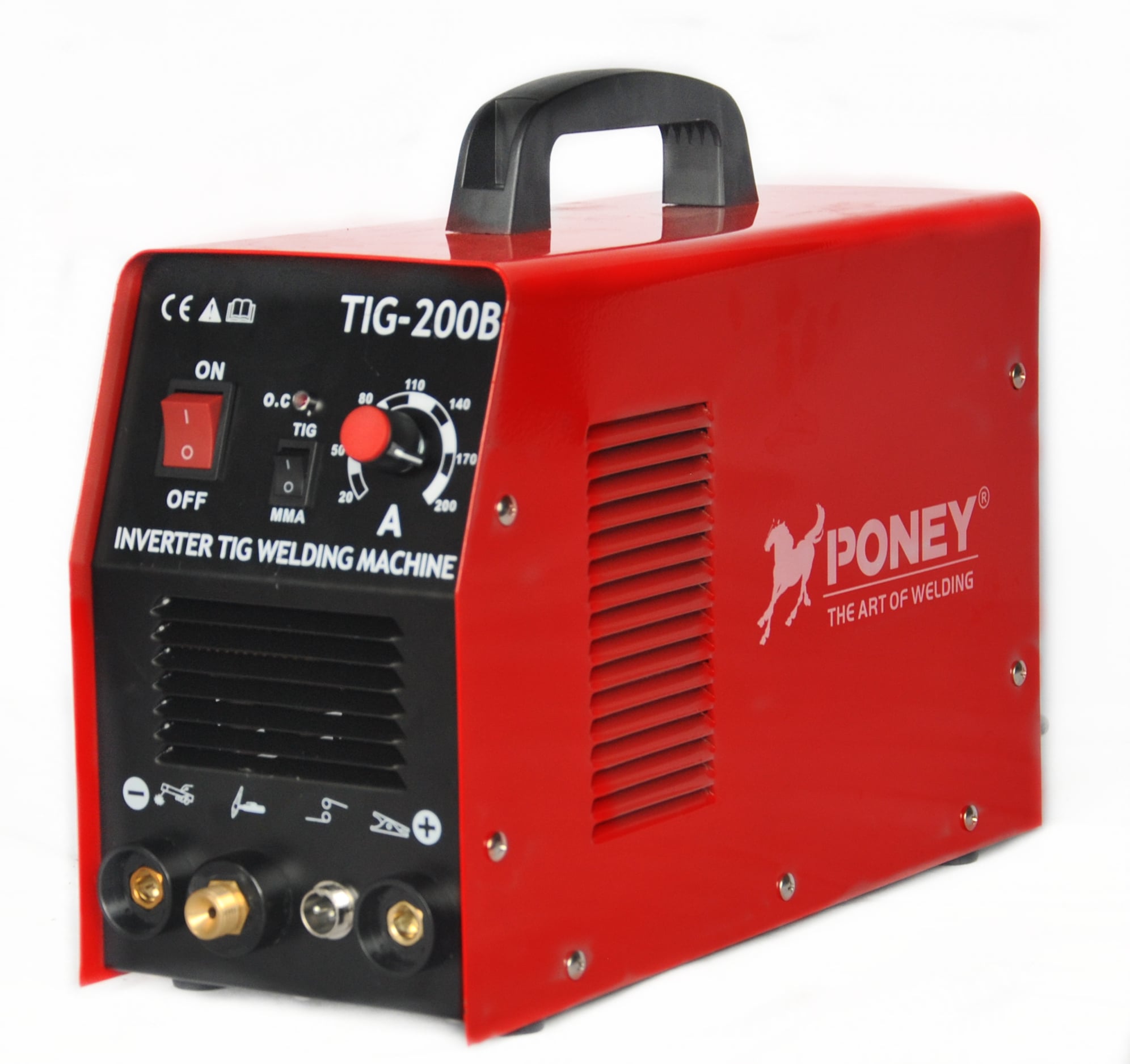
TIG welding remains one of the most versatile and precise joining methods in modern fabrication, yet TIG productivity often becomes a critical bottleneck in large-scale operations. Understanding the specific factors that constrain TIG performance is essential for manufacturers seeking to optimize output without sacrificing quality. Unlike faster deposition methods, TIG requires careful operator technique, precise equipment setup, and controlled environmental conditions. When working on large-scale fabrication projects, these TIG demands compound, creating productivity challenges that demand strategic solutions. This article explores the primary constraints affecting TIG productivity and provides actionable insights for overcoming them in demanding industrial environments.
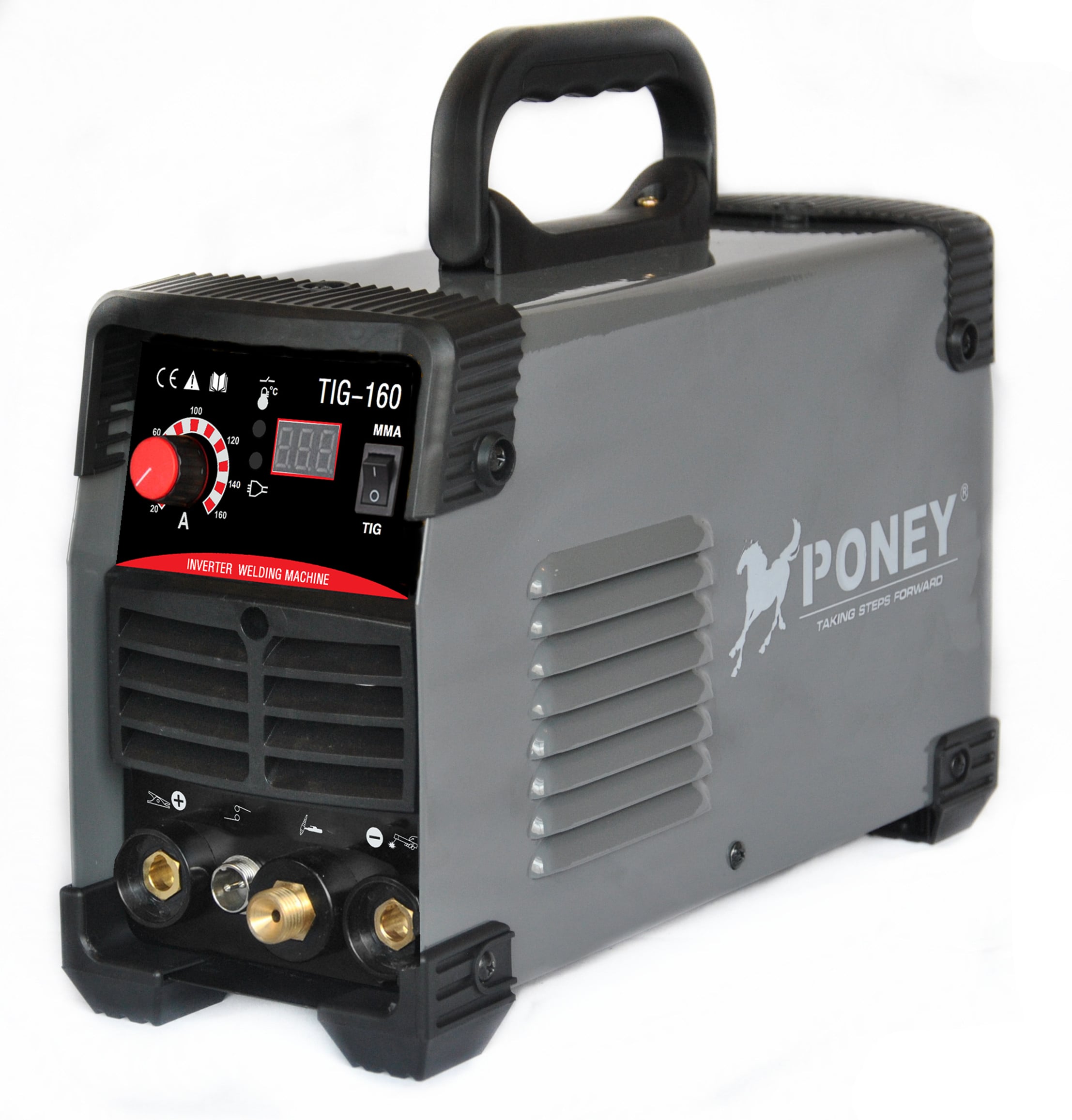
Large-scale fabrication demands high throughput, consistent quality, and reliable performance across extended shifts. TIG welding must deliver all three simultaneously, which is where TIG limitations become apparent. Deposition rates in TIG typically range between one-quarter and one-half of what manual metal arc welding achieves, making TIG a slower choice by design. However, this apparent weakness often masks deeper operational constraints that extend far beyond raw deposition speed. Recognizing these TIG factors allows fabricators to make informed decisions about equipment selection, process configuration, and workforce training to maximize TIG results on industrial projects.
Equipment and Power Supply Constraints on TIG Performance
Limited Amperage Output and Material Thickness
Power supply capacity directly determines the range of materials and thicknesses that TIG can handle efficiently. Standard TIG equipment operates within defined amperage ranges, and exceeding these limits compromises weld quality and penetration. On large-scale projects requiring diverse material specifications, TIG machines with insufficient maximum amperage create workflow bottlenecks. Projects involving thick stainless steel sections or heavy aluminum components demand high-amperage TIG systems, yet not all fabricators maintain equipment capable of sustained high-output TIG performance. When a single TIG machine cannot handle the full range of work, operators must switch between different stations, losing productivity to equipment transitions and setup adjustments.
The relationship between TIG amperage requirements and material thickness is non-negotiable. Aluminum sections thicker than 3 mm require sustained high-amperage TIG welding, while thinner materials demand precise low-amperage control that standard TIG units struggle to maintain consistently. Large-scale projects often include mixed material thicknesses within a single assembly, forcing operators to adapt TIG parameters continuously. This constant adjustment reduces the throughput benefits that standardization would provide, making TIG less efficient than it could be with better-matched equipment specifications.
Duty Cycle Limitations and Thermal Management
TIG equipment operates under strict duty cycle ratings that restrict continuous output at maximum amperage. A 200-amp TIG machine with an 80 percent duty cycle can deliver 160 amps continuously before requiring cooldown. On high-volume fabrication runs, duty cycle becomes a serious constraint affecting TIG productivity. Operators must either reduce amperage to stay within safe operating limits or pause work while equipment cools. This stop-start pattern disrupts workflow rhythm and stretches project timelines significantly. Large-scale operations requiring sustained production throughout full shifts demand TIG equipment with higher duty cycles or parallel machine deployment strategies.
Thermal management extends beyond the power supply itself. TIG torch cooling systems must handle extended operating periods without performance degradation. Water-cooled TIG torches remain superior to air-cooled versions for sustained high-amperage work, yet they introduce maintenance complexity and require reliable cooling water systems. Inadequate torch cooling creates TIG performance issues including arc instability, reduced electrode life, and potential equipment damage. When cooling systems fail or operate insufficiently, TIG operations must shut down entirely, creating unplanned downtime that severely impacts large-scale project schedules.
Operator Skill and Process Control Factors
Skill Requirements and Training Investment
TIG welding demands significantly higher operator skill levels compared to semi-automatic processes. Mastering TIG requires coordinating torch angle, travel speed, filler rod feed rate, and foot pedal amperage simultaneously while maintaining visual control of the puddle. Developing true TIG proficiency requires months of structured training and hands-on practice. On large-scale fabrication projects, finding sufficient numbers of highly skilled TIG operators presents a genuine workforce challenge. Operators with intermediate TIG capability produce slower results and lower-quality welds, directly limiting TIG throughput. Organizations operating large-scale fabrication cannot simply hire operators and expect immediate TIG productivity; investment in comprehensive training programs becomes mandatory for any sustained operation.
Skill variability among TIG operators creates inconsistency in output quality and speed. Even within a trained team, TIG performance varies based on individual technique, experience level, and attention to detail. On large-scale projects where consistency matters, this skill variance introduces additional quality control overhead. Inspecting TIG welds from multiple operators requires time and expertise, potentially slowing the overall workflow. Standardizing TIG techniques across a team through regular retraining helps, but this ongoing investment further constrains TIG productivity and operational budgets.
Precise Parameter Setup and Environmental Sensitivity
TIG welding demands precise parameter selection including amperage, frequency, pulse settings, and gas flow rates. Unlike other processes, TIG is highly sensitive to environmental conditions including ambient temperature, humidity, and air movement. Drafts exceeding modest air velocities disrupt the shielding gas envelope, creating porosity and weak welds that must be repaired. Large fabrication shops often operate with climate control challenges, making TIG extremely difficult near doors, windows, or ventilation systems. These environmental constraints force TIG operators into specific work locations, reducing flexibility and creating TIG productivity bottlenecks when multiple projects compete for limited TIG-suitable space.
Parameter optimization requires considerable technical expertise and material-specific knowledge. TIG operators must understand how gas composition, flow rates, and electrode selection interact with base metal properties to achieve desired results. Large-scale projects involving multiple material types demand different TIG parameter sets for each combination. The time required to establish and validate TIG parameters for each scenario delays project starts and increases overall throughput loss. While experienced operators develop intuition for TIG adjustment, each new project scenario introduces an adjustment learning curve affecting TIG productivity metrics.
Process Speed Constraints and Throughput Limitations
Inherent Deposition Rate Constraints
TIG welding fundamentally operates at slower deposition rates than semi-automatic or automatic processes. Single-pass TIG typically deposits between 2 and 4 pounds of metal per hour, depending on amperage and technique. Large-scale projects involving extensive weld seams accumulate enormous total weld hours. When TIG is the chosen process for quality or material reasons, fabricators must accept that throughput will be limited by TIG physics. Unlike spray transfer or other high-deposition processes, TIG cannot simply speed up without quality degradation. This inherent constraint means TIG projects require more calendar time and operator resources, directly impacting profitability on large-scale work.
Multi-pass TIG work compounds deposition rate limitations. Thick materials requiring multiple TIG passes multiply the total time investment dramatically. A 1-inch thick aluminum joint might require four TIG passes, each demand full cooling time, interlayer cleaning, and fresh setup. Large-scale fabrication projects with such requirements experience severe TIG productivity constraints. Planning large-scale projects around TIG limitations requires accepting extended timelines or allocating more parallel resources than other process choices would demand.
Interpass Time and Material Preparation Overhead
Between each TIG pass on multi-pass joints, material must cool to acceptable temperatures and surfaces must be cleaned. Interpass temperatures matter significantly for joint properties, particularly on high-strength steels and aluminum alloys. TIG work mandates waiting periods between passes, during which operators cannot work the same joint. On large-scale projects with multiple joints, operators can work other sections while cooling occurs, but this scheduling complexity reduces effective TIG productivity. Poor interpass management compromises weld properties, forcing rework that catastrophically impacts large-scale project schedules.
Material surface preparation adds overhead to TIG operations that competing processes don't face equally. TIG requires clean, oxide-free surfaces, particularly on aluminum. Stainless steel joints demand passivation after grinding. Large-scale fabrication projects with extensive TIG work accumulate significant preparation time. While preparation occurs between TIG operations, it still represents non-productive hours from a deposition perspective. Optimizing preparation processes and sequences becomes crucial for managing overall TIG productivity on industrial scales.
FAQ
What is the primary productivity limitation in TIG welding?
The fundamental TIG constraint is inherently low deposition rates compared to alternative welding processes. TIG typically deposits 2-4 pounds per hour, roughly one-quarter to one-half of what semi-automatic methods achieve. This limitation exists by design because TIG's precision and quality benefits require controlled electrode feed and careful technique incompatible with high-speed operations. Large-scale projects must either accept extended timelines or deploy multiple parallel TIG stations to offset the deposition limitation.
How do equipment specifications affect TIG productivity limits?
Equipment duty cycles, maximum amperage, and torch cooling capacity directly constrain what TIG systems can accomplish during extended operations. A TIG machine with insufficient duty cycle cannot maintain high amperage continuously, forcing operators to reduce power or pause for cooling. On large-scale projects, equipment-related limitations multiply across multiple shifts and weeks of operation, creating cumulative lost productivity. Selecting TIG equipment with specifications matched to project requirements prevents unnecessary workflow interruptions.
Can operator skill significantly impact TIG productivity on large projects?
Operator skill directly influences TIG speed, quality consistency, and rework requirements. Highly skilled TIG operators work 20-30 percent faster than average operators while maintaining superior weld quality. On large-scale fabrication, deploying experienced TIG personnel and investing in training programs measurably improves throughput. Skill development requires months of practice, so workforce planning for large projects must account for adequate TIG operator experience levels.