EN

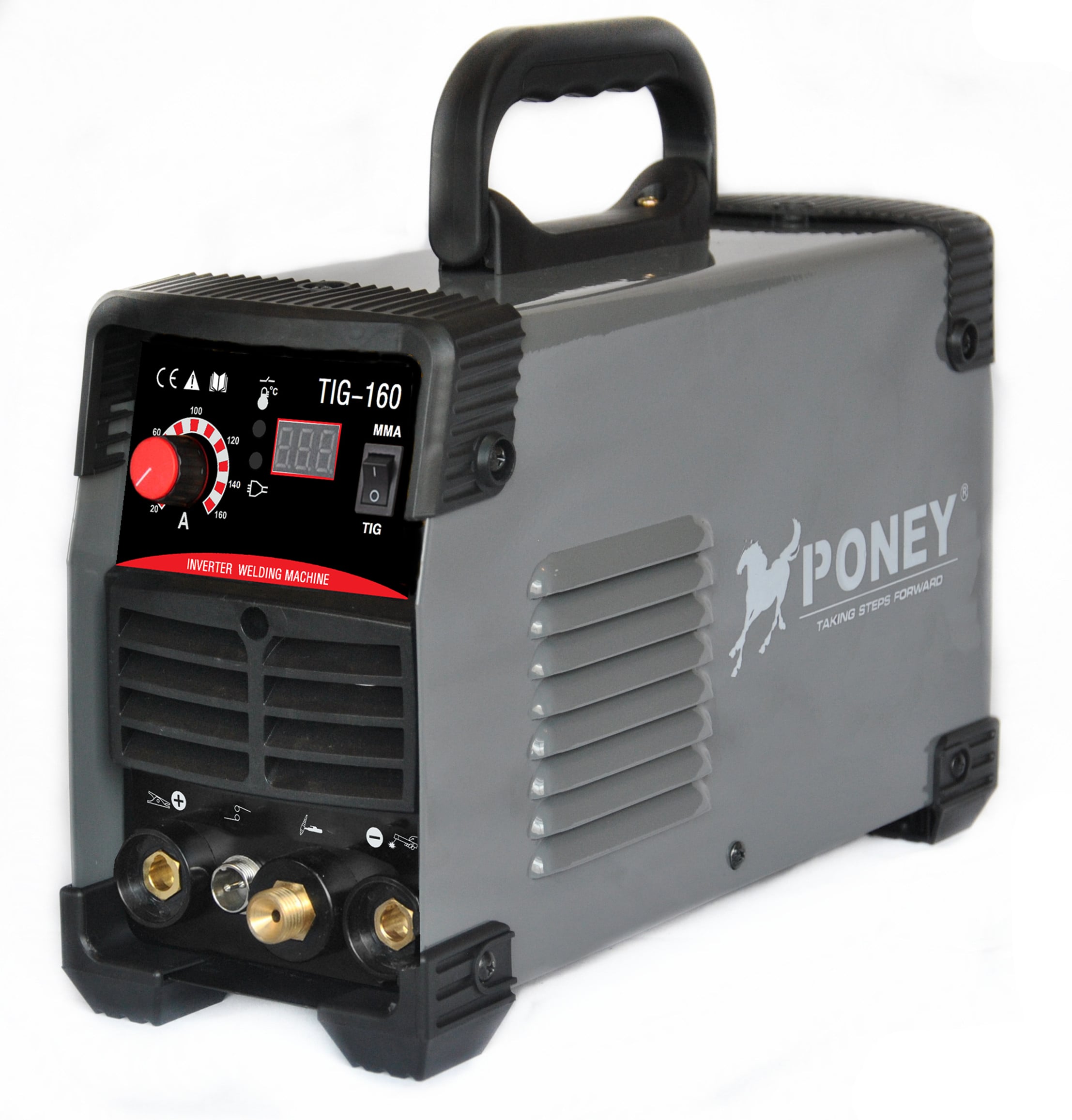
TIG welding stands apart from other welding methods due to its precision, control, and technical demands. Unlike faster welding processes that prioritize speed and throughput, TIG requires deliberate planning, skilled operator attention, and careful process management. Understanding why TIG welding demands different planning helps fabricators, manufacturers, and welding professionals allocate resources effectively, set realistic timelines, and achieve superior joint quality. This distinction matters significantly in industrial settings where TIG welding is chosen specifically for its ability to produce high-integrity welds on critical applications.
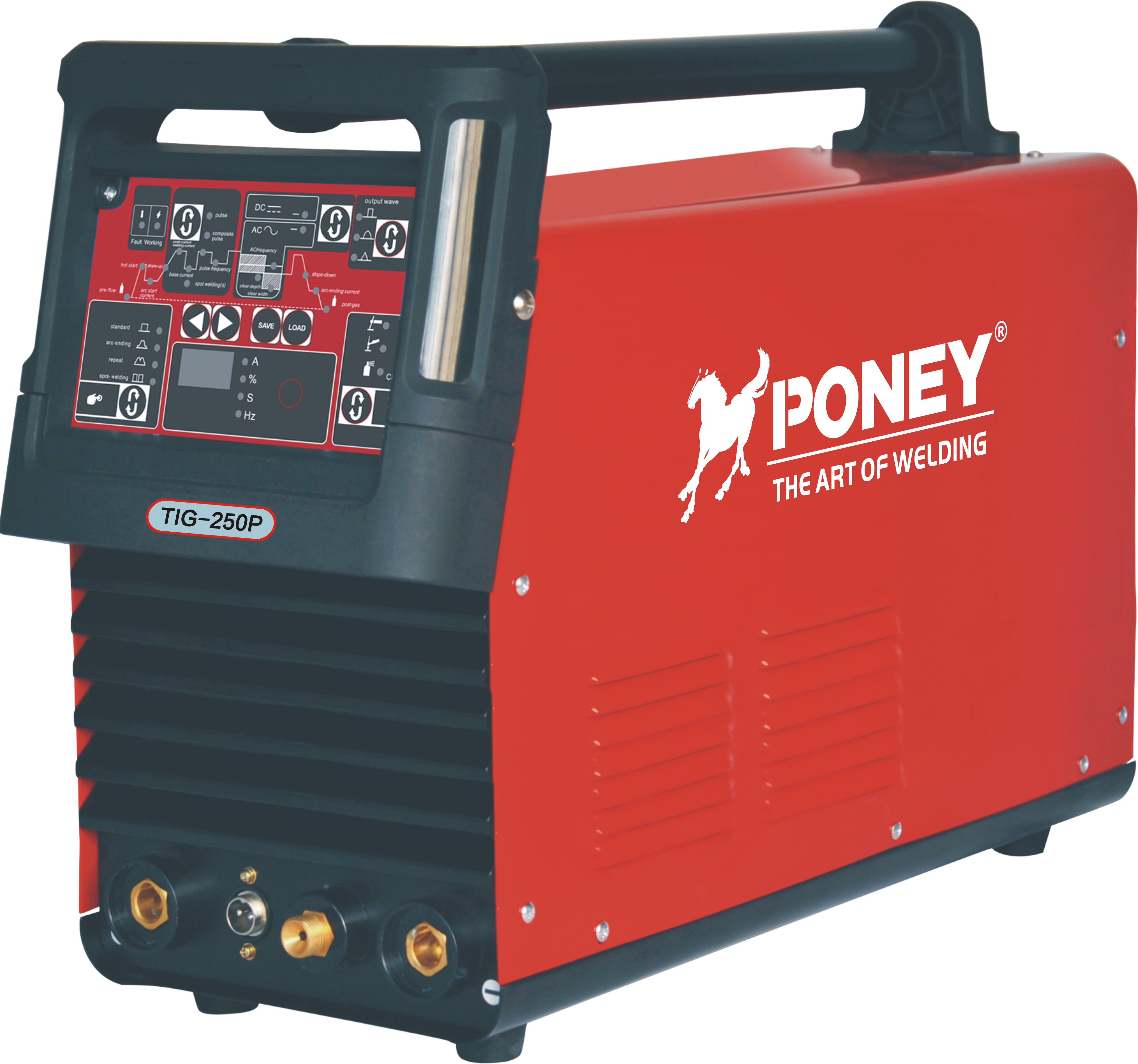
The fundamental nature of TIG welding creates planning requirements that differ substantially from stick, MIG, or flux-core methods. TIG uses a non-consumable tungsten electrode with a separate filler metal introduction and shielding gas protection. This separation of functions means that TIG welding operators must coordinate multiple variables simultaneously: electrode positioning, pedal foot control for amperage adjustment, filler rod feed speed, and gas flow. The complexity of TIG welding demands advance preparation that encompasses equipment setup, material staging, operator skill verification, and environmental controls that other methods simply do not require to the same degree.
The Technical Complexity of TIG Welding Setup
Precise Equipment Configuration
TIG welding requires exacting equipment preparation that must occur before any welding begins. Unlike faster methods that use preset wire feeders and simpler electrode systems, TIG welding setup involves selecting the correct tungsten electrode type and diameter, configuring the power source for AC or DC operation, establishing proper shielding gas flow rates, and verifying water cooling systems if high-amperage TIG welding is planned. Each of these variables directly affects weld quality, and errors in setup create defects that may not appear until inspection or service failure occurs. This level of detail means planning time for TIG welding projects must include comprehensive equipment validation before production starts.
Operator Skill and Fatigue Management
TIG welding is significantly more demanding on operators than faster methods because it requires continuous coordinated hand and foot control throughout the entire weld. The operator must hold the torch at precise angles, feed filler rod smoothly with the other hand, manage foot pedal amperage control, and maintain focus on the weld puddle throughout the entire joint. This level of physical and mental concentration means TIG welding operators experience greater fatigue during shifts, necessitating shorter work cycles and more frequent breaks than operators using MIG or stick methods. Planning TIG welding projects must account for realistic operator capacity and avoid overestimating how many welds one operator can complete during a shift. Fatigue directly increases defect rates, rework costs, and safety risks, making operator scheduling a critical planning consideration.
Material Preparation and Environmental Controls
Contamination Prevention Protocols
TIG welding is far more sensitive to surface contamination than faster welding methods because the tungsten electrode and weld puddle remain exposed to the atmosphere, protected only by shielding gas. Any oil, rust, scale, or paint on the base material or filler rod will be drawn into the weld, creating brittleness, porosity, or incomplete fusion. This sensitivity means TIG welding projects require strict material preparation procedures: degreasing, wire brushing or grinding, and storage protocols to prevent recontamination. Planning TIG welding work must allocate dedicated time and resources for surface preparation that may equal or exceed the actual welding time. Faster methods tolerate some contamination because their higher heat and metal transfer rates can overcome minor surface issues, but TIG welding cannot.
Environmental Condition Management
The shielding gas protection in TIG welding is disrupted by air movement, moisture, and drafts far more readily than in other processes. A simple fan or open door that would barely affect MIG welding can ruin TIG welds by dispersing the argon or helium shielding gas and allowing atmospheric oxygen and nitrogen to contaminate the weld. Planning TIG welding jobs requires securing work areas, controlling ambient air movement, managing humidity, and in some cases, using wind screens or enclosed welding booths. These environmental controls add time and cost to TIG welding projects that are not necessary for faster methods. Additionally, TIG welding performance is affected by temperature extremes, which means winter or summer outdoor welding requires additional planning to maintain proper material and equipment temperatures.
Scheduling, Timeline, and Throughput Considerations
Realistic Cycle Time Projections
TIG welding produces significantly fewer linear inches of weld per hour compared to faster methods, and planning must reflect this reality in project schedules. Where a MIG operator might complete 200 to 300 linear inches of weld per shift, a TIG operator working at careful, controlled speeds might complete 50 to 100 linear inches depending on thickness, joint complexity, and quality requirements. This difference is not a deficiency but rather an inherent characteristic of precision TIG welding work. Planning TIG welding projects requires setting realistic timelines that account for slower deposition rates, multiple passes on thicker sections, and the extra time needed for setup, material preparation, and inspection. Underestimating TIG welding schedules leads to compressed timelines, rushed work, quality problems, and operator stress.
Inspection and Quality Assurance Integration
TIG welding projects often require more frequent and more rigorous inspection than faster methods because the welds are intended for critical or high-integrity applications. Planning TIG welding work must include time for visual inspection between passes, potential nondestructive testing (radiography, ultrasonic, or dye penetrant testing), and metallurgical verification. These inspection steps cannot be rushed and must be scheduled as integral parts of the TIG welding workflow, not added as afterthoughts. The cost of inspection for TIG welding is justified because these critical welds justify the investment, but planning teams must acknowledge this requirement upfront and build it into project budgets and timelines. Omitting inspection planning until late in the project creates bottlenecks and rework.
FAQ
Why does TIG welding take longer than MIG or stick welding?
TIG welding produces welds more slowly because the operator must manually feed filler metal while controlling the torch, managing foot pedal amperage, and maintaining precise angles simultaneously. This coordinated, multi-hand control process limits deposition rates compared to semi-automatic or automatic methods. Additionally, TIG typically requires careful surface preparation and environmental controls that add time before welding starts. The slower pace is intentional because TIG welding prioritizes weld quality, penetration control, and metallurgical soundness over raw speed.
Can TIG welding be rushed on tight schedules?
Rushing TIG welding work almost always results in quality problems, defects, and costly rework. The process is inherently controlled and deliberate; attempting to accelerate it by increasing travel speed or reducing setup time simply introduces porosity, incomplete fusion, or contamination. If project schedules are too tight for proper TIG welding, the realistic planning options are to add more qualified operators, extend timelines, or reconsider whether a faster welding method might be appropriate for less critical sections. Pretending TIG welding can meet unrealistic schedules leads to failure and increased total project cost.
What happens if TIG welding material preparation is skipped?
Skipping material preparation creates contaminated welds that appear satisfactory visually but contain trapped oxides, oil residue, or mill scale within the weld structure. These contaminants cause brittleness, cracking under load, or early service failure. TIG welding is sensitive to surface cleanliness specifically because the low heat input and controlled puddle cannot overcome contamination like faster methods sometimes can. Proper material preparation for TIG welding is not optional; it is foundational to achieving the quality that makes TIG welding the chosen method in the first place.