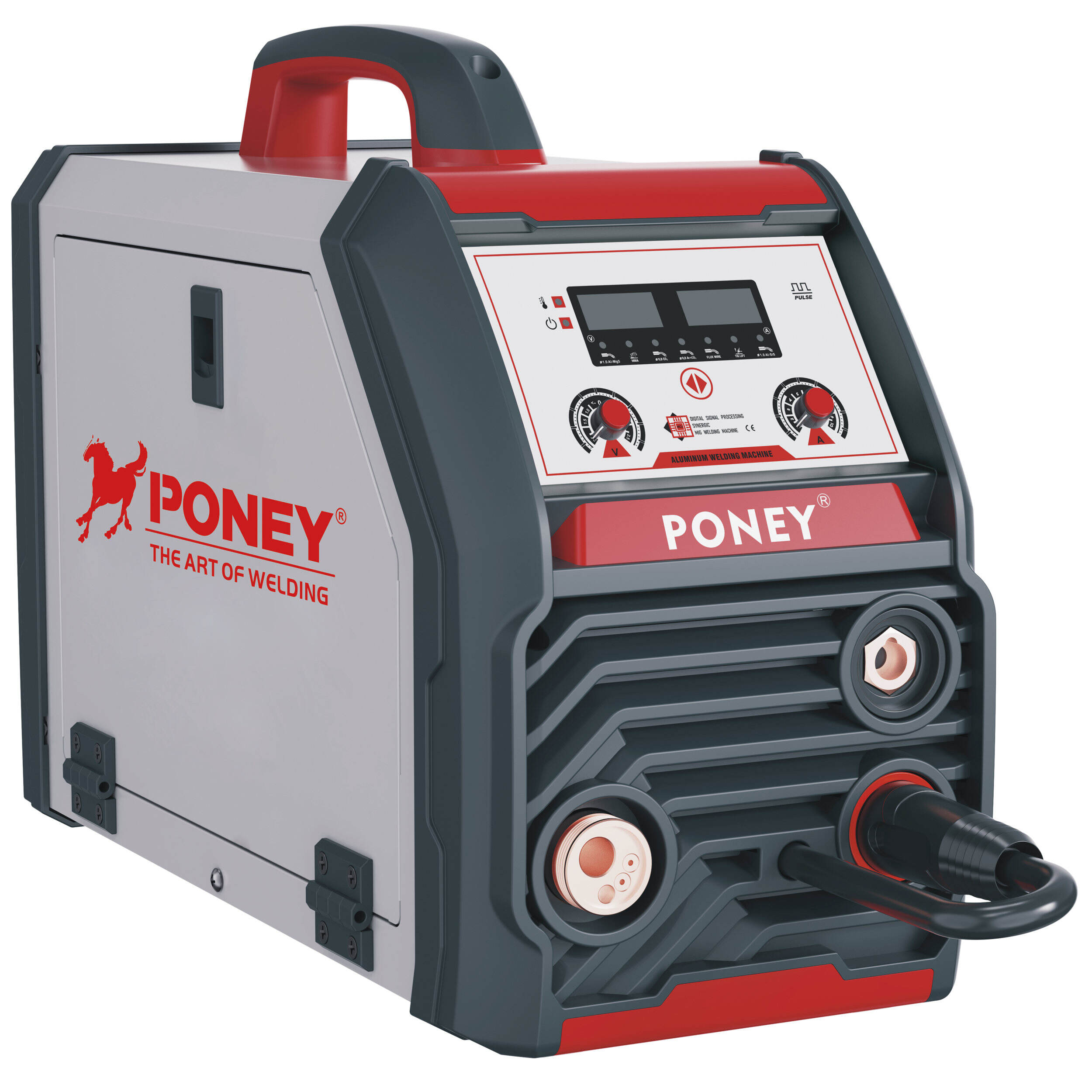
ماشین برش دستی
دستگاه برش دستی ابزاری اساسی در محیطهای تولید و ساخت است که برای جداسازی دقیق مواد از طریق مکانیزمهای بهکارانداختهشده توسط انسان طراحی شده است. این دستگاههای همهکاره، تجهیزاتی ضروری برای کارگاهها، واحدهای صنعتی و عملیات تخصصی برش محسوب میشوند که در آنها دقت و کنترل از سرعت اهمیت بیشتری دارد. دستگاه برش دستی از طریق اهرمهای مکانیکی و ورودی کاربر عمل میکند و امکان کنترل کامل فرآیند برش را برای اپراتور فراهم میسازد، درنتیجه نتایجی یکنواخت و با کیفیت بالا روی انواع مختلف مواد حاصل میشود. عملکرد اصلی دستگاه برش دستی حول توانایی آن در تولید نیروی برش کافی از طریق سیستمهای مزیت مکانیکی میچرخد. بیشتر مدلها از ساختار فولادی سنگین و تیغهها یا قالبهای برش با دقت مهندسیشده تشکیل شدهاند که قادر به پردازش موادی از ورقهای نازک تا صفحات ضخیم هستند. این دستگاه معمولاً دارای پارامترهای قابل تنظیم برش است که اپراتور را قادر میسازد عمق، زاویه و فشار برش را مطابق با نیازهای خاص هر ماده تنظیم کند. دستگاههای پیشرفته برش دستی اغلب شامل مقیاسهای اندازهگیری، راهنمایهای تراز و نگهدارندههای ماده میشوند تا از موقعیتیابی دقیق و تکرارپذیری برش اطمینان حاصل شود. ویژگیهای فناورانه دستگاههای مدرن برش دستی بر دوام و مهندسی دقیق تأکید دارند. مکانیزمهای برش از اجزای فولادی سختشده استفاده میکنند که برای حفظ تیزی و دقت در دورههای طولانی طراحی شدهاند. بسیاری از مدلها دارای سیستم بازگشت فنری، دستههای ارگونومیک و امکانات ایمنی مانند محافظ تیغه و دکمههای توقف اضطراری هستند. سیستمهای مکانیکی برای عملکردی نرم و با حداقل نیاز به نگهداری طراحی شدهاند تا عملکرد قابل اعتمادی را در محیطهای صنعتی پرتلاش تضمین کنند. کاربردهای دستگاههای برش دستی در صنایع و مواد متعددی گسترده است. کارگاههای ساخت فلزی از این دستگاهها برای برش ورقهای فولادی، صفحات آلومینیومی و آلیاژهای مختلف با دقت استفاده میکنند. صنایع کاغذ و بستهبندی به دستگاههای برش دستی برای تولید ابعاد و اشکال سفارشی از مقوا، کارتن و مواد انعطافپذیر متکی هستند. تولیدکنندگان منسوجات از این ابزارها برای برش پارچه، پردازش چرم و آمادهسازی مواد مصنوعی استفاده میکنند. علاوه بر این، مؤسسات آموزشی، کارگاههای هنری و واحدهای تولیدی کوچکمقیاس نیز از انعطافپذیری و مقرونبهصرفهبودن دستگاههای برش دستی برای کاربردهای متنوع برش بهره میبرند.
 EN
EN