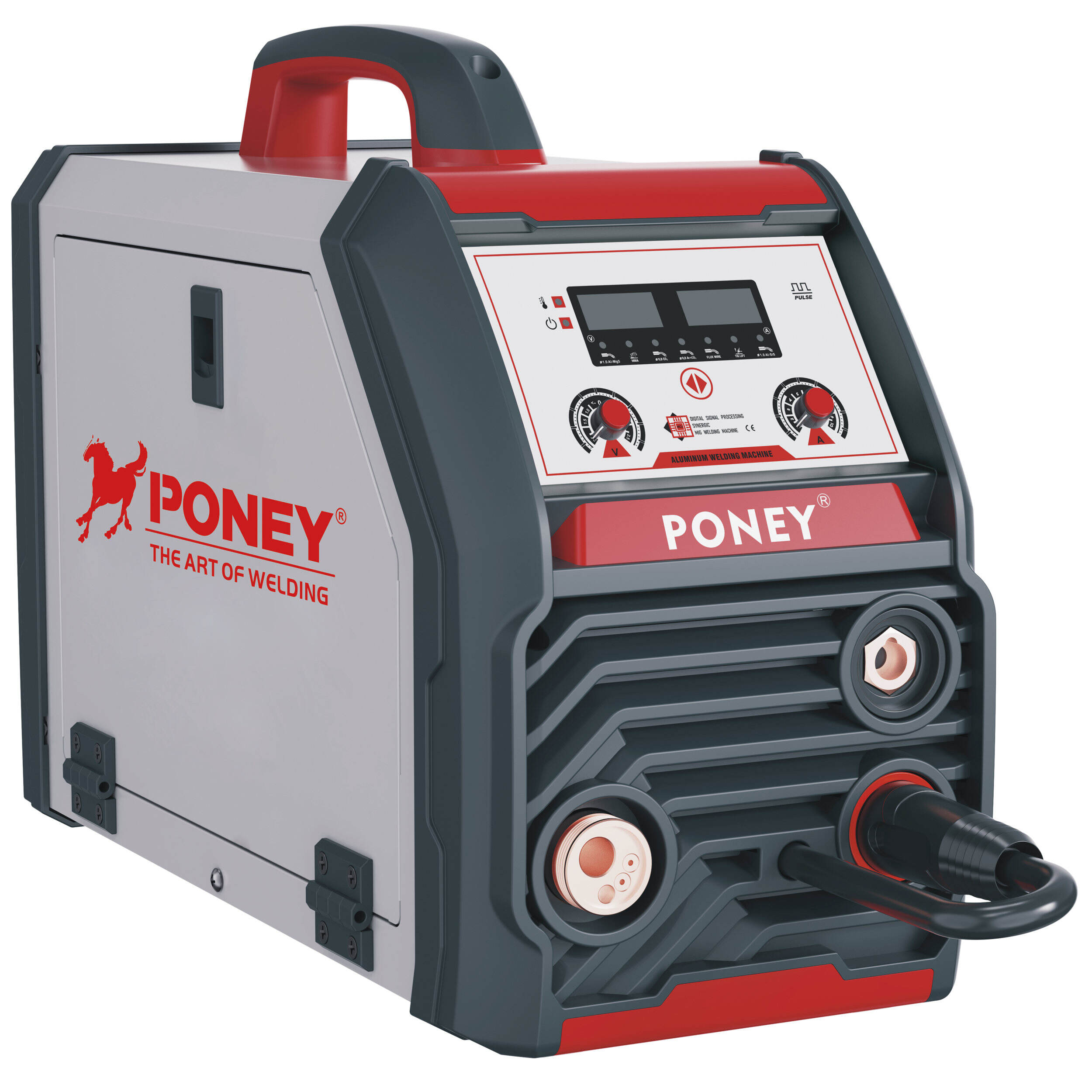
Manual Cutting Machine: Professional Precision Cutting Solutions for Industrial Applications

Get a Free Quote

Our representative will contact you soon.
Email
Mobile/Whatsapp
Name
Company Name
Message
0/1000

manual cutting machine

A manual cutting machine represents a fundamental tool in manufacturing and fabrication environments, designed to provide precise material separation through human-operated mechanisms. These versatile devices serve as essential equipment for workshops, industrial facilities, and specialized cutting operations where accuracy and control take precedence over speed. The manual cutting machine operates through mechanical leverage and user input, allowing operators to maintain complete control over the cutting process while achieving consistent, high-quality results across various material types. The core functionality of a manual cutting machine centers around its ability to generate sufficient cutting force through mechanical advantage systems. Most models incorporate heavy-duty steel construction with precision-engineered cutting blades or dies that can handle materials ranging from thin sheets to thick plates. The machine typically features adjustable cutting parameters, enabling operators to customize depth, angle, and pressure according to specific material requirements. Advanced manual cutting machines often include measurement scales, alignment guides, and material holders to ensure accurate positioning and repeatable cuts. Technological features of modern manual cutting machines emphasize durability and precision engineering. The cutting mechanisms utilize hardened steel components designed to maintain sharpness and accuracy over extended periods. Many models incorporate spring-loaded return systems, ergonomic handles, and safety features such as blade guards and emergency stops. The mechanical systems are designed for smooth operation with minimal maintenance requirements, ensuring reliable performance in demanding industrial environments. Applications for manual cutting machines span numerous industries and materials. Metal fabrication shops utilize these machines for cutting steel sheets, aluminum plates, and various alloys with precision. Paper and packaging industries rely on manual cutting machines for creating custom sizes and shapes from cardboard, paperboard, and flexible materials. Textile manufacturers employ these tools for fabric cutting, leather processing, and synthetic material preparation. Additionally, educational institutions, craft workshops, and small-scale manufacturing operations benefit from the versatility and affordability that manual cutting machines provide for diverse cutting applications.

New Product Recommendations

Manual cutting machines offer significant cost advantages compared to automated cutting systems, making them accessible to businesses of all sizes. These machines require minimal initial investment while delivering professional-grade cutting capabilities that meet industrial standards. The absence of complex electronic components, computerized controls, or hydraulic systems reduces both purchase costs and ongoing maintenance expenses. Small manufacturers, startups, and workshops can acquire high-quality manual cutting machines without straining their budgets, enabling them to compete effectively in their respective markets. The economic benefits extend beyond initial costs, as these machines consume no electricity, compressed air, or hydraulic fluids during operation, resulting in zero operational energy costs. Precision control represents another major advantage of manual cutting machines, as operators maintain direct tactile feedback throughout the cutting process. This hands-on approach allows skilled users to make real-time adjustments based on material behavior, thickness variations, or specific quality requirements. The immediate response between operator input and cutting action enables superior accuracy for custom jobs, prototype development, and small-batch production runs. Experienced operators can achieve tolerances that rival computerized systems while maintaining the flexibility to adapt techniques for unusual materials or special cutting requirements. Reliability and durability stand as hallmarks of manual cutting machine design, with many units providing decades of consistent service with proper maintenance. The mechanical simplicity eliminates potential failure points associated with electronic controls, sensors, or complex hydraulic systems. This robust construction ensures continued operation even in harsh industrial environments where dust, moisture, or temperature fluctuations might compromise more sophisticated equipment. The straightforward mechanical design allows in-house maintenance teams to perform routine servicing, blade changes, and adjustments without requiring specialized technical expertise or expensive service contracts. Versatility in material handling makes manual cutting machines valuable across multiple applications and industries. These machines can process diverse materials including metals, plastics, rubber, textiles, paper products, and composite materials without requiring specialized programming or setup procedures. The ability to quickly switch between different material types and thicknesses makes manual cutting machines ideal for job shops, custom fabricators, and businesses handling varied client requirements. Operators can easily adjust cutting parameters, change blades, or modify setups within minutes rather than hours required for reprogramming automated systems. The portability of many manual cutting machine models provides additional operational flexibility, allowing businesses to move equipment between work areas or transport machines to job sites as needed. This mobility advantage proves particularly valuable for contractors, mobile fabrication services, and facilities with limited permanent workspace allocation.

Practical Tips

PONEY Upholds Tradition of Excellence

26

Jan

PONEY Upholds Tradition of Excellence

View More
PONEY Welcomes Core Procurement Delegation from Georgia, Signing Cooperation to Open a New Chapter

26

Jan

PONEY Welcomes Core Procurement Delegation from Georgia, Signing Cooperation to Open a New Chapter

View More
Ingenuity Forges a New Chapter! PONEY's New Product Launch Conference Concludes Successfully, with Two Flagship Welding Machines Stealing the Show

26

Jan

Ingenuity Forges a New Chapter! PONEY's New Product Launch Conference Concludes Successfully, with Two Flagship Welding Machines Stealing the Show

View More

Get a Free Quote

Our representative will contact you soon.
Email
Mobile/Whatsapp
Name
Company Name
Message
0/1000

manual cutting machine

Superior Cost-Effectiveness and Return on Investment

Superior Cost-Effectiveness and Return on Investment

Manual cutting machines deliver exceptional value through their combination of low acquisition costs, minimal operating expenses, and long-term durability that maximizes return on investment for businesses across all scales. Unlike automated cutting systems that require substantial capital investment, complex installation procedures, and ongoing software licensing fees, manual cutting machines provide immediate productivity benefits at a fraction of the cost. The initial purchase price typically represents the total investment, as these machines require no additional infrastructure, specialized electrical connections, or computerized support systems. This straightforward acquisition process allows businesses to begin productive cutting operations immediately upon delivery, eliminating lengthy setup periods and reducing time-to-market for new capabilities. The operational cost advantages of manual cutting machines extend far beyond initial purchase considerations, creating ongoing savings that compound over years of use. These machines consume zero electricity during operation, eliminating energy costs that can significantly impact the operating budgets of high-volume cutting operations. The absence of hydraulic systems means no expensive fluid purchases, leak cleanup costs, or environmental disposal fees associated with contaminated hydraulic oils. Additionally, manual cutting machines require no compressed air systems, reducing facility infrastructure requirements and eliminating compressor maintenance costs. The mechanical simplicity of manual cutting machines translates directly into reduced maintenance expenses and extended equipment lifecycles. Most routine maintenance tasks, including blade changes, lubrication, and adjustment procedures, can be performed by in-house personnel using standard tools and basic mechanical knowledge. This capability eliminates expensive service calls, reduces equipment downtime, and provides greater scheduling flexibility for maintenance activities. The robust construction typical of quality manual cutting machines often results in operational lifecycles measured in decades rather than years, with many units continuing productive service long after automated systems have become obsolete due to technology changes or component failures. For businesses evaluating cutting equipment options, manual cutting machines offer predictable ownership costs that facilitate accurate budget planning and financial forecasting. The absence of complex electronic components eliminates unexpected repair costs associated with circuit board failures, sensor replacements, or software corruption issues that commonly affect automated systems. This financial predictability proves particularly valuable for small businesses and startups operating with limited capital reserves, allowing them to invest confidently in cutting capabilities without risking budget overruns or operational disruptions.

Unmatched Precision Control and Operator Expertise Integration

Unmatched Precision Control and Operator Expertise Integration

Manual cutting machines excel in applications requiring precise control and skilled operator input, delivering cutting accuracy that leverages human expertise and tactile feedback to achieve superior results across diverse materials and specifications. The direct mechanical connection between operator actions and cutting performance creates an immediate response system that enables real-time adjustments based on material behavior, environmental conditions, and quality requirements. This hands-on approach allows experienced operators to compensate for material inconsistencies, thickness variations, and other factors that might compromise automated systems lacking sensory feedback capabilities. The precision advantages of manual cutting machines become particularly evident in custom fabrication, prototype development, and small-batch production environments where each cut may require unique considerations. Skilled operators can modify cutting pressure, adjust blade angles, and control cutting speed throughout the process to optimize results for specific material properties or dimensional requirements. This adaptive capability proves invaluable when working with challenging materials such as composites, layered products, or materials with varying density characteristics that require technique modifications during cutting operations. The tactile feedback provided by manual cutting machines enables operators to detect subtle changes in cutting resistance, material behavior, or blade condition that might indicate quality issues or maintenance requirements. Experienced users develop sensitivity to these feedback signals, allowing them to maintain consistent cutting quality while identifying potential problems before they affect production outcomes. This human-machine interface creates a quality control system that continuously monitors and adjusts cutting parameters based on real-world conditions rather than predetermined programming assumptions. The precision control capabilities of manual cutting machines extend beyond simple dimensional accuracy to include edge quality management, material handling considerations, and process optimization techniques that skilled operators develop through experience. Advanced users can manipulate cutting variables to achieve specific edge characteristics, minimize material waste, or accommodate unusual geometric requirements that might challenge automated systems. This expertise integration allows manual cutting machines to handle complex custom jobs, one-off projects, and specialized applications that require flexibility beyond the capabilities of programmed cutting systems. The learning curve associated with manual cutting machine operation creates valuable human capital within organizations, as operators develop transferable skills applicable across multiple machines and applications. This expertise becomes a competitive advantage for businesses, enabling them to tackle challenging projects, provide superior customer service, and maintain quality standards that distinguish their services in competitive markets.
Ultimate Reliability and Mechanical Durability for Long-Term Performance

Ultimate Reliability and Mechanical Durability for Long-Term Performance

Manual cutting machines establish industry leadership in reliability and mechanical durability through their robust construction, simplified design principles, and proven track record of consistent performance across decades of industrial use. The mechanical nature of these machines eliminates the complex failure modes associated with electronic controls, hydraulic systems, and computerized components that commonly compromise automated cutting equipment. This fundamental design philosophy prioritizes mechanical strength, material quality, and engineering precision to create cutting tools capable of withstanding demanding industrial environments while maintaining accuracy and performance standards over extended operational periods. The construction methodology employed in quality manual cutting machines emphasizes heavy-duty materials and time-tested mechanical principles that ensure long-term reliability. Precision-machined steel components, hardened cutting surfaces, and reinforced structural elements combine to create machines capable of handling repetitive high-force operations without degradation. The absence of wear-prone electronic components, sensitive sensors, or complex hydraulic seals eliminates common failure points that require frequent replacement and costly downtime in automated systems. This mechanical robustness translates into predictable performance characteristics that remain consistent throughout the machine's operational lifecycle. Maintenance requirements for manual cutting machines reflect their straightforward mechanical design, with most servicing tasks involving basic lubrication, blade changes, and periodic adjustments that can be performed using standard workshop tools. The accessibility of all mechanical components simplifies troubleshooting procedures and enables rapid resolution of any operational issues that may arise. This maintenance simplicity reduces dependency on specialized technicians, expensive diagnostic equipment, or proprietary replacement parts that can create operational vulnerabilities and budget uncertainties. The durability advantages of manual cutting machines extend beyond mechanical reliability to include resistance to environmental factors that commonly affect sensitive electronic equipment. These machines operate effectively in dusty conditions, temperature variations, and high-humidity environments that might compromise computerized cutting systems. The lack of ventilation requirements for electronic cooling eliminates contamination pathways that could affect performance, while the solid construction provides protection against impact damage and industrial hazards. Industrial facilities often discover that manual cutting machines continue productive operation long after other equipment has been retired due to obsolescence, component failures, or maintenance cost considerations. This longevity provides exceptional value for capital equipment investments while reducing the frequency of replacement purchases and associated business disruptions. The proven reliability record of manual cutting machines makes them preferred choices for critical applications where equipment failure could impact production schedules, customer commitments, or safety requirements. Many businesses maintain manual cutting machines as backup systems or emergency alternatives, ensuring operational continuity regardless of circumstances affecting their primary cutting equipment.

Get a Free Quote

Our representative will contact you soon.
Email
Mobile/Whatsapp
Name
Company Name
Message
0/1000