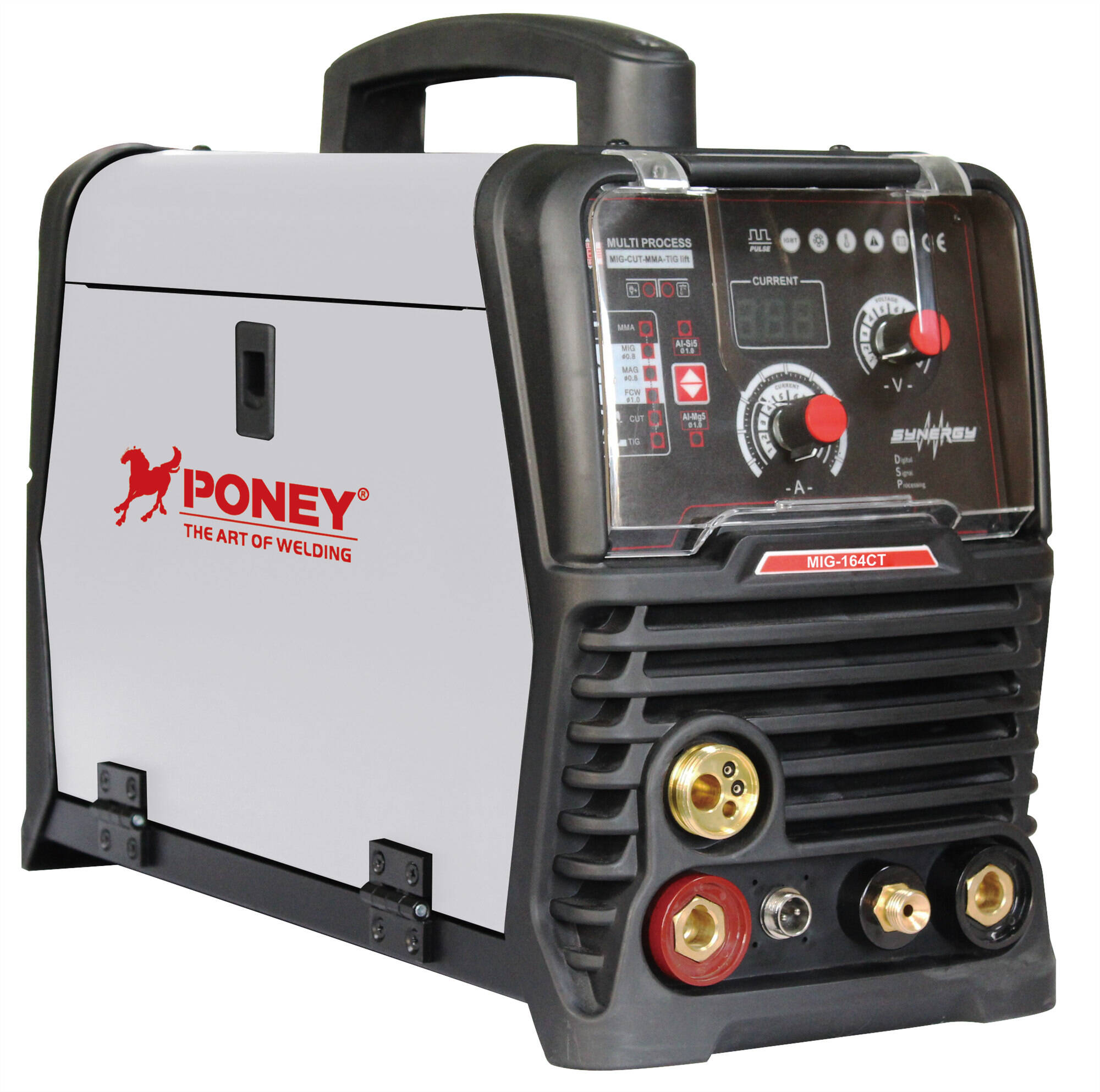
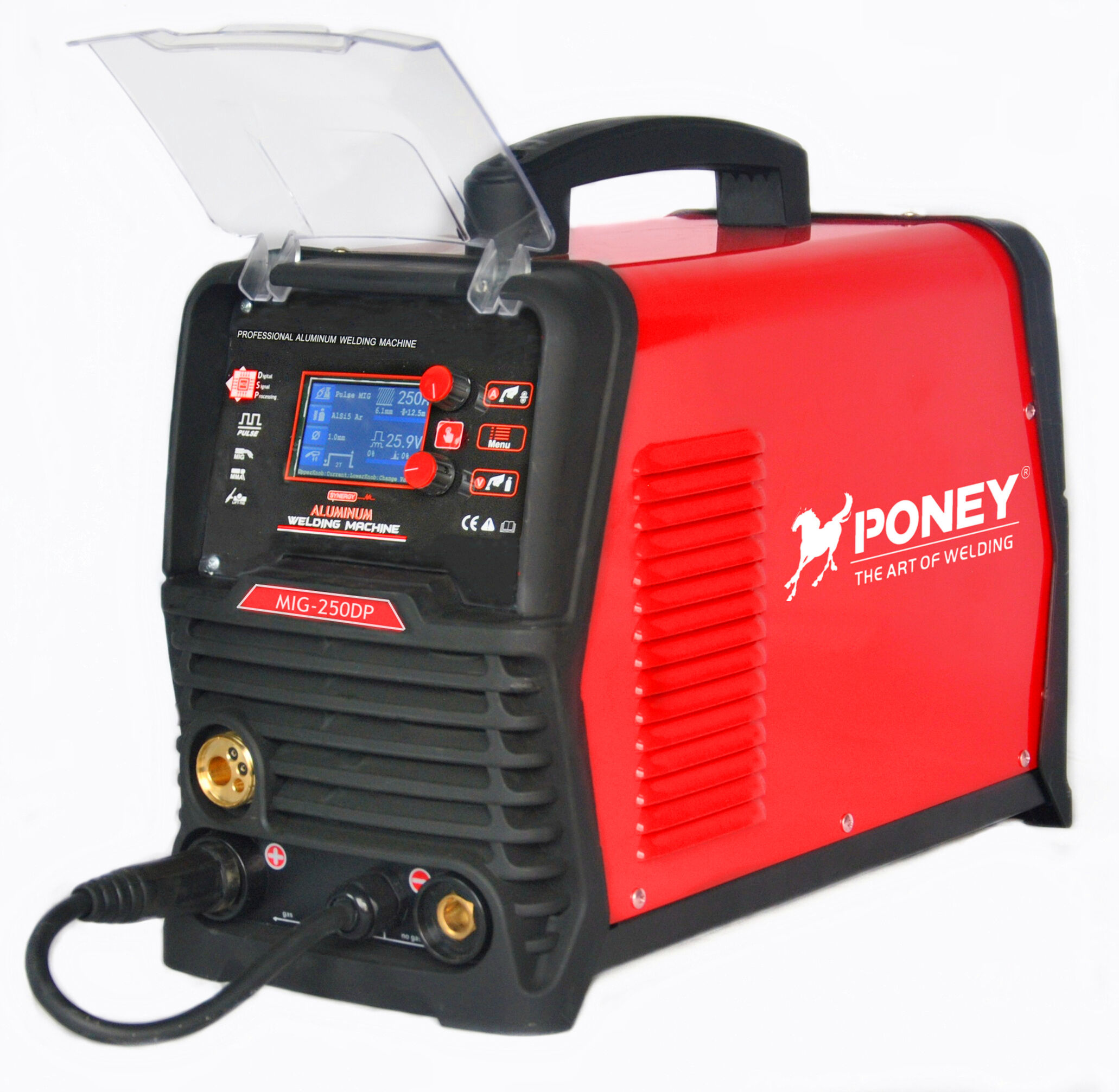
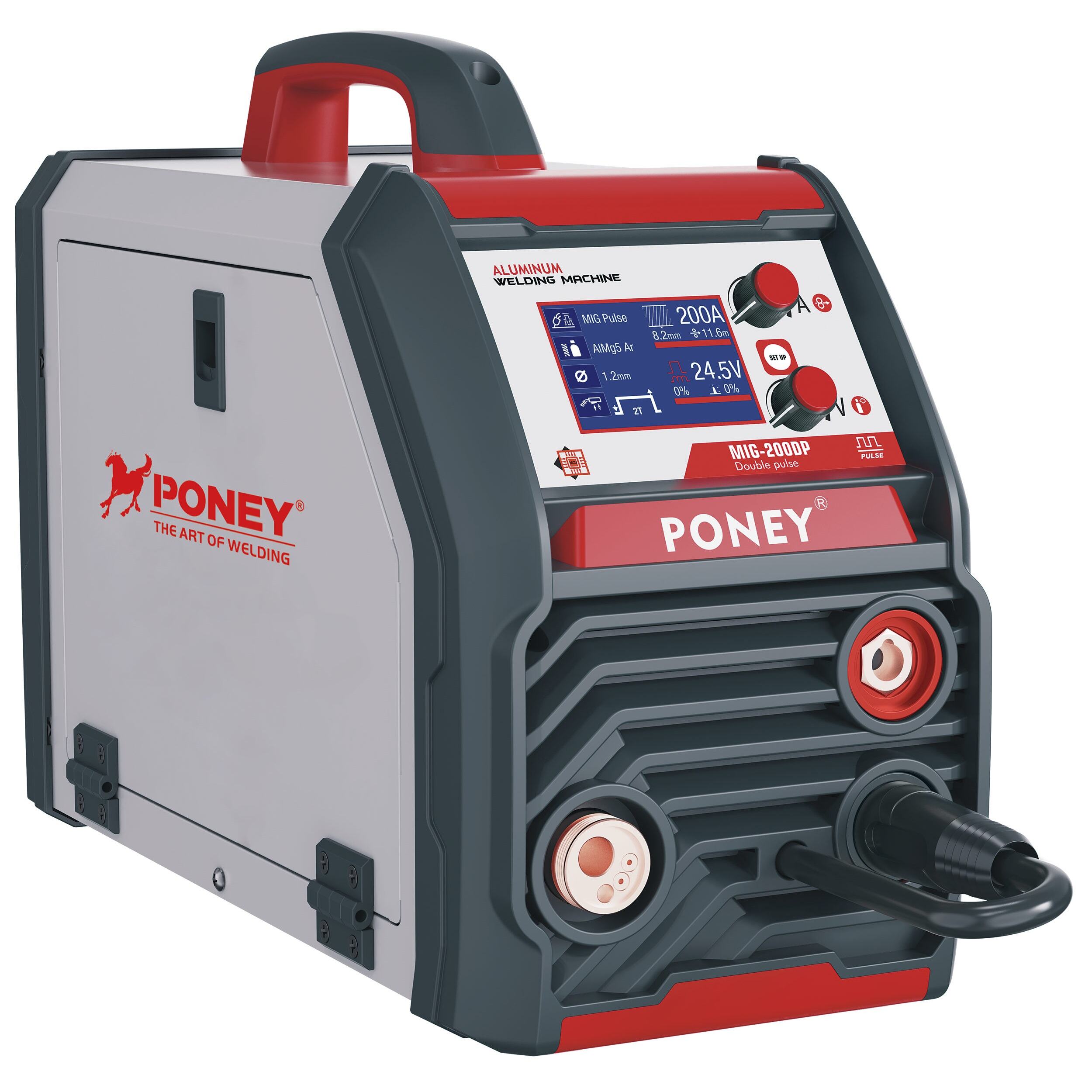
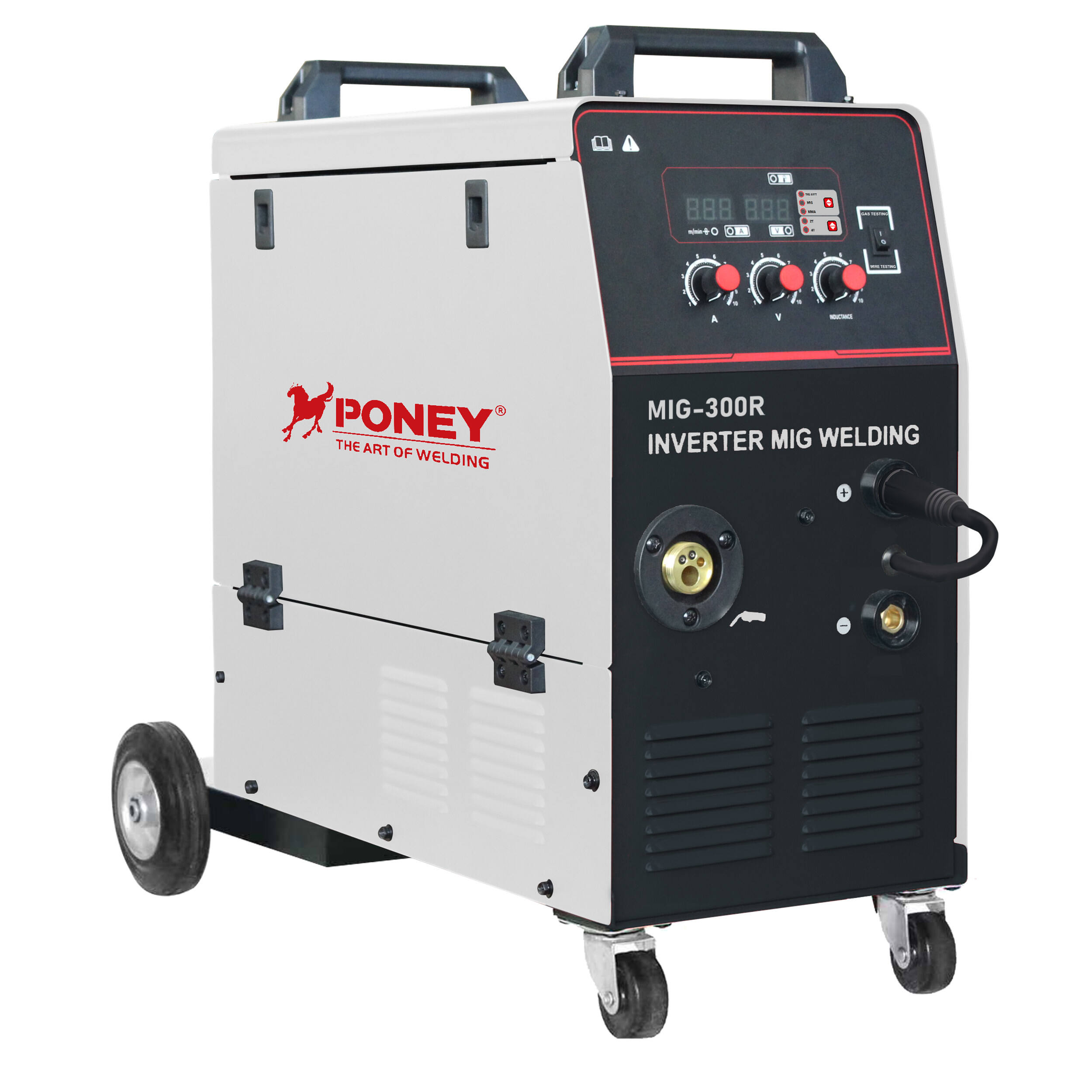
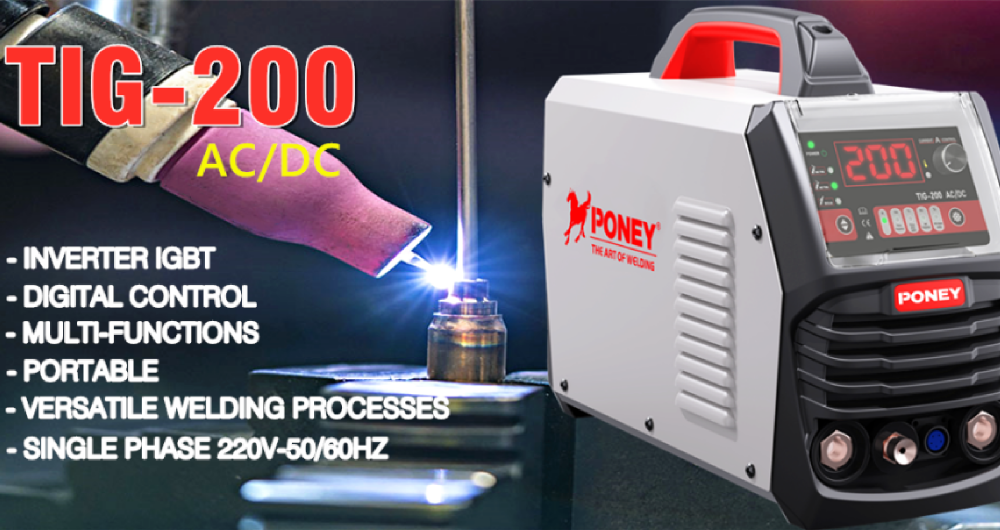
Premium Good Aluminum Welder - Advanced Multi-Process Welding Solutions for Professional Results

Get a Free Quote

Our representative will contact you soon.
Email
Mobile/Whatsapp
Name
Company Name
Message
0/1000

good aluminum welder

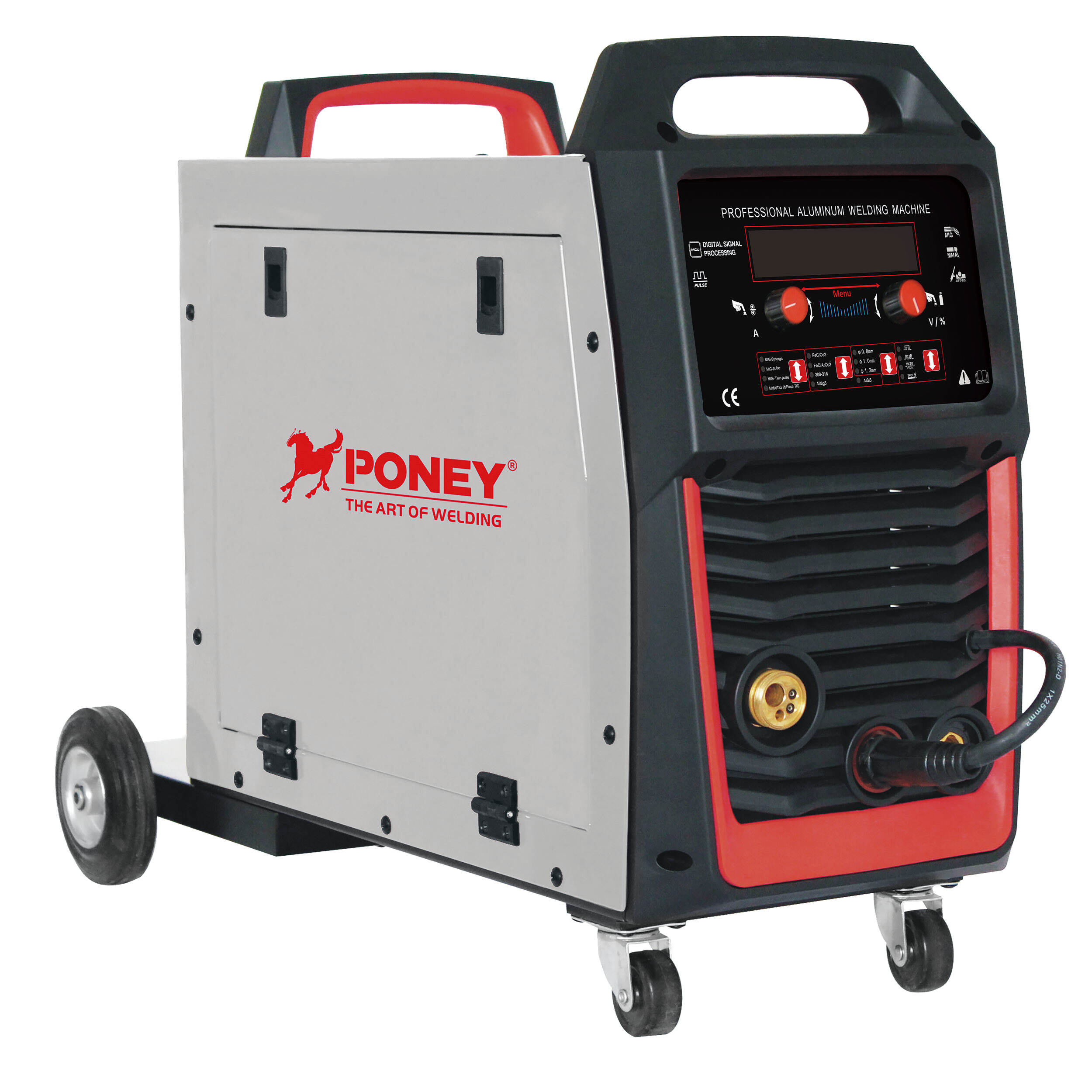
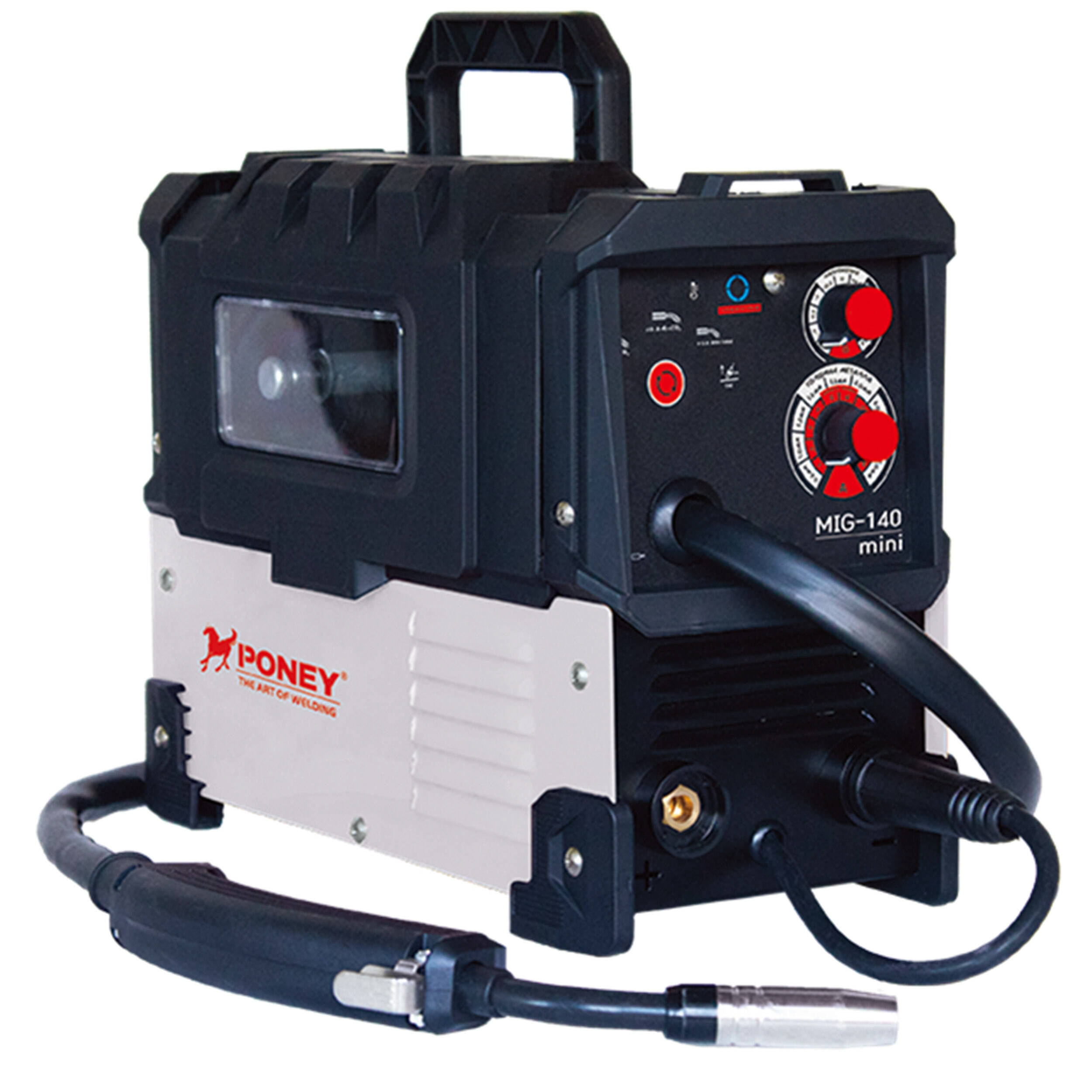
A good aluminum welder represents the pinnacle of modern welding technology, specifically engineered to handle the unique challenges that aluminum presents to welders across various industries. Unlike traditional welding equipment, a good aluminum welder incorporates advanced features that address aluminum's high thermal conductivity, oxide formation tendencies, and sensitivity to heat input variations. These specialized machines deliver precise control over welding parameters, ensuring consistent, high-quality results whether you're working on automotive components, aerospace applications, or architectural projects. The core functionality of a good aluminum welder centers around its ability to maintain stable arc characteristics while providing optimal heat distribution across aluminum surfaces. Most quality aluminum welders feature advanced inverter technology that converts incoming AC power into precisely controlled DC output, enabling superior arc stability and reduced spatter formation. The technological sophistication extends to pulse welding capabilities, which allow operators to alternate between high peak currents for penetration and lower background currents for cooling, effectively managing heat input and minimizing distortion in thin aluminum sections. Modern good aluminum welders incorporate synergic control systems that automatically adjust welding parameters based on material thickness and wire feed speed selections, simplifying operation for both novice and experienced welders. These machines typically support multiple welding processes including MIG, TIG, and pulse welding modes, providing versatility for different project requirements. Applications for a good aluminum welder span numerous industries, from marine construction where corrosion resistance is paramount, to HVAC systems requiring lightweight yet durable joints. In automotive manufacturing, these welders enable the creation of strong, lightweight vehicle components that improve fuel efficiency. The aerospace industry relies heavily on good aluminum welders for producing critical structural components where precision and reliability are non-negotiable. Additionally, architectural applications benefit from the clean, aesthetically pleasing welds that good aluminum welders produce, making them ideal for visible structural elements and decorative features.

New Product Recommendations

The advantages of investing in a good aluminum welder extend far beyond basic welding capabilities, delivering tangible benefits that directly impact productivity, quality, and cost-effectiveness. First and foremost, a good aluminum welder dramatically reduces material waste through superior heat control and arc stability. Traditional welding equipment often struggles with aluminum's heat sensitivity, leading to burn-through, warping, and rejected parts. Quality aluminum welders eliminate these issues through advanced thermal management systems that maintain optimal temperatures throughout the welding process. This precision translates into significant cost savings, as operators spend less time on rework and material replacement. The enhanced productivity offered by a good aluminum welder stems from its user-friendly interface and automated parameter adjustment features. Operators can achieve professional results with minimal training, as synergic control systems automatically optimize settings based on material specifications. This automation reduces setup time and eliminates guesswork, allowing welders to focus on technique rather than machine adjustments. The consistent performance of a good aluminum welder ensures repeatable results across multiple projects, establishing quality standards that build customer confidence and business reputation. Versatility represents another crucial advantage, as good aluminum welders typically support multiple welding processes within a single machine. This multi-process capability eliminates the need for separate equipment purchases, reducing capital investment and workspace requirements. Whether tackling thin sheet metal fabrication or thick structural welding, operators can switch between MIG, TIG, and pulse modes to match process requirements with material demands. The reliability factor of a good aluminum welder translates into reduced downtime and maintenance costs. Quality machines incorporate robust components designed to withstand industrial environments while maintaining consistent performance over extended periods. Advanced cooling systems prevent overheating during continuous operation, while durable construction ensures longevity even under demanding conditions. Energy efficiency represents an often-overlooked advantage of modern good aluminum welders. Inverter technology reduces power consumption compared to traditional transformer-based machines, lowering operational costs while supporting environmental sustainability initiatives. The compact design of quality aluminum welders maximizes workspace efficiency, allowing integration into existing production lines without extensive modifications. Finally, the superior weld quality achieved by a good aluminum welder enhances the structural integrity and appearance of finished products, creating competitive advantages in markets where quality and aesthetics drive purchasing decisions.

Latest News

PONEY Upholds Tradition of Excellence

26

Jan

PONEY Upholds Tradition of Excellence

View More
PONEY Welcomes Core Procurement Delegation from Georgia, Signing Cooperation to Open a New Chapter

26

Jan

PONEY Welcomes Core Procurement Delegation from Georgia, Signing Cooperation to Open a New Chapter

View More
Ingenuity Forges a New Chapter! PONEY's New Product Launch Conference Concludes Successfully, with Two Flagship Welding Machines Stealing the Show

26

Jan

Ingenuity Forges a New Chapter! PONEY's New Product Launch Conference Concludes Successfully, with Two Flagship Welding Machines Stealing the Show

View More

Get a Free Quote

Our representative will contact you soon.
Email
Mobile/Whatsapp
Name
Company Name
Message
0/1000

good aluminum welder

Advanced Pulse Welding Technology for Superior Heat Management

Advanced Pulse Welding Technology for Superior Heat Management

The pulse welding technology integrated into a good aluminum welder represents a revolutionary approach to managing heat input during aluminum fabrication processes. This sophisticated feature alternates between high peak currents and lower background currents at precisely controlled intervals, creating a pulsing effect that fundamentally transforms how heat energy is distributed throughout the aluminum workpiece. During the peak current phase, the good aluminum welder delivers concentrated energy that ensures adequate penetration and fusion, while the background current phase allows the material to cool slightly, preventing excessive heat buildup that could lead to distortion or burn-through. This controlled heating and cooling cycle is particularly crucial when working with thin aluminum sheets, where traditional continuous welding often results in warping or hole formation. The pulse frequency and duty cycle can be adjusted on a good aluminum welder to match specific material thicknesses and joint configurations, providing unprecedented control over the welding process. Operators benefit from reduced post-weld cleanup requirements, as the controlled heat input minimizes oxide formation and spatter generation. The technology also enables welding in all positions, including overhead and vertical orientations, where gravity and heat management become critical factors. For production environments, pulse welding technology in a good aluminum welder delivers consistent results across multiple operators with varying skill levels, as the automated pulse control compensates for minor technique variations. The reduced heat-affected zone created by pulse welding preserves the mechanical properties of aluminum alloys, maintaining strength characteristics that are essential in structural applications. Additionally, the aesthetic benefits of pulse welding cannot be understated, as the controlled energy input creates uniform bead appearance with minimal post-weld finishing requirements. This technology is particularly valuable in applications where visual quality matters, such as architectural components or consumer products. The long-term cost benefits of pulse welding technology include reduced consumable usage, lower rework rates, and extended equipment life due to more controlled thermal cycling of machine components.
Synergic Control System for Effortless Parameter Optimization

Synergic Control System for Effortless Parameter Optimization

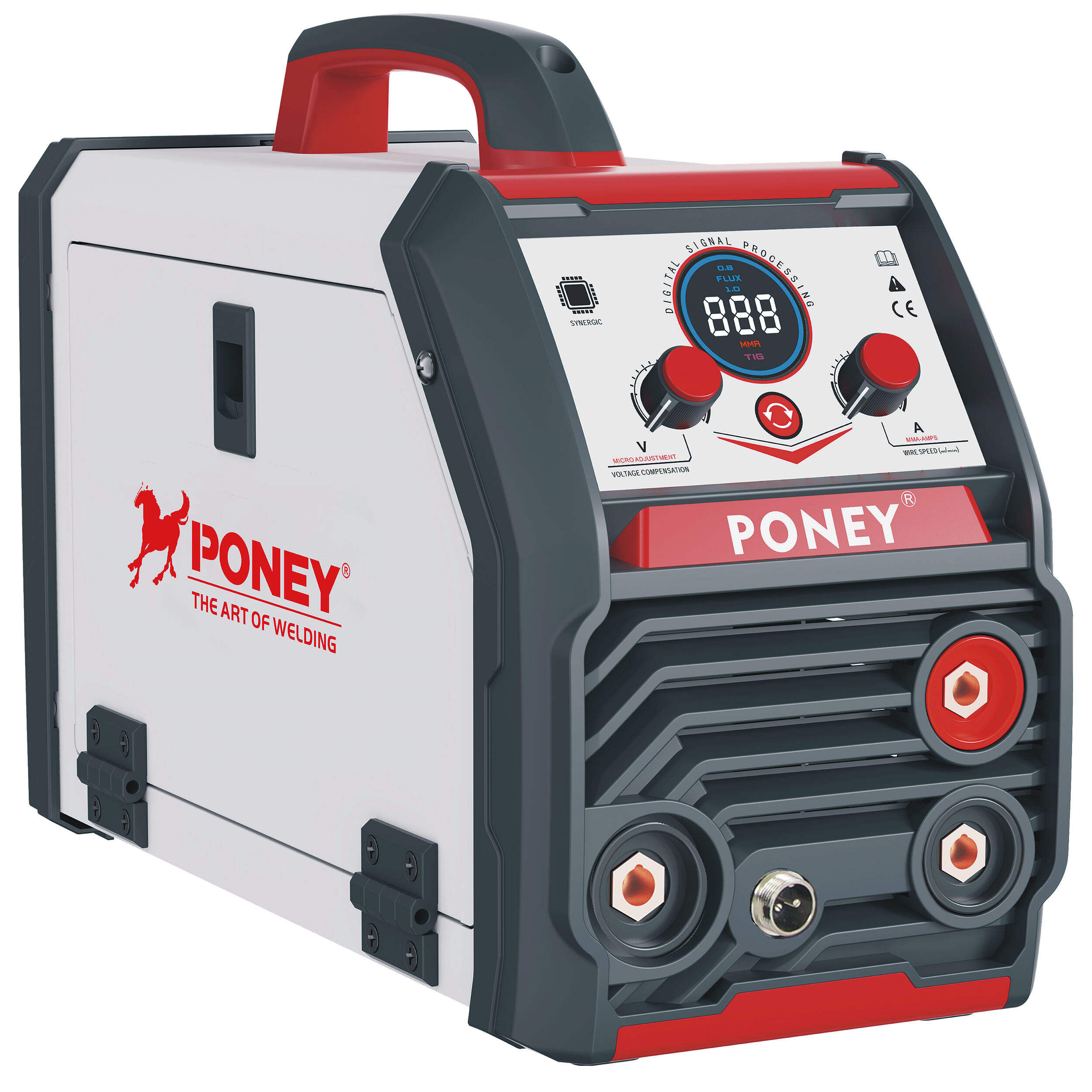
The synergic control system embedded within a good aluminum welder transforms complex parameter adjustment into an intuitive, streamlined process that maximizes both efficiency and weld quality. This intelligent technology represents a significant advancement over traditional manual parameter setting methods, automatically calculating and adjusting critical variables including wire feed speed, voltage, and gas flow rates based on operator-selected material thickness and welding process preferences. When using a good aluminum welder equipped with synergic controls, operators simply input basic information about their project, and the system instantly configures optimal settings drawn from extensive databases of proven welding parameters. This automation eliminates the trial-and-error approach that often characterizes aluminum welding, where incorrect settings can quickly result in material damage or poor weld quality. The synergic system continuously monitors welding conditions and makes real-time micro-adjustments to maintain optimal arc characteristics, even as variables such as electrode extension or travel speed change during operation. For businesses employing multiple welders with varying experience levels, a good aluminum welder with synergic controls ensures consistent quality regardless of individual skill differences. New operators can achieve professional results immediately, while experienced welders benefit from the precision and repeatability that manual adjustment cannot match. The system also stores custom parameter sets, allowing operators to save proven settings for specific applications and recall them instantly for future projects. This feature proves invaluable in production environments where consistency across multiple units is essential. The synergic control system in a good aluminum welder also provides diagnostic capabilities, alerting operators to potential issues such as gas flow problems, electrode wear, or material contamination before they compromise weld quality. Educational benefits include real-time parameter display, helping operators understand the relationship between settings and results, ultimately improving their welding knowledge and skills. The technology reduces setup time significantly, as operators no longer need to consult charts or perform test welds to determine appropriate settings. This efficiency gain translates directly into increased productivity and reduced project costs, making the good aluminum welder an investment that pays dividends through improved operational performance.
Multi-Process Versatility for Comprehensive Aluminum Fabrication Solutions

Multi-Process Versatility for Comprehensive Aluminum Fabrication Solutions

The multi-process capability of a good aluminum welder provides unparalleled versatility that addresses the diverse requirements of modern aluminum fabrication across multiple industries and applications. This comprehensive approach integrates MIG, TIG, and specialized aluminum welding processes within a single machine platform, eliminating the need for multiple pieces of equipment while ensuring optimal process selection for each specific application. When working with a good aluminum welder that offers multi-process functionality, operators can seamlessly switch between processes based on material thickness, joint configuration, and quality requirements without interrupting workflow or requiring additional setup time. The MIG capability handles high-production scenarios where speed and efficiency are paramount, such as automotive component manufacturing or structural fabrication where consistent, repeatable results matter more than absolute precision. For applications demanding superior cosmetic appearance and precise control, the TIG functionality within a good aluminum welder provides the finesse required for aerospace components, decorative architectural elements, or high-end consumer products. The ability to transition between processes also supports complex projects that require different welding approaches for various joints or sections, maintaining consistency in operator training and equipment familiarity. Quality control benefits significantly from multi-process capability, as operators can select the optimal process for each specific requirement rather than compromising quality by forcing a single process to handle all situations. The economic advantages of a good aluminum welder with multi-process capability include reduced capital investment compared to purchasing separate machines, lower maintenance costs due to consolidated equipment, and decreased floor space requirements in manufacturing facilities. Training efficiency improves when operators master a single machine platform that handles multiple processes rather than learning separate equipment interfaces and maintenance procedures. The consistency of user interface and control logic across all processes within a good aluminum welder reduces operator confusion and minimizes the potential for setup errors that could compromise weld quality. Advanced models often include process-specific optimization features, automatically adjusting parameters when switching between MIG and TIG modes to ensure optimal performance for each application. This intelligent adaptation ensures that operators achieve the best possible results regardless of their chosen process, while built-in safety systems prevent incorrect parameter combinations that could damage equipment or create hazardous conditions. The flexibility offered by multi-process capability also supports business growth, as companies can accept diverse project types without additional equipment investment, expanding their market reach and competitive positioning.

Get a Free Quote

Our representative will contact you soon.
Email
Mobile/Whatsapp
Name
Company Name
Message
0/1000