mIG-sveiseutstyr av høy kvalitet
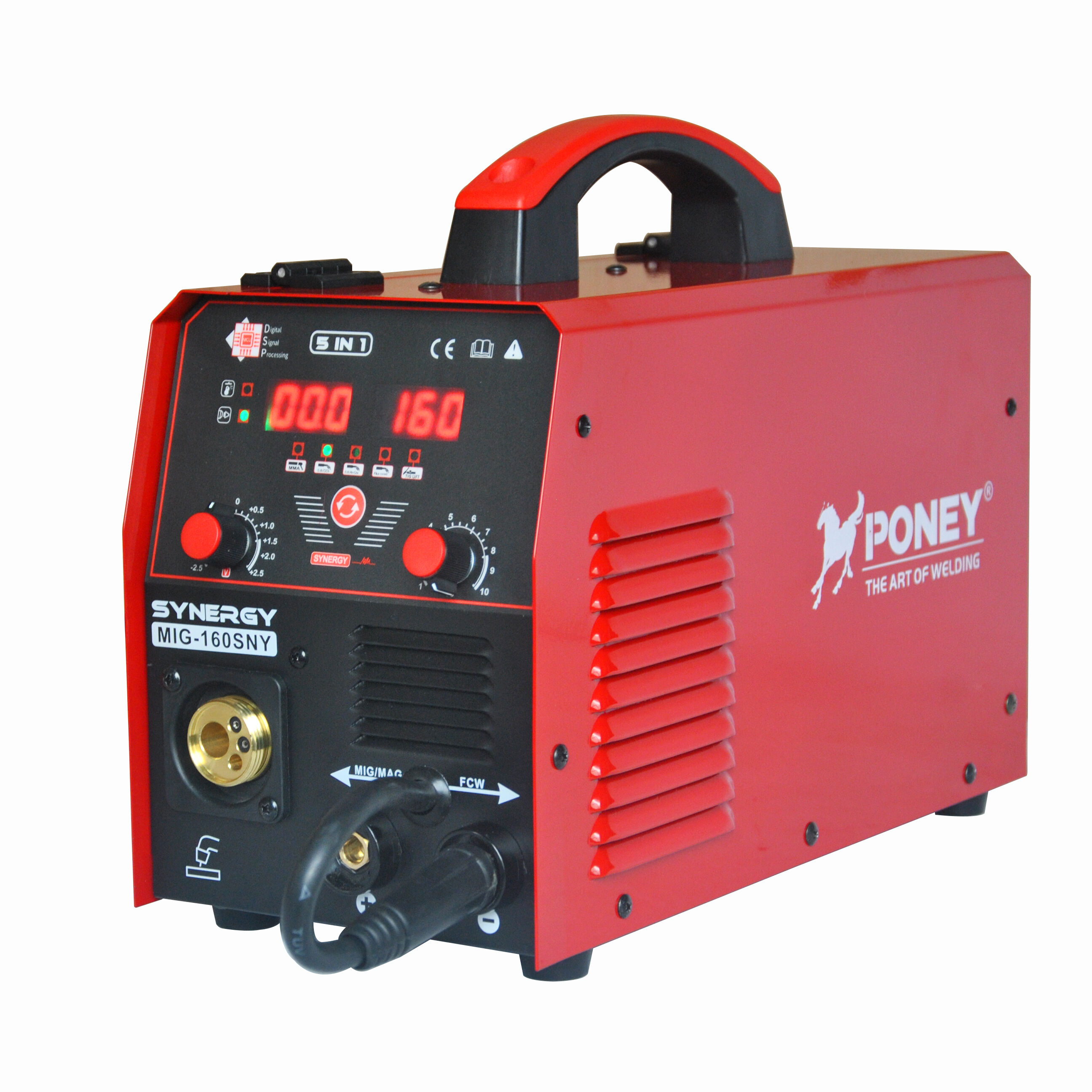
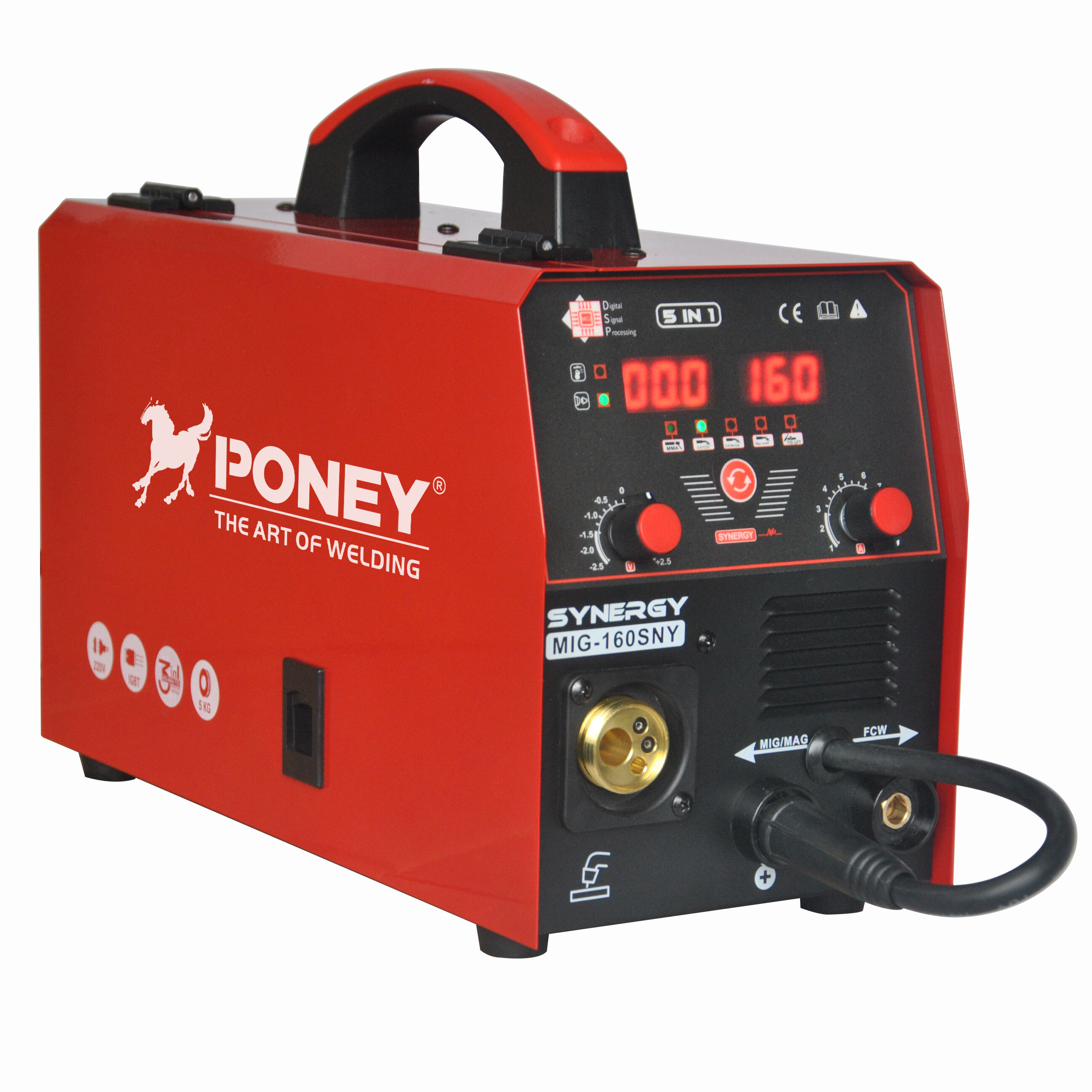
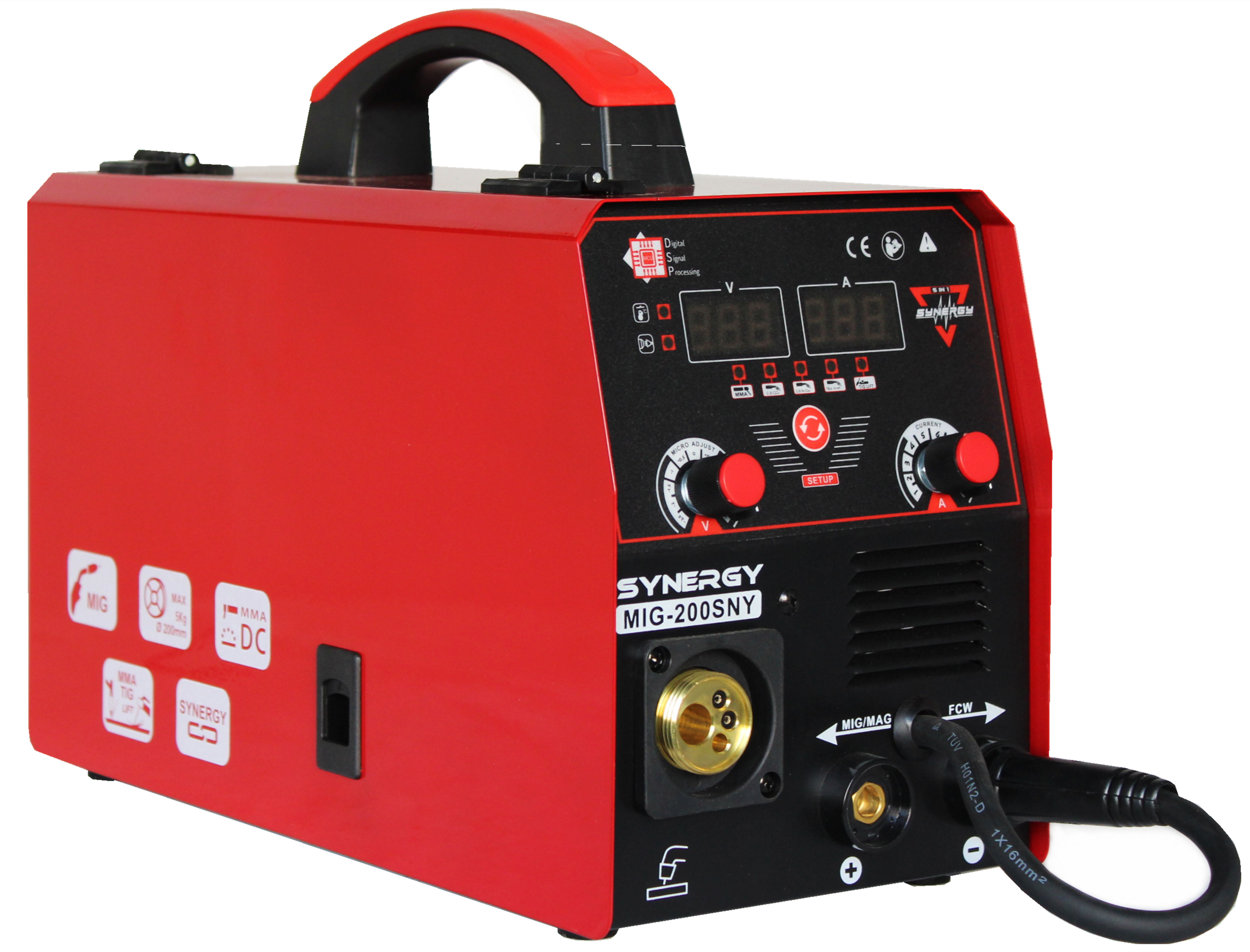
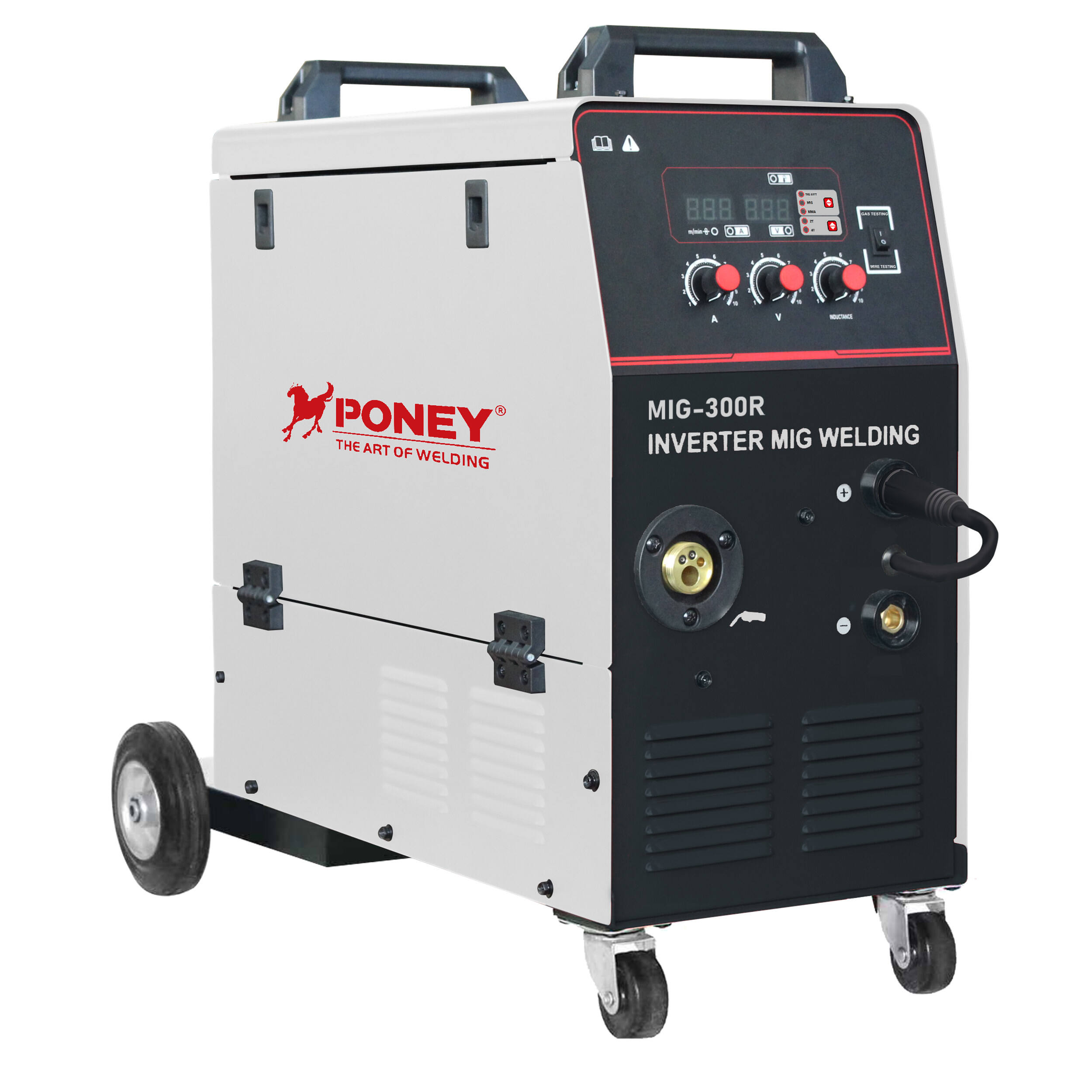
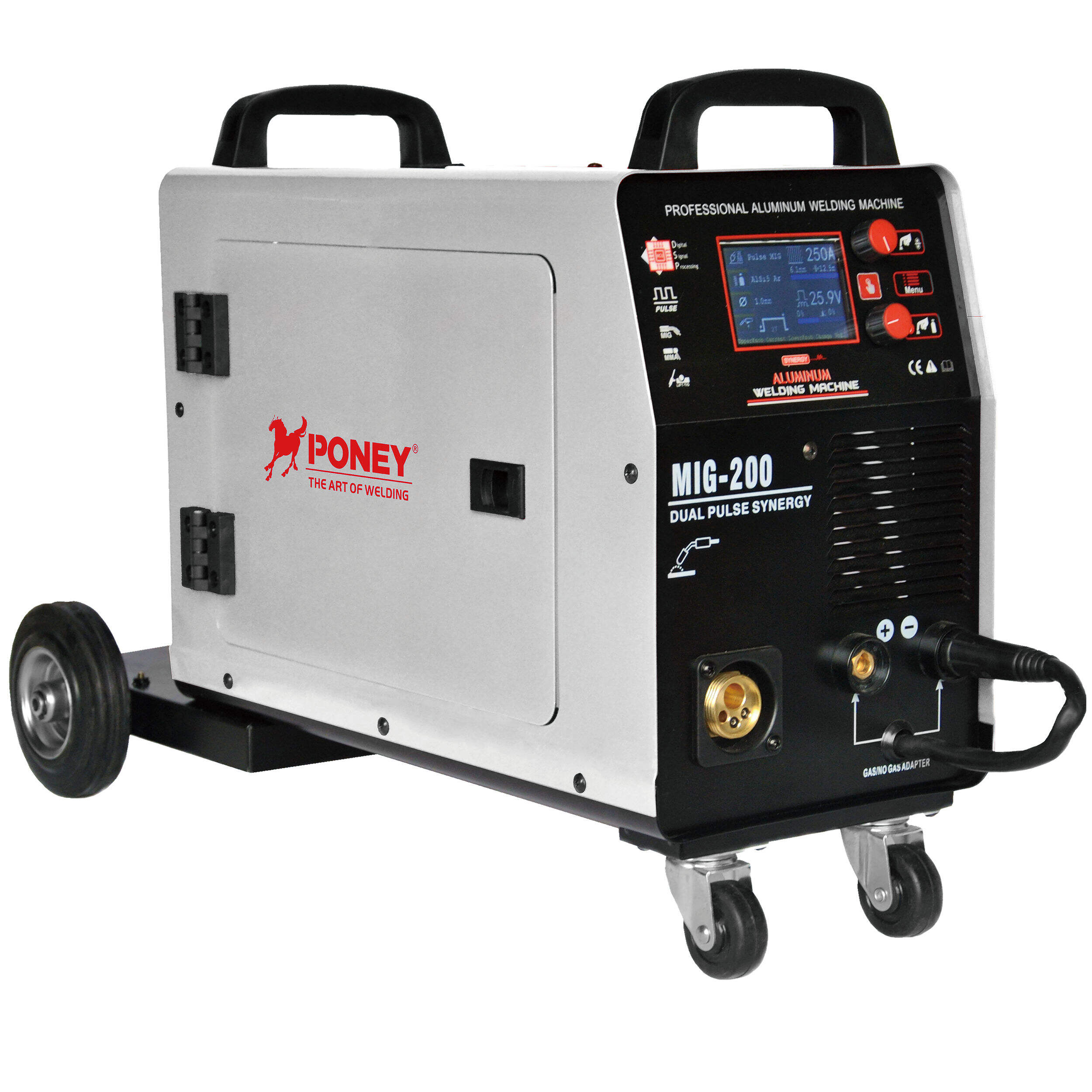
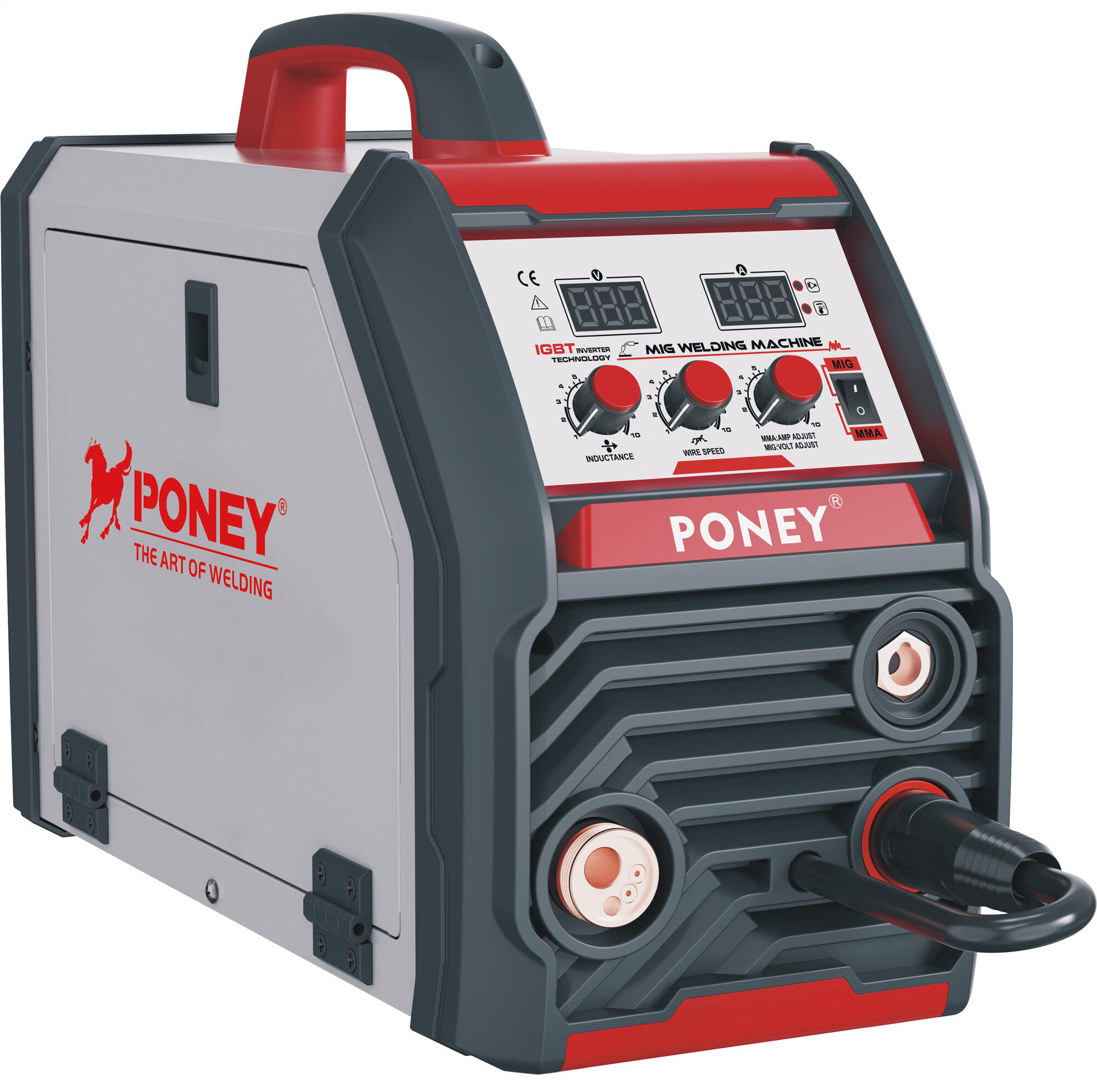
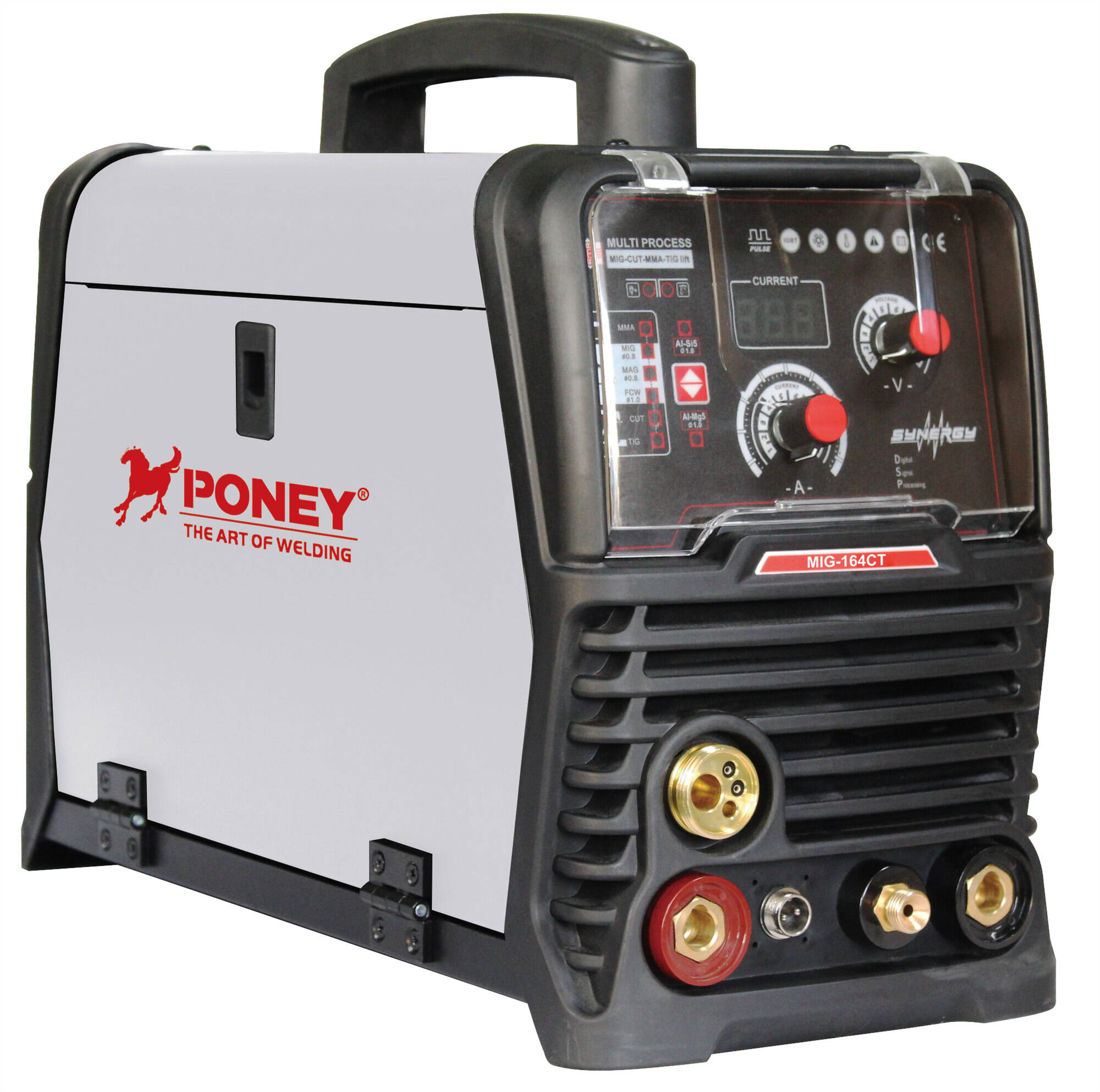
En høykvalitets-MIG-sveiseapparat representerer toppen av moderne sveiseteknologi og kombinerer presisjon, pålitelighet og brukervennlig drift for å levere ekseptionelle resultater i et bredt spekter av metallarbeidsapplikasjoner. Denne sofistikerte sveiseutstyret bruker MIG-sveising (Metal Inert Gas), også kjent som GMAW (Gas Metal Arc Welding), for å lage sterke, rene søm med minimal spattering og overlegen gjennomtrengning. Høykvalitets-MIG-sveiseapparatet fungerer ved at en kontinuerlig massiv trådelektrode føres gjennom en sveisepistol samtidig som en inaktiv beskyttelsesgass frigjøres for å beskytte sveisebadet mot atmosfærisk forurensning. Denne prosessen sikrer konsekvente, høykvalitative søm som oppfyller profesjonelle standarder i ulike industrier. Teknologiske funksjoner i en høykvalitets-MIG-sveiseapparat inkluderer avansert inverterteknologi som gir stabile bueegenskaper og nøyaktig varmeregulering, slik at sveiserne kan arbeide med materialer fra tynne plater til tykke strukturelle komponenter. Digitale display gir sanntidsmonitorering av parametere, mens forhåndsinnstilte sveiseprogram forenkler oppsettet for ulike materialtyper og -tykkelsesklasser. Synergi-styringssystemer justerer automatisk spenning og trådførehastighet basert på valgte parametere, noe som eliminerer gjett og reduserer operatørfeil. Utstyret har vanligvis flere sveisemoduser, inkludert puls-sveising for redusert varmetilførsel, punktsveising for spesialiserte applikasjoner og standard spray-overføring for maksimal produktivitet. Anvendelsesområdene for høykvalitets-MIG-sveisesystemer omfatter bilindustrien, byggeprosjekter, skipsbygging, rørledningsinstallasjon, generell fabrikasjon og reparasjonsarbeid. Profesjonelle verksteder, produksjonsanlegg og fagkyndige håndverkere stoler på disse maskinene for å produsere strukturelle rammer, dekorativ metallbearbeiding, maskinkomponenter og presisjonsmonteringer. Mangebruken til en høykvalitets-MIG-sveiseapparat gjør den egnet for arbeid med stål, rustfritt stål, aluminium og andre legeringer, og den støtter tråddiametre fra 0,6 mm til 1,6 mm avhengig av spesifikk modellkapasitet og anvendelsesområde.
 EN
EN