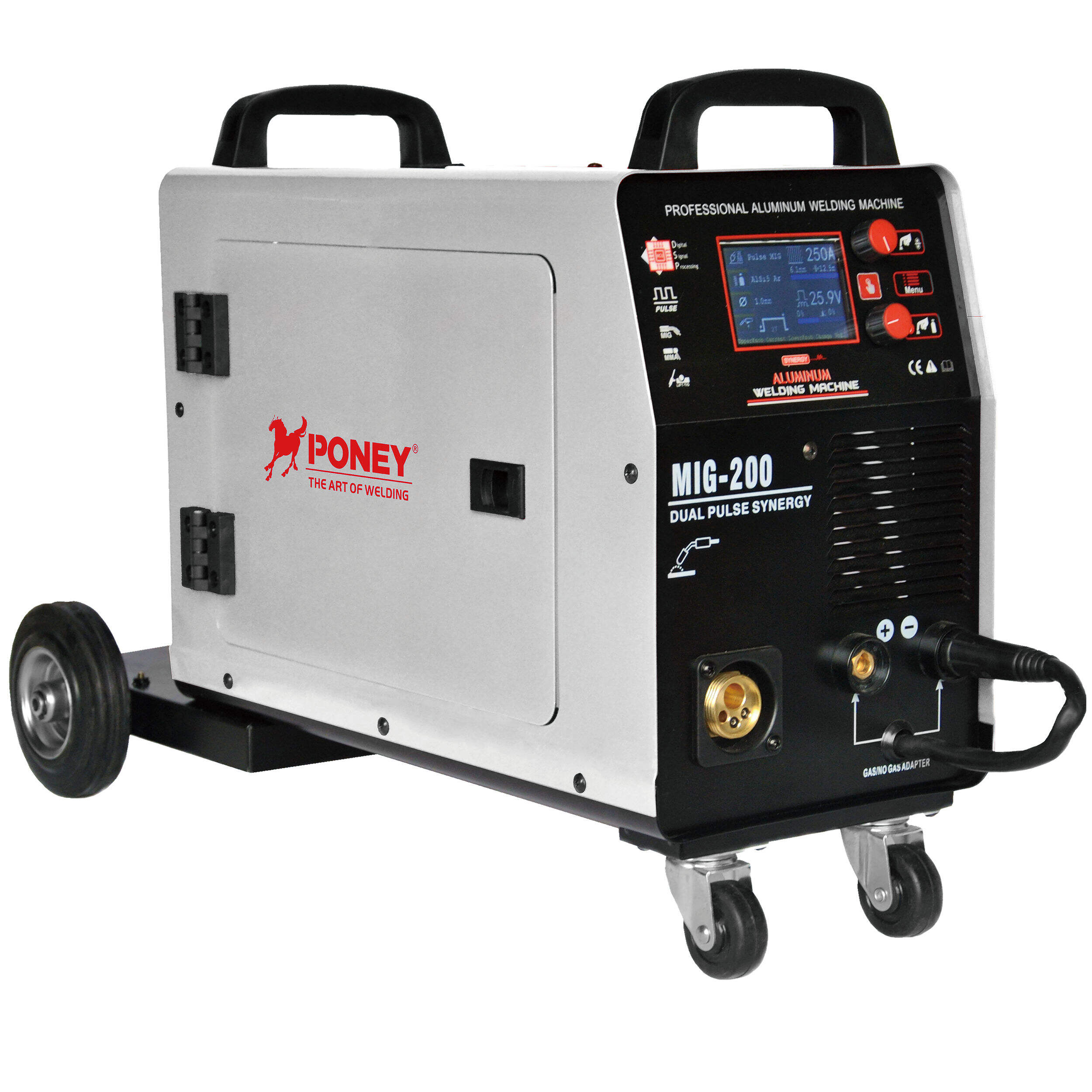
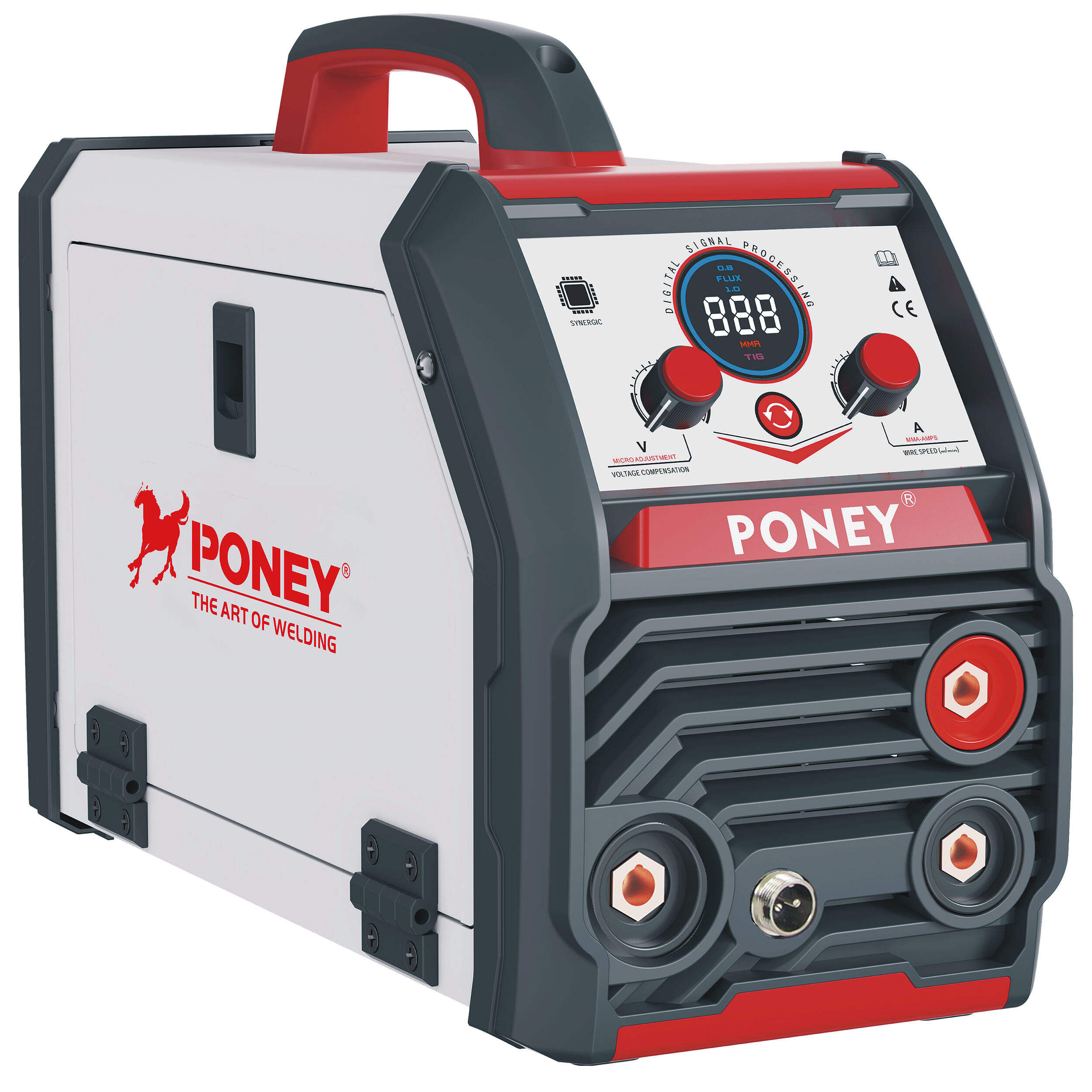
Professional Inverter MIG Welder - Advanced Welding Technology for Superior Results

Get a Free Quote

Our representative will contact you soon.
Email
Mobile/Whatsapp
Name
Company Name
Message
0/1000

inverter mig welder

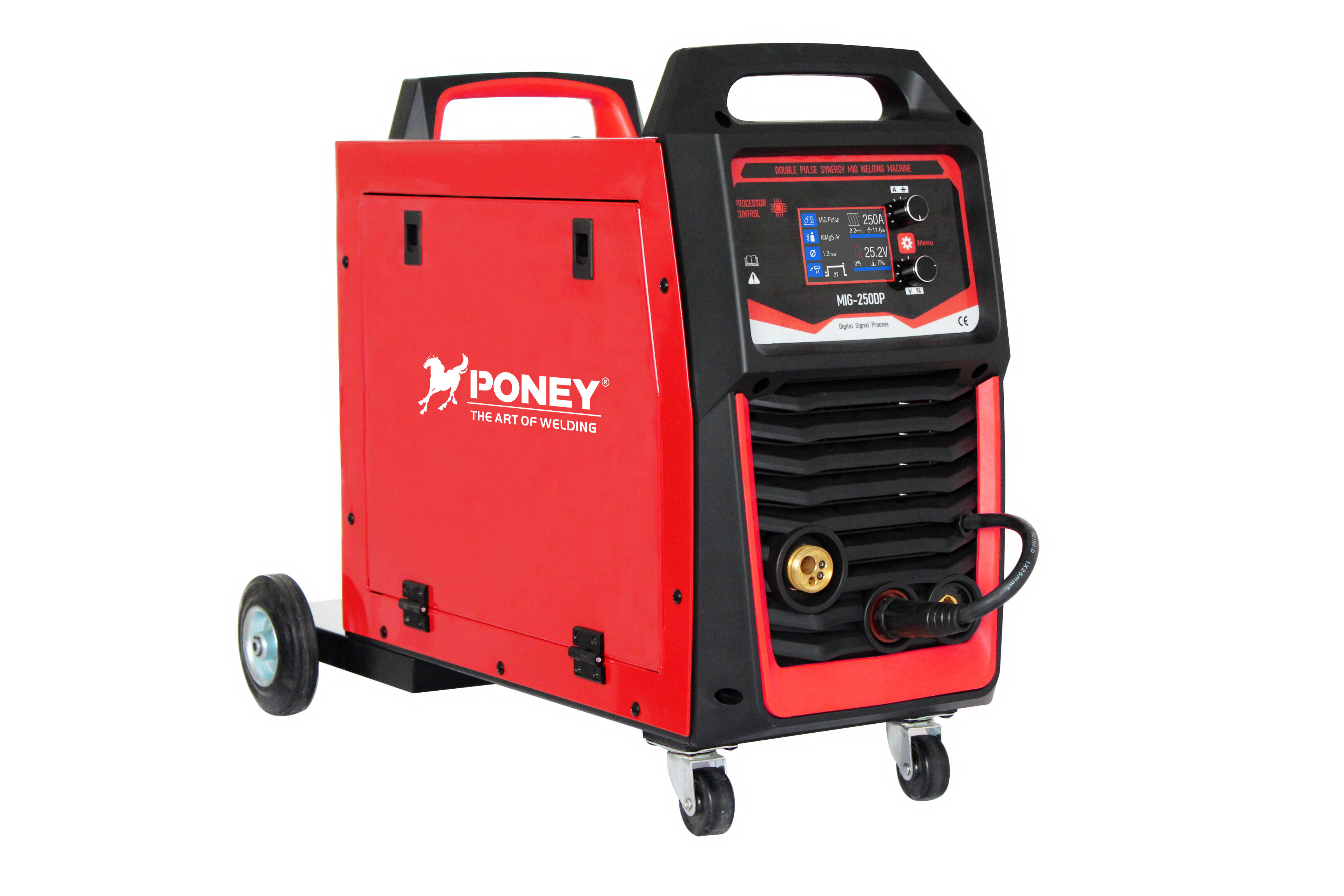
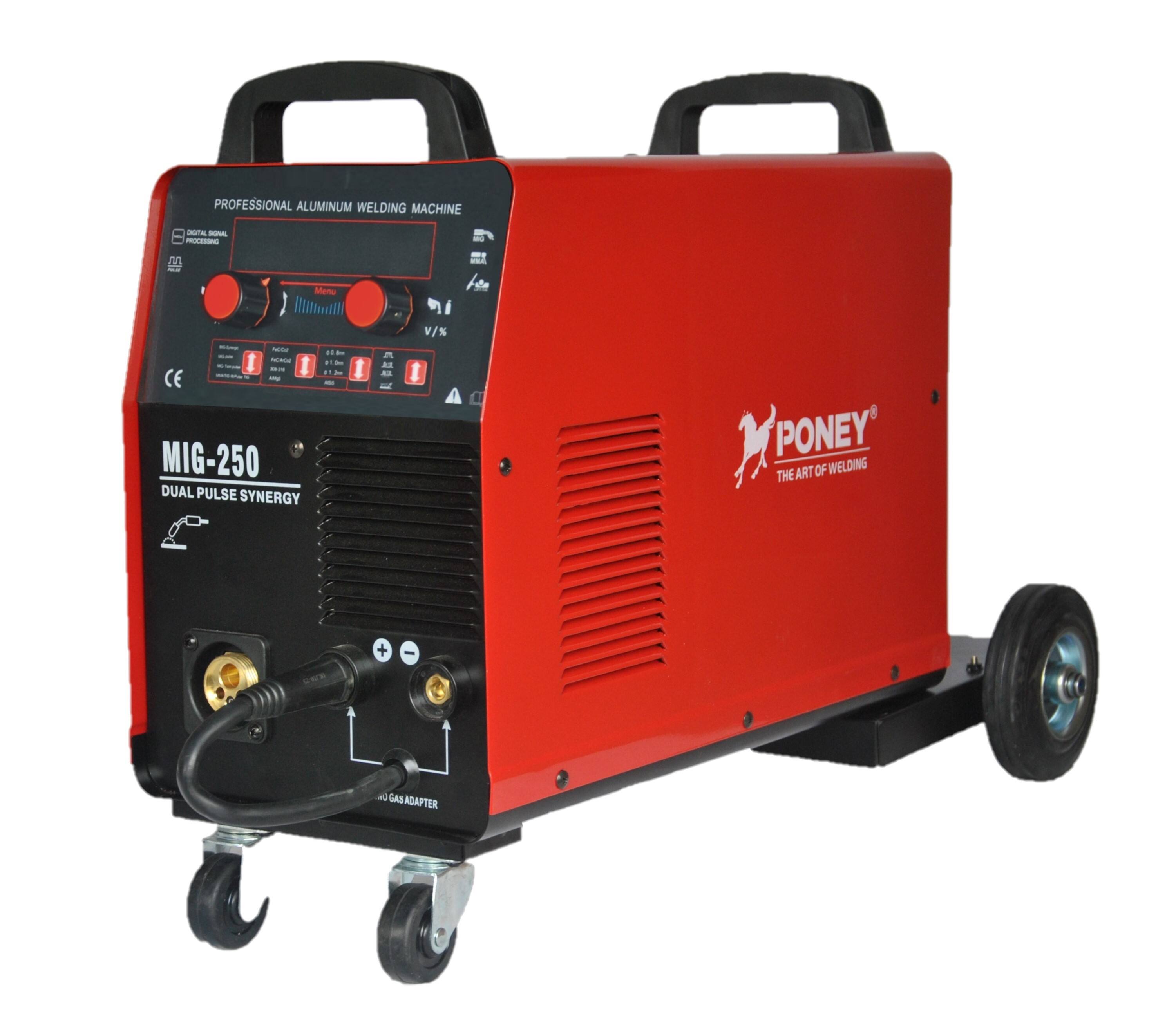
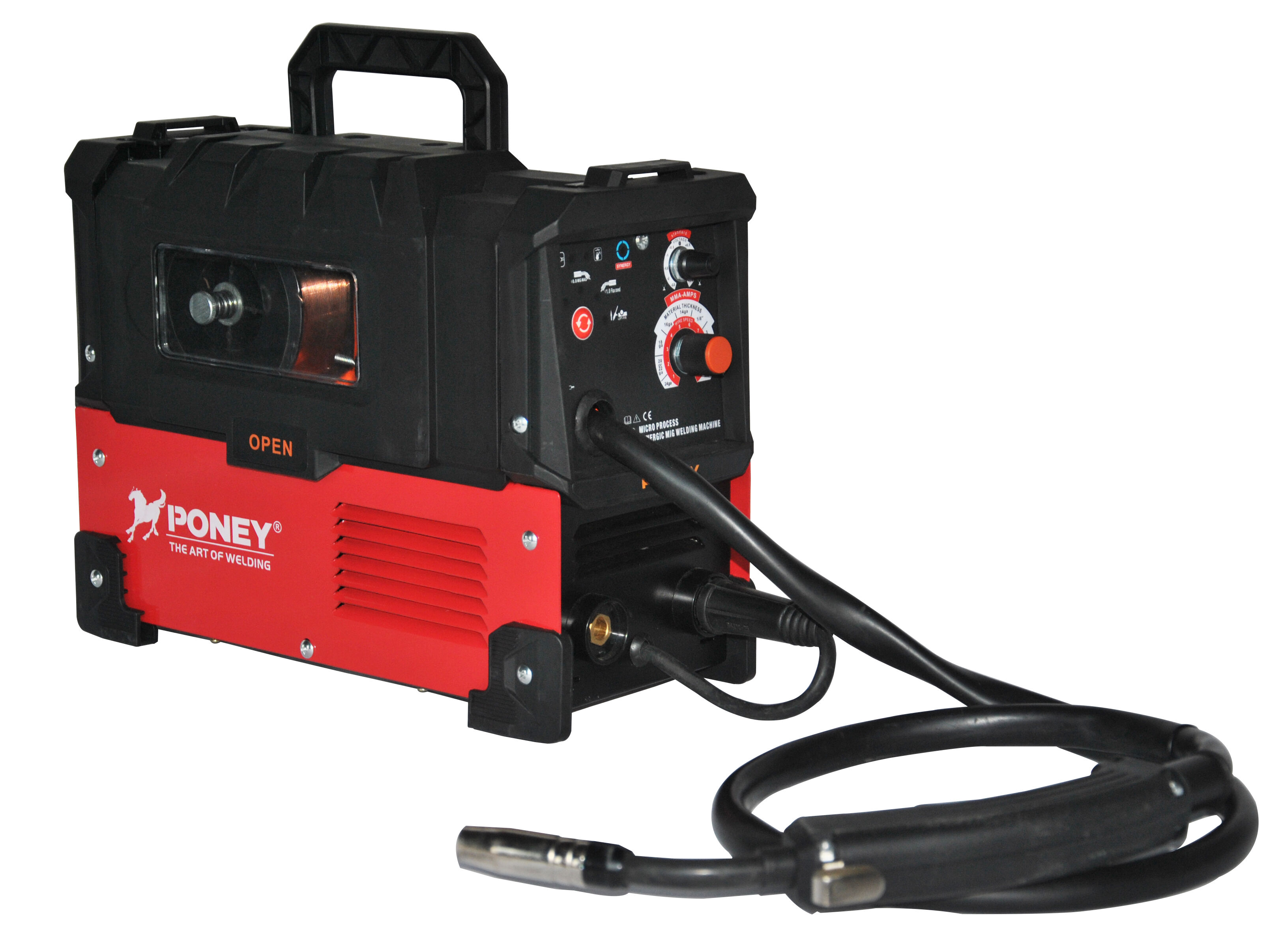
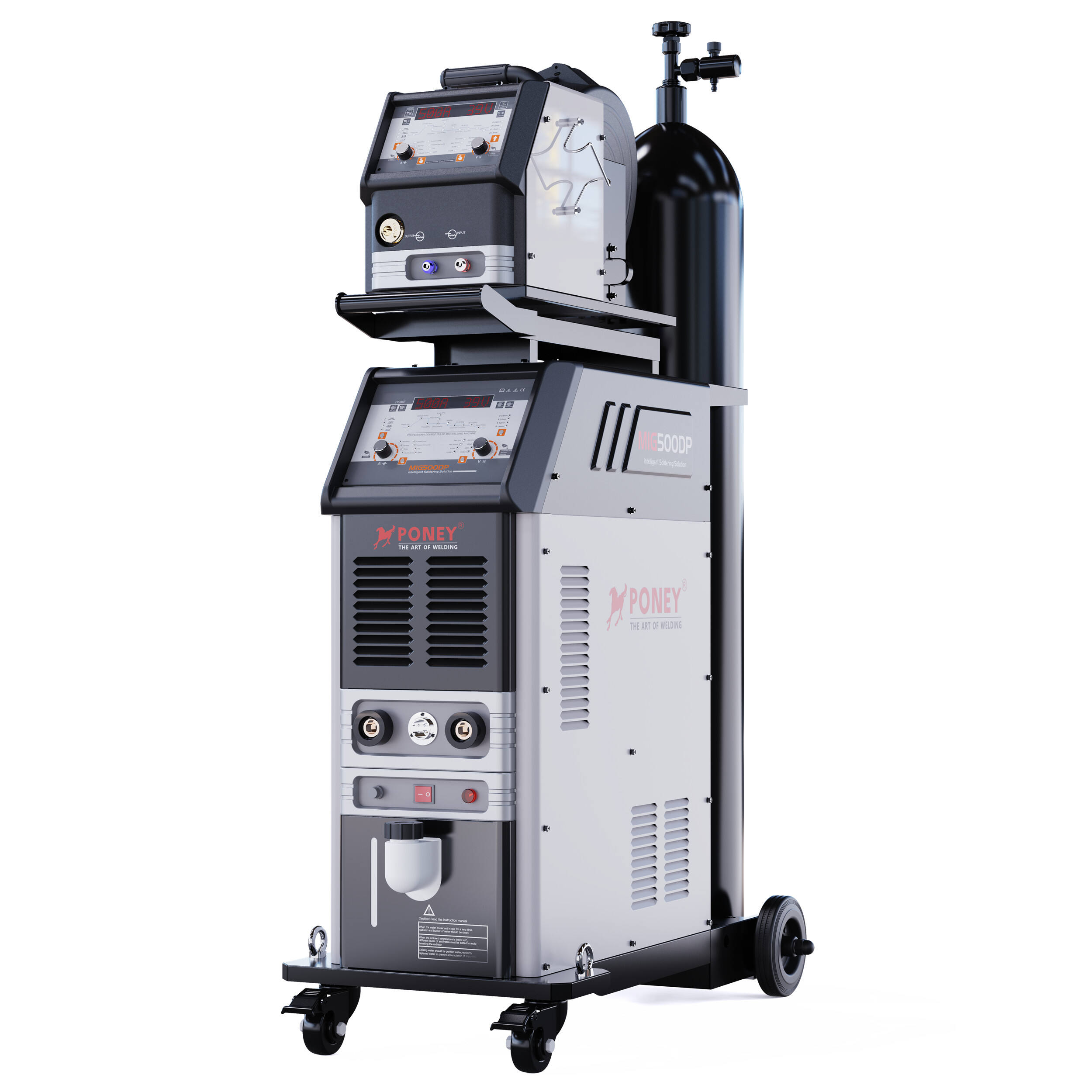
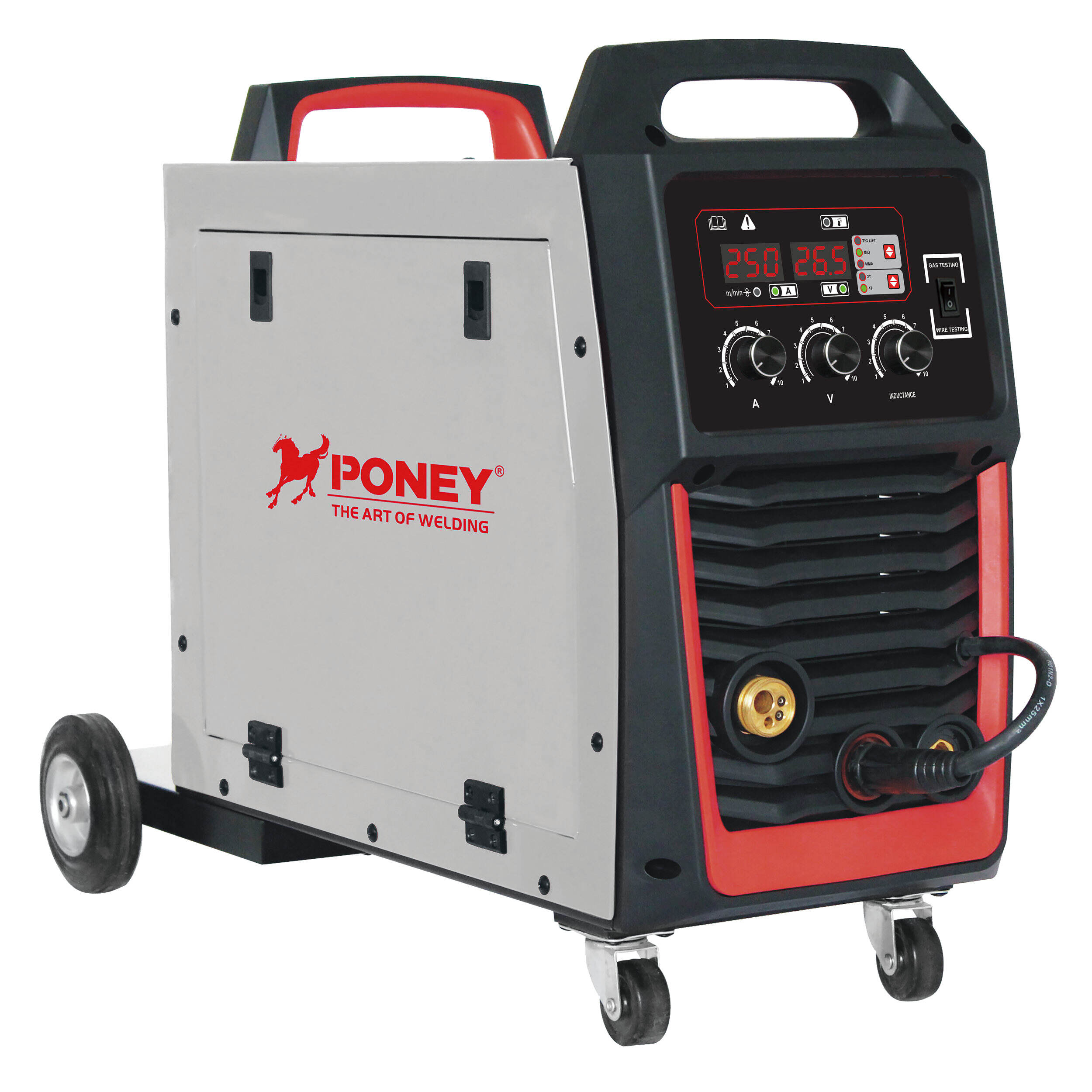
An inverter mig welder represents a revolutionary advancement in welding technology, combining the versatility of Metal Inert Gas (MIG) welding with the efficiency and portability of modern inverter electronics. This sophisticated welding machine transforms standard alternating current into direct current through advanced electronic circuits, delivering precise arc control and consistent weld quality across various applications. The inverter mig welder operates by converting AC power to DC power using high-frequency switching technology, which significantly reduces the overall weight and size compared to traditional transformer-based welders. This innovative design enables welders to achieve superior penetration, smoother arc characteristics, and enhanced spatter reduction during the welding process. The machine's core functionality revolves around feeding a continuous wire electrode through a welding gun while simultaneously supplying protective shielding gas to prevent contamination of the weld pool. Modern inverter mig welders feature digital displays, adjustable voltage and wire feed speed controls, and multiple welding modes including pulse welding capabilities. These technological features allow operators to fine-tune welding parameters for different material thicknesses and joint configurations. The inverter technology provides excellent arc stability, reduced energy consumption, and improved power factor correction compared to conventional welding equipment. Applications for inverter mig welders span across automotive repair, construction, manufacturing, maintenance operations, and hobbyist projects. Professional fabricators utilize these machines for structural steel work, sheet metal fabrication, and pipeline welding, while DIY enthusiasts appreciate their user-friendly operation for home repairs and creative projects. The versatility extends to welding various materials including mild steel, stainless steel, and aluminum when equipped with appropriate wire and gas combinations.

Popular Products

The inverter mig welder delivers exceptional performance benefits that make it the preferred choice for both professional welders and DIY enthusiasts. Energy efficiency stands out as a primary advantage, as these machines consume significantly less electricity than traditional welders while maintaining superior output power. The inverter technology reduces energy waste by up to 40 percent, resulting in lower operating costs and reduced environmental impact. Portability represents another major benefit, with most inverter mig welders weighing 50 to 70 percent less than conventional transformer-based units. This lightweight design enables easy transportation between job sites and convenient storage in workshops with limited space. The compact footprint allows welders to access tight spaces and work in confined areas where larger machines would be impractical. Precision control capabilities set inverter mig welders apart from older welding technologies. Digital interfaces provide exact voltage and wire feed speed adjustments, enabling consistent weld quality across different projects. The stable arc characteristics minimize spatter production, reducing post-weld cleanup time and material waste. Advanced inverter circuits deliver smooth power output with minimal fluctuations, resulting in cleaner welds with better penetration and fusion. Versatility emerges as a crucial selling point, with modern inverter mig welders accommodating multiple welding processes including standard MIG, flux-core welding, and lift-arc TIG capabilities. This multi-process functionality eliminates the need for separate machines, saving money and workshop space. The machines handle various material types and thicknesses, from thin sheet metal requiring delicate heat control to heavy structural components demanding deep penetration. Reliability improvements come from the solid-state electronics used in inverter designs, which contain fewer moving parts than traditional welders. This translates to reduced maintenance requirements, longer service life, and fewer unexpected breakdowns. Many inverter mig welders include built-in thermal protection systems that prevent overheating damage during extended use. User-friendly features enhance the welding experience through intuitive controls, clear displays, and helpful setup guides. Beginners can achieve professional-quality results more quickly, while experienced welders appreciate the consistent performance and advanced capabilities these machines provide.

Tips And Tricks

PONEY Upholds Tradition of Excellence

26

Jan

PONEY Upholds Tradition of Excellence

View More
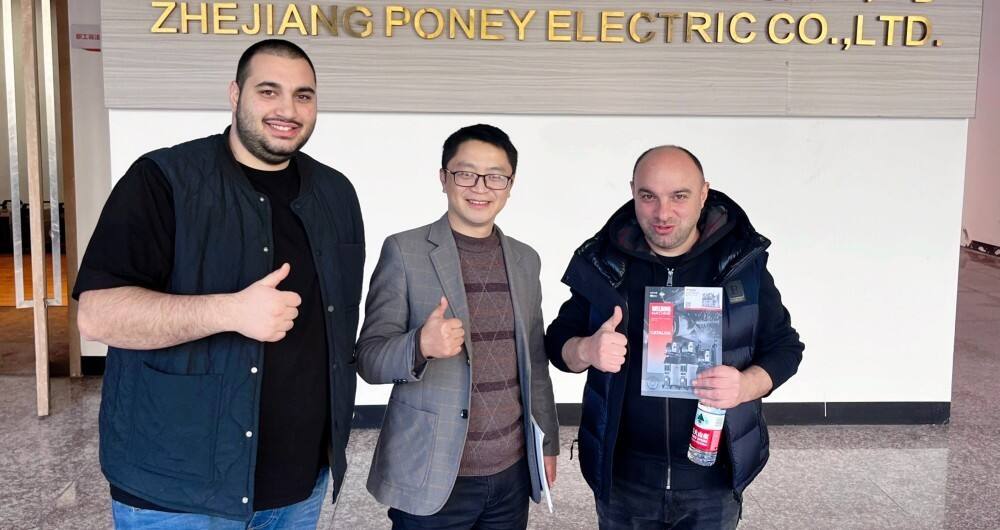
PONEY Welcomes Core Procurement Delegation from Georgia, Signing Cooperation to Open a New Chapter

26

Jan

PONEY Welcomes Core Procurement Delegation from Georgia, Signing Cooperation to Open a New Chapter

View More
Ingenuity Forges a New Chapter! PONEY's New Product Launch Conference Concludes Successfully, with Two Flagship Welding Machines Stealing the Show

26

Jan

Ingenuity Forges a New Chapter! PONEY's New Product Launch Conference Concludes Successfully, with Two Flagship Welding Machines Stealing the Show

View More

Get a Free Quote

Our representative will contact you soon.
Email
Mobile/Whatsapp
Name
Company Name
Message
0/1000

inverter mig welder

Advanced Inverter Technology for Superior Performance

Advanced Inverter Technology for Superior Performance

The heart of the inverter mig welder lies in its cutting-edge electronic circuitry that revolutionizes traditional welding power delivery. Unlike conventional transformer-based welders that operate at standard AC frequency, inverter mig welders utilize high-frequency switching technology ranging from 20 to 100 kHz to convert and control electrical power. This sophisticated approach creates a more stable and controllable arc that responds instantly to changes in welding conditions. The inverter circuit employs power semiconductors such as IGBTs (Insulated Gate Bipolar Transistors) or MOSFETs (Metal-Oxide-Semiconductor Field-Effect Transistors) to rapidly switch electrical current on and off thousands of times per second. This high-speed switching allows precise control over the welding arc characteristics, resulting in smoother starts, reduced spatter, and improved weld bead appearance. The technology enables dynamic response to arc length variations, automatically adjusting output to maintain consistent penetration and fusion. Power factor correction built into inverter mig welders ensures efficient utilization of electrical supply, reducing strain on generators and electrical systems while providing stable performance even with voltage fluctuations. The electronic control systems monitor multiple parameters simultaneously, including output current, voltage, wire feed speed, and thermal conditions, making real-time adjustments to optimize welding performance. This intelligent operation translates to consistent results regardless of operator skill level or environmental conditions. The inverter technology also enables advanced welding modes such as pulse welding, which alternates between high peak current for penetration and low background current for cooling, resulting in reduced heat input and improved control over the weld pool. Synergic control features automatically adjust multiple welding parameters based on material type and thickness selection, simplifying setup for optimal results. The reliability of solid-state inverter components far exceeds mechanical alternatives, providing years of dependable service with minimal maintenance requirements while delivering professional-grade welding capabilities.
Exceptional Portability and Space-Saving Design

Exceptional Portability and Space-Saving Design

The compact and lightweight construction of inverter mig welders represents a game-changing advancement that addresses the mobility challenges faced by welders across various industries and applications. Traditional transformer-based welders typically weigh between 80 to 150 pounds, making them difficult to transport and maneuver around job sites. In contrast, inverter mig welders achieve the same or superior welding performance while weighing as little as 25 to 45 pounds, depending on output capacity and features. This dramatic weight reduction stems from eliminating heavy copper windings and iron cores found in conventional transformers, replacing them with lightweight electronic components and compact switching circuits. The space-saving benefits extend beyond mere portability, as these machines occupy significantly less workshop floor space while providing equivalent or enhanced functionality. Mobile welders, automotive technicians, and maintenance personnel particularly benefit from this portability advantage, as they can easily carry their welding equipment to remote locations, elevated work platforms, or confined spaces where access is limited. The compact design facilitates storage in service vehicles, allowing technicians to bring professional welding capabilities directly to customers without requiring large transportation vehicles or specialized equipment trailers. Construction professionals working on multi-story buildings or remote infrastructure projects appreciate the ability to transport their inverter mig welder via standard elevators or stairwells without requiring mechanical lifting equipment. The ergonomic considerations built into modern inverter mig welder designs include balanced weight distribution, integrated carrying handles, and optional wheeled carts that further enhance mobility without compromising stability during operation. Many models feature stackable designs that maximize storage efficiency in workshops with multiple welding stations. The reduced footprint allows hobbyists and small shop owners to maintain professional welding capabilities without dedicating large areas of valuable workspace. Additionally, the lower weight reduces shipping costs for online purchases and makes handling safer for operators, reducing the risk of back injuries and workplace accidents associated with moving heavy welding equipment.
Multi-Process Versatility and Material Compatibility

Multi-Process Versatility and Material Compatibility

Modern inverter mig welders excel in their ability to handle multiple welding processes and accommodate diverse materials, making them invaluable tools for workshops that require flexibility and efficiency. The multi-process capability typically includes MIG welding with solid wire, flux-cored arc welding (FCAW) for outdoor applications or materials requiring deep penetration, and lift-arc TIG welding for precision work on thin materials or exotic alloys. This versatility eliminates the need to purchase separate welding machines for different applications, providing significant cost savings and workspace efficiency. The inverter mig welder adapts seamlessly between different welding processes through simple control adjustments and accessory changes, allowing operators to switch from heavy structural welding using flux-cored wire to delicate sheet metal work with solid wire and shielding gas. Material compatibility spans across carbon steel, stainless steel, and aluminum alloys when properly configured with appropriate wire types and shielding gases. The precise control offered by inverter technology enables welding of materials ranging from thin 24-gauge sheet metal up to thick plate materials exceeding one inch, depending on machine capacity. Automotive applications benefit tremendously from this versatility, as technicians can weld exhaust systems using flux-cored wire, repair body panels with solid wire MIG welding, and perform aluminum repairs on modern vehicle components using specialized aluminum wire and argon shielding gas. The ability to adjust heat input through voltage and wire feed speed controls allows welders to minimize distortion on thin materials while achieving complete penetration on thicker sections. Industrial maintenance applications leverage this versatility for emergency repairs on diverse equipment and machinery, where the specific material type or thickness may vary significantly. The inverter mig welder handles dissimilar metal joining challenges more effectively than single-process machines, enabling repairs and fabrication projects that involve multiple material types. Advanced models include preset programs for common material and thickness combinations, automatically configuring optimal welding parameters to ensure consistent results. This intelligent functionality reduces setup time and minimizes the risk of welding defects caused by improper parameter selection, making the inverter mig welder accessible to operators with varying skill levels while maintaining professional-quality results.

Get a Free Quote

Our representative will contact you soon.
Email
Mobile/Whatsapp
Name
Company Name
Message
0/1000