Professional Welding Equipment Manufacturer - Advanced Industrial Welding Solutions

Get a Free Quote

Our representative will contact you soon.
Email
Mobile/Whatsapp
Name
Company Name
Message
0/1000

welding equipment manufacturer

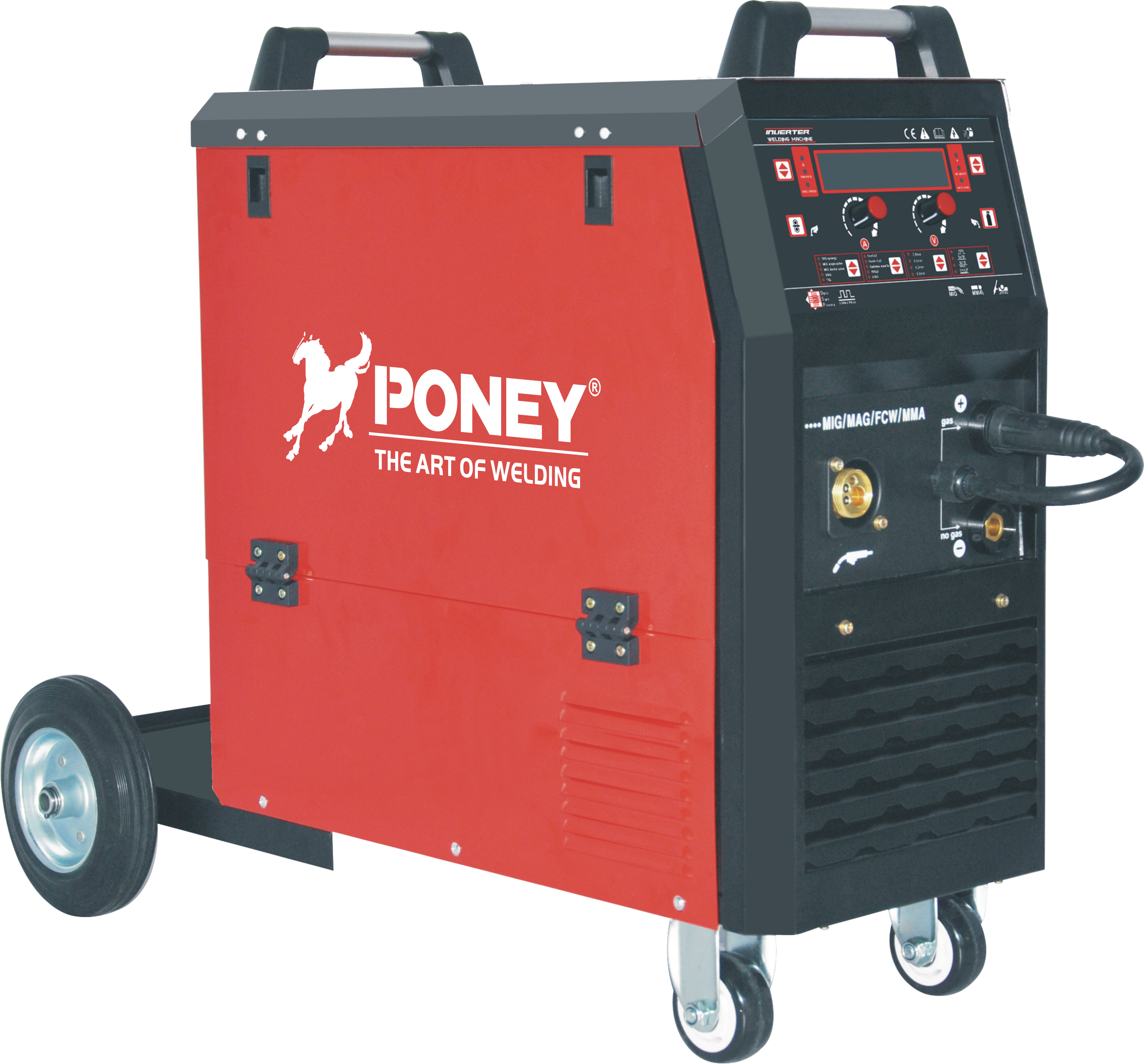
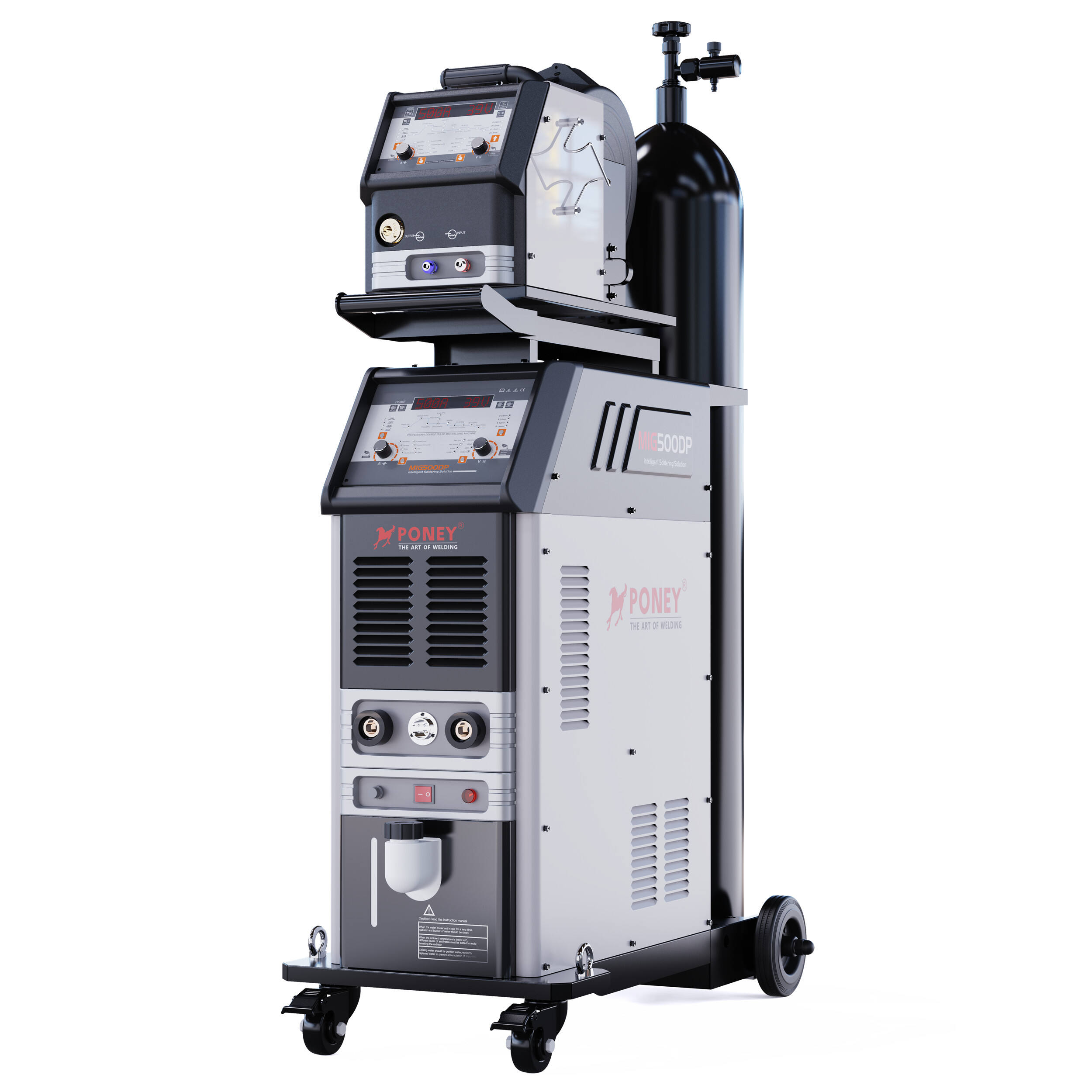
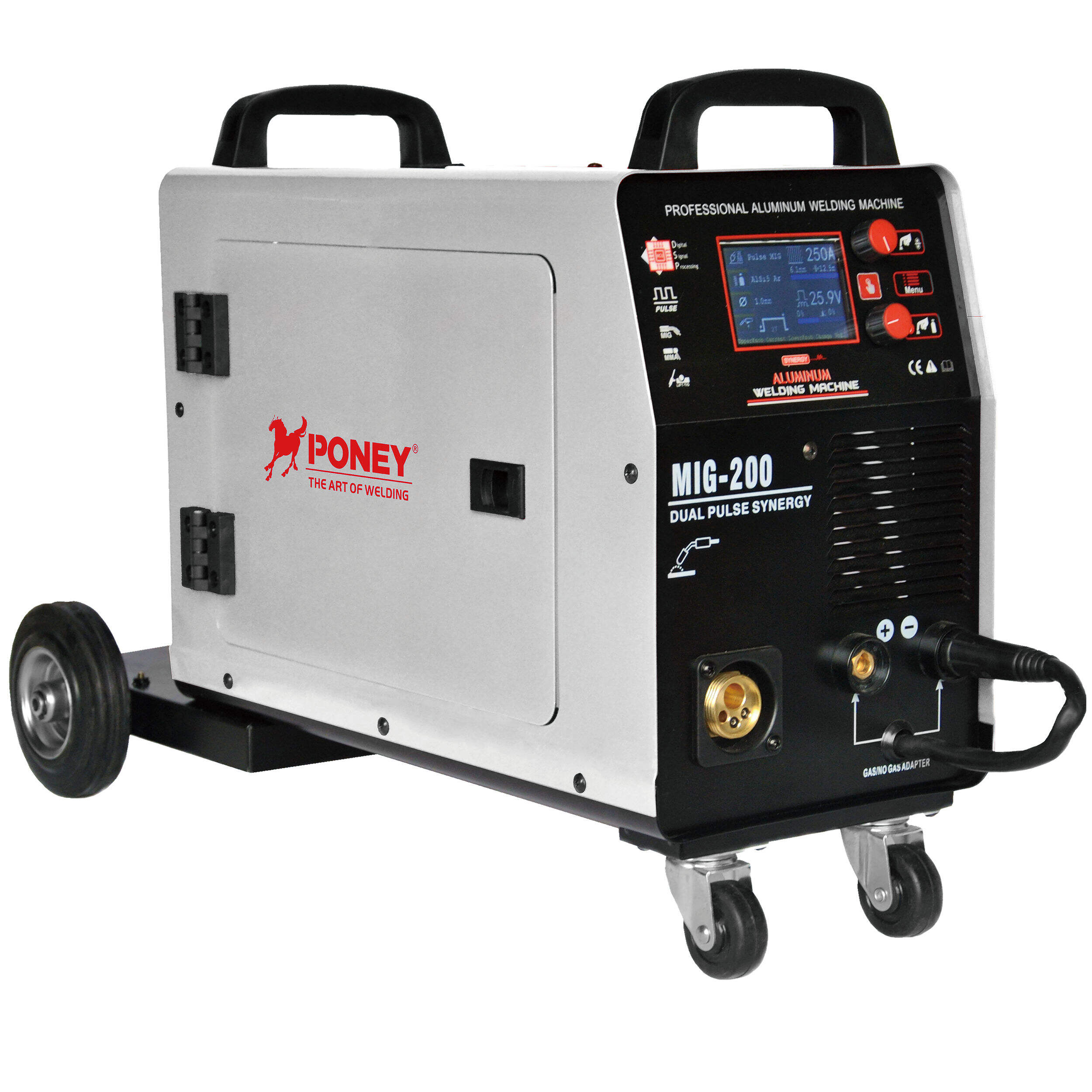
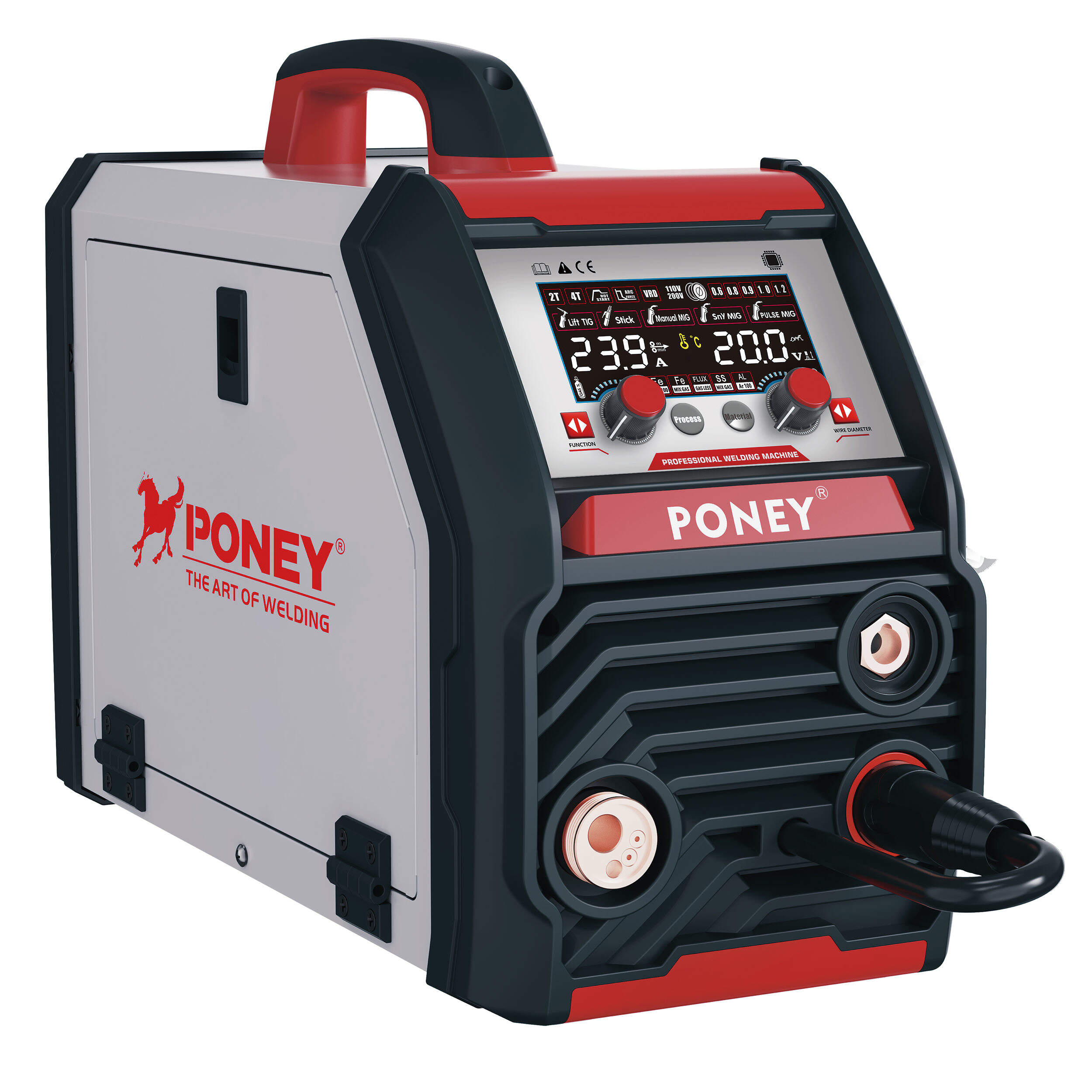
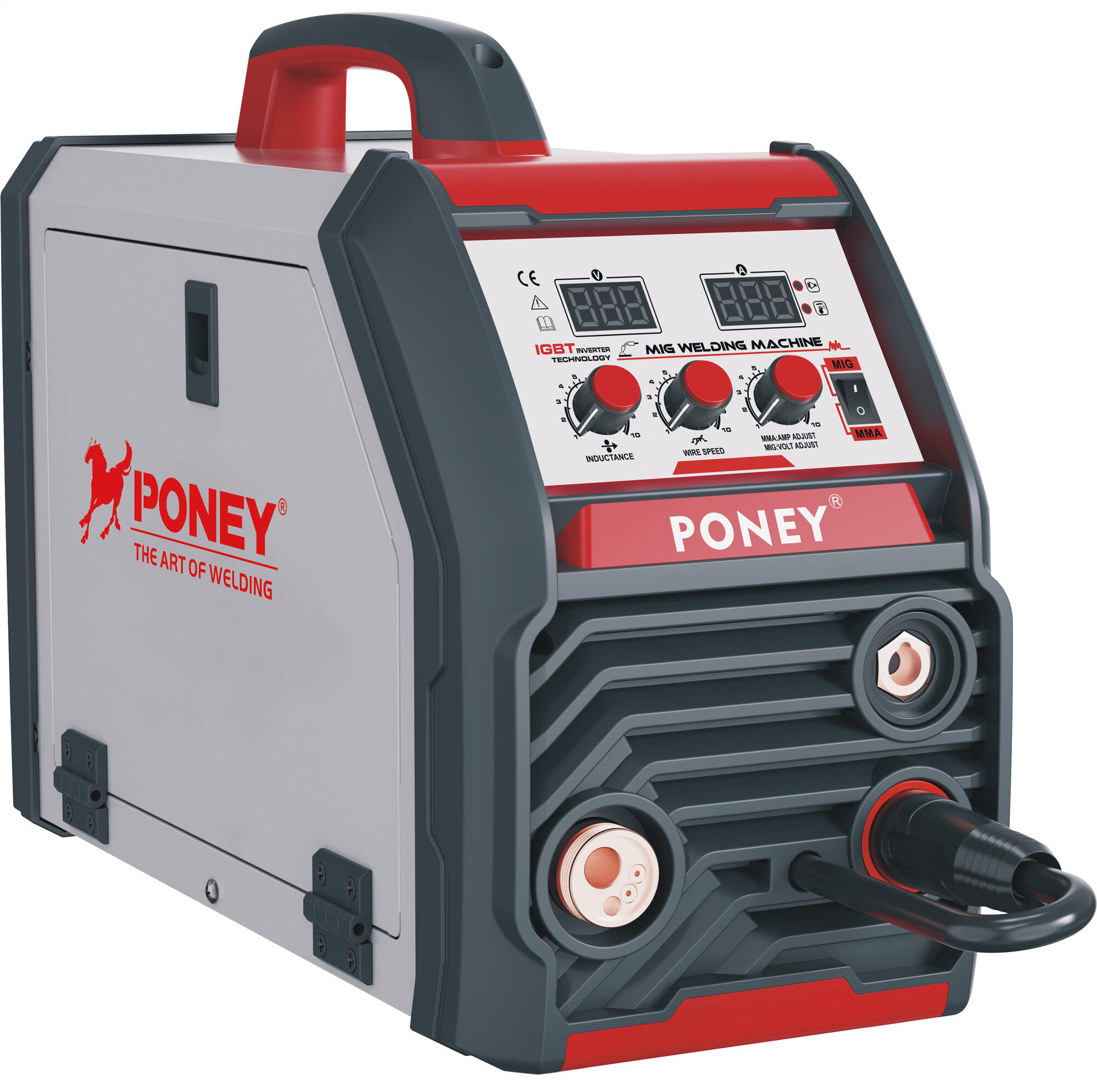
A welding equipment manufacturer serves as the backbone of industrial fabrication and construction industries worldwide. These specialized companies design, engineer, and produce comprehensive welding solutions that enable professionals to join metals with precision and reliability. Modern welding equipment manufacturers operate sophisticated facilities equipped with advanced research and development capabilities, ensuring their products meet evolving industry demands and safety standards. Their primary function encompasses the creation of diverse welding machines, including MIG welders, TIG welders, stick welders, and plasma cutters, each designed for specific applications and material requirements. The technological features integrated into contemporary welding equipment include inverter technology for improved efficiency, digital displays for precise parameter control, and automated systems that enhance consistency and reduce operator fatigue. Many welding equipment manufacturers incorporate smart technologies such as wireless connectivity, remote monitoring capabilities, and predictive maintenance features that optimize performance and minimize downtime. The applications for products from a welding equipment manufacturer span numerous sectors including automotive manufacturing, shipbuilding, aerospace, construction, oil and gas, and renewable energy industries. These versatile machines accommodate various welding processes and can handle different materials ranging from thin gauge aluminum to heavy structural steel. Quality assurance remains paramount for every welding equipment manufacturer, with rigorous testing protocols ensuring each unit meets international standards such as CE marking and ANSI compliance. The manufacturing process involves precision engineering, quality control checkpoints, and comprehensive testing procedures that guarantee reliability and longevity. Furthermore, leading welding equipment manufacturers provide extensive technical support, training programs, and aftermarket services to maximize customer satisfaction and equipment performance throughout the product lifecycle.

New Products

The primary advantage of partnering with an established welding equipment manufacturer lies in accessing cutting-edge technology that significantly improves welding quality and productivity. These manufacturers invest heavily in research and development, resulting in innovative features such as adaptive arc control, which automatically adjusts welding parameters based on real-time conditions. This technology eliminates guesswork and reduces the skill gap between novice and experienced welders, leading to consistent, high-quality welds every time. Energy efficiency represents another substantial benefit, as modern welding equipment from reputable manufacturers typically consumes 30-50% less power than older alternatives while delivering superior performance. The cost savings from reduced electricity consumption quickly offset initial investment costs, making these machines financially attractive for businesses of all sizes. Reliability and durability form the cornerstone of professional welding equipment manufacturer offerings. These machines undergo extensive testing under extreme conditions to ensure they perform consistently in demanding industrial environments. The robust construction and high-quality components translate to reduced maintenance requirements and longer service intervals, minimizing operational disruptions and repair costs. User-friendly interfaces and intuitive controls make equipment from leading welding equipment manufacturers accessible to operators with varying skill levels. Digital displays, pre-programmed settings, and guided setup procedures streamline operations and reduce training time for new employees. This accessibility increases workplace productivity while maintaining safety standards. Comprehensive warranty coverage and responsive technical support distinguish professional welding equipment manufacturers from competitors. These companies maintain extensive service networks with trained technicians who provide prompt assistance when issues arise. Many manufacturers offer 24/7 technical support, ensuring minimal downtime and maximum productivity. The availability of genuine replacement parts and accessories ensures long-term equipment viability and optimal performance throughout the machine's operational life. Additionally, established welding equipment manufacturers provide valuable training resources, including hands-on workshops, online tutorials, and certification programs that enhance operator skills and safety awareness.

Practical Tips

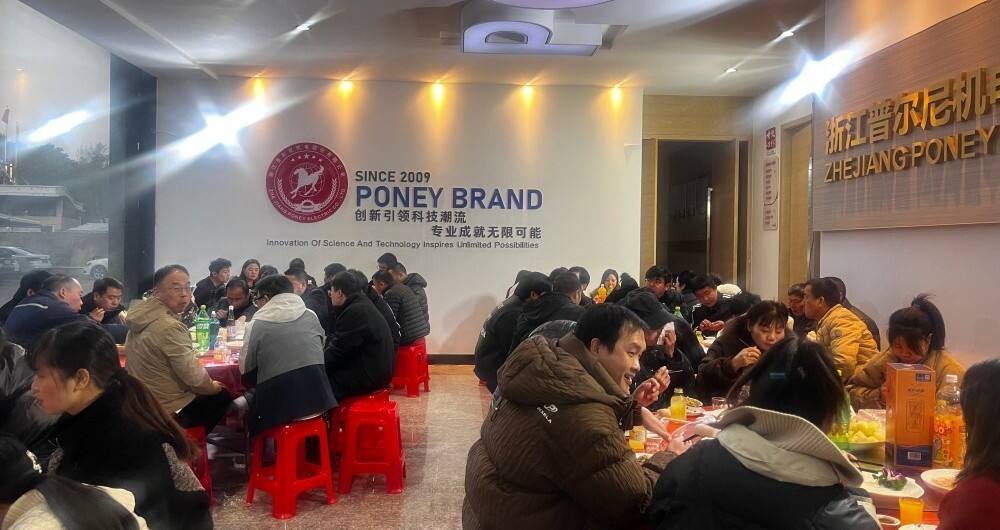
PONEY Upholds Tradition of Excellence

26

Jan

PONEY Upholds Tradition of Excellence

View More
PONEY Welcomes Core Procurement Delegation from Georgia, Signing Cooperation to Open a New Chapter

26

Jan

PONEY Welcomes Core Procurement Delegation from Georgia, Signing Cooperation to Open a New Chapter

View More
Ingenuity Forges a New Chapter! PONEY's New Product Launch Conference Concludes Successfully, with Two Flagship Welding Machines Stealing the Show

26

Jan

Ingenuity Forges a New Chapter! PONEY's New Product Launch Conference Concludes Successfully, with Two Flagship Welding Machines Stealing the Show

View More

Get a Free Quote

Our representative will contact you soon.
Email
Mobile/Whatsapp
Name
Company Name
Message
0/1000

welding equipment manufacturer

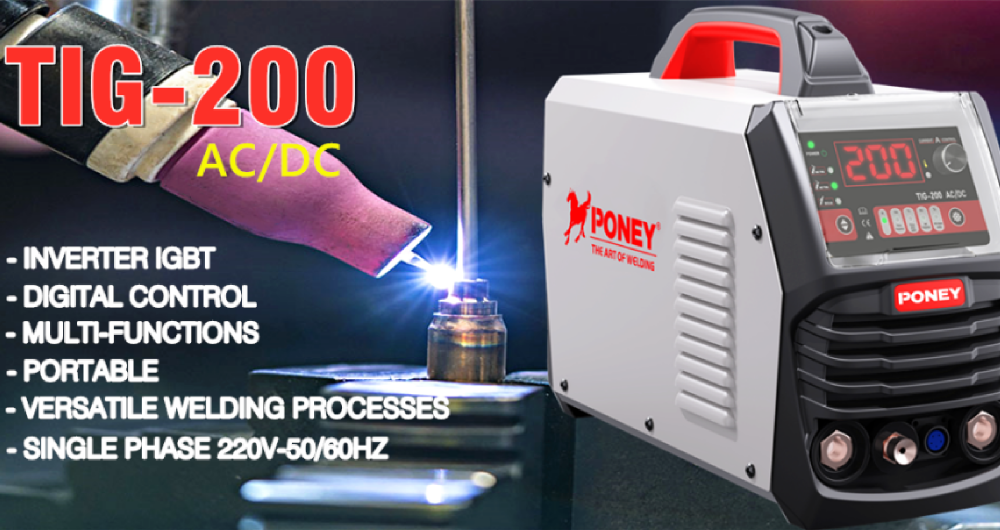
Advanced Inverter Technology for Superior Performance

Advanced Inverter Technology for Superior Performance

The integration of advanced inverter technology represents a revolutionary advancement that sets leading welding equipment manufacturers apart from traditional alternatives. This sophisticated electronic system converts standard AC power into precise DC output, providing welders with unprecedented control over arc characteristics and welding parameters. Unlike conventional transformer-based machines, inverter technology enables welding equipment manufacturers to create compact, lightweight units without sacrificing power or performance capabilities. The precision control offered by inverter systems allows for micro-adjustments in voltage and amperage, resulting in superior arc stability and weld quality across various materials and thicknesses. Professional welders benefit from reduced spatter, improved penetration control, and enhanced arc starting capabilities that significantly improve overall productivity and finish quality. The energy efficiency of inverter technology typically reduces power consumption by 40-60% compared to traditional welding machines, translating to substantial cost savings over time. This efficiency also enables portable operation in remote locations where power availability may be limited. Modern welding equipment manufacturers incorporate intelligent features within their inverter systems, including automatic parameter optimization, thermal overload protection, and adaptive arc control that responds to changing welding conditions in real-time. These smart features reduce operator fatigue and minimize the learning curve for new welders while maintaining consistent results. The compact design facilitated by inverter technology makes these machines ideal for mobile welding applications, confined spaces, and multi-location projects where portability is essential. Furthermore, the digital interface capabilities of inverter-based systems allow welding equipment manufacturers to integrate advanced features such as memory presets, welding procedure documentation, and performance monitoring that enhance quality control and traceability in critical applications.
Comprehensive Multi-Process Capabilities

Comprehensive Multi-Process Capabilities

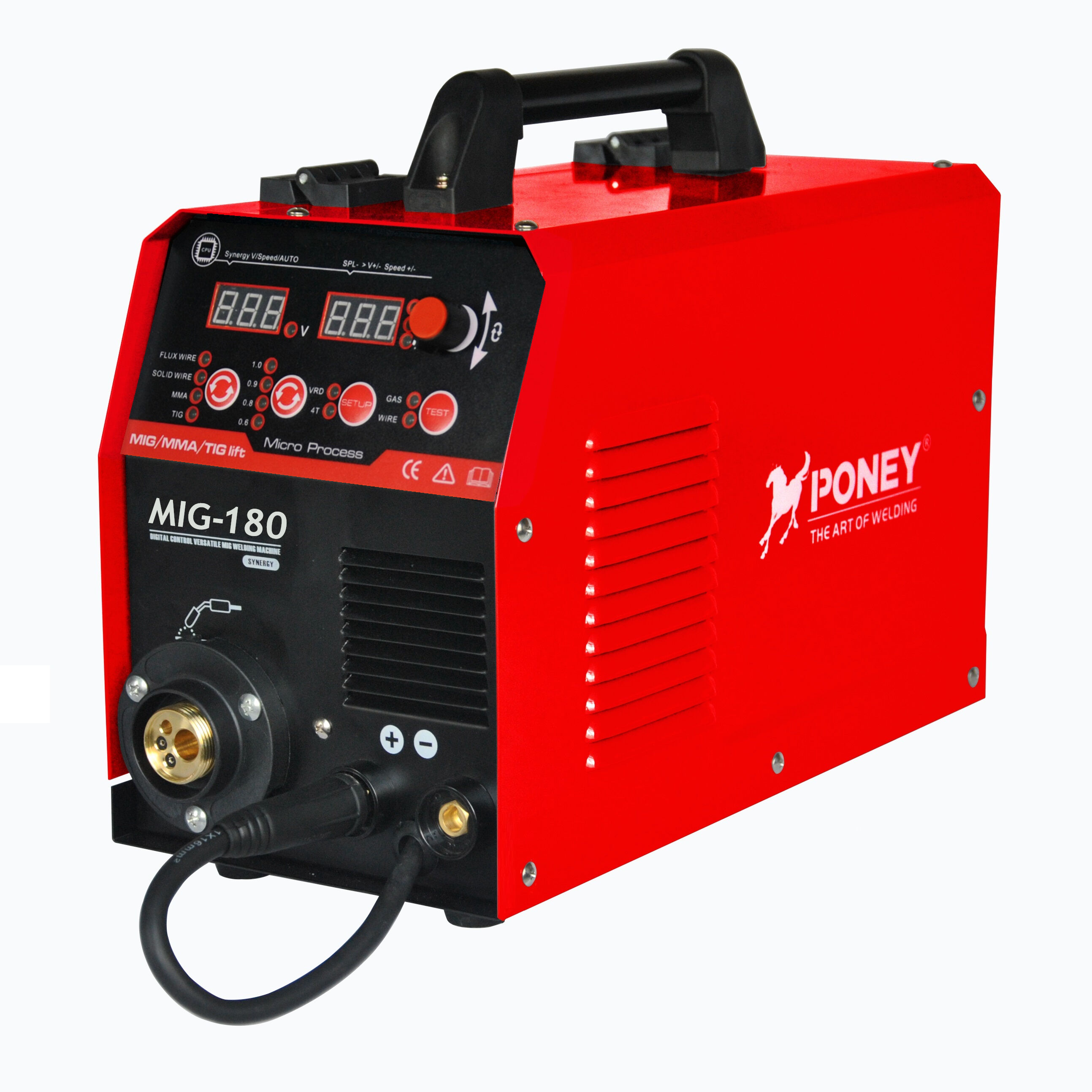
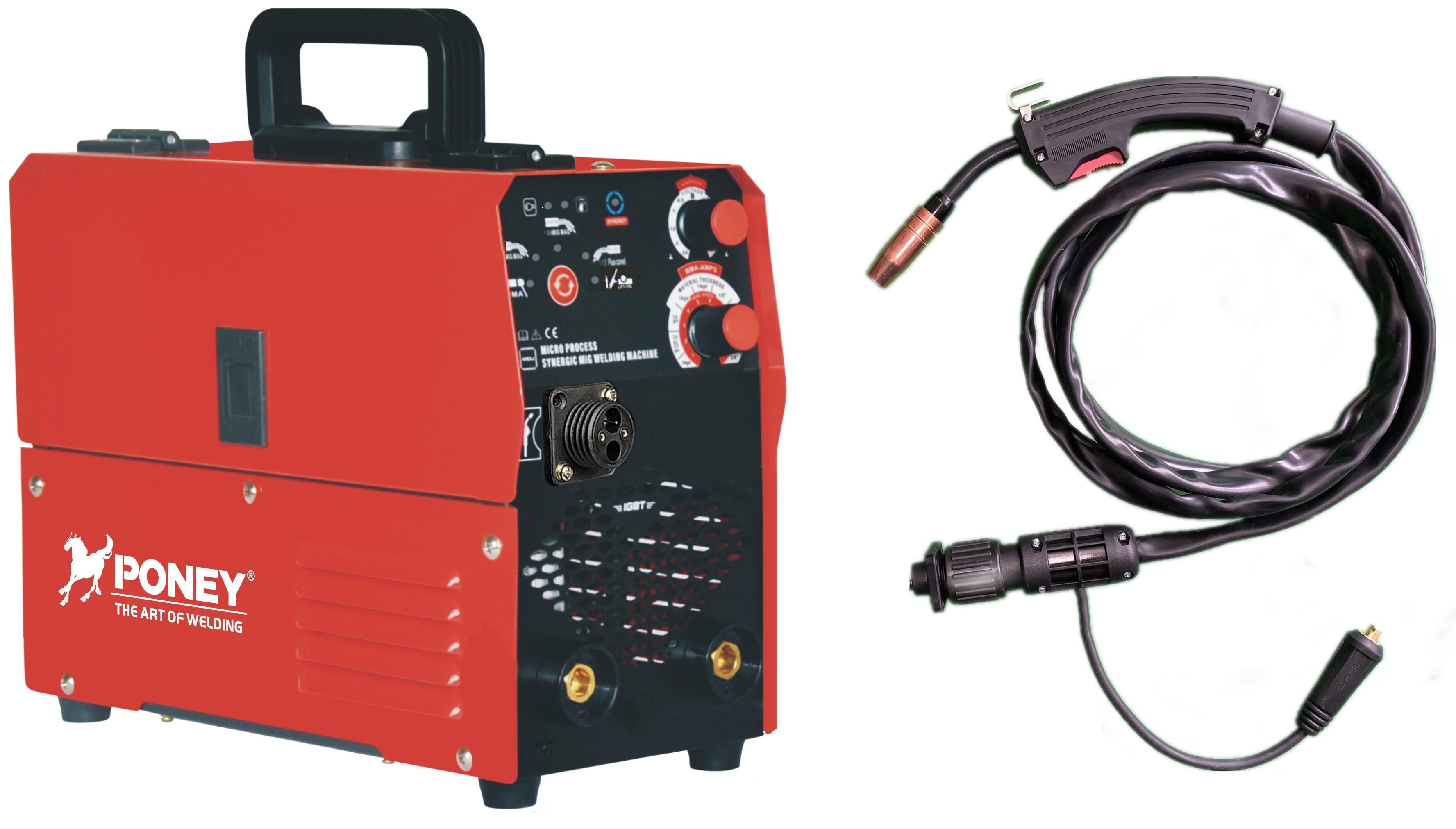
Leading welding equipment manufacturers have developed versatile multi-process machines that combine multiple welding technologies into single, integrated systems. This innovation addresses the diverse needs of modern fabrication environments where projects often require different welding processes for various materials and joint configurations. A single multi-process unit from an experienced welding equipment manufacturer can typically perform MIG, TIG, and stick welding operations with equal proficiency, eliminating the need for multiple specialized machines. This consolidation provides significant cost savings in equipment acquisition, maintenance, and storage while simplifying operator training requirements. The seamless transition between welding processes is facilitated by intuitive control systems that automatically adjust parameters when switching between different modes. Professional welding equipment manufacturers design these systems with process-specific optimization algorithms that ensure optimal performance regardless of the selected welding method. The versatility extends to material compatibility, with advanced multi-process machines capable of welding steel, stainless steel, aluminum, and exotic alloys with equal effectiveness. This capability is particularly valuable in industries such as aerospace, automotive, and marine applications where multiple materials are commonly used within single assemblies. Quality assurance features integrated by welding equipment manufacturers include process documentation, parameter logging, and real-time monitoring capabilities that ensure compliance with stringent quality standards. The economic benefits of multi-process equipment extend beyond initial cost savings to include reduced inventory requirements for consumables, simplified maintenance schedules, and increased equipment utilization rates. Training efficiency improves significantly when operators master a single machine interface rather than learning multiple systems, reducing downtime and increasing productivity. Additionally, the space-saving design of multi-process units from reputable welding equipment manufacturers optimizes workshop layouts and improves workflow efficiency in both large industrial facilities and smaller fabrication shops.
Intelligent Automation and Quality Control Systems

Intelligent Automation and Quality Control Systems

The integration of intelligent automation and quality control systems represents the pinnacle of innovation from forward-thinking welding equipment manufacturers. These sophisticated systems incorporate artificial intelligence, machine learning algorithms, and advanced sensors to monitor and optimize welding operations in real-time. Modern welding equipment manufacturers embed these technologies to address the growing demand for consistent quality, reduced defect rates, and enhanced productivity in competitive manufacturing environments. The automated systems continuously analyze arc characteristics, travel speed, wire feed rates, and thermal conditions to make instantaneous adjustments that maintain optimal welding parameters throughout the entire operation. This level of precision control eliminates human error variables and ensures repeatable results regardless of operator skill level. Quality control features developed by innovative welding equipment manufacturers include real-time defect detection, automated documentation, and statistical process control that provides comprehensive traceability for critical applications. The systems generate detailed reports documenting welding parameters, environmental conditions, and quality metrics that satisfy stringent regulatory requirements in industries such as nuclear, aerospace, and pressure vessel manufacturing. Predictive maintenance capabilities represent another significant advantage of intelligent systems from leading welding equipment manufacturers. These features monitor component wear patterns, thermal cycles, and performance trends to predict maintenance requirements before failures occur. This proactive approach minimizes unexpected downtime and reduces maintenance costs while ensuring optimal equipment performance. Remote monitoring and control capabilities enable supervisors and quality managers to oversee multiple welding stations from centralized locations, improving efficiency and quality oversight. The data collection and analysis capabilities of modern automated systems provide valuable insights into process optimization opportunities, enabling continuous improvement initiatives that enhance productivity and reduce costs. Training benefits are substantial, as these intelligent systems from professional welding equipment manufacturers guide operators through proper procedures while providing real-time feedback on technique and quality, accelerating skill development and reducing the time required to achieve proficiency.

Get a Free Quote

Our representative will contact you soon.
Email
Mobile/Whatsapp
Name
Company Name
Message
0/1000