Carbon Dioxide MIG Welding: Advanced Metal Joining Solutions for Superior Performance

Get a Free Quote

Our representative will contact you soon.
Email
Mobile/Whatsapp
Name
Company Name
Message
0/1000

carbon dioxide mig welding

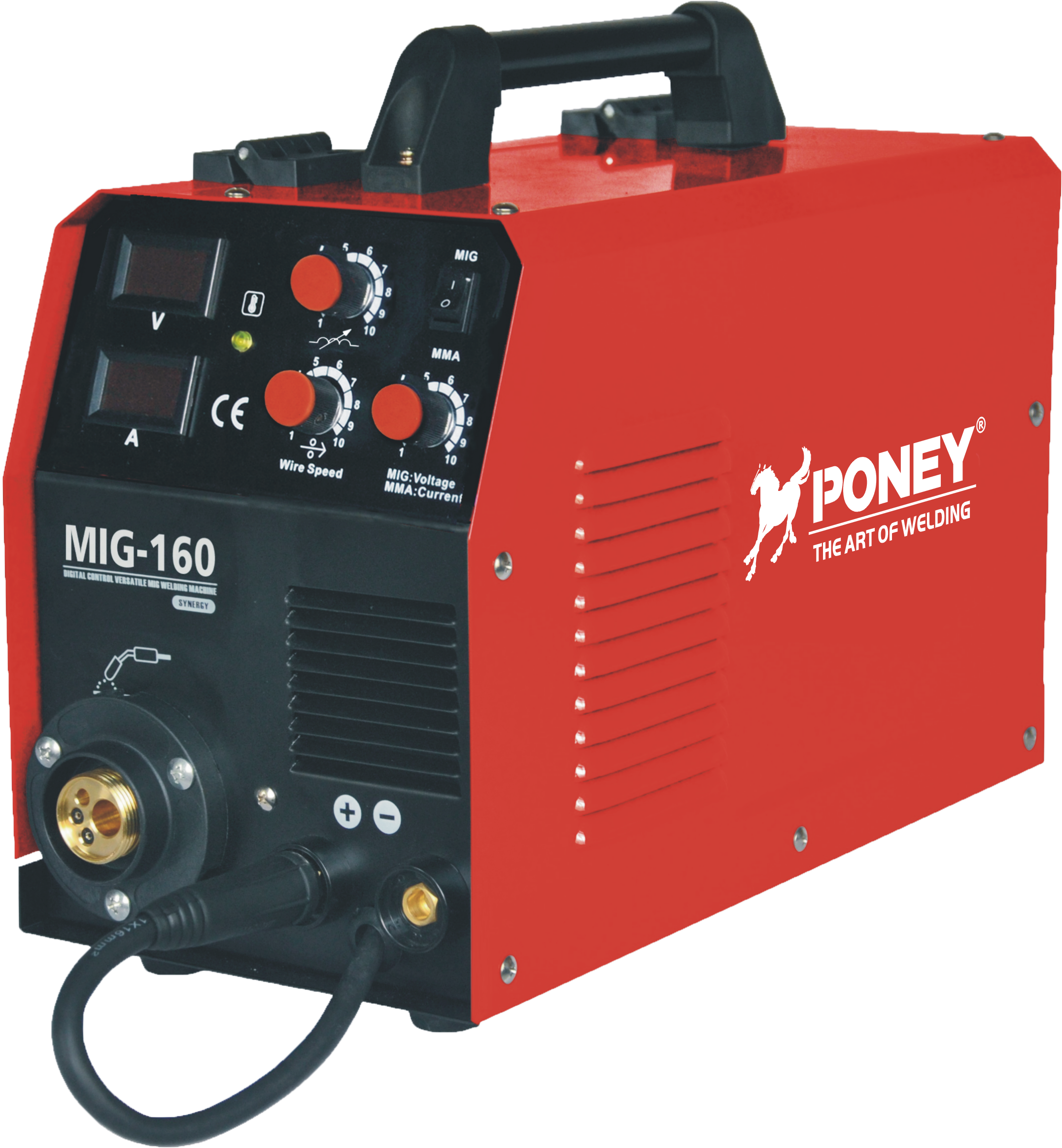
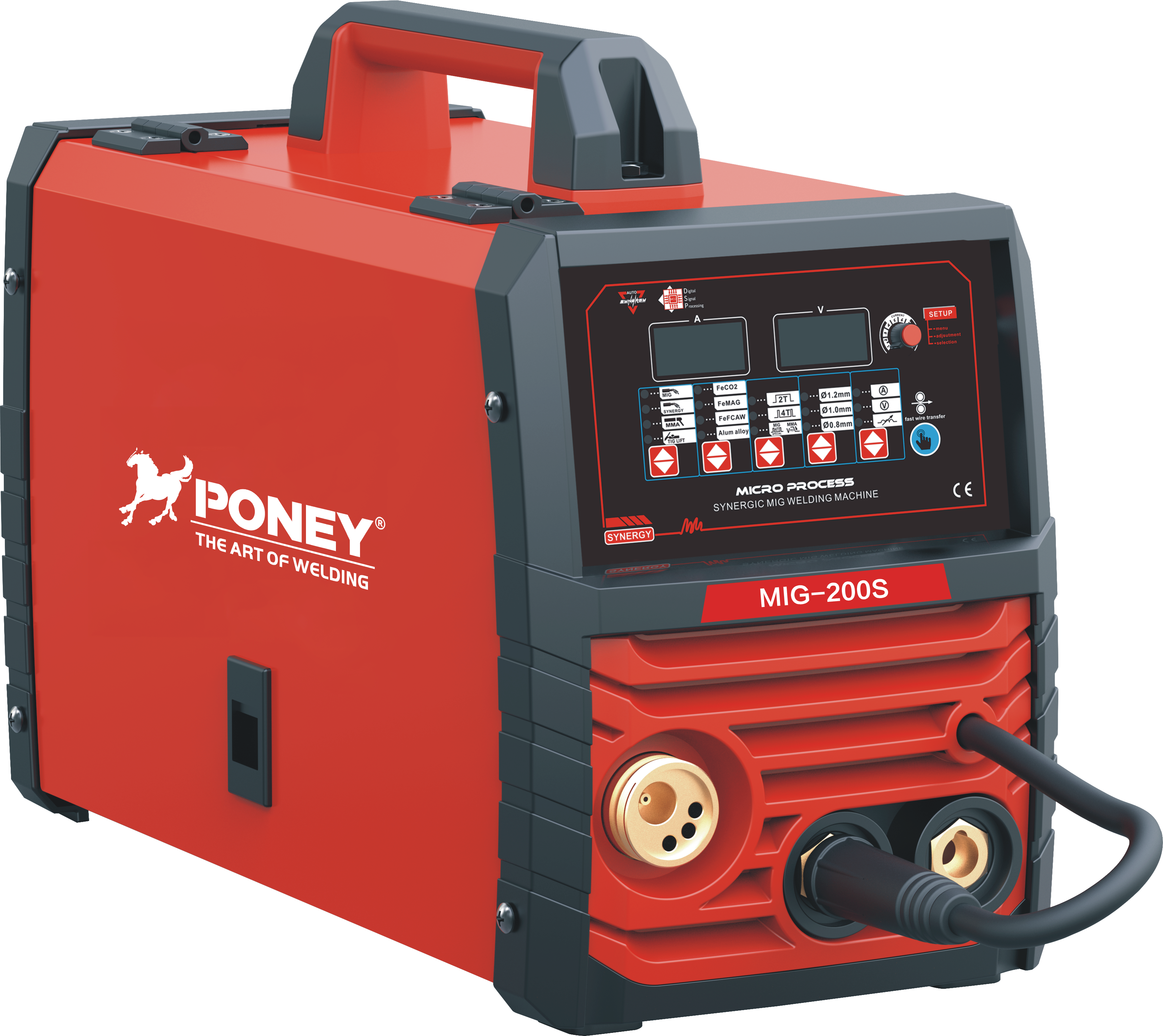
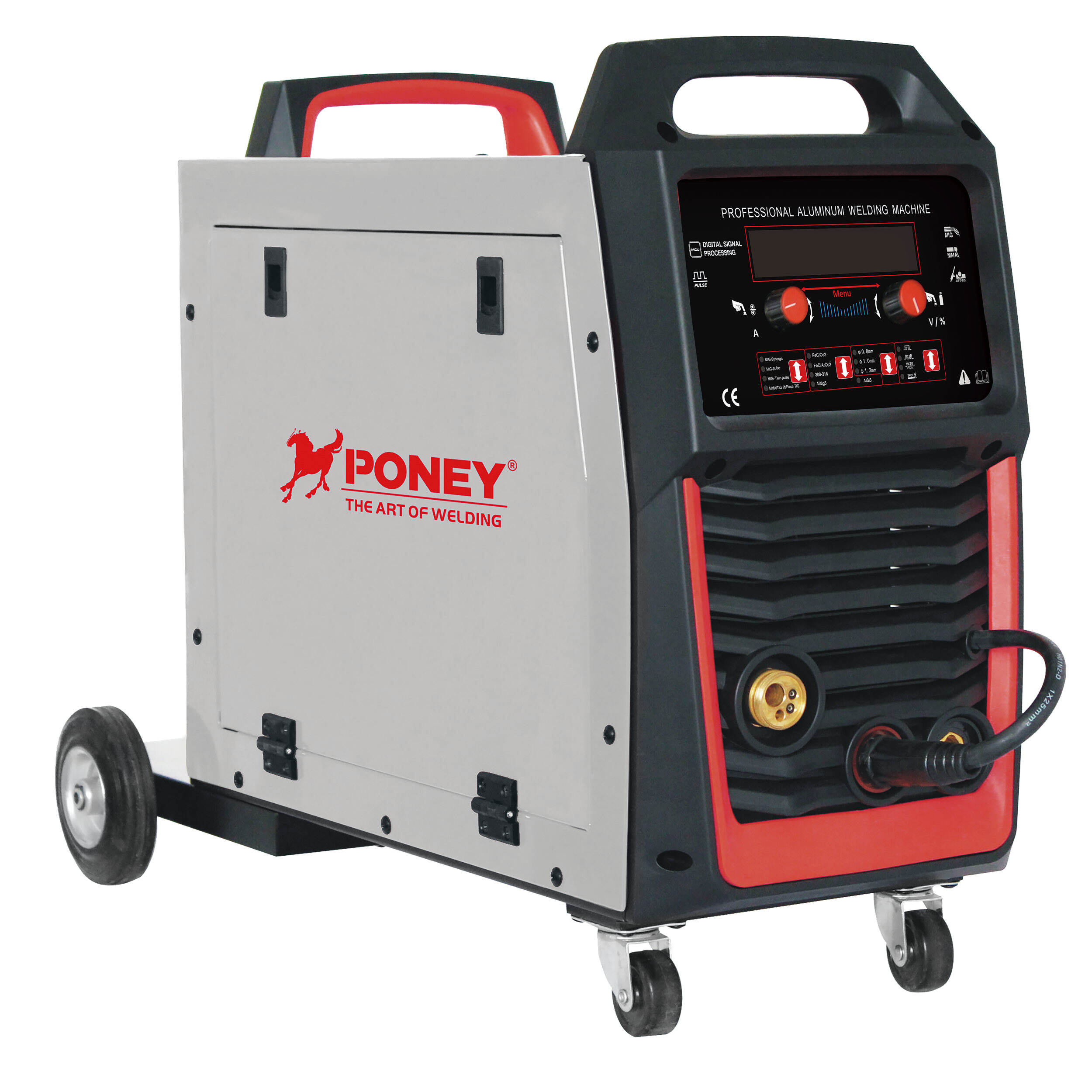
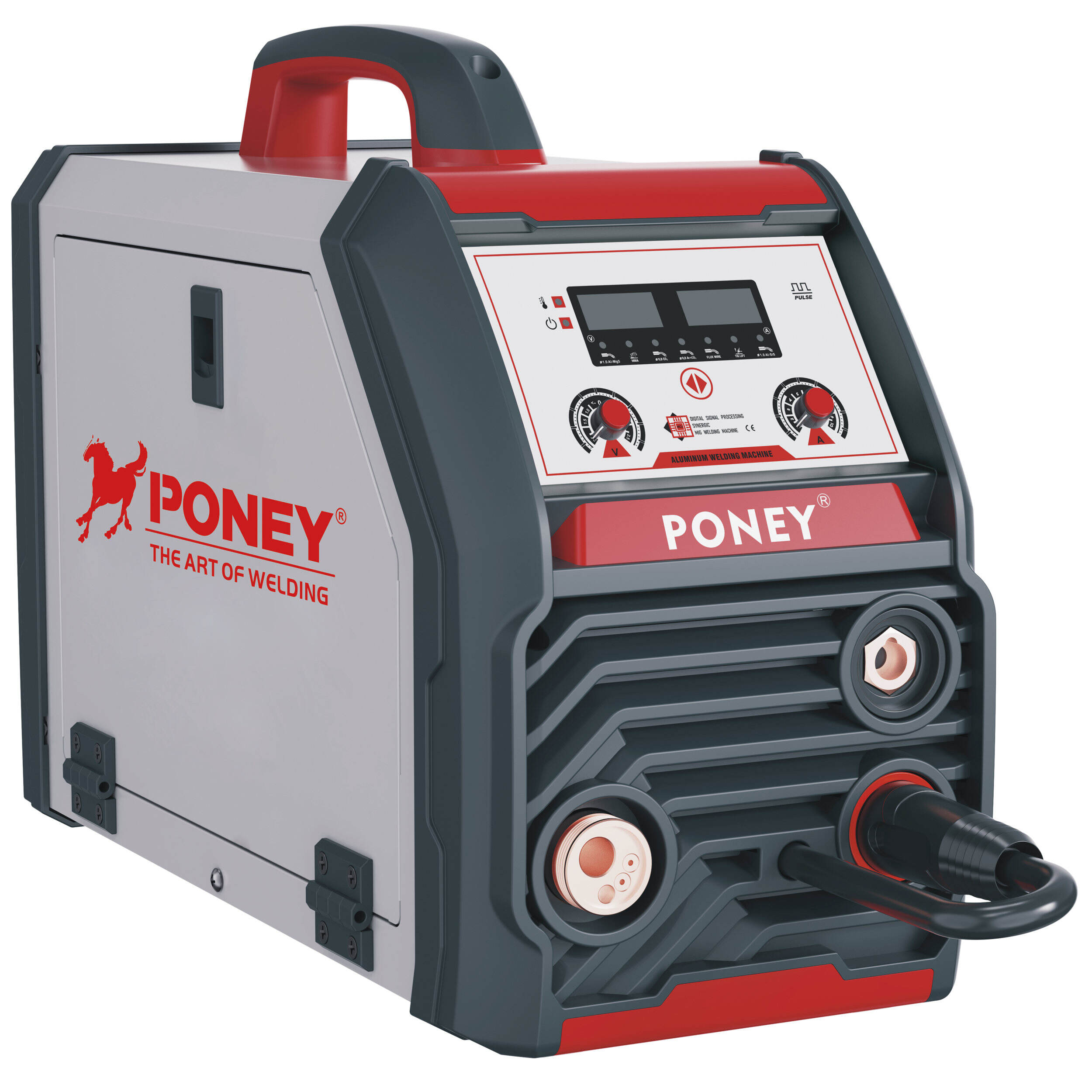
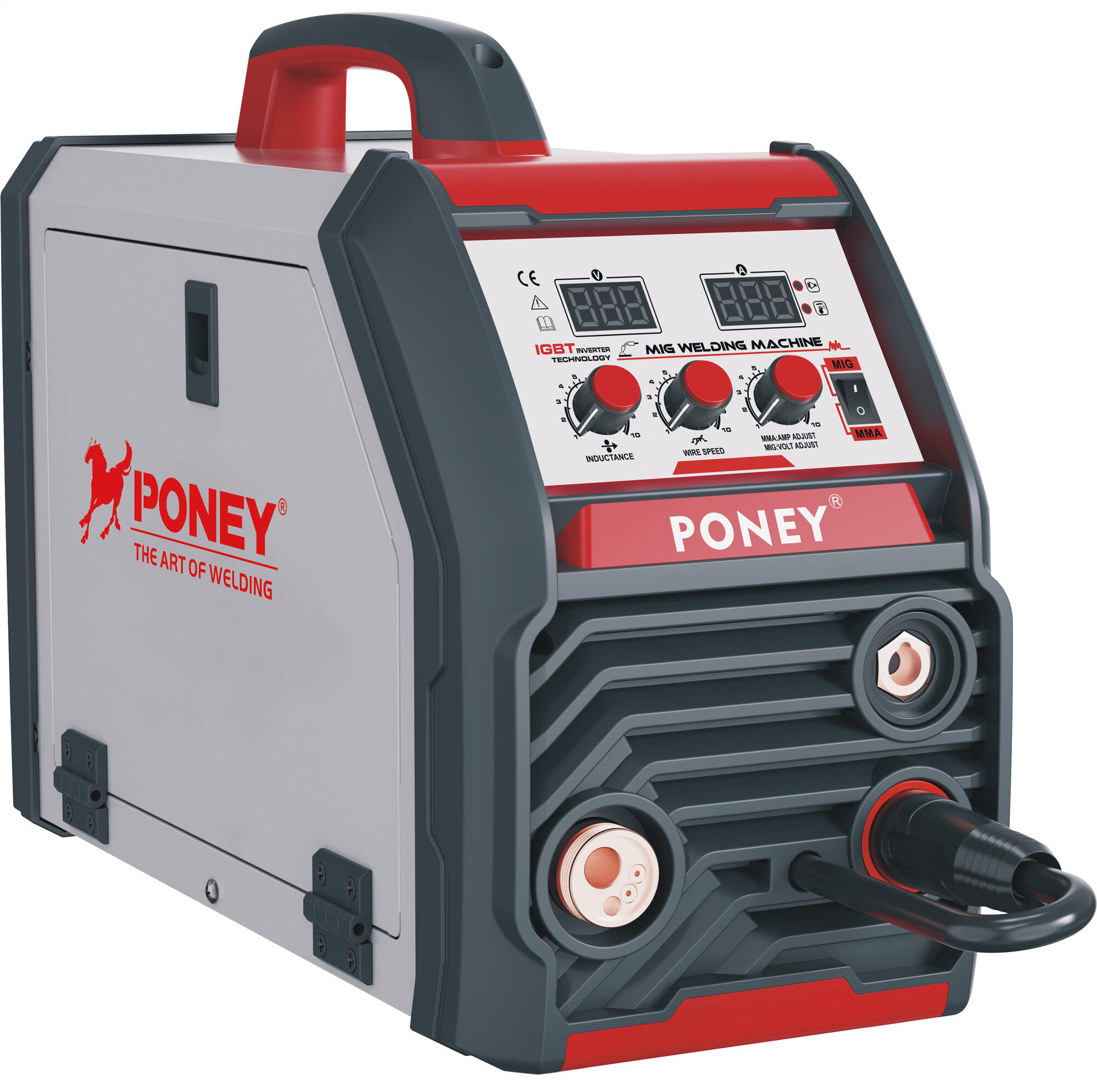
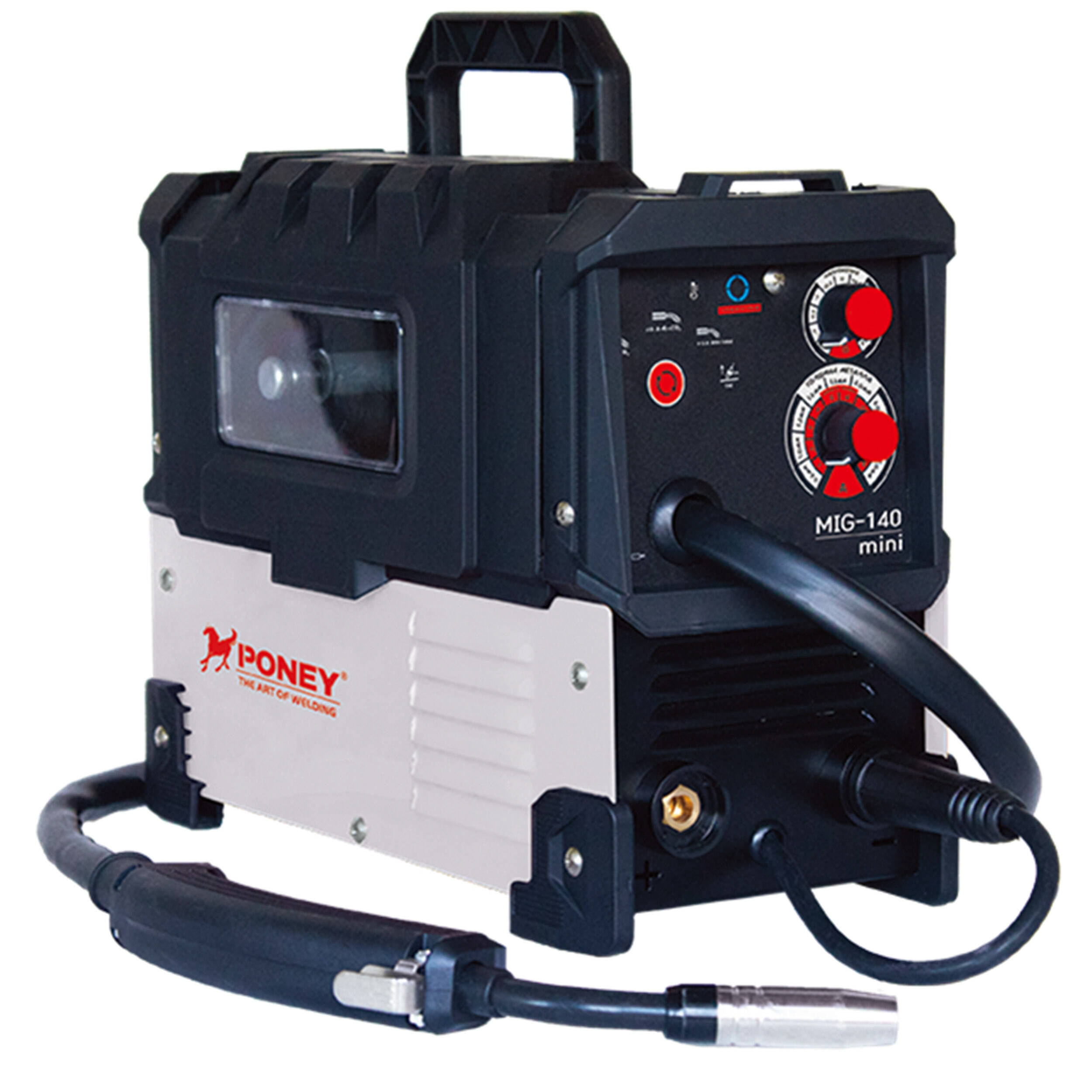
Carbon dioxide mig welding represents a revolutionary advancement in metal joining technology that has transformed manufacturing processes across numerous industries. This welding method utilizes carbon dioxide gas as a shielding agent to protect the weld pool from atmospheric contamination during the welding process. The technique operates by feeding a continuous wire electrode through a welding gun while simultaneously releasing carbon dioxide gas to create an inert environment around the molten metal. The main functions of carbon dioxide mig welding include joining various metal types with exceptional precision, creating strong and durable bonds, and enabling high-speed production capabilities that significantly enhance manufacturing efficiency. The technological features of this welding process are particularly impressive, incorporating advanced wire feeding mechanisms that maintain consistent electrode delivery, sophisticated gas flow control systems that ensure optimal shielding coverage, and precise heat management capabilities that allow operators to achieve superior weld quality. The carbon dioxide gas acts as both a shielding agent and an active participant in the welding chemistry, helping to stabilize the arc and improve penetration characteristics. This welding method finds extensive applications in automotive manufacturing, where it creates reliable joints in vehicle frames and body panels, construction industries for structural steel fabrication, shipbuilding operations requiring robust marine-grade connections, and general fabrication work spanning from small repair jobs to large-scale industrial projects. The versatility of carbon dioxide mig welding makes it suitable for working with various materials including mild steel, low-alloy steels, and certain stainless steel grades, providing manufacturers with a single solution for multiple welding requirements while maintaining consistent quality standards throughout production cycles.

Popular Products

Carbon dioxide mig welding offers numerous practical advantages that make it an essential choice for businesses seeking efficient and cost-effective metal joining solutions. The primary benefit lies in its exceptional speed capabilities, allowing operators to complete welding tasks significantly faster than traditional methods while maintaining superior quality standards. This increased productivity directly translates to reduced labor costs and shorter project completion times, providing immediate financial benefits to manufacturing operations. The process delivers outstanding penetration characteristics, creating welds that extend deep into the base material and form incredibly strong joints that withstand extreme stress and environmental conditions. Unlike other welding methods that require frequent electrode changes, carbon dioxide mig welding uses continuous wire feeding, eliminating production interruptions and maintaining consistent workflow throughout extended welding sessions. The carbon dioxide gas provides excellent arc stability, reducing spatter formation and creating cleaner welds that require minimal post-welding cleanup, saving both time and material costs. Operators appreciate the user-friendly nature of this welding technique, as it offers excellent visibility of the weld pool and allows for precise control over heat input and travel speed. The versatility advantage cannot be overstated, as carbon dioxide mig welding performs effectively on various material thicknesses, from thin sheet metals to heavy structural components, making it suitable for diverse manufacturing applications. The cost efficiency extends beyond operational savings, as carbon dioxide gas is readily available and significantly less expensive than alternative shielding gases like argon or helium. The process generates minimal waste, as the continuous wire electrode eliminates stub losses common with stick welding, and the efficient gas usage reduces overall consumable costs. Quality consistency represents another major advantage, as the automated wire feeding and stable gas environment create repeatable results that meet stringent quality standards across production runs. The reduced heat-affected zone minimizes material distortion, preserving dimensional accuracy in precision components while maintaining the mechanical properties of the base material, making carbon dioxide mig welding ideal for applications requiring tight tolerances and exceptional structural integrity.

Tips And Tricks

PONEY Upholds Tradition of Excellence

26

Jan

PONEY Upholds Tradition of Excellence

View More
PONEY Welcomes Core Procurement Delegation from Georgia, Signing Cooperation to Open a New Chapter

26

Jan

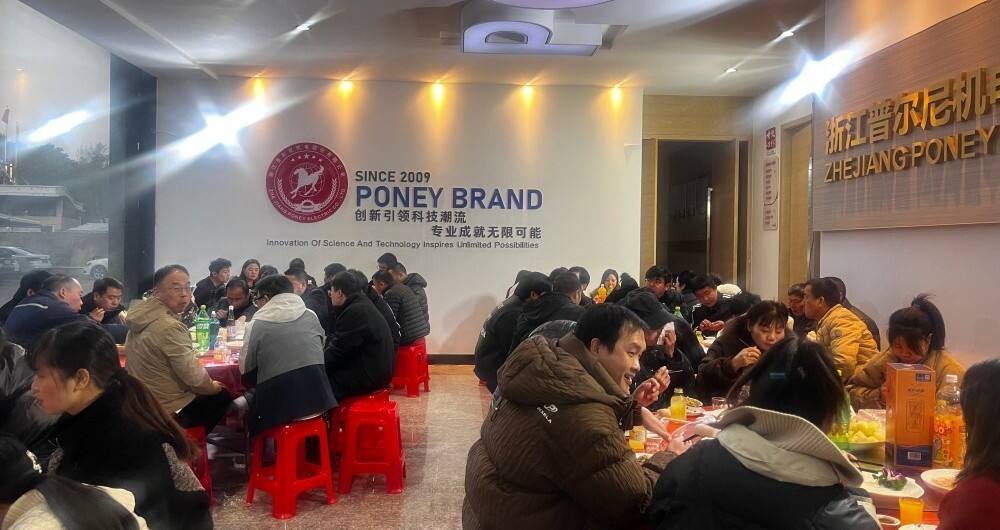
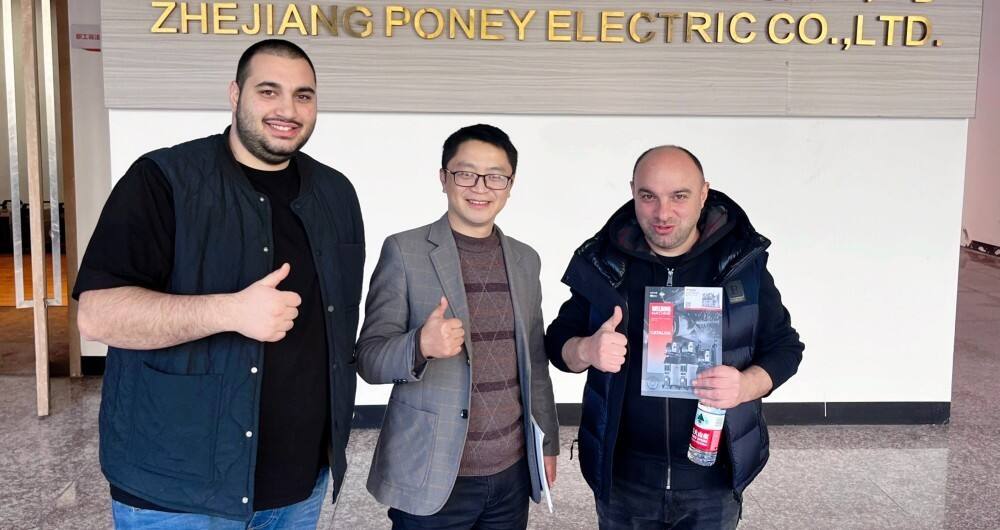
PONEY Welcomes Core Procurement Delegation from Georgia, Signing Cooperation to Open a New Chapter

View More
Ingenuity Forges a New Chapter! PONEY's New Product Launch Conference Concludes Successfully, with Two Flagship Welding Machines Stealing the Show

26

Jan

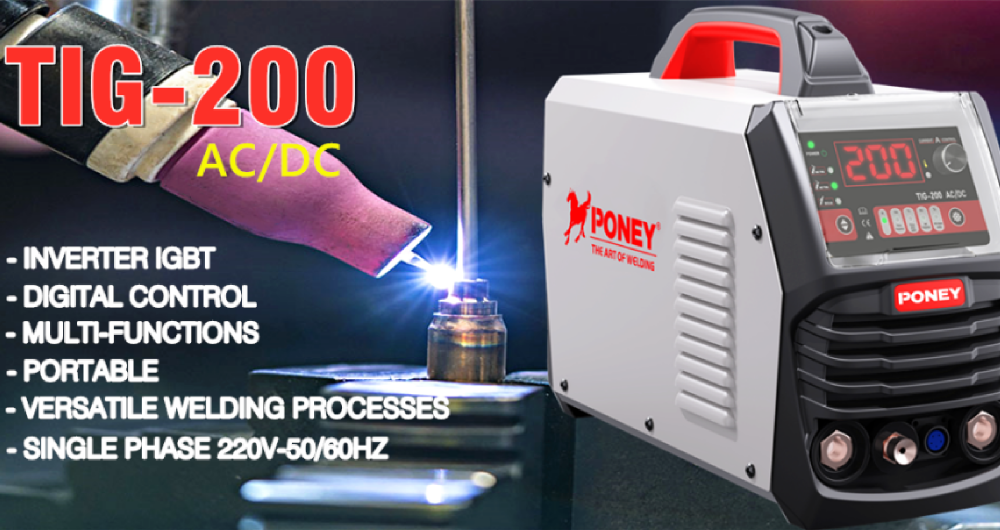
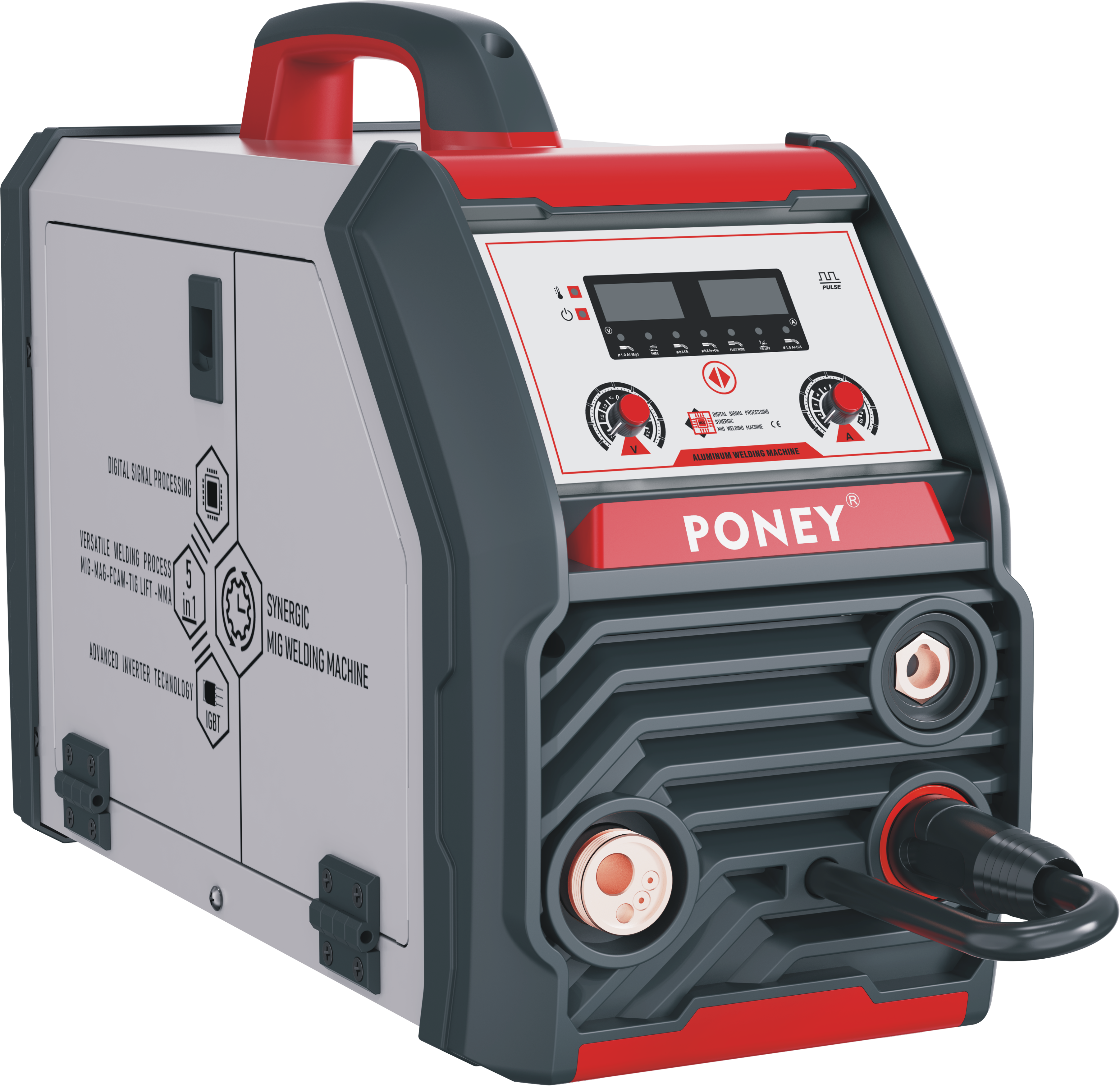
Ingenuity Forges a New Chapter! PONEY's New Product Launch Conference Concludes Successfully, with Two Flagship Welding Machines Stealing the Show

View More

Get a Free Quote

Our representative will contact you soon.
Email
Mobile/Whatsapp
Name
Company Name
Message
0/1000

carbon dioxide mig welding

Superior Penetration and Joint Strength Performance

Superior Penetration and Joint Strength Performance

Carbon dioxide mig welding delivers exceptional penetration capabilities that create remarkably strong and durable joints, setting it apart from conventional welding methods in terms of structural integrity and long-term reliability. The unique properties of carbon dioxide gas contribute significantly to this superior performance by actively participating in the welding process rather than simply providing passive protection. When carbon dioxide breaks down under the intense heat of the welding arc, it releases oxygen that enhances the fluidity of the molten weld pool, allowing deeper penetration into the base material and creating joints that extend well beyond surface-level connections. This deep penetration characteristic ensures that welded components can withstand extreme mechanical stresses, vibrations, and environmental conditions without compromising structural integrity. The carbon dioxide mig welding process creates joints with tensile strengths that often exceed the strength of the base material itself, providing engineers and manufacturers with confidence in their finished products. The enhanced penetration also reduces the need for extensive joint preparation, as the process can effectively weld through mill scale, light rust, and surface contaminants that would compromise other welding methods. This capability translates to significant time savings in production environments where thorough cleaning may be impractical or cost-prohibitive. The consistent penetration profile achieved through carbon dioxide mig welding ensures uniform joint properties across the entire weld length, eliminating weak points that could lead to premature failure. Manufacturing industries particularly benefit from this reliability, as it reduces warranty claims, improves product reputation, and enhances customer satisfaction. The superior joint strength performance makes carbon dioxide mig welding ideal for critical applications in aerospace components, pressure vessels, structural frameworks, and heavy machinery where failure is not an option and safety requirements demand the highest quality standards.
Exceptional Speed and Productivity Enhancement

Exceptional Speed and Productivity Enhancement

Carbon dioxide mig welding revolutionizes manufacturing efficiency through its remarkable speed capabilities and productivity enhancement features that significantly outperform traditional welding methods in high-volume production environments. The continuous wire feeding mechanism eliminates the frequent interruptions associated with electrode changes, allowing operators to maintain steady welding progress for extended periods without workflow disruptions. This continuous operation capability enables manufacturers to complete projects in substantially less time while maintaining consistent quality throughout the entire welding process. The high deposition rates achievable with carbon dioxide mig welding mean that operators can lay down more weld metal per unit of time, directly reducing labor costs and accelerating project timelines. The process typically operates at travel speeds that are two to three times faster than stick welding or gas tungsten arc welding, making it particularly valuable for high-production manufacturing environments where time efficiency directly impacts profitability. The stable arc characteristics provided by carbon dioxide shielding allow operators to work confidently at these increased speeds without sacrificing weld quality or risking defects that could require costly rework. The enhanced productivity extends beyond pure welding speed, as the process requires minimal post-weld cleanup due to reduced spatter formation and excellent bead appearance. This reduction in secondary operations saves additional time and labor costs while ensuring that finished products meet aesthetic and functional requirements without extensive finishing work. Manufacturing facilities report significant improvements in overall equipment effectiveness when implementing carbon dioxide mig welding systems, as the increased uptime and reduced cycle times allow for higher throughput without additional capital investment. The speed advantages become particularly pronounced in repetitive welding applications, where operators can develop consistent techniques that maximize the natural efficiency of the process while maintaining the precision required for quality production standards.
Cost-Effectiveness and Economic Benefits

Cost-Effectiveness and Economic Benefits

Carbon dioxide mig welding provides exceptional cost-effectiveness and substantial economic benefits that make it an financially attractive choice for businesses seeking to optimize their welding operations without compromising quality or performance standards. The primary cost advantage stems from the significantly lower price of carbon dioxide gas compared to alternative shielding gases such as argon or specialized gas mixtures, with carbon dioxide costing approximately 75% less than these premium options while delivering comparable or superior results in many applications. This dramatic cost reduction in consumables translates to immediate operational savings, particularly for high-volume welding operations that consume substantial quantities of shielding gas throughout production cycles. The continuous wire electrode system eliminates the stub losses inherent in stick welding, where unused electrode stubs represent direct material waste that impacts the bottom line. Carbon dioxide mig welding achieves near-zero electrode waste, as operators can utilize virtually the entire wire spool, maximizing material efficiency and reducing consumable costs per linear foot of weld completed. The reduced labor requirements represent another significant economic benefit, as the increased welding speeds and elimination of frequent electrode changes allow fewer operators to accomplish the same amount of work in less time. This improved labor productivity enables manufacturers to reduce staffing costs or redirect personnel to other value-added activities that enhance overall operational efficiency. The minimal post-weld cleanup requirements further contribute to cost savings by reducing the time and materials needed for finishing operations, while the superior weld quality reduces rework and rejection rates that can significantly impact production costs. Long-term economic benefits include reduced maintenance costs due to the reliability of welded joints, decreased warranty expenses from improved product quality, and enhanced customer satisfaction that leads to repeat business and positive reputation in the marketplace. The equipment costs for carbon dioxide mig welding systems are typically lower than comparable alternatives, and the robust nature of the equipment results in extended service life with minimal maintenance requirements, providing excellent return on investment for manufacturing operations of all sizes.

Get a Free Quote

Our representative will contact you soon.
Email
Mobile/Whatsapp
Name
Company Name
Message
0/1000