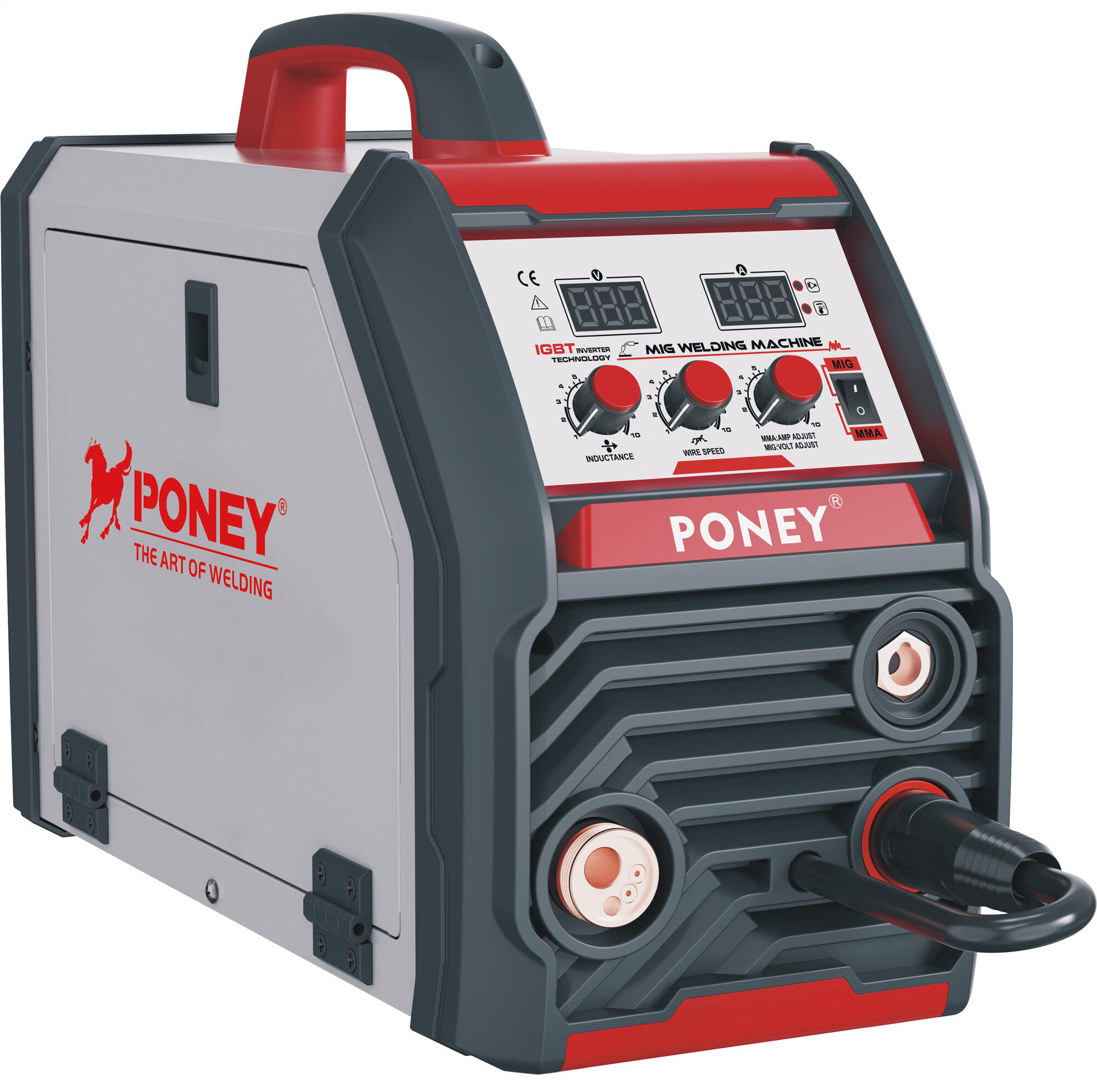
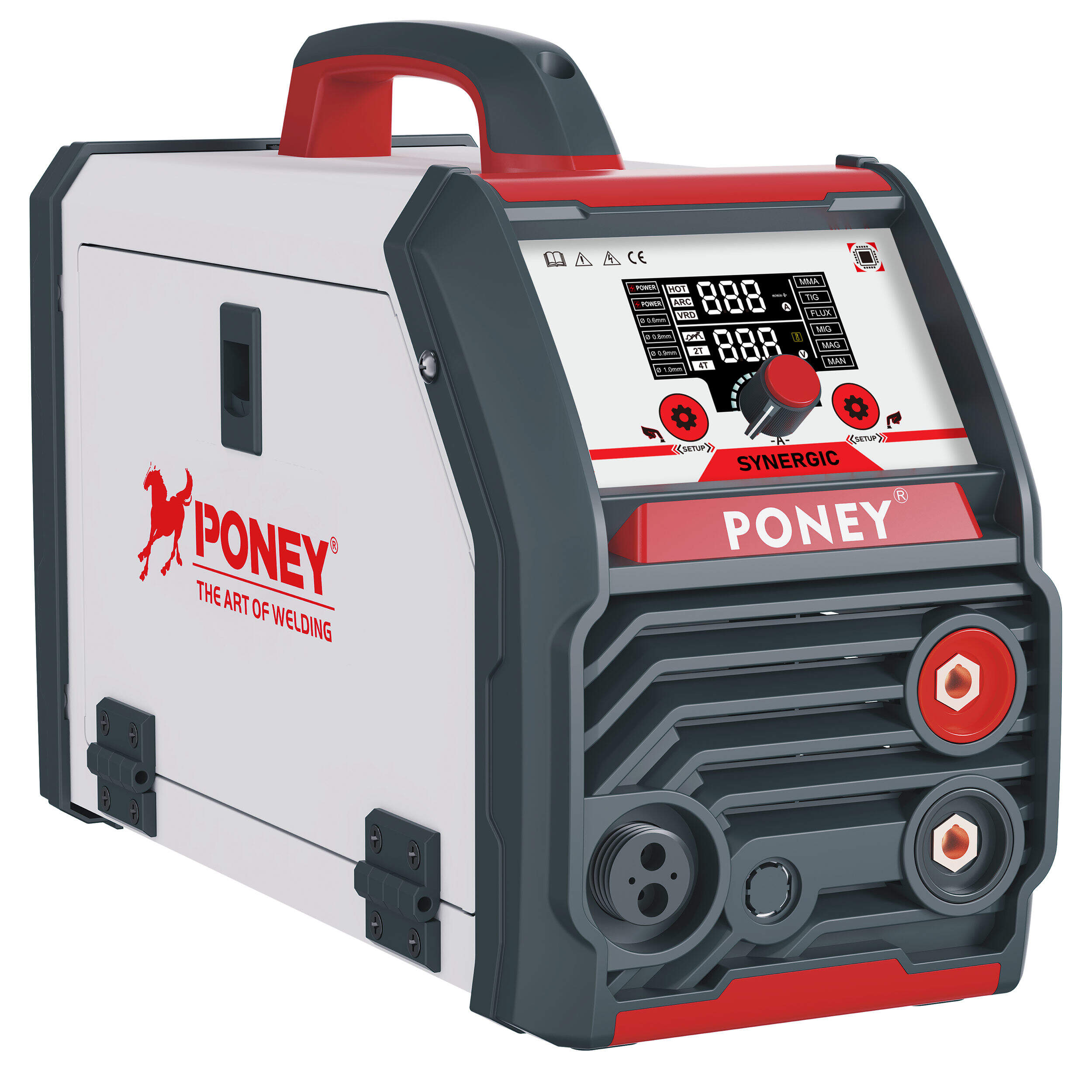
Professional Aluminum Welding with Arc Welder - Advanced Technology for Superior Results

Get a Free Quote

Our representative will contact you soon.
Email
Mobile/Whatsapp
Name
Company Name
Message
0/1000

aluminum welding with arc welder

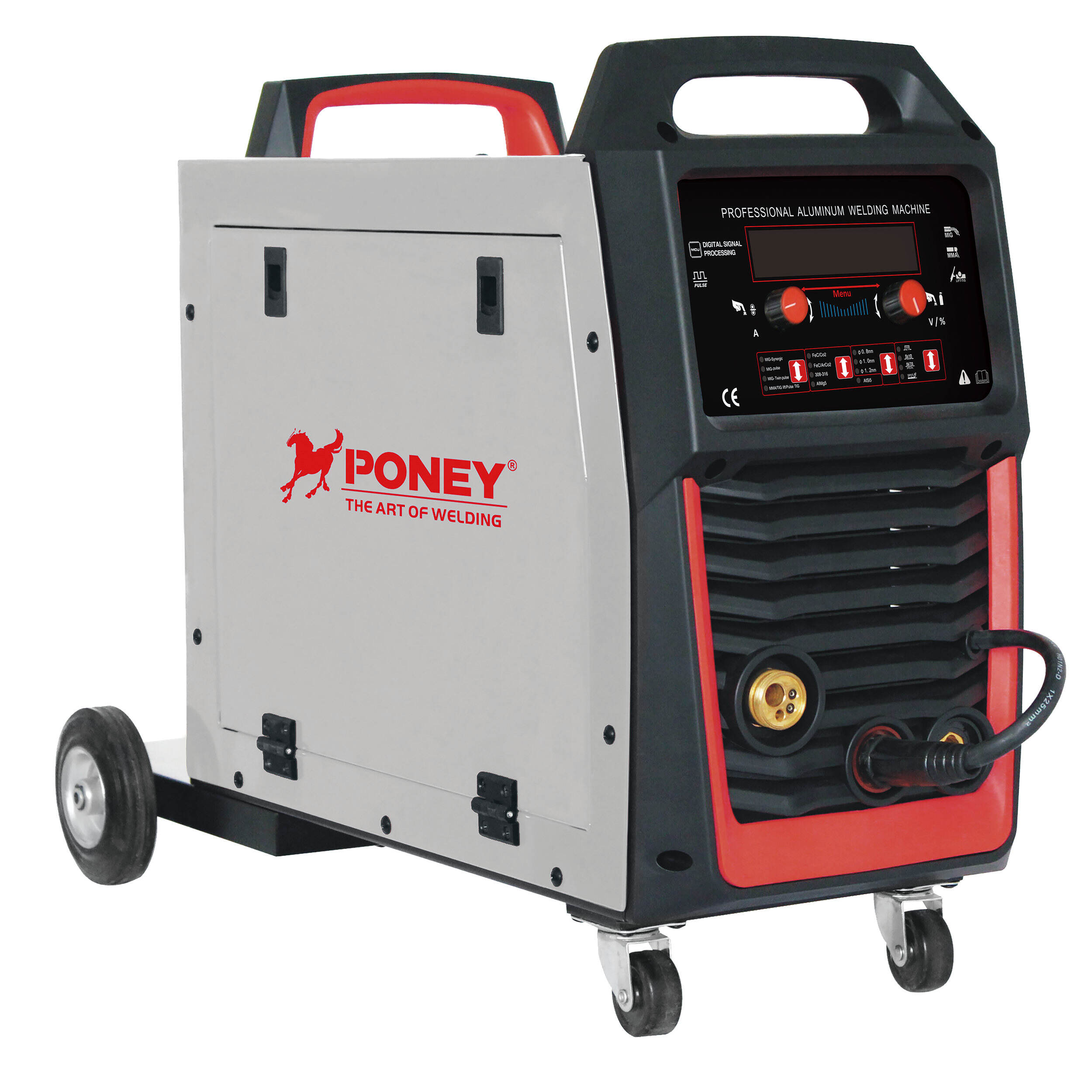
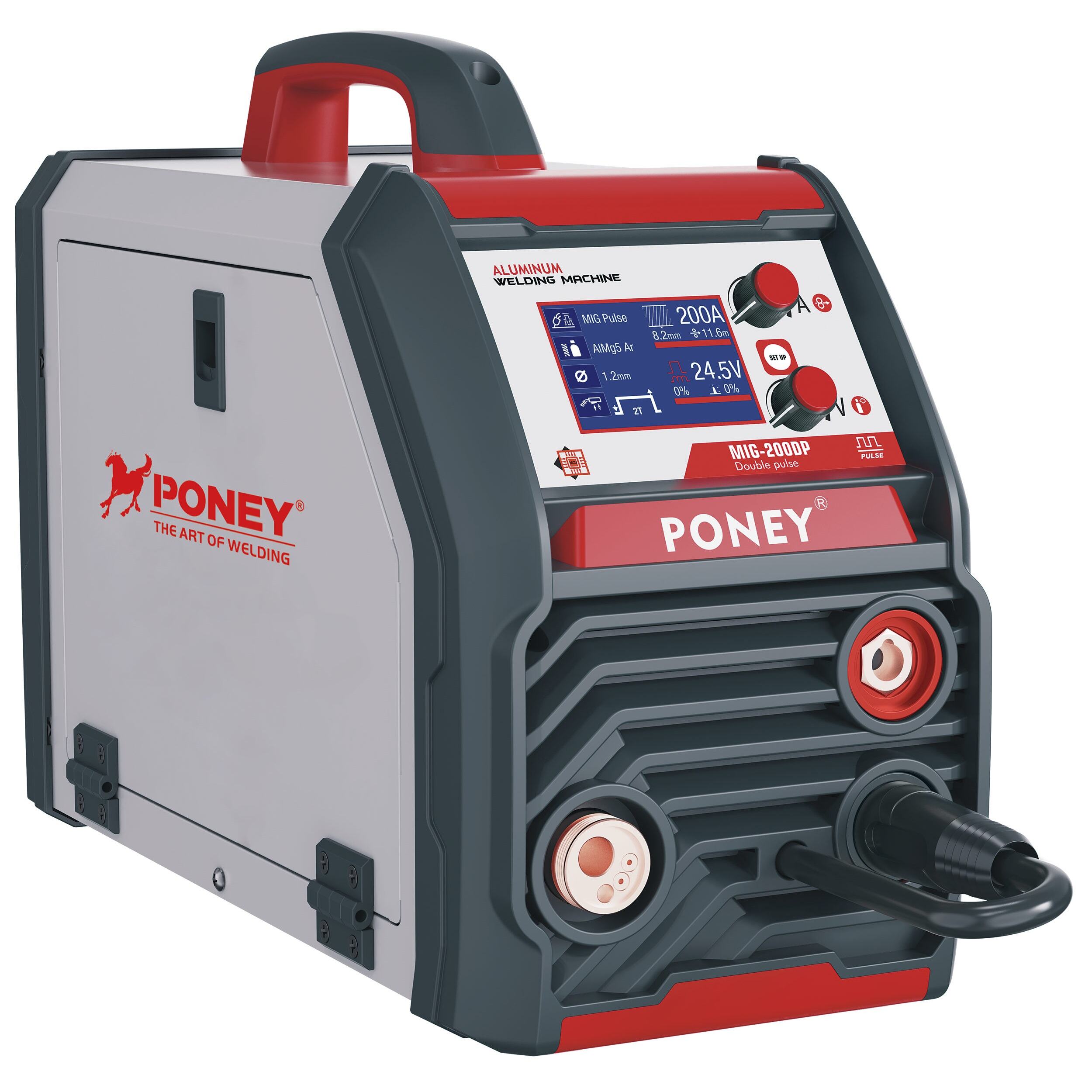
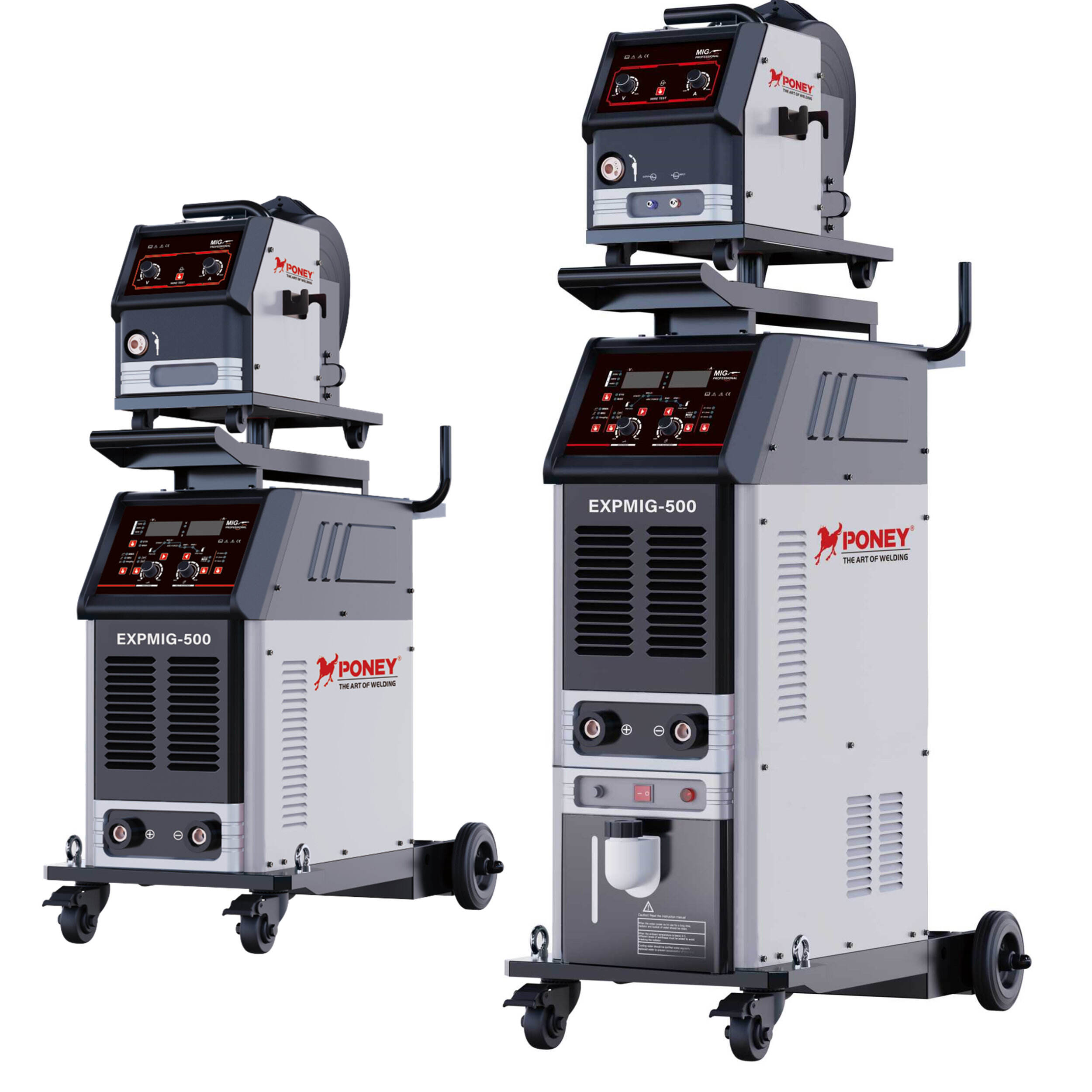
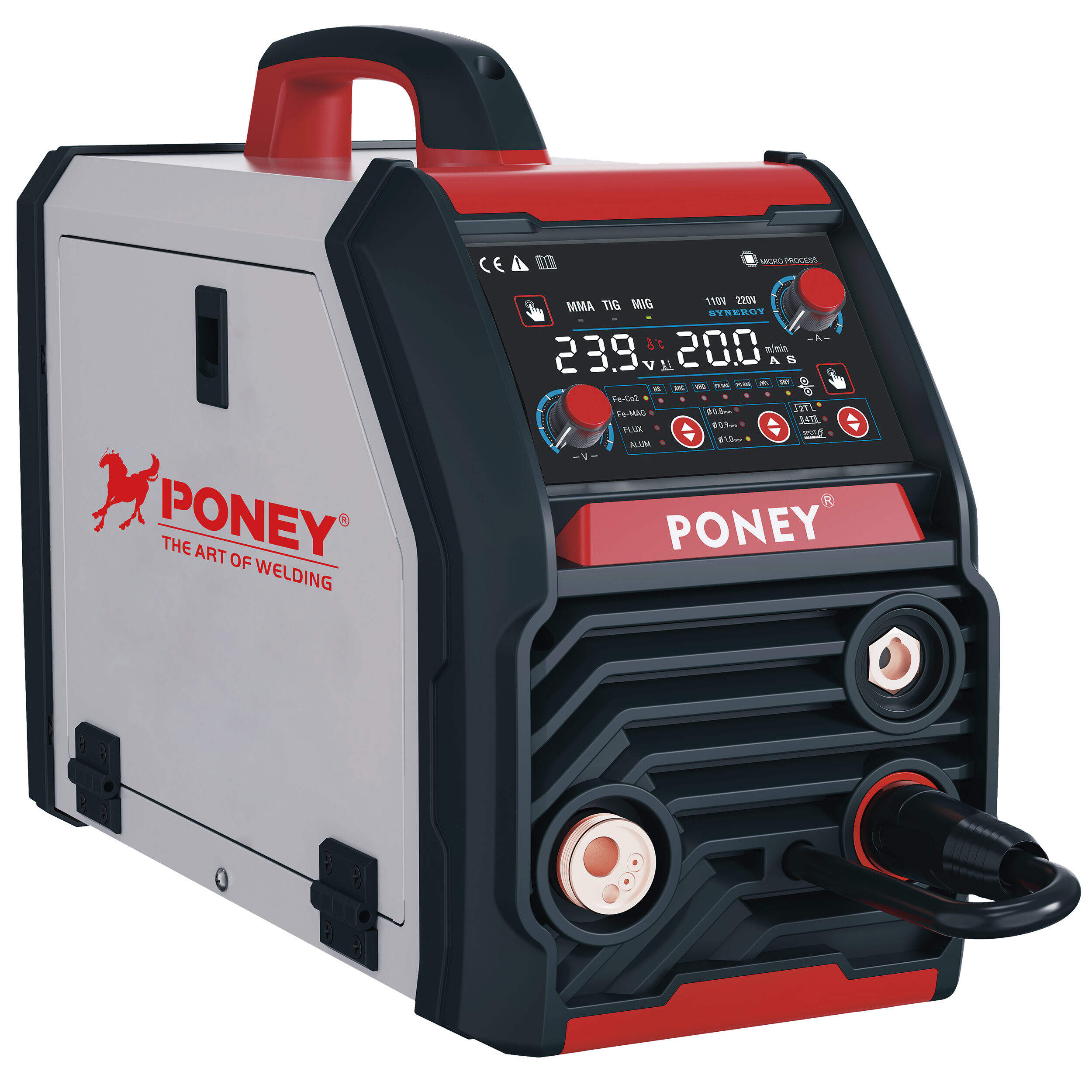
Aluminum welding with arc welder represents a sophisticated fusion process that enables fabricators to join aluminum components through controlled electrical arc generation. This specialized welding technique utilizes an electric arc to create intense heat, reaching temperatures between 6,000 to 20,000 degrees Fahrenheit, sufficient to melt aluminum base materials and create strong, durable joints. The aluminum welding with arc welder process involves several critical technological components including power supply units, electrode holders, ground clamps, and protective equipment designed specifically for aluminum applications. Modern aluminum welding with arc welder systems incorporate advanced inverter technology, providing precise current control and stable arc characteristics essential for successful aluminum fabrication. The main functions of aluminum welding with arc welder include structural assembly, repair operations, manufacturing processes, and custom fabrication projects across multiple industries. Technological features encompass adjustable amperage settings, pulse welding capabilities, alternating current output for aluminum-specific requirements, and integrated cooling systems to prevent overheating during extended operations. The aluminum welding with arc welder process requires specialized electrodes designed for aluminum alloys, proper shielding gas selection typically involving argon or helium mixtures, and precise heat input management to prevent distortion or burn-through issues. Applications span aerospace manufacturing, automotive production, marine construction, architectural projects, and industrial equipment fabrication where aluminum components demand reliable, high-strength connections. Professional aluminum welding with arc welder operations require skilled technicians who understand aluminum's unique properties including high thermal conductivity, oxide formation tendencies, and sensitivity to contamination. The technology continues evolving with digital controls, programmable settings, and enhanced safety features making aluminum welding with arc welder more accessible to both professional fabricators and skilled hobbyists seeking quality results in their aluminum joining projects.

New Products

The aluminum welding with arc welder offers numerous compelling advantages that make it an essential tool for modern fabrication needs. First, aluminum welding with arc welder provides exceptional versatility, allowing operators to work with various aluminum alloys and thicknesses ranging from thin sheets to heavy structural components. This flexibility eliminates the need for multiple specialized tools, reducing equipment costs and workspace requirements significantly. The aluminum welding with arc welder delivers superior joint strength compared to mechanical fastening methods, creating seamless connections that maintain the structural integrity of aluminum components under stress, vibration, and thermal cycling conditions. Cost-effectiveness represents another major advantage, as aluminum welding with arc welder requires lower initial investment compared to specialized aluminum welding systems while maintaining professional-grade results. The process enables rapid production speeds, allowing fabricators to complete projects efficiently without compromising quality standards. Aluminum welding with arc welder systems offer excellent portability, enabling on-site repairs and field installations where bringing components to a fixed welding station proves impractical or impossible. The technology provides precise heat control, preventing common aluminum welding challenges such as warping, burn-through, or excessive heat-affected zones that can compromise material properties. Environmental benefits include reduced waste generation since aluminum welding with arc welder creates permanent joints that eliminate the need for consumable fasteners, adhesives, or temporary joining methods. The process produces clean, aesthetically pleasing results that often require minimal post-welding finishing, saving time and labor costs in production environments. Aluminum welding with arc welder systems feature user-friendly controls that simplify operation for trained personnel while maintaining consistent results across different operators and project requirements. The technology supports both production welding and repair applications, making it valuable for maintenance operations where equipment downtime must be minimized. Modern aluminum welding with arc welder units incorporate advanced safety features including thermal protection, short-circuit detection, and arc stability controls that protect both operators and equipment during operation, ensuring reliable performance and longevity in demanding industrial environments.

Practical Tips

PONEY Upholds Tradition of Excellence

26

Jan

PONEY Upholds Tradition of Excellence

View More
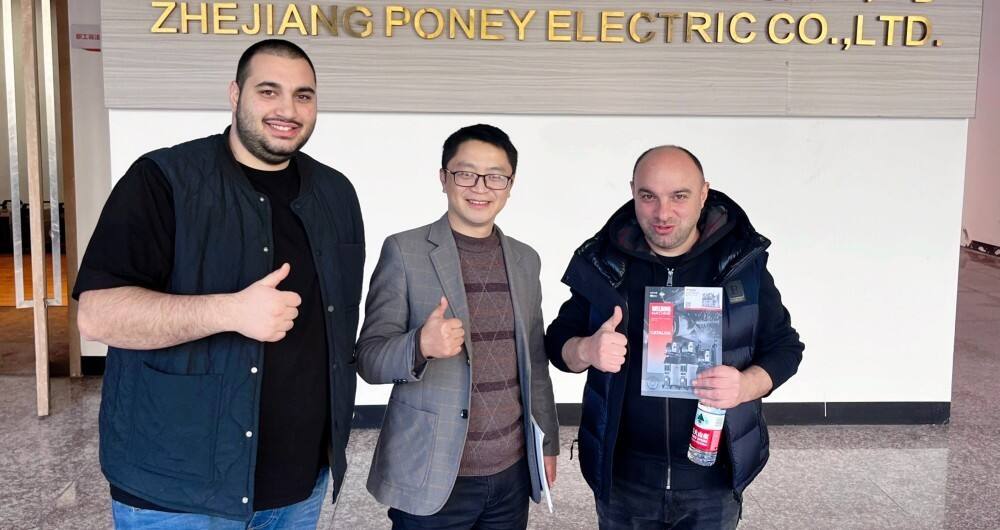
PONEY Welcomes Core Procurement Delegation from Georgia, Signing Cooperation to Open a New Chapter

26

Jan

PONEY Welcomes Core Procurement Delegation from Georgia, Signing Cooperation to Open a New Chapter

View More
Ingenuity Forges a New Chapter! PONEY's New Product Launch Conference Concludes Successfully, with Two Flagship Welding Machines Stealing the Show

26

Jan

Ingenuity Forges a New Chapter! PONEY's New Product Launch Conference Concludes Successfully, with Two Flagship Welding Machines Stealing the Show

View More

Get a Free Quote

Our representative will contact you soon.
Email
Mobile/Whatsapp
Name
Company Name
Message
0/1000

aluminum welding with arc welder

Advanced Temperature Control Technology

Advanced Temperature Control Technology

The aluminum welding with arc welder incorporates sophisticated temperature management systems that address aluminum's unique thermal characteristics and welding challenges. Unlike steel welding applications, aluminum requires precise heat input control due to its high thermal conductivity and lower melting point, making temperature regulation absolutely critical for successful joints. The advanced temperature control technology in aluminum welding with arc welder systems utilizes digital monitoring and automatic adjustment mechanisms that continuously track heat input and adjust welding parameters in real-time. This intelligent control system prevents common aluminum welding problems including burn-through, excessive heat-affected zones, and distortion that can compromise structural integrity and dimensional accuracy. The aluminum welding with arc welder features programmable heat input settings that allow operators to establish optimal welding parameters for specific aluminum alloys, material thicknesses, and joint configurations, ensuring consistent results across different applications. The temperature control system incorporates pulse welding capabilities that alternate between high and low current levels, providing better heat distribution and reducing overall heat input while maintaining adequate penetration and fusion characteristics. This pulsing action proves particularly beneficial when aluminum welding with arc welder on thin materials or heat-sensitive components where traditional continuous welding might cause damage. The advanced cooling integration works seamlessly with the temperature control system, managing heat dissipation during extended welding operations and preventing equipment overheating that could affect performance or cause premature component failure. Professional fabricators appreciate how the temperature control technology in aluminum welding with arc welder systems enables them to work on complex projects involving mixed material thicknesses, intricate geometries, and precision requirements without compromising quality or efficiency. The system's ability to maintain stable arc characteristics across varying thermal conditions ensures consistent weld quality regardless of ambient temperature fluctuations or extended operation periods, making aluminum welding with arc welder suitable for both indoor workshop environments and challenging outdoor field applications.
Superior Joint Quality and Durability

Superior Joint Quality and Durability

The aluminum welding with arc welder produces exceptionally high-quality joints that surpass traditional mechanical fastening methods in strength, durability, and long-term performance characteristics. This superior joint quality stems from the fundamental welding process that creates metallurgical bonds at the molecular level, effectively making welded aluminum components function as single, continuous pieces rather than assembled parts. The aluminum welding with arc welder achieves optimal penetration depths that ensure complete fusion between base materials and filler metals, creating joints that often exceed the strength of the parent aluminum materials themselves. This strength advantage proves crucial in structural applications where joint failure could result in catastrophic consequences or safety hazards. The durability benefits of aluminum welding with arc welder extend beyond initial strength ratings to include superior fatigue resistance, corrosion protection, and thermal cycling performance that maintains joint integrity over extended service life. Unlike mechanical fasteners that can loosen, corrode, or fail due to vibration and thermal expansion, welded aluminum joints maintain their structural properties indefinitely when properly executed. The aluminum welding with arc welder process eliminates stress concentration points typically associated with drilled holes, threaded connections, or other mechanical joining methods, distributing loads more evenly across joint areas and reducing the likelihood of crack initiation or propagation. Quality control advantages include visual inspection capabilities that allow immediate assessment of joint integrity, porosity levels, and fusion quality, enabling corrective action during the welding process rather than discovering defects during final inspection or service operations. The aluminum welding with arc welder creates hermetically sealed joints that prevent moisture ingress, chemical contamination, and galvanic corrosion that commonly affect mechanical connections in harsh operating environments. Professional applications benefit from the consistent joint properties achieved through aluminum welding with arc welder, enabling engineers to design structures with confidence in joint performance and reducing safety factors typically required to account for connection variability. The superior aesthetics of welded aluminum joints eliminate the need for additional finishing operations, covers, or cosmetic treatments often required to hide mechanical fasteners in architectural or consumer product applications.
Exceptional Versatility and Application Range

Exceptional Versatility and Application Range

The aluminum welding with arc welder demonstrates remarkable versatility across an extensive range of applications, materials, and project requirements that makes it indispensable for modern fabrication operations. This versatility encompasses the ability to work with virtually all commercial aluminum alloys including 1000, 3000, 5000, and 6000 series materials commonly used in construction, transportation, and manufacturing industries. The aluminum welding with arc welder handles material thickness variations from ultra-thin foils measuring mere millimeters to heavy structural plates exceeding several inches, providing fabricators with unprecedented flexibility in project planning and execution. Position welding capabilities allow aluminum welding with arc welder operations in flat, horizontal, vertical, and overhead orientations, enabling complex assembly work and field repairs where component positioning cannot be optimized for welding convenience. The system accommodates both manual and semi-automatic welding techniques, supporting everything from precision artwork and custom fabrication to high-volume production requirements where speed and consistency are paramount. Aluminum welding with arc welder excels in repair applications where damaged components can be restored to original specifications rather than requiring complete replacement, providing significant cost savings and reducing equipment downtime in industrial settings. The technology supports both structural and cosmetic welding applications, enabling everything from heavy-duty framework construction to delicate decorative elements that require smooth, aesthetically pleasing joint appearance. Joint configuration flexibility includes butt joints, lap joints, T-joints, corner joints, and complex multi-axis connections that accommodate virtually any design requirement encountered in aluminum fabrication projects. The aluminum welding with arc welder adapts to diverse working environments from controlled shop conditions to challenging field locations including marine environments, construction sites, and remote industrial facilities where environmental conditions vary significantly. Material preparation requirements remain minimal compared to other joining methods, as aluminum welding with arc welder can work with standard cleaning and preparation procedures without requiring specialized surface treatments or expensive consumable materials. The system's ability to create both temporary and permanent joints provides additional flexibility for prototype development, testing applications, and situations where future disassembly might be required while maintaining structural integrity during service periods.

Get a Free Quote

Our representative will contact you soon.
Email
Mobile/Whatsapp
Name
Company Name
Message
0/1000