Professional Aluminum Alloy Welding Services - Lightweight, Durable, Corrosion-Resistant Solutions

Get a Free Quote

Our representative will contact you soon.
Email
Mobile/Whatsapp
Name
Company Name
Message
0/1000

aluminum alloy welding

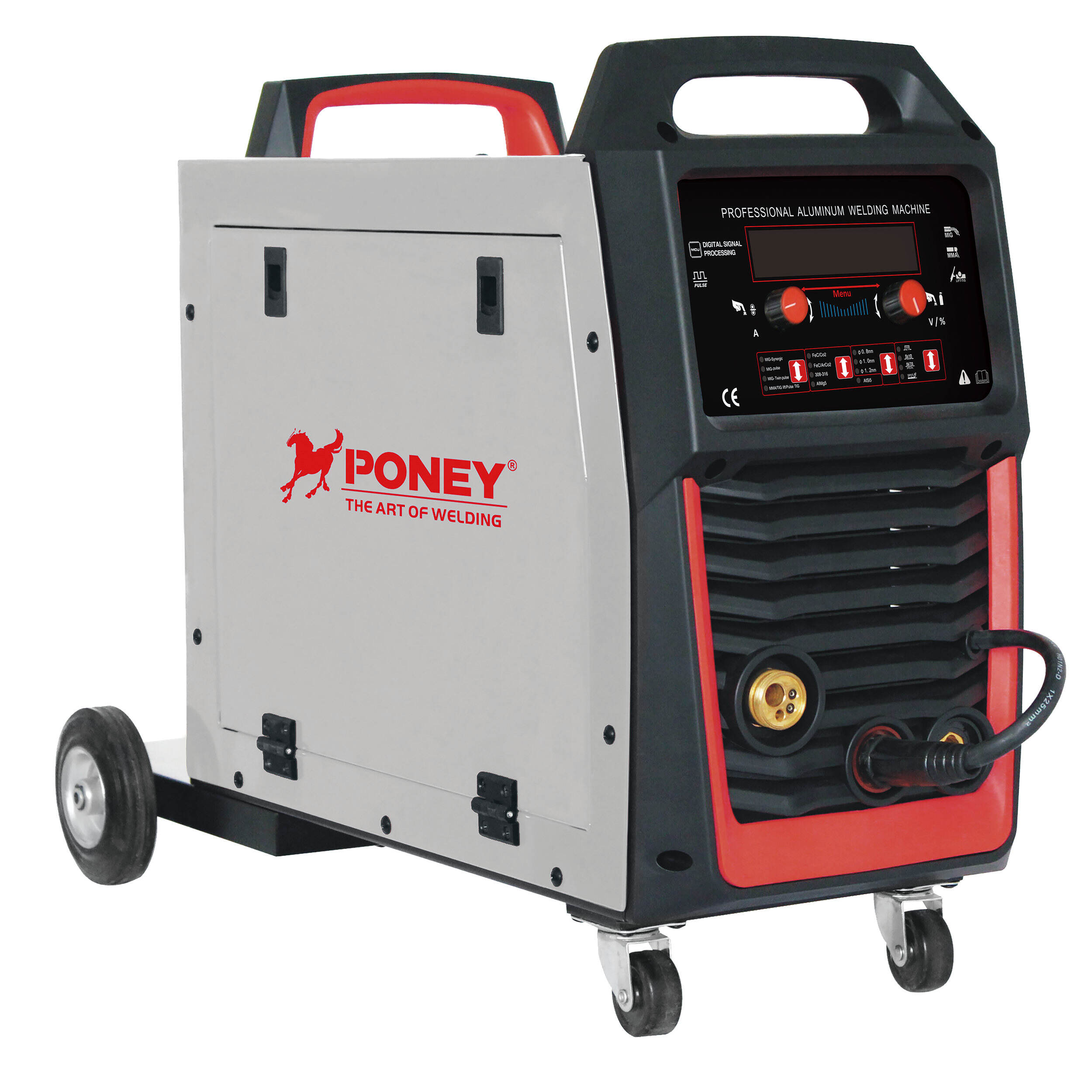
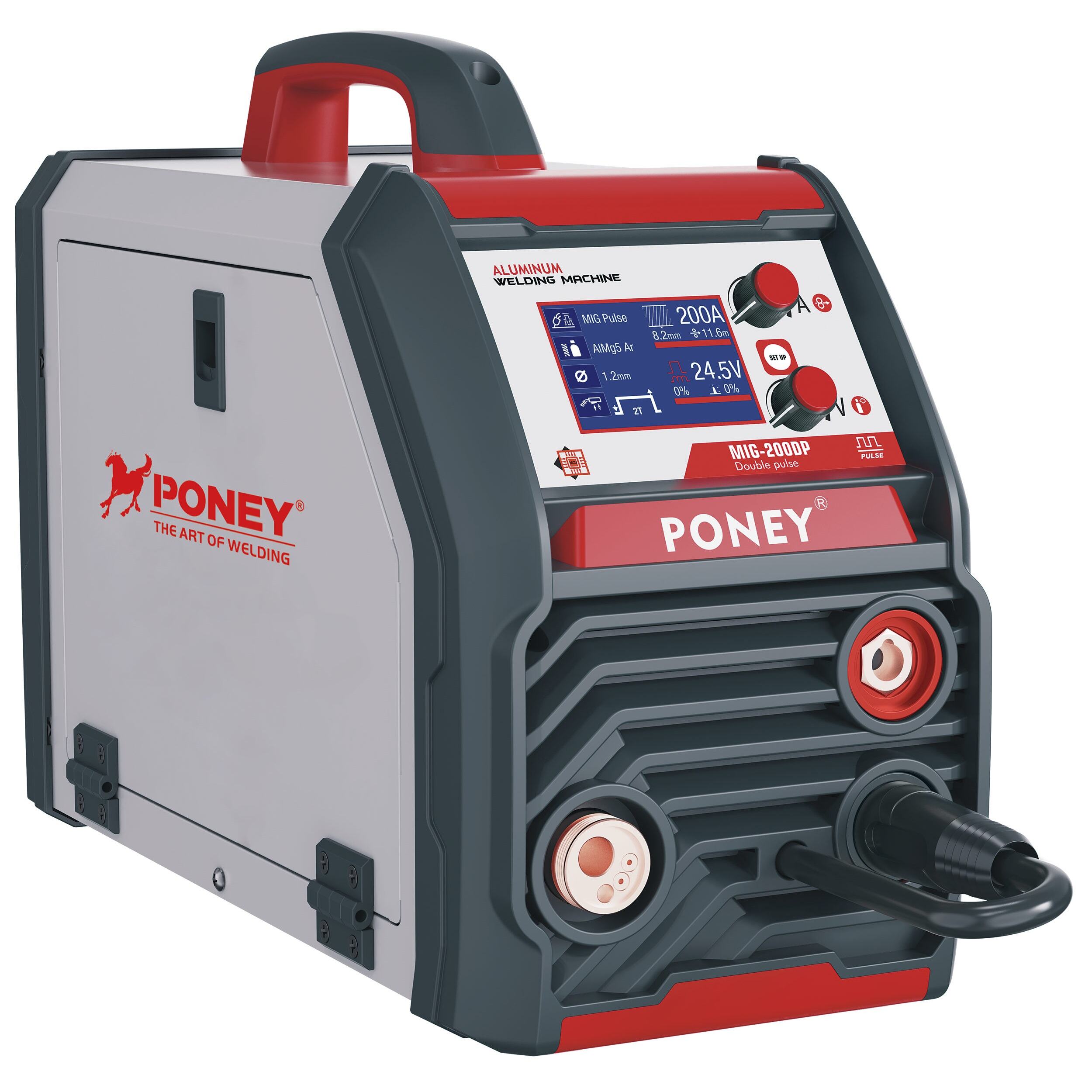
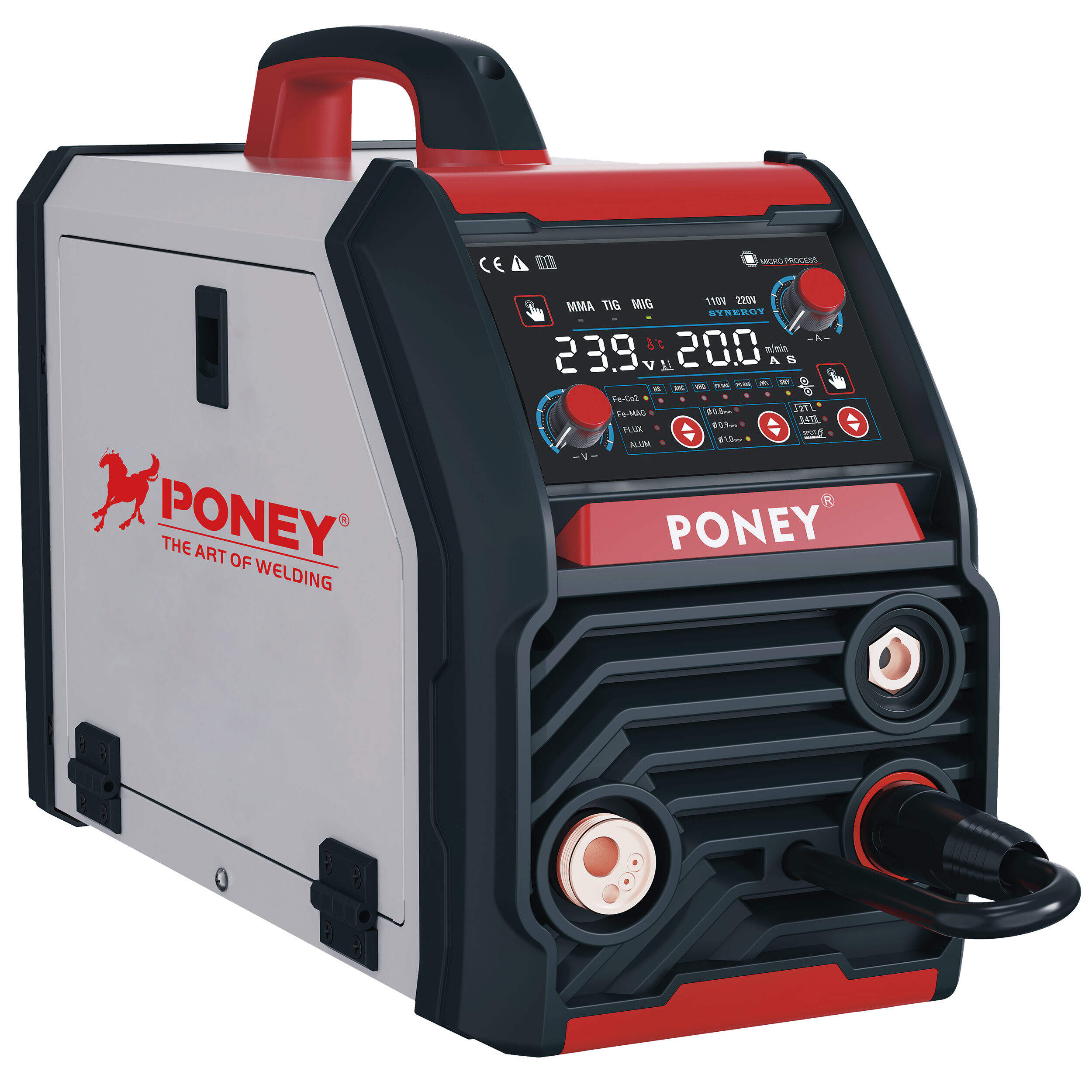
Aluminum alloy welding represents a specialized joining process that creates permanent bonds between aluminum-based materials through controlled heat application and precise metallurgical techniques. This sophisticated manufacturing method serves as a cornerstone technology across multiple industries, enabling the creation of lightweight yet durable structures that meet demanding performance requirements. The primary function of aluminum alloy welding involves fusing separate aluminum components into unified assemblies while maintaining the inherent properties that make aluminum alloys so valuable in modern manufacturing. The process requires careful consideration of aluminum's unique characteristics, including its high thermal conductivity, low melting point, and tendency to form oxide layers. These technological features demand specialized equipment, controlled atmospheres, and expert technique to achieve optimal results. Modern aluminum alloy welding employs various methods including TIG welding, MIG welding, and friction stir welding, each offering distinct advantages for specific applications. The technological sophistication extends to temperature management, shielding gas selection, and filler material compatibility, ensuring structural integrity throughout the welding process. Applications span aerospace manufacturing where weight reduction directly impacts fuel efficiency and performance capabilities. Automotive industries leverage aluminum alloy welding for body panels, engine components, and chassis structures that enhance vehicle efficiency while maintaining safety standards. Marine applications benefit from aluminum's corrosion resistance when properly welded, creating vessels that withstand harsh saltwater environments. Construction projects utilize welded aluminum frameworks for their strength-to-weight ratios and architectural flexibility. Electronics manufacturing relies on precise aluminum alloy welding for heat dissipation components and protective enclosures. Transportation infrastructure incorporates welded aluminum elements in bridges, railings, and support structures that require longevity and minimal maintenance. The versatility of aluminum alloy welding continues expanding as new alloy compositions and welding techniques emerge, supporting innovation across industries that prioritize efficiency, durability, and performance optimization.

New Product Recommendations

Aluminum alloy welding delivers exceptional lightweight construction benefits that directly translate to improved performance and cost savings across numerous applications. The process creates joints that maintain aluminum's natural strength while reducing overall component weight by up to sixty percent compared to traditional steel alternatives. This weight reduction advantage generates significant fuel savings in transportation applications, lower shipping costs for manufactured goods, and enhanced portability for consumer products. The superior corrosion resistance achieved through proper aluminum alloy welding techniques eliminates the need for additional protective coatings in many environments, reducing long-term maintenance requirements and extending service life substantially. Welded aluminum structures demonstrate remarkable durability against weathering, chemical exposure, and temperature fluctuations, making them ideal for outdoor installations and harsh industrial environments. The thermal conductivity properties of aluminum alloy welding enable efficient heat dissipation in electronic applications, preventing component overheating and extending equipment lifespan significantly. This thermal management capability proves particularly valuable in power electronics, LED lighting systems, and automotive cooling applications where temperature control directly impacts performance and reliability. The electrical conductivity maintained through quality aluminum alloy welding supports efficient power transmission and grounding applications while reducing energy losses that occur with less conductive materials. Manufacturing flexibility represents another key advantage, as aluminum alloy welding accommodates complex geometric shapes and intricate designs that would be difficult or impossible to achieve with mechanical fastening methods. The process enables seamless integration of multiple components into single assemblies, reducing part counts and potential failure points while improving overall structural integrity. Production efficiency improves through aluminum alloy welding because the process creates permanent joints quickly without requiring additional hardware, adhesives, or lengthy curing times. Quality control benefits from the visual inspectability of welded joints, allowing manufacturers to verify connection integrity through standard inspection techniques. The recyclability of welded aluminum maintains material value at end-of-life, supporting sustainable manufacturing practices and circular economy principles. Cost-effectiveness emerges from reduced material usage, simplified assembly processes, and lower maintenance requirements over the product lifecycle, making aluminum alloy welding an economically attractive solution for both manufacturers and end-users seeking long-term value optimization.

Tips And Tricks

PONEY Upholds Tradition of Excellence

26

Jan

PONEY Upholds Tradition of Excellence

View More
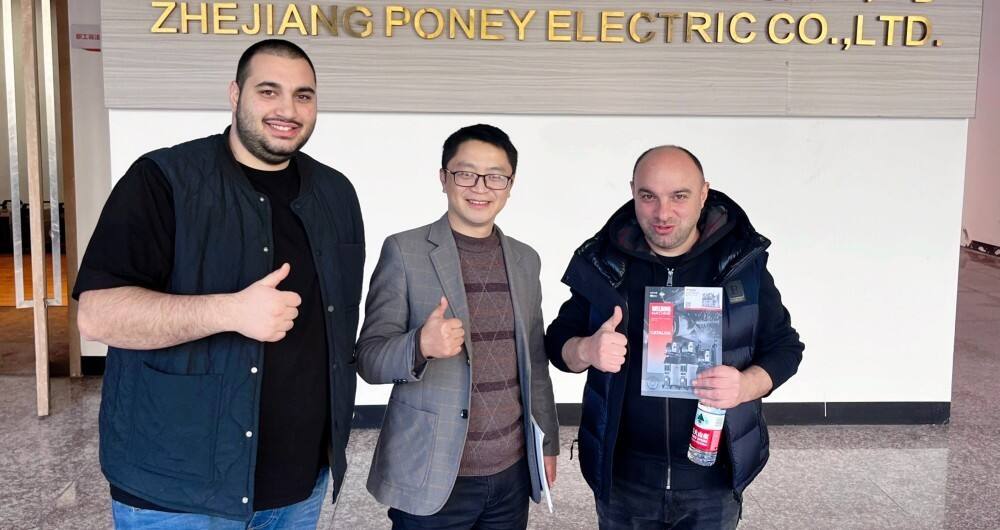
PONEY Welcomes Core Procurement Delegation from Georgia, Signing Cooperation to Open a New Chapter

26

Jan

PONEY Welcomes Core Procurement Delegation from Georgia, Signing Cooperation to Open a New Chapter

View More
Ingenuity Forges a New Chapter! PONEY's New Product Launch Conference Concludes Successfully, with Two Flagship Welding Machines Stealing the Show

26

Jan

Ingenuity Forges a New Chapter! PONEY's New Product Launch Conference Concludes Successfully, with Two Flagship Welding Machines Stealing the Show

View More

Get a Free Quote

Our representative will contact you soon.
Email
Mobile/Whatsapp
Name
Company Name
Message
0/1000

aluminum alloy welding

Superior Strength-to-Weight Performance Engineering

Superior Strength-to-Weight Performance Engineering

Aluminum alloy welding achieves remarkable strength-to-weight ratios that fundamentally transform product design possibilities and operational efficiency across multiple industries. This engineering advantage stems from aluminum's inherent material properties combined with advanced welding techniques that preserve and optimize structural integrity throughout the joining process. The resulting welded assemblies demonstrate tensile strengths comparable to steel while maintaining weights that are approximately one-third lighter, creating opportunities for enhanced performance and reduced operational costs. In aerospace applications, this strength-to-weight optimization directly translates to increased payload capacity, extended flight range, and improved fuel efficiency metrics that significantly impact operational economics. Automotive manufacturers leverage these characteristics to create vehicle frames and body panels that meet stringent safety requirements while contributing to overall weight reduction goals that enhance fuel economy and emission compliance. Marine vessel construction benefits from aluminum alloy welding's ability to create hull structures that provide exceptional buoyancy characteristics while maintaining the structural integrity necessary to withstand ocean conditions and heavy cargo loads. The precision achievable through modern aluminum alloy welding techniques ensures that strength properties remain consistent throughout welded joints, eliminating weak points that could compromise overall structural performance. Advanced heat treatment procedures following the welding process can further enhance strength characteristics, allowing engineers to fine-tune material properties for specific application requirements. The fatigue resistance demonstrated by properly executed aluminum alloy welding exceeds that of many mechanical joining methods, ensuring long-term structural reliability under cyclic loading conditions common in transportation and industrial applications. Quality assurance protocols verify that welded joints maintain specified strength parameters through comprehensive testing procedures including tensile testing, bend testing, and non-destructive examination techniques. This combination of lightweight construction and superior strength creates competitive advantages that extend beyond initial manufacturing benefits to encompass entire product lifecycles, including transportation, installation, operation, and eventual recycling processes that maintain material value while supporting environmental sustainability objectives.
Advanced Corrosion Resistance and Environmental Durability

Advanced Corrosion Resistance and Environmental Durability

The exceptional corrosion resistance achieved through professional aluminum alloy welding provides unmatched environmental durability that significantly reduces maintenance costs and extends service life in challenging operating conditions. This protective capability results from aluminum's natural ability to form a thin, adherent oxide layer that self-repairs when damaged, combined with welding techniques that preserve this protective mechanism throughout joined areas. Properly executed aluminum alloy welding maintains the continuity of this oxide protection across weld zones, ensuring that entire assemblies benefit from enhanced corrosion resistance rather than creating vulnerable points susceptible to environmental degradation. Marine applications particularly benefit from this corrosion resistance, as welded aluminum structures demonstrate superior performance in saltwater environments where steel alternatives require extensive protective coatings and frequent maintenance interventions. The galvanic compatibility achieved through aluminum alloy welding eliminates the electrochemical reactions that occur when dissimilar metals are joined, preventing accelerated corrosion that shortens component lifespan and increases maintenance requirements. Chemical processing industries rely on welded aluminum's resistance to many acids, alkalis, and organic compounds, enabling the construction of processing equipment and containment systems that maintain integrity without requiring expensive corrosion-resistant coatings or frequent replacement cycles. Atmospheric exposure testing demonstrates that welded aluminum assemblies maintain structural and aesthetic properties for decades without significant degradation, making them ideal for architectural applications, outdoor infrastructure, and transportation equipment subjected to varied weather conditions. The thermal cycling resistance of aluminum alloy welding ensures that repeated heating and cooling cycles do not compromise joint integrity or accelerate corrosion processes, supporting applications in automotive exhaust systems, industrial heating equipment, and electronic cooling assemblies. UV radiation stability prevents the photochemical degradation common in polymer-based alternatives, ensuring that welded aluminum maintains appearance and performance characteristics throughout extended outdoor exposure periods. This environmental durability translates to substantial lifecycle cost advantages through reduced maintenance schedules, extended replacement intervals, and improved reliability metrics that support critical infrastructure applications where failure consequences extend beyond simple replacement costs to encompass safety, environmental, and operational continuity considerations.
Exceptional Thermal and Electrical Conductivity Performance

Exceptional Thermal and Electrical Conductivity Performance

Aluminum alloy welding preserves and optimizes the exceptional thermal and electrical conductivity properties that make aluminum indispensable in heat management and electrical transmission applications across modern technology sectors. The welding process maintains the crystalline structure necessary for efficient energy transfer while creating seamless pathways that eliminate the resistance typically associated with mechanical connections or dissimilar material interfaces. This conductivity advantage enables welded aluminum assemblies to function as integrated thermal management systems that efficiently distribute heat away from critical components, preventing temperature-related failures and extending equipment operational life significantly. Electronics manufacturers utilize aluminum alloy welding to create heat sinks and thermal interface components that provide superior cooling performance compared to alternatives, supporting the high-power density requirements of modern processors, LED lighting systems, and power electronics applications. The electrical conductivity maintained through quality aluminum alloy welding supports efficient power transmission with minimal energy losses, making welded aluminum ideal for electrical distribution systems, grounding networks, and high-current applications where resistance-related losses translate directly to operational costs and system inefficiency. Automotive applications leverage this thermal conductivity for battery cooling systems in electric vehicles, where effective heat management directly impacts battery life, charging rates, and overall vehicle performance metrics. The electromagnetic shielding effectiveness achieved through welded aluminum enclosures provides superior protection against radio frequency interference while maintaining the lightweight characteristics essential for portable electronics and aerospace applications. Industrial heating and cooling systems benefit from aluminum alloy welding's ability to create complex heat exchanger geometries that maximize surface area and thermal transfer efficiency while minimizing pressure drops and energy consumption. The rapid thermal response characteristics of welded aluminum enable precise temperature control in applications ranging from semiconductor manufacturing to food processing, where temperature accuracy directly impacts product quality and process efficiency. Cryogenic applications utilize aluminum alloy welding's ability to maintain ductility and conductivity at extremely low temperatures, supporting liquefied gas storage and transport systems that require materials capable of functioning reliably under thermal stress conditions that would compromise alternative materials. This thermal and electrical performance versatility creates design opportunities that extend beyond simple substitution scenarios to enable entirely new product concepts and system architectures that capitalize on aluminum's unique combination of lightweight construction, environmental durability, and energy transfer capabilities.

Get a Free Quote

Our representative will contact you soon.
Email
Mobile/Whatsapp
Name
Company Name
Message
0/1000