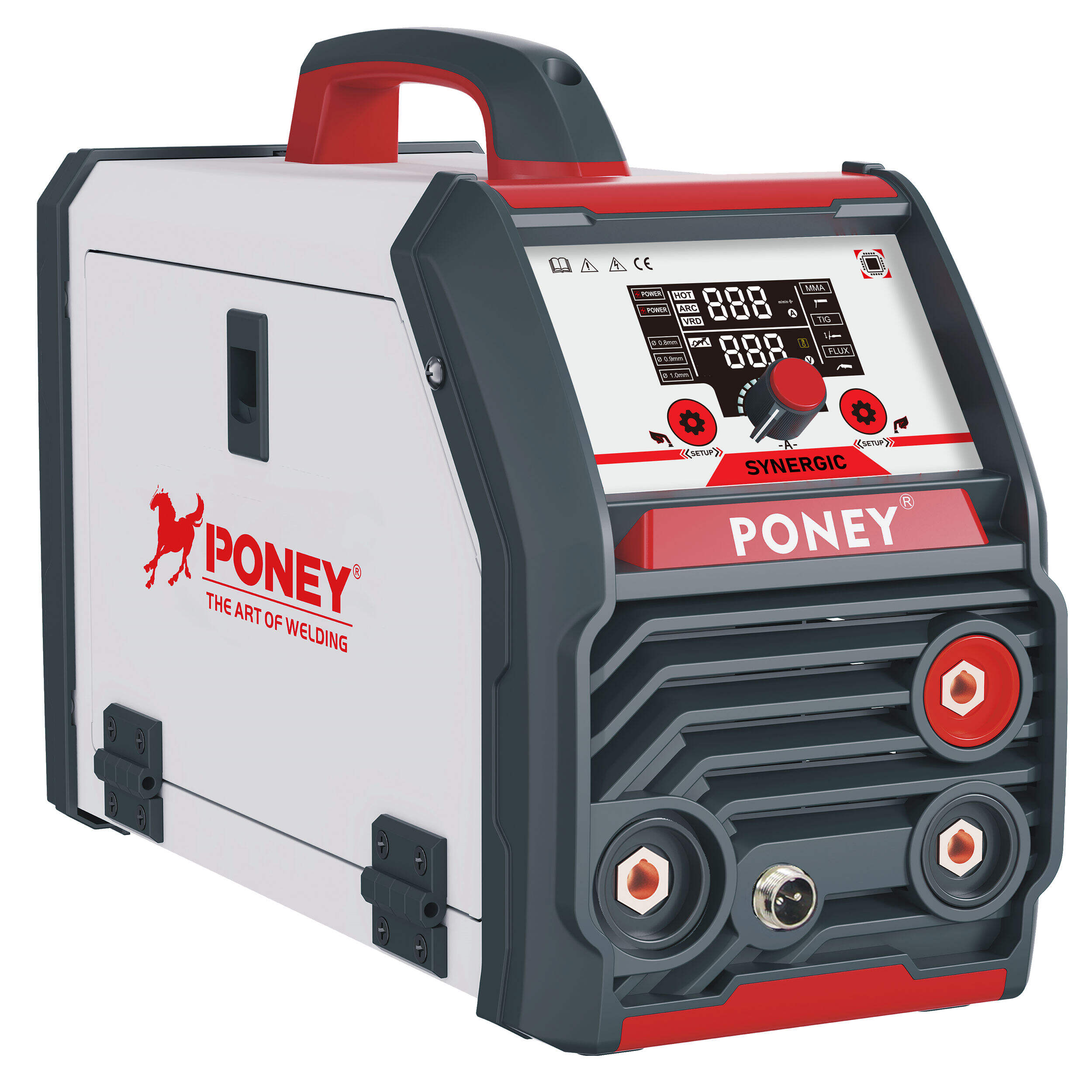
Digital Interface and Smart Control Systems
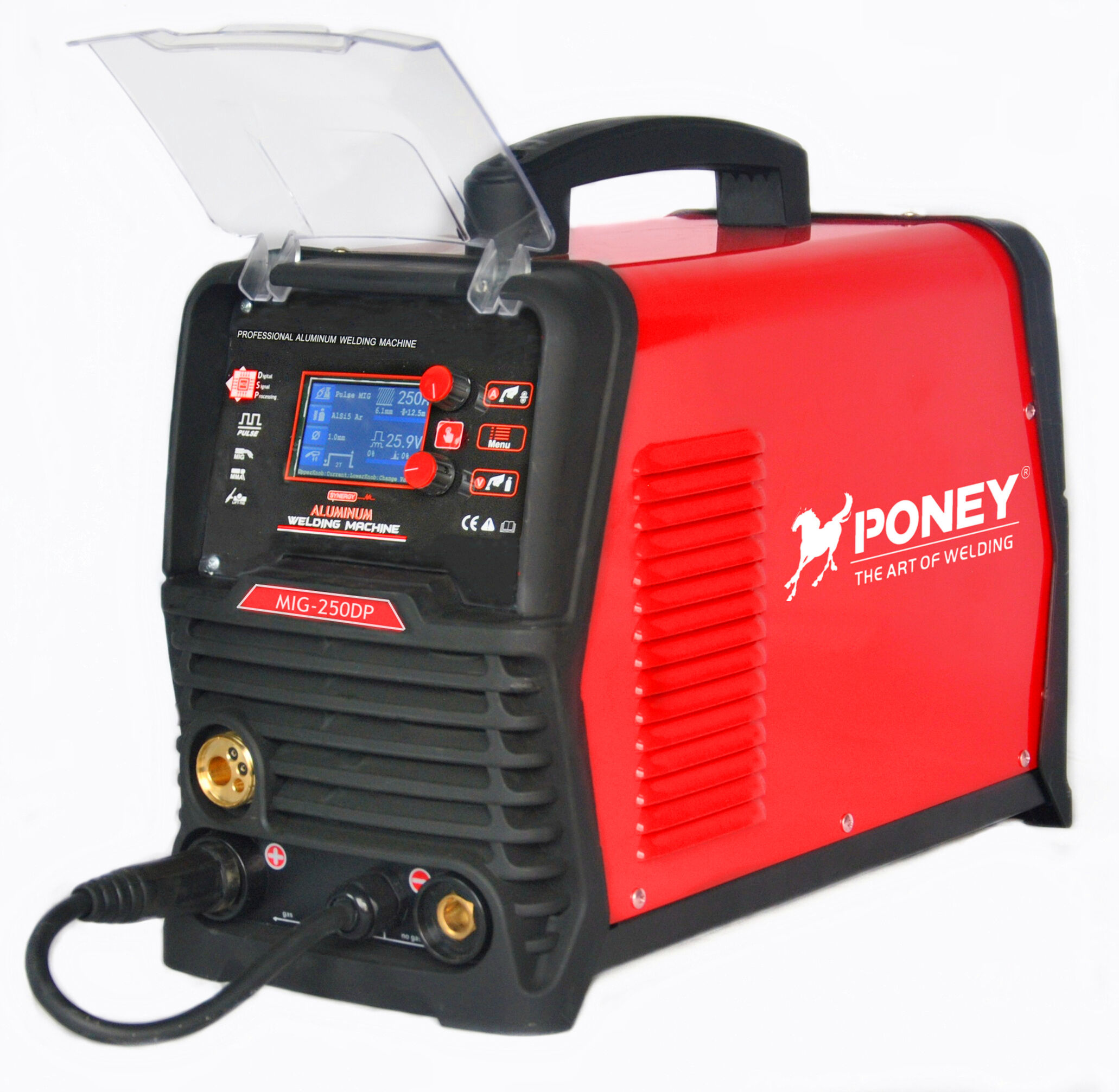
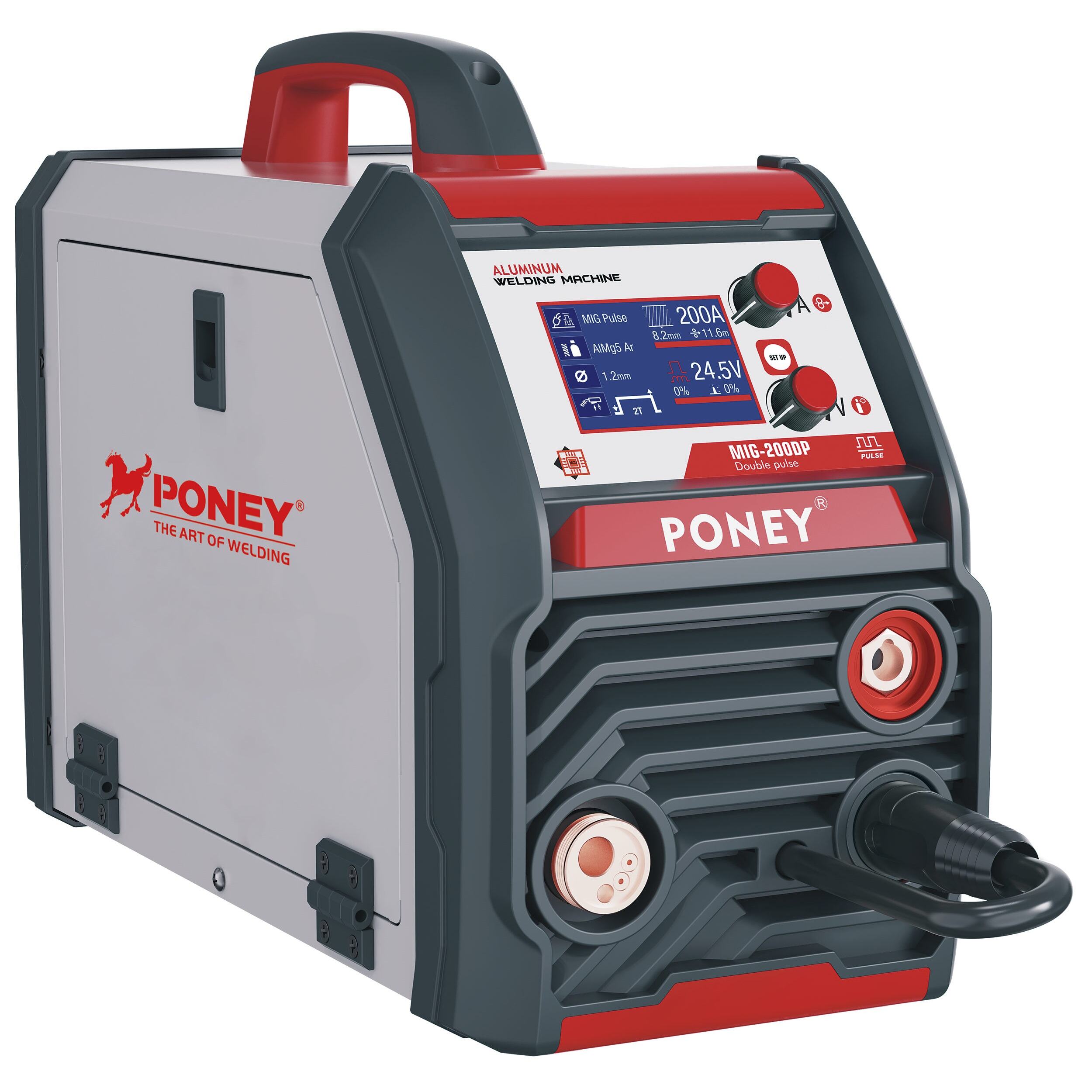
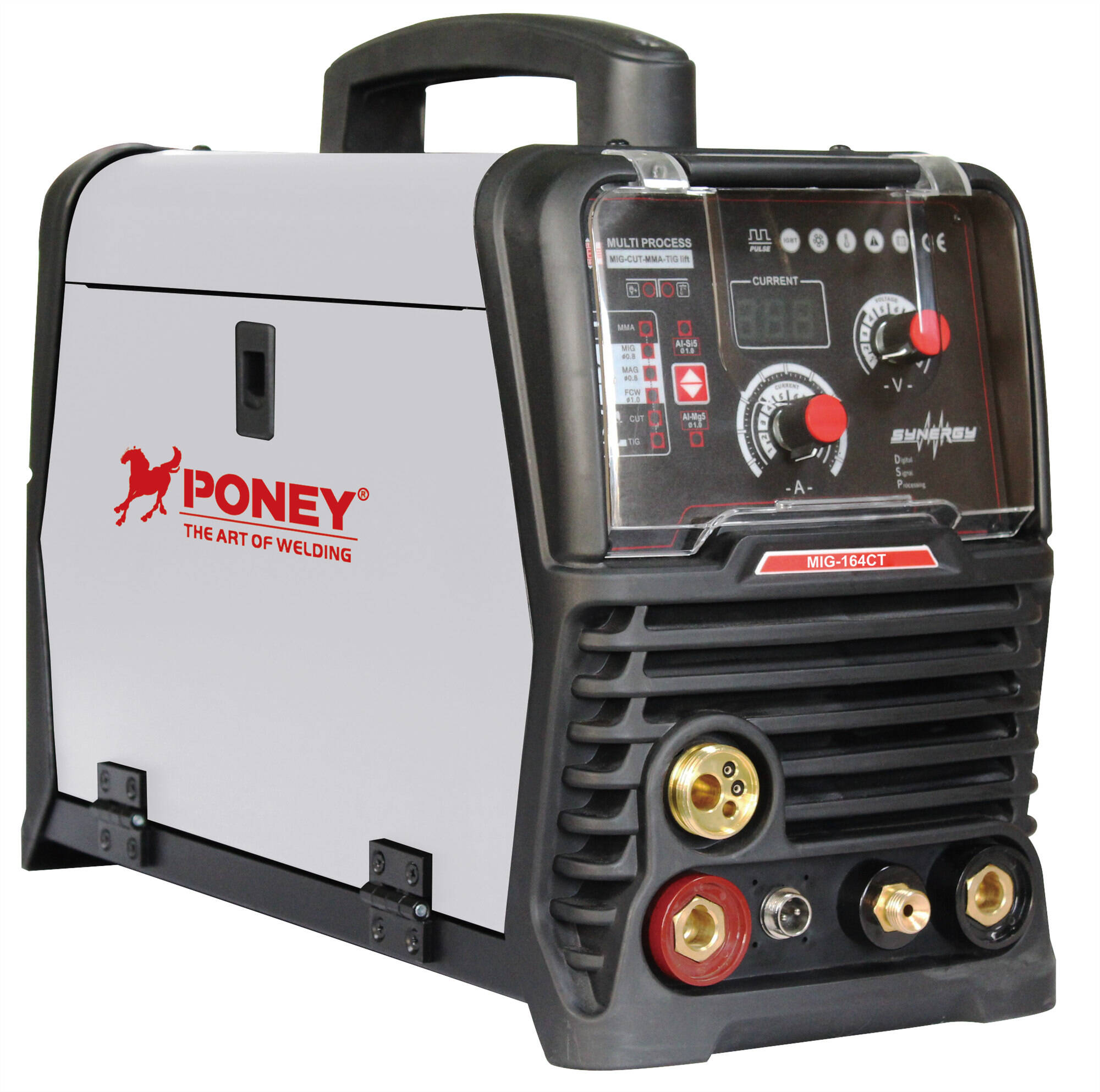
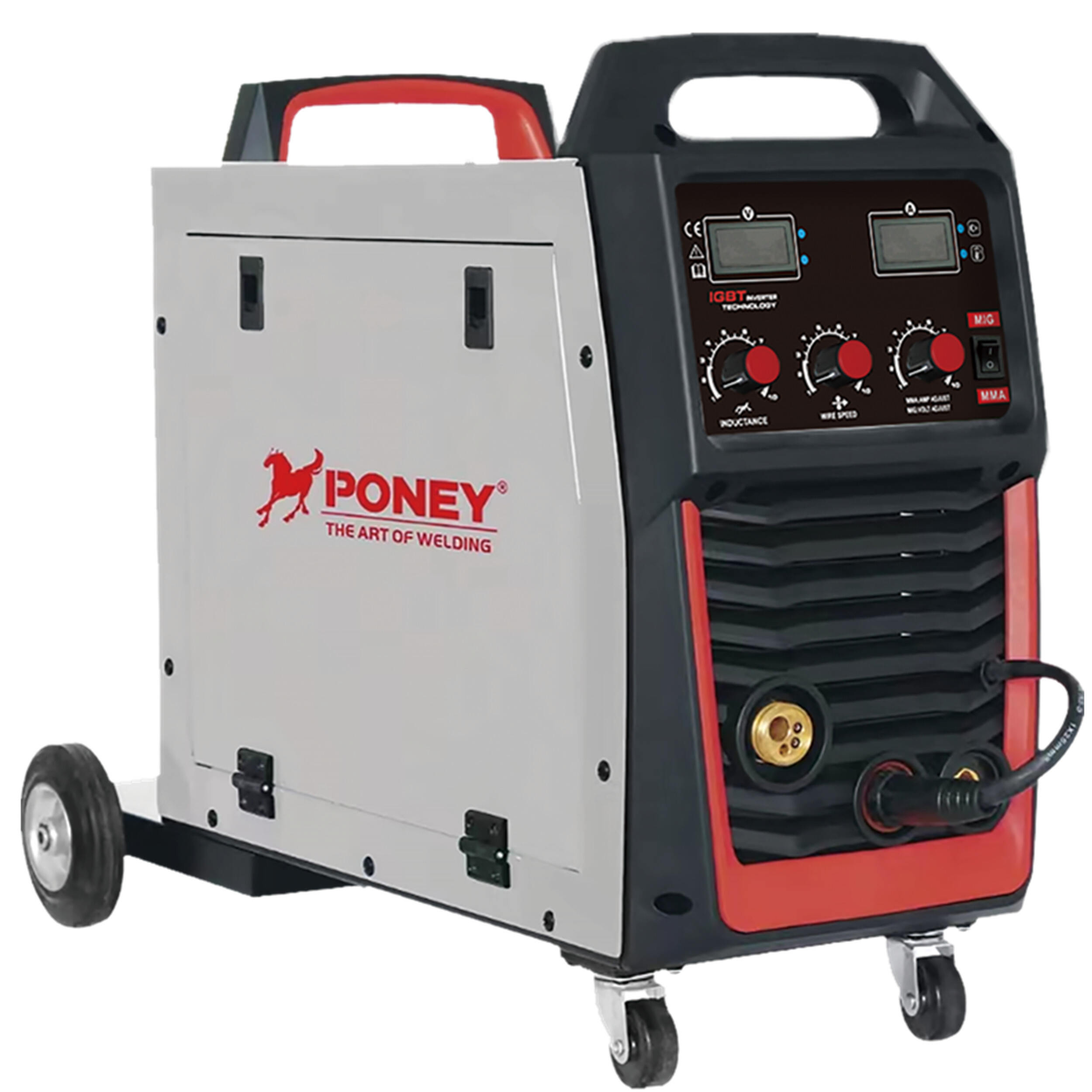
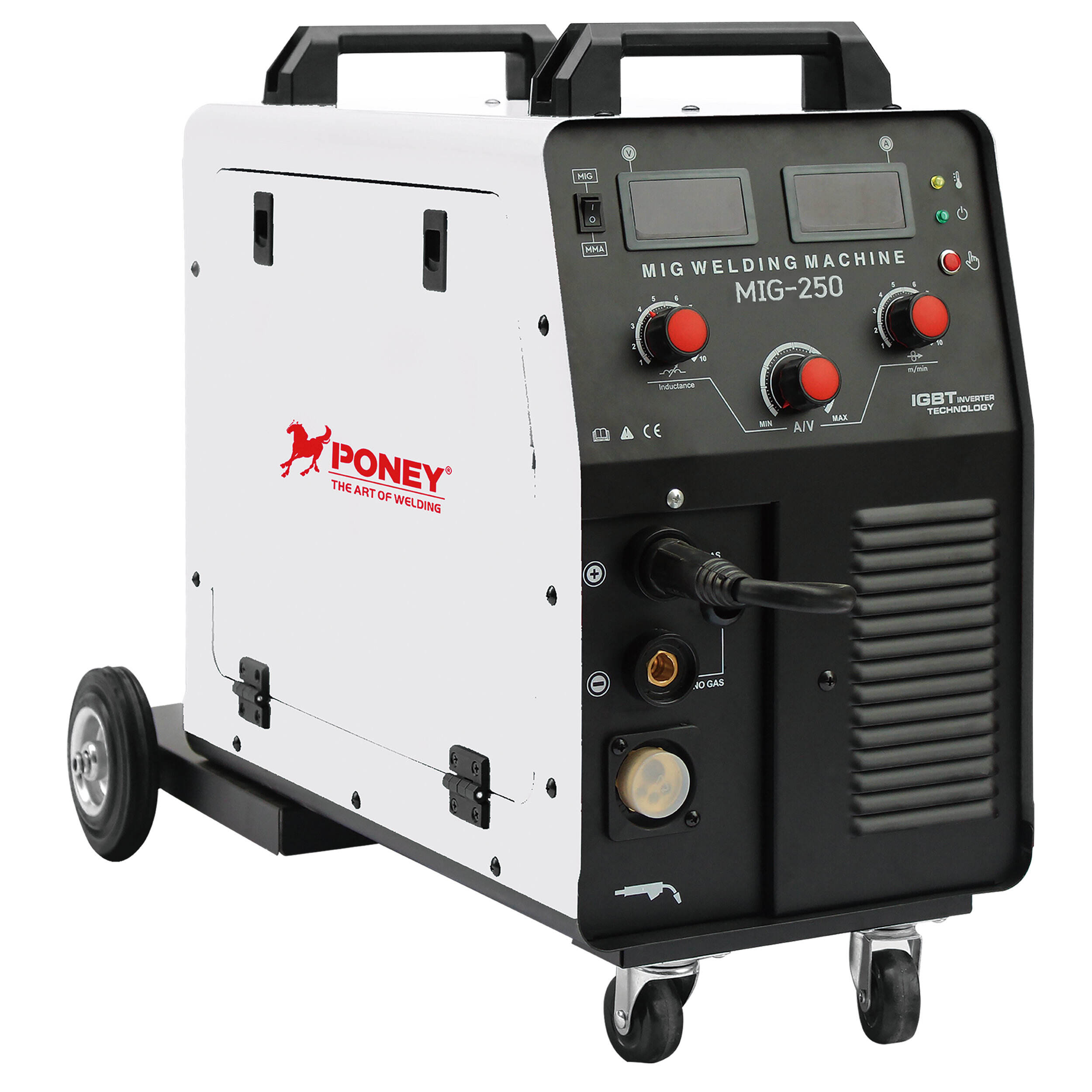
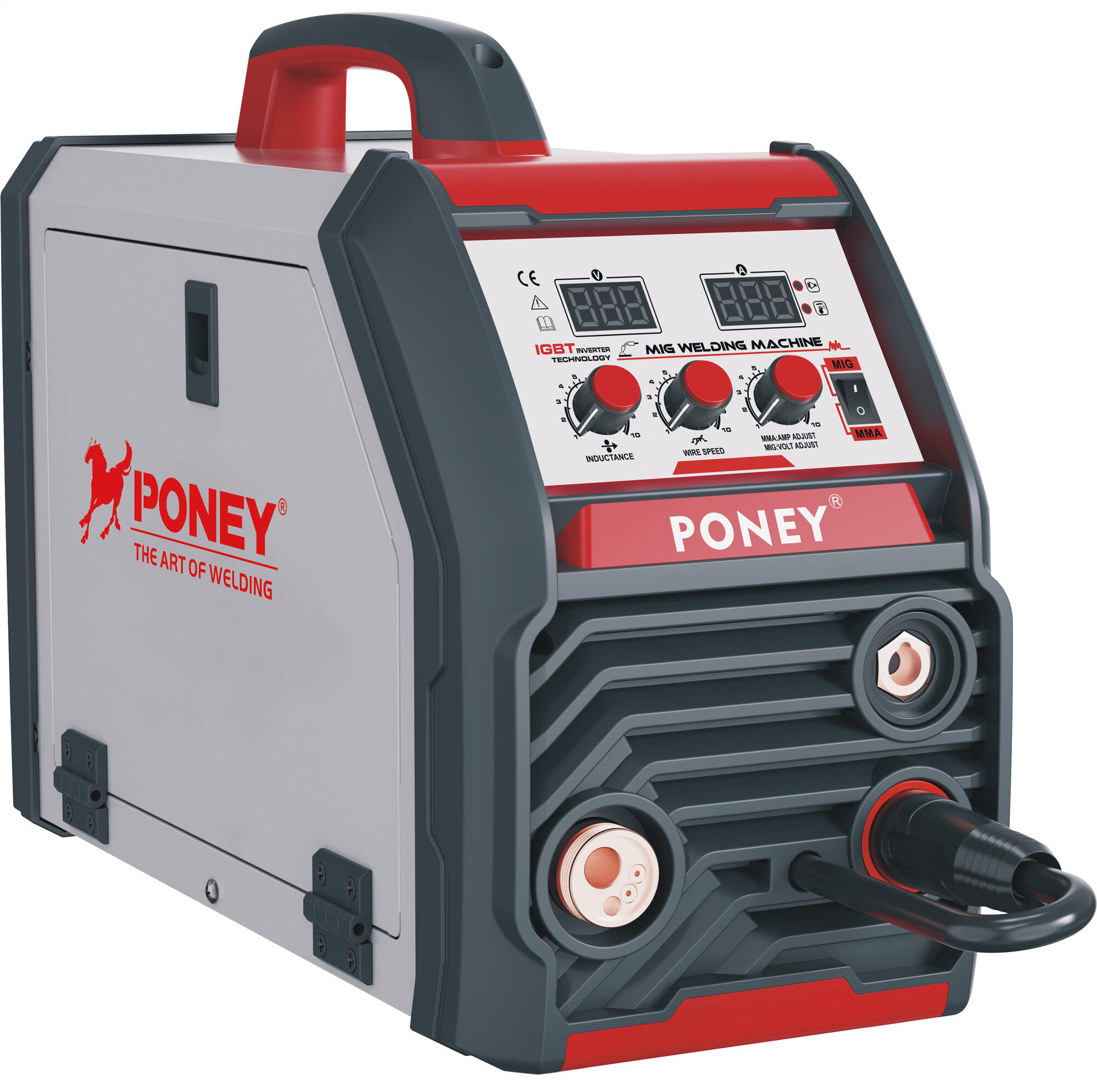
The best welder for aluminum features sophisticated digital interface and smart control systems that transform the welding experience through intuitive operation and advanced monitoring capabilities. The high-resolution digital display provides clear, real-time visualization of all critical welding parameters, including amperage, voltage, gas flow rate, and arc stability indicators. This comprehensive information display enables operators to monitor and adjust welding conditions with unprecedented precision, ensuring optimal results across varying project requirements. The digital interface incorporates user-friendly menu systems that allow easy navigation through various settings and options, making complex parameter adjustments accessible to welders of all skill levels. The smart control systems continuously analyze welding conditions and provide automated adjustments to maintain stable arc characteristics and consistent penetration depth. These systems utilize advanced sensors that monitor arc voltage, current flow, and electrode position, feeding this information to microprocessor-controlled circuits that make instantaneous corrections to welding parameters. The intelligent feedback loops ensure that variations in hand position, travel speed, or material thickness are automatically compensated, resulting in uniform weld quality throughout each operation. The digital interface also includes comprehensive data logging capabilities that record welding parameters and performance metrics for quality control and process optimization purposes. This data can be analyzed to identify trends, optimize procedures, and ensure compliance with welding specifications and industry standards. The smart control systems incorporate predictive maintenance features that monitor machine performance and component wear, providing advance warning of potential issues before they impact welding operations. The interface includes customizable user profiles that store preferred settings for different operators and applications, enabling quick setup and ensuring consistency across multiple users. Advanced models feature wireless connectivity options that allow remote monitoring and control through mobile applications, providing flexibility for complex or multi-station operations. The digital systems also include comprehensive error detection and diagnostic capabilities that identify potential issues and guide operators through troubleshooting procedures, minimizing downtime and ensuring reliable operation.
 EN
EN