Professional AC Aluminum Welder - Advanced Technology for Superior Aluminum Welding Results

Get a Free Quote

Our representative will contact you soon.
Email
Mobile/Whatsapp
Name
Company Name
Message
0/1000

ac aluminum welder

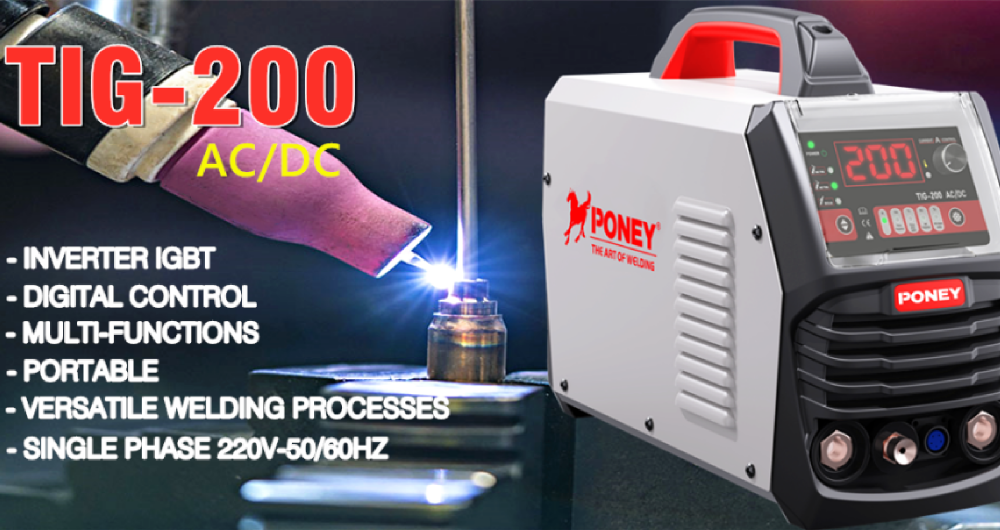
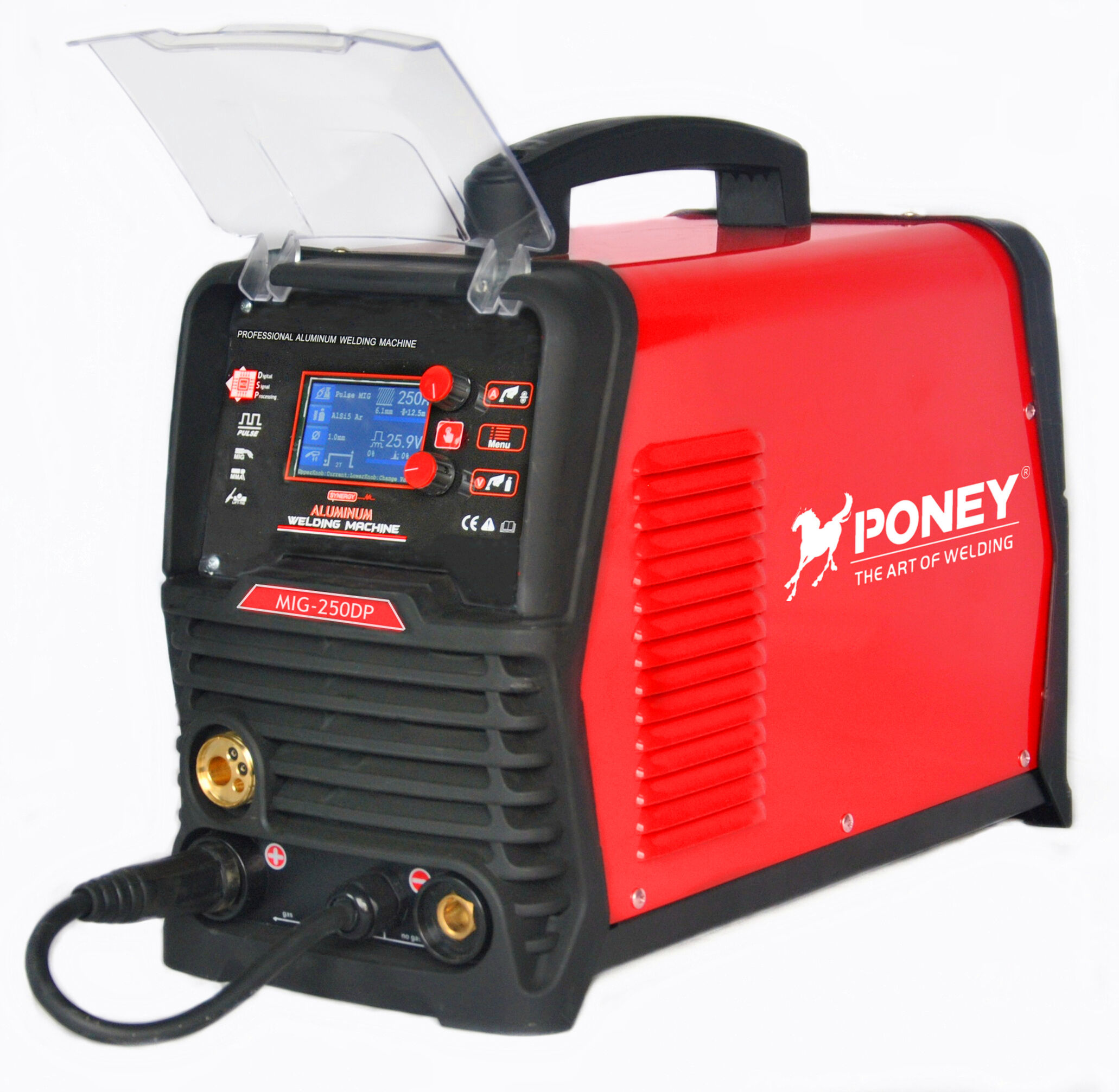
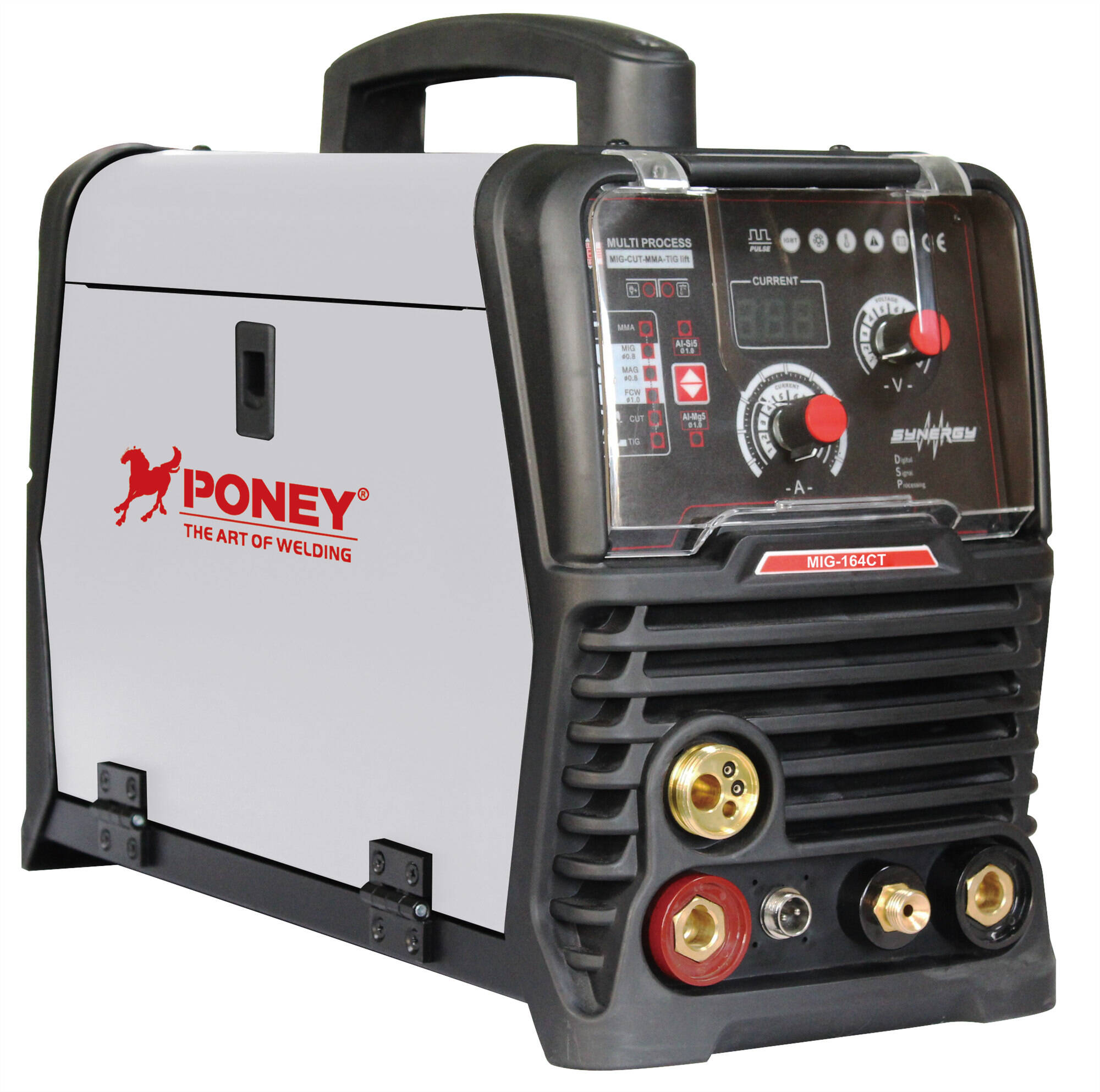
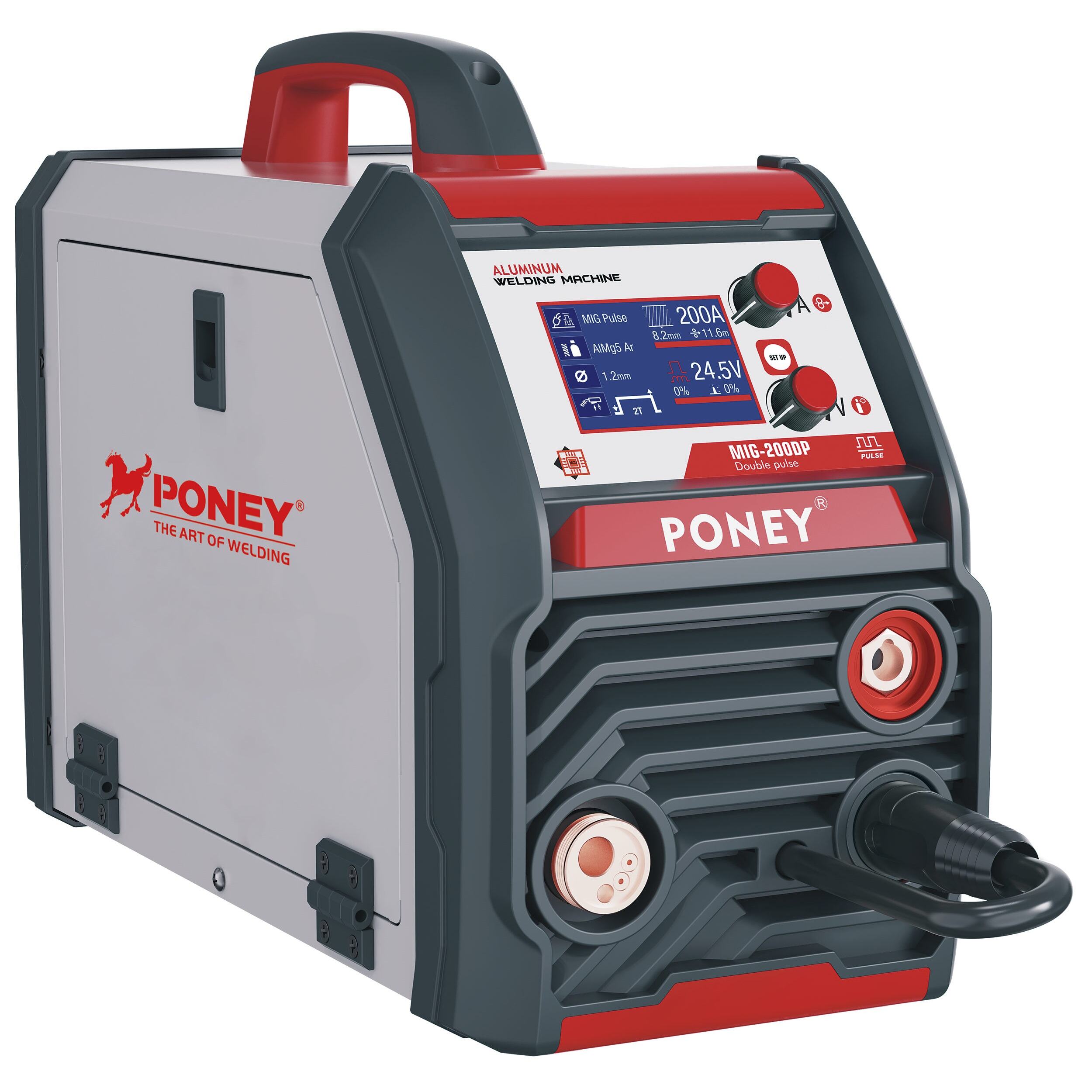
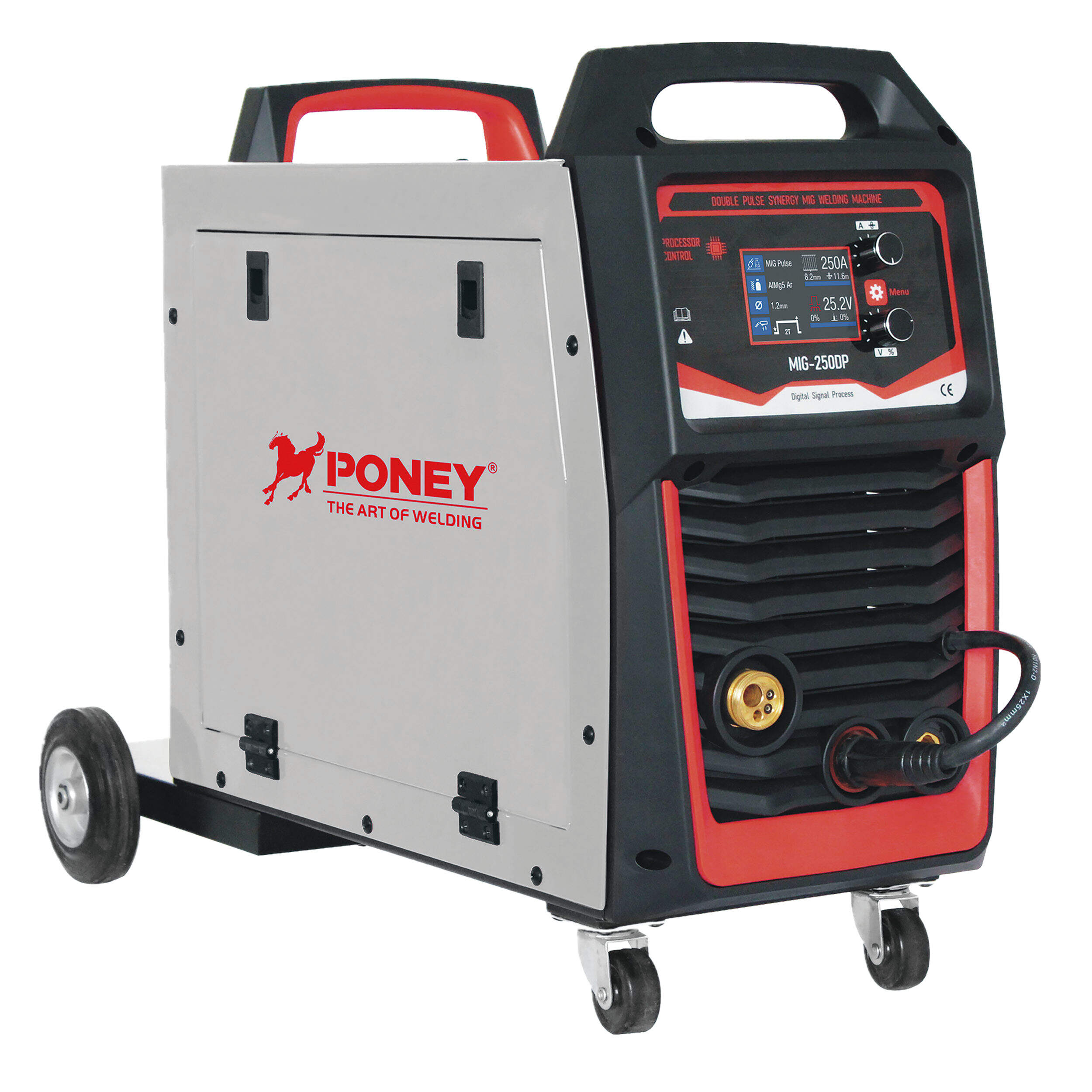
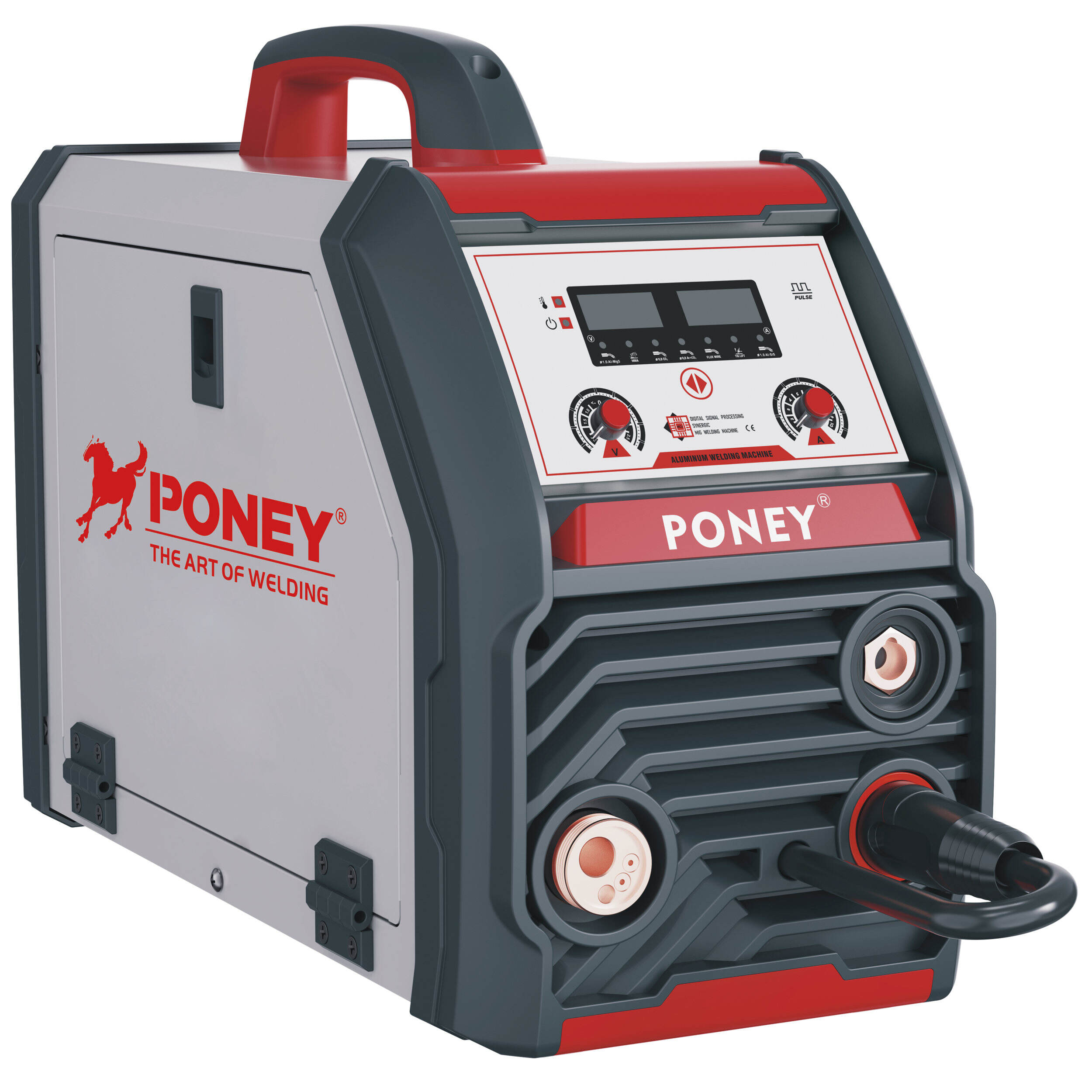
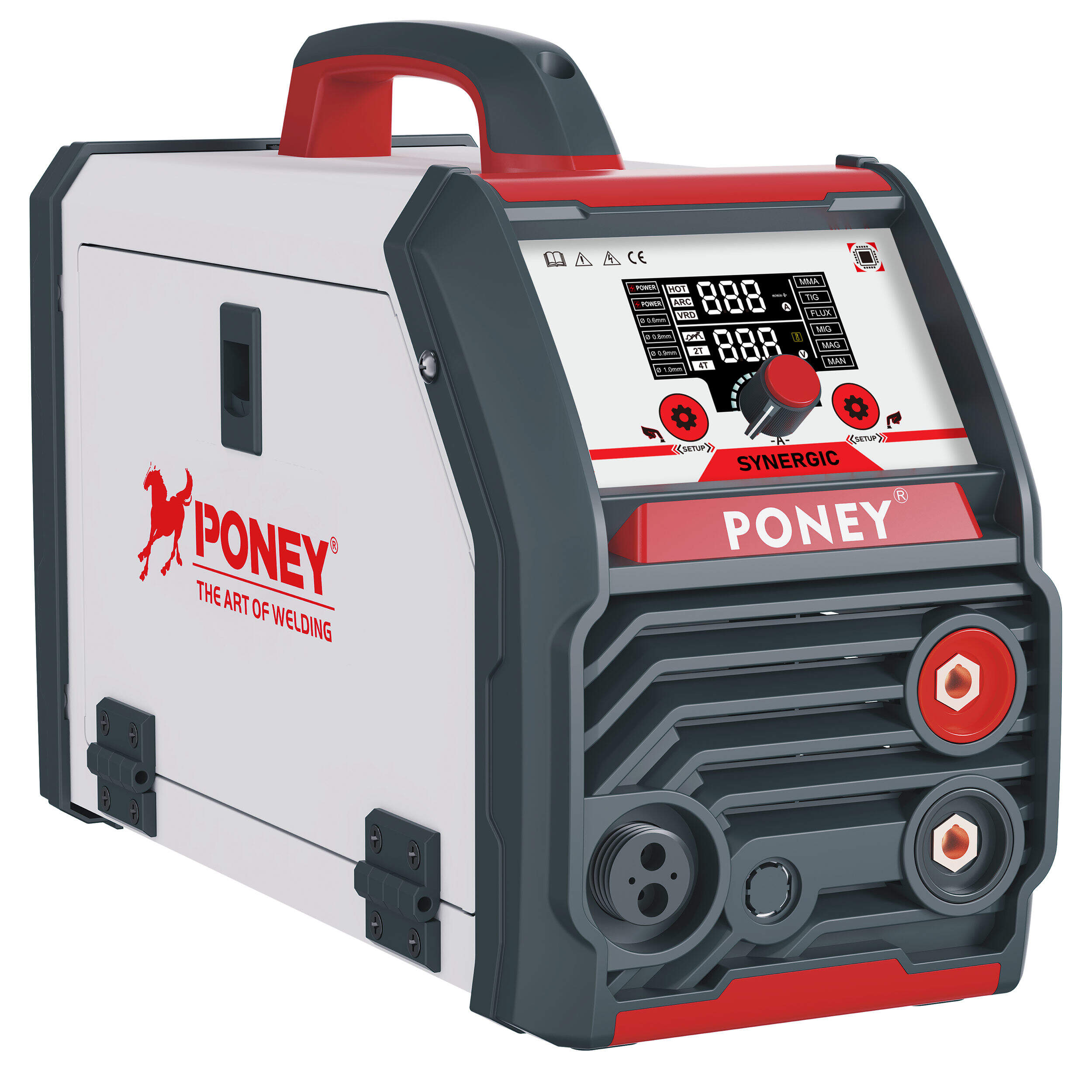
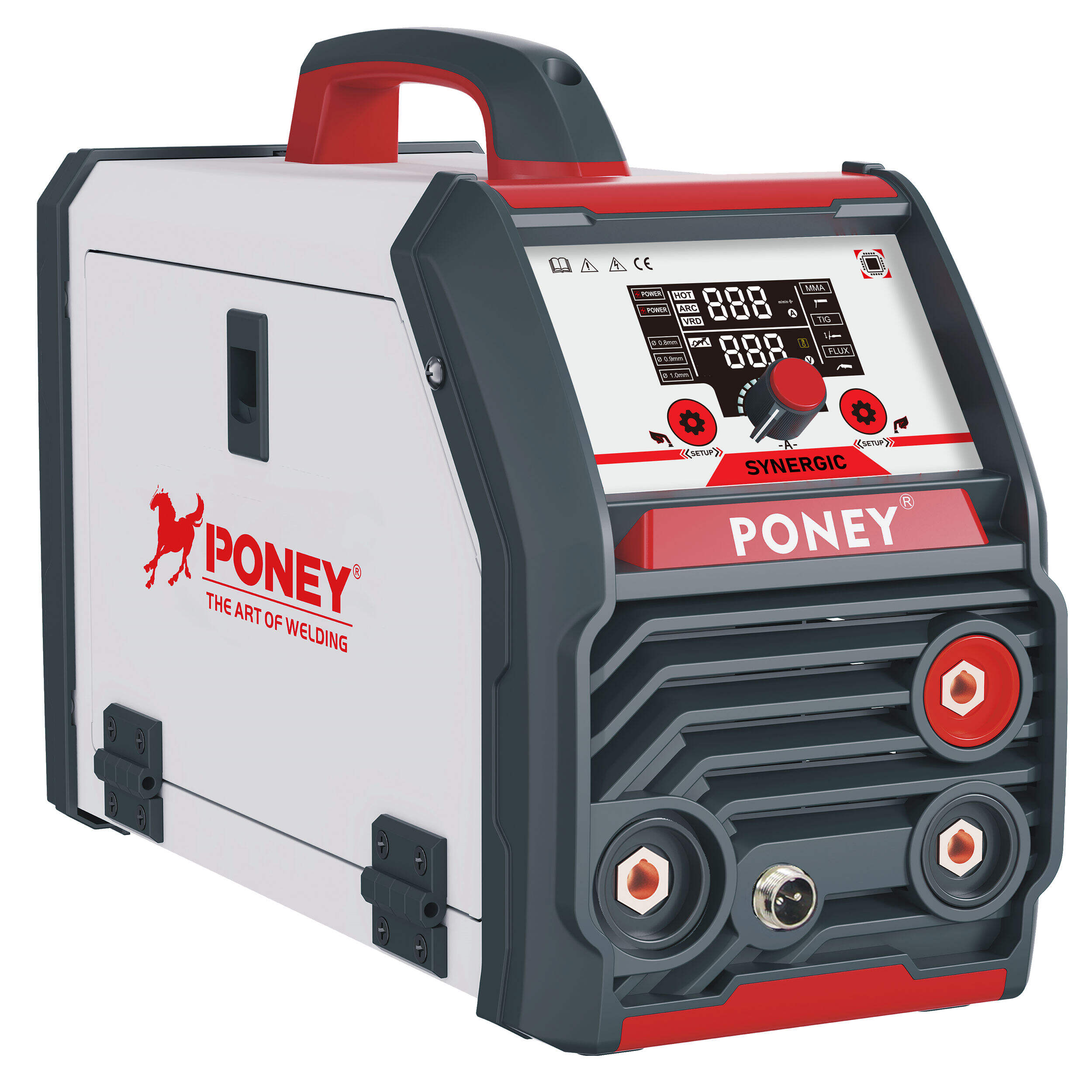
The ac aluminum welder represents a significant advancement in modern welding technology, specifically engineered to handle the unique challenges associated with aluminum fabrication. This specialized welding equipment utilizes alternating current to create strong, durable bonds between aluminum components, making it an essential tool for professionals across various industries. The ac aluminum welder operates by generating an alternating current arc that effectively breaks through aluminum's natural oxide layer while providing consistent heat distribution throughout the welding process. This innovative approach ensures superior weld quality and reduces common issues such as porosity and incomplete fusion that often plague aluminum welding projects. The machine features advanced inverter technology that delivers precise arc control and excellent arc stability, enabling welders to achieve professional-grade results consistently. Modern ac aluminum welder units incorporate digital displays and intuitive control panels that allow operators to fine-tune welding parameters including amperage, frequency, and balance control. These adjustable settings enable welders to optimize their technique for different aluminum thicknesses and alloy compositions. The equipment typically includes high-frequency start capabilities that eliminate the need for scratch starts, reducing contamination risks and improving overall weld integrity. Many ac aluminum welder models feature integrated cooling systems that prevent overheating during extended welding sessions, ensuring reliable performance and longevity. The portability factor of contemporary ac aluminum welder designs makes them suitable for both workshop and field applications, providing flexibility for various project requirements. Safety features such as thermal overload protection and voltage fluctuation compensation ensure operator protection while maintaining consistent welding performance. The ac aluminum welder has become indispensable in automotive repair, aerospace manufacturing, marine construction, and general fabrication work where aluminum welding expertise is crucial for project success.

New Product Recommendations

The ac aluminum welder offers numerous practical benefits that make it a superior choice for professionals working with aluminum materials. First and foremost, this specialized welding equipment delivers exceptional versatility by accommodating various aluminum alloys and thicknesses, from thin sheet metal to heavy structural components. The alternating current technology provides superior cleaning action that effectively removes aluminum's stubborn oxide layer, resulting in cleaner, stronger welds with minimal preparation time. Users experience significantly reduced spatter and improved bead appearance compared to traditional welding methods, leading to less post-weld cleanup and finishing work. The ac aluminum welder enables faster welding speeds while maintaining high-quality results, directly translating to increased productivity and reduced labor costs. The equipment's precise heat control prevents warping and distortion commonly associated with aluminum welding, saving materials and rework expenses. Modern ac aluminum welder units feature excellent arc stability that makes the welding process more forgiving for operators of varying skill levels, reducing the learning curve and improving success rates. The technology allows for welding in multiple positions, including overhead and vertical applications, providing greater flexibility in complex fabrication projects. Energy efficiency is another significant advantage, as ac aluminum welder systems consume less power while delivering superior performance compared to older welding technologies. The reduced heat-affected zone created by these welders preserves the mechanical properties of aluminum components, ensuring structural integrity and longevity. Maintenance requirements are minimal due to the robust construction and advanced circuitry of modern ac aluminum welder units, resulting in lower operational costs and increased uptime. The precision control offered by these systems enables consistent weld quality across production runs, essential for meeting strict quality standards in professional applications. Additionally, the ac aluminum welder produces less harmful emissions compared to alternative welding methods, contributing to improved workplace safety and environmental compliance. The equipment's reliability and consistent performance make it an excellent investment for businesses requiring dependable aluminum welding capabilities.

Latest News

PONEY Upholds Tradition of Excellence

26

Jan

PONEY Upholds Tradition of Excellence

View More
PONEY Welcomes Core Procurement Delegation from Georgia, Signing Cooperation to Open a New Chapter

26

Jan

PONEY Welcomes Core Procurement Delegation from Georgia, Signing Cooperation to Open a New Chapter

View More
Ingenuity Forges a New Chapter! PONEY's New Product Launch Conference Concludes Successfully, with Two Flagship Welding Machines Stealing the Show

26

Jan

Ingenuity Forges a New Chapter! PONEY's New Product Launch Conference Concludes Successfully, with Two Flagship Welding Machines Stealing the Show

View More

Get a Free Quote

Our representative will contact you soon.
Email
Mobile/Whatsapp
Name
Company Name
Message
0/1000

ac aluminum welder

Advanced AC Technology with Precise Balance Control

Advanced AC Technology with Precise Balance Control

The cornerstone of any superior ac aluminum welder lies in its advanced alternating current technology, specifically designed to overcome the inherent challenges of aluminum welding. Unlike direct current welders, the ac aluminum welder utilizes sophisticated balance control that alternates between electrode negative and electrode positive phases during the welding process. This alternating cycle serves two critical functions that revolutionize aluminum welding outcomes. During the electrode positive phase, the ac aluminum welder provides powerful cleaning action that effectively breaks through and removes aluminum's tenacious oxide layer, which typically melts at temperatures exceeding 3700°F while aluminum itself melts at only 1200°F. This cleaning action is essential for achieving proper fusion and preventing contamination that could compromise weld integrity. The electrode negative phase focuses on delivering deep penetration and efficient heat transfer into the base material, ensuring strong metallurgical bonding. Modern ac aluminum welder systems feature adjustable balance control that allows operators to modify the percentage of time spent in each phase, typically ranging from 30% to 70% electrode positive. This adjustability enables welders to optimize their technique for specific aluminum alloys, material thicknesses, and joint configurations. Thinner materials benefit from reduced electrode positive time to minimize heat input and prevent burn-through, while thicker sections require increased positive time for adequate cleaning action. The frequency control available in premium ac aluminum welder units allows adjustment of the alternating current cycles per second, typically ranging from 60Hz to 400Hz. Higher frequencies produce a more focused, directional arc that improves precision and reduces the heat-affected zone, while lower frequencies provide broader heat distribution suitable for thicker materials. This technological sophistication transforms the traditionally challenging process of aluminum welding into a controllable, repeatable procedure that consistently delivers professional-quality results across diverse applications and skill levels.
Superior Arc Stability and High-Frequency Start Technology

Superior Arc Stability and High-Frequency Start Technology

The exceptional arc stability provided by modern ac aluminum welder systems represents a quantum leap forward in welding technology, addressing one of the most significant challenges faced by aluminum welders. Traditional aluminum welding often suffers from erratic arc behavior due to the material's high thermal conductivity and the complex interaction between the oxide layer and base metal. The ac aluminum welder solves this problem through sophisticated inverter technology that maintains consistent arc characteristics throughout the welding process. This stability is achieved through advanced microprocessor control that continuously monitors and adjusts welding parameters in real-time, compensating for variables such as arc length changes, material thickness variations, and environmental factors. The result is a smooth, controllable arc that responds predictably to operator input, making precision welding achievable even in challenging positions or tight spaces. The integration of high-frequency start technology in quality ac aluminum welder units eliminates the need for touch starts or scratch starts that can contaminate the tungsten electrode and compromise weld quality. Instead, the high-frequency generator creates an ionized path that allows the arc to initiate without physical contact between the electrode and workpiece. This contactless starting method preserves electrode integrity, reduces contamination risks, and enables more precise arc placement, particularly important when working on thin aluminum sections where precision is paramount. The high-frequency technology also provides superior arc re-ignition capabilities when using alternating current, ensuring the arc restarts reliably at each current reversal. This reliability is crucial for maintaining consistent weld appearance and mechanical properties throughout long weld seams. Many advanced ac aluminum welder models incorporate adaptive arc technology that automatically adjusts to changing conditions, such as variations in material thickness or joint fit-up inconsistencies. This intelligent response capability reduces operator fatigue and improves overall weld quality by maintaining optimal welding conditions without constant manual adjustment. The combination of superior arc stability and high-frequency start technology makes the ac aluminum welder accessible to a broader range of operators while enabling experienced welders to achieve exceptional results with greater efficiency and consistency.
Comprehensive Digital Control and User-Friendly Interface

Comprehensive Digital Control and User-Friendly Interface

Modern ac aluminum welder systems distinguish themselves through comprehensive digital control interfaces that transform complex welding parameter management into an intuitive, user-friendly experience. These sophisticated control systems feature high-resolution digital displays that provide real-time feedback on critical welding parameters including amperage, voltage, balance control percentage, frequency settings, and arc length compensation. This immediate visual feedback enables operators to make precise adjustments and maintain optimal welding conditions throughout their projects. The digital interface typically includes preset programs specifically optimized for different aluminum applications, such as thin sheet welding, structural fabrication, or repair work. These presets eliminate guesswork and provide consistent starting points for various welding scenarios, significantly reducing setup time and improving first-time weld quality. Advanced ac aluminum welder units feature memory storage capabilities that allow operators to save custom parameter sets for frequently performed tasks, ensuring repeatability and consistency across production runs. The user interface design prioritizes accessibility, with clearly labeled controls and logical menu structures that minimize the learning curve for new operators while providing advanced functionality for experienced professionals. Many systems incorporate pulse welding capabilities controllable through the digital interface, enabling precise heat management for thin materials or heat-sensitive applications. Pulse parameters such as peak current, background current, pulse frequency, and duty cycle can all be adjusted through the digital controls, providing unprecedented control over the welding process. The ac aluminum welder interface often includes diagnostic capabilities that monitor system health and provide maintenance alerts, helping prevent unexpected downtime and ensuring optimal performance. Remote control compatibility available in premium models allows operators to adjust welding parameters without returning to the machine, particularly valuable when welding in confined spaces or when fine-tuning parameters during the welding process. Error messaging and troubleshooting guides integrated into the digital display help operators quickly identify and resolve common issues, reducing downtime and improving productivity. The comprehensive digital control system represents a significant advancement in welding technology, making the ac aluminum welder more accessible to operators of all skill levels while providing the precision and repeatability demanded by professional applications.

Get a Free Quote

Our representative will contact you soon.
Email
Mobile/Whatsapp
Name
Company Name
Message
0/1000