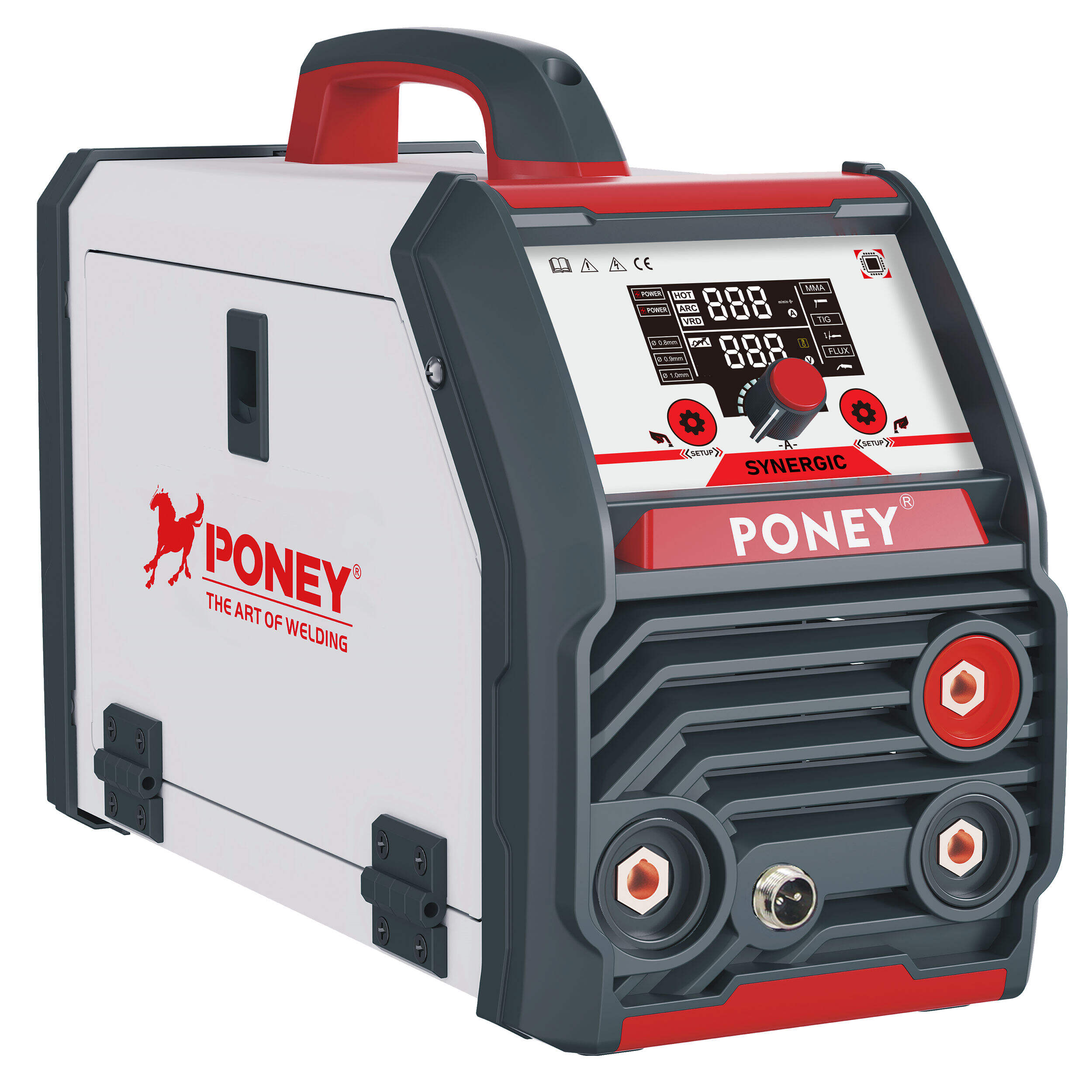
DC Welding Machine - Superior Arc Stability, Enhanced Penetration & Energy Efficient Welding Equipment

Get a Free Quote

Our representative will contact you soon.
Email
Mobile/Whatsapp
Name
Company Name
Message
0/1000

dc welding machine

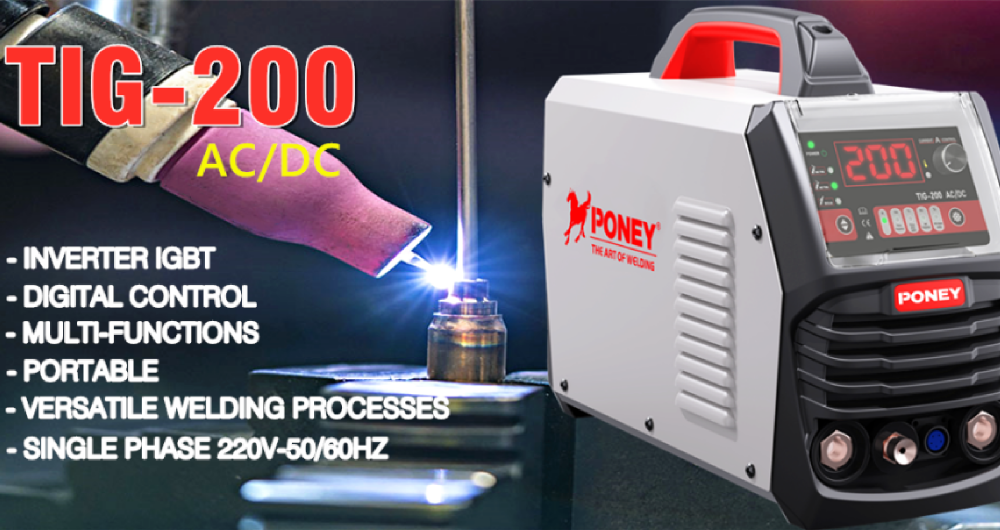
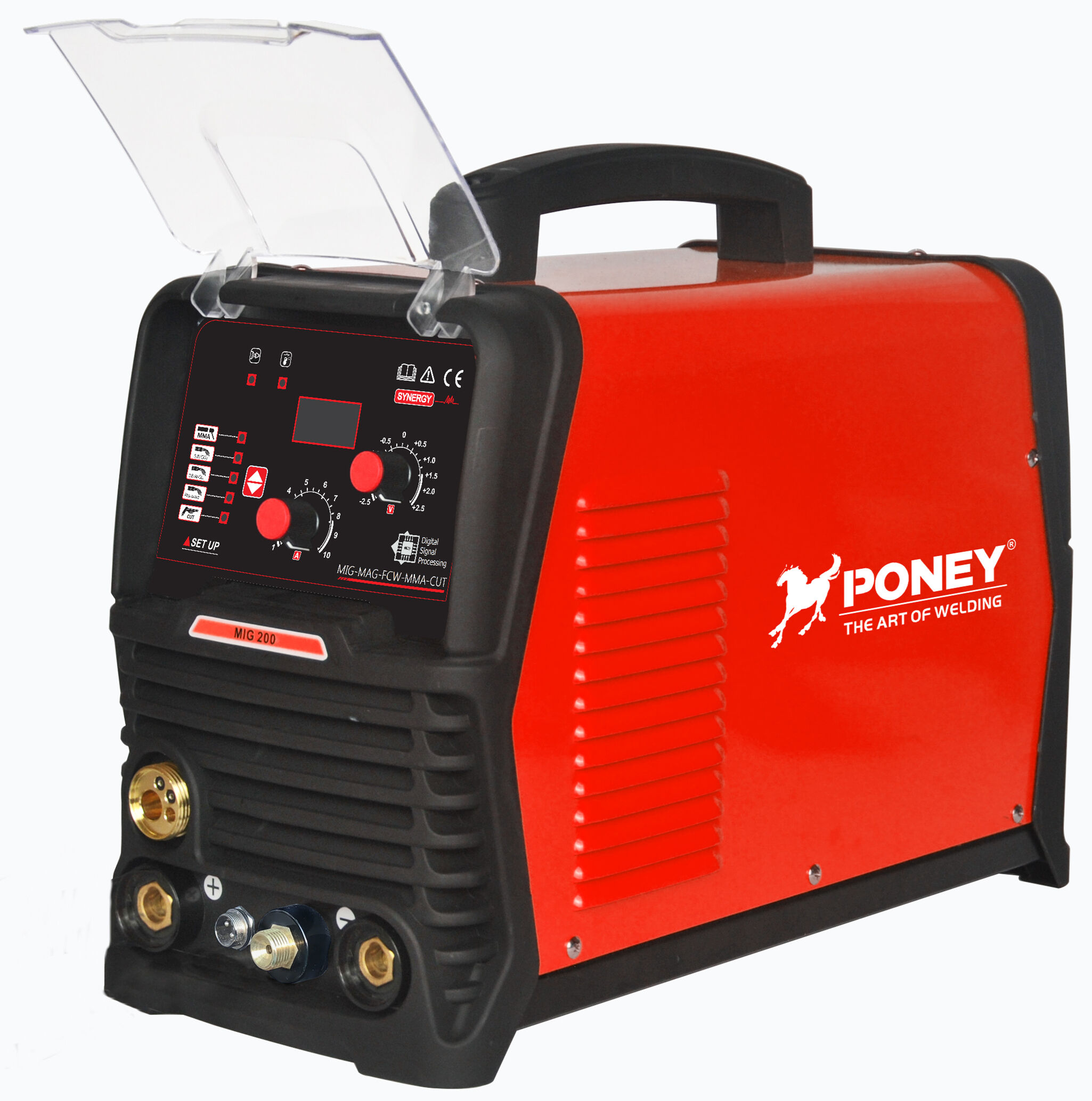
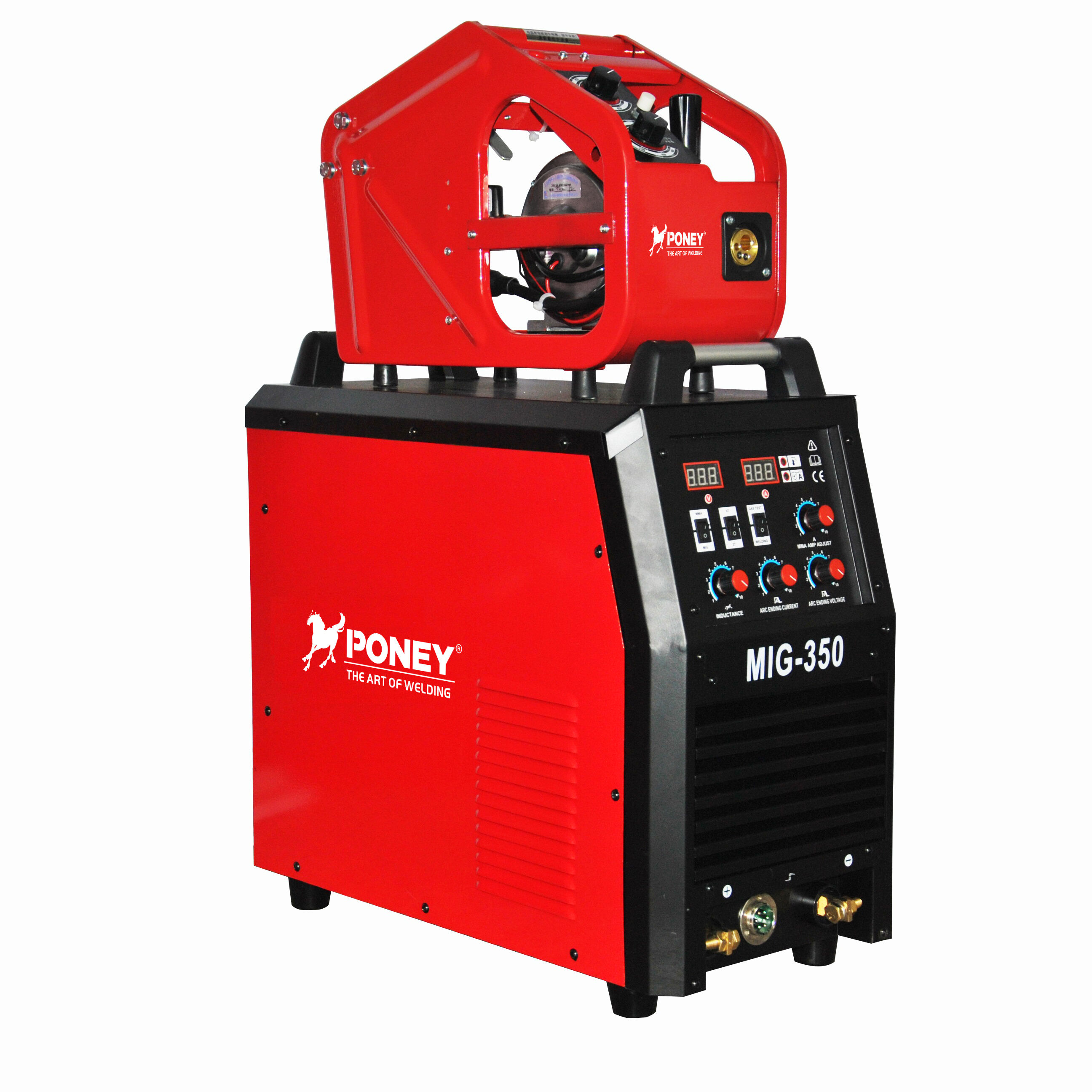
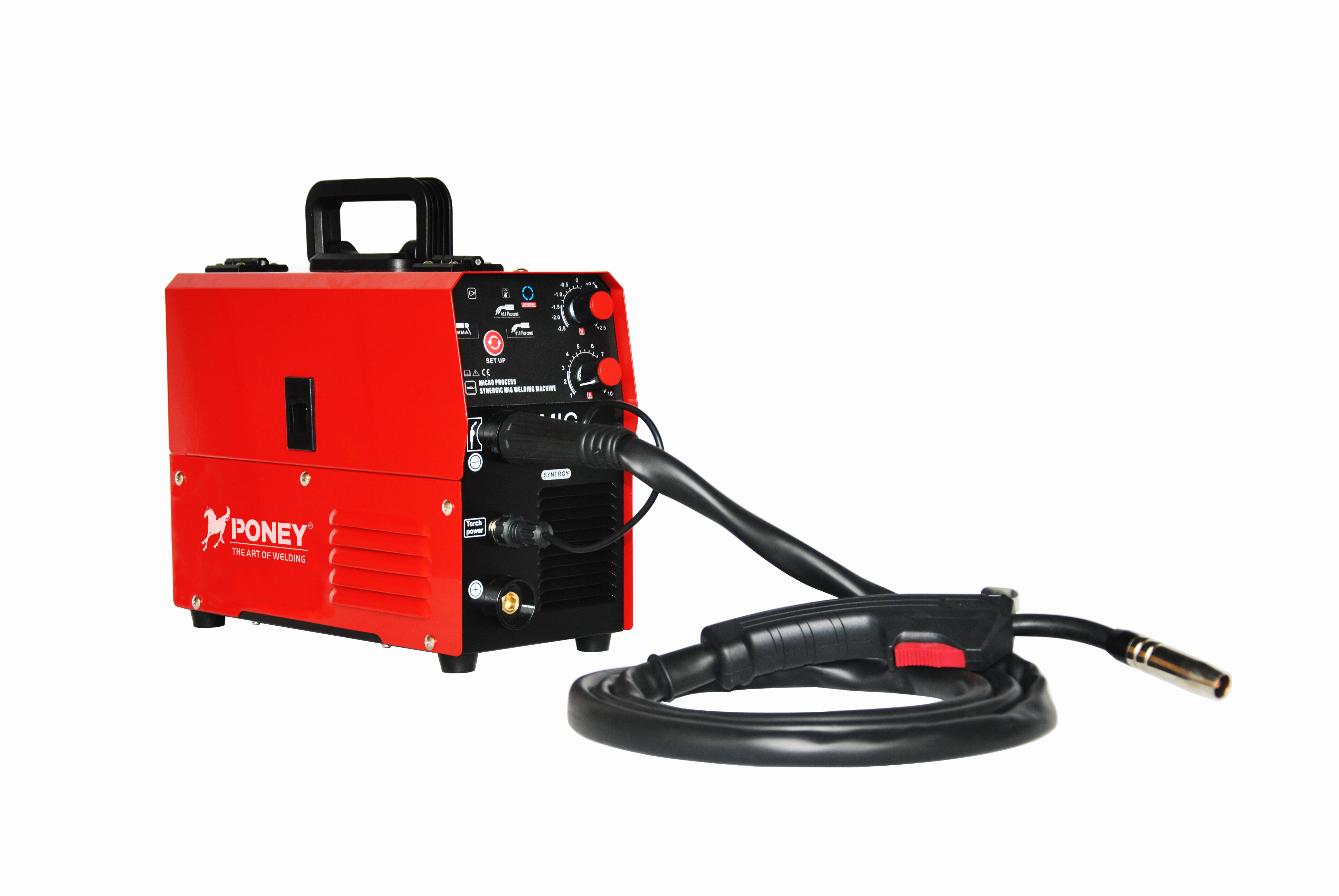
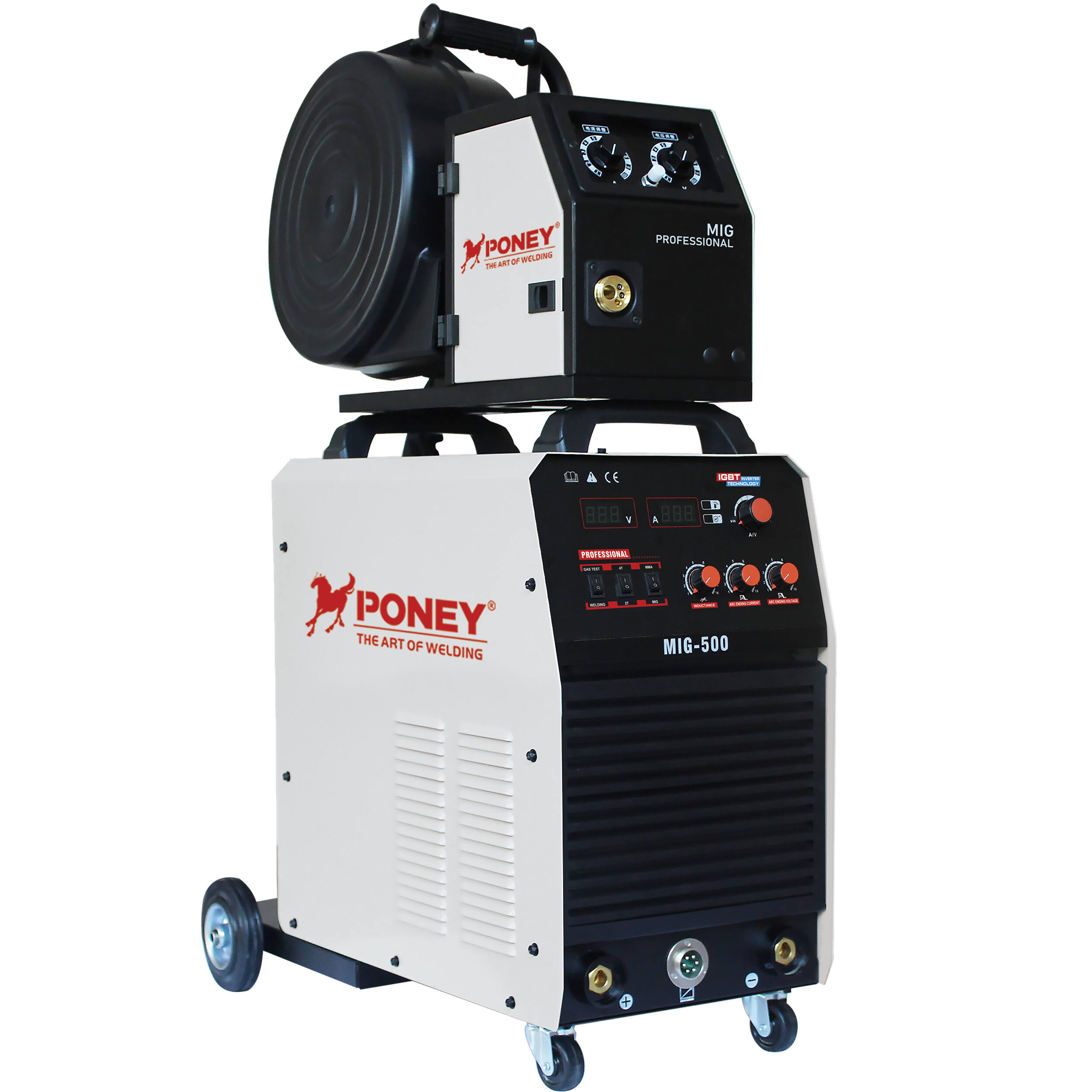
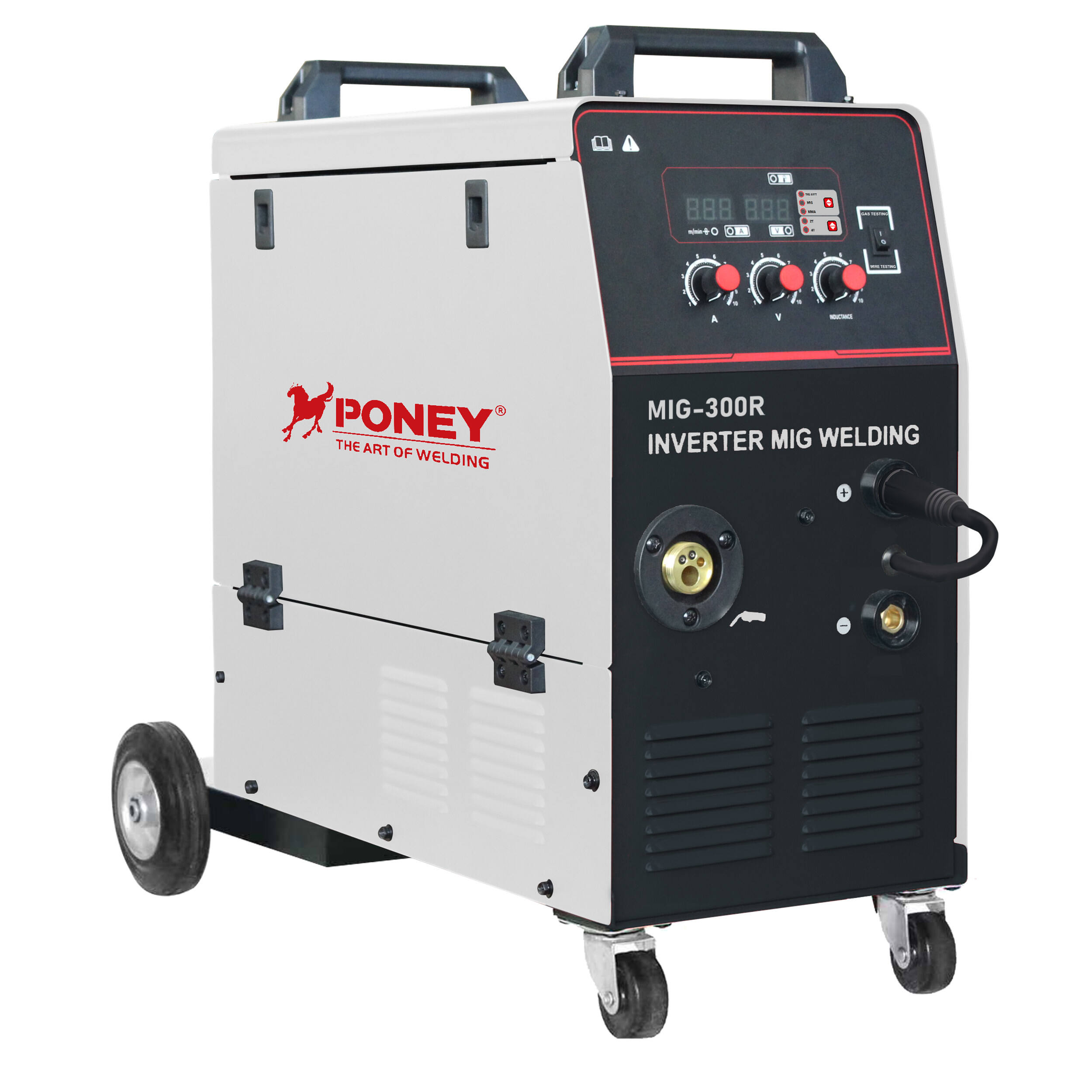
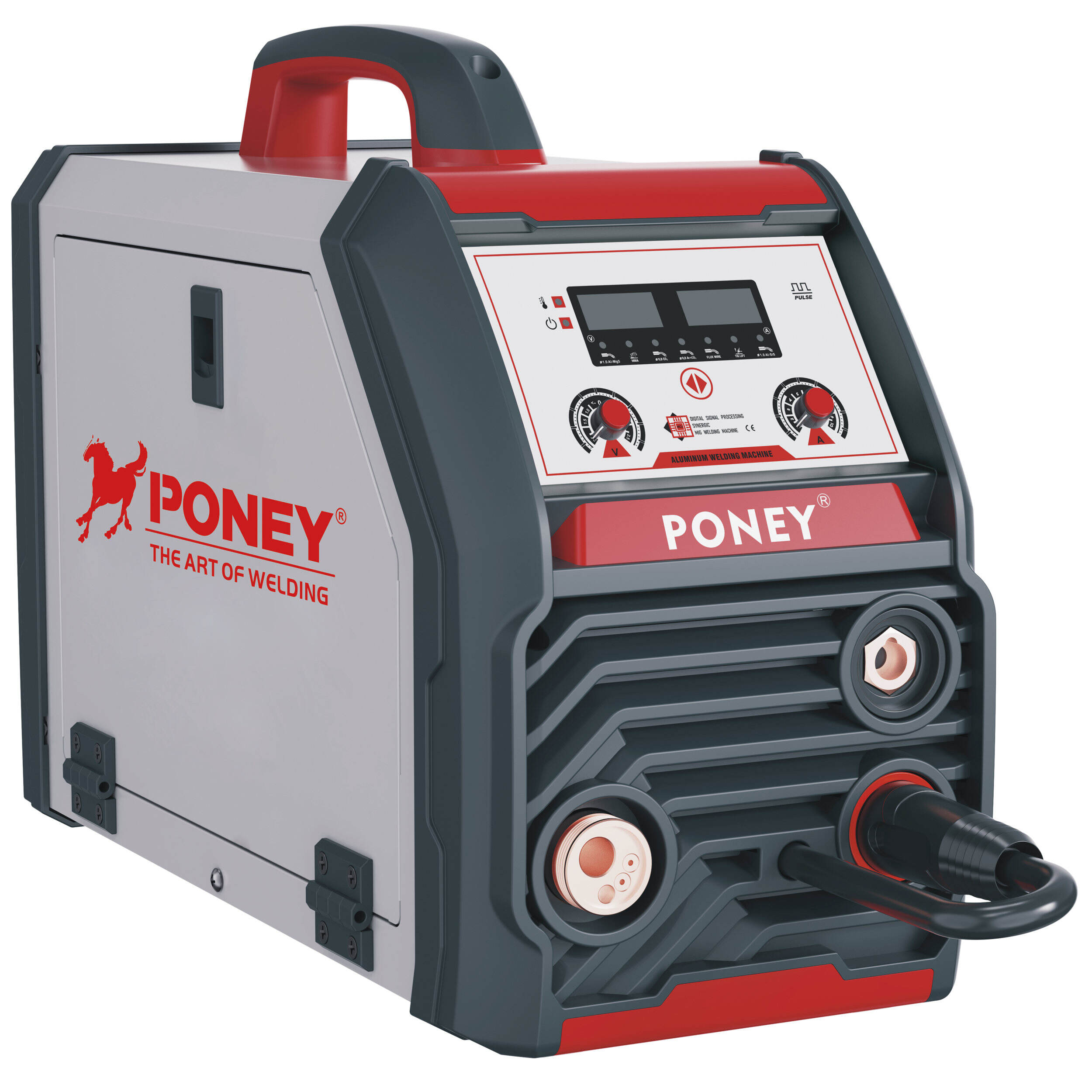
A dc welding machine represents a fundamental piece of equipment in modern metalworking and fabrication industries, utilizing direct current electricity to create strong, durable welds across various materials. Unlike alternating current systems, the dc welding machine provides consistent electrical flow in one direction, ensuring stable arc characteristics and superior weld quality. These machines convert standard alternating current from power sources into direct current through sophisticated rectification systems, typically employing silicon diodes or advanced inverter technology. The primary function of a dc welding machine centers on generating and maintaining an electric arc between the welding electrode and the base metal, creating intense heat that melts both materials to form a metallurgical bond upon cooling. Modern dc welding machine units incorporate advanced control systems that allow precise adjustment of welding parameters including current output, voltage settings, and arc characteristics. The technological features of contemporary dc welding machine designs include digital displays for accurate parameter monitoring, programmable memory functions for storing preferred settings, and thermal protection systems that prevent overheating during extended operations. Many dc welding machine models feature inverter technology, which significantly reduces weight and size while improving energy efficiency compared to traditional transformer-based units. The welding process facilitated by a dc welding machine produces cleaner, more penetrating welds with minimal spatter, making it ideal for both structural and precision applications. Professional welders appreciate how a dc welding machine delivers consistent performance across different metal thicknesses and joint configurations. Applications for dc welding machine technology span numerous industries including construction, automotive manufacturing, shipbuilding, pipeline installation, and general fabrication work, where reliable, high-quality welds are essential for structural integrity and safety compliance.

New Product Releases

The dc welding machine offers numerous practical benefits that make it an essential tool for professional welders and fabrication shops. First, the consistent current flow provided by a dc welding machine ensures stable arc initiation and maintenance, eliminating the flickering and instability often associated with inferior welding systems. This stability translates directly into cleaner welds with better penetration and reduced defects, ultimately saving time and materials on every project. The directional current flow in a dc welding machine allows for better control over the welding pool, enabling operators to achieve precise bead placement and consistent weld geometry. Users find that a dc welding machine produces significantly less spatter compared to alternating current systems, reducing cleanup time and improving overall work efficiency. The superior arc characteristics of a dc welding machine make it particularly effective for welding thin materials where heat control is critical, preventing burn-through while ensuring adequate fusion. Modern dc welding machine designs incorporate energy-efficient inverter technology, reducing power consumption by up to forty percent compared to traditional welding equipment, resulting in lower operational costs and reduced environmental impact. The compact size and reduced weight of inverter-based dc welding machine units improve portability, allowing welders to easily transport equipment to remote job sites or confined working spaces. A quality dc welding machine typically features adjustable current settings that accommodate various electrode sizes and welding applications, providing versatility for different project requirements. The smooth current output from a dc welding machine reduces electrode consumption, as electrodes burn more evenly without the current reversals that cause premature electrode degradation. Professional welders appreciate how a dc welding machine delivers consistent results regardless of operator skill level, making it easier to train new employees and maintain quality standards across all welding operations. The reduced maintenance requirements of modern dc welding machine equipment minimize downtime and service costs, ensuring maximum productivity for commercial operations.

Latest News

PONEY Upholds Tradition of Excellence

26

Jan

PONEY Upholds Tradition of Excellence

View More
PONEY Welcomes Core Procurement Delegation from Georgia, Signing Cooperation to Open a New Chapter

26

Jan

PONEY Welcomes Core Procurement Delegation from Georgia, Signing Cooperation to Open a New Chapter

View More
Ingenuity Forges a New Chapter! PONEY's New Product Launch Conference Concludes Successfully, with Two Flagship Welding Machines Stealing the Show

26

Jan

Ingenuity Forges a New Chapter! PONEY's New Product Launch Conference Concludes Successfully, with Two Flagship Welding Machines Stealing the Show

View More

Get a Free Quote

Our representative will contact you soon.
Email
Mobile/Whatsapp
Name
Company Name
Message
0/1000

dc welding machine

Superior Arc Stability and Control

Superior Arc Stability and Control

The exceptional arc stability provided by a dc welding machine stands as its most significant technological advantage, fundamentally transforming the welding experience for both novice and experienced operators. Unlike alternating current systems that constantly reverse polarity, a dc welding machine maintains consistent electrical flow in one direction, creating a remarkably stable welding arc that remains steady throughout the entire welding process. This stability eliminates the erratic arc behavior that can plague other welding systems, where fluctuating current causes the arc to wander or extinguish unexpectedly. The consistent current delivery of a dc welding machine enables welders to maintain precise control over heat input, ensuring optimal penetration while preventing overheating of the base material. Professional fabricators particularly value how a dc welding machine allows for smooth arc starts and stops, eliminating the crater cracks and incomplete fusion that can occur with unstable welding systems. The superior control characteristics of a dc welding machine become especially apparent when working with challenging materials or in difficult positions, where maintaining a steady arc is crucial for weld quality. The directional current flow in a dc welding machine creates predictable magnetic field effects that help direct the welding arc and molten metal, improving bead appearance and reducing the likelihood of welding defects. This enhanced control translates into improved productivity, as welders spend less time correcting mistakes and can complete joints in fewer passes. The stable arc characteristics of a dc welding machine also contribute to reduced operator fatigue, as welders do not need to constantly adjust their technique to compensate for erratic arc behavior. Quality control becomes more consistent with a dc welding machine, as the stable arc produces repeatable results that meet stringent welding standards and specifications. The predictable performance of a dc welding machine makes it ideal for automated welding applications, where consistent arc behavior is essential for maintaining uniform weld quality across large production runs.
Enhanced Penetration and Weld Quality

Enhanced Penetration and Weld Quality

The exceptional penetration characteristics achieved by a dc welding machine represent a crucial advantage that directly impacts the structural integrity and durability of welded joints. The unidirectional current flow in a dc welding machine creates a focused, concentrated heat source that penetrates deeper into the base material compared to alternating current systems, ensuring complete fusion between the electrode material and the workpiece. This superior penetration capability allows a dc welding machine to create stronger, more reliable welds that can withstand higher stress loads and harsh operating conditions. Professional welders consistently observe how a dc welding machine produces welds with excellent root penetration, eliminating the incomplete fusion defects that can compromise joint strength and lead to premature failure. The deep penetration achieved by a dc welding machine becomes particularly valuable when welding thick sections or creating full-penetration groove welds, where complete fusion throughout the joint thickness is essential for structural applications. The consistent heat distribution provided by a dc welding machine results in uniform grain structure throughout the weld metal, improving mechanical properties and resistance to fatigue failure. Quality control inspectors frequently note that welds produced by a dc welding machine exhibit superior radiographic quality, with fewer internal defects such as porosity, slag inclusions, or lack of fusion. The excellent penetration characteristics of a dc welding machine enable single-pass welding in many applications where multiple passes would otherwise be required, improving productivity while maintaining weld integrity. The metallurgical quality achieved by a dc welding machine extends beyond mere penetration, creating refined grain structures that enhance toughness and ductility in the finished weld. Testing laboratories consistently demonstrate that welds produced by a dc welding machine meet or exceed the mechanical property requirements specified in welding codes and standards. The superior weld quality achieved by a dc welding machine reduces the need for post-weld heat treatment in many applications, saving time and energy while maintaining desired material properties.
Energy Efficiency and Cost Savings

Energy Efficiency and Cost Savings

The remarkable energy efficiency of modern dc welding machine technology delivers substantial cost savings that make these units an intelligent investment for any welding operation, regardless of size or scope. Advanced inverter-based dc welding machine designs achieve power conversion efficiencies exceeding ninety percent, significantly outperforming traditional transformer-based welding equipment that typically operates at sixty to seventy percent efficiency. This improved efficiency means a dc welding machine consumes considerably less electrical power to produce equivalent welding output, directly reducing energy costs and environmental impact. The high-frequency switching technology employed in modern dc welding machine designs eliminates the massive transformers required by conventional welding equipment, reducing no-load power consumption by up to eighty percent during idle periods. Professional welding shops report substantial reductions in monthly electricity bills after switching to dc welding machine technology, with payback periods typically ranging from twelve to eighteen months depending on usage patterns. The compact, lightweight construction of inverter-based dc welding machine units reduces transportation costs and makes it easier for contractors to move equipment between job sites, improving operational flexibility while reducing fuel expenses. The superior arc efficiency of a dc welding machine translates into reduced electrode consumption, as the stable arc characteristics prevent premature electrode degradation and minimize waste due to stubbing and discarded electrode stubs. Maintenance costs remain significantly lower with a dc welding machine compared to traditional welding equipment, as the solid-state design eliminates many mechanical components that require regular service and replacement. The extended duty cycle capabilities of most dc welding machine models allow continuous operation at higher current levels, improving productivity and reducing the need for multiple welding stations in high-volume applications. The precise current control available with a dc welding machine enables operators to use optimal welding parameters for each application, minimizing rework and material waste while maximizing first-pass weld quality. Long-term ownership costs favor dc welding machine technology due to improved reliability, reduced maintenance requirements, and lower consumable usage compared to alternative welding systems.

Get a Free Quote

Our representative will contact you soon.
Email
Mobile/Whatsapp
Name
Company Name
Message
0/1000