welding machine export
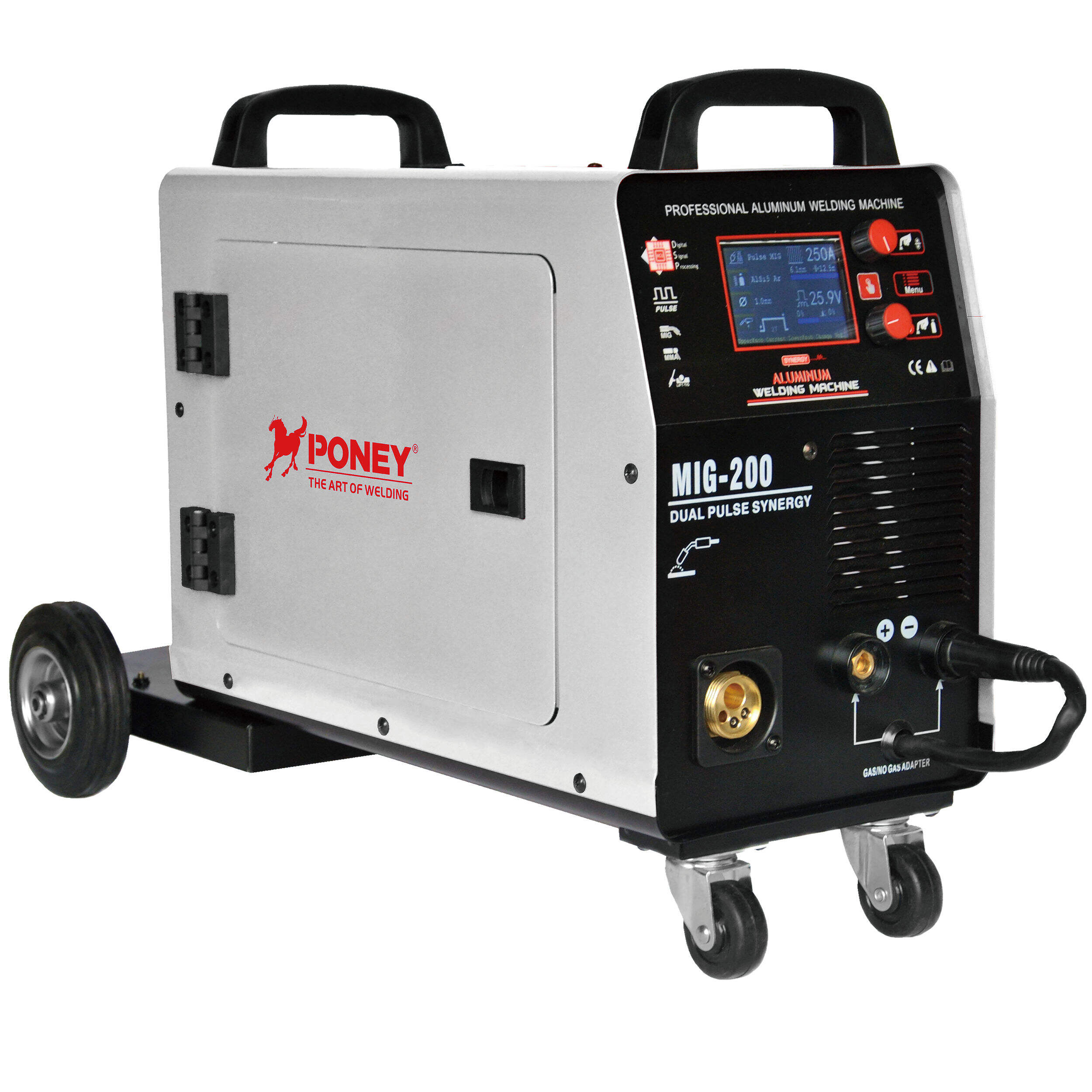
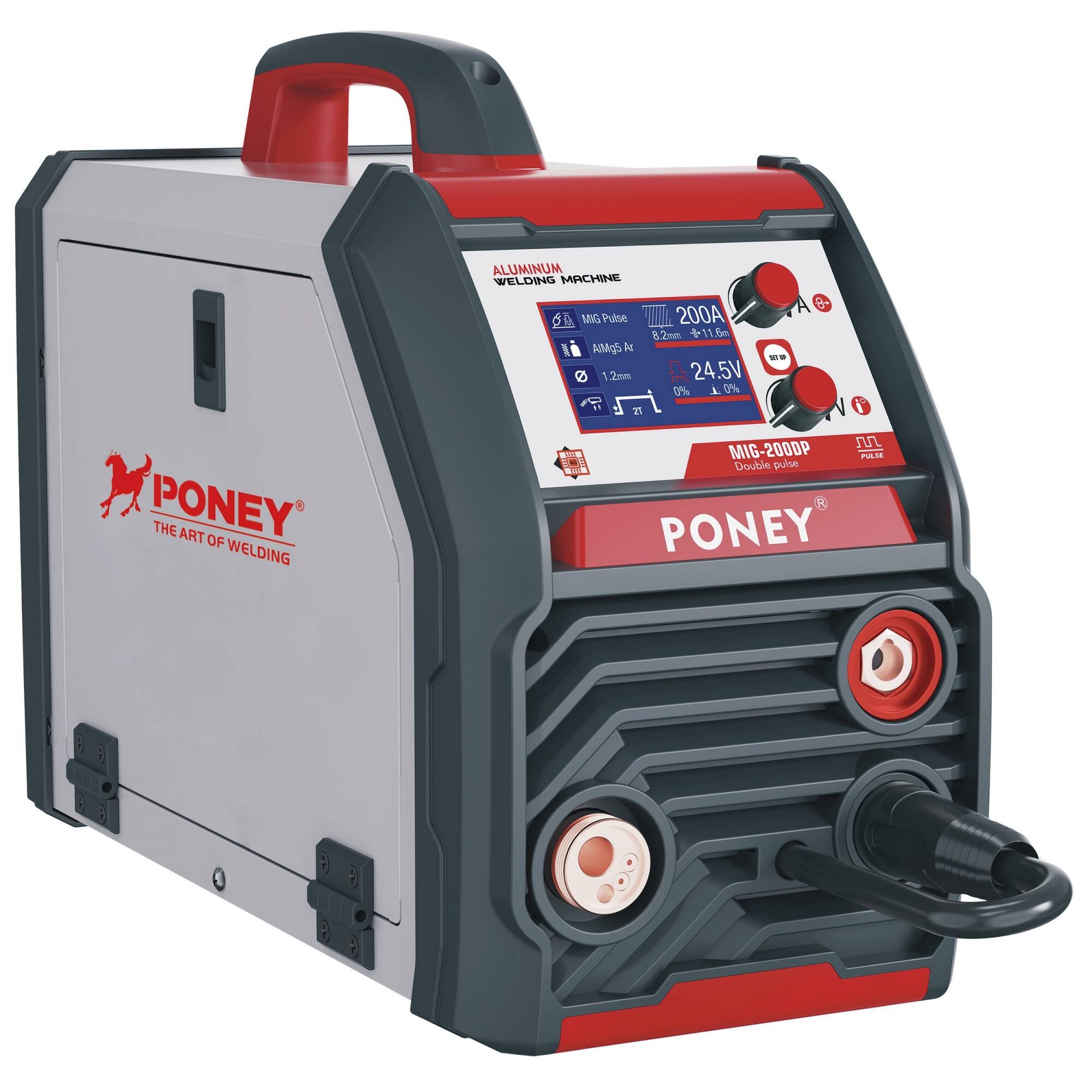
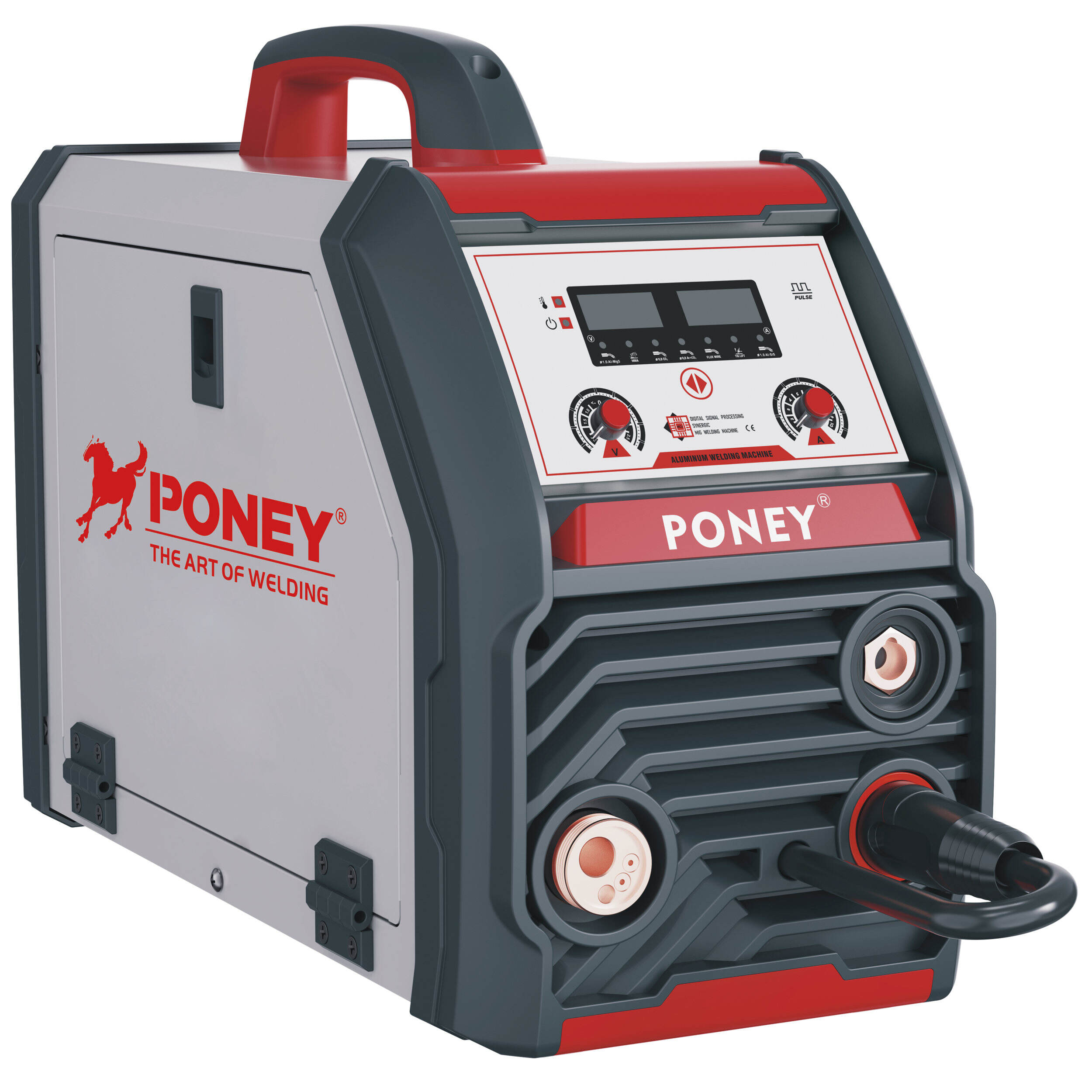
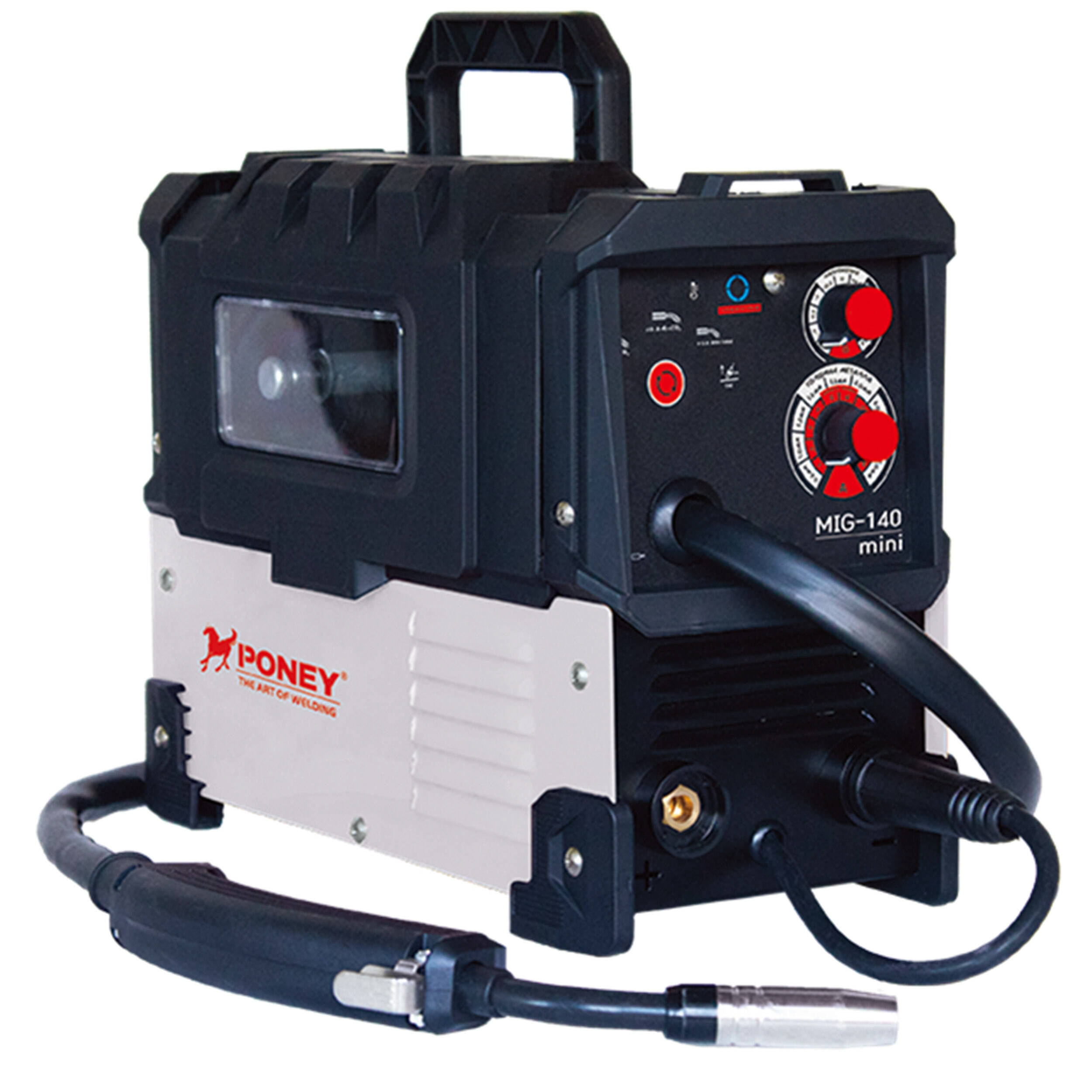
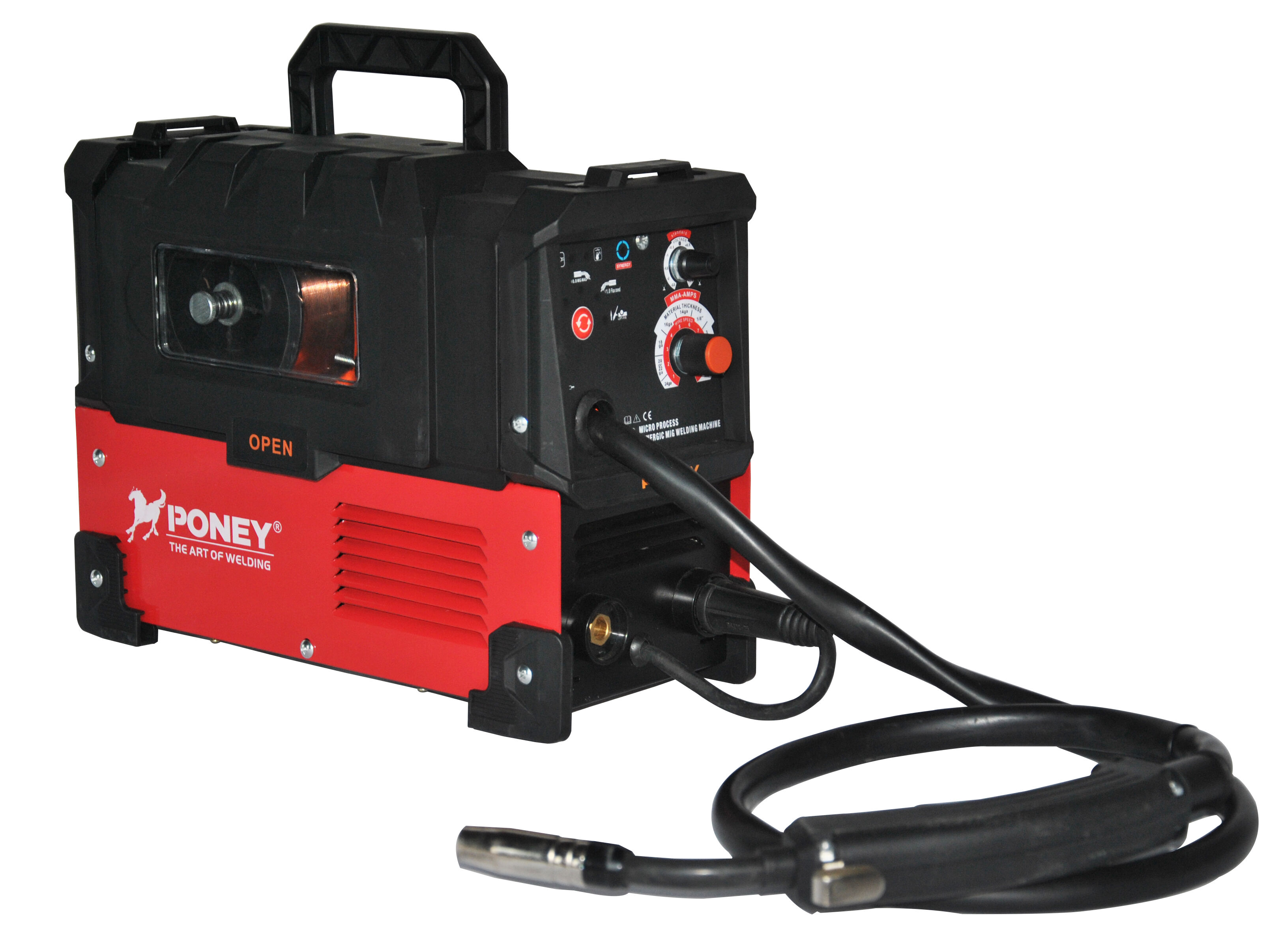
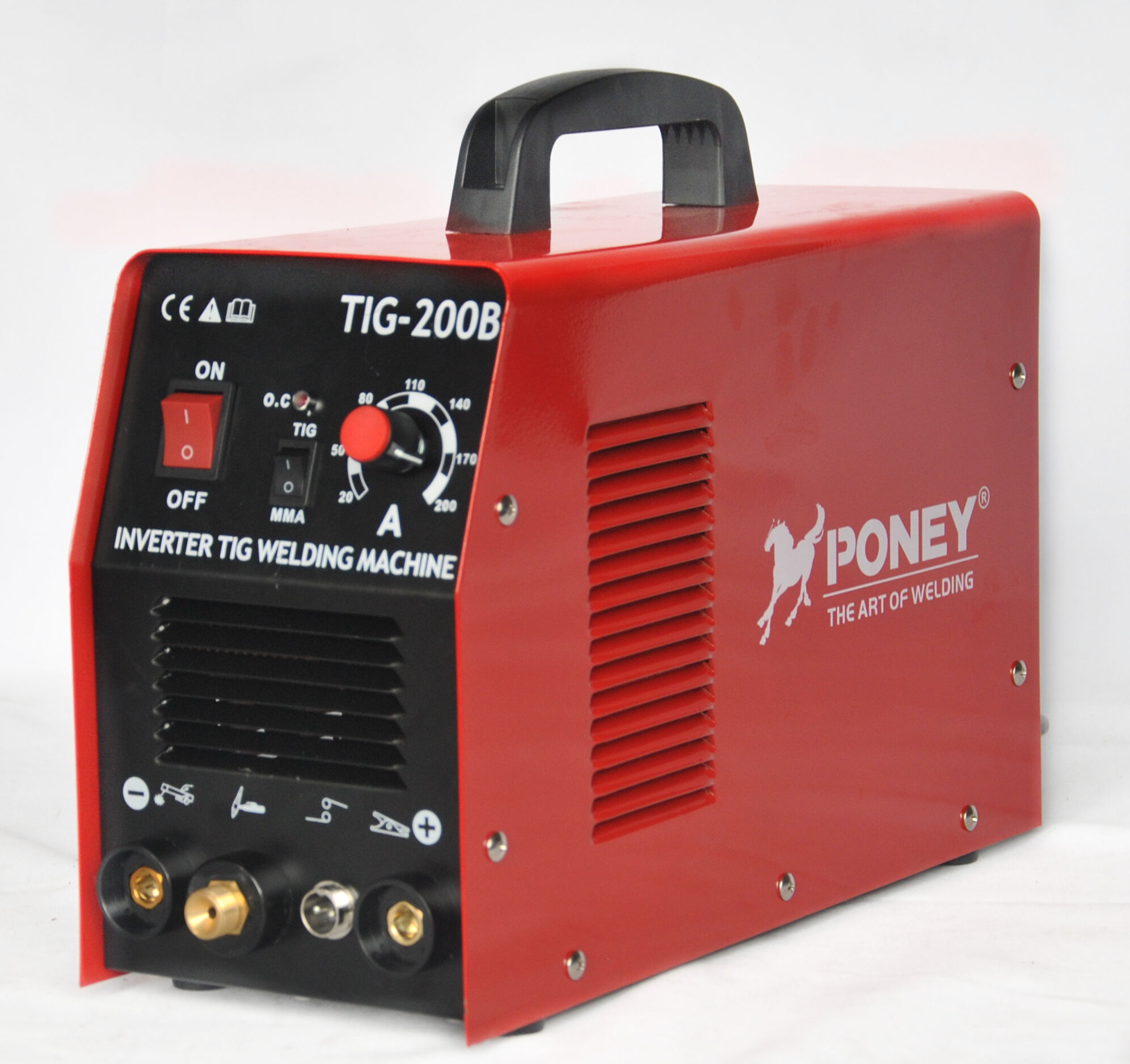
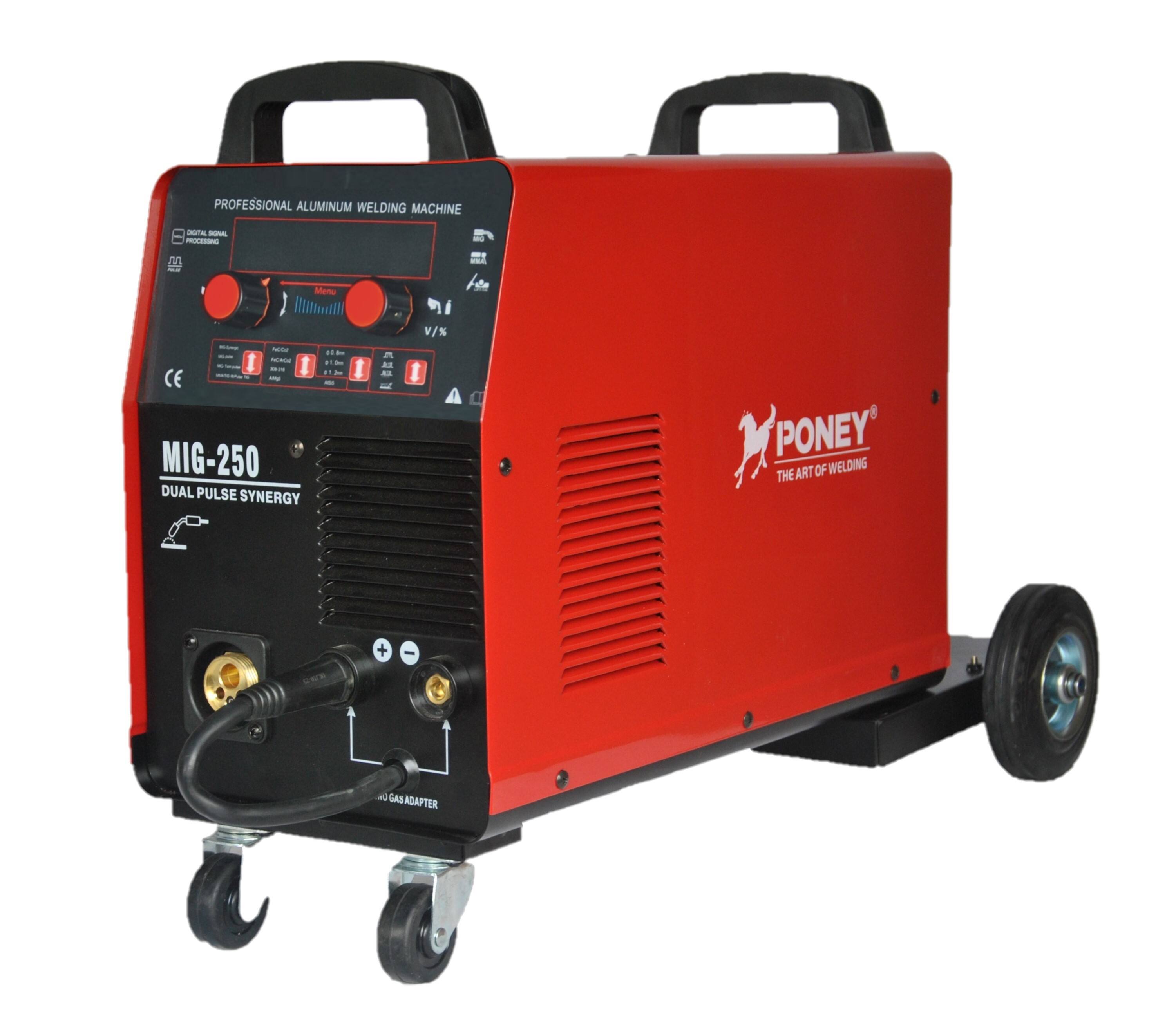
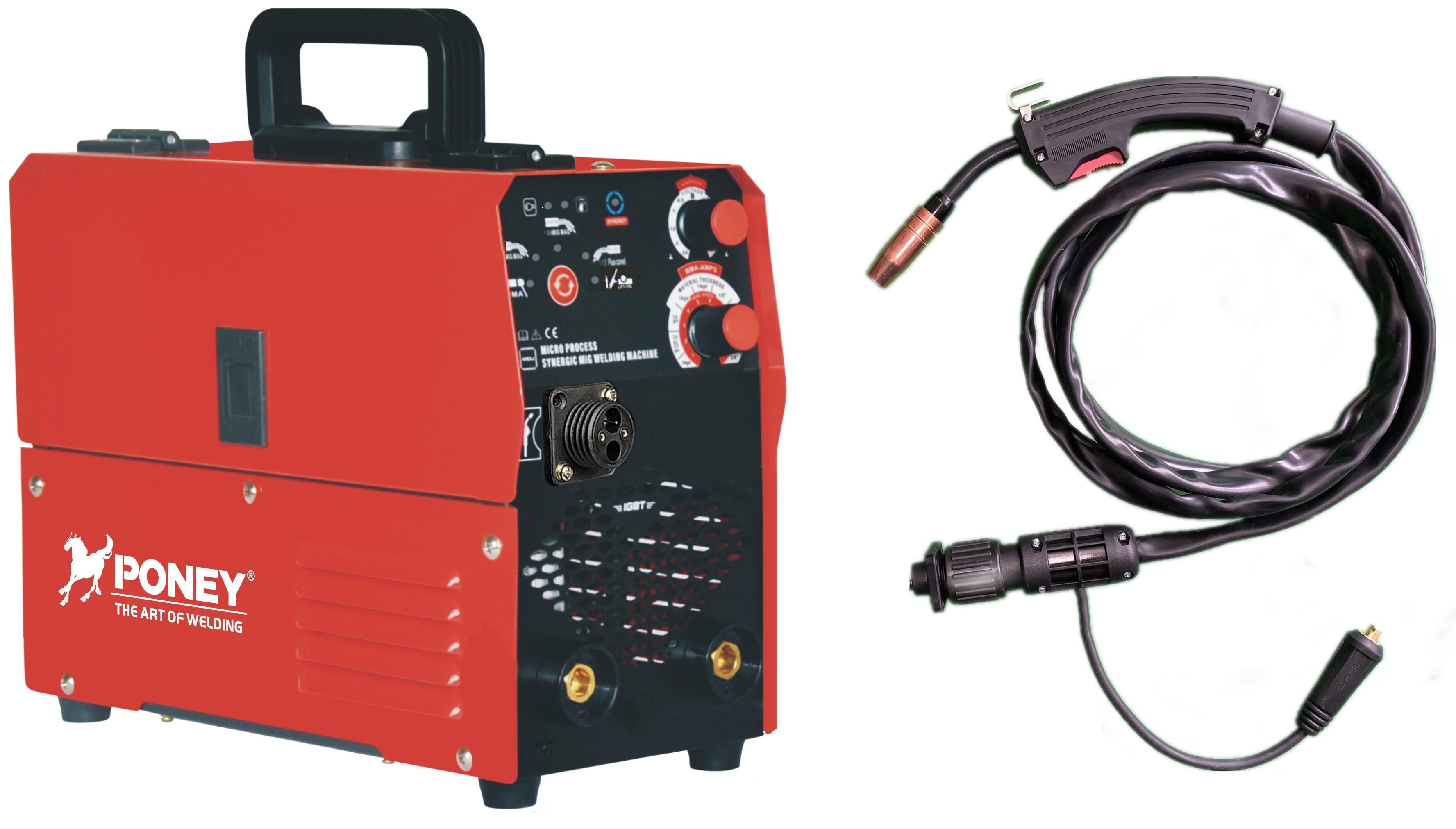
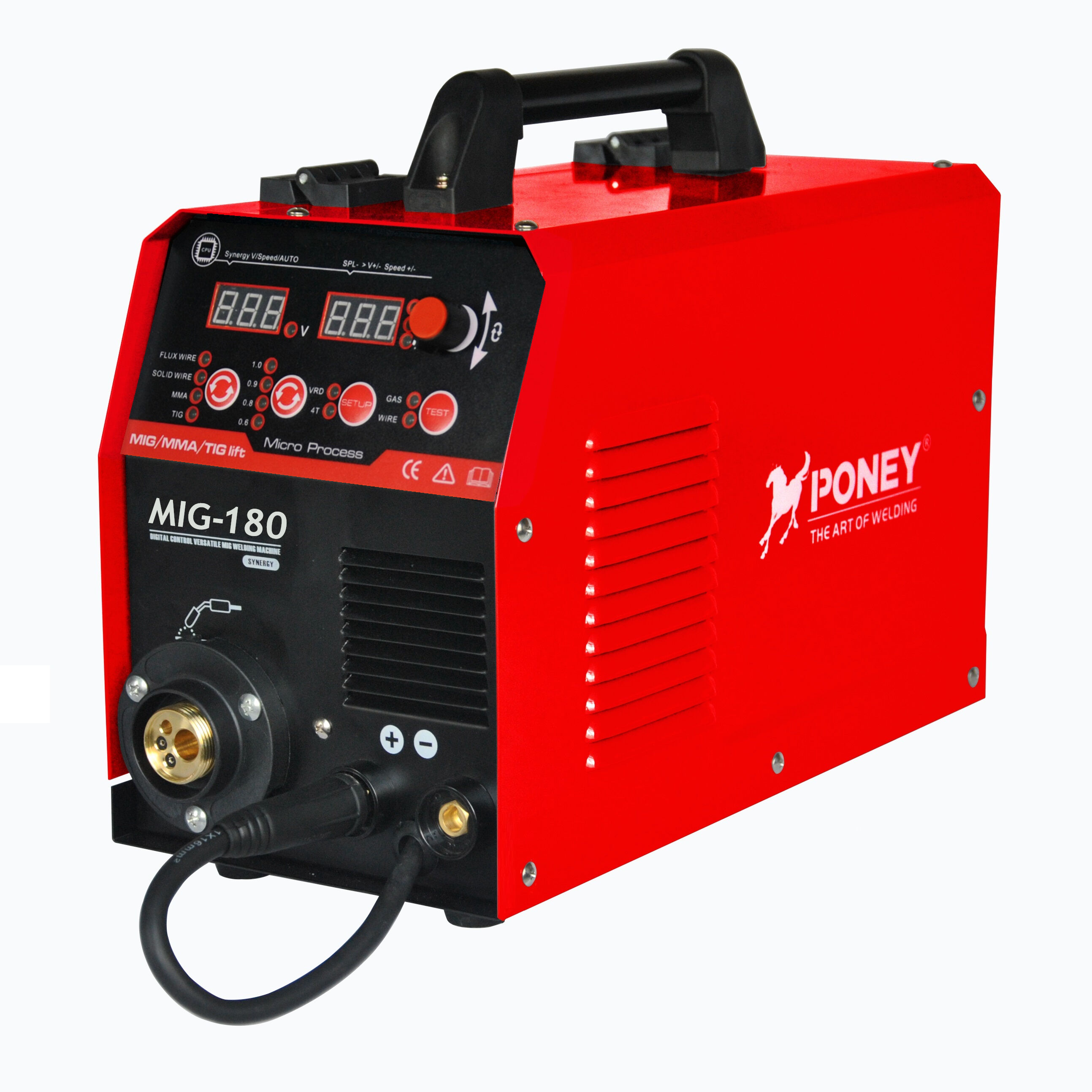
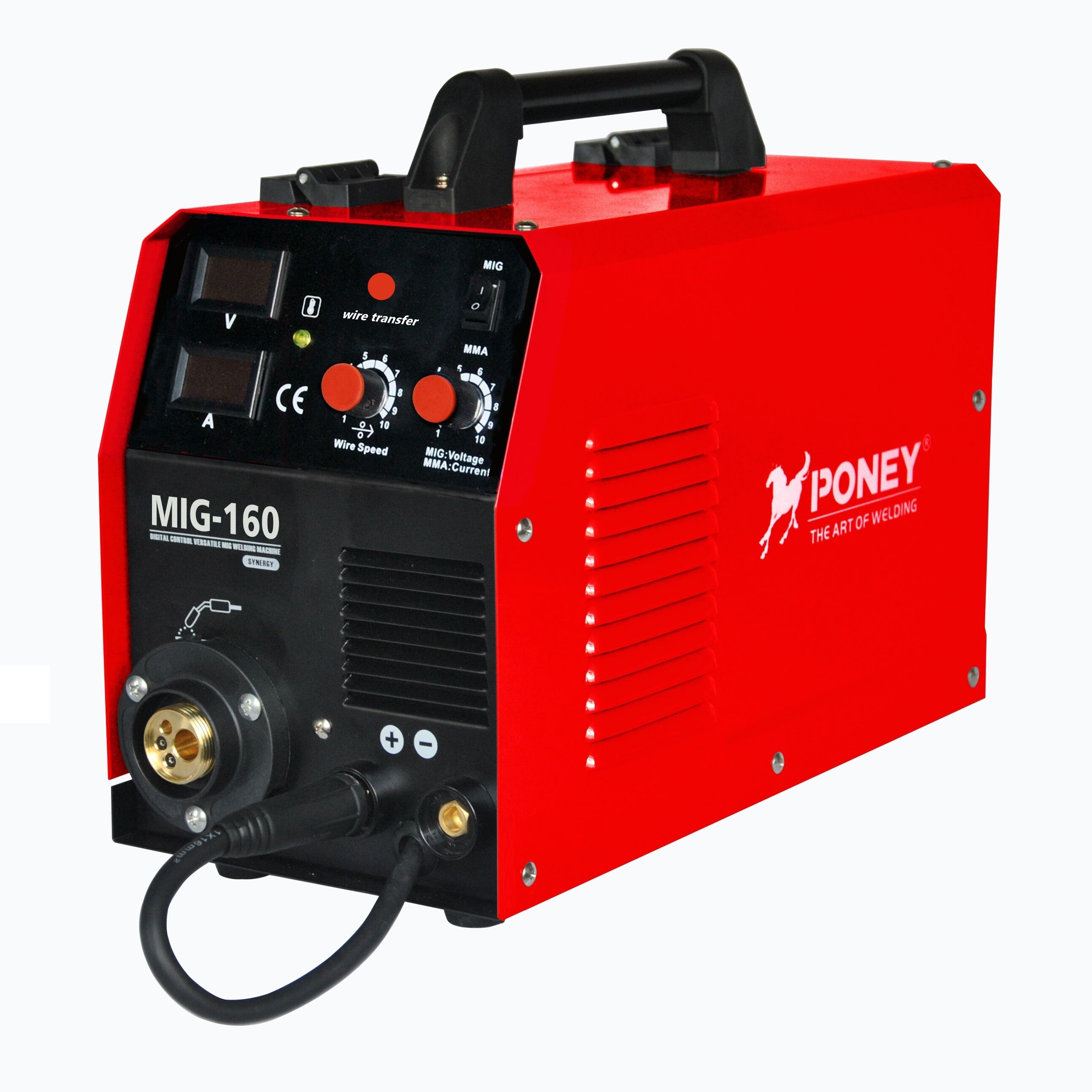
Welding machine export represents a thriving global industry segment that connects manufacturers with international markets seeking high-quality welding equipment. These sophisticated devices serve as the backbone of modern fabrication and construction industries worldwide. A welding machine export typically encompasses various types of welding equipment, including MIG welders, TIG welders, stick welders, and multi-process systems designed for diverse industrial applications. The primary function of these exported welding machines centers on creating strong, permanent bonds between metal components through controlled heat application and material fusion. Modern welding machine export products incorporate advanced inverter technology that delivers precise arc control, improved energy efficiency, and enhanced portability compared to traditional transformer-based systems. The technological features of contemporary welding machine export units include digital displays for parameter monitoring, automated settings for different materials, and sophisticated cooling systems that prevent overheating during extended operations. These machines often feature pulse welding capabilities that reduce heat input while maintaining superior weld quality, making them ideal for thin materials and precision work. The welding machine export market serves numerous applications across automotive manufacturing, shipbuilding, pipeline construction, architectural steelwork, and general fabrication shops. Many exported welding machines include protective features such as overvoltage protection, thermal protection, and short-circuit protection to ensure operator safety and equipment longevity. The integration of smart technology in welding machine export products enables remote monitoring, data logging, and predictive maintenance capabilities. International quality standards compliance ensures that welding machine export products meet stringent safety and performance requirements across different markets. These versatile machines accommodate various welding processes, electrode types, and material thicknesses, making them suitable for both professional workshops and industrial production lines. The welding machine export industry continues evolving with innovations in automation, artificial intelligence, and IoT connectivity to meet growing global demand.
 EN
EN