Double Pulse MIG Welder - Advanced Welding Technology for Professional Results

Get a Free Quote

Our representative will contact you soon.
Email
Mobile/Whatsapp
Name
Company Name
Message
0/1000

double pulse mig welder

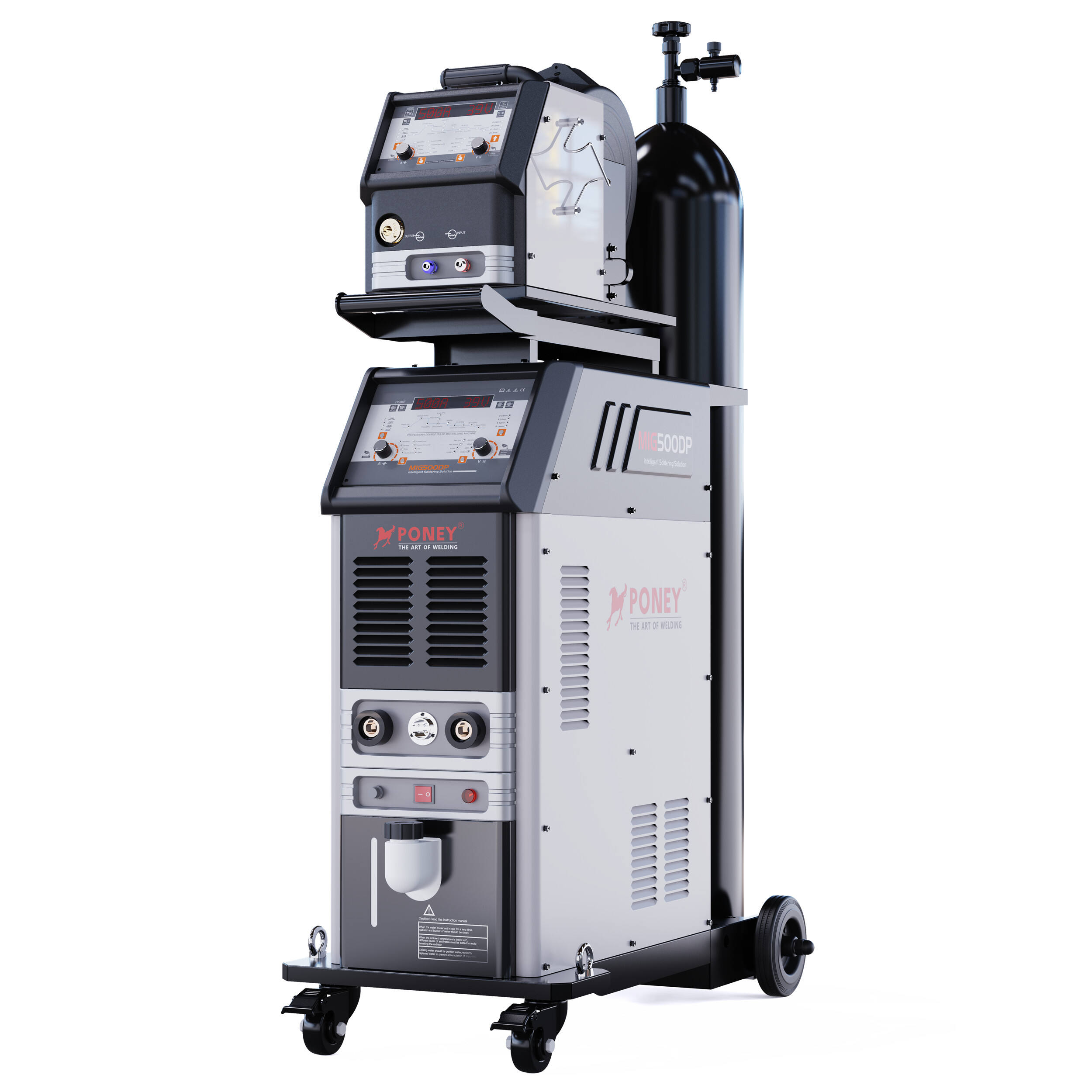
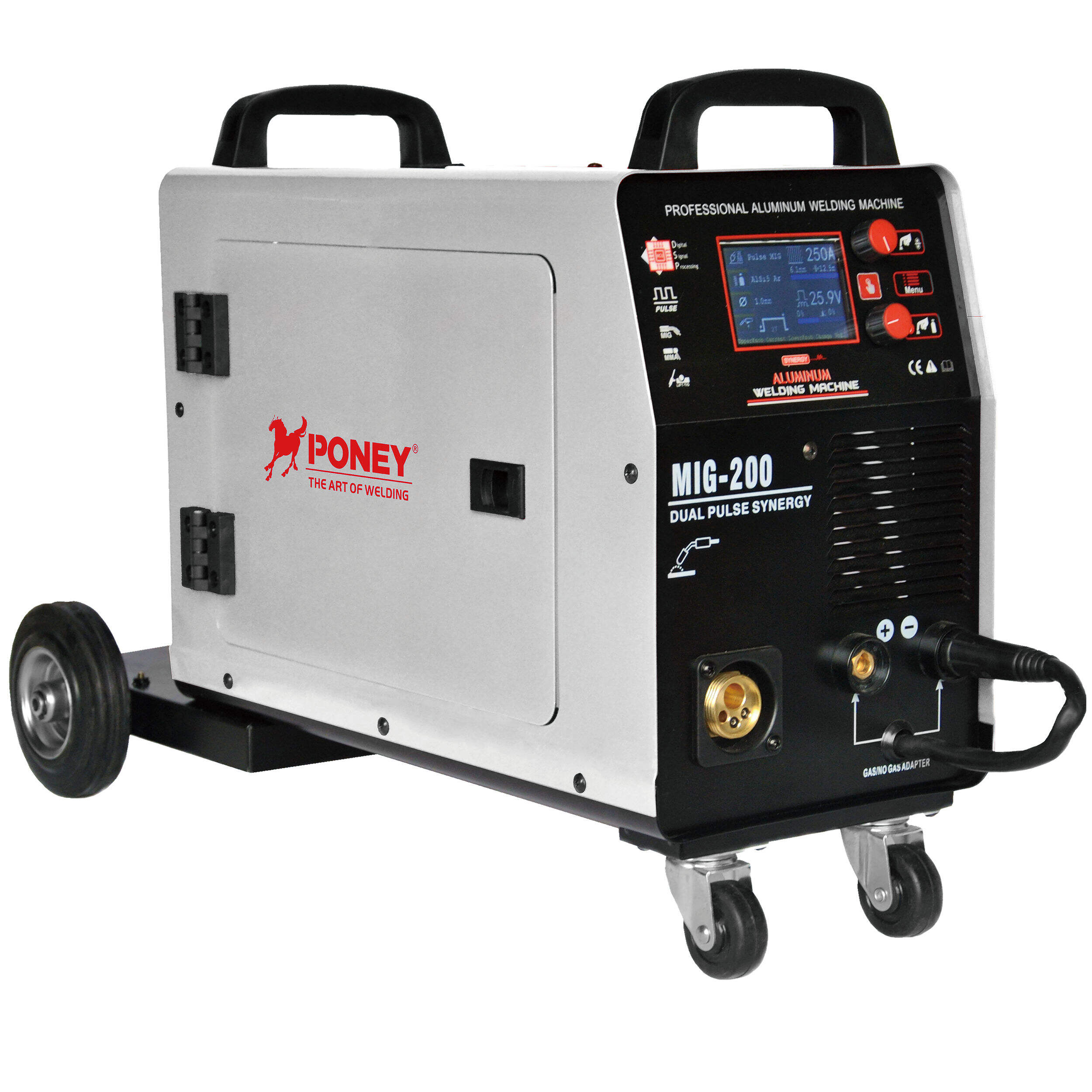
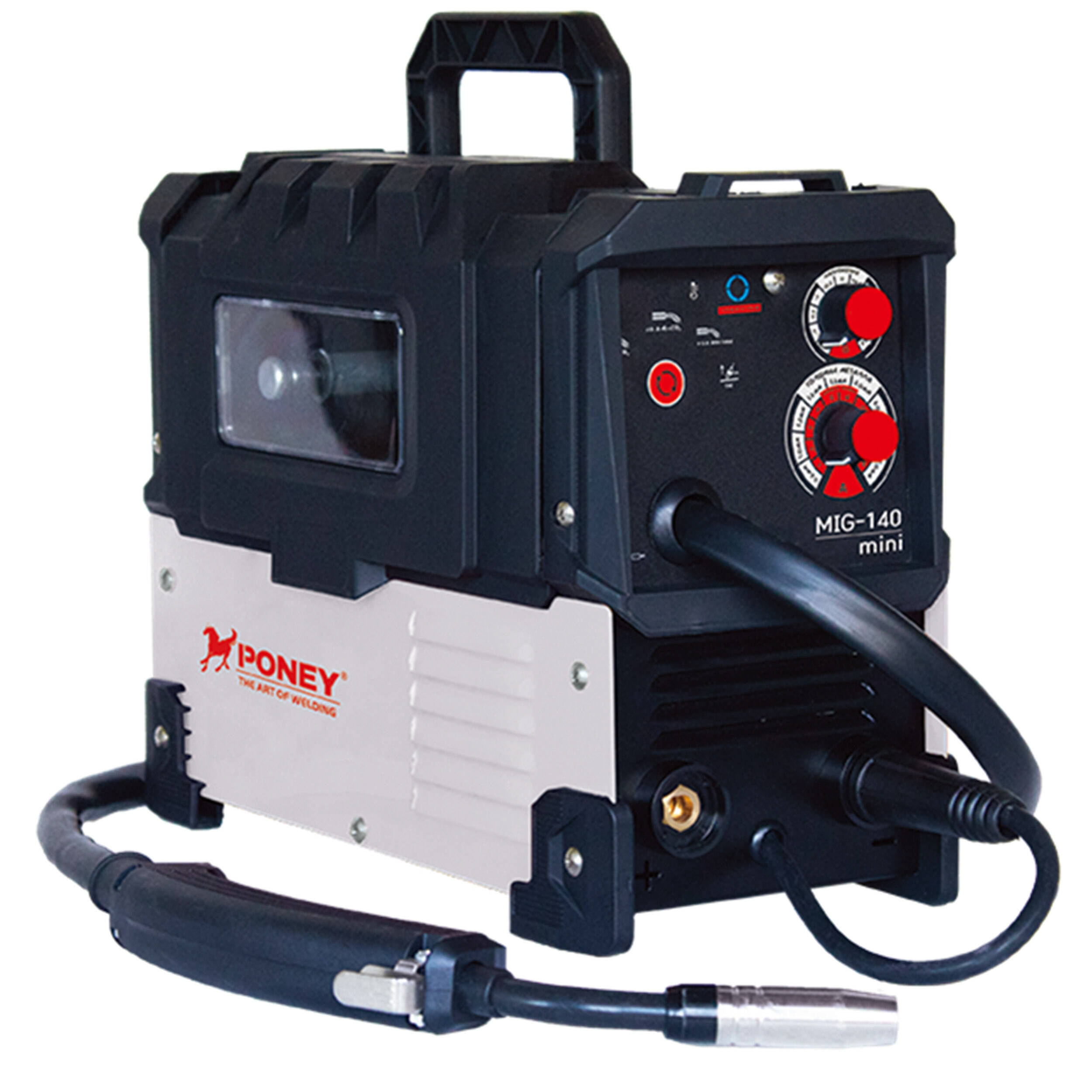
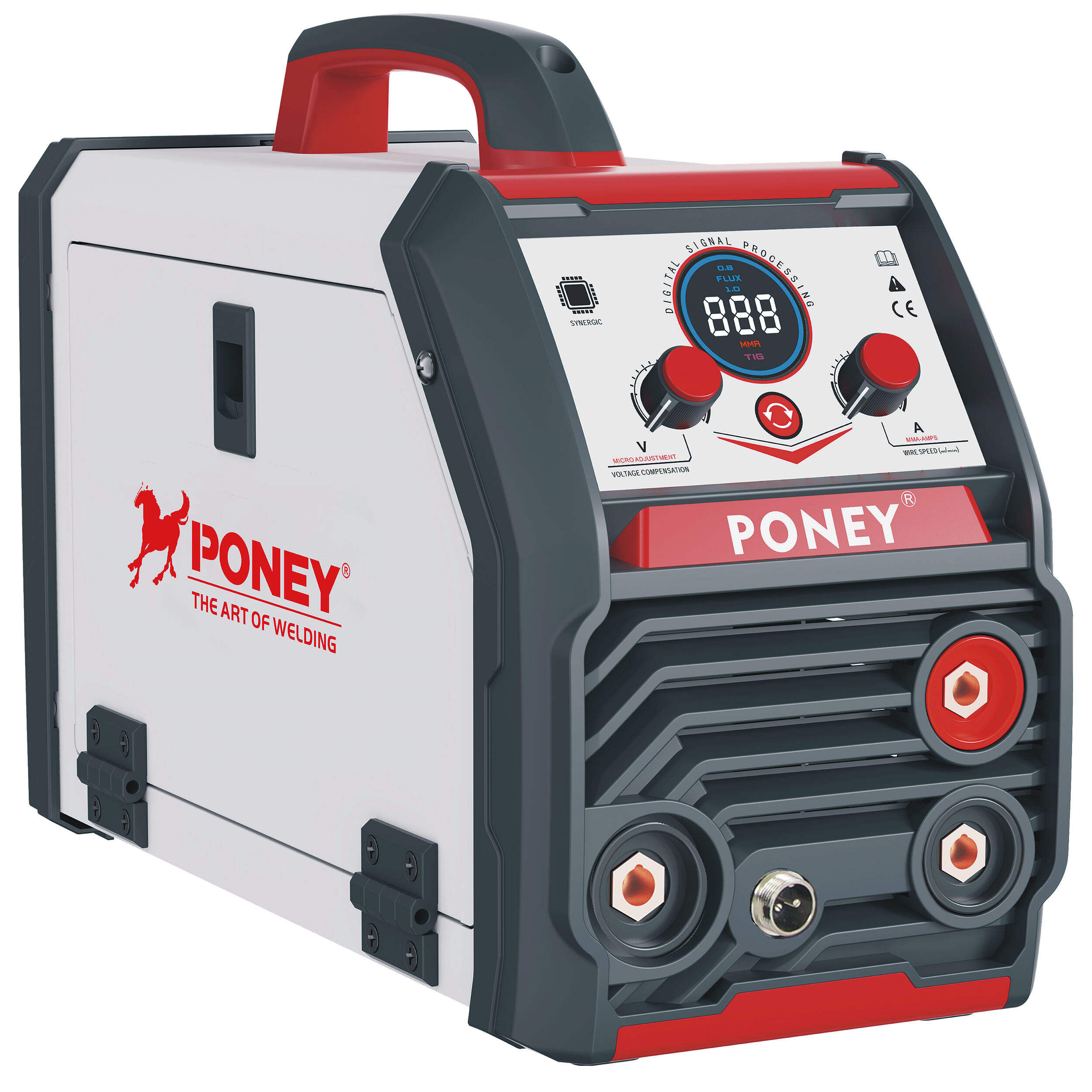
The double pulse mig welder represents a revolutionary advancement in metal joining technology that transforms how professionals approach welding projects. This sophisticated equipment combines traditional MIG welding principles with advanced dual-pulsing capabilities to deliver exceptional results across diverse applications. The double pulse mig welder operates by generating two distinct pulsing frequencies simultaneously, creating a unique arc behavior that significantly improves weld quality and appearance. The primary pulse controls the metal transfer process, while the secondary pulse manages the arc stability and heat input distribution. This dual-action mechanism enables welders to achieve superior penetration control, reduced spatter generation, and enhanced bead aesthetics. The technological framework of the double pulse mig welder incorporates advanced digital control systems that precisely regulate current flow, voltage levels, and timing sequences. These systems feature programmable parameters that allow operators to customize welding characteristics based on material thickness, joint configuration, and desired outcomes. The welder's inverter-based power source ensures consistent energy delivery while maintaining optimal efficiency throughout extended operations. Key functions include automated arc starting, adaptive background current adjustment, and intelligent short-circuit management. The double pulse mig welder excels in applications ranging from thin sheet metal fabrication to structural steel construction. Automotive manufacturers utilize this technology for body panel assembly, where aesthetic quality and structural integrity are paramount. Aerospace industries benefit from the precise heat control capabilities when working with aluminum alloys and specialized metals. Construction professionals appreciate the versatility in handling various steel grades and thicknesses. The equipment's ability to produce consistent, high-quality welds makes it invaluable for pipeline welding, shipbuilding, and general fabrication work. Advanced features include synergic control systems that automatically optimize welding parameters based on wire diameter and material type, ensuring optimal performance regardless of operator experience level.

New Product Releases

The double pulse mig welder delivers remarkable benefits that revolutionize welding operations for professionals seeking superior results and enhanced productivity. This advanced technology significantly reduces spatter formation compared to conventional MIG welders, creating cleaner work environments and minimizing post-weld cleanup requirements. The dual-pulsing action creates a more stable arc that produces smoother, more consistent welds with improved visual appeal. Heat input control represents another major advantage, as the double pulse mig welder allows precise temperature management throughout the welding process. This controlled heat distribution prevents warping and distortion in thin materials while ensuring adequate penetration in thicker sections. The technology enables welders to work with a broader range of materials and thicknesses using identical equipment settings, reducing setup time and increasing operational flexibility. Productivity improvements stem from faster travel speeds and reduced rework requirements. The stable arc characteristics of the double pulse mig welder enable operators to maintain consistent welding speeds while achieving high-quality results. The reduced spatter generation means less time spent on cleaning and grinding, allowing welders to focus on productive activities. The equipment's ability to produce acceptable welds across varying skill levels reduces training time for new operators and minimizes costly mistakes. Cost savings emerge through multiple channels when using a double pulse mig welder. Reduced consumable waste from improved arc stability and decreased spatter formation directly impacts material costs. The enhanced weld quality reduces rejection rates and rework expenses, while the equipment's versatility eliminates the need for multiple specialized welders. Energy efficiency improvements from advanced inverter technology reduce operational costs over time. The double pulse mig welder's superior penetration characteristics ensure stronger, more reliable joints that reduce warranty claims and maintenance requirements in finished products. Quality consistency represents perhaps the most significant advantage for professional applications. The technology's automated parameter optimization ensures repeatable results regardless of environmental conditions or operator variations. This consistency proves crucial for certification requirements in critical applications such as pressure vessel construction, structural steel fabrication, and aerospace component manufacturing. The double pulse mig welder's advanced control systems provide real-time monitoring and adjustment capabilities that maintain optimal welding conditions throughout extended operations.

Tips And Tricks

PONEY Upholds Tradition of Excellence

26

Jan

PONEY Upholds Tradition of Excellence

View More
PONEY Welcomes Core Procurement Delegation from Georgia, Signing Cooperation to Open a New Chapter

26

Jan

PONEY Welcomes Core Procurement Delegation from Georgia, Signing Cooperation to Open a New Chapter

View More
Ingenuity Forges a New Chapter! PONEY's New Product Launch Conference Concludes Successfully, with Two Flagship Welding Machines Stealing the Show

26

Jan

Ingenuity Forges a New Chapter! PONEY's New Product Launch Conference Concludes Successfully, with Two Flagship Welding Machines Stealing the Show

View More

Get a Free Quote

Our representative will contact you soon.
Email
Mobile/Whatsapp
Name
Company Name
Message
0/1000

double pulse mig welder

Advanced Arc Stability Technology

Advanced Arc Stability Technology

The double pulse mig welder's advanced arc stability technology represents a breakthrough in welding control systems that fundamentally changes how metal joining processes perform under various conditions. This sophisticated feature utilizes dual-frequency pulsing to create an exceptionally stable welding arc that maintains consistent characteristics regardless of external factors such as voltage fluctuations, environmental conditions, or operator technique variations. The primary pulse frequency manages the metal transfer process by controlling droplet formation and detachment timing, while the secondary pulse regulates the background current to maintain optimal arc length and stability. This dual-action approach eliminates the erratic arc behavior commonly experienced with traditional MIG welders, particularly when working with challenging materials or in difficult positions. The arc stability technology incorporates intelligent feedback systems that continuously monitor welding conditions and make real-time adjustments to maintain optimal performance. These systems detect changes in arc length, material conductivity, and heat dissipation, automatically compensating through precise current and voltage modifications. The result is a remarkably smooth welding experience that produces consistent bead profiles and mechanical properties throughout the entire weld joint. Professional welders benefit significantly from this stability when working on critical applications where quality cannot be compromised. The technology enables successful welding in out-of-position applications where gravity and accessibility challenges typically create arc instability issues. Overhead welding becomes more manageable as the stable arc reduces the risk of undercut and incomplete fusion defects. The consistent arc behavior also facilitates faster travel speeds without sacrificing quality, directly improving productivity and reducing project completion times. The double pulse mig welder's arc stability technology proves particularly valuable when working with thin materials where heat control is crucial. The stable arc prevents burn-through incidents while ensuring adequate penetration for structural integrity. This capability makes the equipment ideal for automotive body panel work, sheet metal fabrication, and precision manufacturing applications where dimensional accuracy is essential.
Precision Heat Control System

Precision Heat Control System

The precision heat control system integrated into the double pulse mig welder delivers unparalleled thermal management capabilities that address one of the most challenging aspects of metal joining operations. This advanced system utilizes sophisticated algorithms to regulate heat input distribution throughout the welding process, ensuring optimal temperature conditions for various material types and thicknesses. The technology employs real-time thermal monitoring sensors that track temperature variations across the weld zone and automatically adjust power output to maintain ideal heating conditions. This precise control prevents overheating that can lead to material distortion, grain structure degradation, and metallurgical property changes while ensuring sufficient heat penetration for strong joint formation. The heat control system's adaptive capabilities prove invaluable when transitioning between different material thicknesses within a single weld joint, such as when joining varying gauge sheets or attaching brackets to structural components. Traditional welders often struggle with these applications, requiring manual adjustments that can result in inconsistent quality or defective joints. The double pulse mig welder's precision heat control automatically compensates for thermal conductivity differences and mass variations, maintaining optimal welding conditions throughout the entire joint. This capability significantly reduces the skill level required for complex welding applications while improving overall quality consistency. Professional fabricators appreciate the system's ability to minimize heat-affected zone dimensions, preserving base material properties and reducing distortion in finished components. This feature proves particularly important in aerospace applications where material certification requirements are stringent and any degradation of mechanical properties can result in component rejection. The precision heat control system also enables successful welding of heat-sensitive materials such as high-strength steels and specialized alloys that require careful thermal management to maintain desired characteristics. The technology's ability to provide rapid heating and controlled cooling cycles optimizes microstructure development for maximum joint strength and durability. Manufacturing environments benefit from the heat control system's contribution to dimensional stability and reduced warping, eliminating costly straightening operations and improving production efficiency.
Versatile Material Compatibility

Versatile Material Compatibility

The double pulse mig welder's versatile material compatibility feature establishes it as an indispensable tool for diverse fabrication environments where multiple metal types and thicknesses require joining within single projects or across varied applications. This comprehensive capability stems from the equipment's advanced parameter optimization systems that automatically adjust welding characteristics to accommodate different materials including mild steel, stainless steel, aluminum alloys, copper-based metals, and specialized exotic alloys used in critical applications. The technology's adaptive algorithms analyze material conductivity, thermal properties, and chemical composition to determine optimal pulse patterns, current levels, and voltage settings for each specific combination. This intelligent approach eliminates the guesswork typically associated with welding parameter selection while ensuring consistent quality across all material types. The double pulse mig welder's material compatibility extends beyond simple metal type recognition to encompass thickness variations ranging from ultra-thin foils measuring mere thousandths of an inch to heavy structural plates several inches thick. The equipment's dual-pulsing action provides the precise control necessary for thin material welding while delivering sufficient penetration power for thick section joining. This versatility proves invaluable in repair and maintenance applications where existing structures may contain mixed materials and varying thicknesses requiring seamless integration of new components. Professional welders working in shipbuilding, construction, and general fabrication industries particularly benefit from this comprehensive material compatibility. The ability to switch between aluminum hull plating and steel structural components without equipment changes significantly improves workflow efficiency and reduces setup times. Similarly, architectural metalwork projects involving stainless steel decorative elements combined with structural steel frameworks become manageable with a single welding system rather than requiring multiple specialized units. The double pulse mig welder's material compatibility feature includes advanced wire feed control systems that automatically adjust feed rates and torch positioning for optimal deposition characteristics with each material type. These systems compensate for differences in melting temperatures, surface tension properties, and solidification behaviors to ensure proper fusion and joint formation. The technology's ability to handle dissimilar metal joining opens new possibilities for innovative design solutions where different materials can be combined to optimize strength, weight, corrosion resistance, or aesthetic properties within single assemblies.

Get a Free Quote

Our representative will contact you soon.
Email
Mobile/Whatsapp
Name
Company Name
Message
0/1000