EN
EN

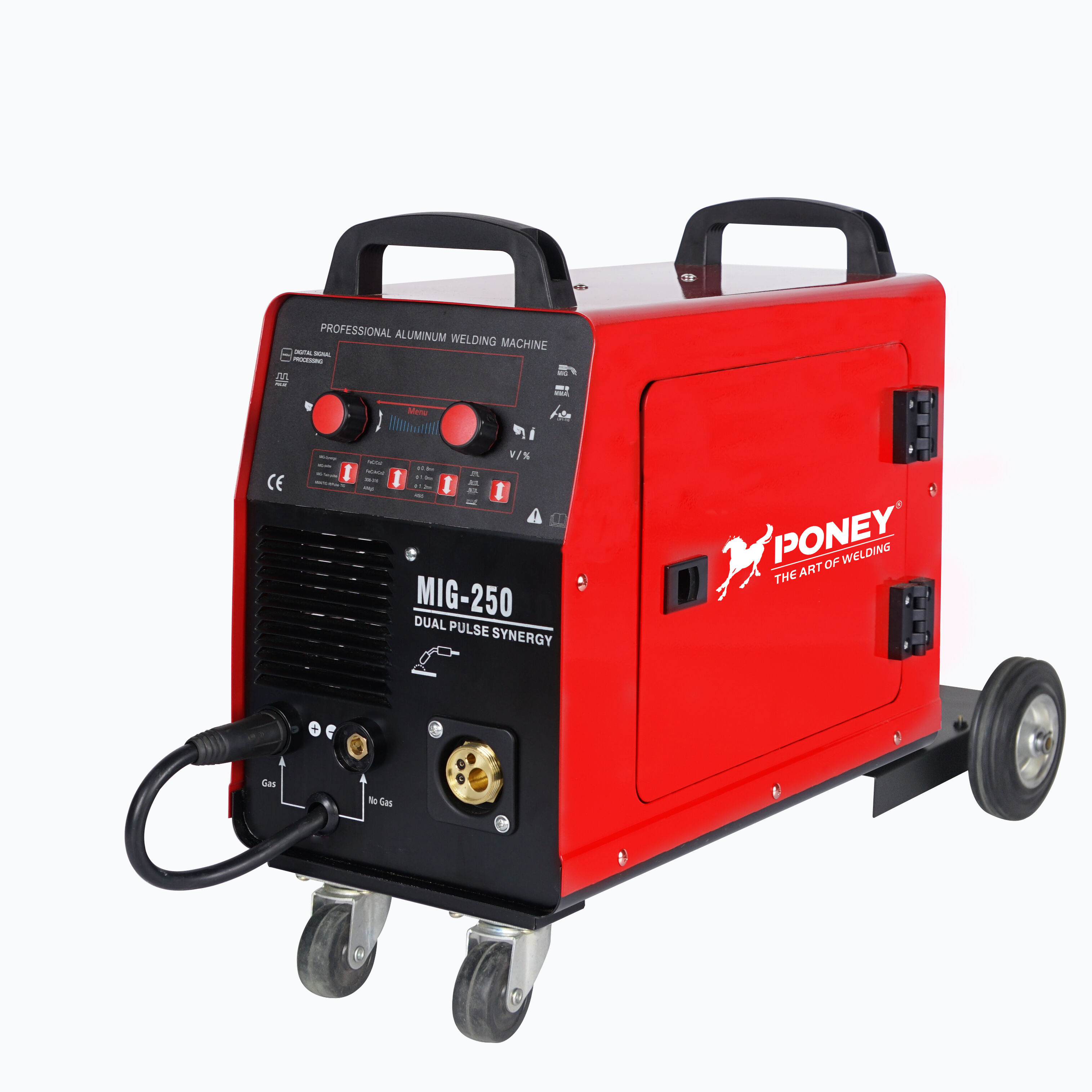
A welder is a sophisticated piece of equipment that transforms electrical energy into intense heat capable of melting and fusing metals together. Understanding how a welder operates requires examining the fundamental principles of electrical current flow, heat generation, and metal bonding at the molecular level. The basic operation involves creating an electrical circuit between the welder power source and the workpiece, generating temperatures that can exceed 6,000 degrees Fahrenheit to achieve permanent metal joints.
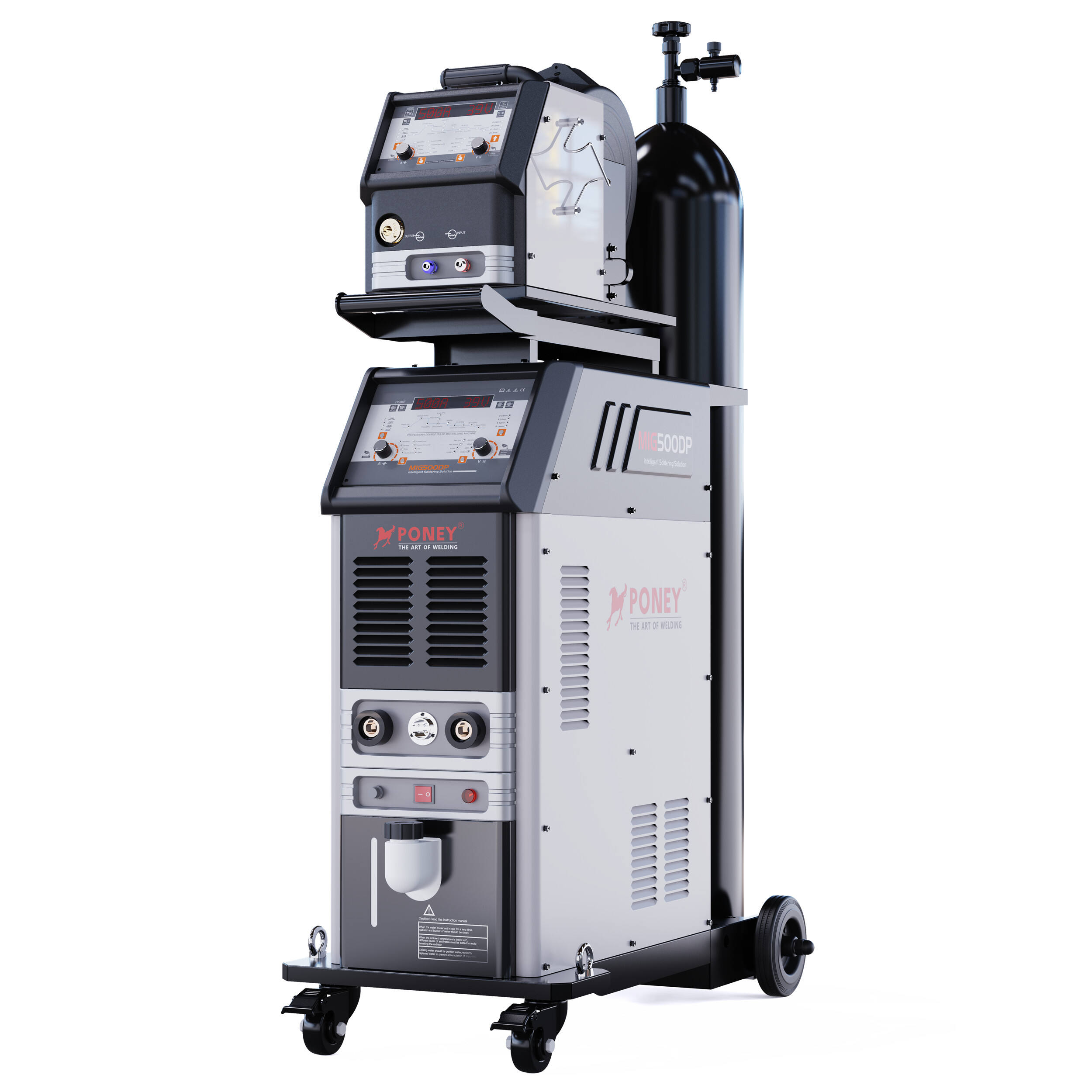
The working mechanism of a welder depends on controlled electrical arc formation, precise current regulation, and protective shielding systems that ensure clean, strong welds. Modern welding machines incorporate advanced transformer technology, inverter circuits, and digital controls that allow operators to fine-tune parameters for different materials and applications. The entire process relies on creating a stable arc that maintains consistent heat input while protecting the weld pool from atmospheric contamination.
Electrical Power Transformation and Arc Formation
Power Source Conversion Process
The primary function of any welder begins with electrical power transformation from standard alternating current to the specific voltage and amperage requirements for welding operations. Traditional welders use step-down transformers that reduce household voltage from 240 volts to a lower, safer welding voltage typically between 20-80 volts. However, the amperage increases dramatically during this transformation, often reaching 100-300 amps or higher depending on the application requirements.
Modern inverter-based welding machines operate differently by first converting AC power to DC, then using high-frequency switching circuits to create the desired output characteristics. This welder technology allows for more precise control over arc characteristics, improved energy efficiency, and significantly reduced equipment weight compared to traditional transformer-based units.
The power transformation process must maintain stable output despite fluctuations in input voltage, ensuring consistent arc performance throughout the welding operation. Advanced welding machines incorporate voltage regulation circuits and feedback systems that automatically adjust output parameters to compensate for changes in arc length, material thickness, and environmental conditions.
Arc Initiation and Maintenance
Arc formation occurs when sufficient voltage overcomes the electrical resistance of the air gap between the electrode and workpiece, creating an ionized plasma channel. This plasma reaches temperatures exceeding 10,000 degrees Fahrenheit, hot enough to instantly melt most metals upon contact. The arc initiation process requires a brief high-voltage surge, often called the open-circuit voltage, which breaks down the air barrier and establishes the conductive plasma path.
Once the arc establishes, the welder maintains a lower operating voltage while providing the necessary amperage to sustain the plasma column. The arc stability depends on maintaining proper electrode-to-work distance, consistent travel speed, and appropriate shielding gas flow rates when applicable. Modern welders incorporate arc force controls that automatically adjust output characteristics to maintain stable arcs even when electrode angles or travel speeds vary.
The electromagnetic forces within the welding arc create a pinching effect that concentrates the plasma column, directing maximum heat energy into a focused area on the workpiece. This concentrated heat input allows for deep penetration welding while minimizing heat-affected zones in surrounding material, resulting in stronger joints with less distortion.
Heat Generation and Metal Fusion Mechanisms
Thermal Energy Transfer Process
The fundamental working principle of any welder relies on converting electrical energy into thermal energy through resistance heating and plasma formation. When electrical current flows through the arc gap, the resistance of the ionized air creates intense heat that radiates into both the electrode material and the base metal. This heat transfer occurs through radiation, conduction, and convection, with radiation being the primary mechanism in the arc zone.
The temperature distribution within the welding arc varies significantly, with the hottest region typically occurring at the arc core where plasma density reaches maximum levels. The welder must maintain sufficient heat input to create a molten weld pool while avoiding excessive heating that could cause burn-through or metallurgical problems in the base material.
Heat input control represents one of the most critical aspects of welder operation, as it directly affects weld penetration, fusion quality, and overall joint strength. Operators adjust parameters such as current, voltage, and travel speed to achieve optimal thermal cycles that produce sound welds without compromising the mechanical properties of the surrounding material.
Molten Metal Pool Dynamics
The creation and management of the molten weld pool constitutes the heart of the welding process, where liquid metal from both the electrode and base material combines to form the final joint. The welder creates a precisely controlled environment where metals can achieve complete fusion at the molecular level, creating bonds that often exceed the strength of the original base materials.
Electromagnetic forces generated by the welding current create stirring action within the molten pool, promoting uniform mixing of electrode and base metal compositions. This stirring action helps eliminate porosity, ensures complete fusion, and distributes alloying elements evenly throughout the weld metal. The welder operator must control these forces through proper parameter selection to achieve the desired weld profile and mechanical properties.
The solidification process occurs rapidly as the heat source moves away, creating a fine-grained microstructure that typically exhibits excellent strength and toughness characteristics. Modern welding machines often incorporate pulsed current capabilities that provide additional control over heat input and cooling rates, allowing for even more precise control of final weld properties.
Shielding and Protection Systems
Atmospheric Contamination Prevention
A critical aspect of welder operation involves protecting the molten metal from atmospheric contamination that could weaken the final joint. Oxygen, nitrogen, and hydrogen present in ambient air readily dissolve into molten steel, creating porosity, brittleness, and reduced corrosion resistance in the finished weld. The welder must incorporate effective shielding systems to exclude these harmful atmospheric gases from the weld zone.
Gas metal arc welding machines use inert or semi-inert shielding gases such as argon, helium, or carbon dioxide to create a protective atmosphere around the arc and molten metal. The welder delivers these gases through the welding torch at precisely controlled flow rates, creating a blanket that displaces atmospheric air and prevents contamination. Gas selection depends on the base material type, desired penetration characteristics, and required mechanical properties.
Stick welding machines achieve atmospheric protection through consumable electrode coatings that create protective slag and gas shields as they burn. These flux coatings contain deoxidizers, arc stabilizers, and slag formers that work together to produce clean, sound welds. The welder operator must select appropriate electrode types based on base material composition, welding position, and service requirements.
Arc Stability and Control Features
Modern welding machines incorporate sophisticated control systems that maintain optimal arc characteristics throughout the welding process. These systems monitor arc voltage, current flow, and electrode extension continuously, making real-time adjustments to compensate for variations in technique or material conditions. Advanced welder designs include digital processors that can execute control algorithms hundreds of times per second.
Arc force control represents one of the most important stability features, automatically increasing current output when the arc becomes too long and reducing output when the electrode approaches the workpiece too closely. This prevents arc extinction and electrode sticking while maintaining consistent penetration and bead appearance. Professional-grade welding machines often provide adjustable arc force settings that allow operators to fine-tune performance for specific applications.
Hot start features provide additional current during arc initiation to ensure reliable starts, particularly important when welding thick materials or using larger diameter electrodes. Anti-stick functions prevent electrode welding to the workpiece by reducing current output when contact is detected, making the welder easier to operate and reducing electrode waste.
Control Systems and Parameter Adjustment
Current and Voltage Regulation
The precise control of electrical parameters forms the foundation of effective welder operation, with current and voltage settings determining heat input, penetration depth, and overall weld quality. Current controls primarily affect the size of the molten weld pool and penetration depth, while voltage settings influence arc length and weld bead width. Understanding these relationships allows operators to optimize welder performance for specific applications.
Constant current welding machines maintain steady amperage output regardless of minor changes in arc length, making them ideal for manual welding processes where maintaining consistent electrode-to-work distance proves challenging. Constant voltage machines maintain steady voltage output while allowing current to vary with arc length changes, providing excellent performance for semi-automatic and automatic welding applications.
Digital control systems in modern welding machines provide precise parameter adjustment capabilities with memory functions that store commonly used settings. These advanced welder designs often include synergic control modes that automatically adjust multiple parameters simultaneously when the operator changes material thickness or wire feed speed, simplifying setup procedures and improving consistency.
Feedback and Monitoring Systems
Contemporary welding machines incorporate sophisticated monitoring systems that provide real-time feedback about arc conditions, power consumption, and welding performance. These systems help operators maintain optimal parameters and identify potential problems before they affect weld quality. Advanced welder designs include digital displays that show actual current and voltage values during welding operations.
Thermal protection systems monitor internal component temperatures and automatically reduce output or shut down the welder when overheating occurs. These protection features prevent damage to sensitive electronic components and ensure reliable operation under demanding industrial conditions. Duty cycle ratings indicate how long the welder can operate at maximum output before requiring cooling periods.
Some industrial welding machines include data logging capabilities that record welding parameters, arc time, and performance statistics for quality control and process optimization purposes. These features prove particularly valuable in production environments where consistent weld quality and traceability requirements must be maintained throughout manufacturing operations.
FAQ
What type of electrical current does a welder use to create the arc?
Most welding machines can operate with either alternating current (AC) or direct current (DC), depending on the specific welding process and material requirements. DC welding provides better arc stability and deeper penetration for most applications, while AC welding offers advantages for certain aluminum welding applications and helps balance heat distribution when welding materials of different thicknesses.
How hot does the welding arc get during normal operation?
The welding arc typically reaches temperatures between 6,000 to 10,000 degrees Fahrenheit, with some specialized processes achieving even higher temperatures. The exact temperature depends on the welding process, current settings, and shielding gas composition. This extreme heat allows the welder to melt and fuse metals that have melting points well above 2,000 degrees Fahrenheit.
Why does a welder need different settings for different materials?
Different materials have varying melting points, thermal conductivity, and electrical resistance characteristics that require specific heat input levels and arc characteristics for optimal fusion. Thicker materials need higher current settings to achieve adequate penetration, while thinner materials require lower heat input to prevent burn-through. Additionally, different alloys may require specific shielding gases or electrode types to achieve proper metallurgical results.
Can a welder work without proper grounding to the workpiece?
No, proper electrical grounding is essential for welder operation as it completes the electrical circuit necessary for arc formation. Without adequate grounding, the welder cannot establish a stable arc or maintain consistent current flow. Poor grounding connections result in unstable arcs, inconsistent penetration, and potential safety hazards. The ground clamp must make solid electrical contact with clean metal surfaces to ensure reliable welder performance.