EN
EN

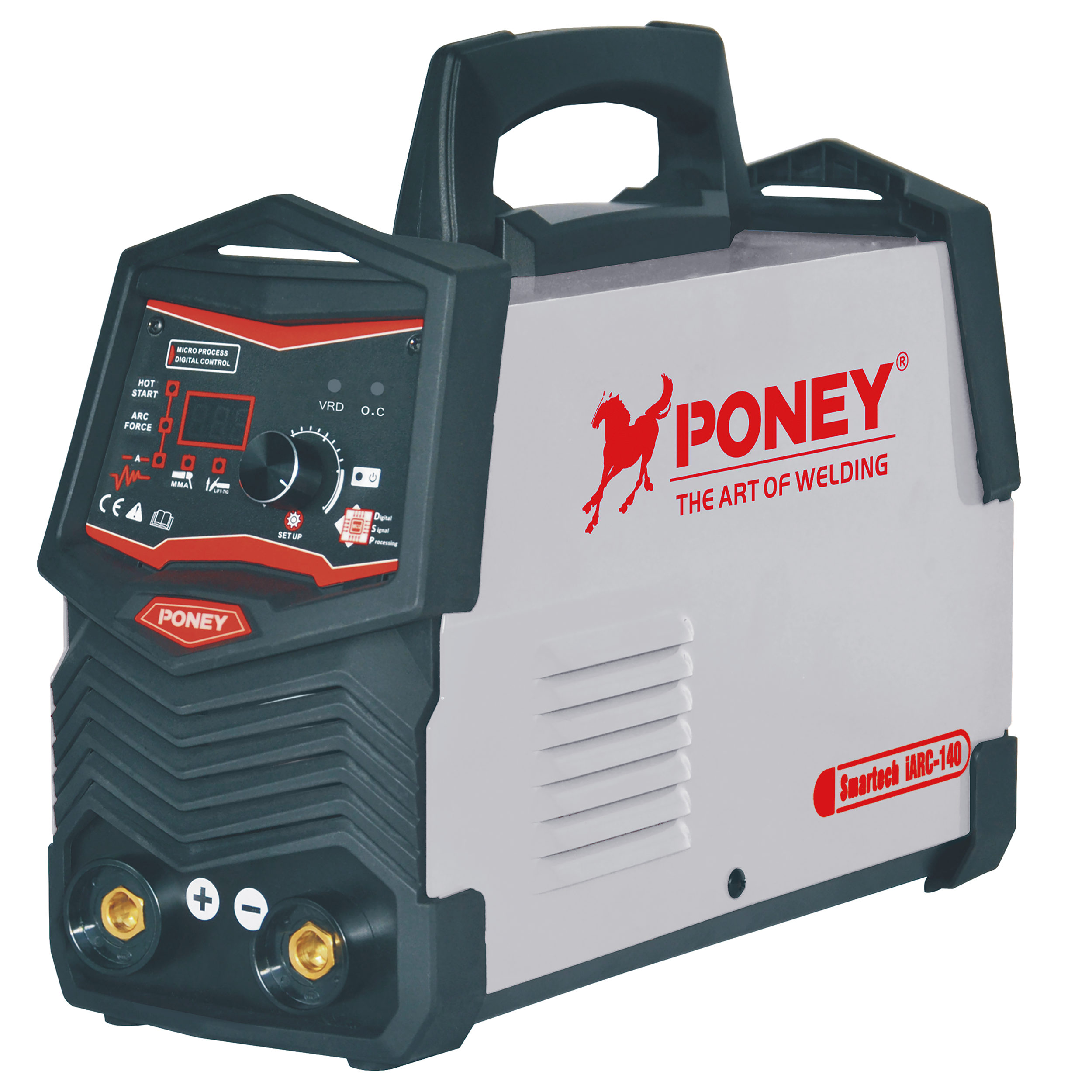
In demanding industrial environments where equipment failure directly impacts productivity and safety, the design philosophy behind an arc welder becomes critically important. Many operators and maintenance teams overlook a fundamental truth: the simplicity of an arc welder directly correlates with its reliability and performance longevity. When an arc welder is engineered with fewer complex components and straightforward operational mechanics, it naturally becomes more resistant to the stresses imposed by harsh conditions such as extreme temperatures, moisture, dust, and vibration. This design principle transforms the arc welder from a fragile precision instrument into a robust workhorse capable of delivering consistent results year after year.
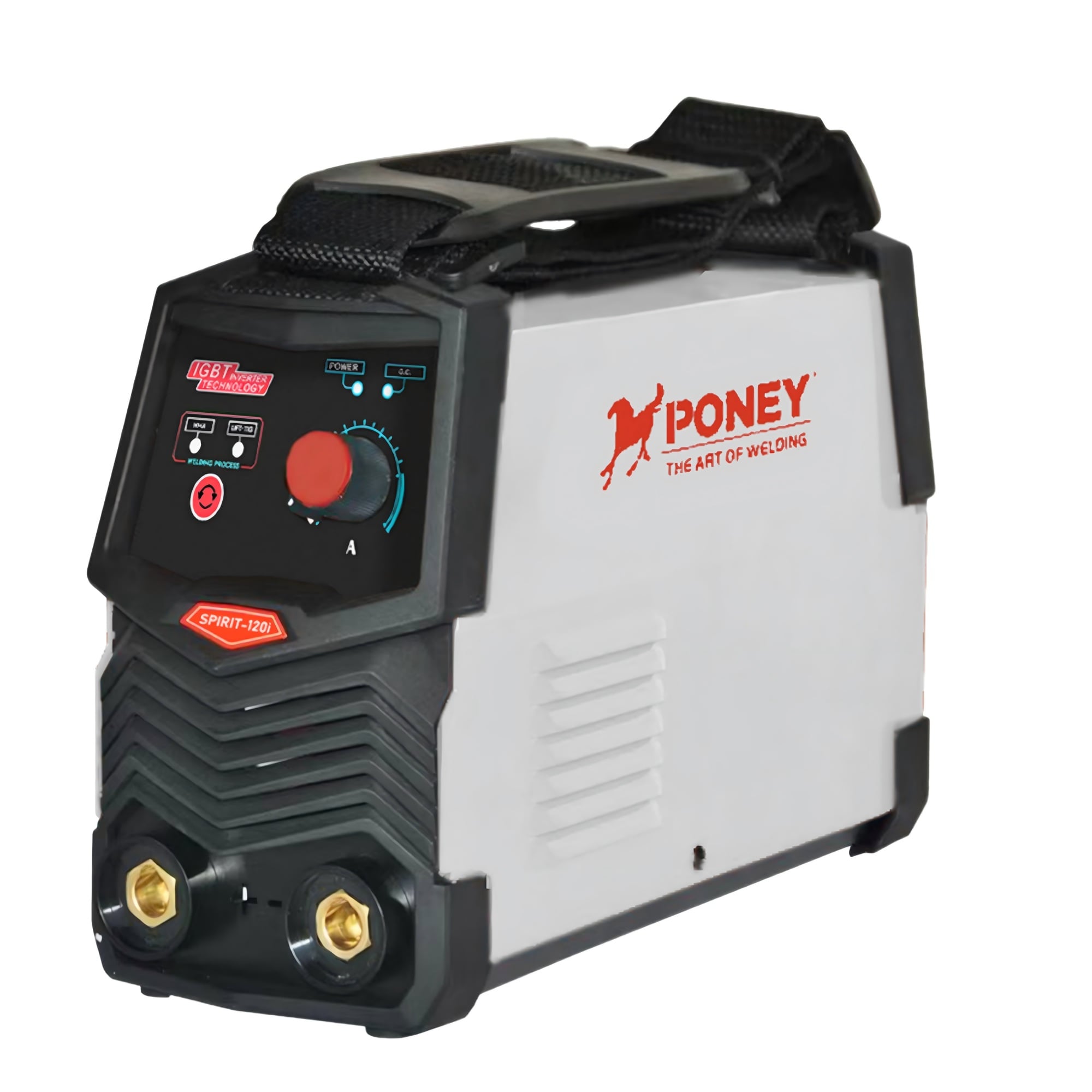
An arc welder that prioritizes simplicity in its design architecture eliminates unnecessary complications that often introduce failure points. The mechanical elegance of a well-designed arc welder means fewer parts that can wear out, corrode, or malfunction. This approach resonates powerfully in industries where downtime is expensive, where replacement parts may be difficult to source, and where operators need equipment they can understand and maintain without extensive technical training. The arc welder's straightforward design principles ensure that reliability becomes a natural outcome rather than an aspiration.
Understanding Arc Welder Simplicity in Design
Core Mechanical Principles
The arc welder operating principle remains elegantly simple at its foundation: electrical current creates an arc between an electrode and workpiece, generating heat sufficient to fuse metals. A well-engineered arc welder maintains this core function without introducing unnecessary complexity. The simplest arc welder models often outperform complicated alternatives in harsh environments precisely because they avoid redundant controls, auxiliary systems, and sensitive electronic components that complicate operation and maintenance. When an arc welder focuses exclusively on core welding functionality, operators gain reliable performance and reduced learning curves.
Component Reduction Strategy
Modern industrial design increasingly recognizes that an arc welder benefits tremendously from thoughtful component reduction. By eliminating non-essential features and peripheral systems, an arc welder becomes inherently more stable and easier to troubleshoot when problems arise. A simplified arc welder requires fewer calibration points, simpler wiring architecture, and reduced dependence on specialized knowledge. This design strategy means that any reasonably trained technician can maintain or repair an arc welder without requiring manufacturer support or expensive diagnostic equipment. The arc welder's durability improves dramatically when maintenance becomes straightforward.
Harsh Environment Performance and Reliability
Environmental Stress Factors
Industrial settings introduce multiple stressors that challenge equipment durability: extreme temperature fluctuations, high humidity or saltwater exposure, dust and particulate contamination, electromagnetic interference, and persistent vibration. An arc welder operating in such conditions faces genuine hazards to both function and safety. A complex arc welder with multiple electronic modules, sensitive sensors, and intricate control boards becomes vulnerable to environmental damage that simpler models avoid. The arc welder designed for simplicity incorporates robust construction, sealed components, and redundant basic systems that continue functioning even when peripheral elements fail. This inherent toughness means the arc welder maintains performance consistency despite environmental hostility.
Reliability Under Continuous Operation
When facilities operate machinery continuously, reliability becomes measured not in hours per failure but in months or years between service events. An arc welder engineered for simplicity delivers this extended reliability because its basic components rarely fail. Power delivery systems in a straightforward arc welder experience predictable wear patterns, and replacement becomes economical. Unlike an arc welder burdened with complicated electronic controls that may obsolete quickly or fail unexpectedly, a simple arc welder can operate reliably for decades. Industrial operations depending on welding for critical infrastructure find that the arc welder featuring straightforward design justifies its initial investment through years of dependable service.
Operational Advantages and Cost Implications
Training and Skill Requirements
Worker safety and productivity both improve when an arc welder remains intuitive to operate. Complex arc welder models demand extensive training, certification programs, and ongoing skill development, increasing labor costs and potential for operator error. A simplified arc welder enables faster onboarding, reduces training expenses, and minimizes dangerous mistakes caused by confusion about controls. When field personnel encounter an arc welder in remote locations or temporary worksites, they need equipment they can quickly understand. The straightforward design of an arc welder means that experienced welders from different backgrounds can operate it effectively without extensive familiarization periods, significantly benefiting mobile or contract operations.
Maintenance Costs and Supply Chain
Maintaining complicated equipment strains budgets through expensive specialized parts, proprietary components, and vendor dependency. An arc welder designed around simplicity typically uses standard parts, universal components, and materials available through conventional industrial suppliers. This accessibility means maintenance costs for an arc welder remain manageable even in remote locations where specialized equipment is unavailable. When an arc welder uses common fasteners, standard power connections, and conventional materials, replacement becomes rapid and inexpensive. The reliability advantage of an arc welder translates directly to operational cost reduction across equipment lifespan, making simplicity a financially smart choice for cost-conscious industrial operations.
FAQ
Why does arc welder simplicity matter more in harsh environments than in controlled workshops?
Harsh environments introduce multiple simultaneous stressors that push complex systems beyond design tolerances. An arc welder in controlled environments can rely on climate control and clean power supplies, but an arc welder operating in field conditions cannot. When salt spray, dust, temperature swings, and vibration attack simultaneously, the arc welder with fewer complex components simply has fewer failure modes. A straightforward arc welder's robust mechanical foundation withstands environmental punishment that would quickly compromise a complicated arc welder's sensitive electronic systems. This explains why industrial teams consistently choose simpler arc welder designs for critical applications.
Can a simple arc welder still deliver high-quality welds consistently?
Yes, absolutely. A well-engineered arc welder prioritizing simplicity provides excellent weld quality through stable current delivery, consistent arc formation, and reliable power regulation. The arc welder's weld quality depends on electrical parameters and operator technique, not on unnecessary complexity. Many skilled welders deliberately prefer simple arc welder models because they provide transparent feedback and consistent behavior, making quality control more achievable. When an arc welder functions predictably, experienced operators can achieve superior results consistently, proving that simplicity and quality are entirely compatible in professional welding applications.
What makes a simple arc welder more cost-effective than advanced alternatives?
A simple arc welder reduces costs through lower purchase prices, minimal training requirements, inexpensive maintenance, and extended operational lifespan without catastrophic failures. The arc welder's straightforward design means replacement parts remain affordable and readily available. Unlike an arc welder with specialized electronics, downtime for repairs is typically brief because technicians can diagnose and fix problems quickly. When operational costs, training costs, parts costs, and downtime all decrease simultaneously, the arc welder's total cost of ownership becomes dramatically lower than complicated alternatives despite potentially higher initial investment for quality construction.