EN
EN

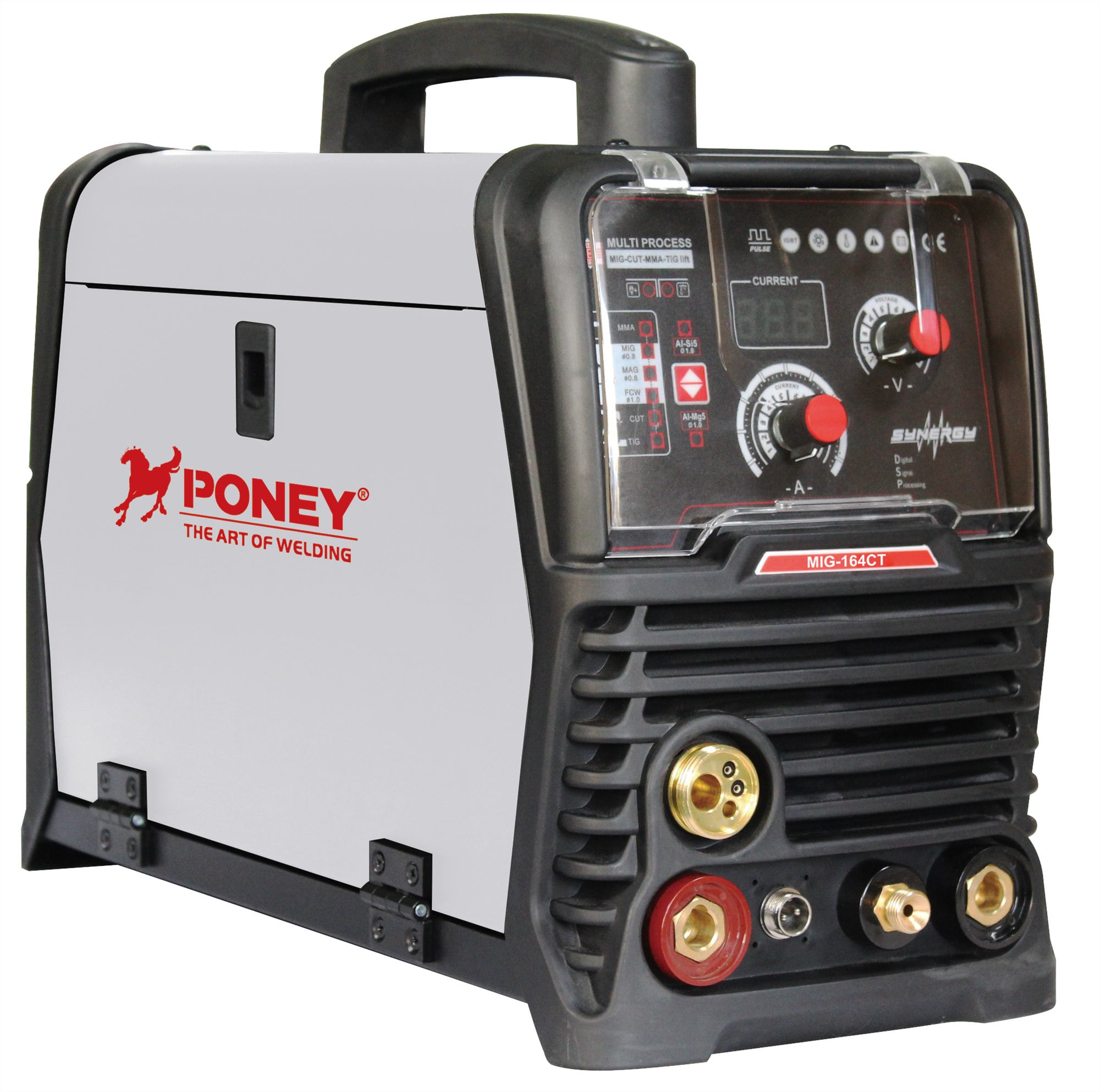
Heat control stands as one of the most critical factors determining success when working with an aluminum welder. Unlike ferrous metals, aluminum presents unique thermal challenges that directly influence distortion patterns and final component quality. An aluminum welder operator must understand how heat input, cooling rates, and thermal management strategies work together to minimize warping and maintain dimensional accuracy. The relationship between precise heat control and distortion prevention forms the foundation of professional aluminum welding practices across aerospace, automotive, marine, and fabrication industries.
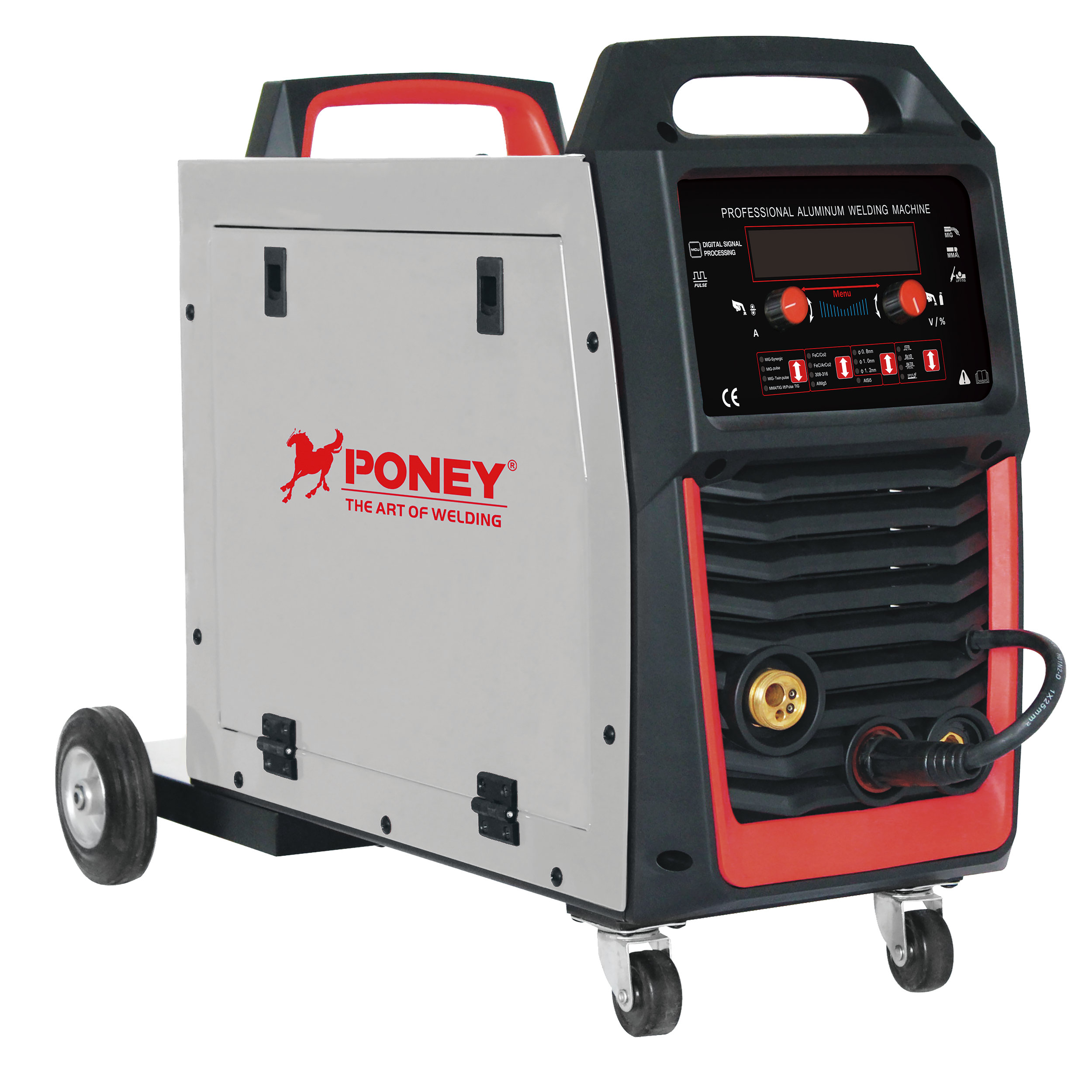
Every aluminum welder encounters thermal distortion as an inherent challenge during production. Aluminum's high thermal conductivity means heat spreads rapidly through the material, while its lower melting point compared to steel creates narrow safety margins during welding. When an aluminum welder fails to control heat input properly, excessive thermal stress accumulates in the base metal, leading to permanent warping, shrinkage, and dimensional instability. Understanding this thermal behavior enables operators to deploy targeted strategies that preserve structural integrity while achieving strong, reliable welds.
Thermal Properties and Why Aluminum Welder Heat Control Matters
The Physics Behind Aluminum Thermal Behavior
Aluminum conducts heat approximately three times faster than steel, making an aluminum welder's task distinctly different from ferrous welding. This high thermal conductivity means that during welding, heat disperses rapidly away from the weld zone into surrounding material. An aluminum welder must compensate by using higher heat input than comparable steel applications, yet this increased input paradoxically increases the risk of distortion if not managed with precision. The material's relatively low melting point of around 660 degrees Celsius creates a narrow processing window where the aluminum welder must balance sufficient fusion with avoiding excessive heat penetration.
Metallurgical Changes During Heating and Cooling
When an aluminum welder applies heat, the material undergoes significant metallurgical transformation in the heat-affected zone. Aluminum's grain structure expands under thermal stress, and rapid cooling following the weld pass creates internal stresses that manifest as warping and dimensional drift. The thermal cycle unique to aluminum welding produces residual stresses that directly correlate with visible distortion patterns. An experienced aluminum welder recognizes that controlling the cooling rate through preheat strategies, heat management techniques, and post-weld stress relief methods directly reduces these harmful metallurgical effects and subsequent distortion problems.
Distortion Mechanisms and Heat Input Relationships
How Excessive Heat Generates Distortion
Distortion occurs when thermal gradients create differential expansion and contraction across welded components. An aluminum welder introducing excessive heat produces wider heat-affected zones with steeper thermal gradients, intensifying this effect. The wider the thermal gradient from the weld center to base metal, the greater the likelihood of distortion. An aluminum welder using controlled, moderate heat input creates narrower thermal zones where expansion and contraction remain balanced and predictable. Longitudinal shrinkage, angular distortion, and warping all escalate dramatically when an aluminum welder fails to maintain optimal heat parameters for the specific thickness and joint geometry being welded.
Multi-Pass Welding and Cumulative Thermal Effects
Multi-pass applications represent where an aluminum welder's heat control strategy becomes most critical. Each weld pass introduces fresh heat that affects previously deposited metal and base material. An aluminum welder must recognize that cumulative thermal cycles compound distortion risk exponentially rather than linearly. The second and third passes reheat material already stressed by prior thermal cycles, increasing the probability of permanent deformation. An aluminum welder skilled in heat management staggers passes strategically, controls inter-pass temperatures, and uses sequences that distribute thermal stress evenly across the component rather than concentrating it in isolated zones.
Practical Heat Control Strategies for Distortion Reduction
Preheat and Temperature Management
Preheat application represents one of the most effective tools available to an aluminum welder for managing distortion. By raising base material temperature before welding begins, an aluminum welder reduces the thermal gradient between the weld zone and surrounding material, thereby minimizing stress concentration. Typical preheat temperatures for aluminum applications range from 150 to 200 degrees Celsius, depending on section thickness and alloy composition. An aluminum welder who implements proper preheat protocols reduces residual stress, minimizes warping, and improves overall structural stability. Additionally, maintaining inter-pass temperatures between successive passes prevents the material from cooling excessively between depositions, which would otherwise amplify thermal cycling effects.
Parameter Optimization and Travel Speed Control
An aluminum welder controls distortion by carefully balancing amperage, voltage, and travel speed to minimize heat input while maintaining quality fusion. Lower travel speeds extend heat application time, potentially increasing distortion, while excessive travel speed produces incomplete penetration and defects. The optimal approach for an aluminum welder involves using moderate amperage settings that achieve required penetration without unnecessary heat generation, combined with travel speeds that promote consistent fusion without excess dwell time. Modern aluminum welder equipment featuring synergic controls adjusts voltage automatically to match amperage and travel speed, allowing the aluminum welder to focus on maintaining consistent parameters rather than manual adjustments.
Fixture Design and Restraint Techniques
An aluminum welder working on critical applications often uses fixtures and restraint systems to counteract distortion forces during cooling. Strategic clamping positioned to resist expected distortion patterns helps an aluminum welder maintain dimensional accuracy throughout the welding and cooling cycle. However, excessive restraint can create locked-in stresses that damage material properties or cause cracking, so an aluminum welder must design fixturing that balances distortion prevention with material stress management. Gradual release of clamping pressure during cooling rather than immediate removal helps an aluminum welder achieve more stable final dimensions without introducing crack risk.
FAQ
Can an aluminum welder completely eliminate distortion through heat control alone?
Complete distortion elimination remains impractical regardless of an aluminum welder's skill level, but proper heat control reduces it to acceptable levels for most applications. An aluminum welder can minimize visible warping through optimized parameters, appropriate preheat, and controlled cooling, yet some residual stress and minor dimensional change typically remains inherent to the aluminum welding process. The goal for an aluminum welder is managing distortion to within specified tolerances rather than achieving zero effect. Combined strategies involving fixture design, stress relief, and strategic sequencing allow an aluminum welder to achieve excellent dimensional stability in demanding aerospace and automotive applications.
What happens if an aluminum welder uses the same parameters as steel welding?
An aluminum welder attempting to use steel welding parameters will encounter severe, uncontrollable distortion and frequent defects. Steel's lower thermal conductivity requires different heat input levels than aluminum, and an aluminum welder using steel parameters typically generates excessive heat that spreads uncontrollably through aluminum's conductive material. This results in massive heat-affected zones, severe warping, material weakness, and potential cracking during cooling. An aluminum welder must recognize that aluminum applications demand lower travel speeds, adjusted amperage ranges, and specialized techniques distinctly different from ferrous welding procedures.
How does inter-pass temperature monitoring help an aluminum welder manage distortion?
Inter-pass temperature monitoring enables an aluminum welder to maintain thermal consistency across sequential passes, which directly correlates with predictable and reduced distortion patterns. When an aluminum welder allows material to cool excessively between passes, the restart of welding creates extreme thermal shock as fresh heat encounters cold base metal, amplifying thermal gradients and distortion. By maintaining controlled inter-pass temperatures—typically 65 to 150 degrees Celsius depending on alloy and thickness—an aluminum welder ensures each successive pass experiences similar thermal cycling, producing more uniform stress distribution and significantly less total warping. Systematic inter-pass monitoring transforms an aluminum welder's work from unpredictable to managed and repeatable.