EN
EN

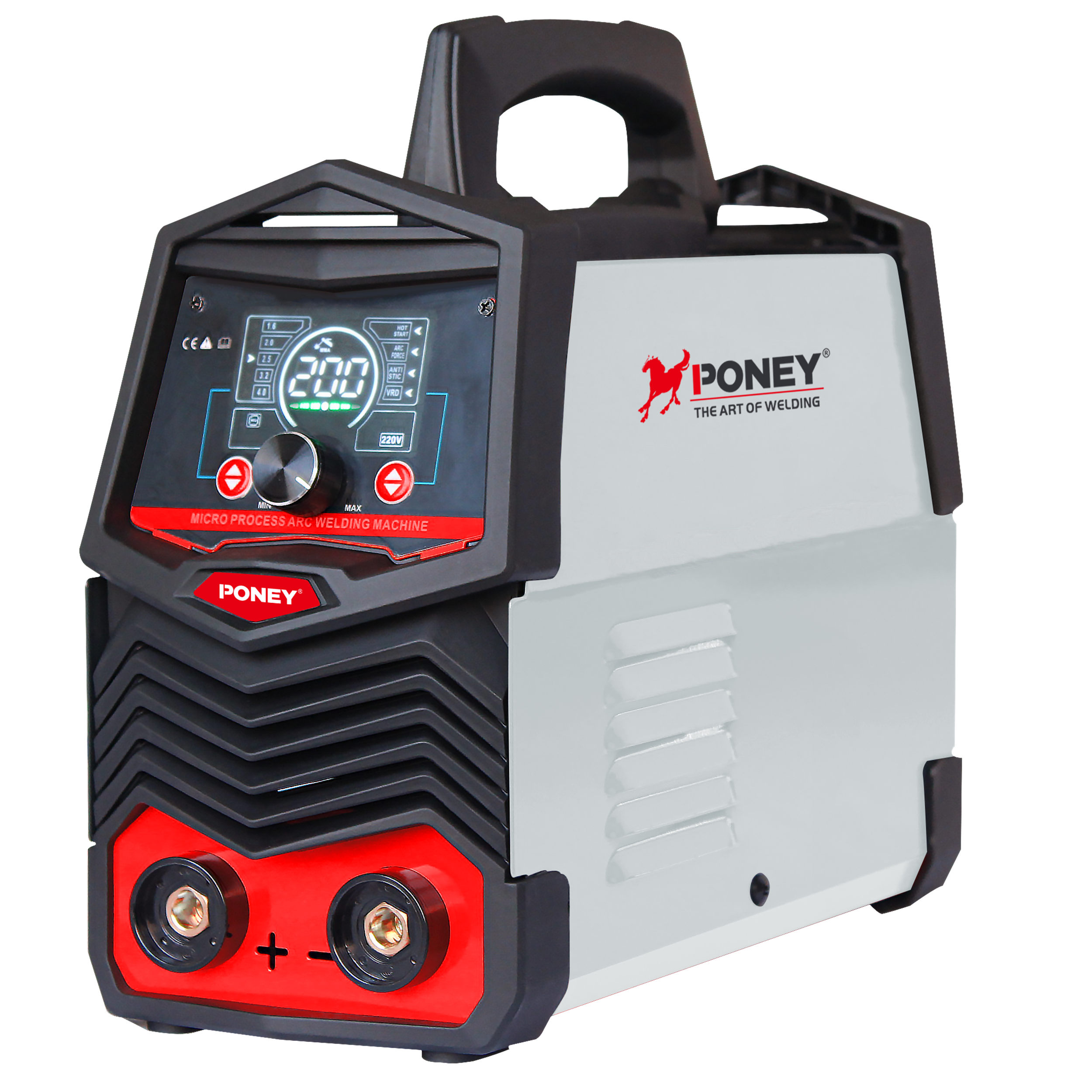
The arc welder has been a cornerstone of industrial fabrication for over a century, yet its relevance in modern manufacturing continues to grow. While automation and advanced technologies have transformed many production environments, the arc welder remains indispensable in applications where precision, flexibility, and cost-effectiveness converge. Understanding why arc welder techniques persist in contemporary fabrication workflows reveals fundamental truths about industrial production that no amount of technological advancement has rendered obsolete.
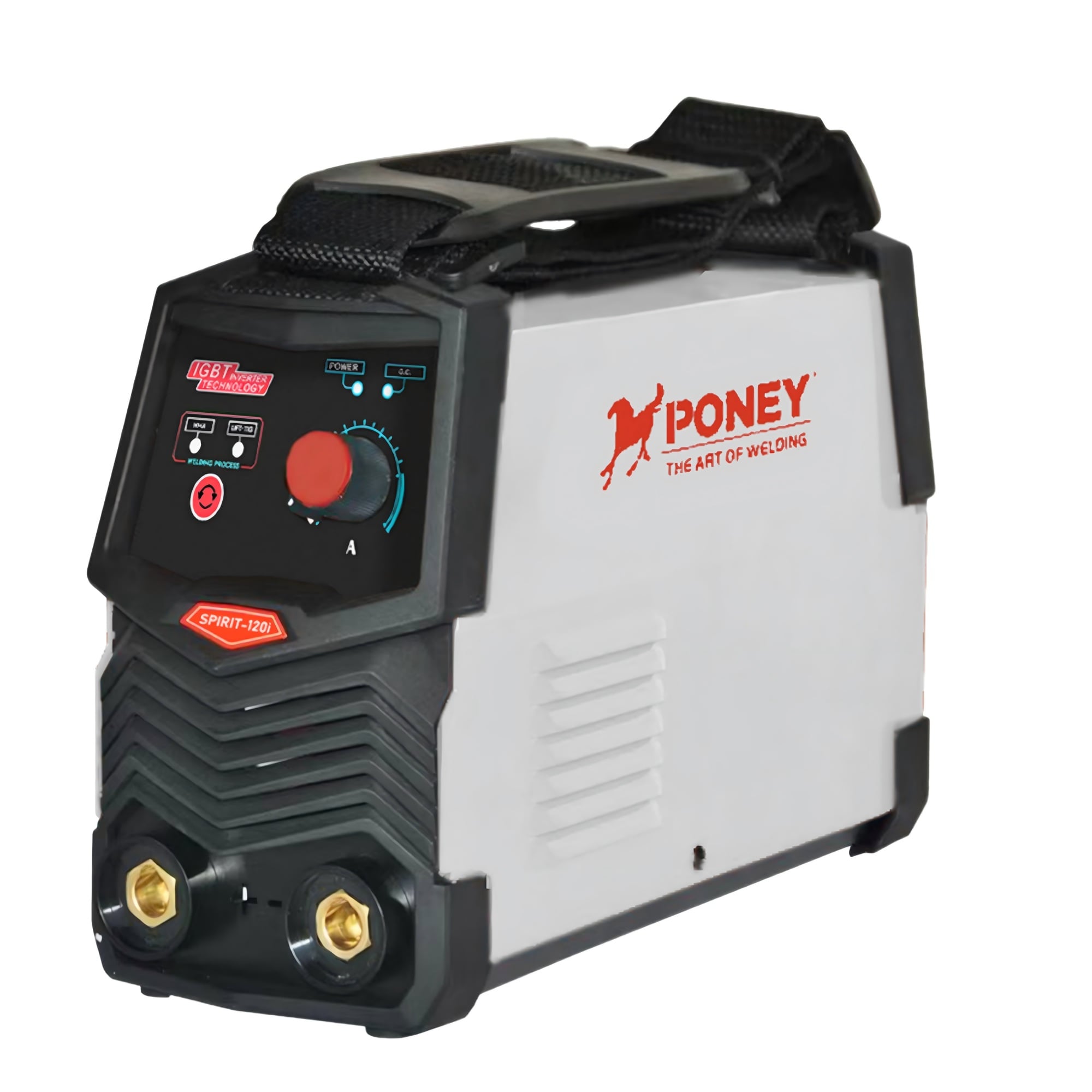
Modern fabrication demands reliability, adaptability, and proven performance. An arc welder delivers all three qualities consistently across diverse industrial sectors. Whether in heavy equipment construction, structural steel assembly, pipeline welding, or on-site field repair operations, the arc welder technique has proven its staying power by solving real-world challenges that emerging technologies have yet to fully address. The synergy between operator skill, equipment capability, and material science means that arc welder expertise remains a competitive advantage in fabrication markets worldwide.
The Unmatched Versatility of Arc Welder Performance
Adapting to Variable Field Conditions
One reason the arc welder continues to dominate fabrication workflows is its remarkable adaptability to unpredictable working environments. Unlike robotics-dependent systems that require controlled shop floors, an arc welder operates effectively outdoors, in confined spaces, and across temperature extremes. When a structural fabricator faces wind conditions, surface contamination, or tight geometric constraints on a bridge assembly, the arc welder operator can adjust technique, amperage, and positioning in real time. This flexibility is irreplaceable in construction-phase welding where conditions rarely match laboratory ideals.
Material Compatibility and Joint Performance
The arc welder excels with a broader range of materials than many newer welding processes. From mild steel and stainless steel to cast iron and certain nonferrous alloys, an arc welder can handle materials that automated systems struggle with or cannot process efficiently. Joint quality from an arc welder is also particularly strong in thick sections, where penetration depth and heat distribution matter critically. Fabricators choosing an arc welder for heavy-gauge work know they are investing in predictable, repeatable results that have been validated across decades of field experience and regulatory approval.
Cost Efficiency and Return on Investment in Arc Welder Operations
Lower Capital Investment and Operational Expenses
Equipment acquisition is a significant decision in any fabrication workflow. The arc welder stands out for its relatively modest initial cost compared to robotic welding systems, laser systems, or advanced hybrid technologies. When a fabrication shop invests in an arc welder unit, consumables like electrodes and shielding gases are affordable and widely available. An arc welder technician trained through apprenticeship or vocational programs brings years of practical expertise at a fraction of the cost of programming and maintaining automated systems. For job shops, contract fabricators, and emerging producers, the arc welder remains the most economically rational choice.
Scalability Without Prohibitive Infrastructure
Growth in fabrication capacity does not always require corresponding growth in facility complexity. An arc welder is portable, requires minimal infrastructure beyond electrical supply, and can be deployed wherever work occurs. Whether adding capacity on-site or supporting field assembly operations, fabricators can scale arc welder output without the deep capital commitments that robotic or fully automated systems demand. This scalability advantage means that even as a shop grows, arc welder techniques remain economically competitive alongside or even superior to more complex alternatives.
Skill Development and Workforce Continuity Through Arc Welder Training
Building a Sustainable Skilled Labor Pipeline
An arc welder expertise base provides a stable foundation for workforce development. Trade schools, community colleges, and employer-sponsored apprenticeships have established proven curricula for arc welder training. Graduates emerge with certifications recognized across industries, creating a reliable supply of qualified technicians. As experienced arc welder professionals advance into supervisory roles, their knowledge compounds, creating institutional capability that strengthens the entire fabrication operation. This continuity matters deeply in sectors where production consistency and quality standards depend on accumulated human expertise.
Cross-Training and Operational Resilience
When production workflows rely heavily on automated systems, equipment downtime creates cascading disruptions. An arc welder operator, by contrast, can transition between different welding positions, material types, and joint geometries with minimal retooling. This flexibility acts as operational insurance, allowing fabrication shops to maintain output even when equipment malfunctions or demand shifts suddenly. Multiple arc welder technicians within a team also create redundancy, ensuring that no single person's absence derails critical production. This resilience is a tangible competitive advantage that modern fabrication managers increasingly value.
Quality Assurance and Regulatory Compliance in Arc Welder Fabrication
Meeting Stringent Code Requirements and Inspection Standards
Fabrication work in pressure vessels, pipelines, structural steel, and aerospace components must meet exacting codes and standards. An arc welder creates welds that are fully traceable, inspectable, and compliant with American Welding Society standards and other regulatory frameworks. Unlike some newer processes that lack extensive historical data or industry acceptance, arc welder technology has been thoroughly validated by decades of service and regulation. Inspectors and certification bodies have comprehensive understanding of arc welder performance, making compliance straightforward and reducing approval timelines.
Documentation and Repeatability in Quality Systems
Quality assurance in fabrication depends on reproducibility and thorough documentation. An arc welder process, when controlled through qualified procedures, produces consistent results that can be monitored and recorded systematically. Preheat temperatures, electrode types, travel speeds, and cooling rates are all manageable variables within an arc welder operator's control. This manageability translates directly into quality documentation that satisfies auditors, customers, and regulatory agencies. Facilities pursuing ISO 9001 or other quality certifications find that arc welder operations integrate smoothly into comprehensive quality management systems.
FAQ
Why do fabricators still choose arc welder technology over newer alternatives?
Fabricators choose arc welder technology because it combines proven reliability, lower cost, exceptional adaptability, and a stable skilled workforce. An arc welder operates in conditions where automated systems fail, handles a wider material range, and requires significantly lower capital investment. For job shops, field assembly, and contract fabrication, the arc welder remains the most economically sound and operationally flexible option. Additionally, decades of regulatory validation and code acceptance mean that arc welder welds are immediately accepted by inspectors and customers.
How does an arc welder contribute to workforce development?
An arc welder creates a clear career pathway through established apprenticeships and trade certifications. Training programs for arc welder operators are standardized, widely available, and produce graduates with recognized credentials. This accessibility builds a consistent labor pipeline, reduces training costs compared to programming complex automated systems, and creates advancement opportunities into supervision and management. Facilities benefit from a stable talent pool and institutional knowledge that strengthens long-term competitiveness.
Can an arc welder meet modern quality and compliance standards?
Yes, an arc welder fully meets modern quality standards when operated under qualified welding procedures. Arc welding has been extensively tested, documented, and validated by regulatory bodies, making it fully compliant with American Welding Society codes, pressure vessel standards, and structural steel regulations. The controllability of arc welder parameters, combined with comprehensive inspection protocols, ensures that fabricated joints meet or exceed all applicable requirements. This proven compliance status makes arc welder technology a trusted choice for safety-critical and regulated applications.