EN
EN


Manual metal arc welding, commonly known as MMA, remains one of the most versatile and widely used welding processes in industrial fabrication, maintenance, and field applications. The success of any MMA operation depends critically on understanding how specific process parameters influence both arc stability and the quality of the resulting bead. When operators and engineers grasp the relationships between voltage, current, electrode speed, and other MMA variables, they gain the ability to produce consistent, high-quality welds across diverse materials and thicknesses.
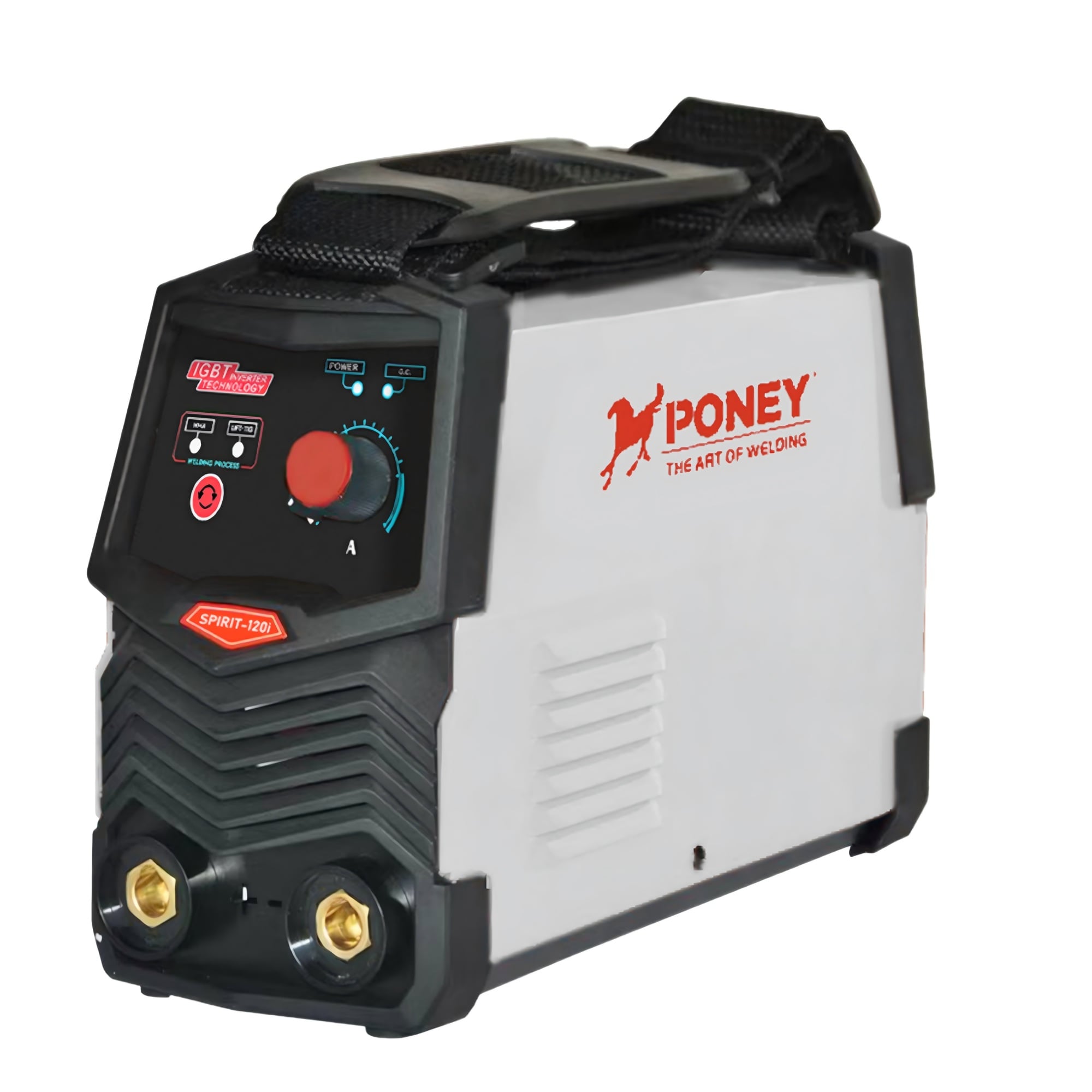
Arc stability in MMA is not a static condition but rather a dynamic balance maintained by careful control of electrical and mechanical parameters. The bead profile, penetration, and overall weld appearance depend directly on how well these MMA parameters are managed throughout the welding operation. This article explores the primary process variables that drive arc behavior and bead geometry, providing practical guidance for optimizing MMA performance in real-world welding scenarios.
Understanding Core MMA Process Variables
Welding Current and Arc Stability
Welding current stands as the foundation of MMA arc control. In MMA applications, current directly determines the heat input to the workpiece and influences how the electrode melts and transfers metal across the arc gap. Higher current levels increase the melting rate of the electrode and deeper penetration, but excessive current can destabilize the MMA arc, causing spatter and irregular bead formation. The relationship between current and MMA arc stability is nearly linear within recommended ranges; too low and the arc becomes unstable or extinguishes, too high and control suffers.
For a given electrode type used in MMA welding, manufacturers specify an optimal current range that balances depositional efficiency with arc stability. Operating within this range ensures that MMA parameters maintain a stable arc cone and consistent metal transfer. When MMA current deviates significantly from these specifications, operators often observe erratic arc behavior, increased spattering, and unpredictable bead width and reinforcement.
Arc Voltage Influence on Bead Geometry
Arc voltage in MMA processes affects the arc length and the mode of metal transfer. Higher voltage in MMA operations tends to produce wider beads with shallower penetration, while lower voltage creates narrower, more penetrating beads. The interaction between MMA voltage and current determines the energy balance in the welding zone. Proper voltage control in MMA ensures that the arc length remains consistent, which is essential for maintaining stable arc conditions and uniform bead appearance.
Voltage instability in MMA welding can result from poor electrode contact, contaminated surfaces, or inadequate power supply regulation. When MMA arc voltage fluctuates, bead consistency suffers, penetration becomes unpredictable, and surface quality deteriorates. Modern MMA power sources with advanced control circuits help stabilize voltage, creating more predictable and reproducible welds even under challenging field conditions.
Electrode Selection and Its Impact on MMA Performance
Electrode Type and Arc Burning Characteristics
The electrode selected for MMA welding fundamentally shapes how the arc behaves and how the bead forms. Different electrode classifications, whether cellulose, rutile, or basic-coated, create distinctly different MMA arc characteristics. Cellulose electrodes produce a more forceful arc with deeper penetration but higher spattering, while rutile electrodes in MMA applications generate a smoother, more stable arc with better bead appearance and easier slag removal.
When choosing MMA electrodes for specific applications, engineers must consider not only the base metal composition but also the desired arc stability profile and bead control requirements. Basic electrodes, used in many MMA structural applications, offer excellent mechanical properties and low hydrogen content, though they require careful parameter management to maintain MMA arc stability. Each electrode type imposes different optimal MMA current and voltage windows, which operators must respect to achieve the best results.
Electrode Diameter and Heat Distribution
Electrode diameter in MMA processes directly correlates with the maximum recommended current and the resulting heat distribution pattern. Thicker electrodes used in MMA welding can carry higher currents, depositing metal faster but distributing heat across a wider zone. Thinner MMA electrodes suit lower currents and allow greater positional control, particularly in overhead or vertical welding situations. The diameter selection fundamentally influences MMA bead geometry and the ease with which operators maintain arc stability.
In MMA applications involving multiple passes, electrode diameter selection cascades through the entire welding sequence. A larger diameter electrode in the root pass of MMA welding might provide better penetration, but subsequent MMA passes using thinner electrodes ensure better bead shape and easier slag removal. Balancing electrode size across the welding procedure is essential for predictable MMA arc behavior and consistent bead control throughout the job.
Travel Speed, Technique, and MMA Bead Profile
Travel Speed Effects on Bead Geometry
Travel speed in MMA welding directly determines how long the arc remains in contact with any given point on the workpiece. Slower travel speeds allow greater heat input per unit length, increasing bead width and penetration but risking burn-through on thin materials and creating wider heat-affected zones. Fast travel speeds in MMA reduce heat input, narrow the bead, and minimize distortion, but insufficient dwell time can result in shallow penetration and incomplete fusion.
The optimal MMA travel speed depends on joint configuration, material thickness, and the specific electrode being used. Operators must maintain consistent travel speed to produce uniform bead appearance; speed fluctuations in MMA welding create variable bead width, inconsistent penetration, and visible defects. Electronic wire feeders and travel carriages improve MMA consistency by maintaining programmed speeds, but even in manual MMA operations, developing steady hand movement technique is critical for bead control.
Arc Angle and Electrode Positioning
The angle at which an operator holds the electrode relative to the workpiece significantly influences how MMA arc energy is directed and how bead shape develops. A perpendicular electrode angle in MMA welding creates symmetric bead profiles with balanced penetration, while angled electrodes produce asymmetric beads and can force molten metal in specific directions. In drag angle (backhand) MMA techniques, the electrode angle increases penetration and control, while push angle (forehand) methods promote faster travel and wider beads.
Maintaining consistent electrode angle throughout an MMA pass is essential for bead uniformity and arc stability. Angle variations in MMA operations can disrupt the arc cone geometry, causing sudden changes in metal transfer patterns and bead formation. Proper MMA technique training emphasizes holding steady electrode angles, which directly translates to more predictable arc behavior and superior bead control, particularly in critical structural applications where weld quality directly affects service performance.
Practical MMA Parameter Optimization
Balancing Multiple Variables for Arc Stability
Achieving optimal arc stability in MMA operations requires simultaneous consideration of current, voltage, electrode type, and travel technique. No single parameter operates in isolation; changes to MMA current necessitate voltage adjustments, electrode selection influences both current range and optimal travel speed, and technique directly affects how well the arc parameters translate to bead quality. Experienced MMA operators develop intuition for these relationships, adjusting multiple parameters in concert to maintain stable conditions across varying joint geometry and material conditions.
Professional MMA welders document their successful parameter combinations and build procedure specifications that standardize these relationships. When troubleshooting MMA problems such as porosity, undercut, or erratic bead profile, methodically adjusting one MMA variable at a time while observing arc behavior helps isolate root causes. This systematic approach to MMA parameter management reduces scrap rates, improves first-pass success, and builds operator confidence in their ability to execute quality welds consistently.
Environmental and Material Considerations
Surface cleanliness profoundly affects MMA arc stability and bead control. Mill scale, rust, and oil films create electrical resistance that disrupts the MMA arc path and reduces arc stability. Proper surface preparation before MMA welding, including wire brushing or grinding to bare metal, ensures consistent electrical contact and predictable arc behavior. Similarly, base material composition influences the electrical properties of the joint and how MMA parameters must be adjusted.
Ambient conditions in MMA welding also matter; wind and drafts can cool the arc, affecting voltage stability and bead shape. Indoor MMA operations typically produce more consistent results than outdoor field welding, where mma equipment must compensate for environmental variables. Modern inverter-based MMA power sources provide better voltage regulation and arc stability than traditional transformer machines, helping maintain consistent bead control even when external conditions fluctuate.
FAQ
How does increasing MMA current affect arc stability?
Increasing current in MMA welding strengthens the arc force and improves penetration, but only within the electrode's rated range. Excessive current destabilizes the arc, increasing spatter and creating irregular bead geometry. Conversely, insufficient current produces a weak, unstable arc prone to extinction. The optimal MMA current balances robust arc force with controlled metal transfer, typically specified by the electrode manufacturer for each electrode type and diameter.
Why is electrode selection critical for MMA bead control?
Electrode selection determines the arc characteristics and metal transfer mode fundamental to MMA welding. Different electrode coatings create different slag chemistry, gas shielding, and metal deposition patterns. A rutile electrode produces a smoother, more stable MMA arc suited to flat and horizontal positions, while basic electrodes offer superior mechanical properties but require more careful parameter management. Matching the MMA electrode type to the application and position ensures the best combination of arc stability and bead quality.
What role does travel speed play in MMA bead control?
Travel speed in MMA welding directly controls the heat input per unit length and the resulting bead width and penetration. Consistent travel speed produces uniform bead appearance and predictable penetration; variations create defects and poor quality. Slower MMA travel speeds increase penetration and bead width, while faster speeds narrow the bead and reduce heat input. Operators must match travel speed to the joint thickness, electrode diameter, and desired bead profile to maintain optimal MMA arc behavior and bead control.