EN

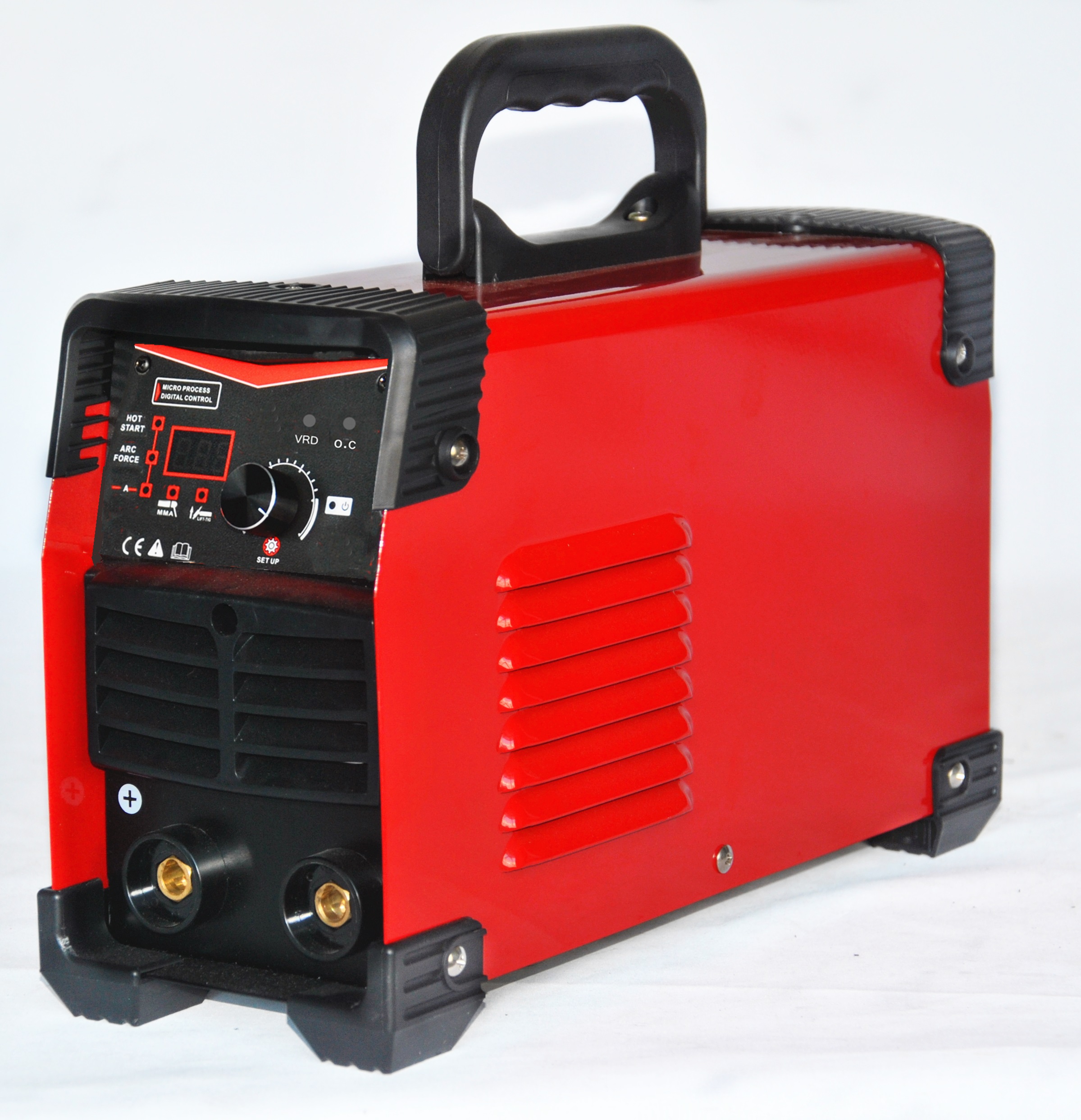
The ability to work effectively across diverse materials represents one of the most valuable strengths of modern repair operations. When equipment fails or structural components require restoration, technicians need a welding method that can handle cast iron, stainless steel, carbon steel, aluminum, and exotic alloys without requiring constant equipment reconfiguration. MMA welding stands out as the solution that adapts seamlessly to these material challenges. Unlike specialized techniques that excel in narrow applications, MMA delivers consistent results across a broad spectrum of industrial materials, making it the backbone of professional repair shops worldwide. Understanding how MMA adjusts its parameters and electrode selection to suit different materials is essential for anyone managing repair operations or making equipment purchasing decisions.
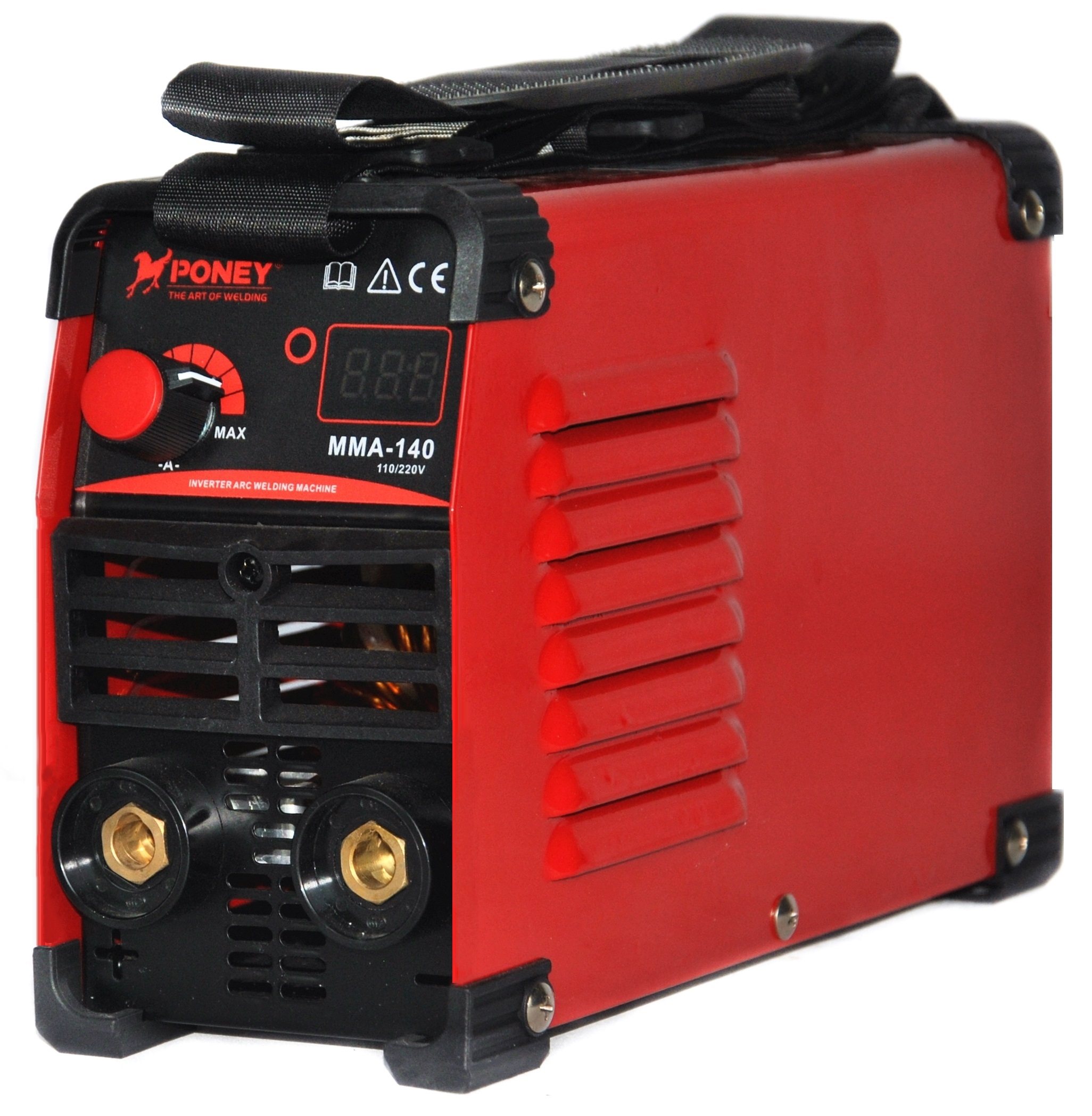
The core principle behind MMA's adaptability lies in its electrode-driven approach. MMA welding relies on consumable electrodes that carry the welding current directly to the joint, while simultaneously providing filler material and a protective flux coating. This design creates a self-contained system where technicians can switch electrodes to match material properties, thickness requirements, and environmental conditions. When a repair facility receives a cast iron pump body one day and a stainless steel tank the next, the MMA operator simply selects the appropriate electrode specification and adjusts basic machine settings like amperage and voltage. This flexibility explains why MMA remains the preferred method in general repair facilities, maintenance departments, and field service operations across heavy industry.
Material-Specific Electrode Selection in MMA Operations
Carbon Steel and Low-Alloy Steel Applications
Carbon steel dominates industrial repair work, accounting for the majority of structural repairs, pipeline restoration, and equipment refurbishment projects. MMA welding adapts to carbon steel through rutile and basic electrode formulations that deliver excellent penetration and deposition rates. When MMA operators encounter mild steel repairs, they typically select electrodes in the AWS E70XX classification, which provides reliable arc characteristics and sufficient strength for most applications. The MMA method allows straightforward voltage and amperage adjustments to match plate thickness, whether working on thin sheet metal or heavy structural sections. Low-alloy steels require slightly different electrode chemistry, but MMA easily accommodates these materials through E80XX or E90XX electrodes without requiring specialized equipment modifications.
Stainless Steel and Corrosion-Resistant Materials
Stainless steel presents unique challenges in repair environments because improper welding can trigger sensitization and corrosion in the heat-affected zone. MMA welding adapts to stainless steel through austenitic electrodes that maintain the material's corrosion resistance while providing adequate joint strength. Repair technicians using MMA can select electrodes like E308L or E316L, which match the base metal composition and prevent chromium depletion in the weld heat zone. The MMA process allows operators to control heat input through careful amperage selection, enabling lower interpass temperatures that minimize sensitization risk. This adaptability makes MMA particularly valuable in food processing, pharmaceutical, and chemical plant repair applications where corrosion resistance directly impacts production safety and regulatory compliance.
Thermal and Metallurgical Adaptation Mechanisms
Heat Input Control and Material Response
Different materials respond distinctly to welding heat, and MMA welding provides precise control mechanisms to manage these responses. Cast iron, for example, requires careful heat management because rapid cooling creates brittle microstructures that cause cracking in repairs. When MMA operators work on cast iron components, they reduce amperage to lower heat input, preheat the base metal, and maintain warm interpass temperatures throughout the welding sequence. This thermal adaptation strategy prevents sudden thermal shock that would otherwise compromise repair durability. Conversely, aluminum requires relatively high heat input to ensure adequate penetration, but MMA welding equipment can be adjusted to deliver this energy without overheating thin sections. Technicians can also select specialized aluminum electrodes that improve weldability and reduce porosity risk in these critical repairs.
Arc Stability and Penetration Adjustment
The arc characteristics of MMA welding naturally adapt to different materials through electrode composition and machine settings. When MMA electrodes are designed for cast iron repairs, they produce a relatively cool arc with slower cooling rates, giving the material time to relieve internal stresses. For structural steel repairs requiring deeper penetration into thicker sections, MMA electrodes and machine parameters shift toward higher amperage and more aggressive arc behavior. This capability to modulate arc characteristics without equipment replacement represents a fundamental advantage that makes MMA the standard method in mixed-material repair environments. Operators working with MMA equipment can fine-tune voltage and amperage within ranges that optimize weld pool fluidity, penetration depth, and bead appearance for each specific material being repaired.
Field Repair Versatility and Material Challenges
Multi-Material Repair Scenarios in Industrial Settings
Real-world repair situations frequently demand that a single technician address multiple materials during one service visit. A mining operation might require steel frame repair, cast iron component restoration, and stainless hardware installation in the same shutdown window. MMA welding adapts to these mixed-material scenarios more readily than specialized processes because the operator carries a variety of electrodes and relies on simple machine parameter adjustments rather than complex equipment reconfigurations. When a bearing housing made from ductile iron requires reinforcement next to carbon steel structural members, the MMA operator selects appropriate electrodes, adjusts amperage, and completes both repairs with a single welding machine. This operational flexibility reduces downtime, minimizes inventory complexity, and enables small repair crews to maintain diverse industrial assets without requiring multiple specialized welding systems.
Wear Surfaces and Hardfacing Applications
MMA welding extends beyond simple joint creation into hardfacing and wear repair applications that demand materials with specific hardness and abrasion resistance properties. When excavator buckets, crusher plates, or blade edges wear beyond acceptable limits, MMA can apply specialized hardfacing electrodes that create extremely hard surfaces bonded metallurgically to the base component. The MMA process allows operators to build these protective layers through multiple passes with controlled heat input, ensuring adequate hardness without creating brittle conditions that cause premature spalling. Different wear environments demand different hardfacing electrode chemistries, and MMA equipment accommodates these variations through electrode selection and amperage control. Industrial facilities use MMA hardfacing to extend component life by years, deferring expensive replacements and reducing the total cost of asset ownership across diverse material applications.
FAQ
Can MMA welding be used on all industrial metals without special equipment modifications?
MMA welding can be used on most industrial metals including carbon steel, stainless steel, cast iron, and low-alloy materials by selecting appropriate electrodes and adjusting basic machine parameters like amperage and voltage. However, some highly reactive materials like aluminum require careful technique and proper electrode selection, while certain exotic alloys may benefit from preheating or specific interpass temperature control. Equipment modification is rarely necessary; instead, MMA operators adapt their electrode choice and machine settings to suit each material's metallurgical characteristics and repair requirements.
What determines whether a repair facility should invest in MMA welding equipment for material versatility?
Repair facilities handling diverse materials across multiple industries typically benefit most from MMA welding investment because the process accommodates material variety through inexpensive electrode changes and basic parameter adjustments. If your operation regularly encounters carbon steel, cast iron, stainless steel, and hardfacing applications, MMA provides superior value compared to maintaining separate specialized welding systems. The lower equipment cost, minimal infrastructure requirements, and broad material compatibility make MMA the logical choice for general repair shops serving multiple industrial sectors.
How does MMA electrode selection influence repair quality when working with unfamiliar materials?
MMA electrode selection directly determines repair success because the electrode composition, flux chemistry, and mechanical properties establish the weld characteristics, corrosion resistance, and joint strength for each application. When encountering unfamiliar materials, experienced MMA technicians consult electrode manufacturers' specifications to identify electrodes matching the base metal composition and repair requirements. Proper electrode selection combined with appropriate amperage and preheat temperature ensures that MMA repairs meet material-specific performance standards and provide lasting durability in demanding industrial service conditions.