EN
EN

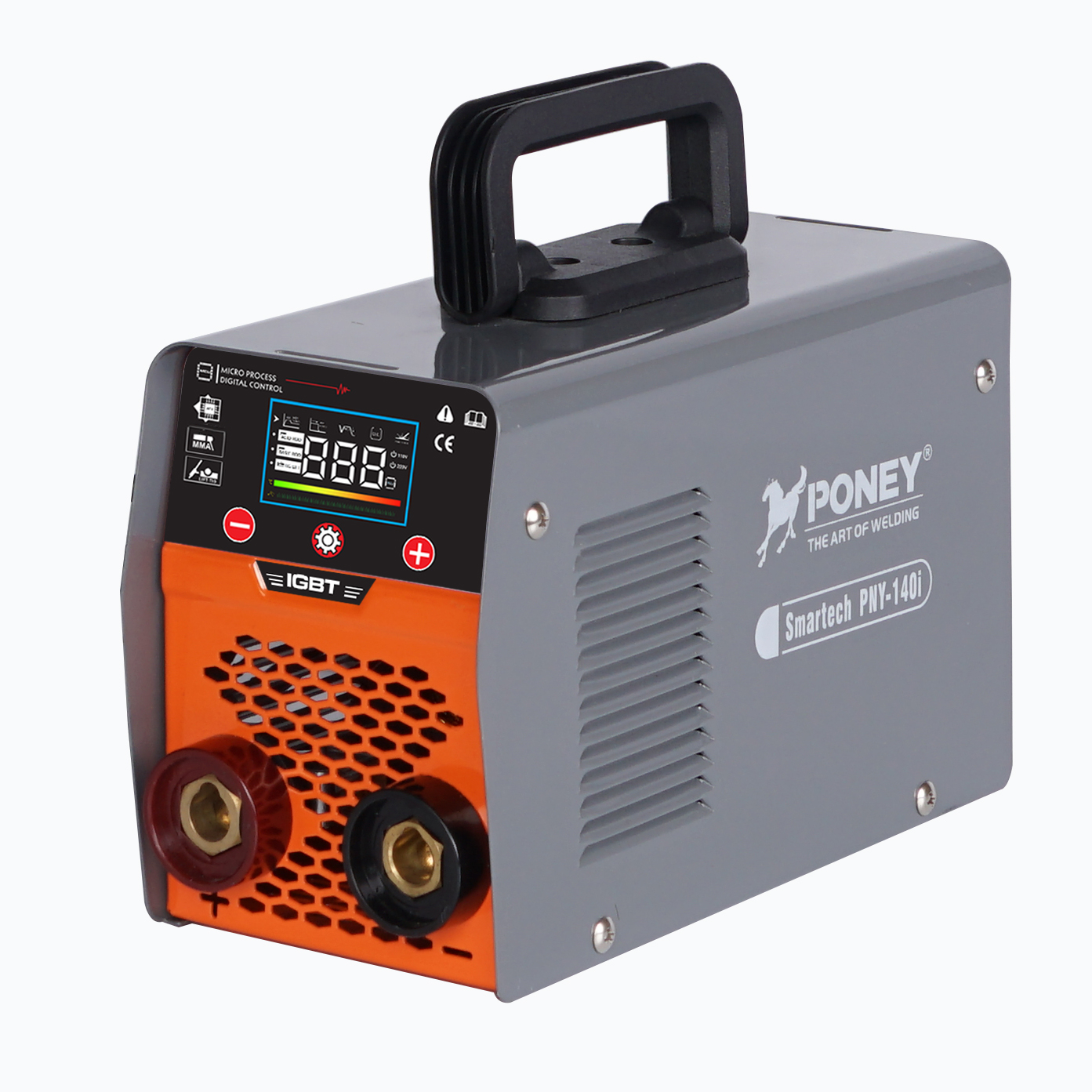
When welding work takes you far from the shop floor into rugged outdoor environments or isolated remote locations, the tools you choose determine your success. A stick welder stands out as the most reliable option for these challenging scenarios because it combines exceptional portability with unmatched durability and minimal infrastructure requirements. Unlike more complex welding systems, a stick welder operates independently of sophisticated power systems and requires no special gas supply lines, making it the preferred choice for construction sites, pipeline work, remote industrial installations, and emergency field repairs where conventional equipment simply cannot reach.
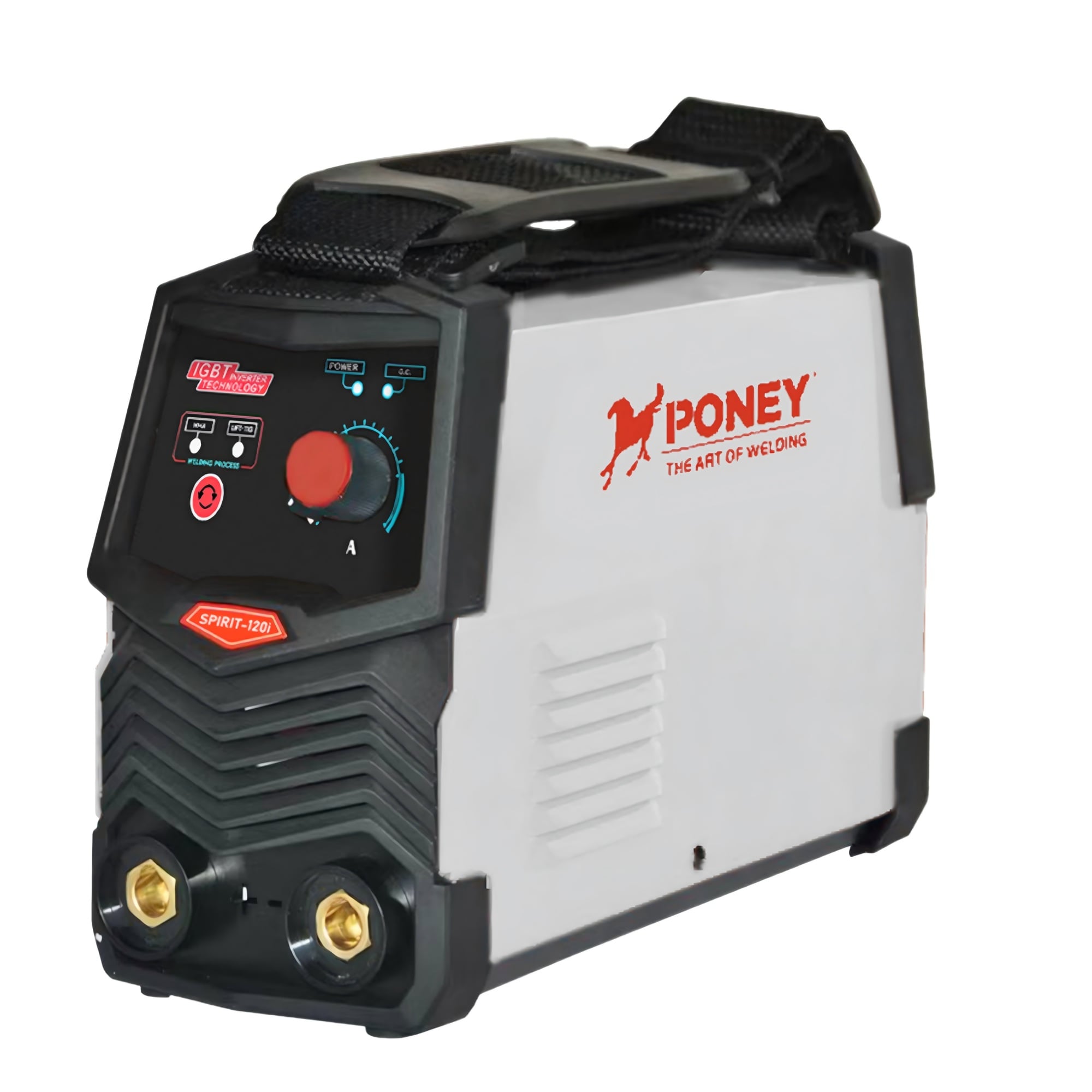
The performance advantages of a stick welder in outdoor and remote locations extend beyond basic functionality. These machines are engineered to withstand extreme temperatures, moisture, dust, and vibration—environmental stressors that would compromise delicate equipment. A stick welder thrives where other welding technologies falter, delivering consistent arc initiation and penetration even under adverse conditions. Whether you operate in freezing Arctic conditions, humid tropical climates, high-altitude remote sites, or windswept coastal regions, a stick welder maintains reliability and produces high-quality welds that meet industry standards.
Superior Portability and Independence of Stick Welder Systems
Lightweight Design and Compact Dimensions
A stick welder represents one of the most portable welding solutions available for field operations. Modern inverter-based stick welder units weigh significantly less than older transformer models, yet deliver superior arc quality and efficiency. The compact profile allows technicians to transport a stick welder by hand, in a vehicle, or via helicopter to remote job sites where heavy equipment logistics become impossible. This portability advantage means you can establish welding capability anywhere within minutes, without requiring specialized transport, infrastructure setup, or advance site preparation.
Minimal Infrastructure Requirements
Unlike MIG or TIG welding systems that demand shielding gas cylinders and complex hose routing, a stick welder operates with nothing more than electrode wire and a power source. A stick welder needs only basic electrical connection—either three-phase industrial power or single-phase standard outlet power—to function immediately. This independence from auxiliary systems eliminates the logistical nightmare of transporting and managing gas supplies to remote locations. A stick welder can operate in environments where gas supply chains are unreliable or impossible to establish, making it indispensable for truly isolated operations.
Environmental Durability and Weather Resistance
Rugged Construction for Harsh Conditions
A stick welder is built with industrial-grade components specifically designed to tolerate outdoor exposure. The robust metal housing protects internal circuitry from rain, salt spray, dust, and temperature fluctuations that would damage sensitive electronics in other welding systems. Field-tested stick welder designs feature reinforced cable connections, sealed junction points, and corrosion-resistant materials that maintain functionality across seasons and climates. This durability translates to reduced downtime, fewer equipment failures in critical project moments, and consistent performance whether welding occurs during monsoon season or extreme cold.
Reliable Arc Initiation in Adverse Weather
Wind, moisture, and low temperatures challenge the arc stability of some welding technologies, but a stick welder maintains exceptional arc initiation and stability even under these stressors. The stick welder electrode itself serves as the shielding medium—no external gas can blow away in strong winds or become unreliable at altitude. A stick welder's ability to produce stable arcs in challenging weather conditions makes it the trusted choice for offshore platform maintenance, mountain construction projects, and field repairs where weather delays are unacceptable. Electrode selection for specific conditions further enhances stick welder performance and allows operators to optimize for local environmental factors.
Cost Efficiency and Operational Flexibility
Lower Equipment and Operational Expenses
Deploying a stick welder to remote sites generates significantly lower total cost of ownership compared to gas-dependent systems. A stick welder eliminates recurring gas cylinder expenses, minimizes transportation logistics costs, and reduces the specialized personnel requirements that other technologies demand. The electrode costs for a stick welder remain predictable and stable across most global markets, supporting accurate project budgeting. For organizations operating multiple remote sites, maintaining several stick welder units and consumables inventory proves far more economical than managing complex gas supply chains and backup equipment for each location.
Versatility Across Material Types and Thicknesses
A stick welder handles an extraordinary range of materials and thicknesses that other portable systems cannot match effectively. Steel, stainless steel, cast iron, and high-strength alloys all respond well to stick welder techniques with appropriate electrode selection. A stick welder adapts from thin sheet metal to heavy structural components, from small repairs to major construction fabrication, often within the same project cycle. This versatility eliminates the need to transport multiple specialized welding systems to remote job sites, further reducing logistical complexity and equipment costs that would otherwise strain remote operations budgets.
Technical Advantages Specific to Remote Work
Stable Performance at Elevation and Extreme Locations
High-altitude remote projects introduce oxygen depletion and pressure changes that affect gas-shielded welding processes, yet a stick welder maintains consistent arc characteristics regardless of elevation. The self-contained shielding provided by the electrode coating ensures reliable performance at mountain altitudes, in deep industrial cavities, or at depths where external atmospheric conditions create complications. A stick welder's independence from environmental atmospheric composition represents a critical advantage when working in confined or unusual geometric spaces where conventional welding systems require adaptation or supplementary equipment modifications.
Simplified Maintenance and Repair Capability
Remote locations rarely offer technical support, replacement parts, or specialized repair resources, so equipment reliability becomes paramount. A stick welder features straightforward internal design with fewer electronic components that might fail in field conditions. When issues arise with a stick welder, field technicians can often diagnose and resolve problems using basic tools and common replacement parts that stock shelves at supplier locations worldwide. This maintainability advantage means your stick welder stays operational throughout long remote assignments without requiring evacuation to distant service centers or waiting periods that halt project progress.
FAQ
Why is a stick welder better than MIG welding for outdoor sites?
A stick welder does not require external shielding gas that wind can disperse, eliminating the primary failure mode of MIG systems in outdoor conditions. The stick welder electrode provides self-contained shielding through its coating, ensuring consistent arc stability regardless of weather. Additionally, a stick welder needs no complex gas cylinders or regulators, reducing logistics complexity for remote deployments where gas supply chains are unreliable or impossible to establish. MIG welding, while faster in controlled shop environments, becomes problematic outdoors due to gas flow disruption and higher sensitivity to moisture and temperature variables.
Can a stick welder operate from standard electrical outlets in remote areas?
Many modern stick welder units, particularly inverter-based designs, can operate from single-phase 120-volt or 240-volt standard electrical service, making them viable for remote locations with basic power infrastructure. A stick welder requires minimal amperage compared to older transformer-based systems, reducing the electrical service demand. However, for heavy structural welding in truly remote areas without reliable three-phase power, portable generators can easily supply a stick welder's power requirements. This electrical flexibility ensures a stick welder adapts to whatever power infrastructure exists at your remote job site, from rural communities to offshore platforms with their own generation systems.
What consumables and supplies are needed for stick welder operation?
A stick welder requires primarily electrodes appropriate for your material and welding parameters, plus basic safety equipment and maintenance supplies like wire brushes and chipping hammers. Unlike gas-shielded systems, a stick welder eliminates the need for gas cylinders, regulators, flowmeters, or specialty hoses. Remote sites can stock small quantities of various electrode types to handle multiple material and thickness scenarios. The simplified consumables profile for a stick welder makes inventory management straightforward and reduces the logistical burden of supply chain coordination across remote locations, allowing technicians to focus on welding work rather than equipment maintenance.