EN
EN

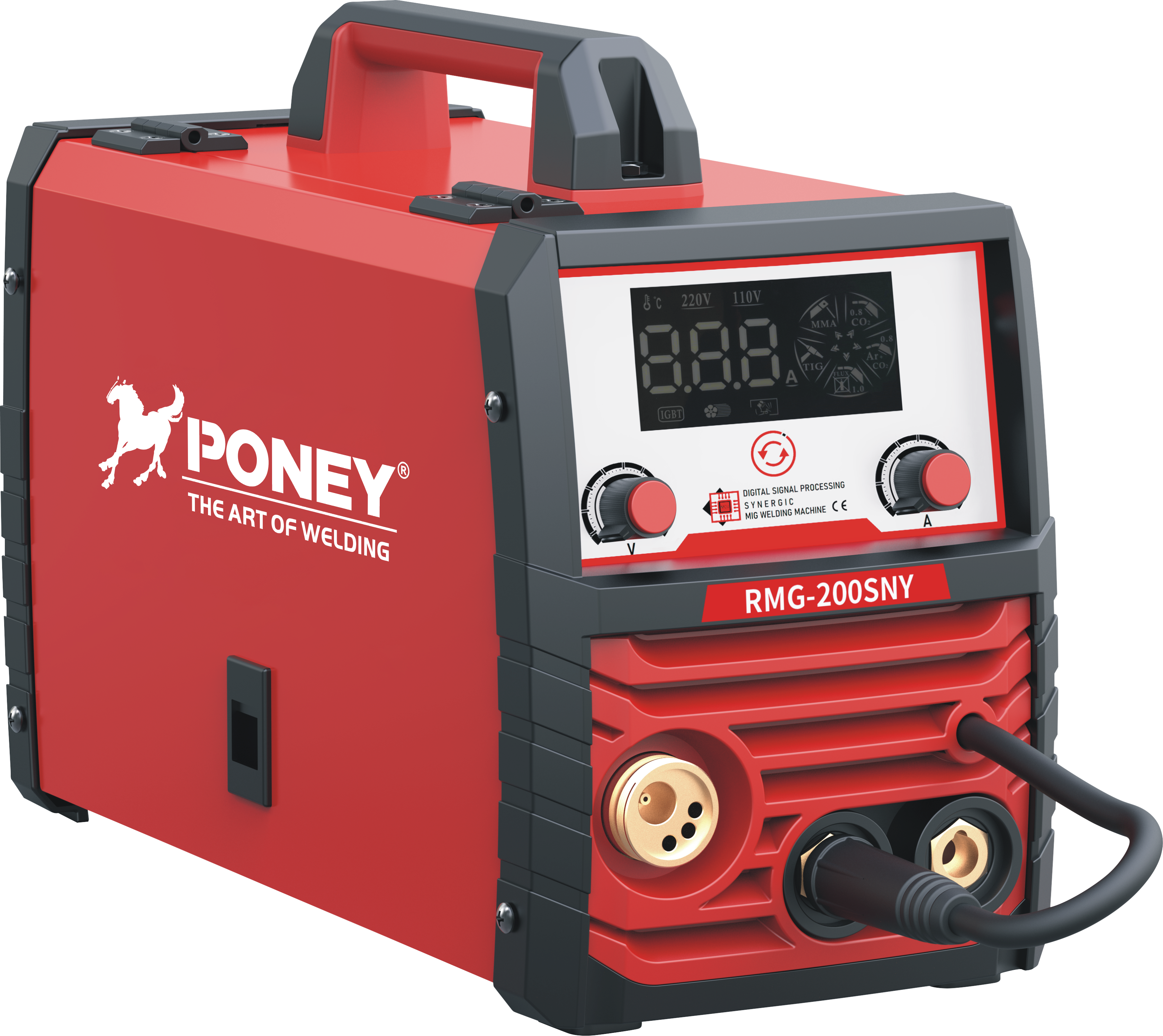
Understanding how waveforms in pulse mig welder technology directly influence spatter reduction is crucial for achieving superior weld quality and operational efficiency. The sophisticated control of electrical parameters through advanced waveform manipulation creates distinct advantages in managing material transfer, heat input, and ultimately the formation of unwanted spatter during the welding process.
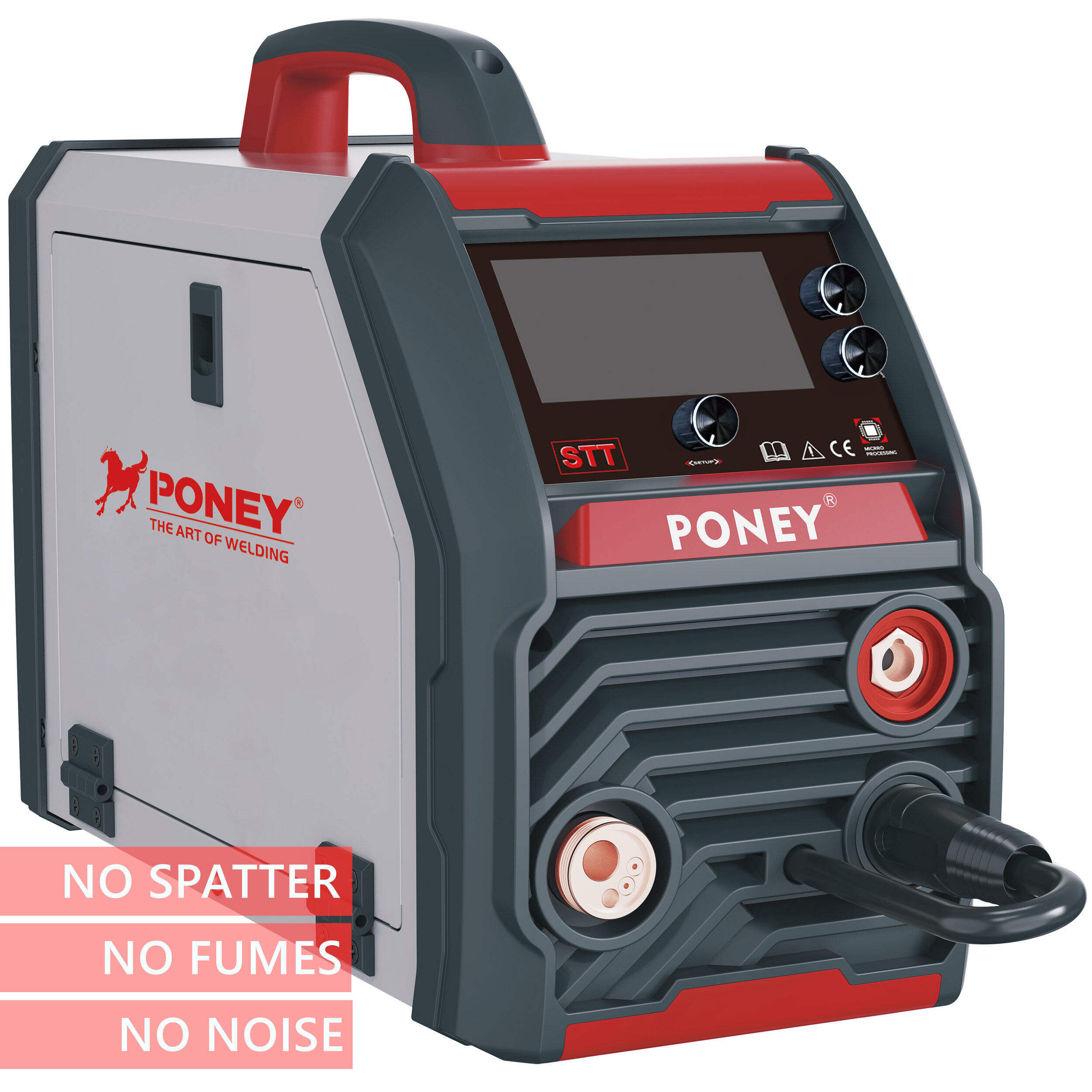
The relationship between pulse mig welder waveforms and spatter formation involves complex interactions between peak current, background current, pulse frequency, and pulse duration parameters. These electrical characteristics determine how molten metal transfers from the wire electrode to the weld pool, with properly optimized waveforms creating controlled droplet transfer that minimizes explosive spatter formation while maintaining consistent penetration and bead appearance.
Fundamental Mechanisms of Pulse Waveform Control
Peak Current and Background Current Interaction
The peak current phase in a pulse mig welder waveform serves as the primary force for metal transfer, creating sufficient electromagnetic pressure to detach molten droplets from the wire tip in a controlled manner. During this brief high-current phase, typically lasting 1-3 milliseconds, the intense heat generation melts the wire electrode while electromagnetic forces pinch the molten metal into spherical droplets. The magnitude of peak current directly influences droplet size, with higher peak currents producing larger droplets that require more precise timing to prevent irregular transfer patterns that contribute to spatter formation.
Background current maintains the arc stability between peak pulses while preventing the wire from freezing to the workpiece surface. This lower current level, typically 20-40% of the peak current value, keeps the arc column ionized and provides continuous heating of the wire tip without causing metal transfer. The ratio between peak and background current in pulse mig welder systems determines the overall heat input characteristics and influences how smoothly molten metal flows into the weld pool, with optimized ratios reducing turbulence that creates spatter particles.
Pulse Frequency and Duration Effects
Pulse frequency in pulse mig welder operation controls how often metal transfer events occur, directly affecting the size and consistency of droplets entering the weld pool. Higher frequencies produce smaller, more frequent droplets that create less disturbance in the molten pool, reducing splash-back and spatter formation. Frequencies typically range from 50-500 Hz depending on wire diameter, material type, and desired transfer characteristics, with each frequency setting requiring specific pulse duration optimization for maximum spatter reduction effectiveness.
The pulse duration, or pulse width, determines how long the peak current flows during each cycle, affecting both droplet formation time and the energy available for controlled transfer. Shorter pulse durations create rapid, precise droplet detachment with minimal heat buildup in the surrounding base material, while longer durations may cause excessive heating and irregular transfer patterns. A pulse mig welder with properly calibrated duration settings ensures that each droplet forms completely and detaches cleanly without creating the violent transfer conditions that generate spatter particles.
Advanced Waveform Shaping Techniques
Ramp-Up and Ramp-Down Control
Modern pulse mig welder systems employ sophisticated current ramp rates that control how quickly the welding current transitions between background and peak levels. Gradual ramp-up phases allow the arc to stabilize and the wire tip to heat uniformly before reaching peak current, preventing sudden thermal shock that can cause irregular metal transfer and increased spatter formation. The controlled acceleration of current rise creates predictable electromagnetic forces that shape droplets consistently throughout the welding process.
Ramp-down control in pulse mig welder waveforms manages the transition from peak current back to background levels, ensuring that droplet detachment occurs at the optimal moment when electromagnetic pinch forces are strongest relative to surface tension forces. Abrupt current drops can leave partially formed droplets attached to the wire, creating unstable conditions for the next pulse cycle and increasing the likelihood of spatter generation. Properly programmed ramp-down curves maintain arc stability while allowing clean droplet separation that minimizes pool disturbance.
Multi-Phase Pulse Programming
Advanced pulse mig welder technology incorporates multiple current levels within each pulse cycle, creating complex waveforms that address different aspects of the metal transfer process simultaneously. Pre-pulse phases condition the wire tip and arc column before the main transfer pulse, while post-pulse phases help stabilize the weld pool after droplet impact. These multi-phase approaches provide fine-tuned control over heat distribution and electromagnetic forces throughout the complete transfer cycle.
Secondary pulse features in sophisticated pulse mig welder systems can include cleaning pulses that remove oxide films from the wire surface, stabilization pulses that maintain consistent arc length, and pool control pulses that manage weld pool fluidity. Each additional pulse phase contributes to the overall spatter reduction strategy by addressing specific sources of transfer instability that would otherwise create unwanted metal particles during the welding process.
Material-Specific Waveform Optimization
Aluminum Alloy Considerations
Welding aluminum alloys with pulse mig welder equipment requires specialized waveform characteristics to overcome the unique challenges posed by aluminum's high thermal conductivity and oxide formation tendencies. The rapid heat dissipation in aluminum necessitates higher peak currents and shorter pulse durations to achieve adequate droplet formation, while the persistent aluminum oxide layer requires specific current profiles that break through surface contamination without creating excessive spatter from violent arc action.
Aluminum welding applications benefit from pulse mig welder waveforms that incorporate AC components or specialized cleaning phases that address oxide layer disruption. The frequency selection becomes critical as aluminum's rapid solidification characteristics require precise timing to prevent droplet freezing during transfer. Optimized aluminum waveforms typically employ higher background currents than steel applications to maintain adequate wire heating between pulses, ensuring consistent droplet formation that minimizes spatter while achieving proper fusion characteristics.
Stainless Steel Applications
Stainless steel welding presents unique requirements for pulse mig welder waveform optimization due to the material's lower thermal conductivity compared to carbon steel and its tendency toward carbide precipitation when subjected to excessive heat input. The waveform parameters must balance adequate penetration with heat input control, typically employing moderate peak currents with extended pulse durations that allow thorough droplet formation without overheating the base material or creating heat-affected zone problems.
The austenitic structure of most stainless steel grades responds favorably to pulse mig welder frequencies in the middle range of 100-200 Hz, where droplet transfer occurs smoothly without the pool turbulence that creates spatter in stainless applications. The background current settings require careful adjustment to prevent wire sticking while maintaining arc stability, as stainless steel's electrical resistance characteristics differ significantly from carbon steel and affect current distribution patterns throughout the pulse cycle.
Practical Implementation Strategies
Parameter Synchronization Methods
Achieving optimal spatter reduction through pulse mig welder waveform control requires systematic synchronization of all electrical parameters with wire feed speed, travel speed, and shielding gas flow rates. The wire feed speed must match the metal deposition rate established by the pulse parameters, ensuring that wire extension remains constant and droplet formation occurs at the intended location relative to the weld pool. Mismatched wire feed speeds create irregular arc lengths that disrupt the carefully programmed waveform characteristics and increase spatter formation.
Travel speed coordination with pulse mig welder frequency settings ensures that each droplet has adequate time to integrate into the weld pool before the next transfer event occurs. Excessive travel speeds can cause droplets to impact solidified portions of the previous bead, creating splash patterns that generate spatter particles. The synchronization process typically involves iterative adjustment of multiple parameters while monitoring spatter levels and bead appearance to achieve the optimal balance for specific joint configurations and material combinations.
Real-Time Monitoring and Adjustment
Modern pulse mig welder systems incorporate feedback mechanisms that monitor arc voltage, current variations, and wire feed consistency to make real-time adjustments to waveform parameters. These adaptive systems detect irregularities in the welding process that could lead to increased spatter formation and automatically modify pulse characteristics to maintain optimal transfer conditions. Voltage feedback particularly helps identify changes in arc length that affect droplet trajectory and impact energy in the weld pool.
Arc monitoring technology in advanced pulse mig welder equipment can analyze the acoustic signature of the welding process to identify spatter-generating events and make predictive adjustments to prevent their recurrence. This technology recognizes the distinctive sound patterns associated with different types of metal transfer and automatically optimizes waveform parameters to maintain the smoothest possible transfer characteristics throughout extended welding operations.
FAQ
What pulse frequency range provides the best spatter reduction for most steel applications?
For most carbon and mild steel applications, pulse mig welder frequencies between 80-150 Hz typically provide optimal spatter reduction results. This frequency range allows adequate time for complete droplet formation while maintaining smooth transfer characteristics that minimize pool disturbance. Lower frequencies may create larger droplets that cause more splash, while higher frequencies can lead to incomplete droplet formation and irregular transfer patterns that increase spatter generation.
How does wire diameter affect the required pulse mig welder waveform parameters for spatter control?
Larger wire diameters require higher peak currents and longer pulse durations to achieve proper droplet formation and detachment, as the increased wire cross-section demands more energy for complete melting. Smaller wires can operate effectively with lower peak currents and higher frequencies, allowing more precise control over droplet size and transfer timing. The background current must also be adjusted proportionally to wire diameter to maintain consistent arc stability and prevent wire sticking between pulses.
Can incorrect shielding gas flow rates affect pulse mig welder waveform effectiveness for spatter reduction?
Yes, improper shielding gas flow significantly impacts pulse mig welder performance and can negate the spatter reduction benefits of optimized waveforms. Insufficient gas flow allows atmospheric contamination that creates irregular arc behavior and unpredictable metal transfer, while excessive flow creates turbulence that can deflect droplets and disturb the weld pool. The gas flow rate must be coordinated with pulse parameters to maintain stable arc conditions that support the intended waveform characteristics.
What role does ambient temperature play in pulse mig welder waveform optimization for spatter control?
Ambient temperature affects material thermal conductivity and arc stability characteristics, requiring adjustment of pulse mig welder parameters to maintain consistent spatter reduction performance. Higher ambient temperatures may necessitate reduced background current or shorter pulse durations to prevent overheating, while lower temperatures might require increased peak currents or longer pulse widths to achieve adequate droplet formation. Temperature compensation in waveform programming helps maintain optimal transfer characteristics across varying environmental conditions.
Table of Contents
- Fundamental Mechanisms of Pulse Waveform Control
- Advanced Waveform Shaping Techniques
- Material-Specific Waveform Optimization
- Practical Implementation Strategies
-
FAQ
- What pulse frequency range provides the best spatter reduction for most steel applications?
- How does wire diameter affect the required pulse mig welder waveform parameters for spatter control?
- Can incorrect shielding gas flow rates affect pulse mig welder waveform effectiveness for spatter reduction?
- What role does ambient temperature play in pulse mig welder waveform optimization for spatter control?