EN
EN

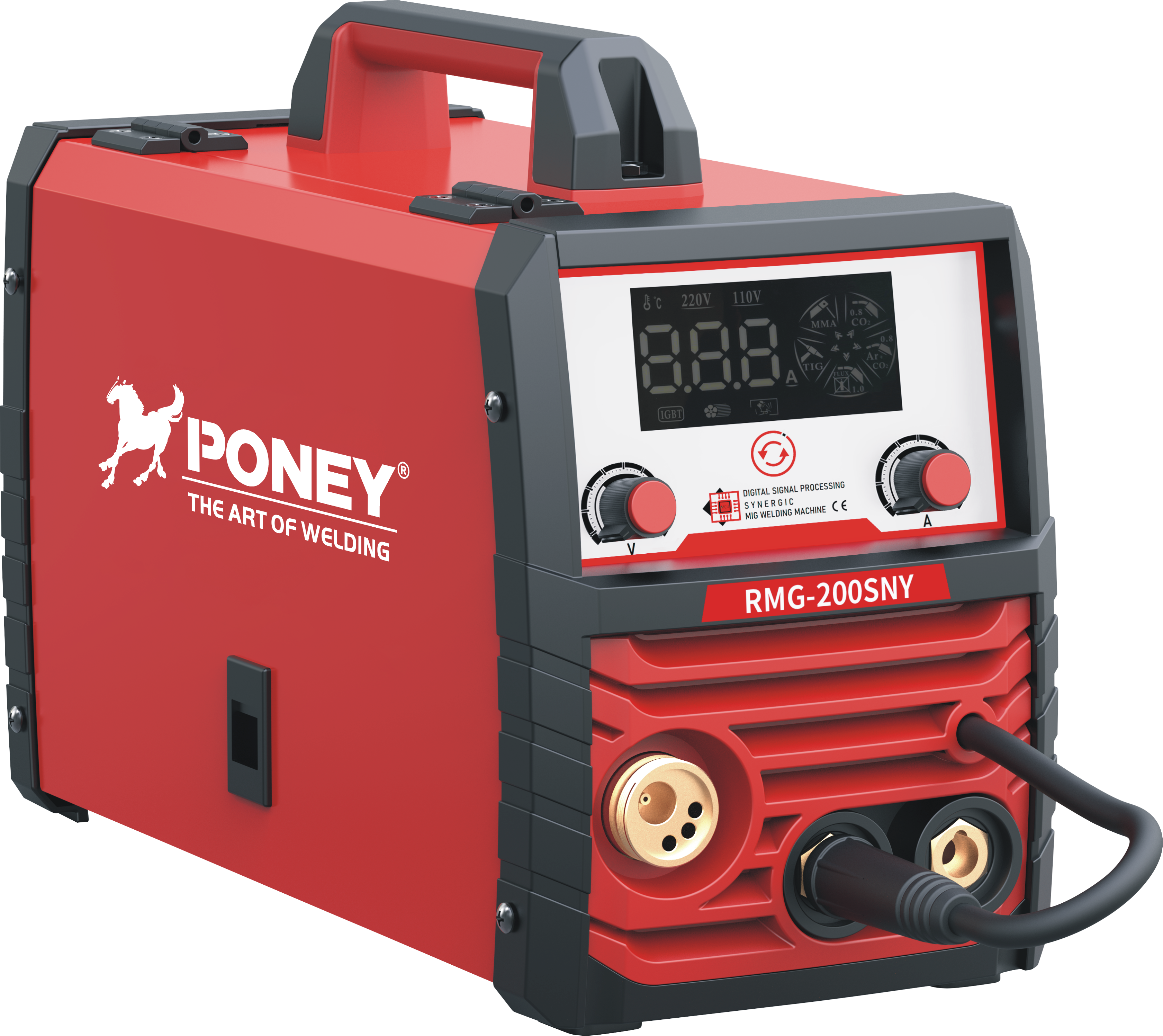
Welding thin metals presents unique challenges that traditional continuous arc welding methods often struggle to address effectively. When working with materials under 3mm thickness, excessive heat input can cause warping, burn-through, and inconsistent penetration that compromises structural integrity. A pulse mig welder offers precise control mechanisms that regulate heat input through alternating high and low current cycles, creating stable arc conditions that are essential for achieving consistent results on delicate materials.
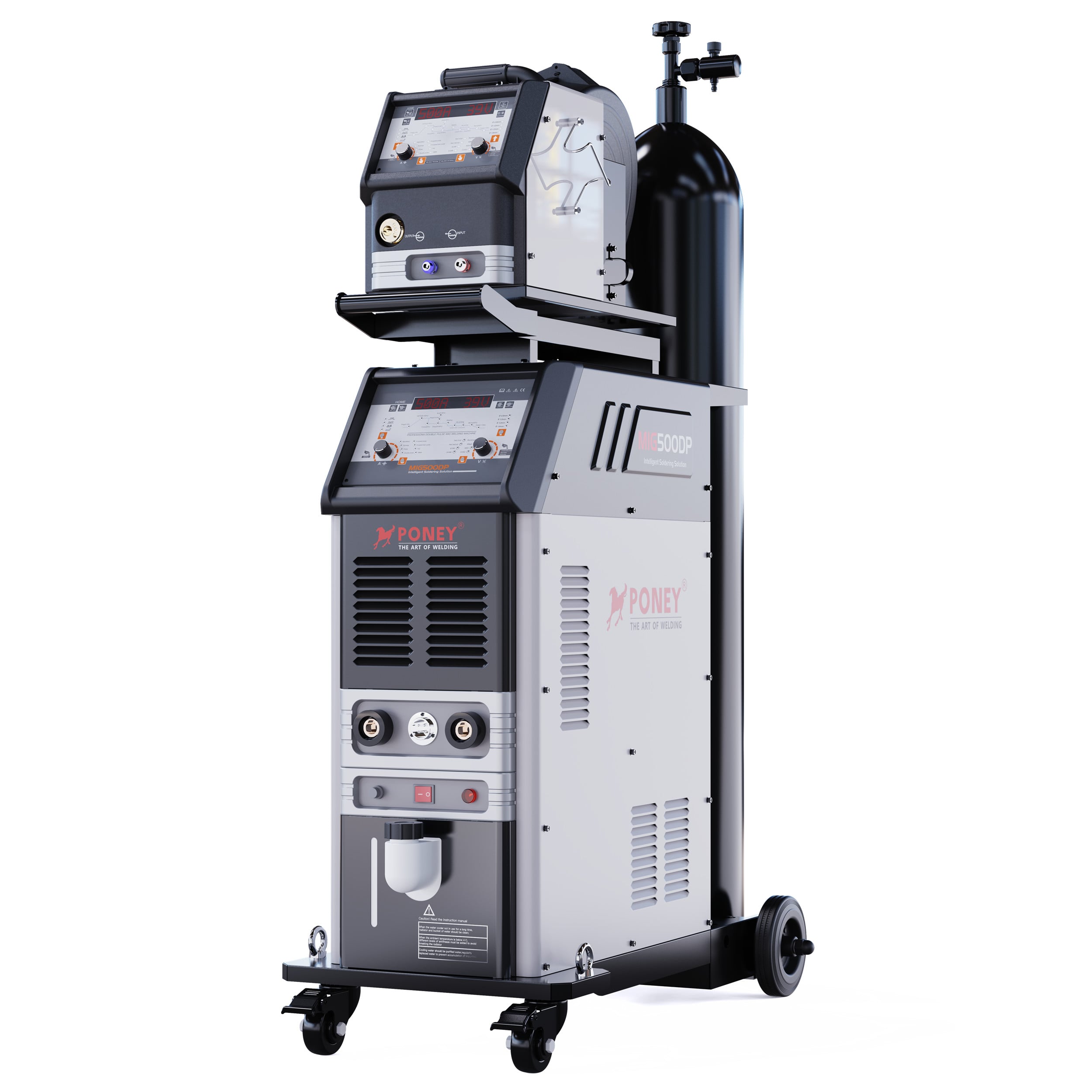
The sophisticated control systems in modern pulse mig welder equipment enable operators to maintain optimal weld pool dynamics while minimizing thermal distortion. By alternating between peak current for penetration and background current for cooling, these systems create controlled solidification patterns that result in superior mechanical properties and visual quality. This technology transforms challenging thin metal applications into manageable processes with predictable outcomes across various industrial applications.
Heat Input Management Through Pulse Control
Peak and Background Current Synchronization
The fundamental advantage of pulse mig welder technology lies in its ability to deliver precise heat input through synchronized current cycling. During the peak current phase, the system provides sufficient energy for proper fusion and penetration, while the background current phase allows the weld pool to partially solidify. This alternating pattern creates a controlled thermal environment that prevents the excessive heat buildup responsible for warping and burn-through in thin materials.
Advanced pulse mig welder systems utilize programmable parameters that allow operators to adjust peak current duration, background current levels, and pulse frequency according to material thickness and joint configuration. These parameters work together to establish optimal heat input rates that maintain fusion quality while preserving base material integrity. The synchronization between these phases ensures consistent droplet transfer and uniform weld bead formation.
Modern pulse control algorithms automatically calculate the ideal peak-to-background current ratios based on selected material types and thickness ranges. This automation reduces operator dependency while maintaining the precision necessary for thin metal applications. The result is improved process stability that translates directly into enhanced weld quality and reduced rejection rates.
Thermal Cycle Optimization
Effective thermal cycle management represents a critical factor in achieving stable welds on thin metals using pulse mig welder systems. The controlled heating and cooling phases create predictable grain structure formation that enhances mechanical properties while minimizing residual stress development. This thermal control prevents the rapid temperature fluctuations that cause cracking and dimensional instability in thin-section welds.
The pulse frequency adjustments available in advanced pulse mig welder equipment allow operators to fine-tune the thermal cycles for specific material combinations and joint designs. Higher frequencies provide smoother heat distribution but may reduce penetration depth, while lower frequencies offer deeper fusion but require careful heat input monitoring. The optimization of these parameters directly impacts weld stability and final joint performance.
Temperature gradient control through pulse timing creates uniform cooling rates that minimize microstructural variations across the heat-affected zone. This uniformity is particularly important in thin metals where small variations in thermal history can significantly impact mechanical properties and corrosion resistance. The precise thermal control achievable with pulse systems ensures consistent metallurgical outcomes.
Arc Stability Enhancement Mechanisms
Droplet Transfer Control
The arc stability improvements provided by pulse mig welder technology stem from controlled metal transfer mechanisms that eliminate the irregular droplet formation common in conventional processes. During peak current phases, the electromagnetic forces create uniform droplet detachment from the wire electrode, while background current maintains arc stability without excessive spatter generation. This controlled transfer results in smooth bead appearance and consistent penetration patterns.
Pulse timing parameters influence droplet size and transfer frequency, allowing operators to optimize metal transfer for specific thin metal applications. Shorter pulse durations create smaller droplets that provide better control over weld pool dynamics, while longer pulses may be necessary for adequate fusion in thicker sections. The ability to adjust these parameters ensures optimal arc behavior across varying material thickness ranges.
Advanced pulse mig welder systems incorporate feedback mechanisms that monitor arc voltage and current variations to automatically adjust pulse parameters in real-time. This adaptive control maintains stable droplet transfer even when welding conditions change due to joint fit-up variations or material property differences. The result is consistent arc behavior that reduces operator skill requirements while improving overall weld quality.
Weld Pool Dynamics
Stable weld pool dynamics represent a crucial factor in achieving consistent results when welding thin metals with pulse mig welder equipment. The alternating current cycles create controlled convection patterns within the molten metal that promote uniform mixing and eliminate the turbulence responsible for porosity and incomplete fusion. These controlled dynamics ensure proper degassing and inclusion removal during solidification.
The background current phase in pulse cycles maintains sufficient energy to keep the weld pool fluid while allowing partial solidification at the trailing edge. This balance prevents excessive fluidity that can cause sagging in overhead positions while maintaining the flowability necessary for complete joint filling. The controlled solidification timing directly influences final weld geometry and mechanical properties.
Pulse frequency adjustments affect weld pool oscillation patterns that influence bead width and penetration profiles. Higher frequencies create smaller, more controlled oscillations that result in narrower heat-affected zones and reduced thermal distortion. Lower frequencies may provide deeper penetration but require careful monitoring to prevent excessive heat input in thin materials.
Process Parameter Optimization
Voltage and Wire Feed Coordination
The coordination between arc voltage and wire feed speed in pulse mig welder systems requires precise calibration to maintain stable welding conditions on thin metals. Arc voltage directly influences the arc length and heat concentration, while wire feed speed controls the deposition rate and current density. The interaction between these parameters determines the overall heat input and weld pool behavior during pulse cycles.
Modern pulse mig welder control systems utilize synergic programming that automatically adjusts voltage settings based on selected wire feed speeds and material parameters. This coordination ensures optimal arc length maintenance throughout the welding process, preventing the voltage fluctuations that can cause unstable arc conditions. The synchronized adjustment of these parameters reduces setup time while improving process reliability.
The relationship between pulse parameters and traditional welding variables requires careful optimization for thin metal applications. Increased pulse frequency may necessitate voltage adjustments to maintain proper arc length, while changes in peak current duration can affect the required wire feed speed for balanced deposition. Understanding these interactions enables operators to achieve optimal welding conditions consistently.
Gas Flow and Shielding Effectiveness
Effective shielding gas management becomes increasingly critical when using pulse mig welder technology on thin metals due to the reduced thermal mass available for heat dissipation. The controlled arc behavior in pulse processes creates specific flow requirements that differ from conventional welding applications. Proper gas coverage prevents atmospheric contamination while allowing efficient heat transfer away from the weld zone.
The pulsed arc characteristics can create turbulent gas flow patterns that may compromise shielding effectiveness if flow rates are not properly optimized. Lower flow rates may result in inadequate coverage during peak current phases, while excessive flow can create turbulence that draws atmospheric gases into the weld zone. The optimization of gas flow parameters ensures consistent shielding throughout the pulse cycle.
Gas composition selection for pulse mig welder applications on thin metals requires consideration of both arc stability and heat input characteristics. Argon-rich mixtures provide stable arc conditions but may result in excessive heat input for very thin materials. Adding helium can increase heat input and improve penetration, while CO2 additions may reduce arc stability but provide cost benefits for less critical applications.
Material-Specific Application Benefits
Stainless Steel Welding Advantages
Stainless steel welding with pulse mig welder technology offers significant advantages over conventional processes when working with thin gauge materials. The controlled heat input prevents carbide precipitation and maintains corrosion resistance by minimizing time at critical temperatures. The precise thermal control available through pulse parameters ensures optimal microstructural development while preventing the heat tinting that indicates excessive oxidation.
The reduced heat input characteristics of pulse mig welder systems preserve the mechanical properties of austenitic stainless steels by minimizing grain growth and preventing sensitization. This is particularly important in thin sections where heat dissipation is limited and conventional processes may cause significant property degradation. The controlled cooling rates achievable through pulse timing optimization result in superior mechanical properties and corrosion resistance.
Duplex and super-duplex stainless steel welding benefits significantly from the thermal control provided by pulse systems. These materials require precise heat input management to maintain the proper austenite-ferrite balance, and pulse mig welder technology provides the necessary control over cooling rates and peak temperatures. The result is improved mechanical properties and corrosion performance in critical applications.
Aluminum Alloy Processing
Aluminum welding applications demonstrate some of the most significant benefits of pulse mig welder technology when working with thin materials. The controlled heat input prevents the excessive fluidity that causes burn-through in thin aluminum sections while maintaining sufficient energy for oxide removal and proper fusion. The pulse action helps break up the aluminum oxide layer that can interfere with arc stability and weld quality.
The thermal characteristics of aluminum alloys make them particularly sensitive to welding heat input, with thin sections being especially prone to distortion and cracking. Pulse mig welder systems provide the precise heat control necessary to prevent these issues while maintaining adequate penetration and fusion quality. The controlled cooling rates help minimize stress concentration and improve overall joint performance.
High-strength aluminum alloys benefit from the controlled thermal cycles available in pulse welding processes. These materials often exhibit sensitivity to heat-affected zone softening, and the precise heat input control of pulse systems minimizes this effect. The result is improved mechanical properties and better retention of base material strength in welded joints.
FAQ
What makes pulse mig welders more effective than standard MIG welders for thin metals?
Pulse mig welders provide superior control over heat input through alternating high and low current cycles, which prevents the excessive heat buildup that causes burn-through and warping in thin materials. The controlled droplet transfer and thermal cycling create stable weld conditions that are difficult to achieve with conventional constant-current systems, resulting in better penetration control and reduced distortion.
How do I determine the correct pulse frequency for different thin metal thicknesses?
Pulse frequency selection depends on material thickness, with higher frequencies typically used for thinner materials to provide better heat distribution control. Generally, frequencies between 60-200 Hz work well for materials under 3mm thickness, with thinner materials requiring higher frequencies for optimal thermal control. The specific frequency should be adjusted based on weld quality and the absence of burn-through or lack of fusion defects.
Can pulse mig welding reduce distortion in thin metal fabrication projects?
Yes, pulse mig welding significantly reduces distortion through controlled heat input management and optimized thermal cycling. The background current phases allow partial cooling between peak energy inputs, which reduces overall thermal stress and minimizes the temperature gradients responsible for warping. This controlled thermal environment helps maintain dimensional accuracy in precision fabrication applications.
What safety considerations are specific to pulse mig welding of thin metals?
Pulse mig welding of thin metals requires standard welding safety protocols with additional attention to ventilation due to potentially higher fume generation rates from the pulsed arc action. Proper eye protection is essential as the alternating arc intensity can cause fatigue, and operators should ensure adequate backing support for thin materials to prevent unexpected burn-through that could create safety hazards during welding operations.
Table of Contents
- Heat Input Management Through Pulse Control
- Arc Stability Enhancement Mechanisms
- Process Parameter Optimization
- Material-Specific Application Benefits
-
FAQ
- What makes pulse mig welders more effective than standard MIG welders for thin metals?
- How do I determine the correct pulse frequency for different thin metal thicknesses?
- Can pulse mig welding reduce distortion in thin metal fabrication projects?
- What safety considerations are specific to pulse mig welding of thin metals?