EN
EN

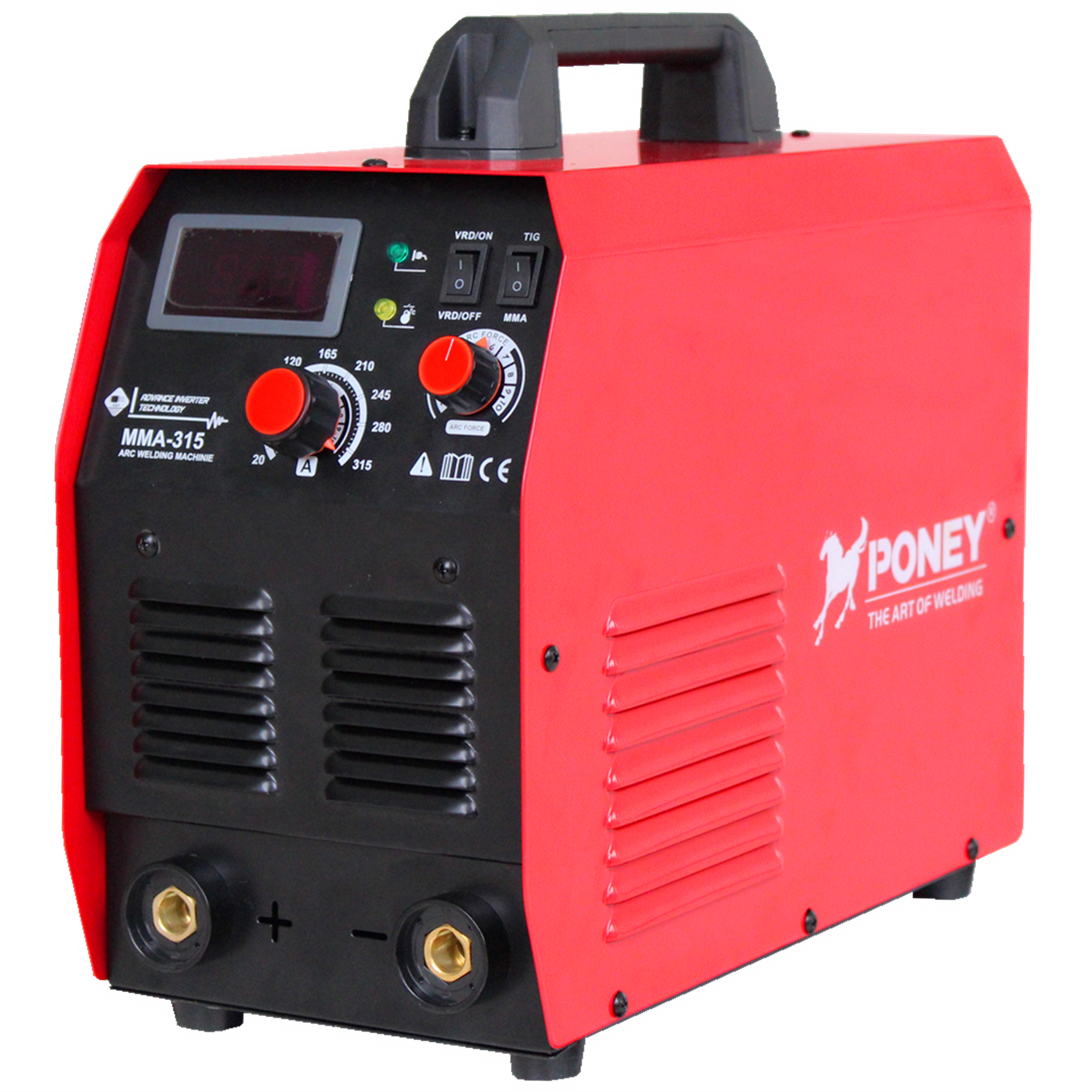
Electrode selection is one of the most critical decisions when operating a stick welder, yet many operators underestimate its direct impact on slag control and cleanup efficiency. The type of stick welder electrode you choose fundamentally determines how slag forms, adheres, and separates from your weld bead. Understanding this relationship helps you reduce rework, improve weld quality, and streamline your entire welding operation. Whether you are working with mild steel, stainless steel, or cast iron, the stick welder electrode you select will dictate the characteristics of your slag layer and ultimately define your cleanup workload.
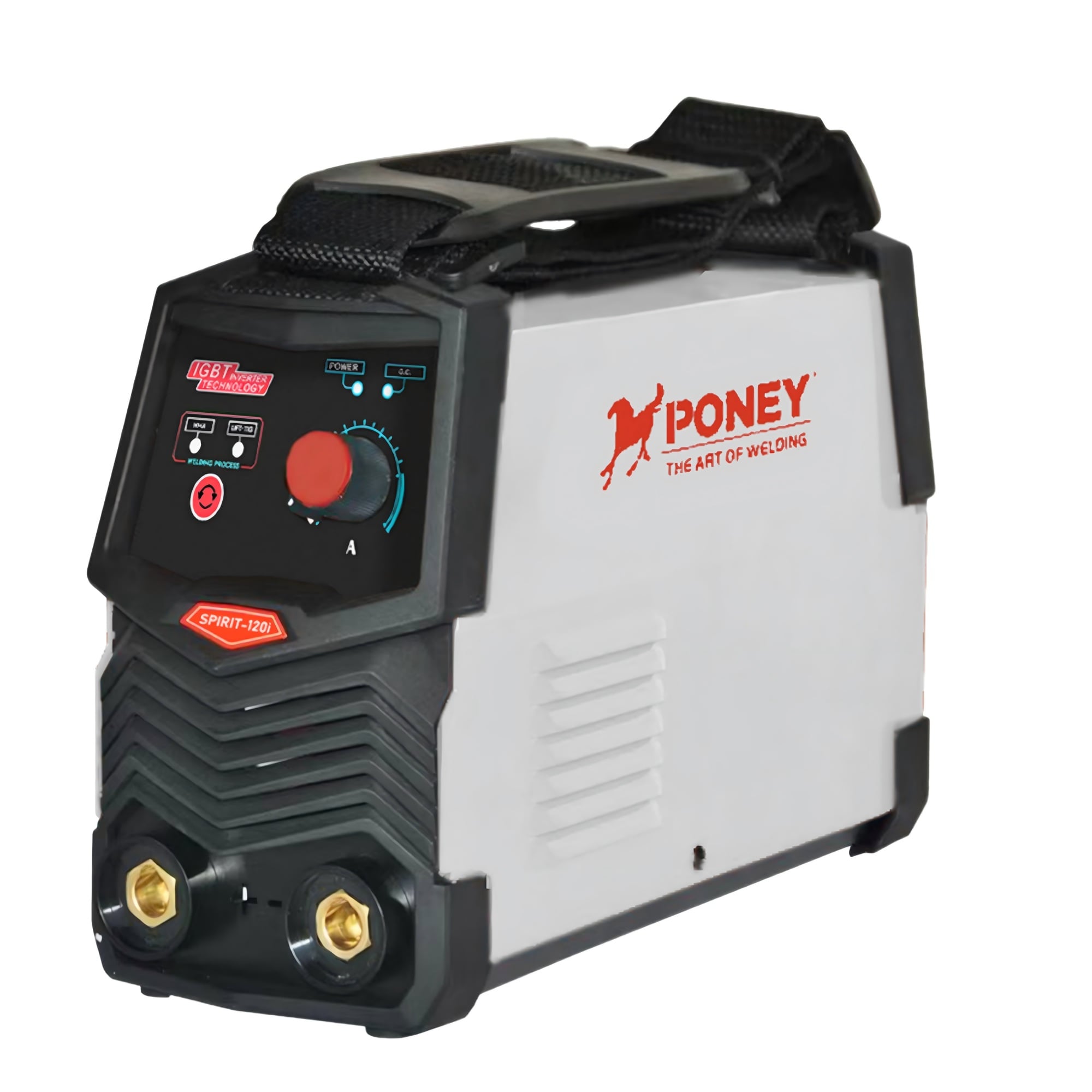
When you operate a stick welder with the wrong electrode type, slag becomes stubborn, creates poor visibility during welding, and demands excessive chipping and grinding during cleanup. Conversely, the right stick welder electrode produces slag that flakes away cleanly, offers excellent arc visibility, and requires minimal post-weld processing. This article explores how stick welder electrode composition, coating type, and amperage rating directly affect slag formation, adhesion strength, and cleanup time in real-world welding scenarios.
Slag Formation and Stick Welder Electrode Coating Composition
Understanding Slag Chemistry in Stick Welding
Every stick welder electrode is wrapped in a flux coating that melts during the welding process and forms slag on top of your weld bead. The chemical composition of this coating directly controls how the slag behaves. Different stick welder electrode types use different flux formulations—some are cellulose-based, others are rutile, basic, or iron powder blends. When you select a stick welder electrode, you are essentially choosing a specific slag chemistry that will either work with or against your cleanup objectives. The slag layer serves multiple purposes: it protects the molten weld pool from oxidation, helps govern heat input, and influences bead profile and mechanical properties.
How Flux Composition Drives Slag Behavior
A cellulose-based stick welder electrode, commonly used in pipeline and maintenance work, produces a thin, tight slag that adheres firmly to the weld bead. This slag is excellent for out-of-position welding because it supports the molten pool, but it can be difficult to remove cleanly unless you use proper chipping technique. In contrast, a rutile-based stick welder electrode generates a thicker, more porous slag that often flakes away with minimal effort once it cools. An iron powder stick welder electrode deposits extra metal while creating slag that is moderately easy to control. Understanding these differences means that when you operate a stick welder, your electrode choice predetermines whether you will spend five minutes or thirty minutes cleaning a single weld bead. The stick welder electrode coating chemistry is not negotiable if you want predictable slag behavior.
Electrode Amperage Rating and Slag Control Performance
Impact of Heat Input on Slag Properties
Every stick welder electrode carries a recommended amperage range, and running outside that range directly compromises slag control. When you operate a stick welder at amperage levels below the electrode's minimum rating, the arc becomes unstable, the slag freezes too quickly, and you risk trapping slag inclusions inside your weld. Conversely, running your stick welder above the maximum amperage setting causes the electrode to burn off too rapidly, the slag becomes extremely fluid, and spatter increases dramatically. The ideal stick welder performance zone is the middle of the electrode's recommended amperage range, where the arc is stable, slag generation is consistent, and cleanup becomes straightforward. Many operators do not realize that their difficult slag removal problems stem directly from running their stick welder at unsuitable amperage levels rather than from the electrode type itself.
Matching Amperage to Material and Position
A stick welder electrode rated for 100 to 150 amperes will behave completely differently when you run it at 100 amps versus 150 amps. At the lower end, you get slower deposition, tighter slag adhesion, and better control for vertical or overhead positions. At the higher end, you achieve faster travel speed, higher deposition rates, and slag that separates more readily from flat-position welds. Professional stick welder operators adjust amperage based not only on electrode diameter but also on joint position, thickness of material, and the specific slag-control demands of the application. When your stick welder settings are optimized for the task, slag removal becomes almost effortless. Poor slag separation typically signals that your stick welder amperage is misaligned with the electrode's optimal operating window.
Practical Slag Control Strategies for Different Stick Welder Electrode Types
Managing Cellulose-Based Stick Welder Electrodes
Cellulose stick welder electrodes, such as E6010 and E6011 variants, produce high penetration and tight slag adhesion. These stick welder electrodes are ideal for field conditions and repair work but demand disciplined technique for slag management. When using a stick welder with cellulose electrodes, make sure your amperage is at the middle of the rated range, your travel speed is moderate, and you maintain a consistent contact angle. Chipping should be done while the bead is still warm to take advantage of the slag's thermal expansion. A well-tuned stick welder running cellulose electrode in the correct amperage range will produce slag that chips away in large flakes rather than fragments, significantly reducing cleanup labor. Many operators find that their stick welder cleaning problems vanish once they master the amperage and travel speed controls specific to cellulose formulations.
Optimizing Rutile and Iron Powder Stick Welder Electrodes
Rutile-based and iron powder stick welder electrodes, such as E6012 and E7014 variants, generate thicker slag deposits and offer easier removal characteristics. When you operate a stick welder with these electrode types, the slag is inherently more forgiving because it tends to flake away as the weld cools. This makes them excellent choices for higher-production environments where cleanup speed directly impacts profitability. The trade-off is that rutile and iron powder stick welder electrodes produce somewhat shallower penetration profiles, so they work best on joints with good fit-up. Your stick welder amperage control remains critical—stay within the electrode's rated band, and the slag will perform predictably. These stick welder electrodes are often favored for general fabrication, structural work, and maintenance applications where slag control and productivity must balance equally.
FAQ
How does stick welder electrode core wire composition affect slag removal?
The stick welder electrode core wire—typically mild steel or stainless steel—influences penetration depth and bead geometry, which in turn affects slag thickness and adhesion. A stick welder electrode with a smaller core diameter deposits less metal per pass and may generate proportionally thicker slag, while a larger-diameter stick welder electrode deposits more metal and produces different slag characteristics. The core wire material also interacts with the flux coating chemistry; for example, a stick welder electrode designed for stainless steel will have a core and coating formulation that generates slag suited to stainless welding conditions. When selecting a stick welder electrode, always match both the core material and the coating to your application, as this combination determines your slag behavior.
Can I improve slag control by adjusting my stick welder travel speed?
Yes, travel speed on your stick welder directly influences how quickly the slag cools and hardens. A faster travel speed reduces the time the slag remains molten, which can make it more difficult to remove if it solidifies too quickly against the bead surface. Conversely, an excessively slow travel speed with your stick welder allows slag to accumulate thickly and can trap pockets of molten slag that become very stubborn. The optimal travel speed is one that allows your stick welder electrode to deposit a smooth, uniform bead while maintaining stable slag formation. Most experienced operators find that a moderate, steady travel speed combined with the correct amperage on your stick welder produces the most manageable slag characteristics. Experiment within the electrode's recommended amperage window to find the travel speed that gives you clean slag separation with minimal cleanup effort.
Does slag control differ between stick welder models or power sources?
Slag control is primarily determined by stick welder electrode selection, amperage, and travel speed rather than by the specific stick welder machine or power source model. However, different stick welder power sources offer varying levels of arc stability, which indirectly influences slag formation. A stick welder with stable, smooth arc output tends to produce more consistent slag behavior and easier cleanup, while an older or unstable stick welder may cause irregular slag formation regardless of electrode type. Inverter-based stick welder units typically offer better arc control than transformer-based machines, which can mean more predictable slag removal with inverter technology. Ultimately, when you use a stick welder, your electrode type and amperage are the dominant factors, but ensuring your stick welder power source is well-maintained and appropriate for your application supports optimal slag control as a secondary benefit.