EN
EN

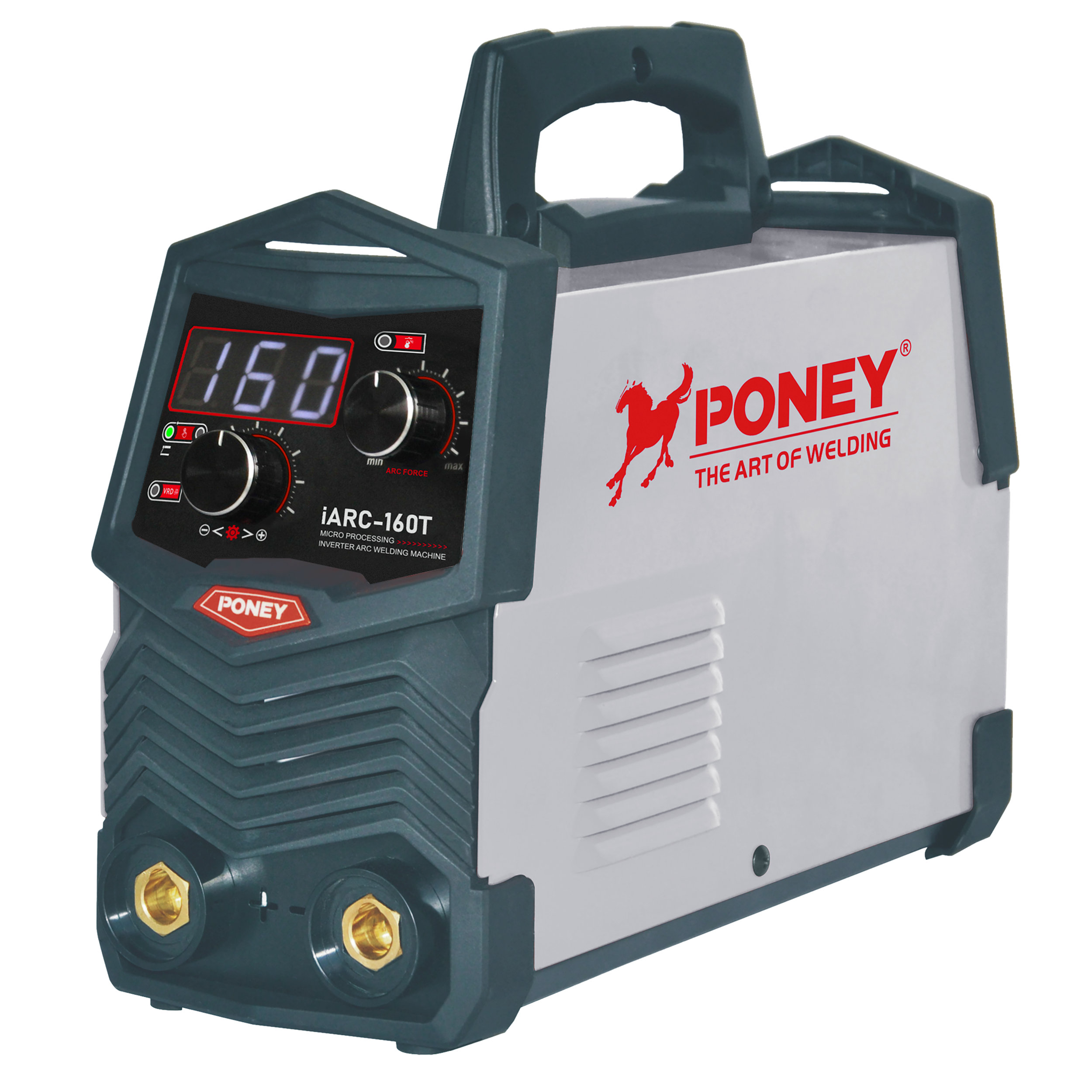
An arc welder reveals its true capabilities under the demanding conditions of field operations where conventional shop setups cannot be deployed. Field environments test every aspect of welding equipment performance, from thermal stability and portability to electrode responsiveness and consistency across variable temperatures and humidity levels. Understanding which operational conditions best showcase an arc welder's strengths helps contractors, fabricators, and maintenance crews make informed equipment decisions and optimize their field deployment strategies.
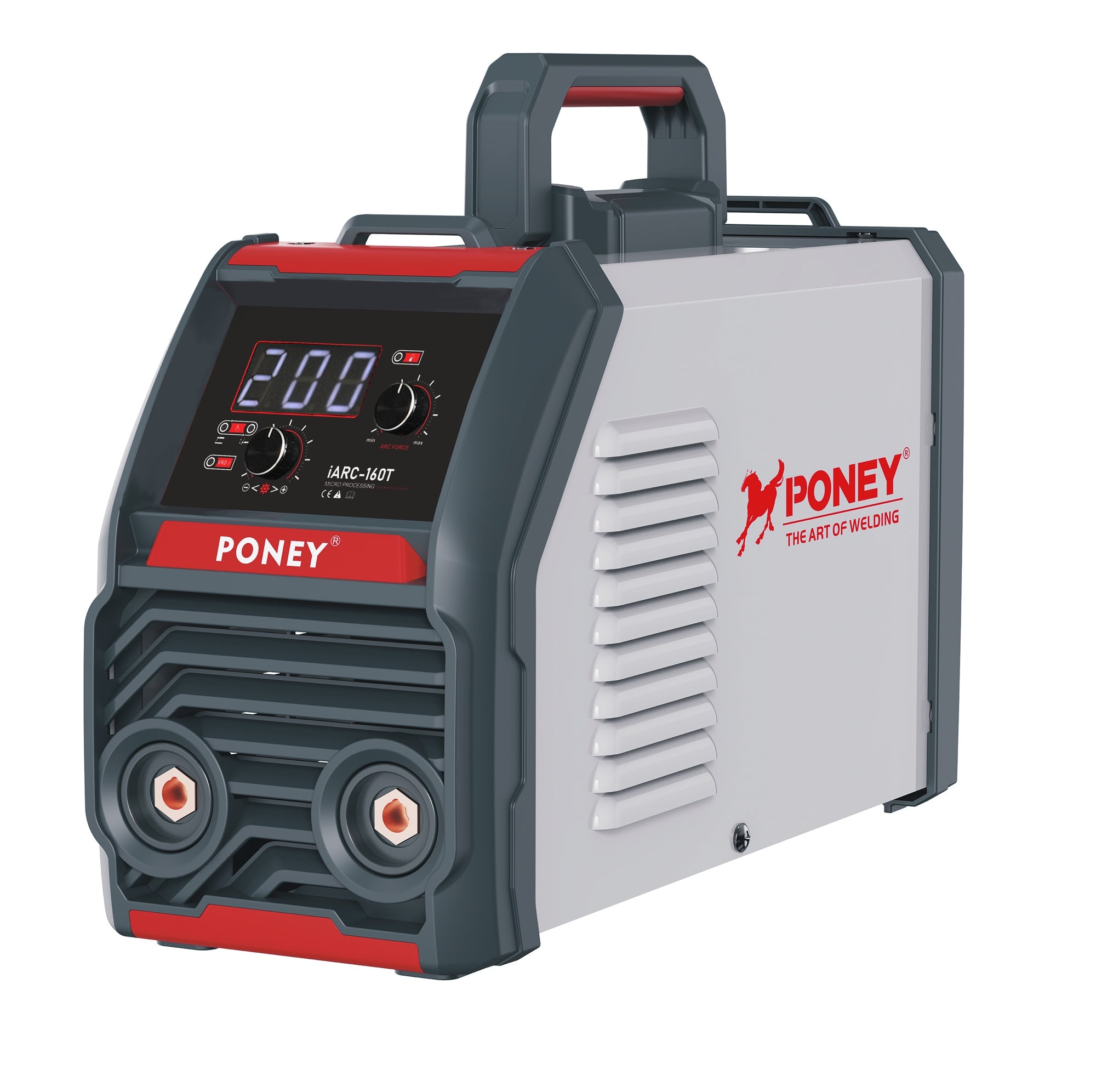
Real-world field conditions expose the gap between laboratory specifications and practical performance. An arc welder that excels in field operations demonstrates superior power consistency, rapid arc initiation, minimal spatter generation, and robust electrode feeding across challenging duty cycles. When site conditions demand immediate repairs, remote locations require equipment portability, or production schedules cannot tolerate equipment downtime, the arc welder's field-proven strengths become critical differentiators that impact both project success and operational efficiency.
Critical Field Conditions That Reveal Arc Welder Performance
Temperature Extremes and Environmental Stability
Field operations expose an arc welder to temperature variations that laboratory conditions cannot replicate. Cold environments slow electrode melting rates and reduce arc stability, while excessive heat can degrade insulation and cause capacitor drift in the arc welder's internal circuitry. Portable arc welder units designed for field use incorporate thermal compensation systems that automatically adjust output parameters as ambient temperature fluctuates. An arc welder that maintains consistent penetration and bead quality across temperature swings from freezing to tropical heat demonstrates superior engineering and deserves consideration for environments where seasonal variations are inevitable.
Moisture exposure presents another acid test for arc welder reliability. Field sites often feature high humidity, direct precipitation exposure, or proximity to bodies of water that create corrosive atmospheres. An arc welder with sealed connectors, conformal coatings on circuit boards, and stainless steel fastening demonstrates durability in these hostile conditions. The electrode feed mechanism of the arc welder must maintain precision despite humidity-induced dimensional swelling, and gas flow control systems must function reliably even when condensation accumulates inside supply lines.
Power Supply Variability and Adapter Challenges
Field locations rarely offer the stable, regulated utility power that fixed workshops provide. An arc welder operating at remote construction sites, mining operations, or offshore platforms encounters voltage fluctuations, harmonic distortion, and frequency variations that stress inferior equipment. Modern arc welder designs incorporate active power factor correction and wide-input voltage ranges, typically accepting 180 to 240 volts on single-phase systems while maintaining output consistency. This adaptive capability distinguishes premium arc welder models from budget alternatives that exhibit output drift and poor bead consistency when utility power deviates from nominal specifications.
Generator operation represents a specific challenge where an arc welder must deliver stable output despite the voltage sag and frequency variation inherent to portable genset power supplies. An arc welder equipped with digital feedback control and inverter-based technology maintains arc voltage stability even when connected to generators rated only slightly above the arc welder's own power requirements. This field-proven resilience prevents the frustrating outcome of electrode sticking, erratic arc behavior, and incomplete weld penetration that occur when arc welder circuits lack adequate voltage regulation.
Portability and Rapid Deployment in Field Scenarios
Weight, Mounting, and Accessibility Demands
Field operations demand an arc welder that technicians can transport to remote work areas and position in confined spaces. Equipment weight directly affects field crew productivity; an arc welder light enough for one worker to carry or mount on a vehicle reduces setup delays and enables faster response to site emergencies. Industrial field conditions require an arc welder with balanced weight distribution, integrated cable management, and mounting provisions that accommodate both temporary positioning and permanent installation on utility vehicles or site equipment trailers.
Confined space welding, elevated work platforms, and internal vessel repairs represent field scenarios where an arc welder's compact form factor becomes essential for project completion. An arc welder designed with top-mounted terminals and compact body dimensions fits into spaces where full-size shop equipment simply cannot be positioned. Field crews operating under time pressure cannot afford extended equipment repositioning or the delays associated with oversized arc welder units that demand special handling and rigging.
Cable Length and Connection Reliability Under Motion
Field operations subject an arc welder's cable assemblies to continuous movement, tension, and environmental exposure that static shop use does not impose. Extended cable runs are necessary at remote sites, requiring an arc welder compatible with 75-foot or 100-foot electrode cables that must maintain electrical integrity while being dragged across rough terrain, sharp edges, and concrete surfaces. Premium arc welder models feature reinforced cable jackets, strain-relief connectors rated for outdoor use, and contact specifications that resist corrosion from salt spray, industrial dust, and moisture exposure.
The electrode drive system in an arc welder must deliver consistent wire feed pressure across extended cable runs where voltage drop and contact resistance increase. An arc welder incorporating constant-current output and adaptive feed rate control maintains weld quality even when operating at distance from the power source. Field crews depend on this consistency to avoid weld defects that would require rework and delay project schedules.
Electrode Performance and Arc Stability Under Demand
Rapid Arc Initiation and Low Spatter Generation
Field operations reward an arc welder with fast, reliable arc starting because field technicians cannot afford the frustration and downtime associated with electrode sticking or difficult ignition. An arc welder equipped with soft-start circuitry and optimized electrode geometry enables technicians to achieve stable arc conditions within one or two contact cycles. Spatter reduction becomes critical in field environments where cleanup labor is expensive and rework becomes problematic on installed structures or equipment where spatter buildup compromises functionality or aesthetics.
An arc welder that produces minimal spatter demonstrates superior voltage regulation and arc force control characteristics. Field crews recognize that low-spatter operation reduces post-weld cleaning time and improves the cosmetic appearance of visible welds on client-facing installations. Reduced spatter also means less electrode material wasted, which extends consumable life and reduces project material costs in remote locations where resupply involves significant logistics expense.
Penetration Consistency Across Varied Material Conditions
Field welding often involves materials that shop operations can pre-condition, such as removing mill scale, drying surfaces, and preparing edges to exact specifications. An arc welder deployed in field operations must deliver consistent penetration on rusty steel, mill-scaled surfaces, and materials that may not have been properly prepared due to site conditions. The arc welder's capacity to maintain arc force and puddle control despite these material challenges distinguishes equipment suited for field deployment from units designed exclusively for controlled shop environments.
Field technicians value an arc welder that provides operator adjustability for amperage and voltage without requiring computer interface or complex menu navigation. Simple mechanical controls and intuitive adjustment mechanisms enable field crews to optimize bead profile and penetration for specific applications quickly. An arc welder featuring digital display feedback combined with responsive control adjustment allows technicians to fine-tune output in real-time as material composition and surface conditions vary across a continuous project.
FAQ
What makes an arc welder suitable for offshore and remote field work?
An arc welder designed for offshore and remote field work incorporates sealed enclosures, corrosion-resistant materials, wide input voltage tolerance, and advanced thermal management to function reliably in harsh, isolated environments. The arc welder must operate consistently despite temperature extremes, humidity exposure, and generator power variability inherent to offshore platforms and remote construction sites. Equipment redundancy, extensive cable compatibility, and minimal maintenance requirements become critical selection criteria for an arc welder deployed to locations where service support and spare parts are weeks away.
How does an arc welder maintain arc quality when powered by generators?
An arc welder maintains arc quality with generator power through inverter-based technology and digital feedback control systems that compensate for voltage fluctuation and frequency variation. The arc welder monitors output voltage in real-time and adjusts internal circuitry to hold arc voltage constant despite utility power instability. Modern arc welder designs actively regulate amperage delivery, preventing the output drift that would otherwise cause electrode sticking or inconsistent weld beads when generator power quality is marginal.
Why is electrode feed consistency critical for an arc welder in field operations?
Electrode feed consistency is critical for an arc welder in field operations because inconsistent feed directly produces weld defects including lack of fusion, porosity, and incomplete penetration that compromise structural integrity. Field crews cannot afford the cost and schedule impact of rework, making an arc welder's ability to maintain precise feed pressure across extended cable runs and variable electrical conditions essential to project success. An arc welder with robust wire drive mechanisms and pressure feedback control ensures that field technicians achieve first-pass welding quality regardless of environmental challenges or power supply limitations.