EN
EN

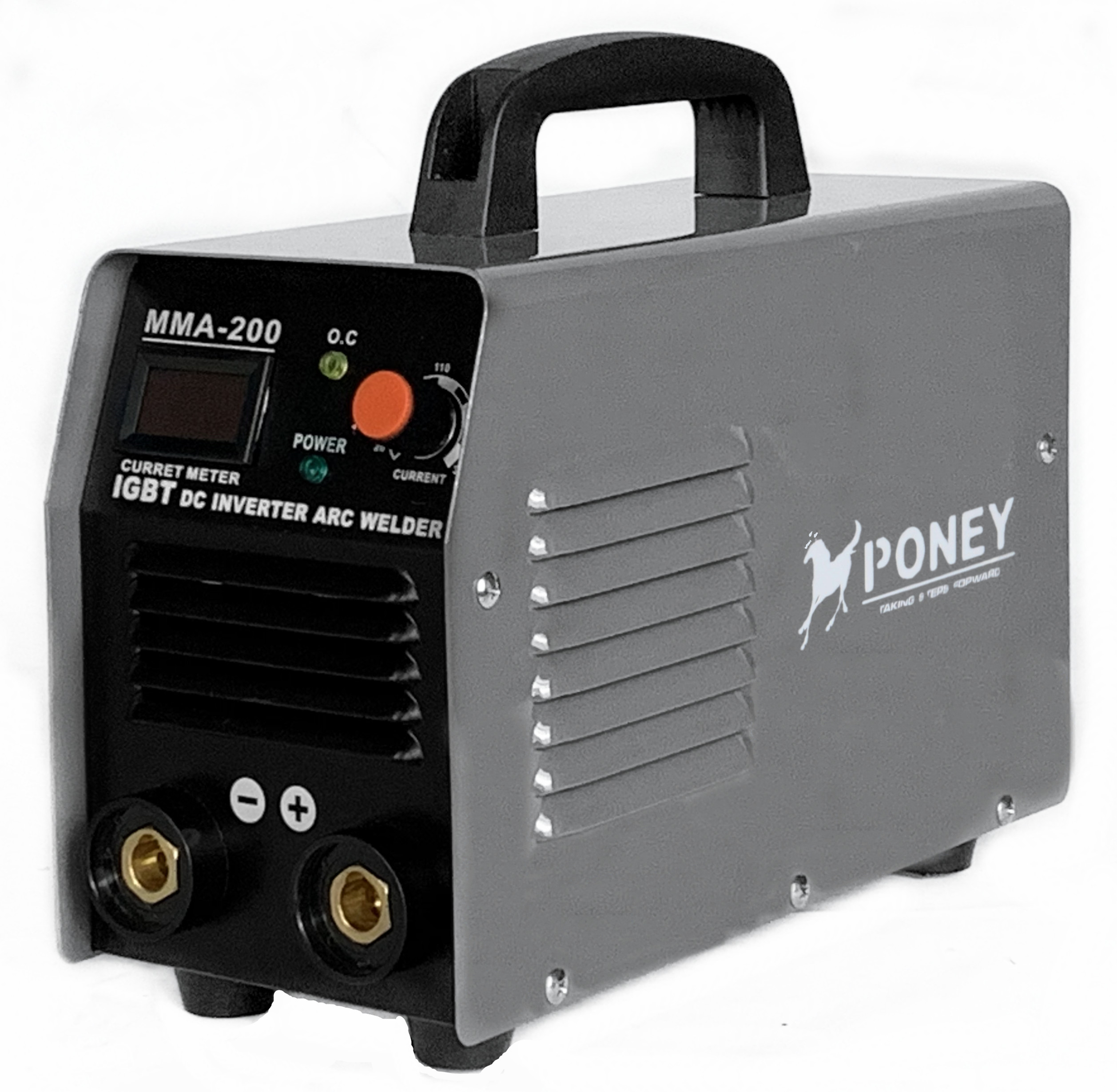
A stick welder's performance under inconsistent power supply remains one of the most critical challenges in industrial welding environments. When electrical power fluctuates or becomes unstable, the reliability of your stick welder directly impacts weld quality, production timelines, and overall operational costs. Understanding the factors that influence stick welder reliability during these challenging conditions is essential for any welding operation that cannot guarantee stable power infrastructure.
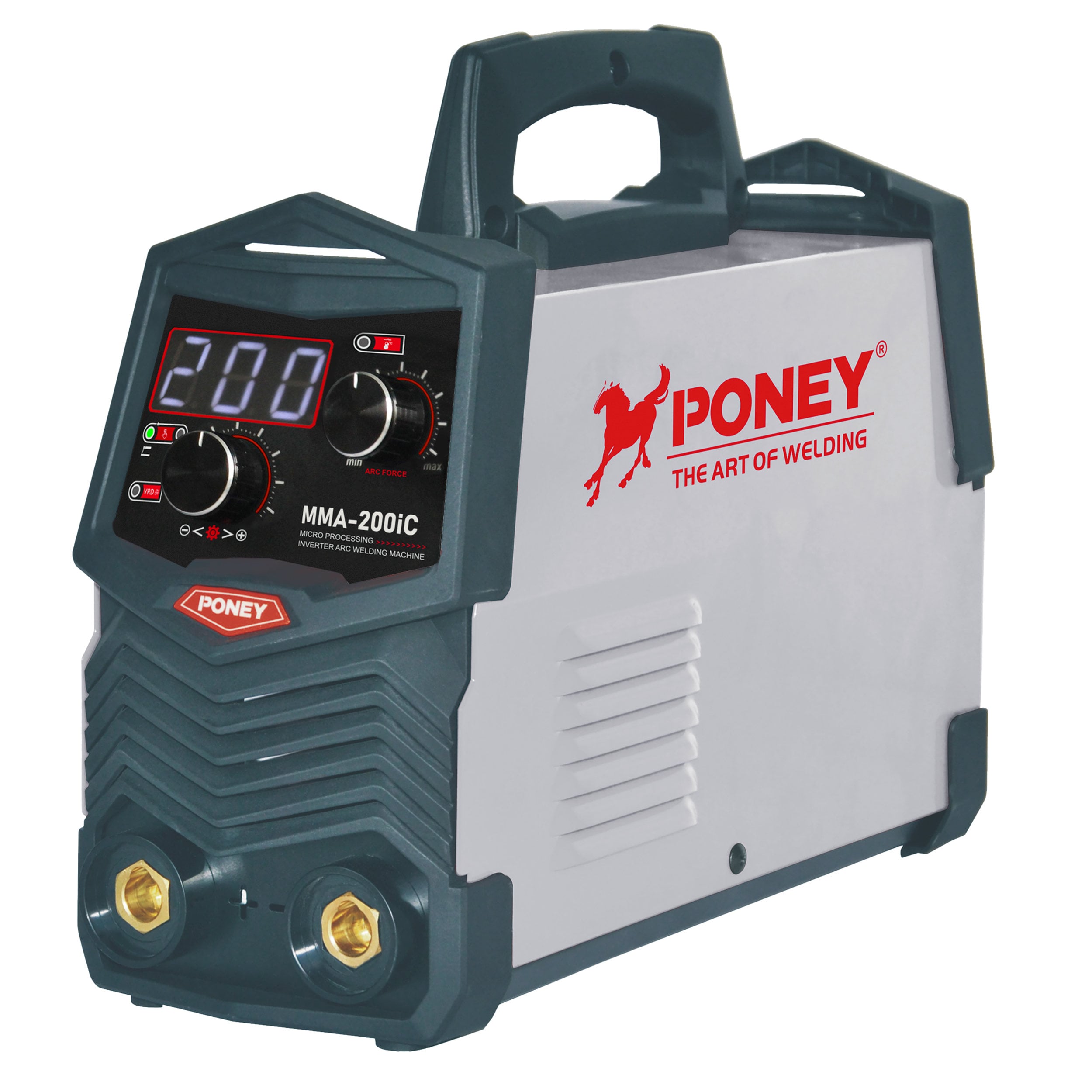
Power inconsistency—whether from aging electrical grids, shared industrial circuits, or remote jobsite generators—creates stress on welding equipment. A reliable stick welder must maintain arc stability, electrode feed consistency, and output voltage regulation despite these external electrical challenges. This article explores the specific factors that determine whether a stick welder will perform dependably when power conditions are less than ideal.
Input Voltage Stability and Tolerance Range
Understanding Voltage Fluctuation Impact
The electrical input voltage that powers your stick welder directly influences its output quality and arc consistency. Most industrial stick welder units operate within a rated voltage range, typically 180V to 260V for 220V systems or 380V to 480V for three-phase configurations. When supply voltage drifts outside this range, a conventional stick welder struggles to maintain consistent arc characteristics, resulting in weak welds, spatter, and decreased productivity.
A stick welder with a wide input voltage tolerance can adapt to power fluctuations automatically. Modern inverter-based stick welder designs often feature compensation circuits that stabilize output voltage even when input power varies by ±10% or more. This adaptive capability is one of the most important reliability factors for stick welder performance in unstable power environments. Without adequate voltage tolerance, a stick welder will either shut down or produce inconsistent results during peak demand periods when grid voltage typically sags.
Voltage Regulation Technology
Traditional transformer-based stick welder designs offer limited voltage regulation because their output is directly proportional to input voltage. Conversely, an inverter-based stick welder uses high-frequency switching circuits to decouple input voltage from output, enabling precise arc control regardless of input fluctuations. This technological distinction fundamentally affects stick welder reliability under inconsistent power. When comparing reliability factors, the stick welder's internal regulation method matters as much as its maximum amperage rating.
Digital signal processing in modern stick welder systems continuously monitors and adjusts output parameters in real time. If input voltage drops, the stick welder compensates by increasing switching frequency or adjusting duty cycle to maintain constant arc voltage and current. This proactive compensation is why contemporary inverter-based stick welder models outperform older designs in variable power conditions.
Arc Stability and Current Output Consistency
Maintaining Stable Arc During Power Variations
Arc stability is the foundation of reliable welds, and a stick welder's ability to maintain steady arc conditions under power stress directly determines weld quality. When electrical supply becomes unstable, the stick welder's current output can fluctuate, causing the arc to wander, spatter excessively, or extinguish entirely. A high-quality stick welder incorporates sophisticated feedback loops that detect arc voltage changes and adjust output current instantaneously to compensate.
The stick welder's current response speed—how quickly it can adjust output in response to load changes—is measured in microseconds. Faster response times mean the stick welder maintains tighter arc control during power transients. Industrial operators have documented that stick welder models with sub-millisecond response times perform reliably even on construction sites with temporary generators that fluctuate between 180V and 260V. Slower-responding stick welder designs, particularly older transformer types, cannot compensate quickly enough, resulting in erratic welds.
Output Ripple and Stability Margins
Output ripple refers to the residual AC or irregular fluctuation in the DC output of a stick welder. Lower ripple percentages indicate smoother, more consistent current flow to the electrode, which directly improves stick welder reliability during unstable power conditions. A premium stick welder typically achieves ripple values below 8%, while budget models may operate at 15% or higher. Under inconsistent power supply, the stick welder with lower ripple demonstrates superior arc stability because it starts from a smoother baseline before external power variations introduce additional noise.
Stability margins describe how much input disturbance a stick welder can tolerate before arc quality degrades noticeably. A stick welder with wide stability margins can absorb larger voltage swings without requiring operator intervention. This characteristic becomes critical when a stick welder operates in environments where power quality monitoring is impossible, such as remote construction sites or harsh industrial facilities. The stick welder's margin specification should be at least ±15% of nominal input voltage to ensure reliable performance in challenging conditions.
Thermal Management and Component Reliability
Heat Dissipation Under Continuous Operation
Inconsistent power supply often forces a stick welder to work harder to compensate for voltage variations, generating excess internal heat. When a stick welder operates at higher duty cycles or under thermal stress, internal components age faster and reliability decreases. A stick welder designed for thermally challenging environments incorporates advanced cooling systems—forced-air cooling, thermal management circuitry, or liquid cooling in heavy-duty models—to maintain component operating temperatures within safe ranges.
The stick welder's thermal protection system activates if internal temperatures exceed safe thresholds, temporarily shutting down the equipment to prevent component failure. While this protection prevents permanent damage to the stick welder, repeated thermal shutdowns indicate insufficient cooling capacity for the operating environment. A properly engineered stick welder includes thermal headroom to operate continuously at rated amperage under challenging conditions. Operators should verify that the stick welder's maximum duty cycle at full output meets their actual operational demands before purchase.
Component Grade and Longevity
The internal components of a stick welder—capacitors, insulated-gate bipolar transistors (IGBTs), transformers, and power supply modules—directly influence overall reliability and lifespan. Industrial-grade components rated for wide temperature ranges and voltage stress extend the stick welder's operational life significantly compared to consumer-grade alternatives. A premium stick welder uses high-reliability capacitors and circuit protection that withstand the electrical stresses introduced by inconsistent power supply, while budget stick welder models may use components rated for ideal conditions only.
Inverter-based stick welder designs inherently stress internal semiconductors more than transformer-based designs because they operate at high switching frequencies. The stick welder manufacturer's component selection directly determines whether these devices survive years of irregular power exposure. Professional-grade stick welder products typically include component warranties and serviceability options that extend equipment lifespan, whereas consumer-oriented stick welder equipment often lacks these provisions.
FAQ
How does input voltage fluctuation specifically affect arc quality in a stick welder?
When input voltage fluctuates, a stick welder's output voltage and current vary correspondingly in traditional designs. This causes the arc length to become unstable, leading to spatter, weak fusion, and inconsistent bead profile. A stick welder with digital voltage regulation compensates automatically, maintaining constant arc voltage despite input variations, resulting in superior weld consistency and quality even under unstable power conditions.
What duty cycle should a stick welder maintain for reliable operation under inconsistent power?
A stick welder should operate at no more than 60% duty cycle during inconsistent power conditions to avoid thermal stress and component degradation. Operating a stick welder continuously at or near its maximum rated duty cycle on unstable power supply generates excessive internal heat and accelerates component aging. If your application requires higher duty cycles, select a stick welder with a heavier-duty thermal design or larger frame size rated for 100% duty cycle at your required amperage level.
Can an older transformer-based stick welder be made reliable under inconsistent power?
An older transformer-based stick welder cannot be made fully reliable under inconsistent power through upgrades because its fundamental design directly couples input to output voltage. However, adding external voltage stabilization equipment or upgrading to a modern inverter-based stick welder can resolve the problem. Modern stick welder technology handles power fluctuations inherently, making it a more practical solution than attempting to modify legacy equipment that was designed for stable power infrastructure.