EN
EN

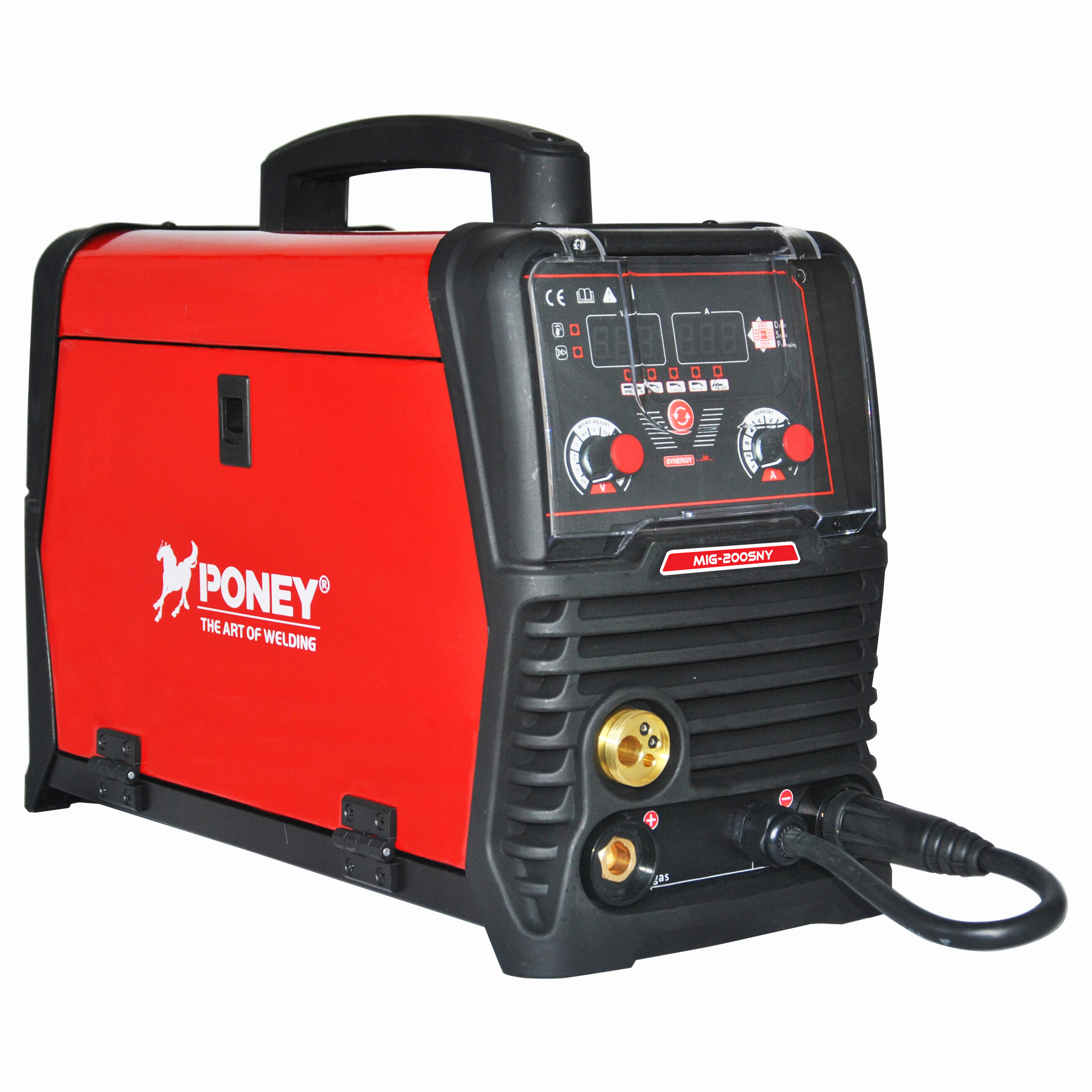
Operating an electric welder in environments with unstable power supply presents unique challenges that require specialized equipment features and engineering solutions. Understanding what distinguishes these welders from standard units becomes critical for professionals working in remote locations, developing regions, or industrial settings where power fluctuations are common. The key distinguishing factors revolve around power conditioning capabilities, voltage regulation systems, and adaptive control technologies that ensure consistent welding performance despite electrical instability.
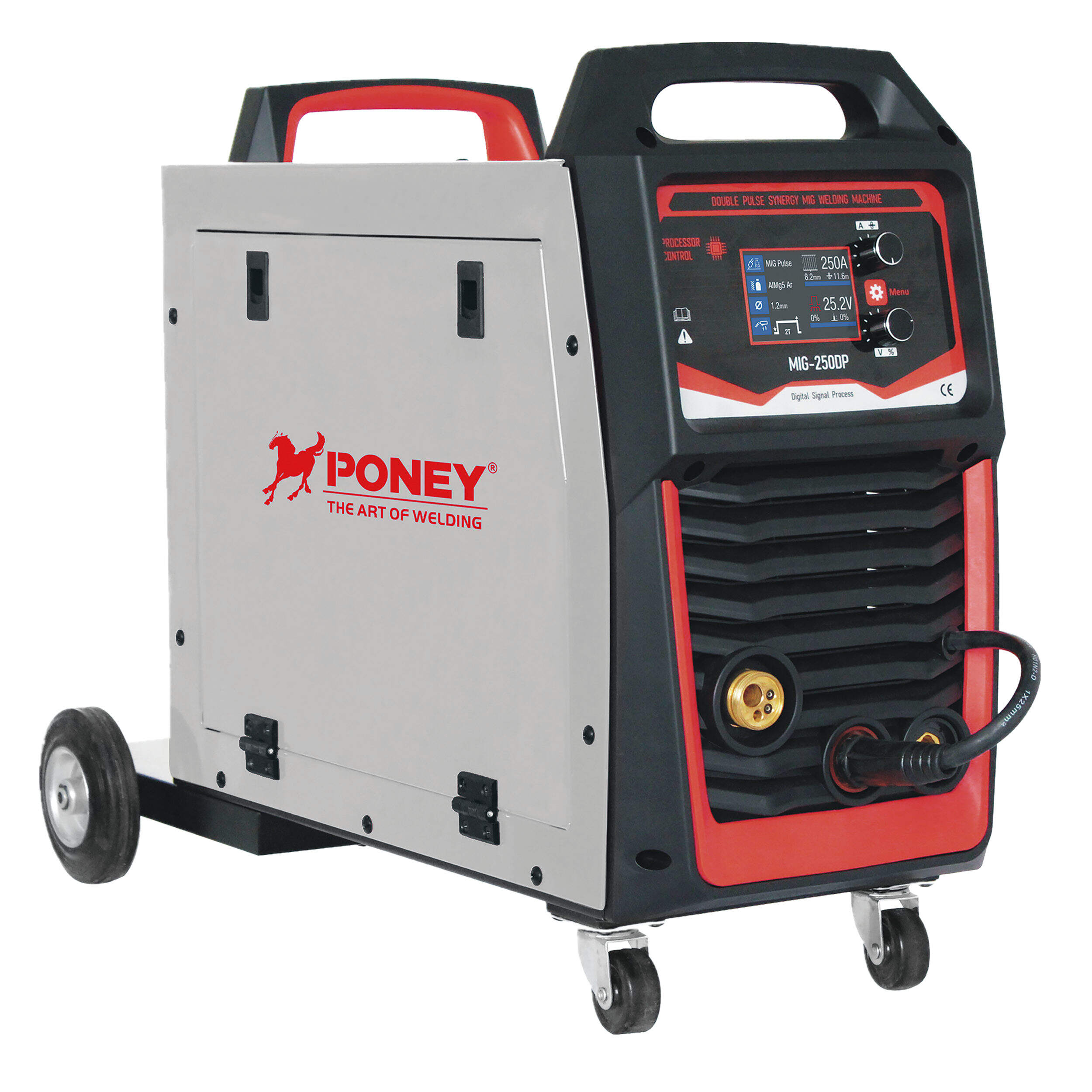
An electric welder designed for unstable power environments incorporates sophisticated internal circuitry that compensates for voltage variations, frequency deviations, and power interruptions. These units typically feature wider input voltage tolerances, advanced inverter technology, and robust power factor correction systems that maintain stable welding output even when input power quality deteriorates. The distinguishing characteristics extend beyond basic electrical specifications to include thermal protection, component durability, and operational reliability under adverse conditions.
Advanced Voltage Regulation Systems
Wide Input Voltage Tolerance
The most fundamental distinction of an electric welder suited for unstable power environments lies in its expanded input voltage acceptance range. Standard welders typically operate within narrow voltage tolerances, often requiring input voltages within 10-15% of nominal values. However, specialized units designed for unstable conditions can function effectively with input voltage variations of 25-40% or more. This capability stems from sophisticated voltage regulation circuits that actively monitor and compensate for power supply fluctuations.
These regulation systems employ multiple stages of conditioning, including pre-regulation circuits that stabilize incoming power before it reaches the main transformer or switching components. Advanced models incorporate real-time voltage monitoring with feedback control loops that adjust internal parameters instantaneously. The electric welder maintains consistent arc characteristics and welding current output regardless of whether the input voltage drops to 180V or spikes to 260V on a nominal 220V supply.
Frequency Adaptation Technology
Beyond voltage regulation, electric welders for unstable environments must handle frequency variations that occur in many power grids. Standard 50Hz or 60Hz frequency deviations can significantly impact transformer efficiency and switching circuit performance in conventional welders. Distinguished units incorporate frequency-adaptive circuits that automatically detect and compensate for frequency drift, ensuring optimal performance whether operating at 47Hz or 63Hz.
The frequency adaptation involves sophisticated control algorithms that modify switching frequencies and timing parameters based on detected grid frequency. This technology prevents efficiency losses and maintains proper arc stability even when connected to generators or unstable grid connections that exhibit frequency instability. Modern electric welder designs use digital signal processing to continuously monitor frequency variations and implement real-time corrections.
Power Conditioning and Protection Features
Active Power Factor Correction
An electric welder operating in unstable power environments requires advanced power factor correction systems that go beyond passive filtering. Active power factor correction circuits continuously adjust the input current waveform to maintain high power factor regardless of load conditions or input voltage quality. This technology becomes particularly important when the welder operates from generators or weak power supplies that cannot tolerate reactive power demands.
The active correction systems use high-frequency switching circuits that shape the input current to follow the voltage waveform precisely. This approach minimizes harmonic distortion and reduces stress on the power supply infrastructure. For the end user, active power factor correction translates to more efficient operation, reduced cable heating, and improved compatibility with backup generators or alternative power sources commonly found in unstable power environments.
Surge Protection and Electrical Isolation
Distinguishing features of electric welders designed for unstable power include comprehensive surge protection systems that guard against voltage spikes, transients, and electrical noise. These protection circuits incorporate multiple levels of filtering and isolation, including metal oxide varistors, gas discharge tubes, and common-mode chokes that prevent electrical disturbances from damaging sensitive control circuits.
The electrical isolation systems use high-frequency transformers or opto-couplers to separate control circuits from power circuits, preventing ground loops and eliminating interference from power supply noise. Advanced models include electromagnetic interference filters that ensure clean operation even when connected to power sources with significant electrical noise. This comprehensive protection approach enables the electric welder to maintain precise control and consistent performance despite challenging electrical environments.
Adaptive Control Technologies
Dynamic Output Regulation
The control systems that distinguish electric welders for unstable power applications incorporate dynamic output regulation that continuously adjusts welding parameters based on real-time power supply conditions. These systems monitor input power quality and automatically modify current delivery, voltage compensation, and arc control algorithms to maintain consistent weld quality. The adaptive nature of these controls ensures that welding characteristics remain stable even as input conditions fluctuate.
Dynamic regulation involves sophisticated feedback loops that measure both input power characteristics and output welding parameters simultaneously. When the system detects input voltage variations, it immediately adjusts internal switching patterns and control algorithms to compensate. This real-time adaptation prevents the common problems of arc instability, penetration variations, and spatter increases that typically occur when standard electric welders operate from unstable power sources.
Intelligent Load Management
Advanced electric welders designed for unstable power environments incorporate intelligent load management systems that automatically adjust power consumption based on supply capability. These systems can detect when the power source becomes stressed or unstable and respond by modifying welding parameters to reduce electrical load while maintaining acceptable weld quality.
The load management function includes predictive algorithms that anticipate power supply limitations and proactively adjust welding current, duty cycle, and other parameters to prevent power source overload. This capability proves particularly valuable when operating from generators, weak grid connections, or shared power supplies where excessive load demands could cause system instability or shutdown. The intelligent management ensures continuous operation while protecting both the electric welder and the power supply infrastructure.
Mechanical and Thermal Resilience
Enhanced Component Durability
Electric welders intended for unstable power environments require enhanced mechanical and electrical component specifications that exceed standard industrial ratings. The internal components must withstand repeated thermal cycling, voltage stress, and electrical transients that occur more frequently in challenging power environments. This includes upgraded capacitors with higher voltage ratings, robust switching devices with enhanced surge capability, and transformer designs using premium insulation materials.
The enhanced durability extends to mechanical components such as cooling systems, electrical connections, and housing materials that must maintain integrity despite environmental stresses. Advanced electric welder designs incorporate conformal coating on circuit boards, sealed electrical connections, and vibration-resistant component mounting to ensure long-term reliability. These durability enhancements distinguish professional-grade units from consumer models that cannot withstand demanding operating conditions.
Advanced Thermal Management
The thermal management systems in electric welders for unstable power applications must handle increased heat generation from power conditioning circuits and voltage regulation components. These systems typically incorporate larger heat sinks, more efficient cooling fans, and intelligent temperature monitoring that adjusts cooling based on operating conditions and ambient temperature variations.
Advanced thermal management includes predictive temperature control that anticipates thermal stress and implements protective measures before critical temperatures are reached. The cooling systems often feature variable-speed fans that adjust airflow based on internal temperature sensors and operating load. This approach maximizes component life while maintaining optimal performance during extended welding operations in challenging environments.
FAQ
How does an electric welder compensate for voltage fluctuations during welding?
An electric welder designed for unstable power uses internal voltage regulation circuits that continuously monitor input voltage and automatically adjust internal switching patterns to maintain stable output current. These systems can typically handle input voltage variations of 25-40% while keeping welding current within 5% of the set value, ensuring consistent arc characteristics and weld quality regardless of power supply fluctuations.
What makes an electric welder suitable for generator operation?
Electric welders suitable for generator operation feature active power factor correction, wide frequency tolerance, and reduced harmonic distortion that minimizes stress on generator systems. They also include intelligent load management that prevents generator overload by automatically adjusting power consumption based on available supply capacity, while maintaining acceptable welding performance through adaptive control algorithms.
Can a standard electric welder work reliably with unstable power supply?
Standard electric welders typically cannot work reliably with unstable power supplies because they lack the voltage regulation, power conditioning, and adaptive control features necessary to compensate for electrical variations. Operating standard units on unstable power often results in poor weld quality, equipment damage, and frequent shutdowns due to protection circuit activation when input conditions exceed acceptable tolerances.
What protection features should an electric welder have for unstable power environments?
An electric welder for unstable power environments should include comprehensive surge protection, electromagnetic interference filtering, electrical isolation between control and power circuits, and thermal protection systems. Additional features include voltage monitoring circuits, frequency adaptation technology, and intelligent shutdown systems that protect the equipment when power conditions exceed safe operating parameters while providing clear diagnostic information for troubleshooting.
Table of Contents
- Advanced Voltage Regulation Systems
- Power Conditioning and Protection Features
- Adaptive Control Technologies
- Mechanical and Thermal Resilience
-
FAQ
- How does an electric welder compensate for voltage fluctuations during welding?
- What makes an electric welder suitable for generator operation?
- Can a standard electric welder work reliably with unstable power supply?
- What protection features should an electric welder have for unstable power environments?