EN
EN

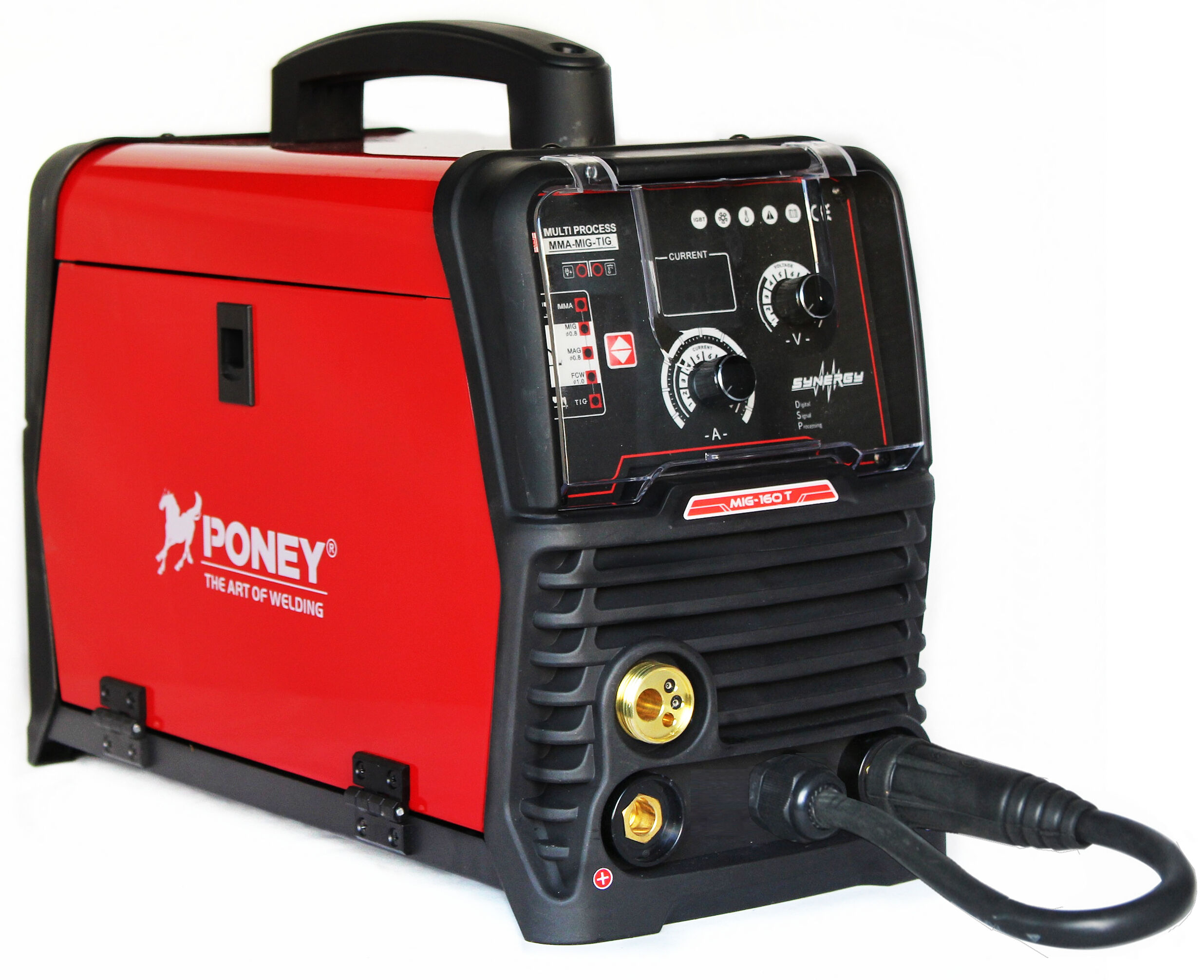
Electric welder output stability represents one of the most critical factors determining the quality of welding operations across industrial applications. When an electric welder maintains consistent power delivery throughout the welding process, it directly influences both the visual characteristics and structural integrity of the resulting weld joints. Understanding this fundamental relationship between power stability and weld quality enables welding professionals to make informed equipment selections and optimize their welding parameters for superior results.
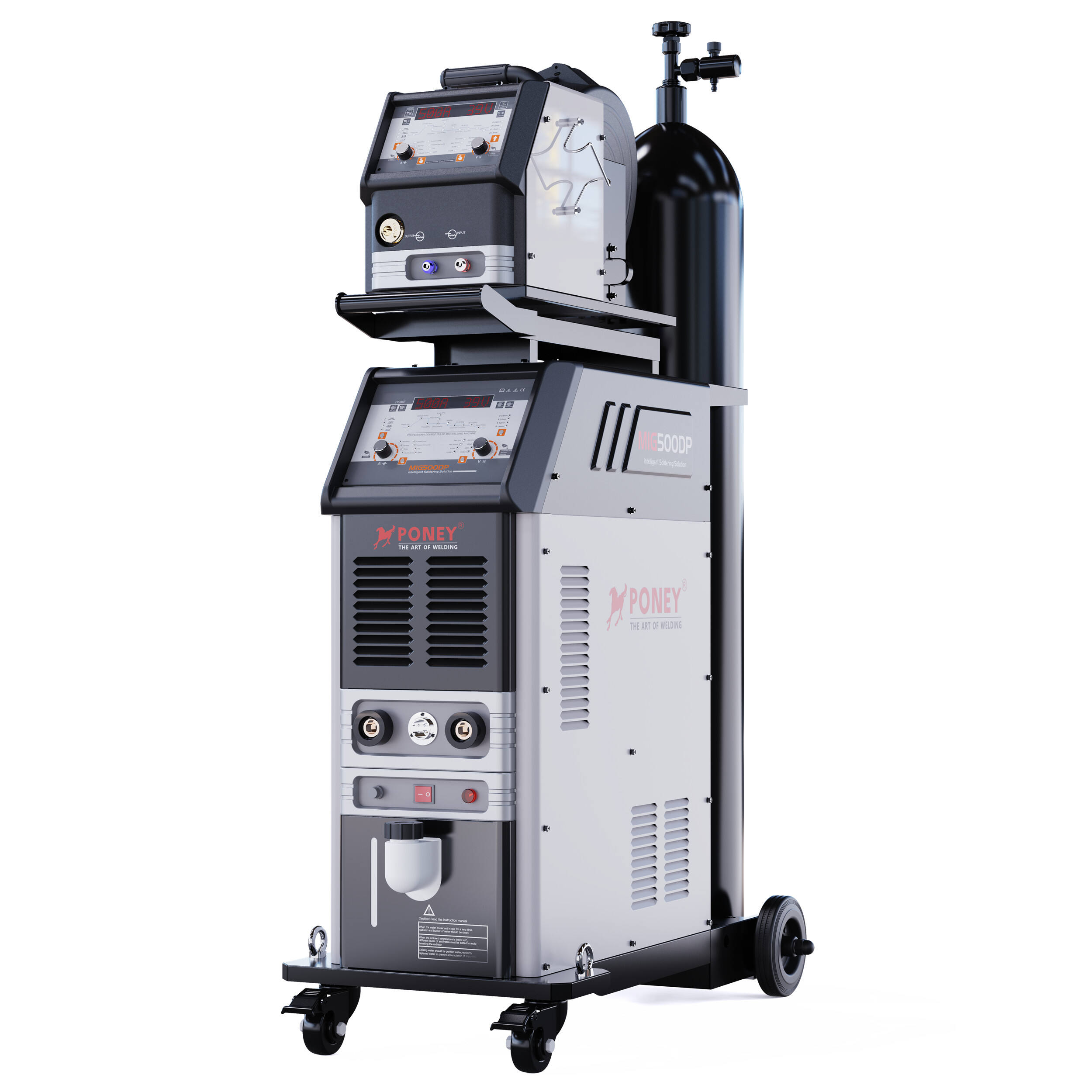
The stability of power output in an electric welder fundamentally affects how heat energy transfers to the base materials during welding. Fluctuations in electrical current and voltage create inconsistent heat input patterns that manifest as visible defects in weld appearance while simultaneously compromising the metallurgical properties that determine joint strength. Professional welders recognize that achieving consistent results requires not only proper technique but also reliable equipment that delivers stable electrical characteristics throughout extended welding cycles.
Understanding Electric Welder Output Stability Mechanisms
Power Supply Architecture and Stability Control
Modern electric welder designs incorporate sophisticated power supply architectures that regulate electrical output through advanced control circuits and feedback systems. The primary power conversion stage transforms incoming AC voltage into precisely controlled DC or AC welding current, depending on the specific welding process requirements. Inverter-based electric welder units utilize high-frequency switching technology to maintain tighter control over output parameters compared to traditional transformer-based designs.
The stability control mechanism continuously monitors actual output current and voltage levels, comparing these measurements against preset welding parameters. When deviations occur due to arc length variations, material thickness changes, or external electrical disturbances, the control system rapidly adjusts the power delivery to maintain consistent energy input. This closed-loop feedback approach enables an electric welder to compensate for dynamic welding conditions that would otherwise create unstable arc characteristics.
Advanced electric welder models feature digital signal processing capabilities that analyze arc behavior in real-time and implement predictive corrections before stability issues affect weld quality. These intelligent systems can distinguish between intentional parameter changes initiated by the operator and undesirable fluctuations caused by equipment limitations or external factors, responding appropriately to maintain optimal welding conditions.
Electrical Parameter Regulation During Welding
The regulation of key electrical parameters within an electric welder directly determines output stability across varying welding conditions. Current regulation maintains consistent amperage delivery regardless of minor changes in arc length or contact tip wear, preventing the heat input variations that create irregular penetration patterns. Voltage regulation ensures stable arc establishment and maintenance, particularly important for processes requiring precise arc length control such as GTAW or short-circuit GMAW applications.
Dynamic response characteristics of the electric welder power supply influence how quickly the system can correct for disturbances without creating overcorrection oscillations. Properly tuned response parameters allow the welding system to maintain stability during rapid welding speed changes, directional transitions, and material thickness variations commonly encountered in production welding operations.
The interaction between current and voltage regulation creates the overall stability profile that determines weld consistency. An electric welder with well-coordinated parameter control maintains the optimal balance between penetration depth, bead profile, and heat-affected zone characteristics across the entire length of each weld joint, regardless of minor variations in welding technique or material preparation.
Impact of Output Stability on Weld Appearance Quality
Bead Profile Consistency and Surface Characteristics
Stable output from an electric welder produces uniform bead profiles with consistent width, height, and ripple patterns that indicate proper heat input distribution. When power fluctuations occur, the resulting weld beads exhibit irregular geometry with alternating areas of excessive buildup and insufficient fill, creating an unprofessional appearance that may not meet visual inspection standards required in structural welding applications.
The surface texture of welds produced by a stable electric welder demonstrates smooth, regular ripple patterns with uniform spacing and amplitude. These characteristic ripples result from consistent heat input cycles that create predictable solidification patterns in the molten weld pool. Unstable power delivery disrupts this regular pattern, producing erratic surface textures with irregular ripple spacing, excessive spatter adhesion, and rough surface finishes that require additional grinding or finishing operations.
Color consistency across the weld bead and heat-affected zone provides visual evidence of stable thermal input from the electric welder. Uniform heating produces consistent oxidation patterns and tempering colors that indicate proper heat treatment of the base material adjacent to the weld joint. Power instabilities create uneven heating patterns visible as color variations that suggest inconsistent metallurgical treatment and potential weakness areas.
Spatter Control and Edge Definition
An electric welder with stable output characteristics minimizes spatter generation by maintaining consistent arc force and metal transfer patterns throughout the welding process. Stable electrical conditions promote smooth metal transfer from the electrode to the weld pool, reducing the violent eruptions that create excessive spatter and contaminate surrounding surfaces. This improved spatter control results in cleaner weld appearances with minimal post-welding cleanup requirements.
Edge definition quality depends heavily on the electric welder ability to maintain consistent penetration and fusion characteristics along the entire joint length. Stable power delivery ensures uniform melting of base material edges, creating well-defined fusion lines with smooth transitions between the weld metal and base material. Power fluctuations produce irregular edge fusion with areas of incomplete penetration alternating with zones of excessive melting and base material dilution.
The tie-in characteristics at weld start and stop locations demonstrate the importance of stable electric welder output for achieving seamless joint appearance. Consistent power delivery enables smooth arc initiation and controlled crater filling that eliminates the visible defects commonly associated with unstable welding conditions at critical joint locations where structural integrity requirements are most demanding.
Relationship Between Output Stability and Weld Strength Properties
Penetration Consistency and Joint Integrity
Consistent penetration depth throughout the weld joint length depends directly on stable heat input from the electric welder power supply system. Uniform penetration ensures that the weld metal fully fuses with the base material across the entire joint interface, creating continuous load-bearing capacity without weak points that could initiate failure under service loads. Variable penetration caused by unstable power delivery creates stress concentration points where incomplete fusion reduces the effective load-bearing cross-section.
The metallurgical bond quality between weld metal and base material requires precise thermal control that only a stable electric welder can consistently provide. Stable heat input promotes optimal grain structure development and eliminates the rapid thermal cycling that creates brittle microstructures in the fusion zone. These favorable metallurgical conditions directly contribute to superior mechanical properties including tensile strength, fatigue resistance, and impact toughness.
Root penetration consistency in multi-pass welding operations requires each successive pass to receive uniform heat input for proper inter-pass fusion and stress relief. An electric welder with stable output characteristics enables welders to maintain consistent inter-pass temperatures and achieve uniform penetration depth that ensures structural continuity throughout the complete joint thickness.
Heat-Affected Zone Control and Material Properties
The heat-affected zone width and microstructure depend on consistent thermal input patterns that stable electric welder output provides throughout the welding operation. Uniform heat input minimizes HAZ width while promoting favorable grain structures that maintain base material toughness adjacent to the weld joint. Unstable power delivery creates variable HAZ characteristics with alternating regions of overheating and insufficient thermal treatment that compromise joint performance.
Residual stress patterns within welded joints result from thermal expansion and contraction cycles during the welding process. A stable electric welder minimizes harmful residual stresses by providing consistent heating and cooling rates that allow uniform thermal expansion patterns. Erratic power delivery creates non-uniform thermal cycling that increases residual stress levels and reduces the fatigue life of welded structures under cyclic loading conditions.
The mechanical properties of the completed weld joint reflect the cumulative effects of consistent metallurgical treatment provided by stable electric welder operation. Uniform heating promotes optimal grain refinement, proper carbide precipitation, and favorable phase transformations that maximize strength, ductility, and toughness characteristics essential for structural welding applications where joint performance must match or exceed base material properties.
Optimizing Electric Welder Performance for Maximum Stability
Parameter Selection and Equipment Calibration
Proper parameter selection begins with matching the electric welder output characteristics to the specific requirements of the welding application, considering material type, thickness, joint design, and required mechanical properties. The welding current selection should provide adequate penetration without excessive heat input that causes distortion or metallurgical degradation. Voltage settings must establish stable arc length appropriate for the chosen welding process while maintaining consistent metal transfer characteristics.
Regular calibration of electric welder output parameters ensures that displayed settings accurately reflect actual delivered current and voltage values. Calibration procedures should include verification of output stability under various load conditions, measurement of dynamic response characteristics, and confirmation of protection system operation. These calibration checks identify developing stability issues before they affect weld quality and enable proactive maintenance scheduling.
The selection of appropriate welding consumables must complement the electric welder stability characteristics to achieve optimal results. Electrode or wire selection affects arc stability, metal transfer behavior, and sensitivity to parameter variations. Matching consumable characteristics to the specific stability profile of the electric welder maximizes the system ability to maintain consistent welding conditions across varying operational demands.
Maintenance Practices and Performance Monitoring
Preventive maintenance of electric welder power supplies includes regular inspection and cleaning of internal components that affect output stability. Dust accumulation on heat sinks, contamination of electrical connections, and wear of switching components can gradually degrade stability performance. Scheduled maintenance procedures should address these potential degradation mechanisms before they create noticeable effects on weld quality or equipment reliability.
Performance monitoring systems integrated into advanced electric welder designs provide real-time feedback on stability parameters and alert operators to developing issues. These monitoring capabilities track key stability metrics including output ripple, response time, and regulation accuracy. Trend analysis of monitoring data enables predictive maintenance scheduling and helps identify operating conditions that maximize equipment longevity while maintaining optimal stability performance.
Documentation of welding parameters and results provides valuable feedback for optimizing electric welder performance in specific applications. Recording the relationship between stability settings, environmental conditions, and resulting weld quality enables continuous improvement of welding procedures and identification of optimal operating windows for different material combinations and joint configurations.
FAQ
How can I tell if my electric welder has unstable output during welding operations?
Signs of unstable electric welder output include irregular arc crackling sounds, visible fluctuations in arc brightness, excessive spatter generation, and inconsistent bead appearance with varying width or ripple patterns. You may also notice difficulty maintaining consistent arc length, frequent arc extinguishing, or variable penetration depth along the weld joint. Monitoring the digital display during welding can reveal current or voltage fluctuations that indicate stability problems requiring attention.
What factors most commonly cause output instability in electric welder equipment?
Common causes of electric welder output instability include inadequate input power supply capacity, loose electrical connections, worn contact tips or electrodes, contaminated or poorly prepared base materials, and environmental factors such as temperature extremes or electrical interference. Internal equipment issues such as failing capacitors, damaged control circuits, or inadequate cooling can also degrade stability performance over time and require professional service attention.
Can poor electric welder stability be corrected through welding technique adjustments?
While proper welding technique can minimize the effects of minor stability issues, fundamental electric welder output problems require equipment-level solutions rather than technique compensations. Maintaining consistent travel speed, proper arc length, and steady electrode angles can help optimize results with marginally stable equipment, but significant stability problems will continue to affect weld quality regardless of operator skill level and should be addressed through equipment maintenance or replacement.
How does electric welder output stability requirements differ between various welding processes?
Different welding processes have varying sensitivity to electric welder output stability, with GTAW and plasma welding requiring the highest stability for precise heat control, while SMAW processes can tolerate moderate fluctuations due to the electrode coating stabilizing effects. GMAW processes fall between these extremes, with short-circuit transfer modes being more sensitive to stability issues than spray transfer modes. Pulse welding applications demand exceptional stability to maintain proper pulse timing and energy delivery characteristics.
Table of Contents
- Understanding Electric Welder Output Stability Mechanisms
- Impact of Output Stability on Weld Appearance Quality
- Relationship Between Output Stability and Weld Strength Properties
- Optimizing Electric Welder Performance for Maximum Stability
-
FAQ
- How can I tell if my electric welder has unstable output during welding operations?
- What factors most commonly cause output instability in electric welder equipment?
- Can poor electric welder stability be corrected through welding technique adjustments?
- How does electric welder output stability requirements differ between various welding processes?