EN
EN

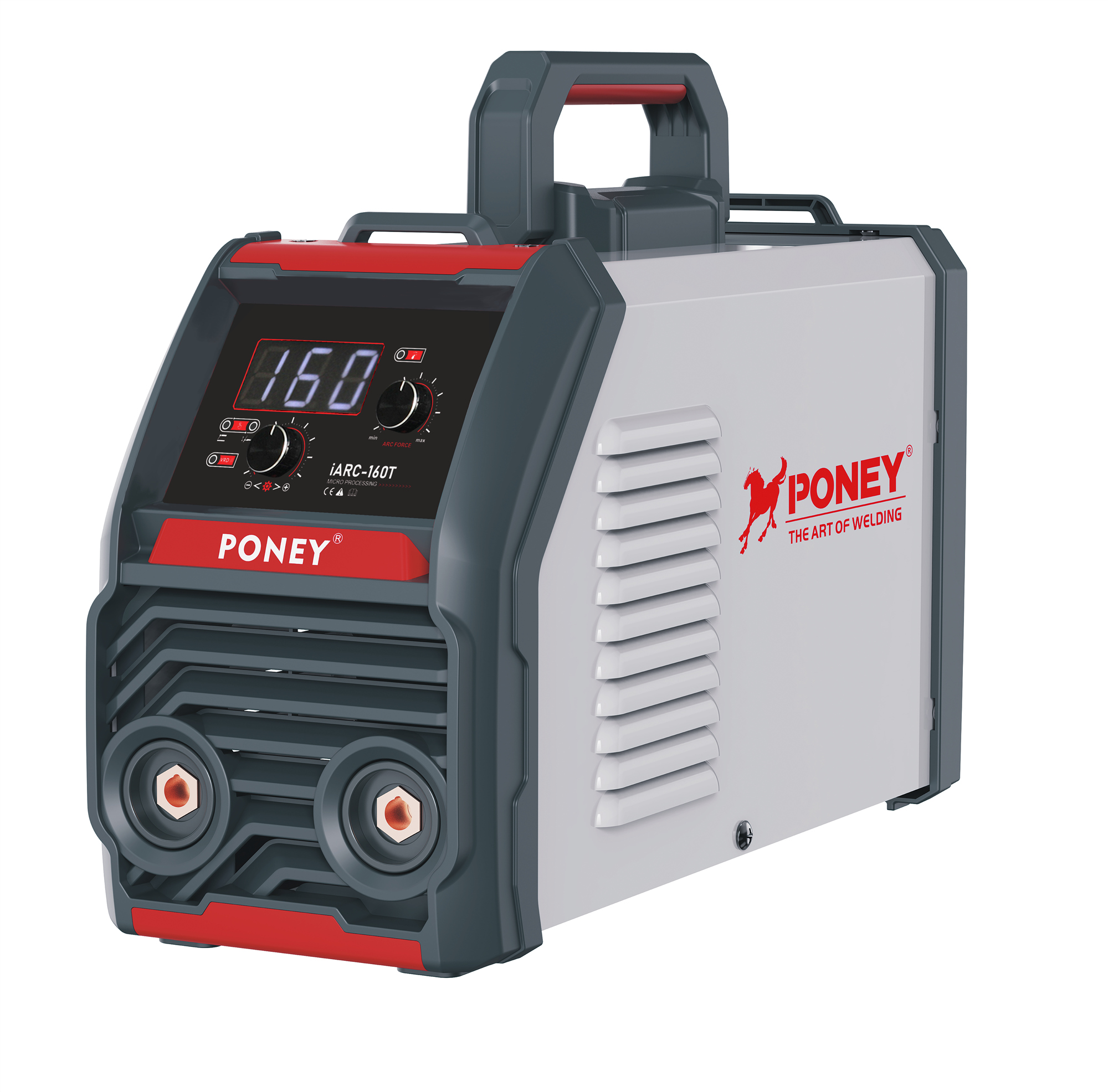
Operating a stick welder presents distinct challenges that separate seasoned professionals from newcomers to the trade. Whether you're transitioning from other welding processes or entering the field entirely, understanding the typical obstacles associated with stick welder operation can significantly accelerate your learning progression. The stick welder remains one of the most versatile and widely used welding methods in industrial settings, yet its operational complexity demands patience, practice, and strategic problem-solving from anyone committed to mastering this essential skill.
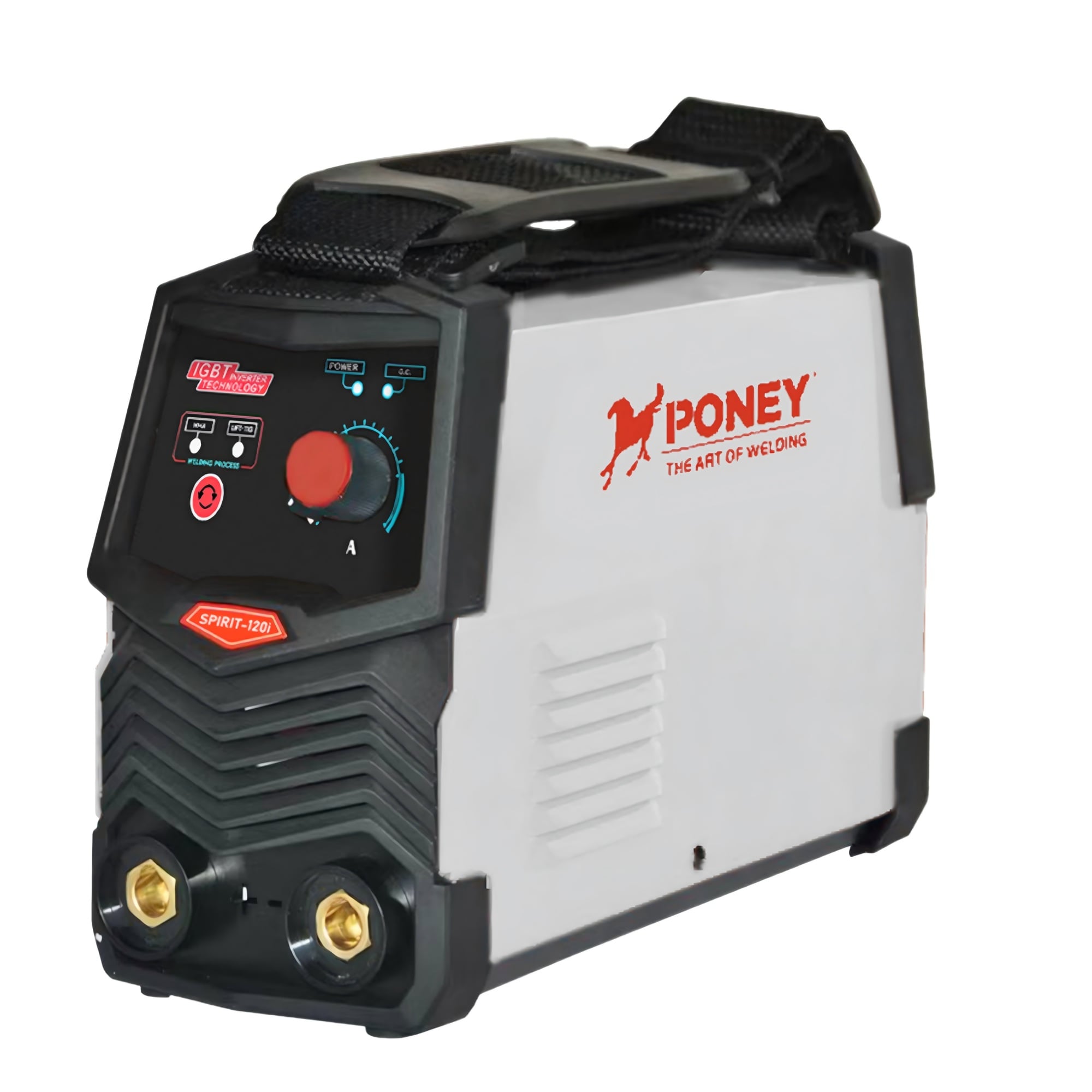
The learning curve with a stick welder is noticeably steeper than many expect because this process requires simultaneous coordination of multiple variables. Unlike some modern welding technologies, a stick welder demands real-time adjustments, precise electrode control, and deep understanding of how arc characteristics affect weld quality. Recognizing these challenges upfront allows operators to develop realistic expectations and implement targeted training strategies that address the root causes of common mistakes.
Arc Control and Electrode Management
Maintaining Consistent Arc Length
One of the most significant challenges when learning to operate a stick welder is maintaining an optimal and consistent arc length throughout the weld. Beginners often struggle because arc length directly influences penetration, bead width, and overall weld quality, yet this parameter requires continuous manual adjustment as the electrode burns down. The stick welder operator must develop a feel for the correct distance, which typically ranges between one-eighth and one-quarter inch, making the skill fundamentally different from other welding processes where arc length is automatically controlled by equipment.
The difficulty intensifies because electrode diameter, amperage settings, and material thickness all affect the ideal arc length for a specific stick welder application. A new operator using a stick welder often creates either too-short arcs, which cause the electrode to stick to the workpiece, or excessively long arcs, which produce weak welds with excessive spatter. Developing this tactile sensitivity requires hundreds of practice hours and intentional feedback loops where operators observe weld results and adjust their technique accordingly.
Electrode Consumption and Travel Speed
As the stick welder electrode burns during operation, operators must coordinate declining electrode length with travel speed to prevent arc loss. This dynamic challenge means that using a stick welder requires operators to continuously feed the electrode closer to the workpiece while maintaining proper angle and movement pattern. Many beginners inadvertently accelerate travel speed as the electrode shortens, resulting in incomplete fusion and weak joints that fail inspection.
The stick welder's consumable electrode design inherently creates this coordination problem, which doesn't exist in wire-feed or TIG processes. Operators must develop muscle memory that automatically adjusts for electrode length changes without conscious thought, transforming the stick welder from a technically demanding tool into a manageable one through repetition and deliberate practice.
Slag Removal and Surface Defects
Understanding Slag Behavior
Every stick welder process generates a protective slag layer that covers the weld bead, but managing this slag during multi-pass welds presents a significant learning challenge for beginners. The stick welder operator must completely remove slag between passes to prevent inclusions that weaken the final weld structure and compromise safety-critical joints. Incomplete slag removal appears as dark lines in radiographic inspections and indicates fundamental misunderstanding of the stick welder's operational requirements.
Different stick welder electrodes produce slag with varying adhesion properties and composition. Fast-freeze electrodes used in vertical or overhead stick welder applications produce slag that sticks tenaciously, requiring aggressive chipping and wire brushing. Conversely, basic electrodes used with stick welders for horizontal flat positions generate slag that sometimes appears to remove easily but leaves thin residual layers that cause defects. Learning to recognize different slag types and applying appropriate removal techniques represents a critical competency that many operators neglect during initial stick welder training.
Spatter Control and Cleanup
Spatter generation is an inherent characteristic of stick welder operation, yet excessive spatter indicates poor technique or incorrect machine settings. Beginners operating a stick welder often accept high spatter levels as unavoidable, when in reality, excessive spatter typically results from too-high amperage, incorrect electrode angle, or inadequate travel speed. The stick welder allows considerable operator adjustment of these parameters, and learning to minimize spatter through technique refinement directly correlates with weld quality improvement.
Spatter cleanup consumes significant time in production environments, and operators learning on a stick welder often underestimate the economic impact of poor spatter control. Industrial facilities implementing stick welder processes recognize that reducing spatter through operator skill development translates directly to labor cost reduction and improved productivity metrics.
Certification and Code Compliance Challenges
Meeting Welder Qualification Standards
Operators training on a stick welder must eventually qualify according to industry standards such as AWS D1.1 or ASME Section IX, which impose specific testing requirements that reveal deficiencies in fundamental technique. The qualification test for stick welder operation requires operators to produce samples across multiple positions, including vertical and overhead configurations that present exponentially greater difficulty than flat-position practice. Many operators discover that their stick welder skills, adequate for simple flat-position work, prove insufficient when tested in demanding orientations required by industry codes.
The stick welder qualification process typically involves creating test samples that undergo bend testing, radiographic examination, and visual inspection, providing objective feedback about weld internal quality. Operators frequently require multiple attempts to pass stick welder qualification tests, particularly when transitioning from training environments to formal testing procedures that enforce strict acceptance criteria. Understanding these standards during initial stick welder training helps operators focus their practice on relevant skill areas rather than developing habits that violate code requirements.
Adapting to Different Material Specifications
Industrial applications require stick welder operators to adapt their technique when working with different base materials, including carbon steel, stainless steel, and specialty alloys. Each material presents unique challenges for the stick welder operator, including different electrode requirements, preheat conditions, and post-weld heat treatment protocols. Beginners often struggle because the fundamental stick welder technique differs substantially between material types, requiring operators to essentially relearn critical aspects of their craft for each new material family.
The stick welder's versatility across material types represents both an asset and a source of complexity during operator development. Mastering stick welder operation across multiple materials requires understanding metallurgy, electrode composition, and thermal management—knowledge domains that extend well beyond basic welding technique and demand continuous learning throughout a professional career.
FAQ
How long does it typically take to become proficient with stick welder operation?
Most operators require 6 to 12 months of consistent, focused practice to develop basic proficiency with stick welder operation, though reaching mastery across multiple positions and materials typically requires 2-3 years of dedicated experience. The stick welder's complexity means that individuals investing significant practice hours progress faster than those receiving sporadic training, as muscle memory development and arc feel require regular reinforcement.
What is the most common mistake beginners make when operating a stick welder?
The most prevalent error among beginners operating a stick welder is inconsistent arc length maintenance, which directly causes weak penetration, poor fusion, and excessive spatter. New operators struggle because the stick welder demands continuous manual arc length adjustment as the electrode burns, and this skill cannot be rushed through reading or observation alone—it develops exclusively through hands-on practice and deliberate correction cycles.
Can operators transition from stick welder to other welding processes more easily than learning stick welder first?
Yes, operators who master stick welder operation often transition more readily to wire-feed or TIG processes because the stick welder demands the most operator coordination and skill. Learning a stick welder first develops deep understanding of arc characteristics, puddle control, and thermal management, creating a strong foundation that makes other welding technologies feel relatively simple by comparison.