EN
EN

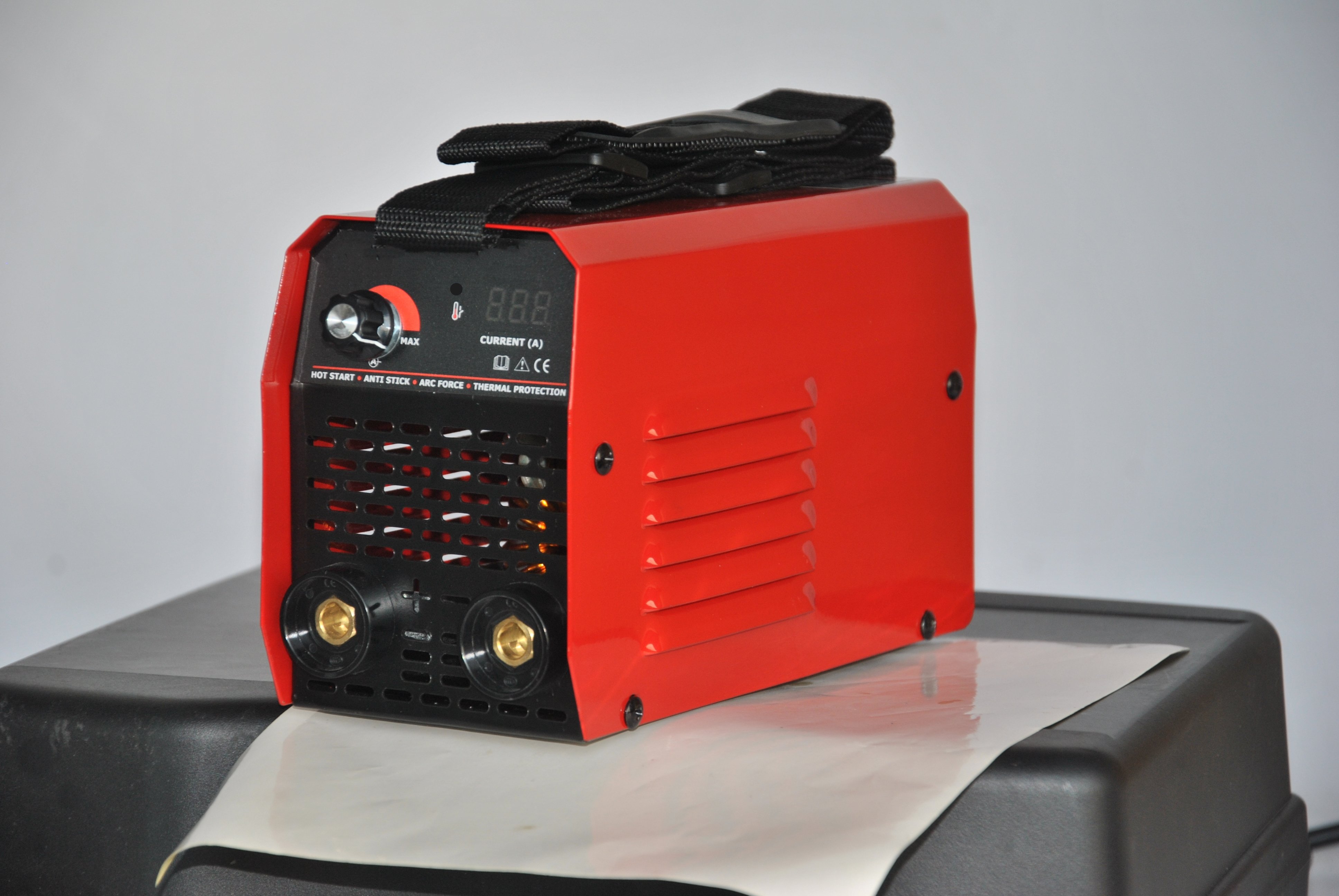
A mig welding machine is a versatile tool found in fabrication shops, automotive facilities, and industrial manufacturing environments worldwide. However, when operators attempt to use a mig welding machine across multiple material types, significant performance limitations emerge that can compromise weld quality, safety, and productivity. Understanding these constraints is essential for any operation that works with diverse materials, as misalignment between equipment capability and material requirements often leads to defects, costly rework, and potential equipment damage.
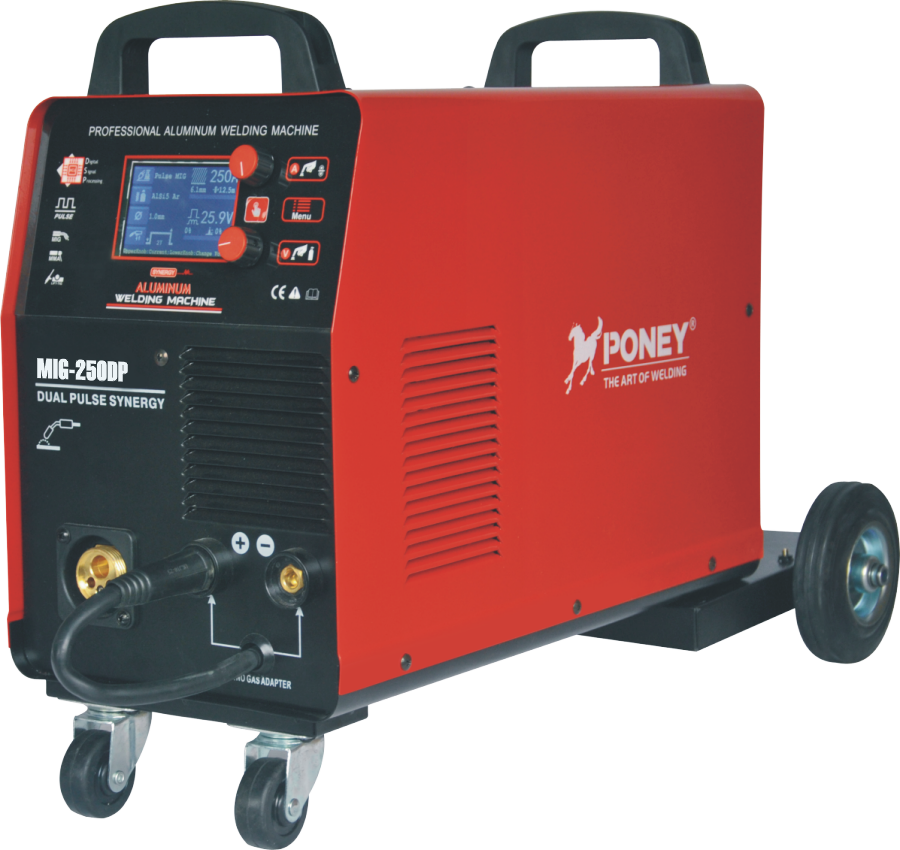
The fundamental limitation of any mig welding machine stems from its design parameters, which optimize performance for specific material families and thickness ranges. When a mig welding machine encounters materials outside its intended operating envelope—such as switching from mild steel to aluminum or stainless steel—the electrode wire composition, shielding gas selection, contact tip distance, and drive roll pressure all require adjustment. Many operators underestimate how dramatically these factors interact, resulting in incomplete fusion, porosity, spatter, and poor mechanical properties in the final weld.
Material Compatibility Constraints of MIG Welding Machines
Aluminum and Steel Incompatibility with Standard Equipment
One of the most common challenges operators face is the material transition between ferrous and non-ferrous metals when using a mig welding machine. Aluminum requires a specialized mig welding machine setup because aluminum wire is softer than steel wire and demands different wire feed speeds, contact tip materials, and liner configurations. A standard mig welding machine designed for steel will struggle to push aluminum wire smoothly through its drive mechanism, leading to wire jamming and feed inconsistency. Additionally, the thermal conductivity of aluminum differs dramatically from steel, meaning the same heat input and arc characteristics that work perfectly on steel will produce shallow penetration and lack of fusion on aluminum.
Stainless steel presents another distinct challenge when used with a mig welding machine optimized for mild steel. The corrosion resistance that makes stainless steel valuable requires careful control of heat input and cooling rates to prevent sensitization and intergranular corrosion. A mig welding machine with excessive heat output or poor arc stability can degrade the material properties significantly. Furthermore, stainless steel's higher electrical resistance and different wire feed characteristics mean that a mig welding machine calibrated for carbon steel will not deliver optimal results on stainless applications without substantial parameter adjustments.
Cast Iron and Specialty Alloys
Cast iron represents one of the most demanding materials when attempted on a general-purpose mig welding machine. The brittle nature of cast iron and its sensitivity to rapid cooling make it extremely difficult to weld successfully with standard mig welding machine settings. Most mig welding machines are not designed to maintain the low heat input and controlled interpass temperatures that cast iron requires. Attempting to use a mig welding machine on cast iron without preheating and specialized nickel-based filler materials typically results in cracking and complete weld failure. High-strength alloys, tool steels, and precipitation-hardened materials similarly demand precision control that exceeds the capability of a standard mig welding machine, requiring post-weld heat treatment protocols that many fabrication shops cannot accommodate.
Equipment Performance Limitations Across Different Materials
Wire Feed and Shielding Gas Challenges
Every mig welding machine is engineered with specific wire sizes, materials, and feed mechanisms in mind. When operators switch materials on the same mig welding machine, the wire feeding system often becomes the first point of failure. Aluminum wire is significantly softer than steel, and a mig welding machine with standard steel-optimized drive rolls will slip against aluminum wire, creating inconsistent feed rates that destroy arc stability. Similarly, the shielding gas requirement varies dramatically by material. A mig welding machine set up for CO2 or argon-CO2 blends on steel performs poorly with pure argon on aluminum because the arc characteristics, penetration profile, and spatter behavior change fundamentally. Switching gases on a mig welding machine without adjusting voltage and wire speed creates inconsistent results and increases defect rates substantially.
The contact tip wear and erosion patterns also differ significantly across materials when using the same mig welding machine. Aluminum produces more spatter and oxide buildup than steel, causing contact tip degradation to accelerate on a mig welding machine not specifically configured for aluminum. This wear pattern reduces electrical conductivity and arc quality over time, forcing operators using a mig welding machine to replace contact tips more frequently when transitioning between material types.
Thermal Management and Heat Input Control
Heat distribution and cooling characteristics vary substantially between material types, creating thermal management challenges when using a mig welding machine designed for a single material family. Copper and copper alloys conduct heat rapidly away from the weld pool, requiring a mig welding machine with exceptional heat output to achieve adequate penetration. Conversely, stainless steel and titanium alloys are sensitive to overheating, and a mig welding machine calibrated for high-power steel applications will cause porosity, excessive grain growth, and mechanical property degradation. A mig welding machine lacks the adaptive capability to sense material type and automatically adjust thermal parameters, placing the burden on the operator to make manual adjustments that are often inadequate or inconsistent.
Practical Limitations and Equipment Capability Gaps
Wire Composition and Alloy Matching
Every mig welding machine is sold with compatible wire consumables that match the base material and application. When operators attempt to use a mig welding machine with mismatched filler wire—such as using mild steel wire on stainless steel base metal—the resulting weld lacks corrosion resistance and mechanical properties required by the application. A mig welding machine cannot compensate for improper wire selection through parameter adjustment alone. The chemical composition of the weld metal is determined by the wire chemistry and shielding gas interaction, both of which must align with the base material specification. Attempting to stretch a single mig welding machine across carbon steel, stainless steel, and aluminum practically guarantees that at least one material type will receive suboptimal filler wire, leading to properties mismatches and potential service failures.
Duty Cycle and Thermal Stress
Industrial environments that use a mig welding machine on multiple material types often experience accelerated component degradation. Different materials require different energy levels, and continuously cycling a mig welding machine through high-power aluminum welding, then lower-power stainless steel welding, then back to heavy structural steel creates thermal stress on the power supply, wire feeder, and gun. Over time, this duty cycle variation reduces equipment lifespan and increases maintenance frequency. A mig welding machine designed with a specific duty cycle in mind will overheat or underperform when pushed beyond those design parameters across diverse materials.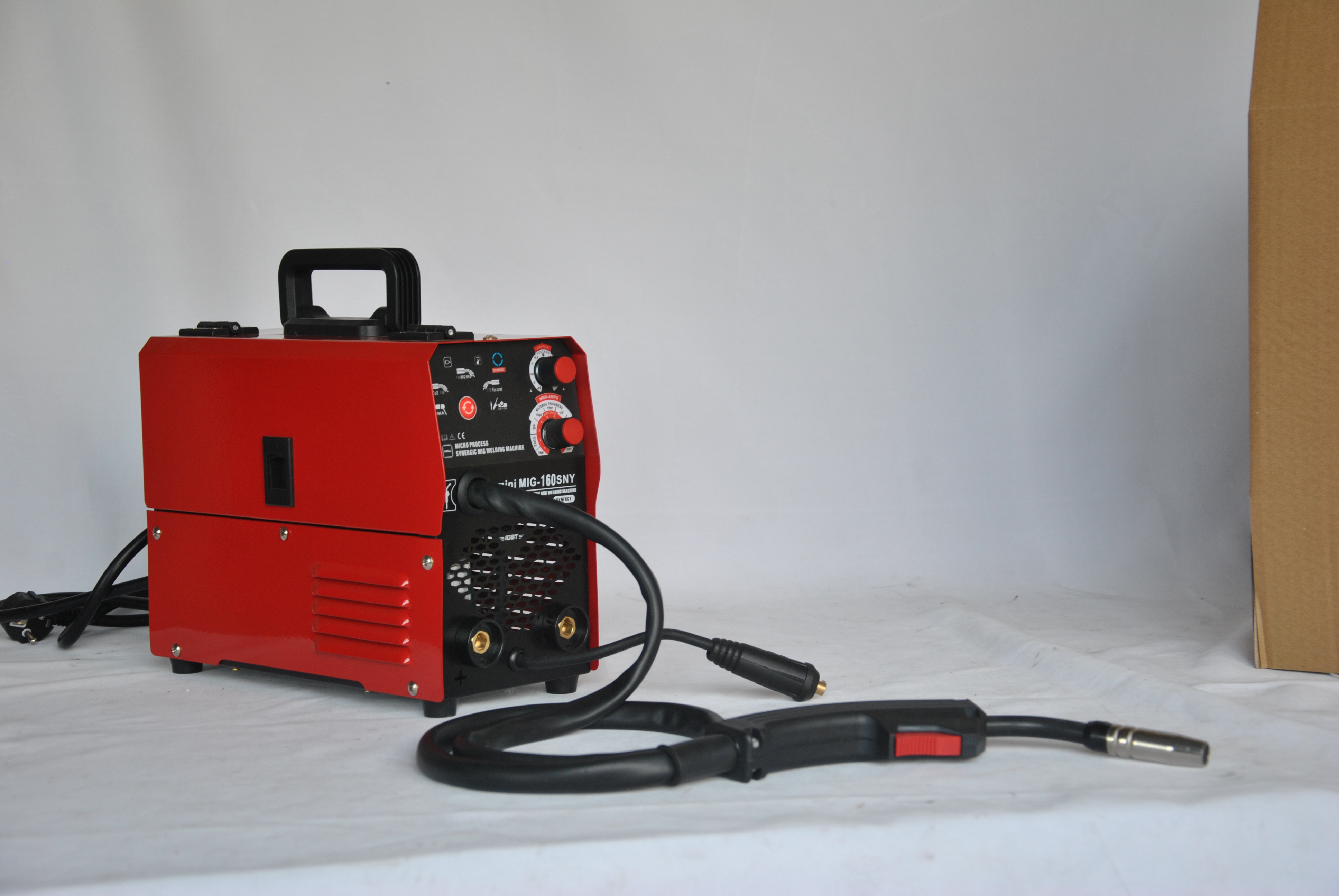
FAQ
Can a single MIG welding machine work effectively on both aluminum and steel?
A standard mig welding machine can technically weld both aluminum and steel, but not effectively without significant equipment modifications. The wire feed system, contact tip, shielding gas supply, and parameter settings must all change when switching between aluminum and steel. Most general-purpose mig welding machines achieve acceptable results on one material family but compromise on others. Industrial facilities that require frequent aluminum and steel welding typically maintain separate mig welding machine stations, each optimized for their primary material, to maintain quality consistency and equipment reliability.
What are the most common defects when using a MIG welding machine across materials incorrectly?
The most frequent defects include lack of fusion, porosity, inconsistent penetration, and spatter accumulation. When a mig welding machine is not properly configured for the material being welded, the arc lacks stability and the heat distribution becomes uneven. Lack of fusion occurs because the arc temperature and pool dynamics are mismatched to the material's thermal properties. Porosity results from inadequate shielding gas coverage or arc instability, while spatter indicates poor arc control specific to that material and mig welding machine configuration.
Is it cost-effective to use one MIG welding machine for multiple material types?
From a capital perspective, one mig welding machine seems economical, but operational costs often exceed the savings. Defect rates increase, rework becomes frequent, and equipment maintenance accelerates when a mig welding machine is pushed across multiple material types without dedicated optimization. Downtime for parameter adjustment and consumable changes adds hidden labor costs. Facilities that prioritize weld quality and long-term equipment reliability typically invest in material-specific mig welding machine stations rather than forcing one mig welding machine to serve all purposes.