EN
EN

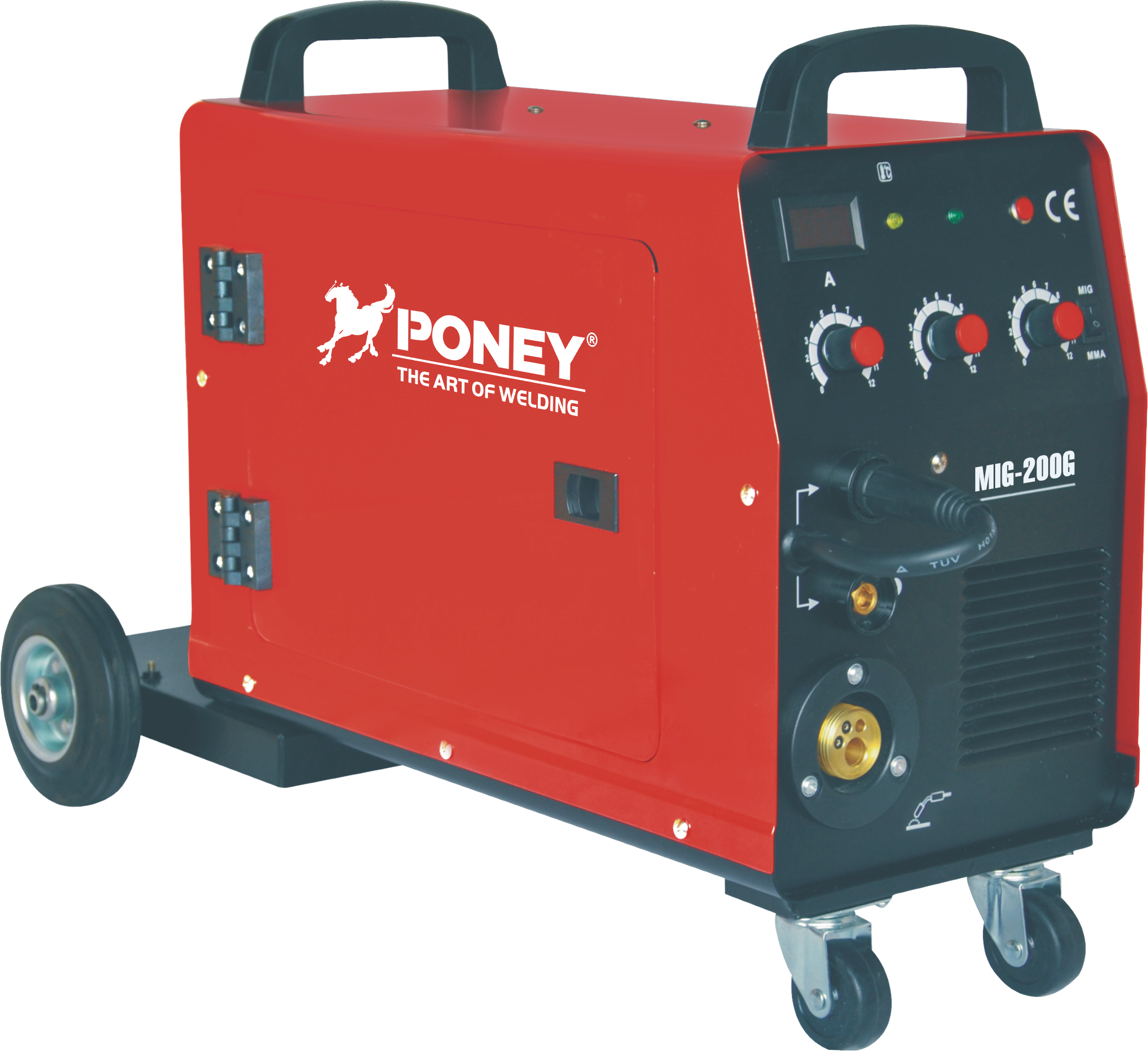
CO2 welding has maintained its dominant position in industrial fabrication shops worldwide, even as newer shielding gas alternatives emerge regularly. Despite decades of technological advancement and the introduction of mixed gases and advanced shielding systems, CO2 welding continues to be the preferred choice for many manufacturers, metal fabricators, and welding contractors. This persistence reflects not outdated thinking but rather a pragmatic understanding of cost-benefit analysis, operational reliability, and real-world production demands that make CO2 welding the most economical and effective solution for countless applications.
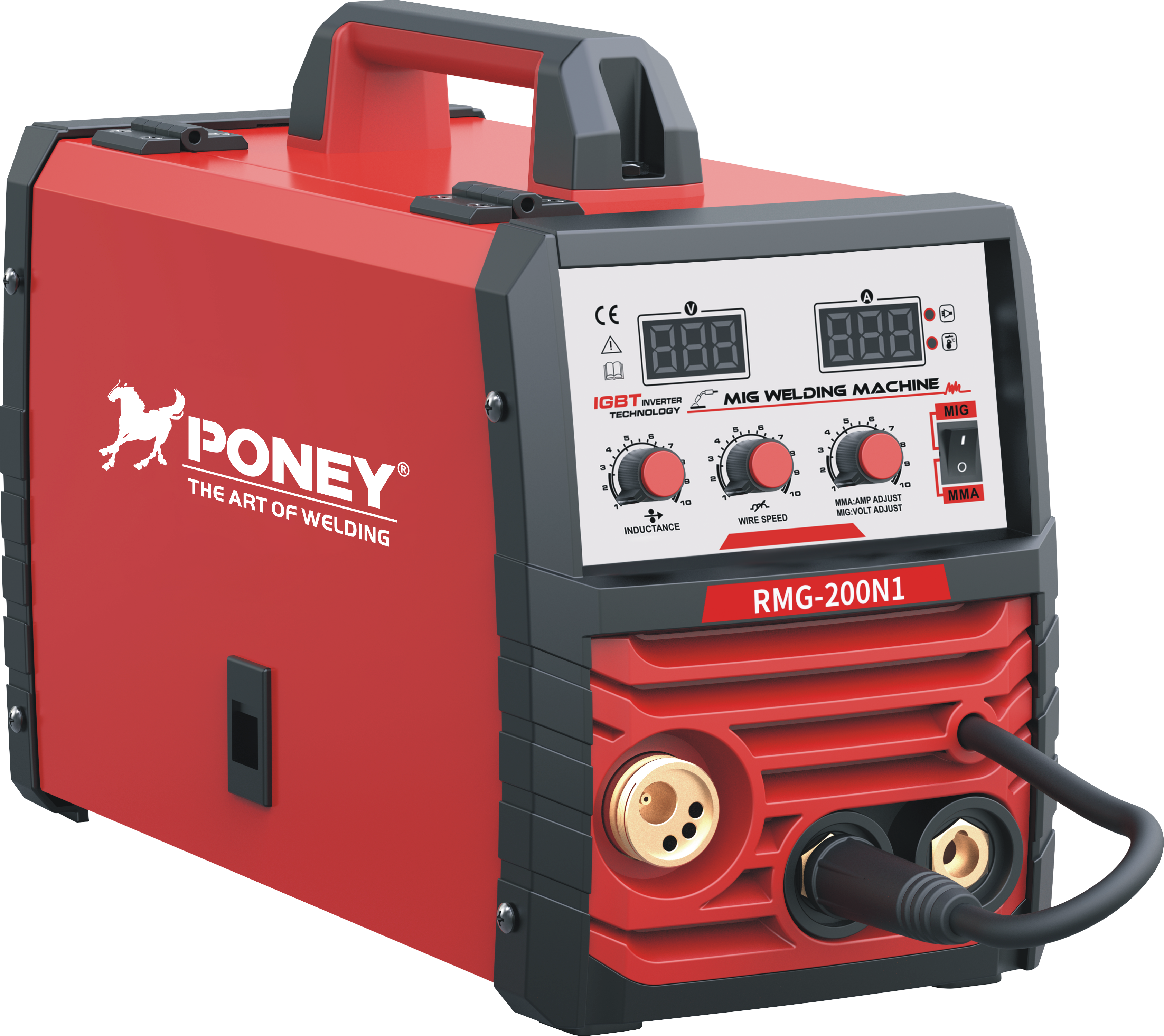
The welding industry regularly introduces innovations, from argon-CO2 blends to advanced pulsed-spray technologies. Yet CO2 welding remains the backbone of modern fabrication because it delivers measurable business value that newer alternatives struggle to justify. Understanding why CO2 welding endures requires examining the technical, economic, and operational factors that shape real-world welding decisions in industrial environments.
Cost Efficiency and Economic Reality
Lower Material and Gas Costs
Pure CO2 gas is significantly cheaper than mixed shielding gases, argon blends, or specialty gas combinations. This cost advantage compounds across high-volume production runs, where thousands of meters of weld bead are deposited weekly. A fabrication shop running multiple CO2 welding stations can reduce gas expenditure by 40 to 60 percent compared to operations using argon-CO2 blends or tri-mix gases. For industries operating on thin profit margins, this difference directly impacts competitiveness and bidding power on customer contracts.
CO2 welding also requires simpler, less expensive equipment compared to systems designed for mixed-gas applications. The shielding mechanism in CO2 welding is straightforward, reducing maintenance complexity and spare parts inventory costs. Wire feeders, nozzles, and contact tips designed for CO2 welding are mass-produced commodities, keeping replacement costs low and availability high. When a shop operates a fleet of welding stations, this equipment standardization translates to operational simplicity and reduced downtime during component failures.
Return on Investment for Fabricators
Switching from CO2 welding to alternative shielding systems demands capital investment in new equipment, retraining, and process validation. For many small to mid-sized fabrication shops, this transition cost cannot be justified by marginal improvements in weld appearance or slight reductions in spatter. CO2 welding produces acceptable quality welds across a wide range of materials, thicknesses, and joint configurations, meaning the existing capital infrastructure continues to deliver value year after year. The economic burden of upgrading falls squarely on the fabricator, while the performance benefits of newer alternatives often remain incremental rather than transformational.
Reliability and Proven Performance
Operator Skill and Consistency
CO2 welding has decades of established practice, and thousands of welders worldwide possess practical expertise in this process. Training programs, technical manuals, and troubleshooting knowledge for CO2 welding are abundant and accessible. A welder trained on CO2 welding can quickly solve problems on the shop floor, adjust settings for different materials, and maintain consistent bead quality across production shifts. In contrast, newer shielding alternatives demand more precise parameter control and may require operators to possess deeper technical understanding of gas metallurgy and welding arc behavior.
The predictability of CO2 welding results gives production managers confidence in scheduling and quality planning. A fabricator knows that CO2 welding will produce sound fusion, adequate penetration, and acceptable appearance on structural steel, shipbuilding material, and general fabrication work. This reliability reduces rework rates, scrap losses, and schedule delays. For industries serving automotive suppliers, construction, and energy sectors, the ability to deliver consistently predictable welds is worth more than the theoretical advantages of laboratory-proven alternatives that may introduce variables into an already-managed process.
Proven Track Record in Industrial Applications
Decades of production experience have validated CO2 welding across countless industrial applications. Pressure vessels, structural frameworks, offshore platforms, and heavy machinery have been successfully fabricated using CO2 welding, with in-service performance data spanning multiple decades. This proven safety history and the established qualification standards around CO2 welding mean that engineers, inspectors, and customers have high confidence in the process. When a customer specifies a fabrication project, CO2 welding is often already written into contract requirements, certification procedures, and inspection protocols.
Switching to alternative shielding for such applications introduces qualification uncertainty and potential contractual complications. A fabricator considering new shielding gas alternatives must demonstrate that the new process meets or exceeds existing specifications, undergoes additional testing, and receives approvals from all relevant parties. The administrative and technical burden of re-qualification often exceeds the operational benefits of the alternative process. CO2 welding avoids this friction entirely by remaining compliant with established standards and customer expectations.
Process Capability and Material Versatility
Wide Material Compatibility
CO2 welding works effectively on a broad range of materials and thicknesses. Carbon steels, low-alloy steels, stainless steels, and even certain aluminum applications can be successfully joined using CO2 welding with appropriate filler wire selection. This versatility means a single welding process can handle multiple materials within a fabricator's product portfolio. A shop does not need to maintain separate gas systems, training protocols, and quality standards for each material type—CO2 welding provides a unified solution that simplifies operational management.
The penetration characteristics of CO2 welding are particularly valuable for thicker sections and structural applications. The deeper, more forceful arc produced by CO2 welding ensures reliable fusion in joints that demand high mechanical strength. For industries fabricating pressure equipment, structural steel frames, or heavy machinery components, this penetration capability of CO2 welding is essential. Newer shielding gases may provide cosmetic advantages or slight improvements in thin-sheet work, but they do not fundamentally change the process capability that makes CO2 welding suitable for heavy-section fabrication.
Adaptation to Production Environments
Industrial fabrication shops often operate in challenging environments with drafts, temperature fluctuations, and humidity variations. CO2 welding is relatively robust in such conditions, whereas some alternative shielding gases are more sensitive to environmental disruption. Mixed gases, for example, can experience shielding integrity issues if environmental conditions are not carefully controlled. For a shop operating outdoors, in partially enclosed spaces, or in facilities without climate control, CO2 welding provides more reliable shielding protection and consistent results across varying conditions.
The simplicity of CO2 welding also means fewer variables to manage when adapting to different production scenarios. Positioning changes, material variations, or shifts in production volume can be accommodated with minor parameter adjustments. A fabricator using CO2 welding can pivot quickly between projects without requiring extensive process revalidation or re-training on alternative shielding systems. This operational flexibility translates to faster turnaround times and lower project costs, competitive advantages that directly support customer satisfaction and repeat business.
FAQ
What are the main disadvantages of CO2 welding?
CO2 welding produces higher spatter levels compared to mixed-gas alternatives and can create rougher bead surfaces, which may require additional finishing work. The process also generates higher heat input in thin-section applications, potentially causing distortion. For aesthetic applications or situations where spatter removal is costly, alternative shielding systems may offer operational advantages. However, these cosmetic drawbacks rarely outweigh the economic and reliability benefits of CO2 welding in industrial production settings where bead appearance is secondary to structural integrity and cost control.
Will CO2 welding eventually become obsolete?
While technology continues advancing, CO2 welding is unlikely to become obsolete in the foreseeable future. The combination of low cost, proven reliability, and broad material compatibility ensures that CO2 welding will remain economically rational for most fabricators. Specialized applications may shift toward alternative shielding, but the fundamental economics and operational advantages of CO2 welding will sustain its use across industries. The process has already survived multiple waves of technological innovation, and economic logic suggests this pattern will continue indefinitely.
Can CO2 welding match the quality of newer alternatives?
CO2 welding can produce high-quality welds that meet or exceed structural and functional requirements for the vast majority of industrial applications. While newer shielding alternatives may offer marginal improvements in bead appearance or reduced spatter, these benefits do not translate into superior mechanical properties, fatigue resistance, or long-term service performance. For applications demanding critical structural integrity, CO2 welding consistently delivers acceptable quality at significantly lower cost. The perception that newer alternatives are inherently superior often reflects marketing positioning rather than measurable performance differences in real-world industrial use.